
Lung Transplant Treatment in India for Bangladesh
Need Personalized Advice?
Our medical experts are ready to answer your questions and guide you through your treatment options.
About
Lung Transplant in India for Bangladesh Patients | Cost, Hospitals
For many patients in Bangladesh facing severe lung conditions, the possibility of needing a lung transplant can bring significant worry. The search for advanced medical solutions often extends beyond borders, seeking specialized care that promises renewed health and a better quality of life. Understanding available options and ensuring the best medical pathway is a primary concern.
Patients from Bangladesh often explore medical options outside their home country due to the complexity and specialized nature of lung transplants. India has emerged as a preferred destination for such advanced procedures, offering comprehensive medical infrastructure across its major cities. This provides a wider selection of highly equipped hospitals and experienced medical teams.
Trust in India’s medical system for complex procedures like lung transplants is built upon a foundation of reputable hospitals, accredited facilities, and globally trained specialists. These institutions across India are equipped with cutting-edge technology and adhere to international standards of patient care. A supportive environment helps patients and their families navigate the challenging treatment journey.
India offers a robust and accessible pathway for patients seeking lung transplant treatment.
What is a Lung Transplant?
A lung transplant is a complex surgical procedure where diseased or damaged lungs are replaced with healthy lungs from a deceased donor. In some rare cases, a portion of a lung from a living donor might be used. This life-saving operation is considered for individuals with end-stage lung disease when all other medical treatments have failed, aiming to improve breathing, extend life expectancy, and significantly enhance the patient's overall quality of life. It requires meticulous pre-operative planning and extensive post-operative care.
What Are the Types of Lung Transplants?
There are several types of lung transplant procedures, determined by the patient's specific medical condition and donor availability:
- Single Lung Transplant: Involves replacing one diseased lung with a healthy donor lung. This is often suitable for conditions like pulmonary fibrosis or COPD, where only one lung is severely affected.
- Double Lung Transplant (Bilateral Lung Transplant): Both diseased lungs are replaced with healthy donor lungs. This is commonly performed for conditions such as cystic fibrosis, bronchiectasis, or pulmonary hypertension, where both lungs are compromised.
- Heart-Lung Transplant: A rare procedure where both the heart and lungs are replaced simultaneously. This is considered for patients suffering from severe combined heart and lung failure.
- Lobar Transplant (Living-Donor Lung Transplant): Involves transplanting a lobe (a segment) of a lung from two living donors into the recipient. Each donor contributes one lobe. This option is less common but can be considered in specific circumstances, especially for pediatric patients.
When is a Lung Transplant Necessary?
- Severe Chronic Obstructive Pulmonary Disease (COPD) or Emphysema
- Cystic Fibrosis leading to extensive lung damage
- Idiopathic Pulmonary Fibrosis, a progressive scarring of the lungs
- Alpha-1 Antitrypsin Deficiency with severe lung involvement
- Pulmonary Hypertension that has not responded to other treatments
- Bronchiectasis with recurrent infections and significant lung destruction
- Sarcoidosis with end-stage lung disease
- Other rare interstitial lung diseases
How is a Patient Evaluated Before a Lung Transplant?
- Comprehensive medical history and physical examination
- Detailed pulmonary function tests and arterial blood gas analysis
- High-resolution computed tomography (HRCT) scan of the chest
- Echocardiogram and cardiac catheterization to assess heart function
- Blood tests including complete blood count, kidney and liver function, and viral screenings
- Tissue typing and cross-matching to find a compatible donor
- Nutritional assessment and psychological evaluation
- Dental examination to rule out sources of infection
- Exercise capacity tests, such as a 6-minute walk test
How is a Lung Transplant Performed?
The specific procedure for a lung transplant depends on whether it's a single or double lung transplant and the patient's individual condition. However, the general process involves several critical stages, from preparation to the actual surgical intervention.
Pre-Surgical Preparation
Once a compatible donor lung becomes available, the patient is admitted to the hospital. A team of specialists prepares the patient for surgery, which includes final assessments and ensuring the patient is stable for the procedure. The donor lungs are carefully evaluated for suitability before transplantation.
The Surgical Procedure
During the surgery, the patient is placed under general anesthesia. An incision is made in the chest. For a single lung transplant, the incision is usually on one side of the chest. For a double lung transplant, a transverse incision across the chest or separate incisions are made. The diseased lung or lungs are carefully removed. The healthy donor lung(s) are then meticulously connected to the patient's airways, blood vessels, and heart. This involves stitching the bronchus (airway), pulmonary artery, and pulmonary veins. The surgical team works with precision to minimize complications and ensure optimal blood flow and air passage. The procedure can take several hours, typically ranging from 4 to 12 hours depending on the complexity and type of transplant.
Post-Surgical Care in ICU
Immediately after the transplant, the patient is moved to the intensive care unit (ICU) for close monitoring. This critical period involves managing pain, checking lung function, and preventing infections. Patients are often on a ventilator to support breathing and receive immunosuppressant medications to prevent the body from rejecting the new lung(s).
Thinking about a lung transplant in India? Reach out to our expert team for personalized guidance and hospital comparisons.
Get a Free Expert Opinion
What Does Recovery After a Lung Transplant Involve?
Recovery after a lung transplant is a long and comprehensive process. Patients typically spend several weeks in the hospital, moving from the ICU to a regular ward once stable. Physical therapy and pulmonary rehabilitation begin early to restore strength and lung function. A strict regimen of immunosuppressant medications is lifelong to prevent organ rejection. Regular follow-up appointments, blood tests, and imaging scans are essential to monitor the new lungs and adjust medication as needed. Patients receive detailed instructions on diet, exercise, infection prevention, and recognizing signs of rejection. Full recovery and adaptation to a new lifestyle can take many months, with a strong focus on patient education and support.
What are the Risks and Success Rates of Lung Transplants?
- Organ rejection, where the immune system attacks the new lung(s)
- Infections, particularly pneumonia, due to immunosuppression
- Bronchiolitis obliterans syndrome (BOS), a form of chronic rejection affecting airways
- Bleeding during or after surgery
- Blood clots
- Kidney dysfunction or failure
- Side effects from immunosuppressant medications, such as diabetes, high blood pressure, or osteoporosis
- Airway complications like narrowing of the bronchial connections
- Development of certain cancers over time due to immunosuppression
Success rates for lung transplants have significantly improved over the years. Generally, the one-year survival rate after a lung transplant ranges from 80% to 90%, with five-year survival rates typically between 50% to 60%. These outcomes can vary based on factors such as the patient's age, underlying condition, overall health, and adherence to post-transplant care. Long-term success is heavily influenced by preventing rejection, managing infections, and diligent follow-up. While lung transplant offers a chance at extended life and improved quality, it is a demanding journey requiring commitment from the patient and their support system.
Cost of Lung Transplant in India for Bangladesh Patients
The cost of a lung transplant in India can vary significantly, influenced by several factors. These include the specific hospital chosen, the experience and fees of the surgical team, the complexity of the patient's condition, the duration of hospital stay, the need for extensive pre- and post-operative care, and the type of transplant performed (single or double lung). Additionally, costs associated with diagnostic tests, medications, and rehabilitation can contribute to the overall expenditure.
A lung transplant in India typically ranges from INR 25,00,000 to INR 50,00,000 (approximately USD 30,000 to USD 60,000), excluding long-term post-operative care and immunosuppressants.
Indicative Lung Transplant Costs Across Major Indian Cities
| City | Estimated Cost Range (INR) |
|---|---|
| Delhi | 28,00,000 - 48,00,000 |
| Mumbai | 30,00,000 - 50,00,000 |
| Chennai | 27,00,000 - 47,00,000 |
| Bengaluru | 29,00,000 - 49,00,000 |
| Hyderabad | 26,00,000 - 46,00,000 |
| Kolkata | 25,00,000 - 45,00,000 |
| Ahmedabad | 27,00,000 - 47,00,000 |
Global Comparison of Lung Transplant Costs (Illustrative)
| Country | Estimated Cost Range (USD) |
|---|---|
| United States | 800,000 - 1,200,000 |
| United Kingdom | 250,000 - 400,000 |
| Singapore | 150,000 - 250,000 |
| Thailand | 100,000 - 180,000 |
| India | 30,000 - 60,000 |
| Bangladesh | Not widely available / Higher cost for advanced cases requiring overseas travel |
Comprehensive Support Services for Your Treatment Journey
- Assistance with medical visa applications and extensions for patients and accompanying family.
- Dedicated patient coordinators to manage appointments, hospital admissions, and treatment schedules.
- Arrangement of comfortable accommodation options, from budget-friendly guesthouses to premium hotels.
- Facilitation of airport transfers and local transportation needs throughout the stay.
- Translation services to ensure clear communication between patients and medical staff.
- Guidance on local cultural nuances and dietary preferences for international visitors.
- Post-treatment follow-up coordination and support for continued care upon returning home.
Important Documents Required for Your Medical Visit
- Valid passport with at least six months validity beyond the intended stay.
- Medical visa approval letter and a copy of the visa application.
- Comprehensive medical reports, including diagnosis, treatment history, and recent test results.
- Doctor’s referral letter from Bangladesh detailing the necessity of a lung transplant.
- Proof of financial solvency to cover treatment costs and living expenses.
- Any previous consultation reports or imaging scans relevant to the lung condition.
- Identification and contact details of accompanying family members or attendants.
Essential Preparations Before Arriving for Treatment
- Consult with your local physician to gather all necessary medical records and obtain a referral.
- Ensure all required vaccinations are up to date before traveling internationally.
- Arrange for comfortable and loose-fitting clothing suitable for hospital stays and recovery.
- Inform the medical team in India about any existing allergies or ongoing medications.
- Prepare for a potentially extended stay in India, considering accommodation and other logistics.
- Understand the financial implications and secure necessary funds for the transplant and associated expenses.
- Discuss potential support systems or family members who will accompany you during this period.
Recovery and Follow-Up Care After Your Procedure
- Adhere strictly to all prescribed immunosuppressant medications and other post-operative drugs.
- Engage actively in the recommended pulmonary rehabilitation program to regain strength and lung function.
- Maintain regular contact with the transplant team for scheduled follow-up appointments and tests.
- Monitor for any signs of infection or rejection, and report them immediately to your medical team.
- Adopt a healthy lifestyle, including a balanced diet and avoidance of smoking or alcohol.
- Protect yourself from infections by practicing good hygiene and avoiding crowded places.
- Plan for ongoing monitoring and support, even after returning to Bangladesh, through teleconsultations or local doctors.
Ready to explore your lung transplant options in India? Connect with us to begin your journey toward better health.
Enquire About Lung Transplant
Your Path to Renewed Health Starts Here
Making an informed decision about a lung transplant requires careful consideration and reliable support. We are here to provide the guidance and clarity you need throughout this significant medical journey.
Hospitals Offering this treatment
India offers premium medical procedures at affordable prices. Discover our most popular treatments, delivered by the country's finest doctors.
Meet Our Doctors
Meet our team of highly qualified and experienced medical professionals dedicated to providing the best healthcare services.

Dr Shweta Bansal
Unit Head & Sr. Consultant - Respiratory Disease & Sleep Medicine (Unit II)
Pulmonology (Chest & Lungs)
New Delhi
13+ Years
Experience
Artemis Hospital
Hospital
1500
Fees

Dr. Kanika Singh
Director & Chief of Service - Respiratory, Critical Care & Sleep Medicine
Pulmonology
New Delhi
12+ Years
Experience
Artemis Hospital
Hospital
1500
Fees
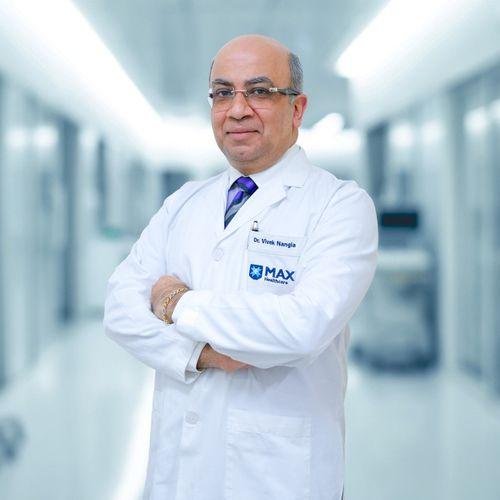
Dr. Vivek Nangia
Vice Chairman & Head, Pulmonology
Pulmonology
New Delhi
29+ Years
Experience
Max Hospital,Gurgaon
Hospital
1500
Fees

Dr. Rajeev Rathi
Director - Pulmonology
Pulmonology
New Delhi
34+ Years
Experience
Apolo Delhi
Hospital
1500
Fees
Related Links
Other Treatment related Information
Ready To Start Your Healing Journey?
Get Personalized Medical Treatment Options From India's Top Hospitals. Our Medical Experts Are Ready To Assist You Every Step Of The Way.