
Lung Transplant Success Rate in India
Need Personalized Advice?
Our medical experts are ready to answer your questions and guide you through your treatment options.
About
Lung Transplant Success Rate in India: Outcomes & Survival
Understanding the Lung Transplant success rate in India is crucial for patients exploring advanced treatment options. This vital metric offers insight into potential outcomes, emphasizing the complexities involved. Success largely depends on the patient's condition, the specific transplant approach, and overall health profile, guiding informed healthcare decisions.
In India, Lung Transplant survival rate information is derived from aggregated clinical data and multi-center studies. These outcomes are carefully evaluated, acknowledging that success rates can vary significantly. Factors such as disease stage, patient age, and the specific medical team's experience all contribute to these diverse results.
Understanding Lung Transplant Outcomes
For Lung Transplant, "success" typically encompasses successful organ engraftment, improved respiratory function, enhanced quality of life, and patient survival. The Lung Transplant recovery rate in India reflects a patient's return to functional independence and sustained health. Short-term success focuses on the immediate post-operative period, while long-term success involves sustained organ function, absence of rejection, and prolonged overall survival.
Lung Transplant Success Rate Breakdown in India
Lung Transplant success rates in India vary depending on the patient's specific indication, transplant type, and individual health factors.
| Treatment Type / Category | Typical Use Case | Success Rate Range (%) | What Success Indicates |
|---|---|---|---|
| Single Lung Transplant | Conditions affecting one lung (e.g., pulmonary fibrosis, COPD) | 70%–85% (1-year survival) | Functional lung engraftment, improved breathing, short-term survival |
| Double Lung Transplant | Conditions affecting both lungs (e.g., cystic fibrosis, severe emphysema) | 75%–90% (1-year survival) | Successful bilateral engraftment, enhanced respiratory capacity, short-term survival |
| Long-term Survival (General) | Overall outcomes across various Lung Transplant types | 50%–65% (5-year survival) | Sustained graft function, absence of chronic rejection, prolonged life |
Lung Transplant survival rate by age in India
Outcomes for Lung Transplant procedures are often influenced by the recipient's age, a trend observed globally and reflected in Indian clinical data. Younger patients generally demonstrate higher initial survival rates compared to older individuals, aligning with international medical literature and established transplant protocols.
| Age Group / Patient Category | Treatment Method | Success Rate Range (%) |
|---|---|---|
| Younger Adults (< 50 years) | Single or Double Lung Transplant | 75%–90% (1-year survival) |
| Middle-aged Adults (50-65 years) | Single or Double Lung Transplant | 70%–85% (1-year survival) |
| Older Adults (> 65 years) | Carefully selected Lung Transplant cases | 60%–75% (1-year survival) |
Lung Transplant Outcomes: India vs. Global Averages
The Lung Transplant survival rate in India is increasingly comparable with international standards, particularly at leading transplant centers that adhere to rigorous global protocols. When advanced technology and skilled surgical teams are involved, outcomes in India align well with those observed worldwide.
| Country | 1-Year Lung Transplant Survival Rate Range (%) |
|---|---|
| India | 70%–85% |
| United States | 80%–90% |
| United Kingdom | 75%–85% |
| Germany | 78%–88% |
| Australia | 75%–85% |
| Singapore | 70%–80% |
| Spain | 75%–85% |
These rates are indicative and can fluctuate based on specific patient demographics, the type of transplant performed, and the reporting institution.
Factors Influencing Lung Transplant Success Rate in India
- Patient's overall health, presence of comorbidities, and nutritional status.
- Severity and type of underlying lung disease requiring transplant.
- Recipient's age and psychological preparedness for the procedure and recovery.
- Timeliness of the Lung Transplant procedure and donor organ availability.
- Quality of immunosuppression management to prevent organ rejection.
- stage wise Lung Transplant survival rate in India is significantly impacted by the disease progression at transplant.
- Expertise and volume of procedures performed by the transplant center and surgical team.
- Adherence to post-operative care, rehabilitation programs, and follow-up appointments.
Data Sources for Lung Transplant Outcomes
- National Organ & Tissue Transplant Organization (NOTTO) in India.
- International Society for Heart and Lung Transplantation (ISHLT) Registry.
- Peer-reviewed medical journals and published clinical studies.
- Aggregated outcome data from leading transplant centers and academic institutions.
- World Health Organization (WHO) reports and global health statistics.
Informed Decisions for Lung Health
Understanding these success rates empowers patients to make informed decisions about Lung Transplant care. Focus on comprehensive evaluation and personalized treatment plans for the best possible outcomes.
Hospitals Offering this treatment
India offers premium medical procedures at affordable prices. Discover our most popular treatments, delivered by the country's finest doctors.
Meet Our Doctors
Meet our team of highly qualified and experienced medical professionals dedicated to providing the best healthcare services.
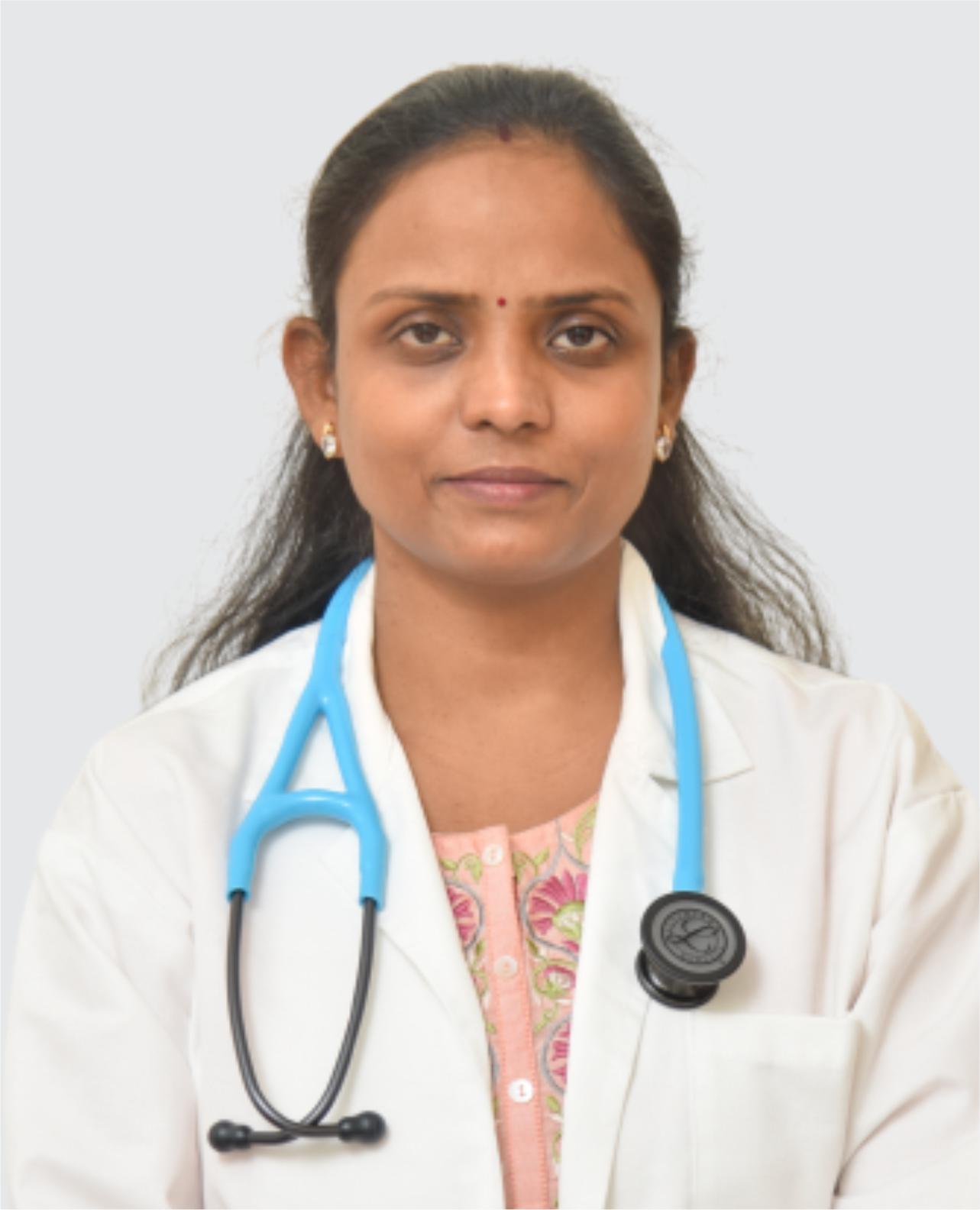
Dr. Anju Singh
Consultant - Pediatric Rheumatology
Pediatric Rheumatology
New Delhi
13+ Years
Experience
Artemis Hospital
Hospital
1500
Fees
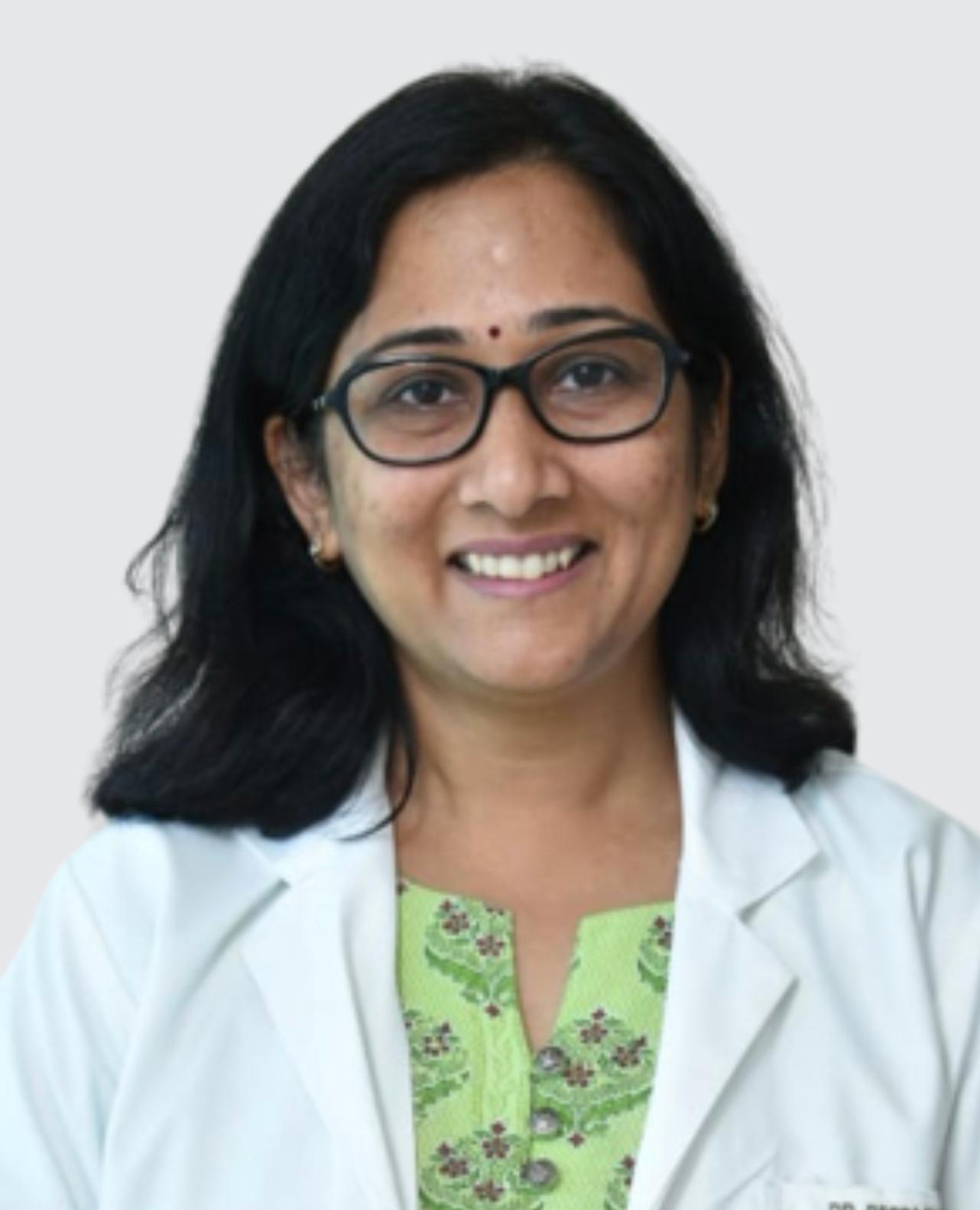
Dr. Deepa Maheshwari
Unit Head
Maternity, Obstetrics & Gynaecology
New Delhi
20+ Years
Experience
Artemis Hospital
Hospital
1500
Fees
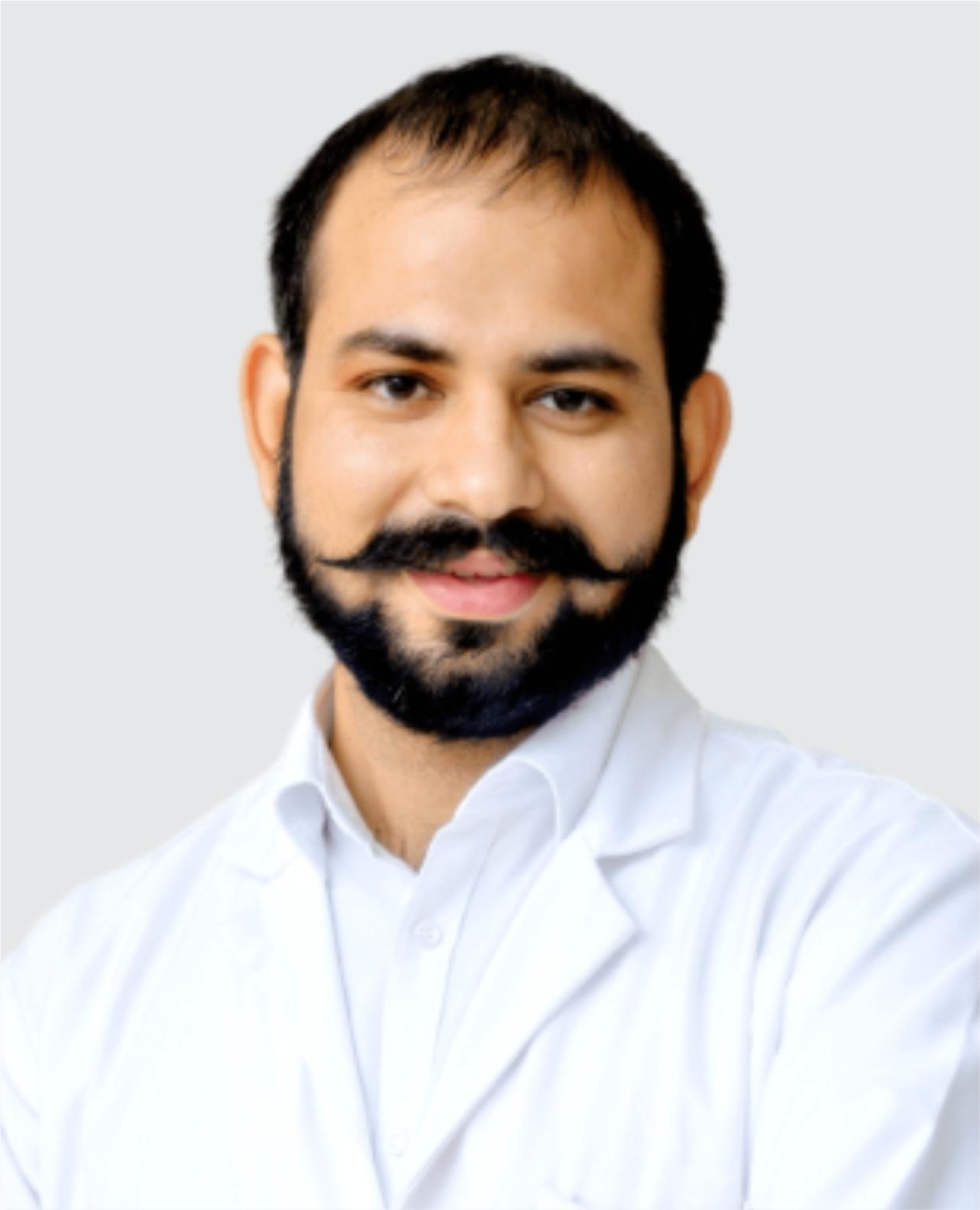
Dr. Sachin Sethi
Principal Lead - Physiotherapy
Physiotherapy and Rehabilitation
New Delhi
13+ Years
Experience
Artemis Hospital
Hospital
1500
Fees
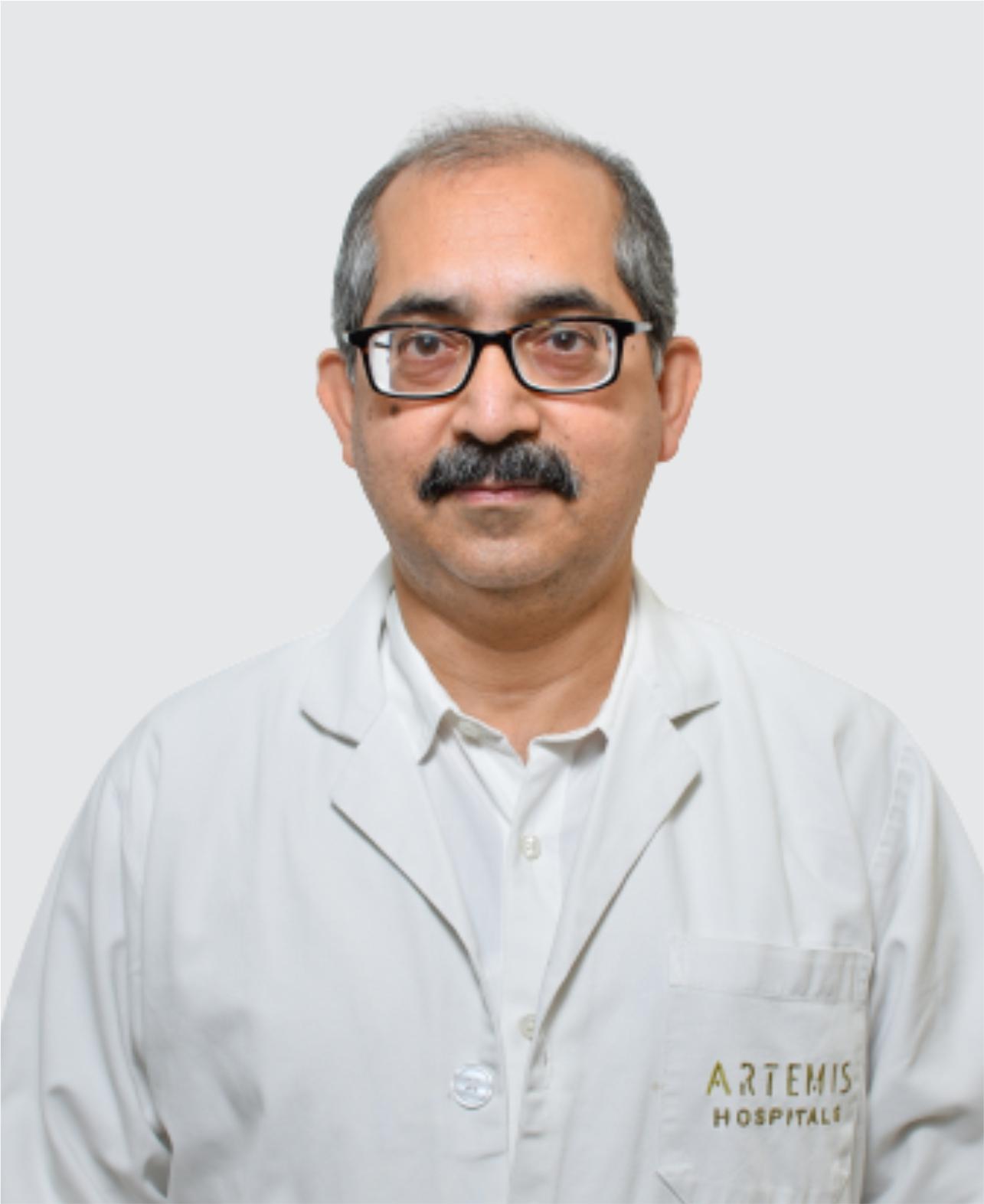
Dr. Sanjay Mehta
Chairperson
Radiology
New Delhi
28+ Years
Experience
Artemis Hospital
Hospital
1500
Fees
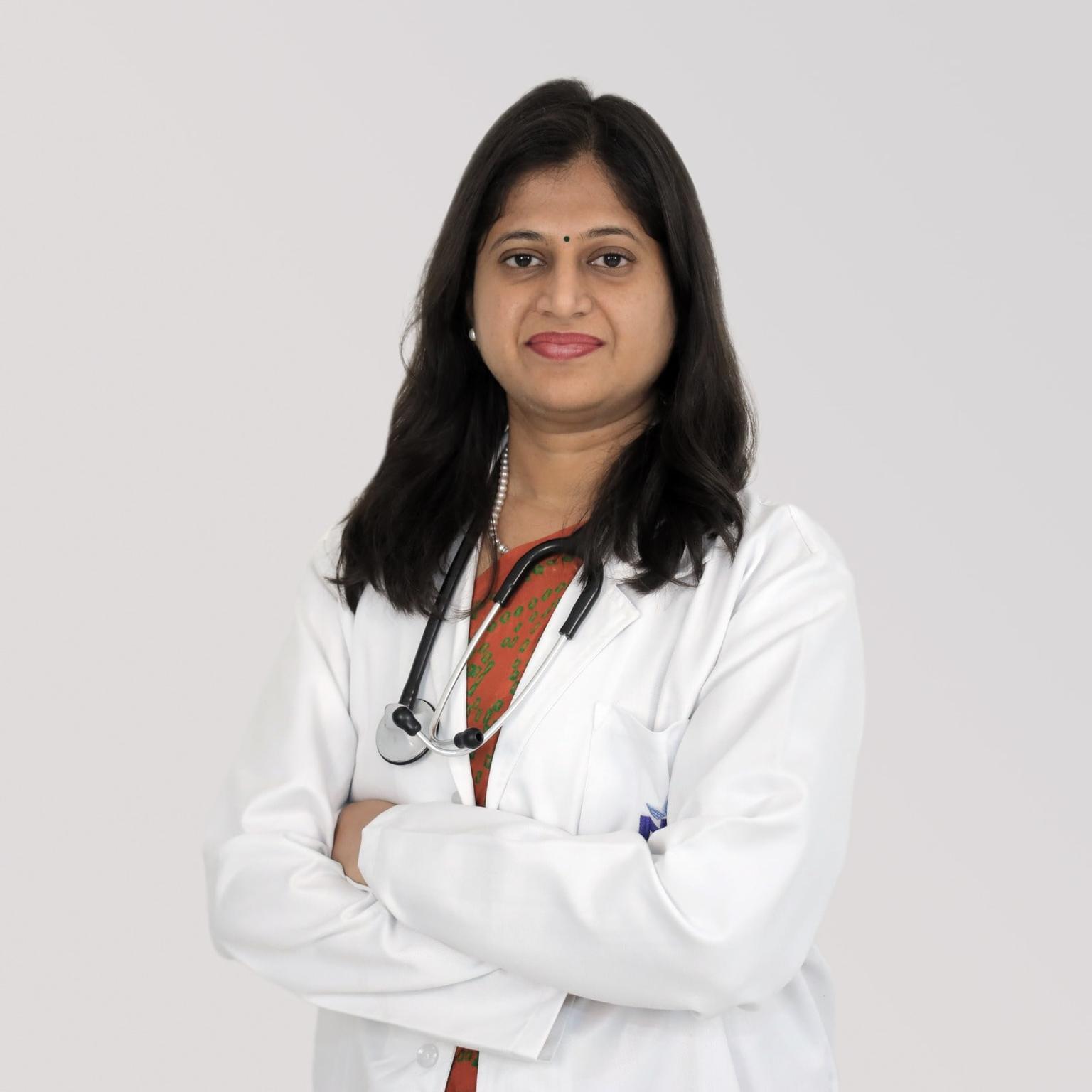
Dr Shweta Bansal
Unit Head & Sr. Consultant - Respiratory Disease & Sleep Medicine (Unit II)
Pulmonology (Chest & Lungs)
New Delhi
13+ Years
Experience
Artemis Hospital
Hospital
1500
Fees
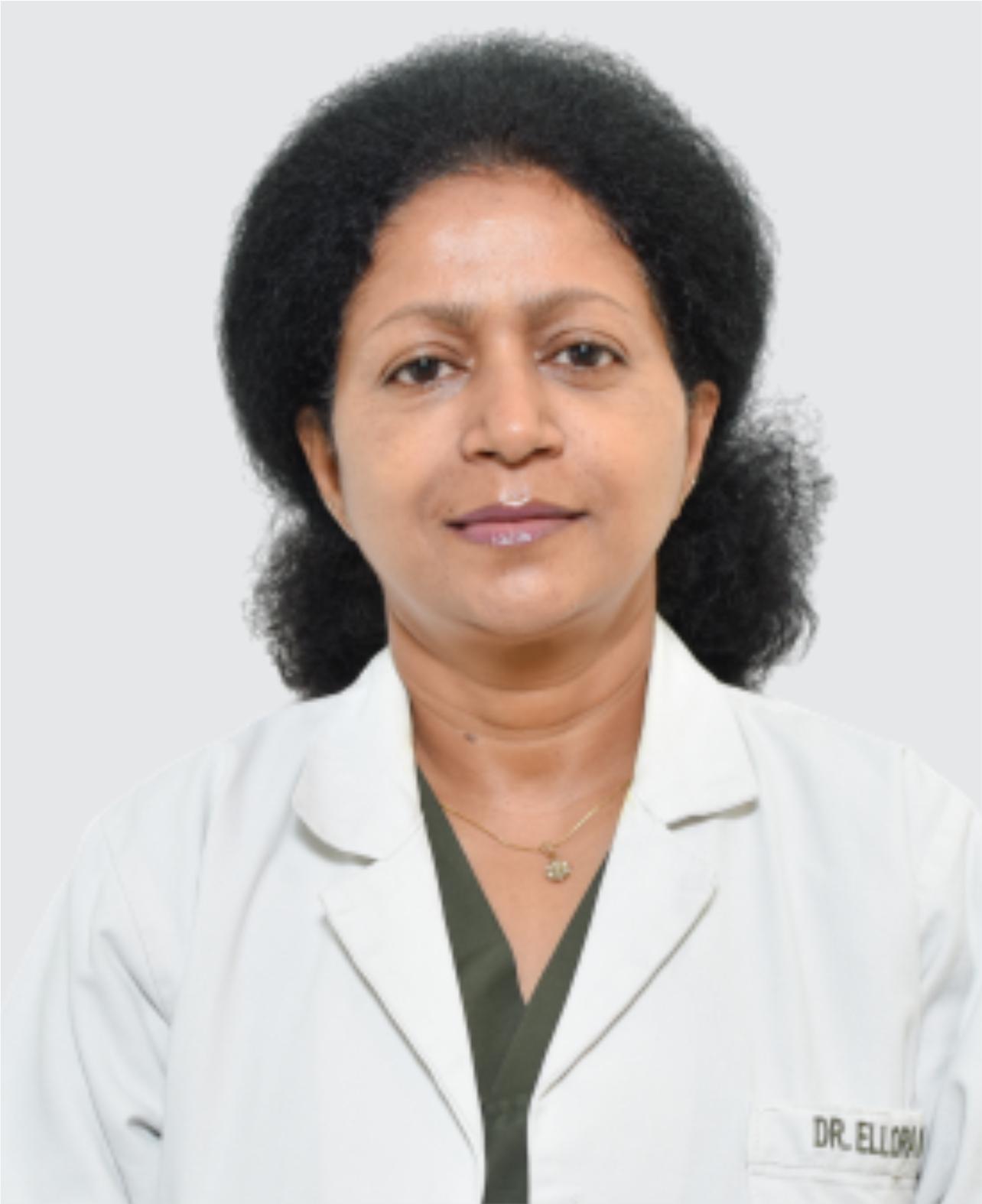
Dr. Ellora Nanda
Admin Head - Emergency
Emergency & Trauma Services
New Delhi
25+ Years
Experience
Artemis Hospital
Hospital
1500
Fees

Gurpreet Makkar
Head Imaging & Chief DNB Program
Radiology
New Delhi
19+ Years
Experience
Artemis Hospital
Hospital
1500
Fees
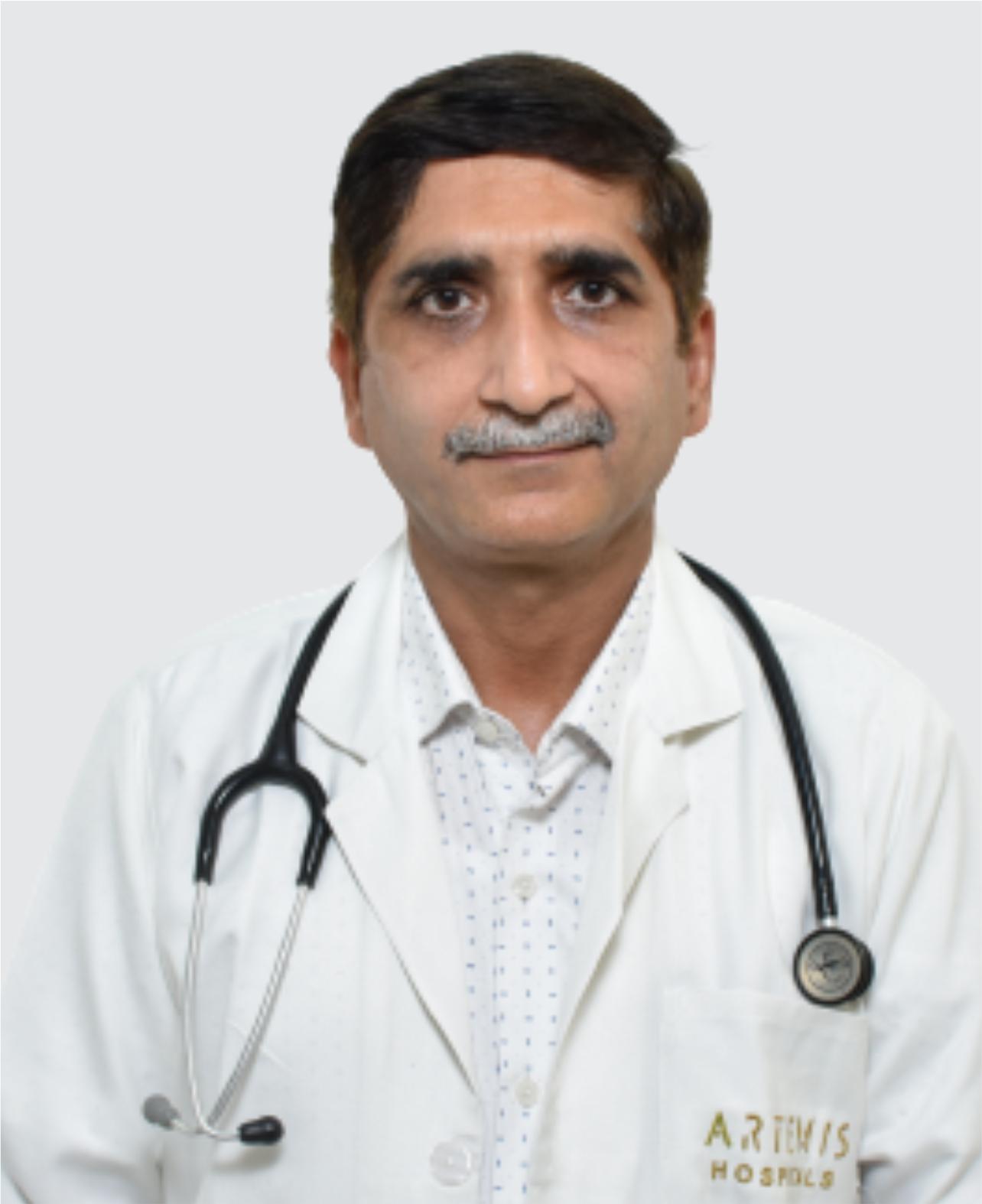
Dr. Hemant Gogia
Sr. Consultant - Paediatrics & Head - Medical Services and Medical Superintendent
Paediatric
New Delhi
10+ Years
Experience
Artemis Hospital
Hospital
1500
Fees
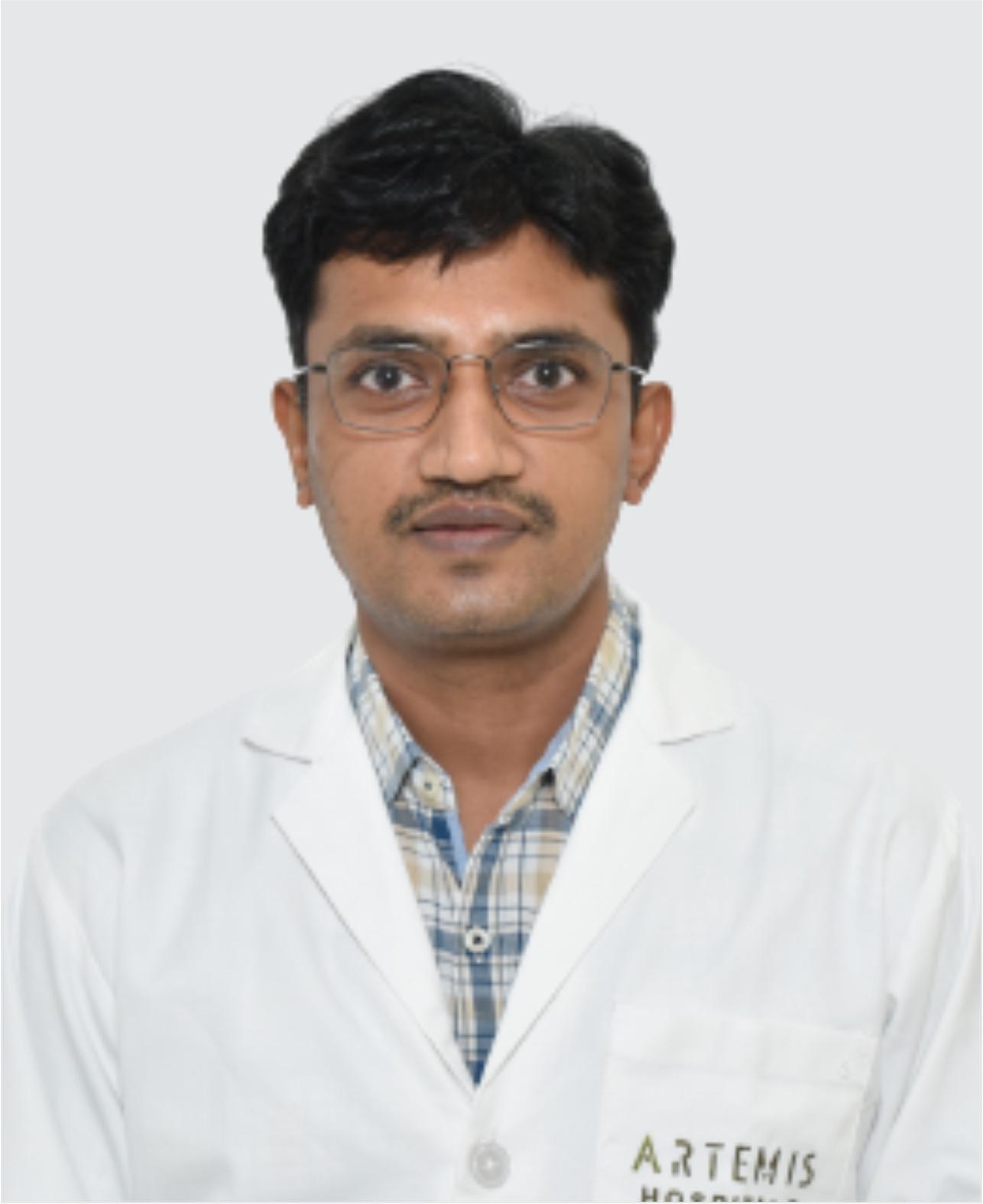
Dr. Nitin Goel
Sr. Consultant
Paediatric Surgery
New Delhi
10+ Years
Experience
Artemis Hospital
Hospital
1500
Fees
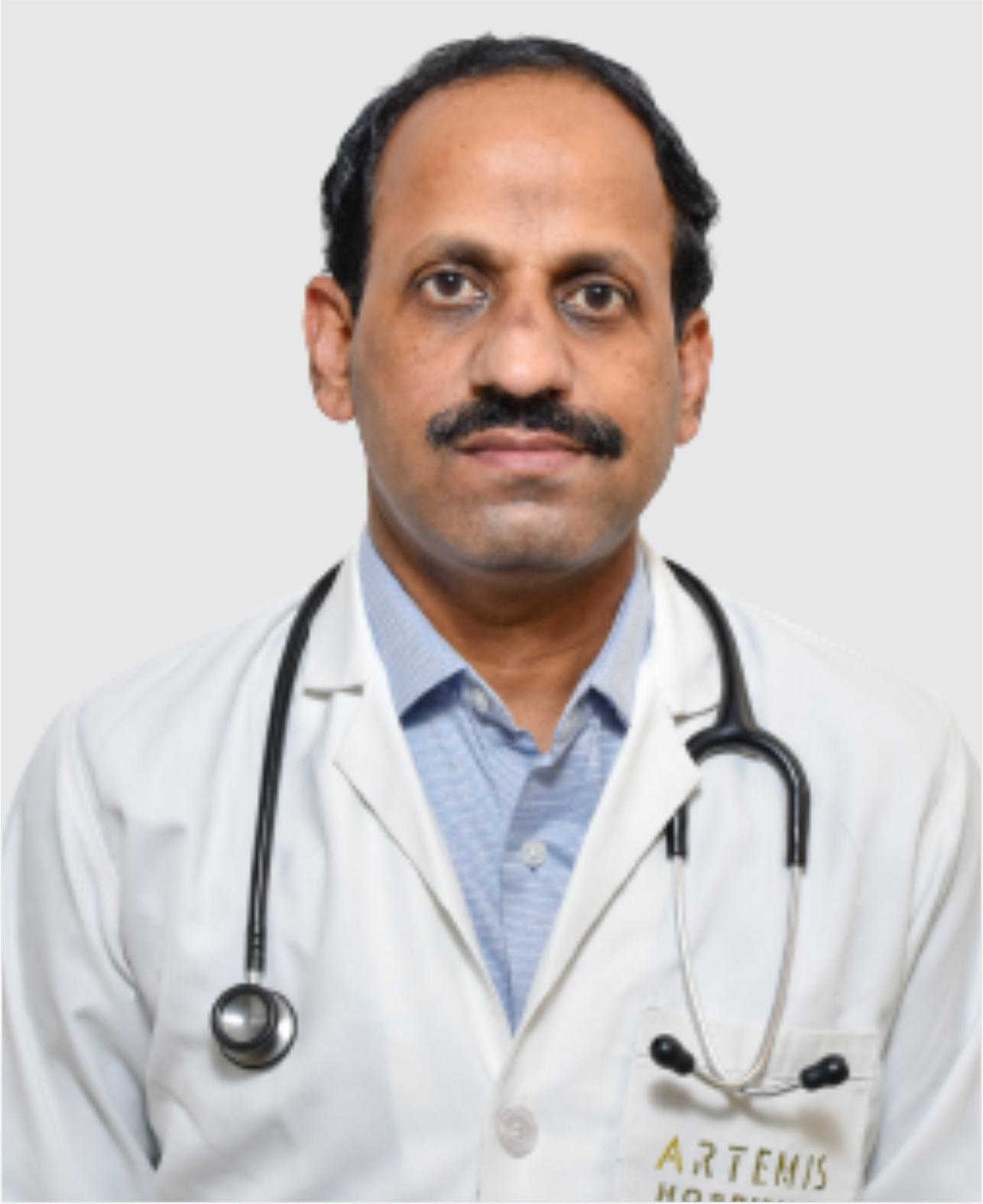
Dr. Padam Yadav
Consultant
Paediatric
New Delhi
15+ Years
Experience
Artemis Hospital
Hospital
1500
Fees
Related Links
Other Treatment related Information
Ready To Start Your Healing Journey?
Get Personalized Medical Treatment Options From India's Top Hospitals. Our Medical Experts Are Ready To Assist You Every Step Of The Way.