
Minimally Invasive Coronary Artery Bypass Surgery (MICS CABG) Treatment in New Delhi for Ethiopia
Need Personalized Advice?
Our medical experts are ready to answer your questions and guide you through your treatment options.
About
MICS CABG in New Delhi for Ethiopian Patients | Cost, Hospitals
For many Ethiopian patients facing complex heart conditions like coronary artery disease, the thought of needing advanced surgery can bring considerable worry. Locating a highly specialized and affordable treatment, such as Minimally Invasive Coronary Artery Bypass Surgery (MICS CABG), often means looking beyond local options for world-class care and expertise.
Patients seeking MICS CABG frequently consider New Delhi because of its well-established reputation as a medical hub in Asia. The city offers a mature healthcare environment where patient coordination and seamless integration of services are a priority. This allows for a smoother journey from initial consultation to recovery.
New Delhi's hospitals are recognized for their modern infrastructure and highly skilled cardiac specialists. The city hosts numerous accredited medical facilities with experienced surgeons who perform MICS CABG regularly. This provides international patients with confidence in receiving expert care and ensures straightforward follow-ups within the city.
New Delhi stands as a trusted destination for advanced cardiac surgical procedures.
What is Minimally Invasive Coronary Artery Bypass Surgery (MICS CABG)?
Minimally Invasive Coronary Artery Bypass Surgery, or MICS CABG, is an advanced surgical technique used to treat blocked coronary arteries. Unlike traditional open-heart surgery, MICS CABG is performed through small incisions on the left side of the chest, between the ribs, without cutting the breastbone. This approach allows surgeons to bypass the blocked arteries using grafts, typically from the internal mammary artery, leading to improved blood flow to the heart. The procedure aims to alleviate symptoms like chest pain, improve heart function, and reduce the risk of future cardiac events. It offers significant advantages over conventional methods, particularly in recovery.
Are There Different Approaches to MICS CABG?
While MICS CABG itself is a specific approach to bypass surgery, several related considerations and techniques exist:
- On-Pump vs. Off-Pump MICS CABG: MICS CABG can be performed either with the heart temporarily stopped and supported by a heart-lung machine (on-pump) or while the heart is still beating (off-pump, also known as beating-heart surgery). The choice depends on the patient's condition and the surgeon's expertise.
- Number of Grafts: The procedure can involve bypassing one, two, or multiple blocked arteries, depending on the extent of the coronary artery disease.
- Hybrid Procedures: In some cases, MICS CABG may be combined with other interventions, such as angioplasty and stenting for less critical blockages, known as hybrid revascularization.
- Minimally Invasive Valve Surgery: While not CABG, it’s another minimally invasive cardiac procedure often performed by the same specialized teams, using similar small incision techniques.
- Traditional CABG (Sternotomy): This is the conventional method, involving a full breastbone incision, and is considered when MICS is not suitable due to patient anatomy or disease complexity.
When is MICS CABG Recommended for Patients?
- Severe blockages in multiple coronary arteries, especially in the left anterior descending artery.
- Coronary artery disease that has not responded well to medication or less invasive treatments like angioplasty and stenting.
- Complex blockages that are not suitable for stent placement.
- Patients with certain co-existing conditions where minimizing surgical trauma is beneficial.
- Cases where long-term bypass graft patency is crucial for improved quality of life.
What Pre-Treatment Evaluation is Necessary?
- Coronary Angiogram: To identify the exact location and severity of arterial blockages.
- Echocardiogram (Echo): To assess heart function and valve health.
- Electrocardiogram (ECG): To check the heart's electrical activity.
- Blood Tests: Including complete blood count, kidney and liver function tests, blood sugar, and coagulation profile.
- Chest X-ray and Lung Function Tests: To evaluate lung health, especially for minimally invasive approaches.
- Consultation with a Cardiac Surgeon and Anesthesiologist: To discuss the surgical plan and assess fitness for anesthesia.
How is MICS CABG Performed?
The precise steps of the MICS CABG procedure depend on the patient's specific condition, the number of arteries to be bypassed, and the surgeon's plan.
Surgical Steps:
- Anesthesia: General anesthesia is administered to ensure the patient is comfortable and asleep throughout the surgery.
- Incision: A small incision, typically 3-5 inches long, is made on the left side of the chest, between the ribs, without splitting the breastbone.
- Graft Harvesting: The internal mammary artery, a common and durable graft vessel, is carefully prepared for use. Other vessels, like a radial artery from the arm, may also be harvested through separate small incisions if needed.
- Bypass Creation: The surgeon works through the small incision, often with the aid of specialized instruments and video assistance. The prepared graft is then connected to the coronary artery beyond the blockage, creating a new pathway for blood flow.
- Closure: Once the bypass is complete and blood flow is confirmed, the incisions are carefully closed.
What Does the Recovery Process Entail?
Recovery from MICS CABG is generally faster and less painful than traditional open-heart surgery. Patients typically spend a few days in the intensive care unit (ICU) for close monitoring, followed by a stay in a regular hospital room. Pain management is a priority, and patients are encouraged to start gentle mobilization soon after surgery. The hospital stay is usually shorter, often around 4-7 days. Full recovery, including a return to light activities, might take 3-4 weeks, significantly less than the 6-8 weeks for traditional CABG. Cardiac rehabilitation is often recommended to help strengthen the heart and improve overall fitness during this period. Follow-up appointments are crucial to monitor healing and graft function.
Considering MICS CABG in New Delhi? Our team can help you find leading cardiac specialists and hospitals.
What are the Potential Risks and Success Rates of MICS CABG?
- Bleeding: As with any surgery, there is a risk of bleeding, though often less with minimally invasive techniques.
- Infection: Surgical site infection is a possibility, managed with strict sterile protocols and antibiotics.
- Stroke or Heart Attack: Though rare, these are potential complications during or after any major heart surgery.
- Kidney Issues: Temporary kidney dysfunction can occur in some patients.
- Arrhythmias: Irregular heart rhythms are possible but usually treatable.
- Graft Failure: The bypass graft may rarely become blocked over time, requiring further intervention.
MICS CABG boasts high success rates, with studies often showing outcomes comparable to traditional CABG, but with the added benefits of reduced pain, less blood loss, and a quicker return to daily activities. The exact outcome for each patient can vary based on factors such as overall health, the severity of heart disease, and adherence to post-operative care instructions. Long-term success is significantly influenced by lifestyle changes, medication adherence, and regular follow-up with cardiac specialists. Most patients experience significant improvement in symptoms and quality of life.
Understanding the Cost of MICS CABG in New Delhi
The cost of Minimally Invasive Coronary Artery Bypass Surgery in New Delhi is influenced by several factors. These include the choice of hospital (public, private, or super-specialty), the experience and reputation of the cardiac surgeon, the type of MICS CABG performed (on-pump or off-pump), the duration of hospital and ICU stay, and any additional medical complications or pre-existing conditions requiring extended care. The inclusion of post-operative rehabilitation and any required medications also plays a role in the overall expenditure.
Typically, MICS CABG in New Delhi can range from approximately INR 3,50,000 to INR 7,50,000.
MICS CABG Cost Comparison: New Delhi vs. Global Destinations
New Delhi offers a cost-effective solution for MICS CABG while maintaining high standards of medical care. Here's how its costs compare to other major medical hubs around the world:
| Location | Approximate Cost (USD) |
|---|---|
| New Delhi, India | $4,500 - $9,500 |
| United States | $70,000 - $150,000 |
| United Kingdom | $40,000 - $80,000 |
| Singapore | $30,000 - $60,000 |
| Thailand | $15,000 - $35,000 |
Comprehensive Support for Your Treatment Journey in New Delhi
- Assistance with medical visa applications and necessary travel documents.
- Coordination of airport transfers and comfortable accommodation arrangements.
- Dedicated case managers for personalized support and guidance throughout your stay.
- Translation services to ensure clear communication between patients and medical staff.
- Arrangements for pre-consultation medical record reviews with leading specialists.
- Facilitation of post-treatment follow-up appointments and ongoing care plans.
Essential Documents for Your Medical Visit to New Delhi
- Valid passport and medical visa for India.
- All relevant medical reports, including angiogram results, ECGs, echocardiograms, and blood test results.
- Referral letters from your local physician, if applicable.
- A detailed medical history, including any current medications, allergies, and past surgeries.
- Proof of financial arrangements for treatment expenses.
Important Steps to Prepare Before Your Arrival for MICS CABG
- Ensure all necessary medical evaluations and tests are completed as advised by your local doctor.
- Discuss all current medications with your cardiologist; some may need to be adjusted or stopped before surgery.
- Arrange for a companion to travel with you, as support during and after the procedure is highly beneficial.
- Familiarize yourself with the recommended pre-operative dietary and activity guidelines.
- Prepare a list of questions for your New Delhi medical team regarding the procedure and recovery.
Guidance for Your Recovery and Aftercare Post-MICS CABG
- Adhere strictly to all medication schedules prescribed by your cardiac surgeon.
- Follow the discharge instructions for wound care and activity restrictions diligently.
- Attend all scheduled follow-up appointments with your cardiologist in New Delhi.
- Engage in a cardiac rehabilitation program as recommended to aid in strengthening your heart.
- Maintain a heart-healthy diet and avoid smoking and excessive alcohol consumption.
- Be vigilant for any signs of complications and report them immediately to your medical team.
Ready to explore MICS CABG treatment options in New Delhi? Connect with our patient care coordinators today.
Taking Your Next Step Towards Cardiac Wellness
New Delhi offers an accessible and high-quality environment for Ethiopian patients seeking advanced cardiac care like MICS CABG, blending expert medical treatment with comprehensive patient support.
Hospitals Offering this treatment
India offers premium medical procedures at affordable prices. Discover our most popular treatments, delivered by the country's finest doctors.
Meet Our Doctors
Meet our team of highly qualified and experienced medical professionals dedicated to providing the best healthcare services.
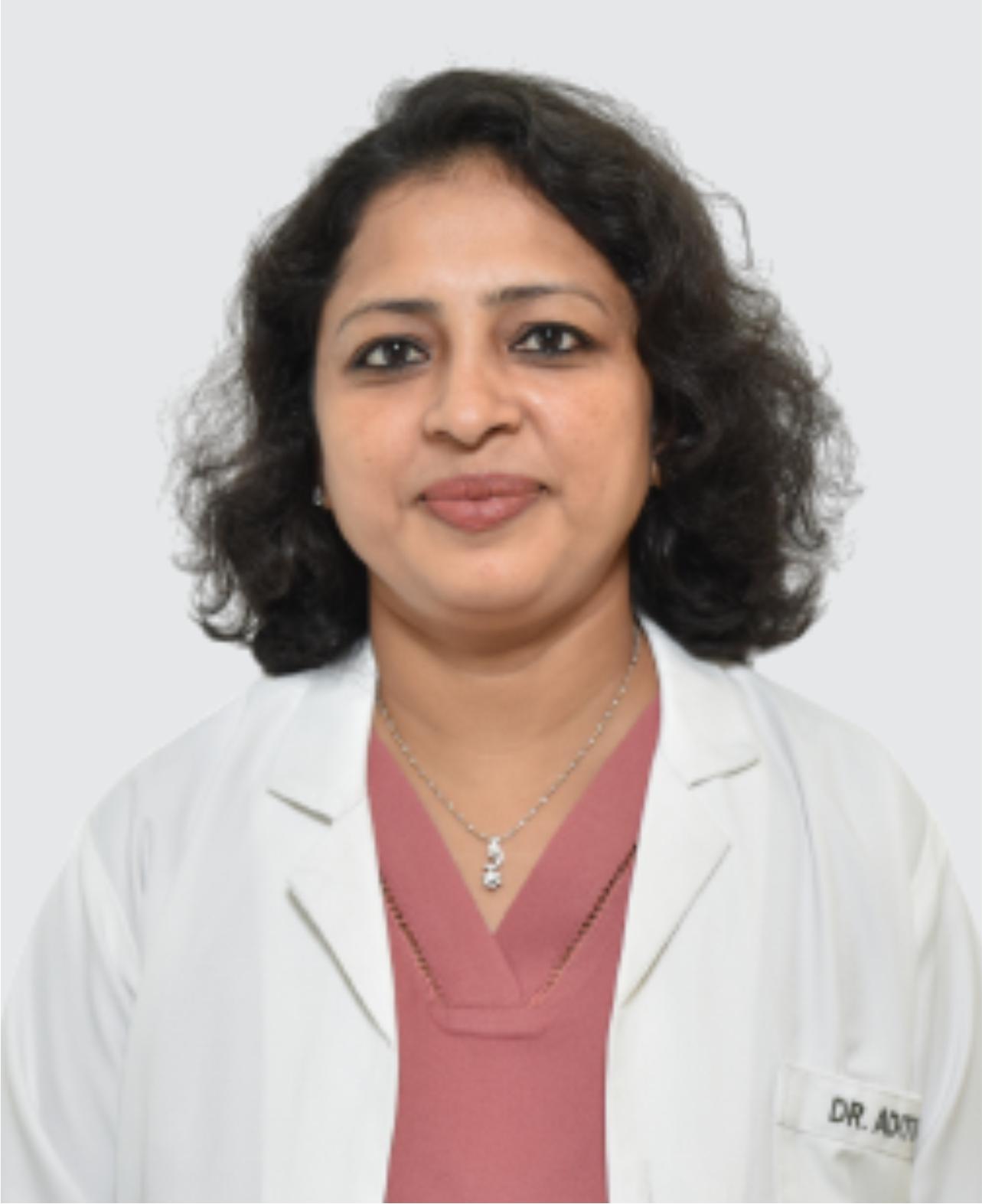
Dr Aditi Dixit
Sr. Consultant – Women Imaging
Radiology
New Delhi
15+ Years
Experience
Artemis Hospital
Hospital
1500
Fees
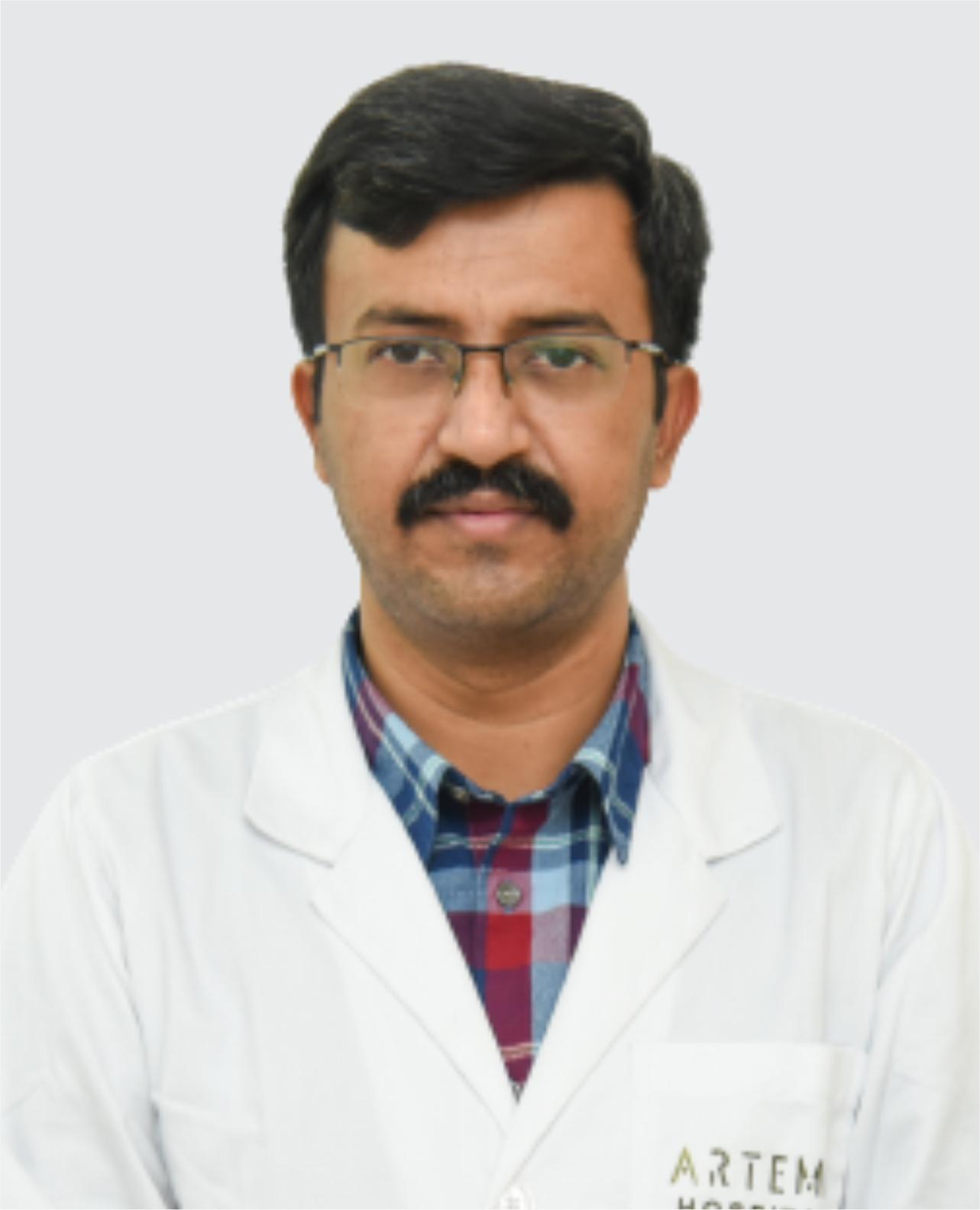
Dr. Abhinandan
Sr. Consultant - Urology & Kidney Transplant Program (Unit I)
Organ Transplant, Urology
New Delhi
8+ Years
Experience
Artemis Hospital
Hospital
1500
Fees
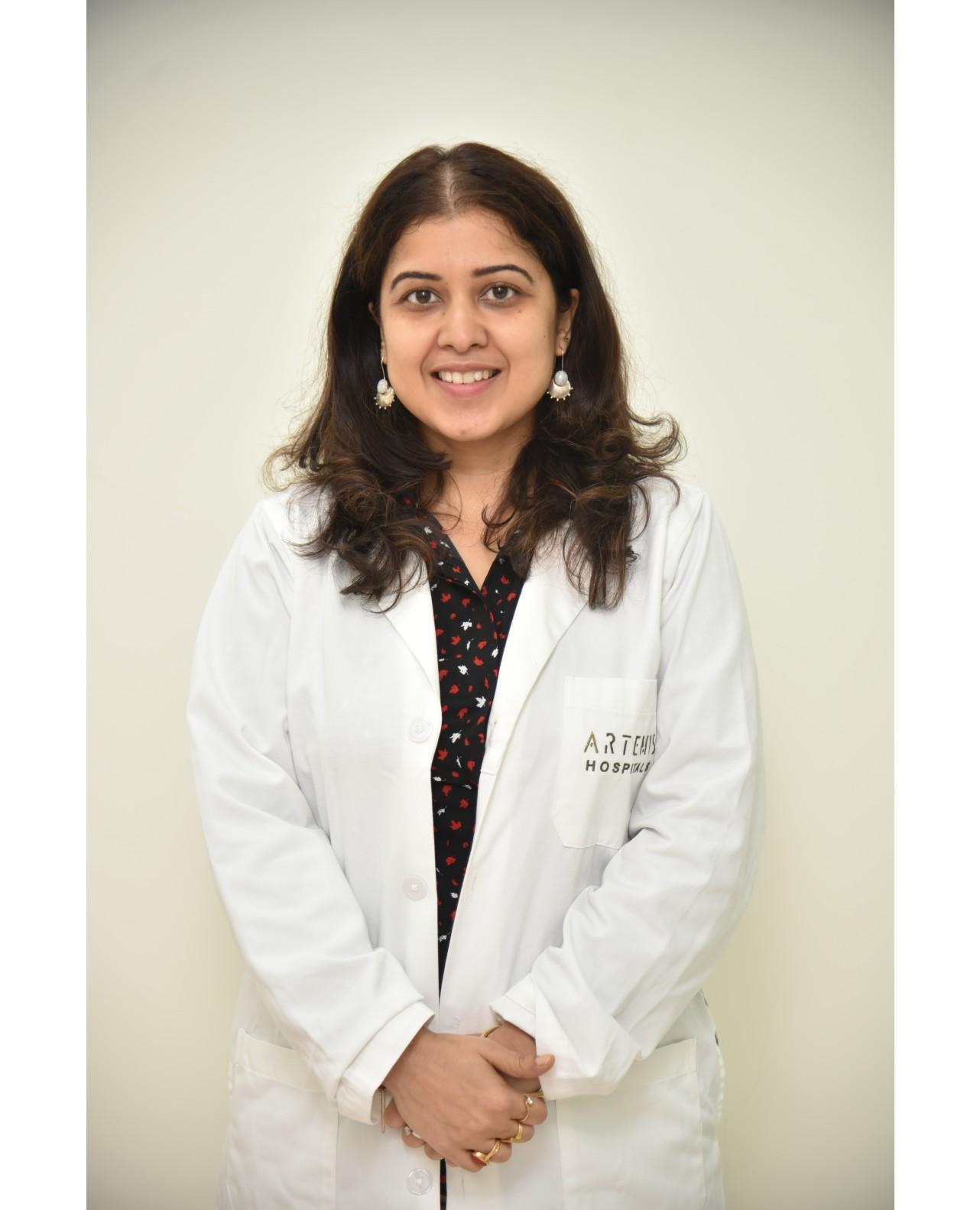
Dr Chandrima Misra M
Co-Head Psychological Services
Mental Health and Behavioural Sciences
New Delhi
15+ Years
Experience
Artemis Hospital
Hospital
1500
Fees
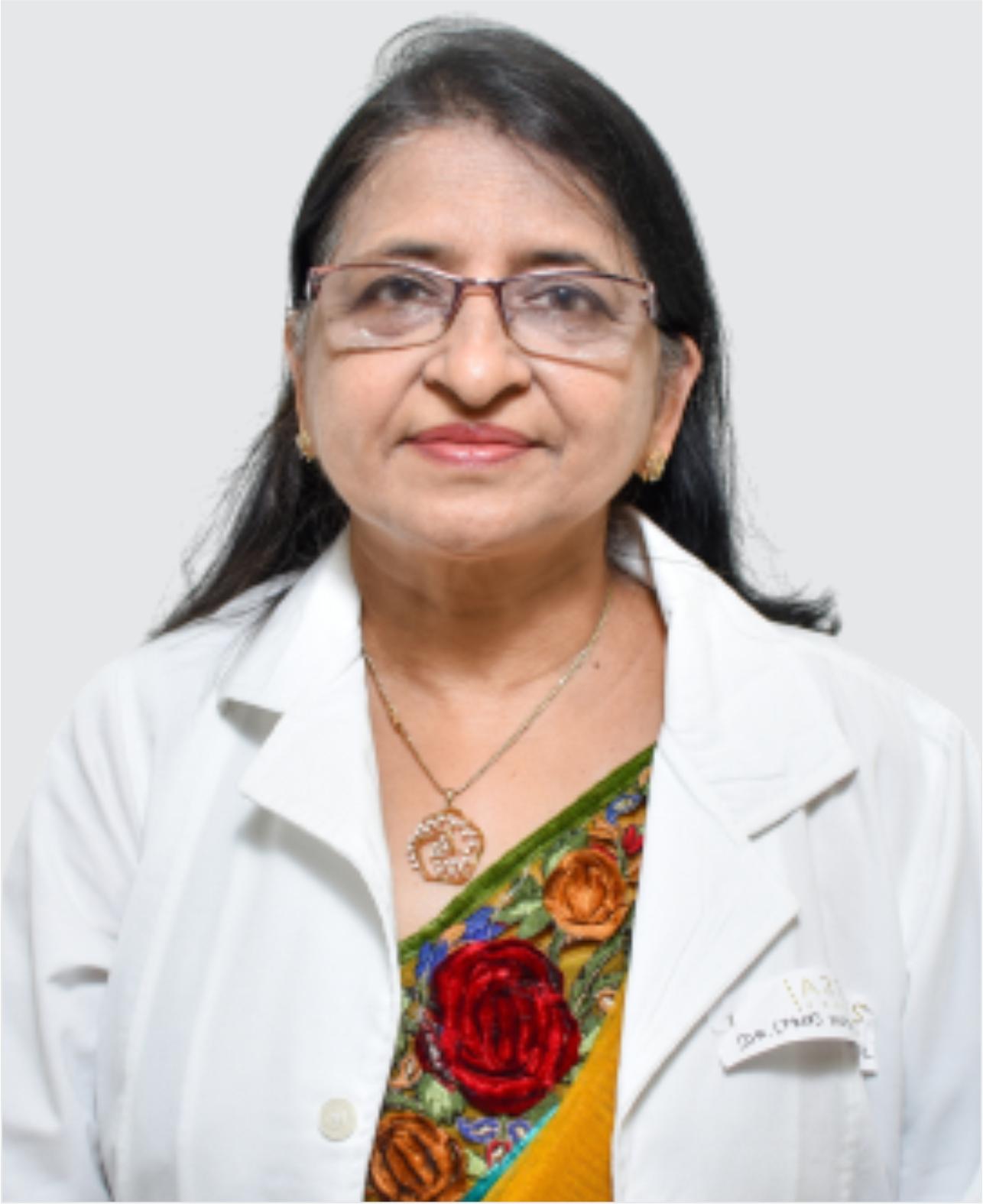
Dr. Nutan Agarwal
Head of Department - Gynae Endocrinology & DNB Program Director - Obs & Gynae
Gynaecological Endocrinology, Maternity, Obstetrics & Gynaecology
New Delhi
35+ Years
Experience
Artemis Hospital
Hospital
1500
Fees
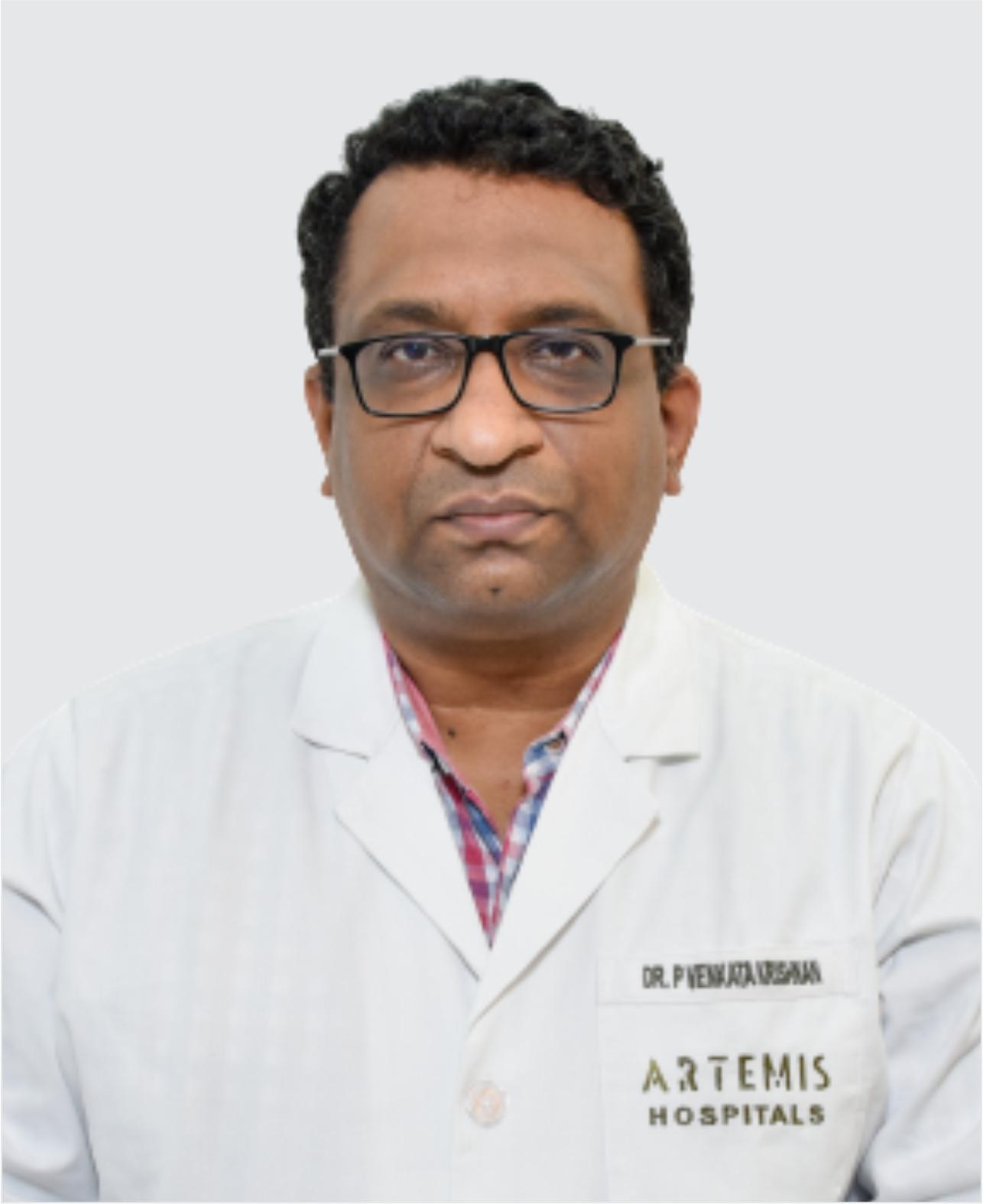
Dr. P. Venkata Krishnan
Sr. Consultant
Internal Medicine
New Delhi
12+ Years
Experience
Artemis Hospital
Hospital
1500
Fees
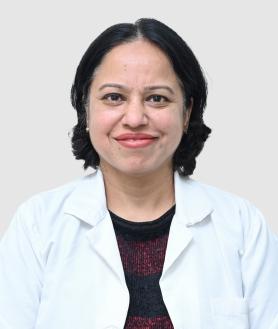
Dr. Poonam Gautam
Senior Consultant - ENT
ENT and Head & Neck Surgery
New Delhi
24+ Years
Experience
Artemis Hospital
Hospital
1500
Fees
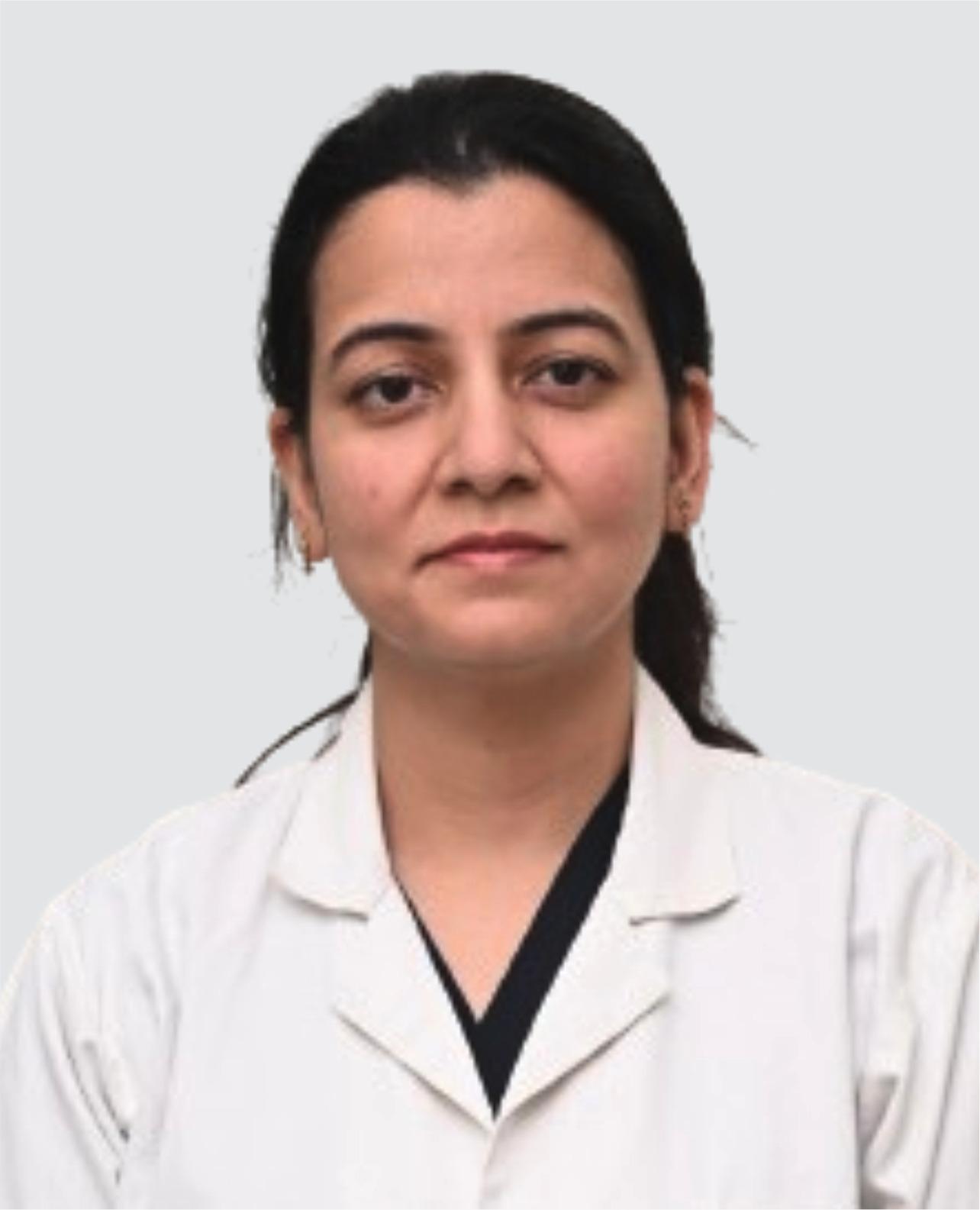
Dr. Priyanka Raina
Consultant (Head & Neck Surgery) - Surgical Oncology
Head and Neck Surgical Oncology
New Delhi
10+ Years
Experience
Artemis Hospital
Hospital
1500
Fees
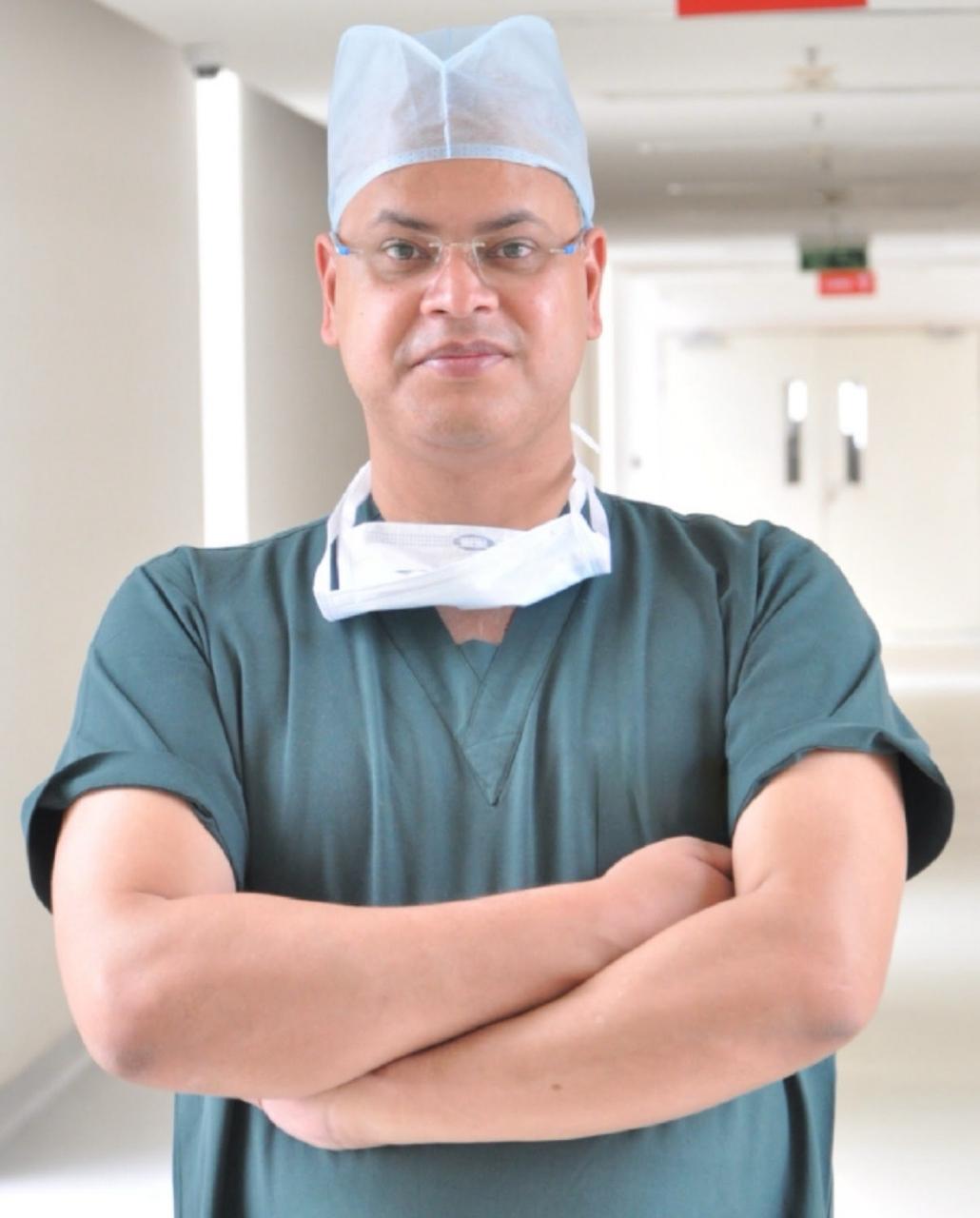
Dr. Ramkinkar Jha
Chief and Unit Head - Orthopaedics (Unit III)
Orthopaedic Surgery, Orthopaedics, Robotic Surgery
New Delhi
20+ Years
Experience
Artemis Hospital
Hospital
1500
Fees
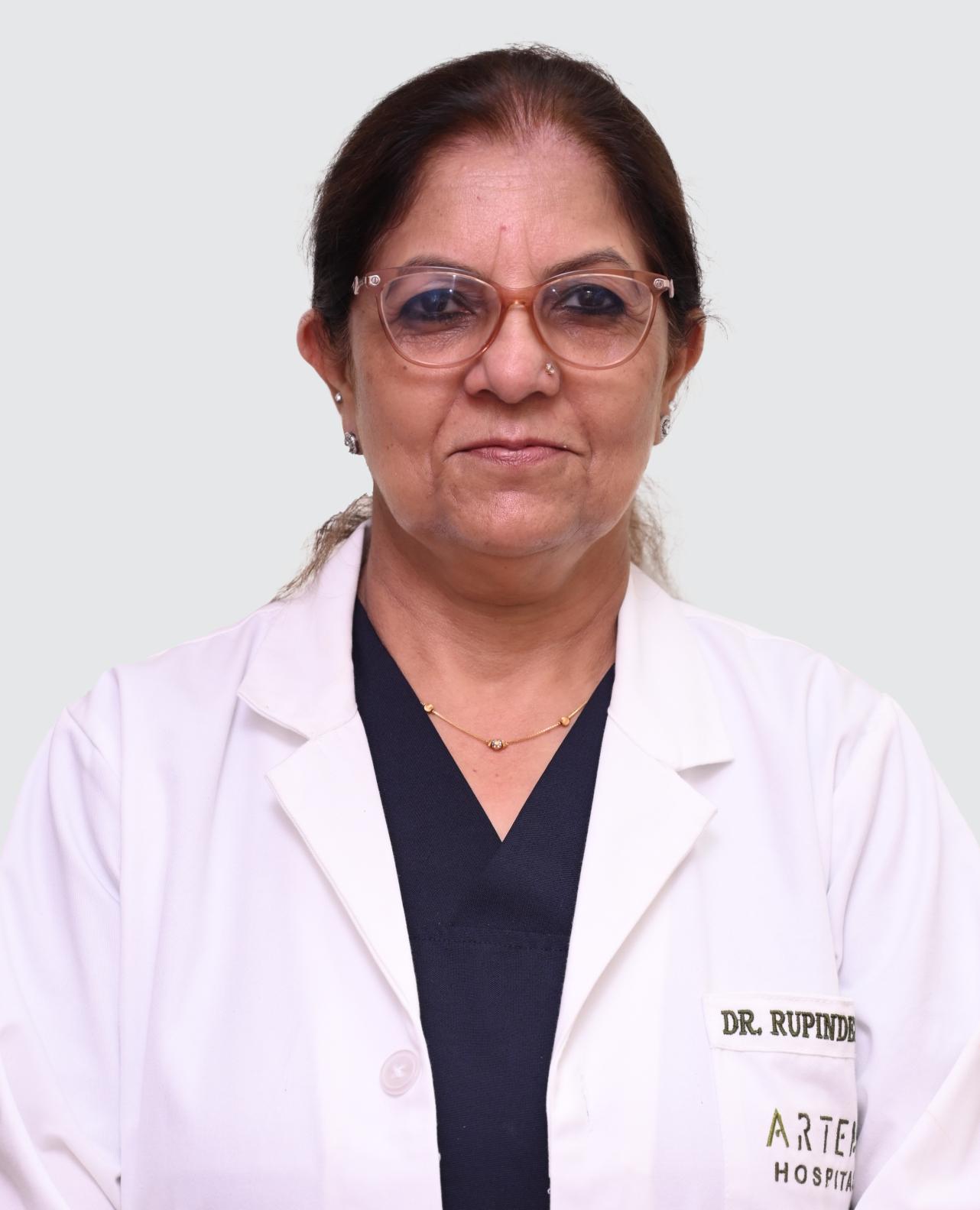
Dr. Rupinder Sekhon
Chairperson - Gynae Oncology
Gynaecological Oncology
New Delhi
16+ Years
Experience
Artemis Hospital
Hospital
1500
Fees

Dr. Surendra Nath Khanna
Chairperson, Adult Cardiac Surgery & Heart - Lung Transplant
Cardio Thoracic and Vascular Surgery, Vascular Surgery
New Delhi
34+ Years
Experience
Artemis Hospital
Hospital
1500
Fees
Related Links
Other Treatment related Information
- Minimally Invasive Coronary Artery Bypass Surgery (MICS CABG) cost in New Delhi
- Minimally Invasive Coronary Artery Bypass Surgery (MICS CABG) cost in Mumbai
- Minimally Invasive Coronary Artery Bypass Surgery (MICS CABG) cost in India
- Minimally Invasive Coronary Artery Bypass Surgery (MICS CABG) cost in Chennai
- Minimally Invasive Coronary Artery Bypass Surgery (MICS CABG) cost in Pune
- Minimally Invasive Coronary Artery Bypass Surgery (MICS CABG) cost in Hyderabad
- Minimally Invasive Coronary Artery Bypass Surgery (MICS CABG) cost in Haryana
- Minimally Invasive Coronary Artery Bypass Surgery (MICS CABG) cost in Bengaluru
- Minimally Invasive Coronary Artery Bypass Surgery (MICS CABG) Success Rate in Haryana
- Minimally Invasive Coronary Artery Bypass Surgery (MICS CABG) Success Rate in New Delhi
- Minimally Invasive Coronary Artery Bypass Surgery (MICS CABG) Success Rate in Bengaluru
- Minimally Invasive Coronary Artery Bypass Surgery (MICS CABG) Success Rate in Pune
- Minimally Invasive Coronary Artery Bypass Surgery (MICS CABG) Success Rate in Hyderabad
- Minimally Invasive Coronary Artery Bypass Surgery (MICS CABG) Success Rate in India
- Minimally Invasive Coronary Artery Bypass Surgery (MICS CABG) Success Rate in Mumbai
- Minimally Invasive Coronary Artery Bypass Surgery (MICS CABG) Success Rate in Chennai
- Best Minimally Invasive Coronary Artery Bypass Surgery (MICS CABG) Doctors in India
- Best Minimally Invasive Coronary Artery Bypass Surgery (MICS CABG) Doctors in Chennai
- Best Minimally Invasive Coronary Artery Bypass Surgery (MICS CABG) Doctors in Pune
- Best Minimally Invasive Coronary Artery Bypass Surgery (MICS CABG) Doctors in Mumbai
Ready To Start Your Healing Journey?
Get Personalized Medical Treatment Options From India's Top Hospitals. Our Medical Experts Are Ready To Assist You Every Step Of The Way.