
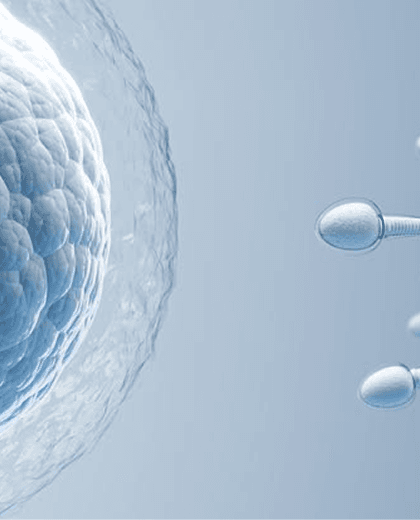
Targeted Molecular Therapy Treatment in India for Ethiopia
Access high-quality treatment through JCI & NABH-accredited hospitals, renowned specialists, and end-to-end medical travel support designed around your healing journey.
Plan My Journey
Tell us your condition and budget - our AI matches the right destination, hospital and doctor and visa pathway
Cost calculator
I know my treatment - show me cost from 3 hospitals
5K+ International Patients Treated
40+ Source Countries Served
500+ Accredited Partner Hospitals
98% Patient Satisfaction
80% Average Savings vs USA
10K+ Doctors
NABH, JCI Accredited Hospitals
Free Treatment Plan
Free Consultation with Doctor
5+ Destinations Covered

Written by DivinHeal Editorial Contributor, DivinHeal Medical Team, Healthcare Advisory Team Published on: February 19, 2026
About
Targeted Molecular Therapy in India for Ethiopian Patients
Ethiopian patients often face complex health challenges, especially when conventional treatments for serious conditions prove insufficient. The search for advanced, effective therapies like Targeted Molecular Therapy can bring questions about access, quality, and specialized care beyond their home country.
India has emerged as a preferred destination for international patients seeking high-quality medical treatments. Its widespread network of hospitals and specialized medical centers across various cities offers innovative solutions and compassionate care, drawing individuals looking for better health outcomes.
The Indian healthcare system is recognized for its advanced infrastructure and experienced medical professionals. Across the nation, leading hospitals are equipped with state-of-the-art technology, supported by highly skilled specialists dedicated to personalized treatment plans, ensuring a trusted environment for complex therapies.
Considering India for your medical journey, what specific advantages does it offer?
What is Targeted Molecular Therapy?
Targeted Molecular Therapy is a precise treatment approach that identifies and attacks specific molecules involved in the growth, progression, and spread of diseases, primarily cancer. Unlike traditional chemotherapy, which affects all rapidly dividing cells, targeted therapy focuses on unique characteristics of diseased cells, often leading to fewer side effects and improved efficacy.
What Are the Types of Targeted Molecular Therapy?
Different types of targeted molecular therapies work by interfering with specific molecular targets:
- Small Molecule Inhibitors: These drugs are designed to block specific enzymes or proteins inside cancer cells. They are small enough to enter cells and disrupt signaling pathways that promote growth.
- Monoclonal Antibodies: These are laboratory-produced antibodies that can bind to specific targets on the surface of cancer cells or immune cells, either blocking signals or tagging cells for destruction.
- Angiogenesis Inhibitors: These therapies aim to stop the formation of new blood vessels that tumors need to grow and spread, effectively starving the cancer cells.
- Apoptosis Inducers: Some targeted therapies are designed to trigger programmed cell death (apoptosis) in cancer cells, forcing them to self-destruct.
- PARP Inhibitors: These drugs block an enzyme involved in DNA repair, making cancer cells more vulnerable to damage and death, especially in certain genetic mutations.
When is Targeted Molecular Therapy Recommended?
- Presence of specific genetic mutations or biomarkers in cancer cells.
- Cancers that have not responded to conventional chemotherapy or radiation.
- Advanced stage cancers to improve survival or quality of life.
- To reduce severe side effects often associated with broader treatments.
- Specific non-cancerous conditions where molecular targets are identified.
What Evaluation is Needed Before Treatment?
- Detailed biopsy and molecular profiling to identify specific targets.
- Comprehensive blood tests, including full blood count and organ function.
- Advanced imaging scans such as CT, MRI, or PET scans.
- Cardiovascular evaluation, including ECG and echocardiogram.
- Consultations with oncologists, genetic counselors, and specialists.
How is Targeted Molecular Therapy Administered?
The administration of Targeted Molecular Therapy varies depending on the specific drug, condition, and patient's overall health plan.
Oral Medications
Many targeted therapies are available as pills or capsules, allowing patients to take them at home. Strict adherence to the prescribed dosage and schedule is crucial for effectiveness and managing side effects.
Intravenous (IV) Infusions
Other targeted drugs, particularly monoclonal antibodies, are administered directly into the bloodstream through an intravenous infusion. These sessions typically occur in a clinic or hospital setting, with duration depending on the specific medication.
Monitoring and Adjustments
Throughout the treatment, patients undergo regular monitoring through blood tests and imaging to assess response and manage any potential side effects. Dosage or specific drugs may be adjusted based on these ongoing evaluations.
What Does Recovery From Targeted Molecular Therapy Involve?
Recovery from Targeted Molecular Therapy is often a continuous process rather than a distinct endpoint. Patients usually experience varying side effects, which are generally milder than traditional chemotherapy. Managing these effects, along with ongoing follow-up appointments, adhering to medication schedules, and potential lifestyle adjustments, forms the core of the recovery phase. Support and rehabilitation focus on maintaining quality of life.
What Are the Risks and Success Rates?
- Skin rashes, dryness, or irritation.
- Diarrhea, nausea, or changes in appetite.
- Fatigue and general weakness.
- Liver or kidney function abnormalities.
- High blood pressure or heart problems.
- Development of drug resistance over time.
The success rates for Targeted Molecular Therapy vary significantly based on the type of cancer, specific genetic mutations present, stage of the disease, and individual patient factors. While some patients experience remarkable and lasting responses, others may see tumor stabilization or slower progression. Outcomes are continuously improving with advancements in research and personalized treatment strategies.
Cost of Targeted Molecular Therapy in India
The cost of Targeted Molecular Therapy in India is considerably lower than in many Western countries, yet without compromising quality. Factors influencing the total cost include the specific drug used, the duration of treatment, hospital choice, room category, and any additional diagnostics or supportive care required.
On average, Targeted Molecular Therapy in India can range from INR 4,00,000 to INR 20,00,000 per cycle or course, depending on the specifics of the therapy and the patient's condition.
Targeted Molecular Therapy Cost Across Indian Cities
| City | Estimated Cost Range (INR) |
|---|---|
| Delhi | 4,50,000 - 18,00,000 |
| Mumbai | 5,00,000 - 20,00,000 |
| Chennai | 4,00,000 - 17,00,000 |
| Bengaluru | 4,70,000 - 19,00,000 |
| Hyderabad | 4,20,000 - 17,50,000 |
| Kolkata | 3,80,000 - 16,00,000 |
| Ahmedabad | 3,90,000 - 16,50,000 |
Cost Comparison: India vs. Other Countries
Patients from Ethiopia can achieve significant savings by choosing India for Targeted Molecular Therapy, often experiencing a cost reduction of 50-70% compared to Western nations.
| Country | Estimated Cost Range (USD) |
|---|---|
| India | 5,000 - 25,000 |
| United States | 30,000 - 100,000+ |
| United Kingdom | 25,000 - 80,000 |
| Singapore | 20,000 - 70,000 |
| Germany | 28,000 - 90,000 |
Considering Targeted Molecular Therapy in India? Reach out to our patient care team for a personalized cost estimate and treatment plan.
Comprehensive Support for Ethiopian Patients
- Assistance with medical visa application and travel logistics.
- Arrangements for airport transfers and local transportation.
- Help with finding suitable accommodation near the hospital.
- Provision of language interpretation services as needed.
- A dedicated patient coordinator for seamless care coordination.
- Guidance on post-treatment follow-up and telehealth options.
Essential Documents for Your Medical Visit
- A valid passport with sufficient validity and an Indian medical visa.
- All previous medical reports, diagnostic scans, and test results.
- A referral letter from your local physician, if available.
- A list of all current medications, including dosages and known allergies.
- Proof of financial capacity to cover treatment and travel expenses.
Preparing for Your Treatment Journey
- Undergo thorough medical consultation and second opinion review.
- Understand your specific treatment plan, expected outcomes, and side effects.
- Arrange for a family member or caregiver to accompany you.
- Pack essential personal items, comfortable clothing, and any prescribed medications.
- Ensure all travel documents are in order before departure.
Aftercare and Long-Term Wellness
- Strictly follow all prescribed medication schedules and instructions.
- Attend all scheduled follow-up appointments, either in person or virtually.
- Incorporate recommended dietary and lifestyle adjustments.
- Engage in any recommended rehabilitation or physical therapy.
- Monitor your health closely and promptly report any new symptoms to your doctor.
Ready to Take the Next Step Towards Healing?
Begin your journey towards advanced medical care in India. Our team is here to guide you through every step, ensuring a smooth and supportive experience.
Connect with a specialist today to learn more about Targeted Molecular Therapy options and how we can assist you.
Hospitals
NABH & JCI Accredited Hospitals in India,Turkey, Thailand & UAE.
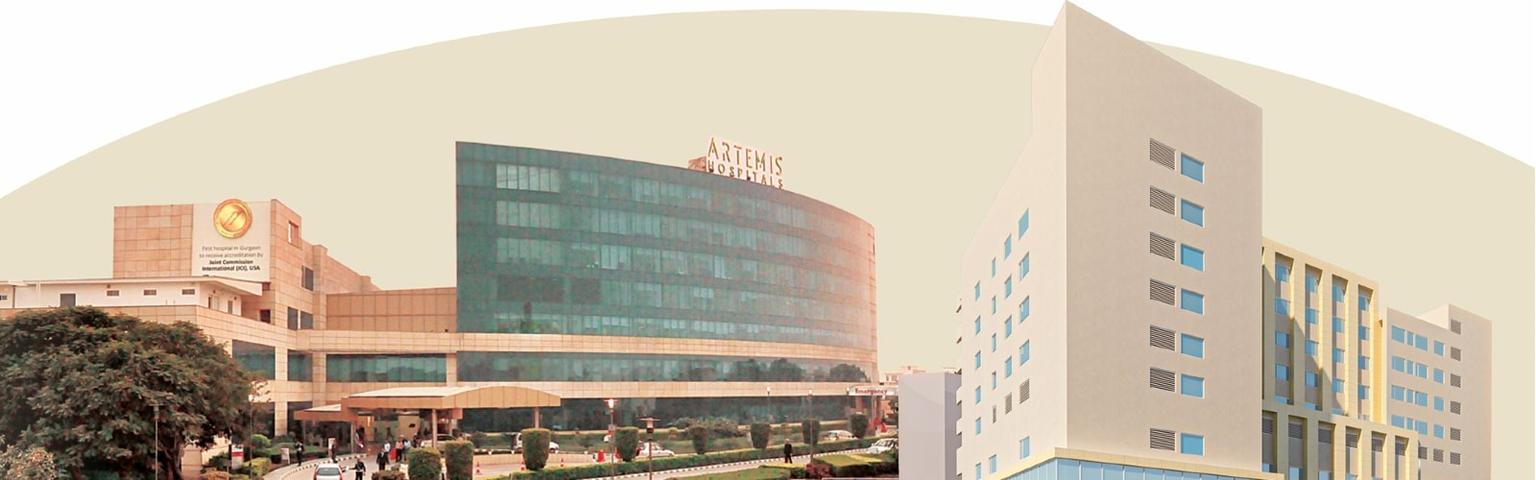
Artemis Hospital
Sector 51, Gurugram, Haryana, India
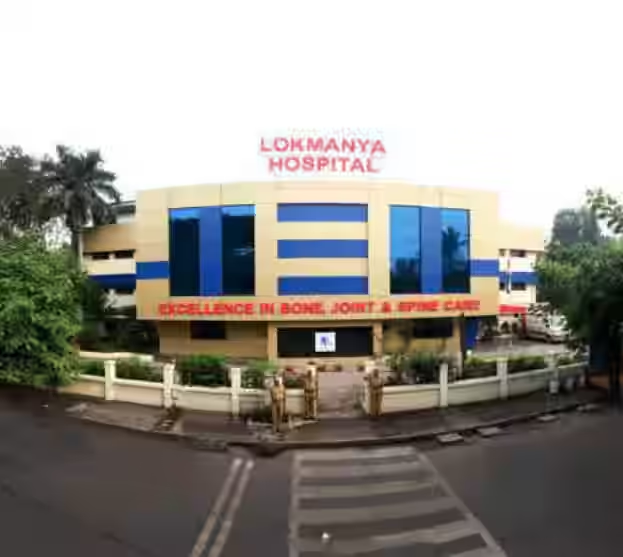
Lokmanya Hospitals
Not Specified

White Lotus Hospital
766, SFS 3145, SFS Road, 7th Sector, HSR Layout, Bengaluru, Karnataka 560102, India
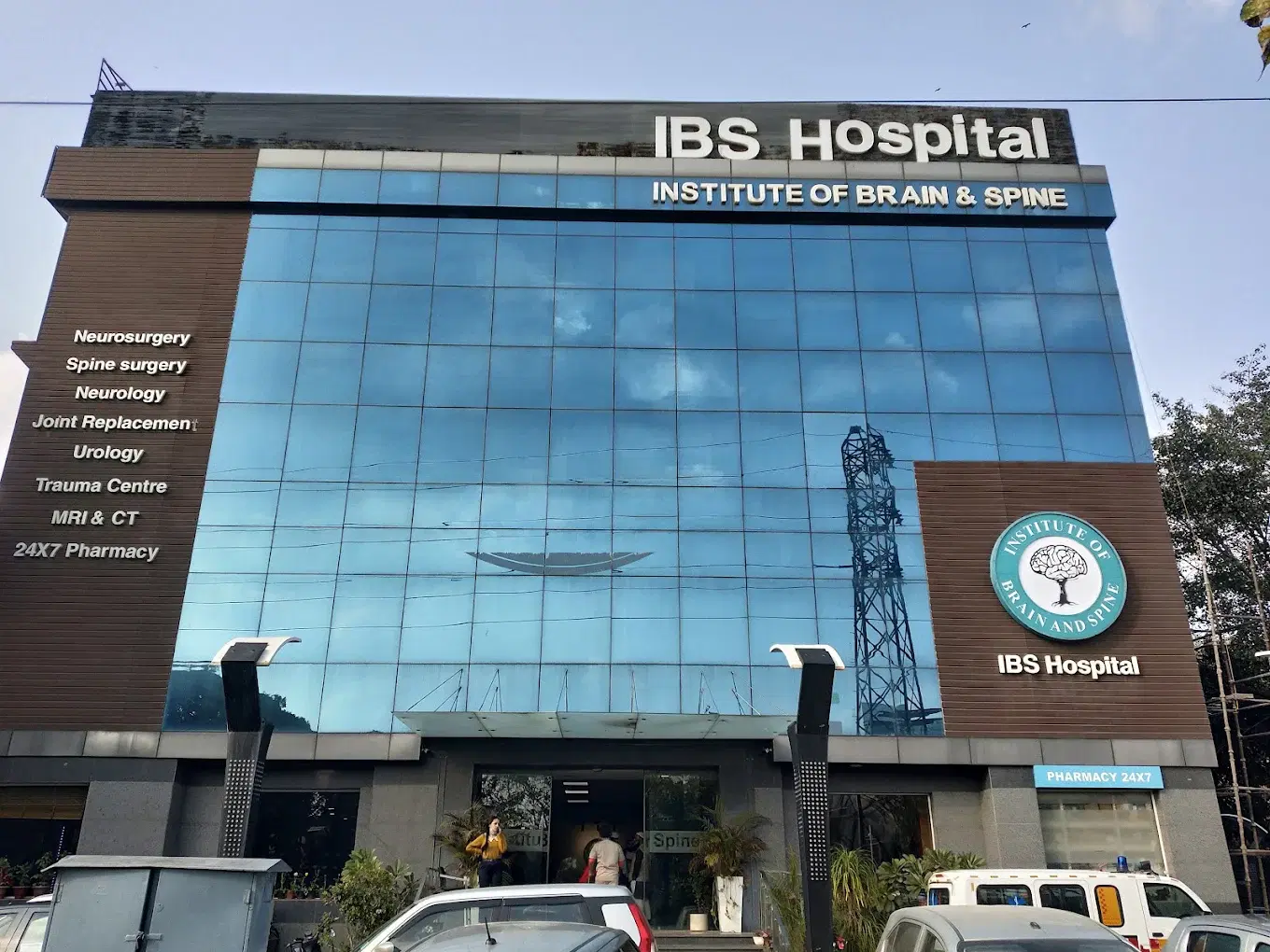
Institute of Brain and Spine (IBS Hospital)
Not Specified
Meet Our Medical Specialists




Sr. Consultant - Urology & Kidney Transplant Program (Unit I)
Dr. Abhinandan Mukhopadhyay
MBBS, MD
India

Sr. Consultant - Urology & Kidney Transplant Program (Unit I)
Dr. Abhinandan Mukhopadhyay
MBBS, MD
India
How DivinHeal Helps
We simplify your medical journey by providing comprehensive support and access to world-class healthcare.
Expert Specialist Matching
Connecting you with the world's top-rated medical experts.
Accredited Hospital Network
Access to JCI & NABH certified healthcare facilities.
Complete Travel Coordination
Hassle-free visa, stay, and local transport assistance.
24/7 Personal Care
Dedicated patient advisors supporting you at every step.
Journey Guidance
Full guidance from start to end of the patient treatment journey.
Expert Specialist Matching
Connecting you with the world's top-rated medical experts.
Everything you
need to know today
Browse through these common inquiries to better understand our patient-focused medical platform.
Yes, we work with a variety of insurance providers. Contact our team to verify your coverage.
Yes, we provide secure online consultations with experienced specialists.
Our care coordinators help match you with the most suitable specialist.
Absolutely. Your medical information is protected according to healthcare privacy standards.
Look at six things: accreditation (JCI or NABH), specialty depth, doctor credentials and experience, procedure-specific success rates, international patient support, and technology. DivinHeal's AI-driven matching evaluates every hospital in our accredited partner network on these dimensions and shortlists the best-fit options for your condition, budget, and country.
JCI (Joint Commission International) is the US-based global gold standard for hospital quality, recognised worldwide. NABH is India's national accreditation — accredited by ISQua, the same body that accredits JCI. Both signal independently verified safety and quality. Most of India's leading hospitals hold both.
Yes. All three welcome international patients through structured medical visa programs. India is the most established, treating patients from Africa, the Middle East, and South Asia at 60–80% lower cost. Thailand leads in cosmetic and dental care. The UAE is emerging in oncology and reproductive medicine.
Most patients save 50–80% on treatment costs. Heart bypass costs US $7,000–9,000 in India compared to $70,000–150,000 in the US. IVF costs $3,000–4,500 compared to $12,000–20,000 in the UK. Even after flights, visa, and accommodation, total savings remain 60–70%.
DivinHeal manages your entire non-medical journey: visa invitation letters, medical visa guidance, doctor appointments, teleconsultations, airport pickup, hospital-vetted accommodation for you and your attendant, language interpreters, local transport, cuisine preferences, and post-treatment follow-up — one dedicated coordinator from first enquiry to final follow-up.
You need a valid passport (6+ months validity), a medical visa (M-Visa for India — DivinHeal provides the hospital invitation letter), return flight tickets, recent medical reports and a doctor's referral, current prescription list, and proof of financial means. Any accompanying attendant needs their own passport and MX-Visa.
Still have more questions?
Book a call with our friendly team to learn how DivineHeal simplifies your healthcare journey.