

Neonatal Intensive Care (NICU) Treatment in India for Ethiopia
Access high-quality treatment through JCI & NABH-accredited hospitals, renowned specialists, and end-to-end medical travel support designed around your healing journey.
Plan My Journey
Tell us your condition and budget - our AI matches the right destination, hospital and doctor and visa pathway
Cost calculator
I know my treatment - show me cost from 3 hospitals
5K+ International Patients Treated
40+ Source Countries Served
500+ Accredited Partner Hospitals
98% Patient Satisfaction
80% Average Savings vs USA
10K+ Doctors
NABH, JCI Accredited Hospitals
Free Treatment Plan
Free Consultation with Doctor
5+ Destinations Covered

Written by DivinHeal Editorial Contributor, DivinHeal Medical Team, Healthcare Advisory Team Published on: February 19, 2026
Neonatal Intensive Care in India for Ethiopian Babies
Parents from Ethiopia often face profound anxieties when their newborn requires critical care, wondering if the specialized attention needed for conditions like extreme prematurity, respiratory distress, or congenital issues is readily available domestically. The immediate health of a vulnerable infant requires unwavering expert support.
Exploring advanced medical options beyond national borders becomes a crucial consideration for many families. India stands out for its well-developed medical infrastructure, particularly its advanced neonatal intensive care units (NICUs) which are established across major cities. This offers a viable pathway for high-quality treatment.
India's nationwide network of hospitals is equipped with state-of-the-art NICUs, staffed by highly skilled neonatologists, pediatric surgeons, and specialized nursing teams. These facilities provide comprehensive care, from initial stabilization to long-term follow-up, ensuring continuity and expertise at every stage of the infant’s journey.
Could India offer the optimal environment for your newborn's critical care needs?
What is Neonatal Intensive Care (NICU)?
Neonatal Intensive Care (NICU) is a specialized unit within a hospital designed to provide comprehensive medical care for critically ill or premature newborn infants. These units are equipped with advanced technology and staffed by a multidisciplinary team of healthcare professionals trained in neonatal medicine. The primary goal of a NICU is to support and monitor newborns with complex health problems, ensuring their survival and promoting healthy development during a critical period of their lives. Care involves continuous monitoring, life support systems, specialized feeding, and infection control, tailored to the unique needs of each fragile infant.
Types of Neonatal Intensive Care
Different levels of NICU care cater to varying degrees of infant illness and complexity:
- Level II (Special Care Nursery): For infants born moderately prematurely (32 weeks or more) or those needing recovery from more intensive care, often requiring intravenous fluids, oxygen, or gavage feedings.
- Level III (Advanced Neonatal Intensive Care): Designed for extremely premature infants (less than 32 weeks), critically ill full-term babies, or those requiring advanced life support, including ventilators, nitric oxide therapy, or minor surgical procedures.
- Level IV (Regional Neonatal Intensive Care): Provides the highest level of care, including advanced life support, highly specialized surgical interventions for complex congenital anomalies, and access to a full range of pediatric medical and surgical subspecialists.
- Cardiac NICU: Specializes in caring for newborns with congenital heart defects, often requiring advanced cardiac monitoring, medication, and surgical interventions.
- Neuro NICU: Focuses on infants with neurological conditions, such as birth asphyxia, seizures, or brain malformations, offering specialized monitoring and therapies.
When is Neonatal Intensive Care Required?
- Prematurity: Infants born before 37 weeks of gestation, especially those extremely preterm, require support for undeveloped organs.
- Low Birth Weight: Babies weighing less than 2,500 grams, who often struggle with temperature regulation, feeding, and infections.
- Respiratory Distress Syndrome (RDS): Difficulty breathing due to underdeveloped lungs, requiring oxygen, CPAP, or mechanical ventilation.
- Birth Asphyxia: Lack of oxygen at birth, which can lead to brain injury and organ damage, needing immediate resuscitation and supportive care.
- Serious Infections: Conditions like sepsis or pneumonia, requiring intravenous antibiotics and close monitoring.
- Congenital Anomalies: Birth defects affecting the heart, brain, kidneys, or other organs that may require surgical intervention or specialized medical management.
- Jaundice: Severe yellowing of the skin and eyes needing phototherapy or exchange transfusions.
- Hypoglycemia: Low blood sugar levels that can impact brain development if not promptly managed.
Pre-NICU Evaluation
- Maternal Medical History: Review of pregnancy details, any complications, and prenatal diagnostic tests.
- Fetal Monitoring: Assessment of fetal well-being during pregnancy and labor, including ultrasound scans and non-stress tests.
- Immediate Newborn Assessment: Apgar scores, physical examination, and assessment for any signs of distress or congenital issues.
- Blood Tests: Including complete blood count, blood culture for infection, blood gas analysis, and electrolyte levels.
- Imaging Studies: Chest X-ray for respiratory issues, head ultrasound for brain development or bleeds, or echocardiogram for heart conditions.
- Specialized Screenings: Metabolic screening for genetic disorders and hearing screening.
How Neonatal Intensive Care is Provided
The approach to neonatal intensive care is highly individualized, depending entirely on the newborn's specific condition, gestational age, and evolving medical needs.
Continuous Monitoring and Life Support
Infants in the NICU are under constant surveillance. Monitors track heart rate, breathing, oxygen saturation, and blood pressure. For those with respiratory difficulties, advanced equipment such as mechanical ventilators, CPAP (Continuous Positive Airway Pressure), or high-frequency oscillatory ventilation may be used to assist breathing. Incubators provide a controlled, sterile, and warm environment essential for premature and critically ill newborns.
Nutritional Support
Adequate nutrition is vital for growth and development. This may involve intravenous feeding (parenteral nutrition) for infants unable to tolerate oral feeds, or gavage feeding (through a tube placed into the stomach) using breast milk or specialized formula. As the infant matures, oral feeding is gradually introduced and encouraged.
Infection Control and Medication Management
NICU environments prioritize strict infection control protocols to protect vulnerable infants. Medications are administered precisely for various conditions, including antibiotics for infections, surfactants for lung development, or cardiac medications for heart issues. All drug dosages are meticulously calculated based on the infant's weight and condition.
Specialized Therapies and Consultations
Beyond general care, newborns may receive specialized therapies such as phototherapy for jaundice, blood transfusions, or treatment for specific neurological or metabolic conditions. A team of subspecialists, including pediatric neurologists, cardiologists, surgeons, and infectious disease specialists, are available for consultations and interventions as required, ensuring a comprehensive and integrated care plan.
Recovery Process After NICU Care
The recovery process for an infant after NICU care is a gradual journey, often extending beyond discharge. It typically involves a transition from hospital-based support to home care, with close follow-up. Parents are educated on feeding techniques, medication administration, and monitoring for signs of distress. Regular check-ups with pediatricians and neonatologists are crucial to track growth, neurodevelopmental progress, and address any lingering health concerns. Physical therapy, occupational therapy, or speech therapy may be recommended for infants with developmental delays. The duration of recovery varies greatly depending on the initial condition and the extent of medical interventions required during the NICU stay.
Risks and Success Rates in NICU
- Early Risks: Increased susceptibility to infections (sepsis), respiratory complications (chronic lung disease), intraventricular hemorrhage (brain bleeding), and necrotizing enterocolitis (intestinal damage).
- Late Risks: Potential for neurodevelopmental delays, cerebral palsy, visual impairment (retinopathy of prematurity), hearing loss, and long-term pulmonary issues.
- Medical Device Complications: Risks associated with ventilators, central lines, and feeding tubes, such as accidental dislodgement or site infections.
Success rates in neonatal intensive care vary significantly based on the infant's gestational age, birth weight, underlying medical conditions, and the severity of their illness. Advancements in medical technology and expert care have dramatically improved survival rates for even extremely premature infants. However, the long-term outcomes can range from complete recovery with no lasting effects to varying degrees of developmental challenges. A multidisciplinary approach, early intervention, and consistent follow-up care play a crucial role in optimizing the long-term health and developmental potential for NICU graduates.
Cost of Neonatal Intensive Care in India
The cost of Neonatal Intensive Care in India is influenced by several factors, including the severity of the baby's condition, the duration of stay, the level of NICU (Level II, III, or IV), the specific hospital chosen (private vs. corporate hospitals), the expertise of the neonatologist, and the need for specialized procedures or medications. Advanced life support, surgical interventions, and extended stays naturally increase the overall expenses.
For international patients, the estimated cost for Neonatal Intensive Care in India can range from INR 2,00,000 to INR 15,00,000 or more, depending on complexity and duration.
NICU Cost Range Across Major Indian Cities (INR)
| City | Estimated Cost Range (INR) |
|---|---|
| Delhi | 3,00,000 - 12,00,000 |
| Mumbai | 3,50,000 - 15,00,000 |
| Bengaluru | 2,80,000 - 11,00,000 |
| Chennai | 2,50,000 - 10,00,000 |
| Hyderabad | 2,20,000 - 9,50,000 |
| Kolkata | 2,00,000 - 8,00,000 |
| Pune | 2,70,000 - 10,50,000 |
Global Comparison of Neonatal Intensive Care Costs (USD)
| Country | Estimated Cost Range (USD) |
|---|---|
| India | $2,500 - $18,000 |
| Thailand | $8,000 - $25,000 |
| Turkey | $7,000 - $20,000 |
| USA | $50,000 - $200,000+ |
| UK | $40,000 - $150,000+ |
Need Help With Your Newborn's Care?
Our team is ready to guide you through the process of arranging world-class Neonatal Intensive Care in India. Contact us today for personalized assistance.
Comprehensive Support Services for Your Newborn's Treatment Journey
- Medical Visa Assistance: Guiding Ethiopian families through the necessary documentation and application process for medical visas.
- Hospital and Specialist Selection: Providing options for top NICU facilities and highly experienced neonatologists across India, matching specific medical needs.
- Treatment Cost Estimates: Offering transparent breakdowns of potential costs, including hospital charges, specialist fees, and essential support services.
- Travel and Accommodation Support: Assisting with flight bookings, airport transfers, and finding suitable accommodation near the chosen hospital.
- Language and Cultural Guidance: Ensuring smooth communication through interpreters and offering support to navigate cultural differences.
- Post-Discharge Follow-up: Facilitating virtual consultations or organizing appointments for follow-up care once the infant is stable and discharged.
Important Papers Required for Your Medical Visit
- Newborn's Identification: Birth certificate or temporary identification, if available.
- Medical Reports: All existing diagnostic reports, test results, and medical summaries related to the newborn's condition.
- Maternal Health Records: Prenatal check-up reports, delivery notes, and any relevant maternal medical history.
- Referral Letter: A letter from the referring physician in Ethiopia detailing the diagnosis and treatment recommendations.
- Passport and Visa: Valid passports for the parents/guardians and the infant (if applicable), along with a valid Indian medical visa.
- Proof of Funds: Documentation demonstrating the ability to cover treatment and travel expenses.
Preparing for Your Newborn's Intensive Care
- Initial Medical Review: Our medical team will review all submitted reports to provide an informed opinion and treatment plan.
- Travel Consultation: Guidance on safe travel arrangements for a critically ill infant, including potential medical escort options.
- Financial Planning: Clarifying all expected costs and payment procedures before arrival.
- Accommodation Arrangement: Booking suitable family accommodation close to the hospital for convenience and ease of access.
- Pre-arrival Briefing: Providing essential information about the hospital environment, NICU protocols, and what to expect upon admission.
- Emergency Contact Information: Ensuring all critical contact details for family and medical personnel are shared and confirmed.
Guidance for Aftercare and Recovery
- Discharge Planning: Detailed instructions from the medical team on home care, feeding schedules, medication, and signs to watch for.
- Follow-up Appointments: Scheduling subsequent check-ups with neonatologists or pediatric specialists, either in person or via telemedicine.
- Rehabilitation Recommendations: Advice on any necessary developmental therapies, such as physical or occupational therapy, if required.
- Nutritional Counseling: Guidance on optimal nutrition for continued growth and development after discharge from NICU.
- Emotional Support: Access to counseling services or support groups for parents navigating the challenges of caring for a NICU graduate.
- Medical Report Compilation: Providing comprehensive medical records for the child's ongoing care back in Ethiopia.
Ready to Provide the Best Care for Your Little One?
Choosing the right care for your newborn is a paramount decision. Our dedicated team is here to support Ethiopian families, ensuring access to world-class Neonatal Intensive Care in India with compassion and expertise.
Connect with Our Patient Care Experts
Initiate a consultation to explore how India's leading NICU facilities can provide the life-saving care your newborn deserves.
Recommended Article
Best In Vitro Fertilization (IVF) Doctors in Hyderabad
Doctors for Nephrology: Find Kidney Care Specialists
Doctors in Chennai: Find Medical Specialists in India
Best Embryo Freezing Hospitals in Hyderabad: Care Guide
Hospitals for reproductive surgery: Compare options
Hospitals in Gurugram: Guide to Quality Facilities
IVF Treatment in Haryana | Cost, Hospitals & Doctors
TAVR (Transcatheter Aortic Valve Replacement) cost in New Delhi
Tonsillectomy & Adenoidectomy Success Rate in Mumbai
Facelift & Anti-Aging Procedures in Chennai for Ethiopia Patients | Cost, Hospitals
Hospitals
NABH & JCI Accredited Hospitals in India,Turkey, Thailand & UAE.

Artemis Hospital
Sector 51, Gurugram, Haryana, India

Lokmanya Hospitals
Not Specified

White Lotus Hospital
766, SFS 3145, SFS Road, 7th Sector, HSR Layout, Bengaluru, Karnataka 560102, India
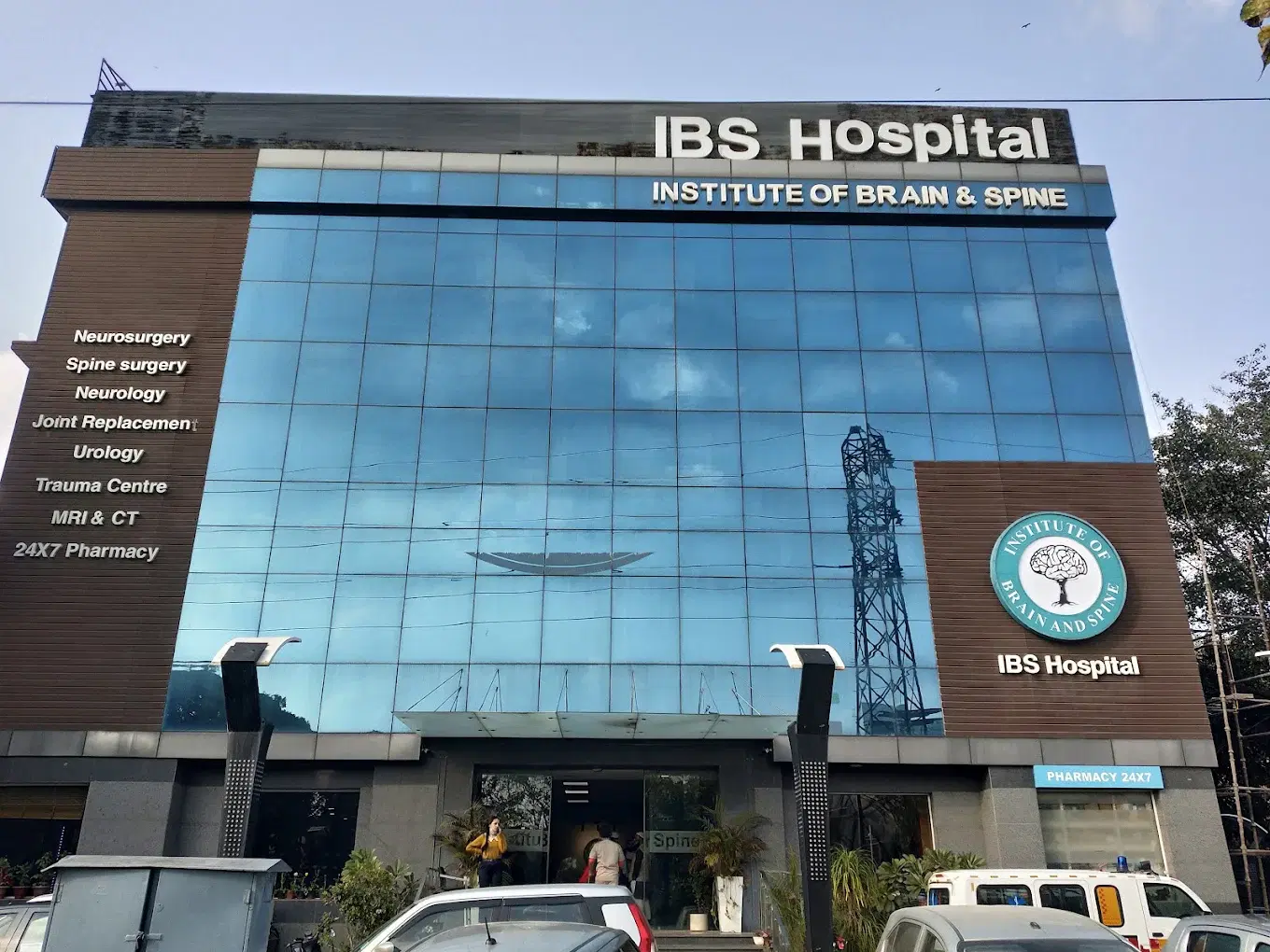
Institute of Brain and Spine (IBS Hospital)
Not Specified
Meet Our Medical Specialists




Sr. Consultant - Urology & Kidney Transplant Program (Unit I)
Dr. Abhinandan Mukhopadhyay
MBBS, MD
India

Sr. Consultant - Urology & Kidney Transplant Program (Unit I)
Dr. Abhinandan Mukhopadhyay
MBBS, MD
India
How DivinHeal Helps
We simplify your medical journey by providing comprehensive support and access to world-class healthcare.
Expert Specialist Matching
Connecting you with the world's top-rated medical experts.
Accredited Hospital Network
Access to JCI & NABH certified healthcare facilities.
Complete Travel Coordination
Hassle-free visa, stay, and local transport assistance.
24/7 Personal Care
Dedicated patient advisors supporting you at every step.
Journey Guidance
Full guidance from start to end of the patient treatment journey.
Expert Specialist Matching
Connecting you with the world's top-rated medical experts.
Everything you
need to know today
Browse through these common inquiries to better understand our patient-focused medical platform.
Yes, we work with a variety of insurance providers. Contact our team to verify your coverage.
Yes, we provide secure online consultations with experienced specialists.
Our care coordinators help match you with the most suitable specialist.
Absolutely. Your medical information is protected according to healthcare privacy standards.
Look at six things: accreditation (JCI or NABH), specialty depth, doctor credentials and experience, procedure-specific success rates, international patient support, and technology. DivinHeal's AI-driven matching evaluates every hospital in our accredited partner network on these dimensions and shortlists the best-fit options for your condition, budget, and country.
JCI (Joint Commission International) is the US-based global gold standard for hospital quality, recognised worldwide. NABH is India's national accreditation — accredited by ISQua, the same body that accredits JCI. Both signal independently verified safety and quality. Most of India's leading hospitals hold both.
Yes. All three welcome international patients through structured medical visa programs. India is the most established, treating patients from Africa, the Middle East, and South Asia at 60–80% lower cost. Thailand leads in cosmetic and dental care. The UAE is emerging in oncology and reproductive medicine.
Most patients save 50–80% on treatment costs. Heart bypass costs US $7,000–9,000 in India compared to $70,000–150,000 in the US. IVF costs $3,000–4,500 compared to $12,000–20,000 in the UK. Even after flights, visa, and accommodation, total savings remain 60–70%.
DivinHeal manages your entire non-medical journey: visa invitation letters, medical visa guidance, doctor appointments, teleconsultations, airport pickup, hospital-vetted accommodation for you and your attendant, language interpreters, local transport, cuisine preferences, and post-treatment follow-up — one dedicated coordinator from first enquiry to final follow-up.
You need a valid passport (6+ months validity), a medical visa (M-Visa for India — DivinHeal provides the hospital invitation letter), return flight tickets, recent medical reports and a doctor's referral, current prescription list, and proof of financial means. Any accompanying attendant needs their own passport and MX-Visa.
Still have more questions?
Book a call with our friendly team to learn how DivineHeal simplifies your healthcare journey.