
Neonatal Intensive Care (NICU) Treatment in India for Nigeria
Need Personalized Advice?
Our medical experts are ready to answer your questions and guide you through your treatment options.
About
Neonatal Intensive Care in India for Nigerian Infants
For Nigerian parents facing the critical need for specialized care for their newborn, the journey can feel overwhelming. When a baby requires Neonatal Intensive Care (NICU), finding immediate and high-quality medical support is paramount, often leading to concerns about local availability and advanced facilities. This uncertainty can add to an already stressful time, as every moment is vital for a newborn’s health.
Many families from Nigeria consider international options due to the availability of advanced medical technology and experienced professionals. India stands out as a preferred destination, offering a robust network of hospitals equipped with state-of-the-art NICU facilities. Across major Indian cities, these centers provide comprehensive care, ensuring that babies with complex needs receive the attention they require for the best possible start in life.
India's medical system has earned global recognition for its high standards and advanced pediatric and neonatal care. Hospitals throughout the country feature accredited NICU units staffed by highly trained neonatologists, pediatric surgeons, and specialized nursing teams. These facilities consistently deliver excellent outcomes for even the most fragile infants, building a strong foundation of trust for families seeking critical care abroad.
Is India the right choice for your newborn's critical care needs?
What is Neonatal Intensive Care (NICU)?
Neonatal Intensive Care (NICU) is a specialized unit within a hospital dedicated to providing round-the-clock care for newborn babies who are premature, have low birth weight, or suffer from serious illnesses, injuries, or birth defects. These infants require close monitoring, advanced medical interventions, and a highly controlled environment to support their development and overcome life-threatening conditions. The goal of NICU care is to help these vulnerable newborns stabilize, grow, and eventually thrive, allowing them to go home healthy.
Types of Neonatal Intensive Care Services
Neonatal Intensive Care units are equipped to handle various levels of needs, broadly categorized by the intensity and complexity of care provided:
- Level II (Special Care Nursery): For babies who are moderately ill, born moderately premature (32 weeks or more), or recovering from more critical conditions. They require continuous monitoring and specialized feeding.
- Level III (Advanced Intensive Care): Designed for critically ill newborns, extremely premature infants (less than 32 weeks), or those with life-threatening conditions. This level offers advanced respiratory support, surgical interventions, and highly specialized medical expertise.
- Level IV (Regional Perinatal Intensive Care): The highest level of care, providing comprehensive medical and surgical services for the most complex cases. This includes advanced life support, ECMO (extracorporeal membrane oxygenation), and specialized procedures for congenital anomalies.
- Specialized Intervention Units: Focus on specific needs such as cardiac care, neurological support, or complex surgical recovery within the NICU environment.
When is NICU Treatment Required for a Newborn?
- Premature birth (born before 37 weeks of pregnancy)
- Very low birth weight (less than 1,500 grams)
- Respiratory distress syndrome or other breathing difficulties
- Serious infections (e.g., sepsis)
- Congenital anomalies or birth defects
- Hypoxic-ischemic encephalopathy (brain injury due to lack of oxygen)
- Severe jaundice requiring phototherapy or exchange transfusion
- Feeding difficulties or inability to maintain body temperature
- Seizures or other neurological issues
- Heart problems present at birth
Pre-Admission Evaluation for NICU Care
- Comprehensive physical examination of the newborn by a neonatologist.
- Assessment of Apgar scores and vital signs at birth.
- Blood tests including complete blood count, blood culture, and electrolyte levels.
- Imaging studies such as chest X-rays, head ultrasound, or echocardiogram if indicated.
- Monitoring of oxygen saturation, heart rate, and respiratory effort.
- Review of maternal health history and any complications during pregnancy or delivery.
- Evaluation for specific risks such as infection or genetic conditions.
How Neonatal Intensive Care is Provided
The specific care plan for each infant in the NICU is highly personalized, depending on their condition, gestational age, and individual needs.
Continuous Monitoring and Life Support
Babies in NICU are constantly monitored for heart rate, breathing, oxygen levels, and temperature. Incubators or radiant warmers maintain stable body temperature. For infants with breathing difficulties, mechanical ventilators, CPAP (Continuous Positive Airway Pressure), or oxygen therapy may be used to support lung function.
Nutritional Support
Premature or sick newborns often cannot feed orally. Nutrition is provided intravenously (through IV fluids) or via feeding tubes (orogastric or nasogastric) delivering breast milk or specialized formula. Gradually, babies transition to oral feeding as they grow stronger.
Medication and Infection Control
Medications, including antibiotics, diuretics, or specialized drugs for heart or lung conditions, are carefully administered. Strict infection control protocols are followed to protect vulnerable infants from hospital-acquired infections.
Specialized Procedures and Therapies
Some infants may require minor surgical procedures, phototherapy for jaundice, blood transfusions, or specific therapies for neurological or developmental support. Developmental care practices like minimal handling, quiet environments, and skin-to-skin contact (kangaroo care) are often integrated.
Recovery Process in the NICU
The recovery process in NICU is a gradual journey, marked by consistent monitoring and the achievement of developmental milestones. Infants typically show improvement in breathing, feeding, and weight gain before they are ready for discharge. Parents are actively involved throughout this period, receiving education on infant care, feeding techniques, and potential challenges. Preparing for discharge includes ensuring the baby can maintain their body temperature, feed adequately, and has stable vital signs. For high-risk infants, long-term follow-up clinics are often recommended to monitor their growth and development, ensuring continued well-being after leaving the hospital.
Potential Risks and Success Rates of NICU Care
- Risk of hospital-acquired infections due to weakened immune systems.
- Potential for chronic lung disease (bronchopulmonary dysplasia) in very premature infants requiring prolonged ventilation.
- Neurological complications such as intraventricular hemorrhage or periventricular leukomalacia.
- Feeding difficulties and gastrointestinal issues, including necrotizing enterocolitis.
- Retinopathy of prematurity (ROP), an eye disorder affecting premature babies.
- Developmental delays that may require ongoing therapy and support.
The success rates of NICU care have significantly improved over the years, largely due to advancements in medical technology and specialized expertise. Outcomes vary widely depending on the baby's initial condition, gestational age at birth, weight, the severity of their illness, and the quality of care received. While some infants may face long-term health challenges, a vast majority of babies admitted to modern NICUs, especially those in well-equipped Indian hospitals, go on to lead healthy, fulfilling lives. Families can expect detailed discussions about their baby's prognosis and potential long-term expectations with the medical team.
Cost of Neonatal Intensive Care (NICU) in India
The cost of Neonatal Intensive Care in India for Nigerian patients can vary significantly based on several factors. These include the baby's specific medical condition and its severity, the duration of the NICU stay, the need for specialized treatments like ventilation or surgery, the chosen hospital's accreditation and facilities, and the expertise of the neonatologists involved. India offers a cost-effective option for advanced care without compromising on quality.
Typically, the cost of NICU care in India can range from INR 2,00,000 to INR 15,00,000 or more, depending on the complexity and length of treatment.
Average NICU Treatment Costs Across Indian Cities
| Indian City | Estimated NICU Cost (INR) |
|---|---|
| Delhi | ₹3,00,000 - ₹12,00,000 |
| Mumbai | ₹3,50,000 - ₹15,00,000 |
| Chennai | ₹2,50,000 - ₹10,00,000 |
| Bengaluru | ₹2,80,000 - ₹11,00,000 |
| Hyderabad | ₹2,20,000 - ₹9,50,000 |
| Kolkata | ₹2,00,000 - ₹8,00,000 |
| Pune | ₹2,70,000 - ₹10,50,000 |
| Ahmedabad | ₹2,10,000 - ₹8,50,000 |
Comparing NICU Costs: India vs. Other Nations
| Country | Estimated NICU Cost (USD) |
|---|---|
| India | $2,500 - $18,000 |
| Nigeria | $5,000 - $30,000 |
| United States | $20,000 - $100,000+ |
| United Kingdom | $15,000 - $70,000 |
| Singapore | $10,000 - $50,000 |
| South Africa | $6,000 - $35,000 |
Seeking World-Class NICU Care?
Connect with our expert team to understand your baby's treatment options and receive a personalized cost estimate for Neonatal Intensive Care in India.
Reach out today for a confidential discussion.
Comprehensive Support for Your Child's Care Journey
- Assistance with medical visa application and documentation.
- Arrangements for airport transfers and local transportation.
- Guidance on suitable accommodation options for families.
- Language interpretation services to ensure clear communication.
- Dedicated patient coordinators to manage appointments and hospital logistics.
- Support for family counseling and emotional well-being throughout the treatment.
- Post-treatment follow-up coordination and remote consultation options.
Essential Documents for Your Baby's NICU Care
- Copies of the newborn's birth certificate or relevant identification.
- Parental passports and valid Indian medical visas.
- All existing medical records, reports, and previous treatment summaries for the baby and mother.
- Referral letters from your primary doctor or pediatrician in Nigeria.
- Proof of financial solvency or medical insurance details.
- Any required immunization records.
Preparing for Your Arrival and NICU Admission
- Engage with a medical facilitator to streamline your travel and hospital admission process.
- Complete initial virtual consultations with Indian neonatologists to discuss your baby's case.
- Organize all necessary travel documents, including passports and medical visas, well in advance.
- Understand the hospital's admission procedures and financial guidelines.
- Plan for accommodation near the chosen hospital, considering the potential length of stay.
- Ensure you have essential personal items and supplies ready for your arrival.
Aftercare and Ongoing Support Following NICU Discharge
- Detailed discharge instructions for home care, including medication schedules and feeding plans.
- Scheduled follow-up appointments with pediatric specialists and neonatologists in India.
- Guidance on monitoring the baby’s health and recognizing warning signs.
- Recommendations for any necessary rehabilitation therapies or developmental support.
- Access to remote consultations for continued medical advice once you return to Nigeria.
- Assistance with travel arrangements for your return journey and any necessary medical clearances.
Ready to Secure the Best Start for Your Newborn?
Choosing the right care for your critically ill newborn is a profound decision. Let us help you navigate the process with compassion and expertise.
Get Expert Guidance on NICU Treatment in India
Contact us today to discuss your specific needs and receive tailored information about hospitals, specialists, and cost estimates for your baby's care.
Your child's health is our priority.
Hospitals Offering this treatment
India offers premium medical procedures at affordable prices. Discover our most popular treatments, delivered by the country's finest doctors.
Meet Our Doctors
Meet our team of highly qualified and experienced medical professionals dedicated to providing the best healthcare services.

Dr. Ajit Singh Baghela
Consultant
Paediatric Neurology
Haryana
9+ Years
Experience
Artemis Hospital
Hospital
1500
Fees

Dr. Deepa Maheshwari
Unit Head
Maternity, Obstetrics & Gynaecology
New Delhi
20+ Years
Experience
Artemis Hospital
Hospital
1500
Fees
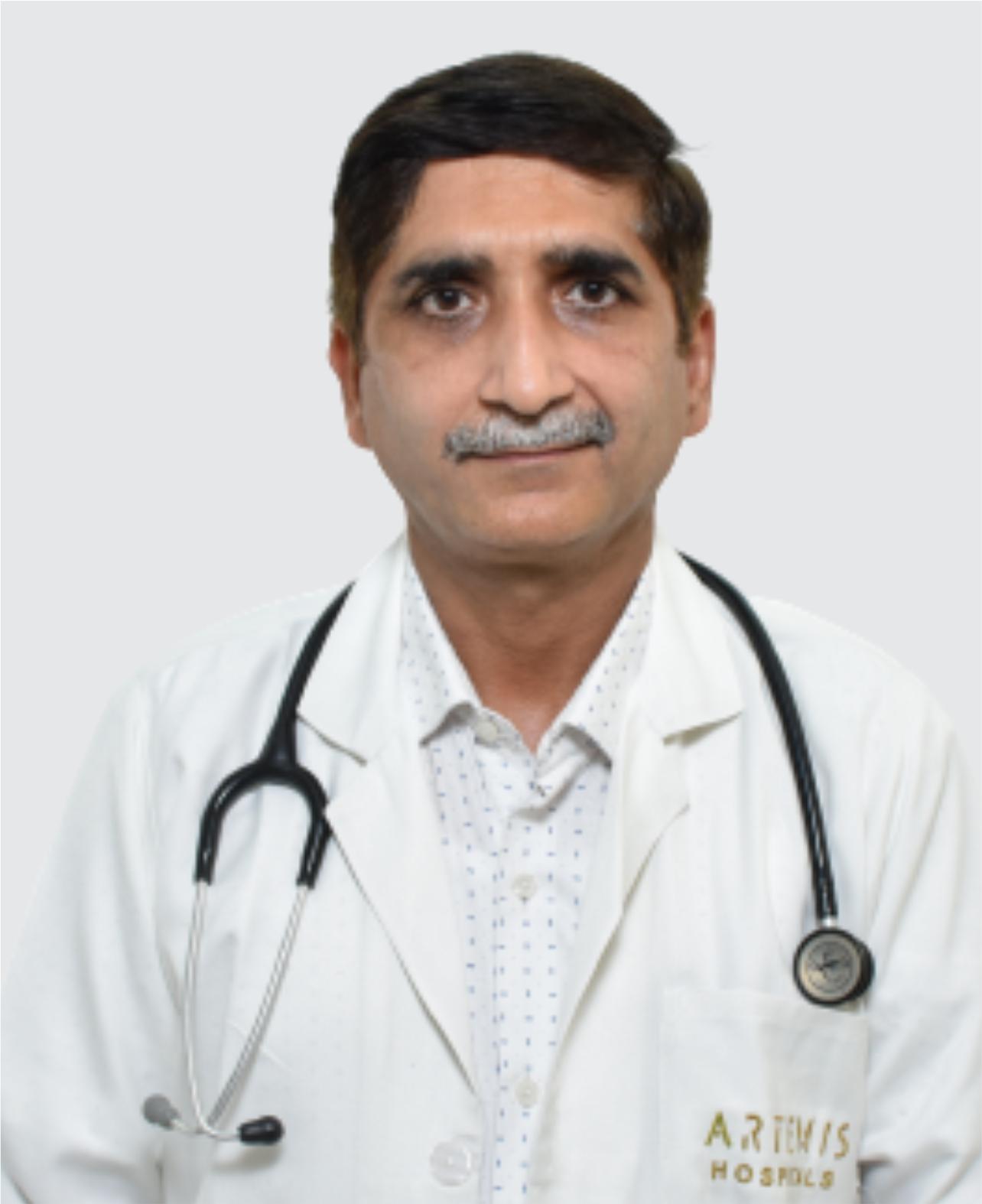
Dr. Hemant Gogia
Sr. Consultant - Paediatrics & Head - Medical Services and Medical Superintendent
Paediatric
New Delhi
10+ Years
Experience
Artemis Hospital
Hospital
1500
Fees

Dr. Padam Yadav
Consultant
Paediatric
New Delhi
15+ Years
Experience
Artemis Hospital
Hospital
1500
Fees

Dr. Ritika Singla
Director
Neonatology
New Delhi
11+ Years
Experience
Artemis Hospital
Hospital
1500
Fees

Dr. Nakul Sinha
Chairman - Cardiology
Cardiology
New Delhi
41+ Years
Experience
Max Hospital,Gurgaon
Hospital
1500
Fees

Dr. Charu Garg
Principal Director - Radiation Oncology
Radiation Oncology
New Delhi
23+ Years
Experience
Max Hospital,Gurgaon
Hospital
1500
Fees

Dr. Seema Jain
Director
Obstetrics & Gynaecology
New Delhi
20+ Years
Experience
Apolo Delhi
Hospital
1500
Fees
Related Links
Other Treatment related Information
Ready To Start Your Healing Journey?
Get Personalized Medical Treatment Options From India's Top Hospitals. Our Medical Experts Are Ready To Assist You Every Step Of The Way.