

Organ Transplant Treatment in Gurugram for Nigeria
Access high-quality treatment through JCI & NABH-accredited hospitals, renowned specialists, and end-to-end medical travel support designed around your healing journey.
Plan My Journey
Tell us your condition and budget - our AI matches the right destination, hospital and doctor and visa pathway
Cost calculator
I know my treatment - show me cost from 3 hospitals
5K+ International Patients Treated
40+ Source Countries Served
500+ Accredited Partner Hospitals
98% Patient Satisfaction
80% Average Savings vs USA
10K+ Doctors
NABH, JCI Accredited Hospitals
Free Treatment Plan
Free Consultation with Doctor
5+ Destinations Covered

Written by DivinHeal Editorial Contributor, DivinHeal Medical Team, Healthcare Advisory Team Published on: February 19, 2026
About
Organ Transplant in Gurugram: A Solution for Nigerian Patients
For many Nigerian patients facing the complex challenge of organ failure, finding timely and high-quality transplant care can feel overwhelming. The search for effective solutions often brings concerns about expertise, availability, and the success of such vital procedures.
Patients exploring international options frequently turn their attention to medical hubs like Gurugram. This city offers a well-established healthcare environment, known for its coordinated patient pathways and advanced medical infrastructure designed for complex surgeries.
Gurugram's hospitals house a network of highly skilled transplant specialists and dedicated care teams. Patients find comfort in the integrated systems that support not only the surgery but also crucial post-operative care and follow-ups within the same city.
Is Gurugram the right choice for your organ transplant journey?
What is an Organ Transplant?
An organ transplant is a life-saving medical procedure where a diseased or damaged organ is replaced with a healthy organ from a donor. This can be from a deceased donor or a living donor, depending on the organ and specific medical circumstances. The primary goal is to restore vital body functions and significantly improve the patient's quality of life by replacing a non-functional organ with one that can perform its role effectively.
Types of Organ Transplants Available
Different organs can be successfully transplanted to address various medical conditions:
- Kidney Transplant: For end-stage renal disease.
- Liver Transplant: For acute or chronic liver failure.
- Heart Transplant: For severe heart failure.
- Lung Transplant: For debilitating lung diseases.
- Pancreas Transplant: Often performed with a kidney transplant for diabetes.
- Cornea Transplant: To restore vision due to corneal damage.
When is an Organ Transplant Required?
- End-stage organ failure: Conditions like chronic kidney disease, cirrhosis of the liver, or severe heart failure where the organ can no longer function adequately.
- Irreversible organ damage: Resulting from severe injury, infection, or long-term disease that cannot be managed by other treatments.
- Certain genetic disorders: Leading to organ malfunction from birth.
- Specific types of cancer: When cancer is localized to an organ and removal with replacement offers the best chance for survival.
- Congenital defects: Structural problems in organs present from birth that impair their function severely.
Pre-Transplant Evaluation Process
- Comprehensive medical history and physical examination to assess overall health.
- Extensive blood tests including blood typing, tissue matching, and screening for infections.
- Advanced imaging scans like CT scans, MRIs, and ultrasounds to assess the diseased organ and surrounding structures.
- Cardiac evaluation, including ECG and echocardiogram, to ensure heart health.
- Pulmonary function tests to check lung capacity, if relevant to the transplant type.
- Psychological assessment to evaluate the patient's mental readiness and support system.
- Nutritional assessment and counseling for optimal health before surgery.
- Detailed donor compatibility tests for living donor transplants.
How the Organ Transplant is Performed
The specific procedure for an organ transplant varies significantly based on the organ being replaced, the type of donor, and the patient's individual medical condition.
Donor Selection and Preparation
For deceased donors, organs are carefully harvested and transported. For living donors, a comprehensive evaluation ensures their health and compatibility. Surgical teams meticulously prepare the donor organ for implantation.
Surgical Excision
During the transplant surgery, the diseased or non-functional organ is carefully removed from the recipient's body. This step requires precision to minimize damage to surrounding tissues and blood vessels.
Transplant Surgery
The healthy donor organ is then meticulously positioned in the recipient's body. Surgeons connect blood vessels and other vital structures, ensuring proper blood flow and function. This complex phase requires significant surgical expertise and often takes several hours.
Post-Surgical Management and Immunosuppression
Following the surgery, patients receive intensive care monitoring. A crucial part of post-transplant care involves lifelong immunosuppressant medications. These drugs help prevent the recipient's immune system from recognizing and attacking the new organ as foreign, thereby reducing the risk of rejection.
The Recovery Process After Transplant
Recovery from an organ transplant is a gradual process requiring dedicated care. Patients typically spend several days to weeks in the hospital for intensive post-operative monitoring. This includes managing pain, monitoring organ function, and adjusting immunosuppressant medications. Lifelong adherence to medication is essential to prevent rejection. Regular follow-up appointments, including blood tests and imaging, are crucial. Physical rehabilitation, dietary adjustments, and lifestyle changes are often recommended to support healing and ensure the long-term success of the transplant. The full recovery period can range from several months to a year, with continuous medical supervision.
Potential Risks and Success Rates
- Organ rejection: The body's immune system may attack the new organ.
- Infection: Increased susceptibility due to immunosuppressant medications.
- Bleeding: During or after surgery, requiring blood transfusions.
- Blood clots: Risk of clots forming in blood vessels, potentially leading to complications.
- Side effects from medications: Including high blood pressure, diabetes, or kidney dysfunction.
- Surgical complications: Such as wound healing issues or damage to surrounding tissues.
- Primary non-function: The transplanted organ may not work properly from the start.
The success rates for organ transplants vary depending on the specific organ, the patient's overall health, and adherence to post-transplant care. For common transplants like kidney and liver, one-year survival rates are generally high, often above 85-90%. Long-term success is influenced by preventing rejection and managing potential complications. Many patients enjoy significantly improved health and quality of life for many years after a successful transplant. Outcomes vary, and a comprehensive discussion with the transplant team provides personalized expectations.
Considering an organ transplant? Get a personalized treatment plan and cost estimate.
Cost of Organ Transplant in Gurugram
The cost of an organ transplant in Gurugram can vary significantly based on several factors. These include the specific organ being transplanted, the chosen hospital's facilities, the complexity of the surgery, the duration of hospital stay, the specialist's fees, and the type of post-operative care and medications required. Donor evaluation and matching also contribute to the overall expenditure.
For a comprehensive organ transplant procedure in Gurugram, costs generally range from approximately ₹8,00,000 to ₹35,00,000, depending on the organ and associated medical services.
Gurugram vs. Global Organ Transplant Costs (Approximate)
Compared to many Western countries, Gurugram offers significantly more affordable organ transplant options without compromising on the quality of care or medical technology.
| Organ Transplant Type | Gurugram (INR) | USA (USD) | UK (GBP) | Singapore (SGD) | Germany (EUR) |
|---|---|---|---|---|---|
| Kidney Transplant | ₹8,00,000 - ₹18,00,000 | $100,000 - $300,000 | £50,000 - £120,000 | S$80,000 - S$200,000 | €70,000 - €180,000 |
| Liver Transplant | ₹20,00,000 - ₹35,00,000 | $200,000 - $600,000 | £100,000 - £250,000 | S$150,000 - S$400,000 | €150,000 - €400,000 |
Comprehensive Support for Your Treatment in Gurugram
- Visa and travel assistance: Guidance on obtaining medical visas and making travel arrangements.
- Accommodation support: Help with finding suitable places to stay for patients and their accompanying family.
- Language translation services: Ensuring clear communication between patients and medical staff.
- Local transportation: Arranging convenient travel for hospital visits and appointments within Gurugram.
- Dedicated patient coordinator: A single point of contact for all medical and logistical needs.
- Post-discharge planning: Assistance with follow-up appointments and arrangements for returning home.
What Documents Do You Need to Prepare?
- Comprehensive medical reports and diagnostic test results related to your organ condition.
- A valid passport with sufficient validity and current visa.
- Details of any accompanying family members, including their passports and visa documents.
- For living donor transplants, all necessary donor identification and medical documents.
- Proof of financial capability to cover treatment costs and living expenses.
- Any previous medical consultation letters or referral documents.
Getting Ready for Your Organ Transplant
- Optimizing your health: Following doctor's advice on diet, exercise, and managing existing conditions.
- Medication review: Discussing all current medications with your transplant team.
- Nutritional guidelines: Adhering to specific dietary advice to prepare your body for surgery.
- Psychological counseling: Preparing mentally for the transplant and recovery journey.
- Arranging travel: Confirming flights and local transfers well in advance.
- Understanding the process: Being fully informed about the transplant procedure and recovery.
Your Journey After Organ Transplant
- Strict adherence to immunosuppressant medication schedules to prevent organ rejection.
- Regular scheduled check-ups and laboratory tests to monitor organ function and medication levels.
- Vigilance for signs of infection or rejection, and prompt reporting to your medical team.
- Gradual resumption of daily activities as advised by your healthcare providers.
- Adopting a healthy lifestyle, including a balanced diet and regular, gentle exercise.
- Participation in rehabilitation programs to regain strength and mobility.
- Long-term monitoring and ongoing support from the transplant team.
Have questions about organ transplant options in Gurugram? We're here to help.
Ready to Explore Your Options?
Your path to recovery and improved health can start with an informed decision and the right medical guidance in Gurugram.
Hospitals
NABH & JCI Accredited Hospitals in India,Turkey, Thailand & UAE.

Artemis Hospital
Sector 51, Gurugram, Haryana, India
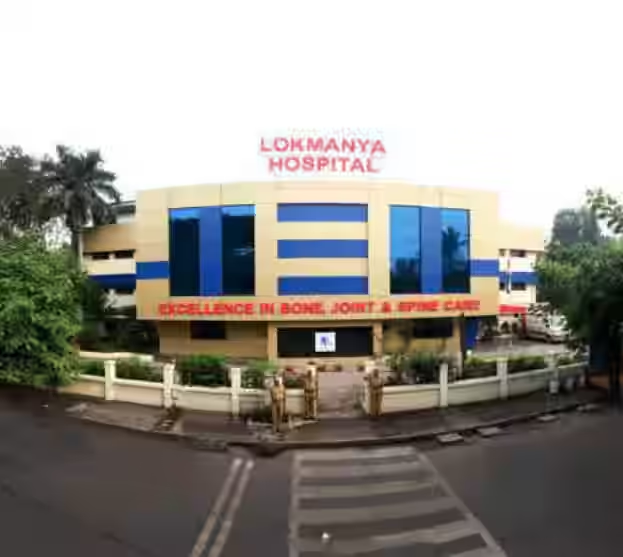
Lokmanya Hospitals
Not Specified

White Lotus Hospital
766, SFS 3145, SFS Road, 7th Sector, HSR Layout, Bengaluru, Karnataka 560102, India
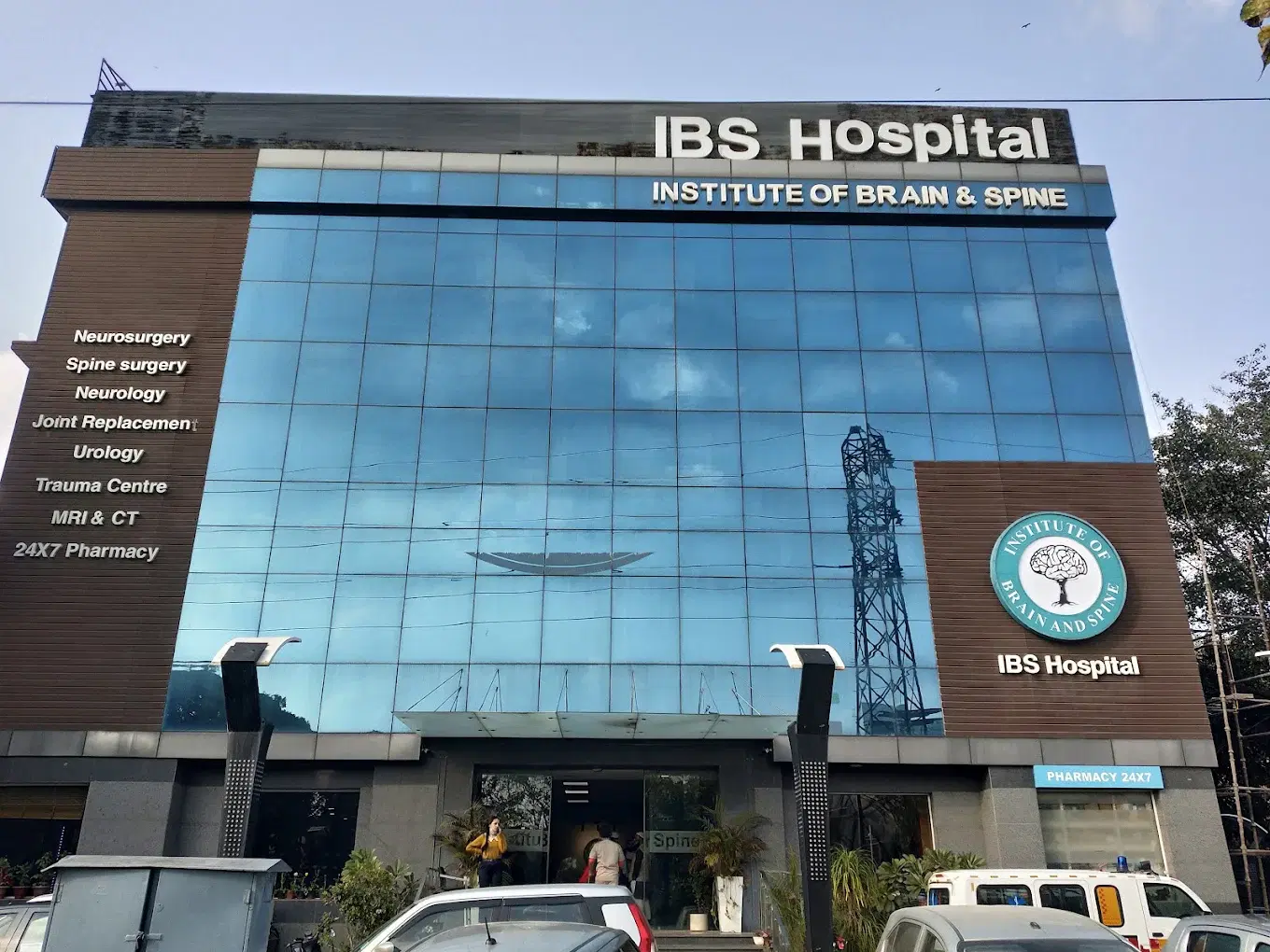
Institute of Brain and Spine (IBS Hospital)
Not Specified
Meet Our Medical Specialists




Sr. Consultant - Urology & Kidney Transplant Program (Unit I)
Dr. Abhinandan Mukhopadhyay
MBBS, MD
India

Sr. Consultant - Urology & Kidney Transplant Program (Unit I)
Dr. Abhinandan Mukhopadhyay
MBBS, MD
India
How DivinHeal Helps
We simplify your medical journey by providing comprehensive support and access to world-class healthcare.
Expert Specialist Matching
Connecting you with the world's top-rated medical experts.
Accredited Hospital Network
Access to JCI & NABH certified healthcare facilities.
Complete Travel Coordination
Hassle-free visa, stay, and local transport assistance.
24/7 Personal Care
Dedicated patient advisors supporting you at every step.
Journey Guidance
Full guidance from start to end of the patient treatment journey.
Expert Specialist Matching
Connecting you with the world's top-rated medical experts.
Everything you
need to know today
Browse through these common inquiries to better understand our patient-focused medical platform.
Yes, we work with a variety of insurance providers. Contact our team to verify your coverage.
Yes, we provide secure online consultations with experienced specialists.
Our care coordinators help match you with the most suitable specialist.
Absolutely. Your medical information is protected according to healthcare privacy standards.
Look at six things: accreditation (JCI or NABH), specialty depth, doctor credentials and experience, procedure-specific success rates, international patient support, and technology. DivinHeal's AI-driven matching evaluates every hospital in our accredited partner network on these dimensions and shortlists the best-fit options for your condition, budget, and country.
JCI (Joint Commission International) is the US-based global gold standard for hospital quality, recognised worldwide. NABH is India's national accreditation — accredited by ISQua, the same body that accredits JCI. Both signal independently verified safety and quality. Most of India's leading hospitals hold both.
Yes. All three welcome international patients through structured medical visa programs. India is the most established, treating patients from Africa, the Middle East, and South Asia at 60–80% lower cost. Thailand leads in cosmetic and dental care. The UAE is emerging in oncology and reproductive medicine.
Most patients save 50–80% on treatment costs. Heart bypass costs US $7,000–9,000 in India compared to $70,000–150,000 in the US. IVF costs $3,000–4,500 compared to $12,000–20,000 in the UK. Even after flights, visa, and accommodation, total savings remain 60–70%.
DivinHeal manages your entire non-medical journey: visa invitation letters, medical visa guidance, doctor appointments, teleconsultations, airport pickup, hospital-vetted accommodation for you and your attendant, language interpreters, local transport, cuisine preferences, and post-treatment follow-up — one dedicated coordinator from first enquiry to final follow-up.
You need a valid passport (6+ months validity), a medical visa (M-Visa for India — DivinHeal provides the hospital invitation letter), return flight tickets, recent medical reports and a doctor's referral, current prescription list, and proof of financial means. Any accompanying attendant needs their own passport and MX-Visa.
Still have more questions?
Book a call with our friendly team to learn how DivineHeal simplifies your healthcare journey.