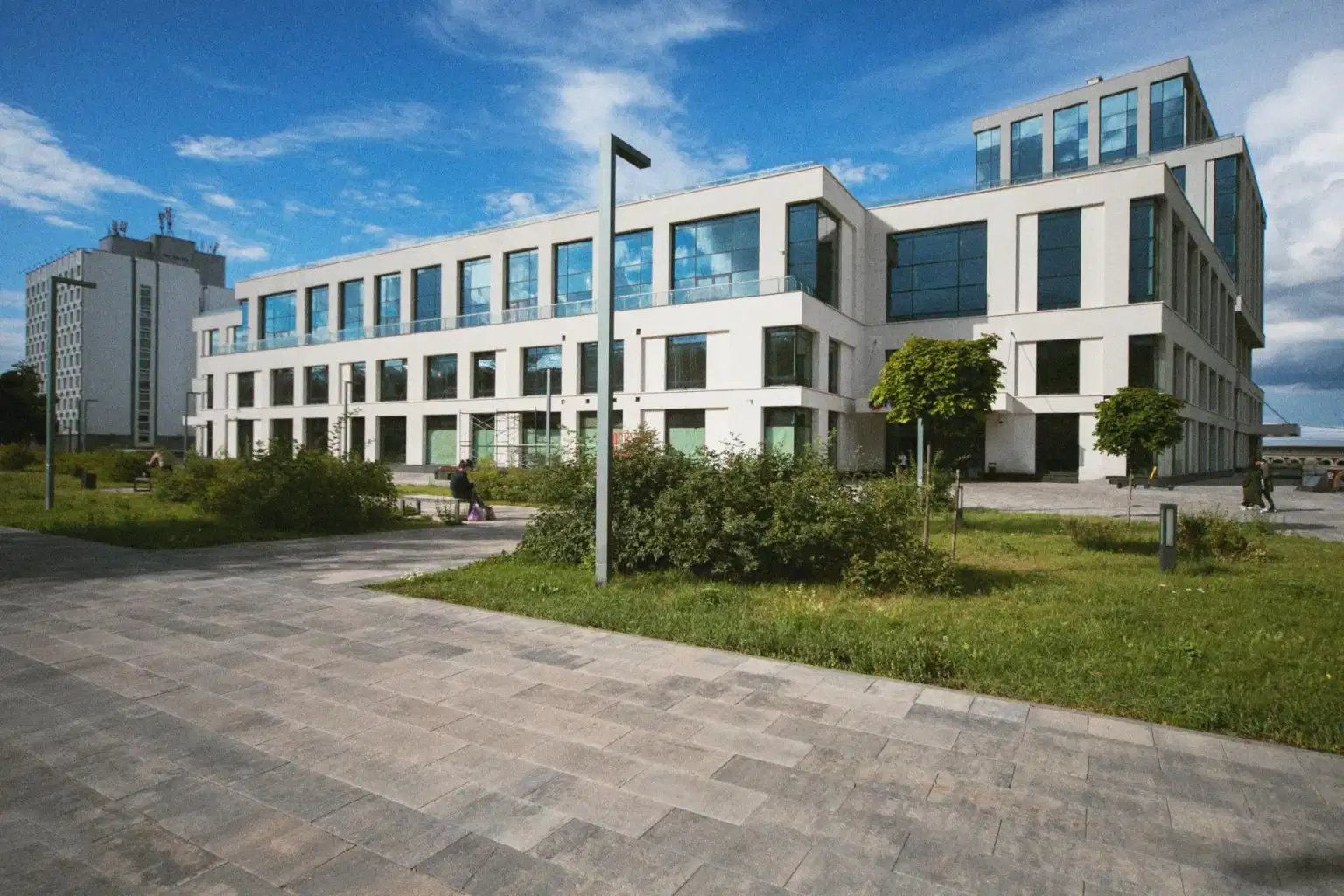
Orthopedics Treatment in Bengaluru for Bangladesh
Need Personalized Advice?
Our medical experts are ready to answer your questions and guide you through your treatment options.
About
Orthopedics in Bengaluru for Bangladesh Patients | Cost, Hospitals
For many patients in Bangladesh facing orthopedic conditions, finding advanced and affordable treatment can be a significant concern. The thought of complex joint surgeries, spine procedures, or extensive rehabilitation often comes with worries about expertise, equipment, and managing the overall cost.
This leads many to consider medical care beyond their borders. Bengaluru stands out as a preferred destination. Its reputation for world-class medical infrastructure and a focused approach to patient care makes it a practical choice for those seeking specialized orthopedic interventions.
Bengaluru's leading hospitals house highly skilled orthopedic surgeons and dedicated support teams. These facilities are designed to provide a comprehensive treatment journey, from initial consultation to post-operative follow-ups, ensuring seamless care and recovery within the city.
Bengaluru offers a reliable and advanced option for orthopedic treatment.
What is Orthopedics?
Orthopedics is a medical specialty focused on the diagnosis, treatment, and prevention of disorders and injuries related to the musculoskeletal system. This intricate system includes bones, joints, ligaments, tendons, muscles, and nerves. Orthopedic care aims to restore function, alleviate pain, and improve the quality of life for patients suffering from various conditions affecting mobility.
What Types of Orthopedic Treatments are Available?
Orthopedic treatment encompasses a wide range of approaches, tailored to specific conditions:
- Joint Replacement Surgery: Procedures like total knee replacement, hip replacement, and shoulder replacement to alleviate pain and restore mobility in severely damaged joints.
- Arthroscopy: Minimally invasive surgery used to diagnose and treat problems inside a joint, often performed on knees, shoulders, hips, and ankles.
- Spine Surgery: Addressing conditions like herniated discs, spinal stenosis, and scoliosis, ranging from minimally invasive procedures to complex spinal fusions.
- Trauma and Fracture Care: Treatment for broken bones and severe injuries resulting from accidents, often involving surgical fixation or non-surgical casting.
- Sports Medicine: Specialized care for athletes and active individuals, focusing on preventing, diagnosing, and treating sports-related injuries.
- Physiotherapy and Rehabilitation: Non-surgical treatment using exercises, manual therapy, and other techniques to improve strength, flexibility, and function.
When Is Orthopedic Treatment Necessary?
- Persistent joint pain or stiffness that affects daily activities.
- Limited range of motion in a joint.
- Swelling, warmth, or tenderness around a joint.
- Instability or weakness in a limb.
- Chronic back or neck pain unresponsive to conservative treatments.
- Acute injuries such as fractures, dislocations, or ligament tears.
- Deformities of bones or joints.
- Numbness, tingling, or weakness in an arm or leg caused by nerve compression.
What Pre-Treatment Evaluation is Needed?
- Physical Examination: A thorough assessment of your posture, range of motion, and pain points.
- Imaging Tests: X-rays, MRI scans, CT scans, or ultrasound to visualize bones, joints, and soft tissues.
- Blood Tests: To check for inflammation, infection, or other systemic conditions.
- Nerve Studies: Electromyography (EMG) or nerve conduction studies (NCS) if nerve involvement is suspected.
- Medical History Review: Discussion of your past health, medications, and lifestyle.
How Is Orthopedic Treatment Performed?
The specific method of orthopedic treatment varies greatly depending on the patient's diagnosis, the severity of the condition, and the overall treatment goals decided with the orthopedic specialist.
Surgical Procedures
For many significant orthopedic issues, surgery becomes necessary. This might involve:
- Joint Reconstruction: Replacing damaged joint surfaces with artificial implants, typically under general anesthesia.
- Ligament or Tendon Repair: Reattaching torn tissues or reconstructing them using grafts, often performed arthroscopically.
- Spinal Decompression: Removing bone or disc material that is pressing on nerves, which can involve fusion to stabilize the spine.
- Fracture Repair: Using plates, screws, rods, or pins to stabilize broken bones, allowing them to heal correctly.
Non-Surgical Approaches
Many orthopedic conditions can be managed without surgery through:
- Medication: Pain relievers, anti-inflammatory drugs, or muscle relaxants.
- Injections: Corticosteroids or hyaluronic acid into joints to reduce inflammation and pain.
- Physical Therapy: Structured exercise programs, manual therapy, and modalities like heat/cold therapy to improve strength and mobility.
- Bracing or Splinting: To immobilize and support an injured area during healing.
What Does the Recovery Process Involve?
Recovery from orthopedic treatment varies based on the procedure, individual health, and commitment to rehabilitation. For surgical interventions, initial recovery involves pain management, wound care, and restricted movement. Physiotherapy is a crucial component, starting early to restore strength, flexibility, and range of motion. Full healing time can range from a few weeks for minor procedures to several months for major surgeries like joint replacements. Adhering to specialist advice, attending follow-up appointments, and consistent rehabilitation exercises are essential for optimal long-term outcomes.
What Are the Risks and Success Rates of Orthopedic Treatment?
- General Surgical Risks: Infection, bleeding, blood clots, and adverse reactions to anesthesia.
- Specific Procedure Risks: Nerve damage, stiffness, implant loosening (for replacements), or incomplete healing.
- Rehabilitation Challenges: Difficulty regaining full motion or strength, requiring extended therapy.
The success rate of orthopedic treatments is generally very high, especially for common procedures like joint replacements, where patient satisfaction and functional improvement are significant. Outcomes depend on several factors, including the patient's overall health, adherence to post-treatment care, and the skill of the surgical team. Long-term expectations often involve reduced pain, improved mobility, and an enhanced ability to participate in daily activities.
How Much Does Orthopedics Cost in Bengaluru?
The cost of orthopedic treatment in Bengaluru is influenced by several factors. These include the specific procedure required, the chosen hospital's reputation and facilities, the experience of the orthopedic surgeon, the type of implants or technology used, and the duration of hospital stay and rehabilitation needed.
For instance, a total knee replacement in Bengaluru can range from approximately INR 2,50,000 to INR 5,50,000, while spine surgery might vary between INR 3,00,000 and INR 8,00,000. These are broad estimates, and precise costs are determined after a thorough medical evaluation.
How Does Orthopedics Cost in Bengaluru Compare Globally?
Bengaluru offers a significant cost advantage for various orthopedic procedures compared to many Western countries, without compromising on quality or advanced medical facilities.
| Orthopedic Procedure | Bengaluru (INR) | USA (USD) | UK (GBP) | Singapore (SGD) |
|---|---|---|---|---|
| Total Knee Replacement | 2,50,000 - 5,50,000 | 25,000 - 50,000 | 12,000 - 20,000 | 15,000 - 30,000 |
| Total Hip Replacement | 2,80,000 - 6,00,000 | 28,000 - 55,000 | 14,000 - 22,000 | 18,000 - 35,000 |
| Spine Fusion Surgery | 3,00,000 - 8,00,000 | 35,000 - 70,000 | 18,000 - 30,000 | 25,000 - 45,000 |
| ACL Reconstruction | 1,50,000 - 3,00,000 | 10,000 - 20,000 | 6,000 - 10,000 | 8,000 - 15,000 |
| Shoulder Arthroscopy | 1,20,000 - 2,50,000 | 8,000 - 18,000 | 5,000 - 9,000 | 7,000 - 14,000 |
Ready to Explore Orthopedic Treatment in Bengaluru?
Our team is here to assist you with a personalized treatment plan and cost estimate. Reach out to us for expert guidance.
Support Services for Your Orthopedic Journey in Bengaluru
- Appointment Scheduling: Assistance with booking consultations and treatment slots.
- Visa Guidance: Help with necessary medical visa applications and extensions.
- Travel and Accommodation: Support in arranging flights, airport transfers, and suitable lodging options.
- Language Interpreters: Provision of language assistance to ensure clear communication.
- Dedicated Patient Coordinator: A single point of contact for all your medical and logistical needs.
- Post-Treatment Follow-up: Facilitating remote consultations for continued care after your return home.
Essential Papers for Your Medical Visit to Bengaluru
- Current Passport and Visa for India.
- Medical reports, diagnostic scans, and doctor's prescriptions related to your orthopedic condition.
- A letter from your referring doctor in Bangladesh detailing your diagnosis and treatment recommendations.
- Proof of sufficient funds for your medical expenses and stay.
- Contact details for next of kin or emergency contacts.
- Any previous surgical records or treatment summaries.
Preparing for Your Orthopedic Procedure in Bengaluru
- Initial Consultation: Share all relevant medical documents for a preliminary assessment by Bengaluru specialists.
- Medical Clearance: Undergo comprehensive health checks to ensure you are fit for the procedure.
- Lifestyle Adjustments: Follow any specific dietary, medication, or activity instructions given by your doctor.
- Travel Planning: Organize your journey to Bengaluru well in advance, considering your medical needs.
- Accommodation: Secure comfortable lodging for your stay, including post-hospital recovery period.
- Support System: Plan for a companion to accompany you, if necessary, for comfort and assistance.
Guidance for Recovery and Aftercare After Treatment
- Adhere to Medication: Take all prescribed medications as instructed to manage pain and prevent infection.
- Follow Physiotherapy: Diligently perform recommended exercises to regain strength and mobility.
- Wound Care: Keep surgical sites clean and dry, monitoring for any signs of infection.
- Activity Restrictions: Avoid strenuous activities and heavy lifting as advised by your surgeon.
- Regular Follow-ups: Attend all scheduled post-operative appointments in Bengaluru or arrange for remote consultations.
- Diet and Hydration: Maintain a healthy diet and ensure adequate fluid intake to support healing.
Begin Your Journey Towards Better Orthopedic Health Today
Contact us to connect with Bengaluru's top orthopedic specialists and plan your treatment with confidence.
Take Your Next Step Toward Lasting Relief
Choosing Bengaluru for orthopedic treatment offers access to advanced care, experienced professionals, and a supportive environment, paving the way for improved health and well-being.
Hospitals Offering this treatment
India offers premium medical procedures at affordable prices. Discover our most popular treatments, delivered by the country's finest doctors.
Meet Our Doctors
Meet our team of highly qualified and experienced medical professionals dedicated to providing the best healthcare services.
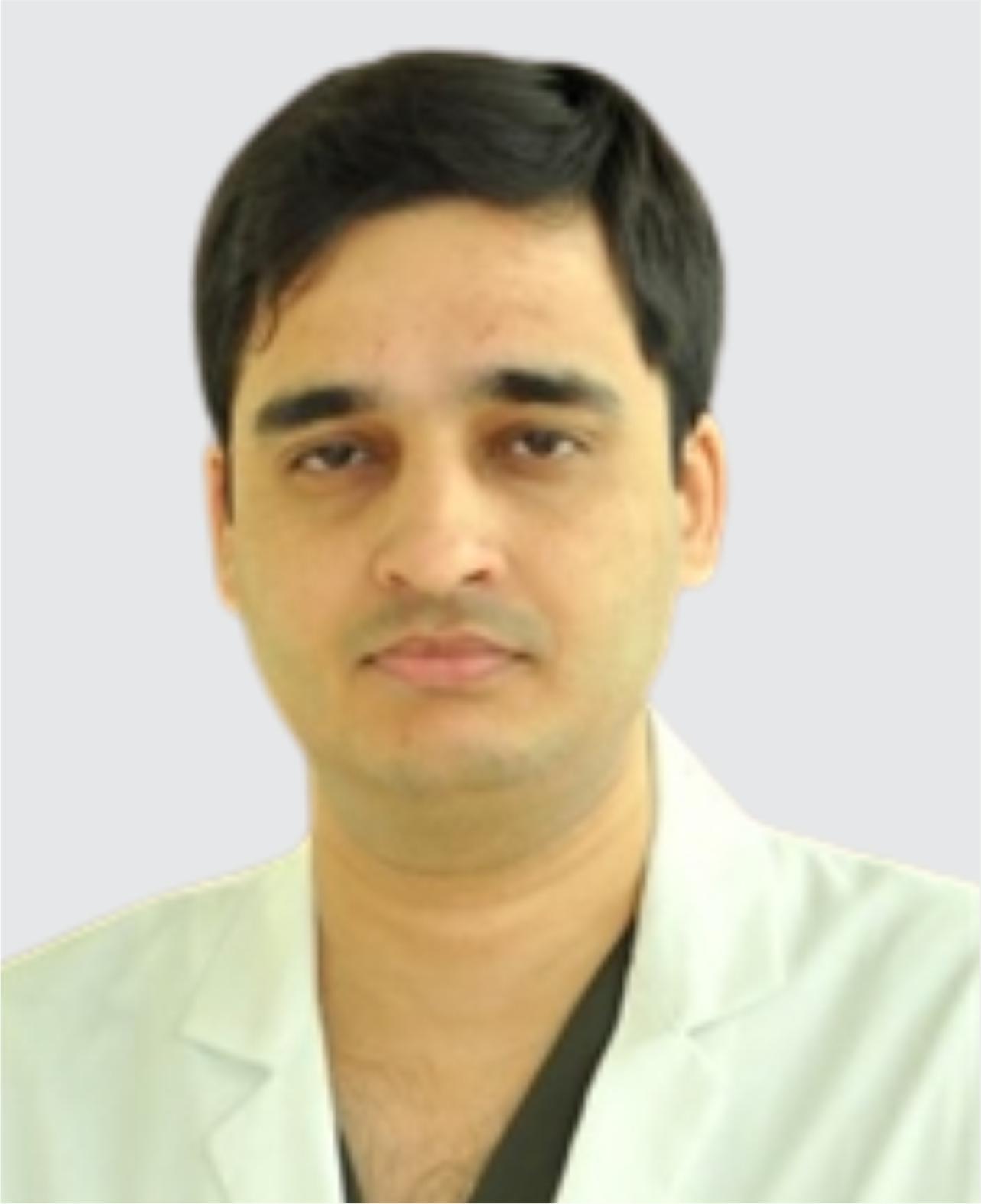
Dr. Amit Kalsotra
Sr. Consultant - Anaesthesia, Critical Care & Pain Management
Anaesthesia, Critical Care, Pain Management
New Delhi
15+ Years
Experience
Artemis Hospital
Hospital
1500
Fees
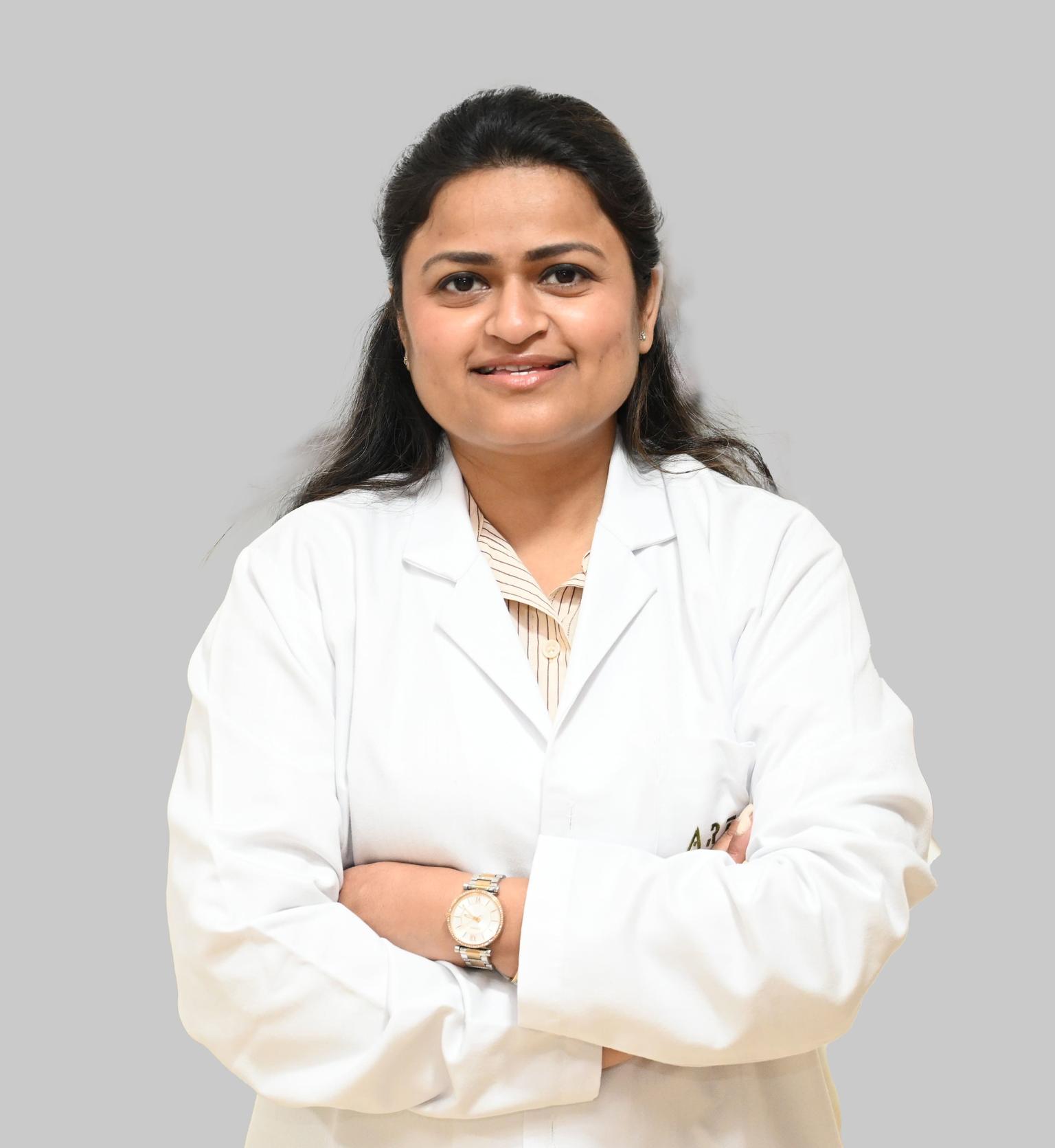
Dr. Anjali Vaish
Consultant - Physiotherapy and Rehabilitation Centre
Physiotherapy and Rehabilitation Centre
New Delhi
10+ Years
Experience
Artemis Hospital
Hospital
1500
Fees
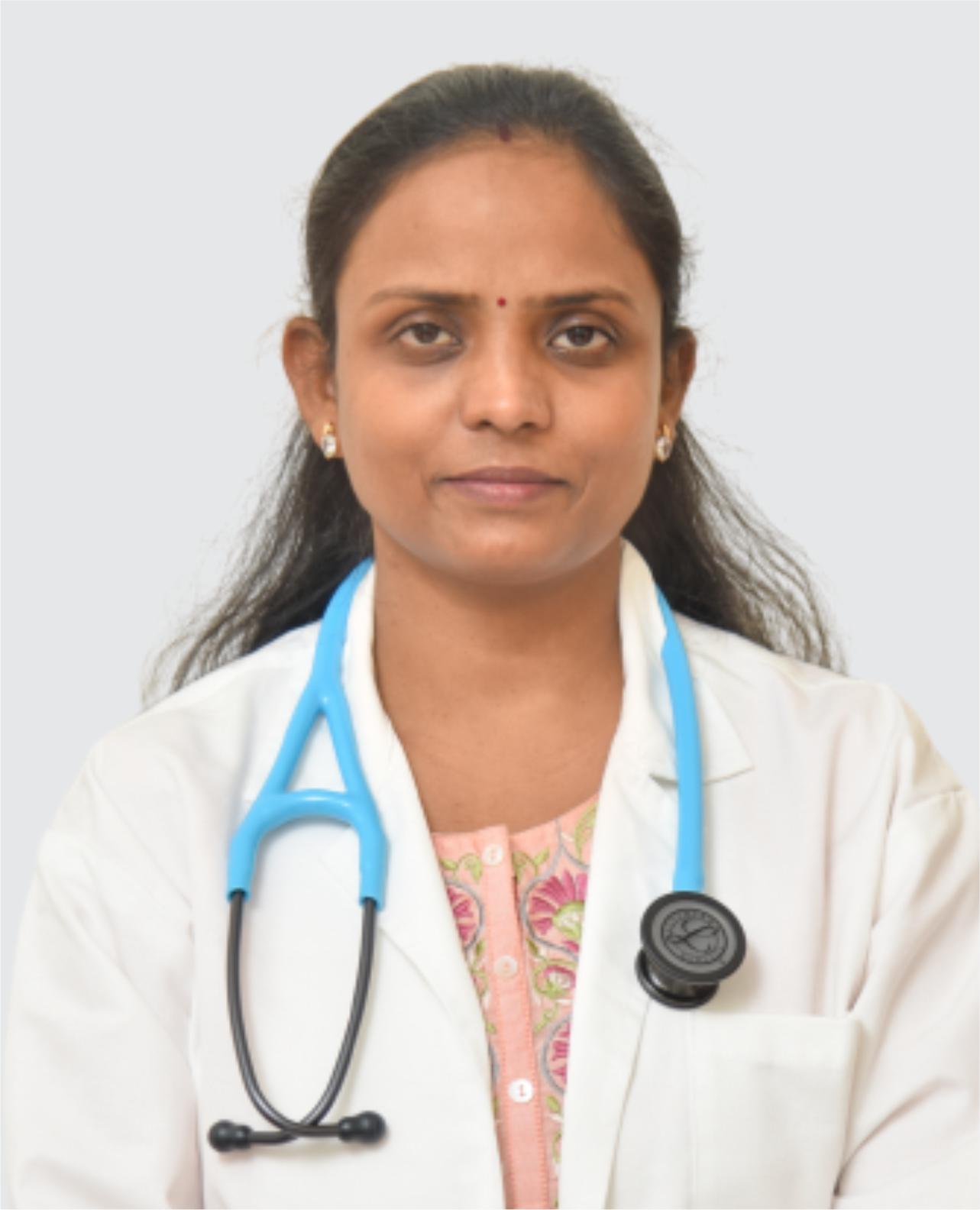
Dr. Anju Singh
Consultant - Pediatric Rheumatology
Pediatric Rheumatology
New Delhi
13+ Years
Experience
Artemis Hospital
Hospital
1500
Fees
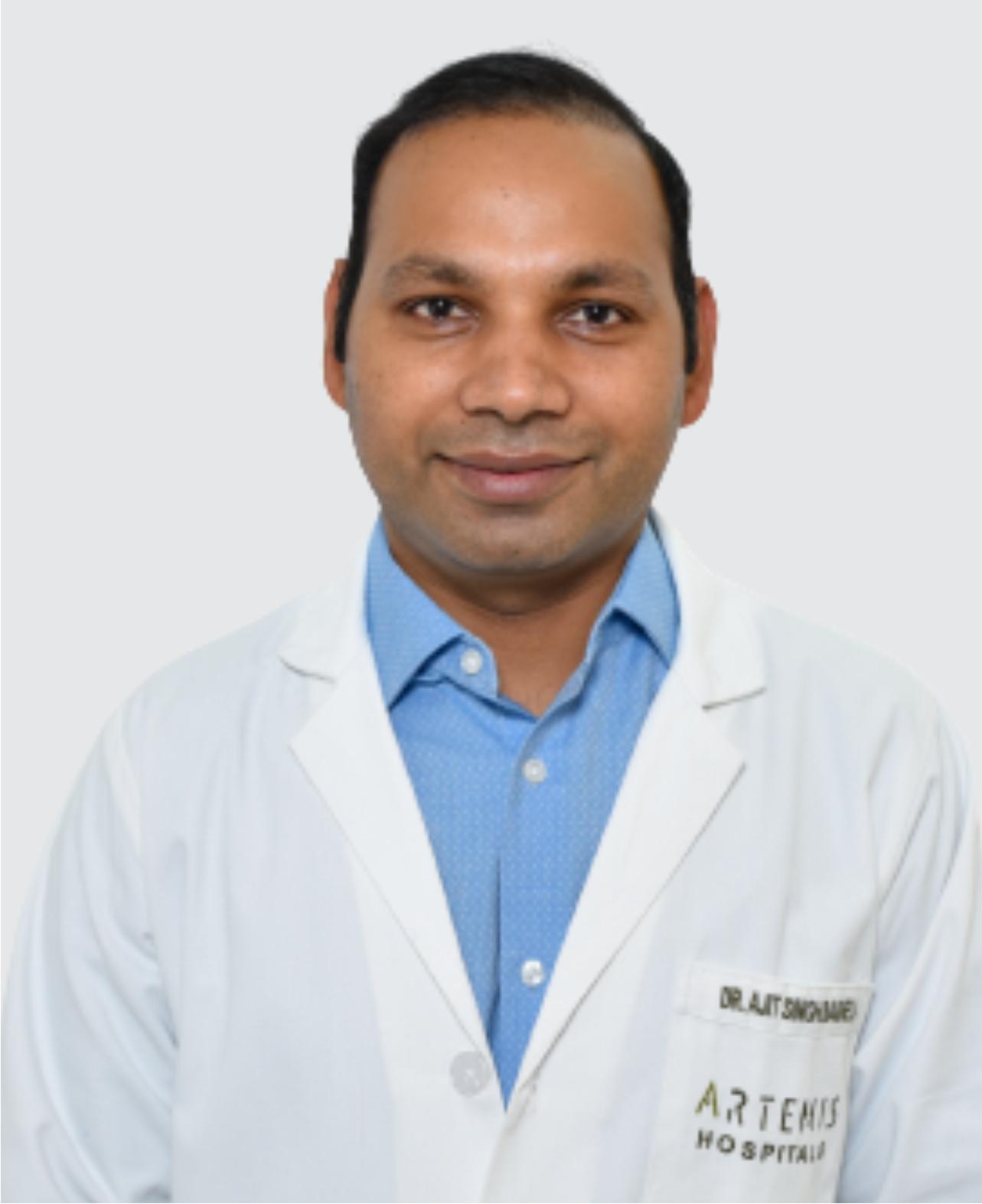
Dr. Ajit Singh Baghela
Sr. Consultant - Paediatric Neurology
Paediatric Neurology
New Delhi
9+ Years
Experience
Artemis Hospital
Hospital
1500
Fees

Dr. (Brig.) Anil Khetarpal
Deputy Chief - Medical Services & Chairperson -Department of Blood Centre and Transfusion medicine
Blood Centre & Transfusion Medicine
New Delhi
33+ Years
Experience
Artemis Hospital
Hospital
1500
Fees
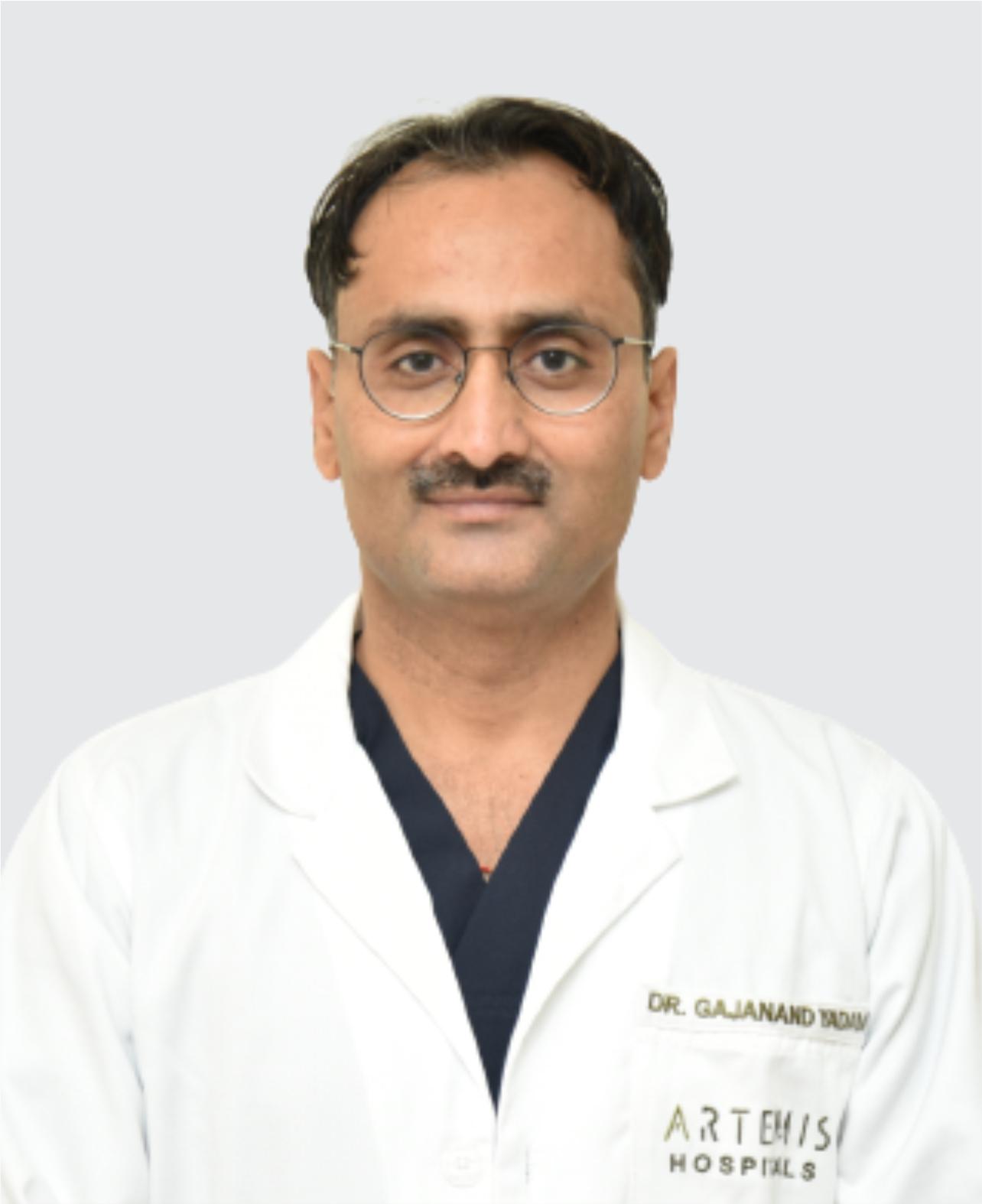
Dr. Gajanand Yadav
Consultant - Orthopaedics and Hip and Knee Arthroplasty
Orthopaedics, Hip and Knee Arthroplasty, Joint Replacement, Sports Medicine
New Delhi
12+ Years
Experience
Artemis Hospital
Hospital
1500
Fees
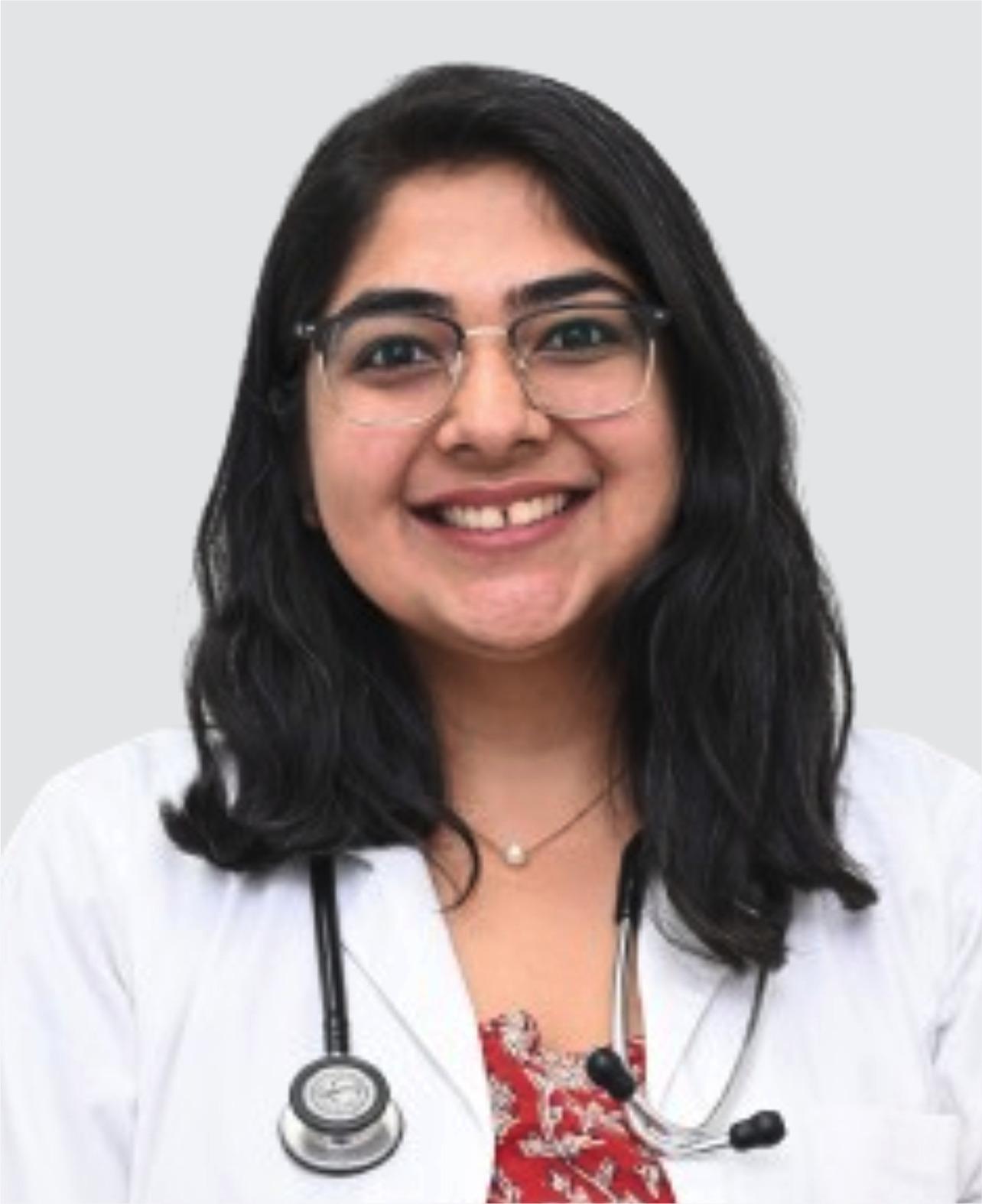
Dr. Meenal Thakral
Attending Consultant – Geriatric Medicine
Geriatric Medicine, Geriatric Surgery
New Delhi
3+ Years
Experience
Artemis Hospital
Hospital
1500
Fees
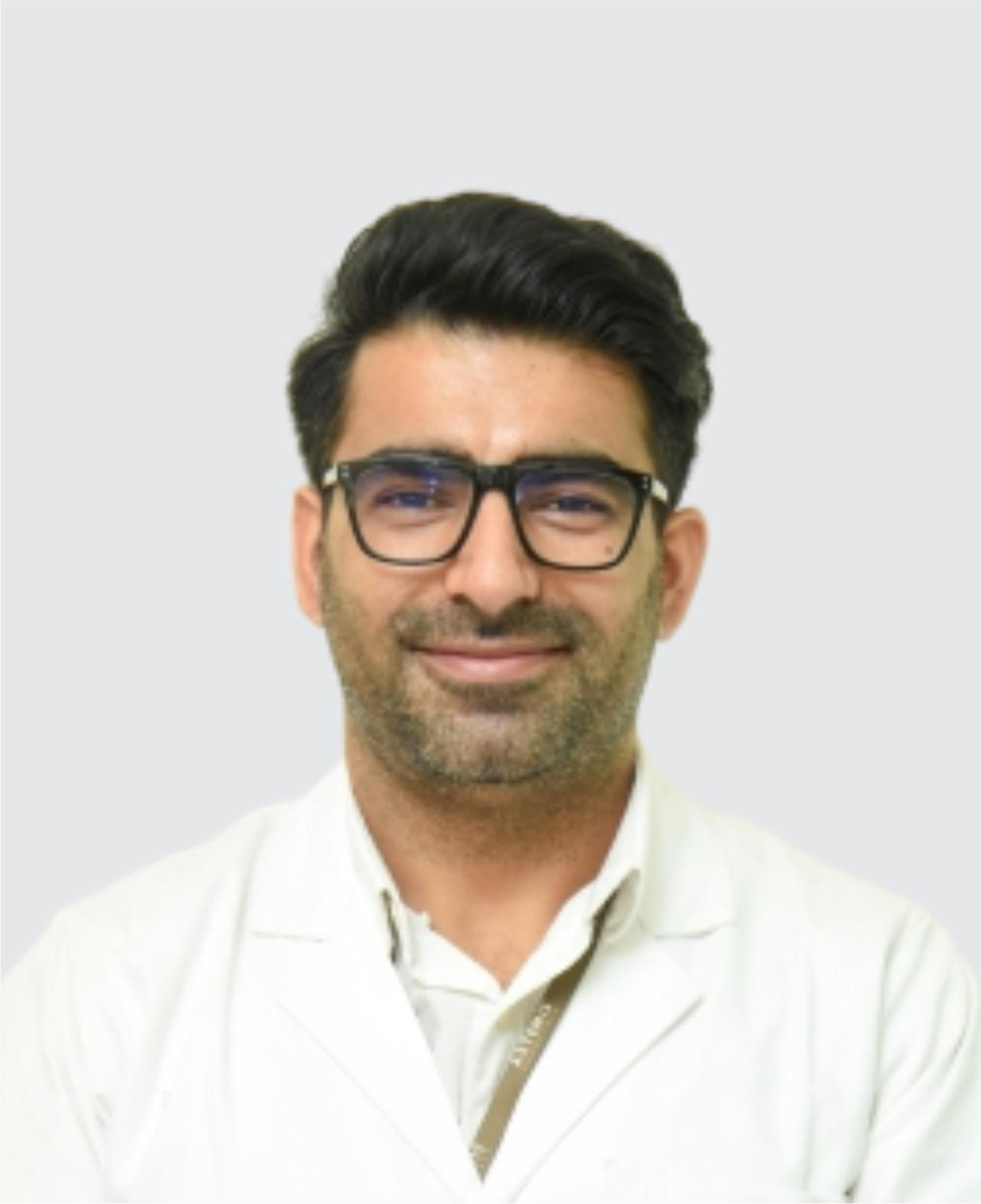
Dr. Mohammad Irfan Banday
Consultant
Orthopaedic Surgery
New Delhi
10+ Years
Experience
Artemis Hospital
Hospital
1500
Fees
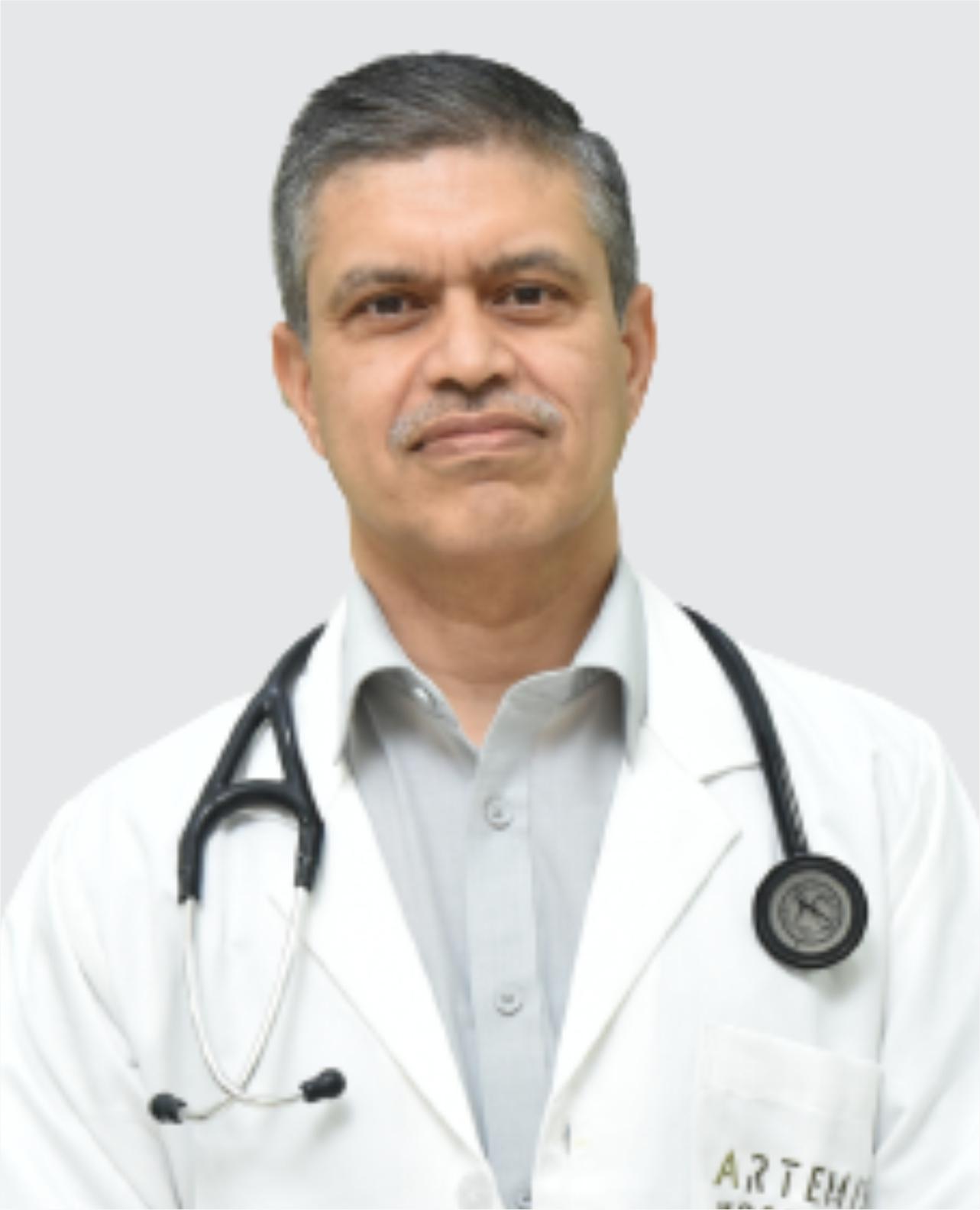
Dr. Rahul Mehrotra
Director & HOD - Orthopaedics & Joint Replacement
Orthopaedics
New Delhi
17+ Years
Experience
Artemis Hospital
Hospital
1500
Fees
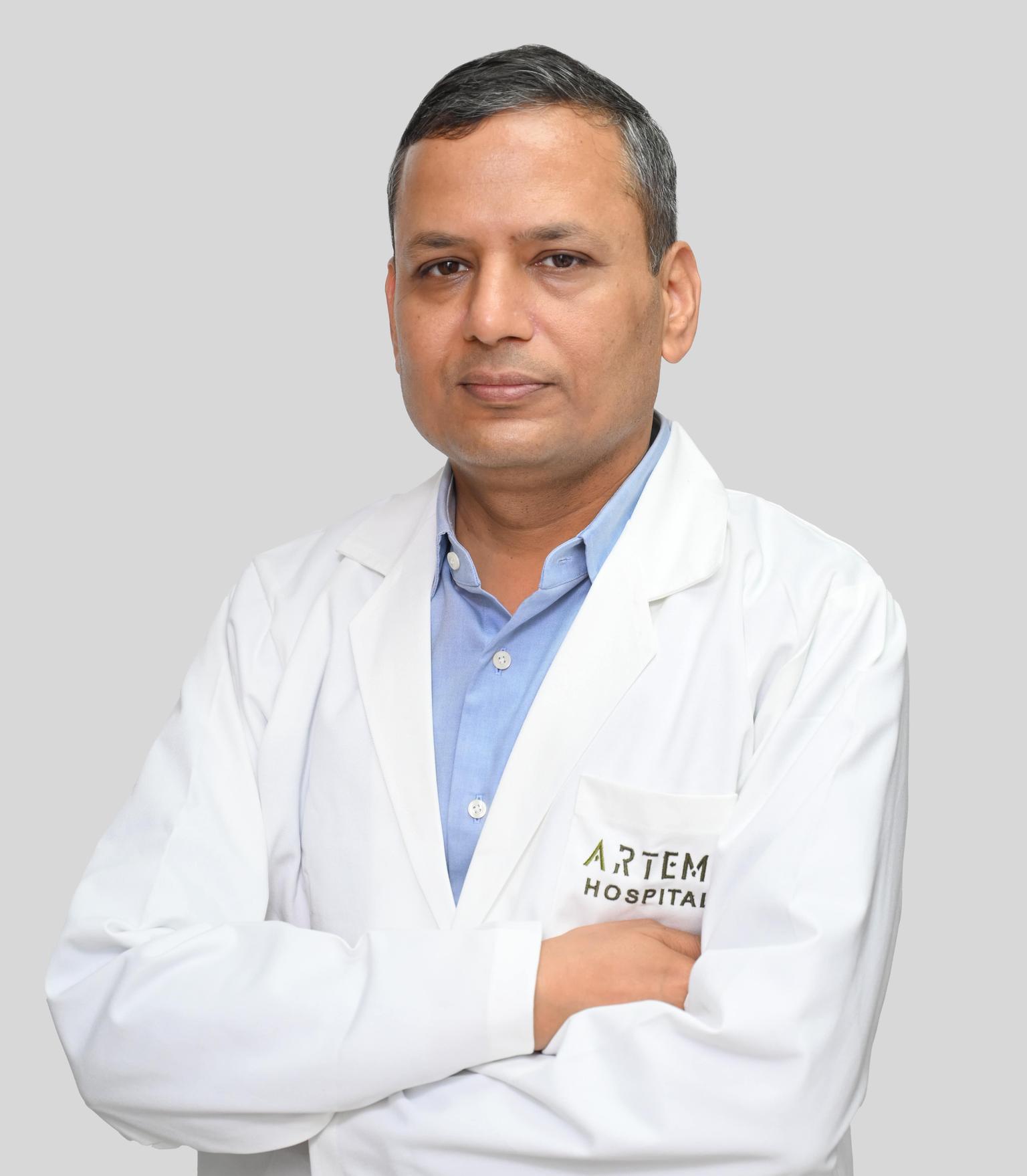
Dr. Rahul Naithani
Chief - Hematology, Oncology & Bone Marrow Transplant
Clinical Hematology, Hematologic Oncology, Bone Marrow Transplantation
New Delhi
15+ Years
Experience
Artemis Hospital
Hospital
1500
Fees
Related Links
Recent Blogs
- How DivinHeal Helps You Find the Best Hospital in India
- Limb Lengthening Surgery: India vs USA, Turkey & Europe
- Best Orthopedics Doctors in India for Nigerian Patients
- Best Orthopedics Hospitals in India for Nigerian Patients
- Travel, Stay & Food Tips for Medical Tourists in India
- Ethiopia to India Medical Travel Guide for Patients | DivinHeal
- Top 10 Orthopedic Hospitals in Bangalore (2026 Guide)
- Top Spine Surgeons in India for International Patients
- Limb Lengthening Surgery Cost in India (₹5L–₹10L) Explained
- Chiropractic Treatment Cost in India for Omani Patients
Other Treatment related Information
Ready To Start Your Healing Journey?
Get Personalized Medical Treatment Options From India's Top Hospitals. Our Medical Experts Are Ready To Assist You Every Step Of The Way.