Orthopedics Treatment in Chennai for Nigeria
Need Personalized Advice?
Our medical experts are ready to answer your questions and guide you through your treatment options.
About
Orthopedic Care in Chennai for Nigerian Patients
Considering orthopedic treatment often brings many questions and a desire for the best possible outcome. For patients in Nigeria facing joint pain, injuries, or conditions affecting mobility, the search for high-quality, accessible care can feel overwhelming. Understanding your options and finding a reliable medical destination is a significant first step.
Many individuals from Nigeria are now exploring medical tourism, and Chennai, India, stands out as a preferred choice. This city offers a harmonious blend of specialized orthopedic expertise, state-of-the-art infrastructure, and a patient-centric environment. Patients often choose Chennai for its reputation in handling complex musculoskeletal conditions with advanced techniques.
Chennai’s leading hospitals house internationally trained orthopedic surgeons and multidisciplinary teams dedicated to musculoskeletal health. These facilities provide comprehensive care, from initial diagnosis to successful rehabilitation, ensuring a smooth patient journey. The coordinated approach within Chennai's medical ecosystem helps build trust and confidence for international patients.
Is Chennai the right destination for your orthopedic treatment journey?
What is Orthopedics?
Orthopedics is a medical specialty focused on the diagnosis, treatment, prevention, and rehabilitation of injuries and diseases affecting the body's musculoskeletal system. This complex system includes bones, joints, ligaments, tendons, muscles, and nerves. Orthopedic care aims to alleviate pain, restore function, and improve the overall quality of life for patients with conditions ranging from sports injuries and arthritis to spinal deformities and fractures. Treatment approaches can vary widely, tailored to the specific condition and individual patient needs, often involving a combination of medical, surgical, and rehabilitative therapies.
Common Types of Orthopedic Treatment
Orthopedic treatment encompasses a broad spectrum of interventions, designed to address various conditions. Some common types include:
- Joint Replacement Surgery: Procedures like total knee replacement, hip replacement, and shoulder replacement to alleviate pain and restore mobility in damaged joints.
- Arthroscopy: Minimally invasive surgical techniques used to diagnose and treat joint problems, such as knee or shoulder tears, using small incisions and specialized instruments.
- Spinal Surgery: Interventions for back and neck pain, herniated discs, spinal stenosis, and scoliosis, ranging from fusion procedures to minimally invasive decompression.
- Fracture Management: Treatment for broken bones, including casting, bracing, and surgical fixation using plates, screws, or rods to ensure proper healing and alignment.
- Sports Medicine: Specialized care for athletes and active individuals, addressing injuries like ligament tears (e.g., ACL), tendonitis, and dislocations through both surgical and non-surgical methods.
- Physical Therapy and Rehabilitation: Essential non-surgical treatments that focus on strengthening muscles, improving range of motion, and restoring function through exercises and modalities.
When is Orthopedic Treatment Required?
- Persistent joint pain or stiffness that affects daily activities.
- Limited range of motion in a joint, making movement difficult.
- Acute injuries such as fractures, dislocations, or severe sprains.
- Chronic back pain, neck pain, or sciatica that does not respond to conservative management.
- Swelling, warmth, or tenderness around a joint.
- Deformity of a limb or joint, such as severe arthritis or scoliosis.
- Tendon or ligament tears, like an ACL tear in the knee or a rotator cuff tear in the shoulder.
- Numbness, tingling, or weakness in an arm or leg, potentially from nerve compression.
Pre-Treatment Orthopedic Evaluation
- Detailed medical history review, including past injuries, surgeries, and current medications.
- Comprehensive physical examination to assess range of motion, strength, stability, and pain points.
- Imaging studies such as X-rays, MRI (Magnetic Resonance Imaging), CT scans (Computed Tomography), or ultrasound to visualize bones, joints, and soft tissues.
- Blood tests to check for inflammation markers, infections, or underlying conditions like autoimmune diseases.
- Nerve conduction studies or electromyography (EMG) if nerve involvement is suspected.
- Consultation with an orthopedic specialist to discuss diagnosis, treatment options, and patient expectations.
How Orthopedic Treatment is Performed
The specific orthopedic procedure depends entirely on the patient's condition, diagnosis, and the personalized treatment plan developed by the specialist. Treatments can range from conservative management to complex surgical interventions.
Non-Surgical Interventions
Many orthopedic conditions are first managed with conservative approaches. These might include:
- Medication: Pain relievers, anti-inflammatory drugs, or muscle relaxants to manage symptoms.
- Physical Therapy: Guided exercises, stretches, and modalities like heat/cold therapy, or electrical stimulation to improve strength, flexibility, and function.
- Injections: Corticosteroid injections for inflammation, hyaluronic acid injections for joint lubrication, or platelet-rich plasma (PRP) injections for tissue healing.
- Bracing or Casting: To immobilize and support an injured area, allowing it to heal properly.
- Lifestyle Modifications: Recommendations for weight management, activity changes, or ergonomic adjustments.
Surgical Interventions
When non-surgical methods are insufficient, surgery may be recommended. Common surgical procedures include:
- Arthroscopy: Using a small camera and instruments inserted through tiny incisions to repair damaged cartilage, ligaments, or remove loose bodies within a joint.
- Open Surgery: Involving larger incisions for procedures like joint replacement (e.g., knee, hip), spinal fusion, or complex fracture repair where direct visualization is necessary.
- Minimally Invasive Surgery: Techniques that use smaller incisions and specialized tools to reduce tissue damage, pain, and recovery time, often applied in spinal surgery or certain joint procedures.
- Reconstructive Surgery: Procedures to repair or rebuild damaged bones, joints, or soft tissues, often after severe trauma or for congenital deformities.
Orthopedic Recovery Process
The recovery process following orthopedic treatment is highly individualized and depends on the specific procedure, the patient's overall health, and their adherence to post-treatment instructions. Healing time for fractures can range from weeks to months, while major joint replacements typically involve several months of dedicated rehabilitation. Patients may experience initial pain and swelling, managed with medication. Physical therapy is often a crucial component of recovery, focusing on restoring strength, flexibility, and range of motion. Restrictions on weight-bearing, lifting, or certain movements are common during different phases of healing. Regular follow-up appointments with the orthopedic surgeon are essential to monitor progress, adjust rehabilitation plans, and address any concerns. Long-term outcomes are significantly influenced by consistent adherence to the recovery protocol.
Potential Risks and Success Rates of Orthopedic Treatment
- Infection: Any surgical procedure carries a risk of infection at the incision site or deeper within the body.
- Bleeding: Excessive bleeding during or after surgery, potentially requiring transfusion.
- Blood Clots: Formation of clots in the legs (DVT) which can travel to the lungs (pulmonary embolism), a serious complication.
- Nerve or Blood Vessel Damage: Injury to surrounding nerves or blood vessels during surgery, leading to numbness, weakness, or circulatory problems.
- Anesthesia Risks: Adverse reactions to anesthesia, though rare, can occur.
- Implant Complications: Issues with implants (e.g., joint replacements) such as loosening, wear, or breakage over time, potentially requiring revision surgery.
- Stiffness or Limited Mobility: Despite successful surgery, some patients may not regain full range of motion or experience persistent stiffness.
- Continued Pain: Residual pain can occur, even after successful treatment, sometimes due to nerve damage or persistent inflammation.
Orthopedic treatments generally boast high success rates in alleviating pain and improving function, particularly with advancements in surgical techniques and rehabilitation protocols. For instance, joint replacement surgeries often have success rates exceeding 90-95% in relieving pain and restoring mobility over 10-15 years. However, outcomes can vary based on factors like the patient's age, overall health, specific condition severity, adherence to post-operative care, and the skill of the surgical team. Long-term expectations typically involve significant pain reduction and improved quality of life, though complete restoration to pre-injury function is not always possible. Regular follow-up and commitment to physical therapy are key determinants of lasting success.
Cost of Orthopedic Treatment in Chennai
The cost of orthopedic treatment in Chennai is a significant advantage for international patients, offering world-class care at a fraction of Western prices. Several factors influence the final cost, including the specific orthopedic procedure (e.g., knee replacement vs. arthroscopy), the choice of hospital (premium vs. mid-range), the surgeon's experience, the type of implants used, the duration of hospital stay, and the extent of post-operative rehabilitation required.
Generally, orthopedic treatments in Chennai can range from approximately INR 1,50,000 to INR 8,00,000 or more depending on complexity.
Orthopedic Treatment Cost: Chennai vs. Other Global Cities
Patients from across the globe find Chennai's orthopedic treatment costs highly competitive, especially when compared to expenses in Western countries. This affordability does not compromise the quality of care or the expertise of the medical professionals involved.
| Procedure Type | Cost in Chennai (USD) | Cost in USA (USD) | Cost in UK (USD) | Cost in UAE (USD) |
|---|---|---|---|---|
| Knee Replacement (Unilateral) | $5,500 - $8,000 | $30,000 - $60,000 | $18,000 - $25,000 | $15,000 - $22,000 |
| Hip Replacement (Unilateral) | $6,000 - $8,500 | $35,000 - $70,000 | $20,000 - $28,000 | $16,000 - $24,000 |
| ACL Reconstruction | $2,800 - $4,500 | $15,000 - $25,000 | $8,000 - $12,000 | $7,000 - $11,000 |
| Spinal Fusion (Single Level) | $7,000 - $12,000 | $40,000 - $80,000 | $25,000 - $35,000 | $20,000 - $30,000 |
| Arthroscopy (Knee/Shoulder) | $2,000 - $3,500 | $10,000 - $18,000 | $6,000 - $9,000 | $5,000 - $8,000 |
Ready to explore your orthopedic treatment options in Chennai? Connect with our patient care team today for a personalized consultation and cost estimate.
Essential Support for Your Orthopedic Journey in Chennai
- Personalized treatment plan development based on your medical records.
- Assistance with hospital appointments and specialist consultations.
- Visa application guidance and travel arrangements support.
- Airport pick-up and drop-off services upon arrival and departure.
- Accommodation assistance for patients and accompanying family members.
- Language interpretation services to ensure clear communication.
- Local SIM card provision for easy connectivity during your stay.
- Follow-up care coordination and remote consultation options after returning home.
What You'll Need for Your Medical Visit to Chennai
- Valid passport with sufficient remaining validity.
- Medical visa for India, obtained from the Indian embassy in Nigeria.
- Copies of all relevant medical reports, scans, and doctor's prescriptions.
- Proof of funds or insurance coverage for the planned treatment.
- Accommodation details in Chennai.
- Contact information for your treating doctor in Chennai.
- Emergency contact details for family members.
Preparing for Your Orthopedic Procedure in Chennai
- Follow all pre-operative dietary and medication instructions from your surgeon.
- Arrange for a companion to travel with you, especially for major surgeries.
- Pack comfortable clothing and footwear suitable for post-operative recovery.
- Inform your doctor about any allergies or current medications you are taking.
- Complete all necessary financial arrangements before your arrival.
- Ensure all required medical documents are organized and easily accessible.
- Plan for potential recovery time in Chennai after your discharge from the hospital.
Your Care Instructions After Orthopedic Treatment
- Adhere strictly to prescribed medication schedules for pain management and infection prevention.
- Participate actively in all recommended physical therapy and rehabilitation sessions.
- Keep the surgical incision clean and dry, following specific wound care guidelines.
- Avoid strenuous activities and follow any weight-bearing restrictions as advised.
- Monitor for any signs of complications such as fever, increased pain, or redness at the incision site.
- Attend all scheduled follow-up appointments with your orthopedic surgeon.
- Maintain a healthy diet and lifestyle to support the healing process.
Ready to Embark on Your Healing Journey?
Let us help you navigate your path to improved orthopedic health with confidence and expert care in Chennai.
Have questions about Orthopedics in Chennai? Reach out to us for detailed answers and guidance tailored for Nigerian patients.
Hospitals Offering this treatment
India offers premium medical procedures at affordable prices. Discover our most popular treatments, delivered by the country's finest doctors.
Meet Our Doctors
Meet our team of highly qualified and experienced medical professionals dedicated to providing the best healthcare services.

Dr. Ajit Singh Baghela
Consultant
Paediatric Neurology
Haryana
9+ Years
Experience
Artemis Hospital
Hospital
1500
Fees
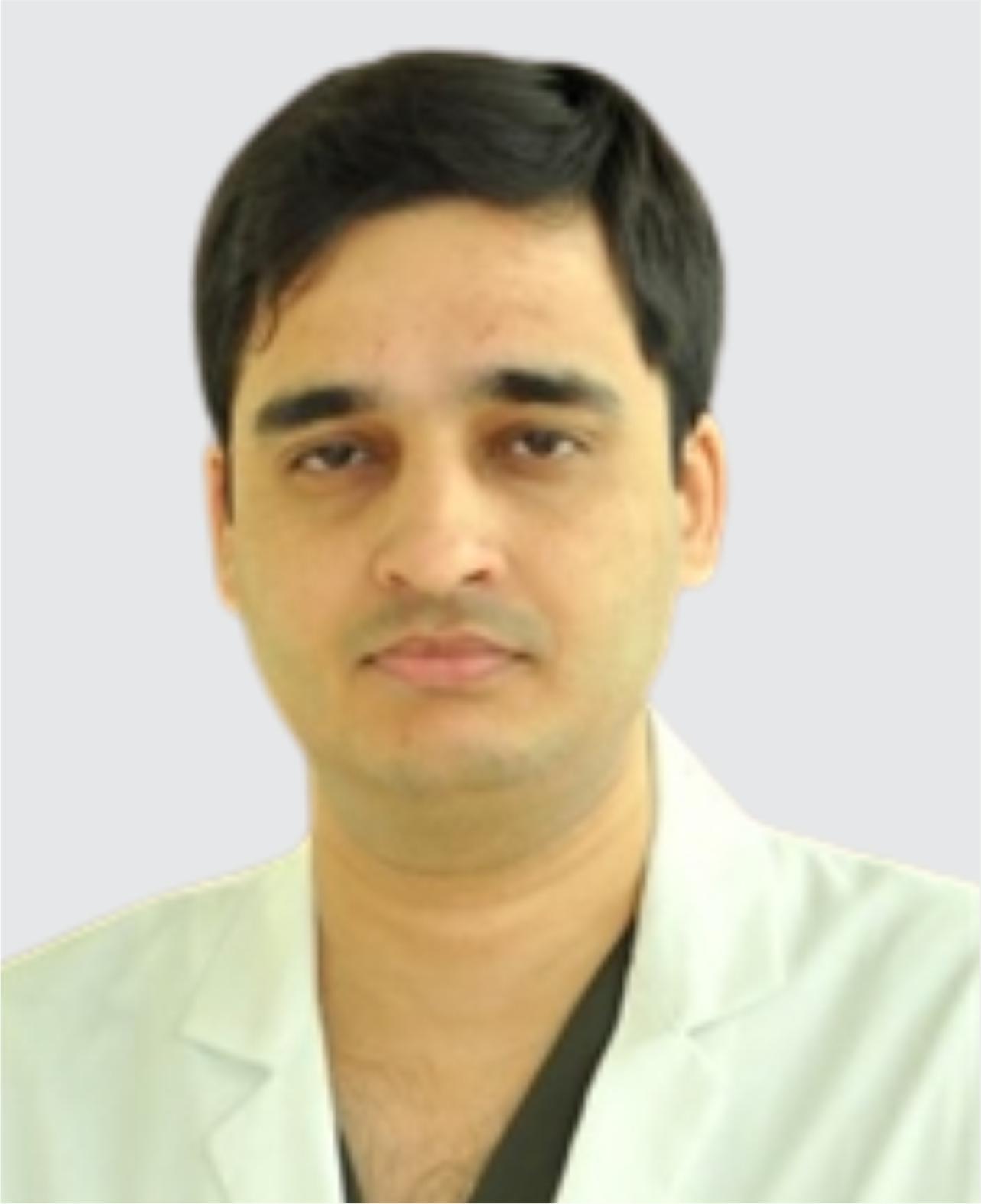
Dr. Amit Kalsotra
Sr. Consultant - Anaesthesia, Critical Care & Pain Management
Anaesthesia, Critical Care, Pain Management
New Delhi
15+ Years
Experience
Artemis Hospital
Hospital
1500
Fees
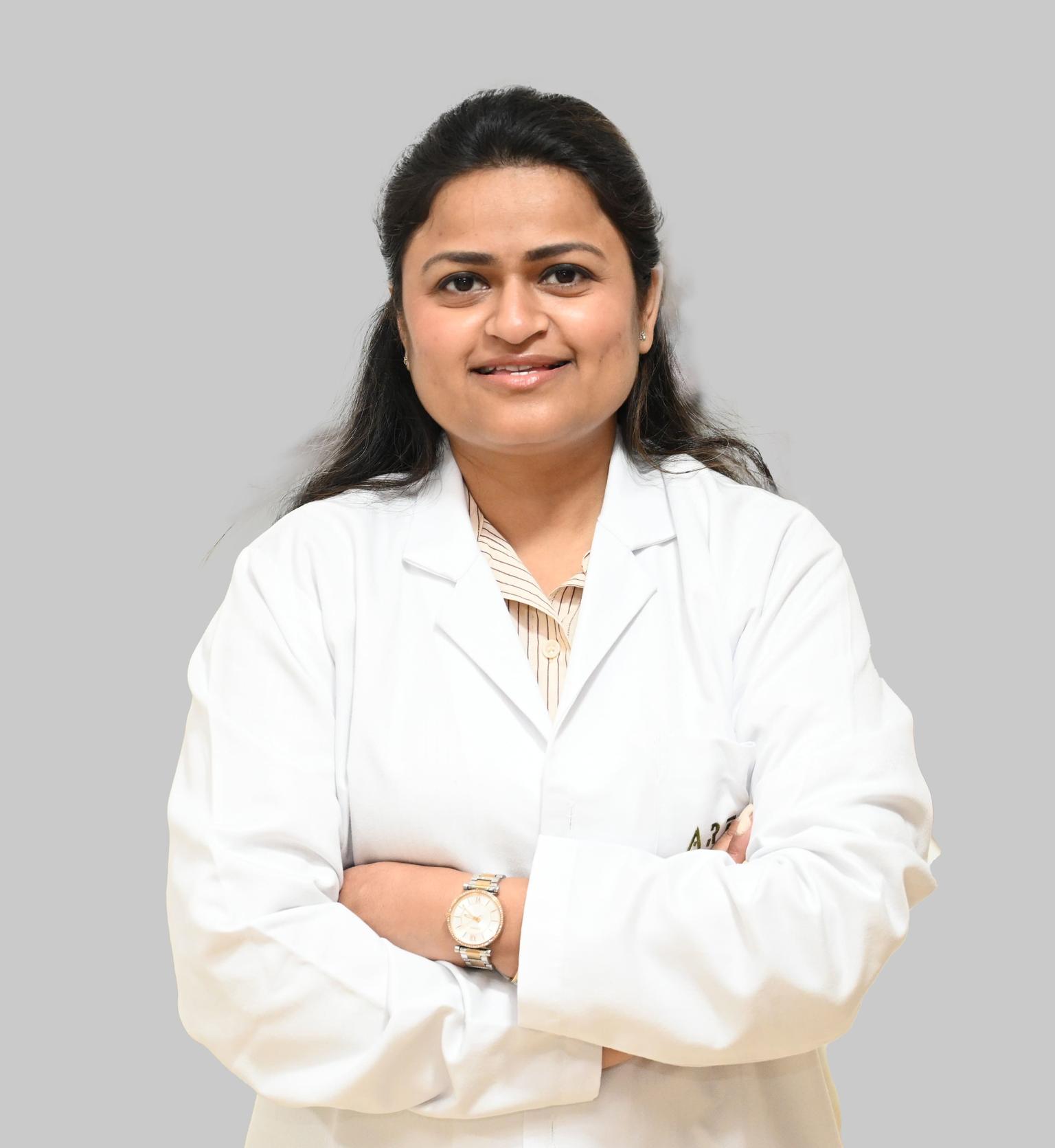
Dr. Anjali Vaish
Consultant - Physiotherapy and Rehabilitation Centre
Physiotherapy and Rehabilitation Centre
New Delhi
10+ Years
Experience
Artemis Hospital
Hospital
1500
Fees
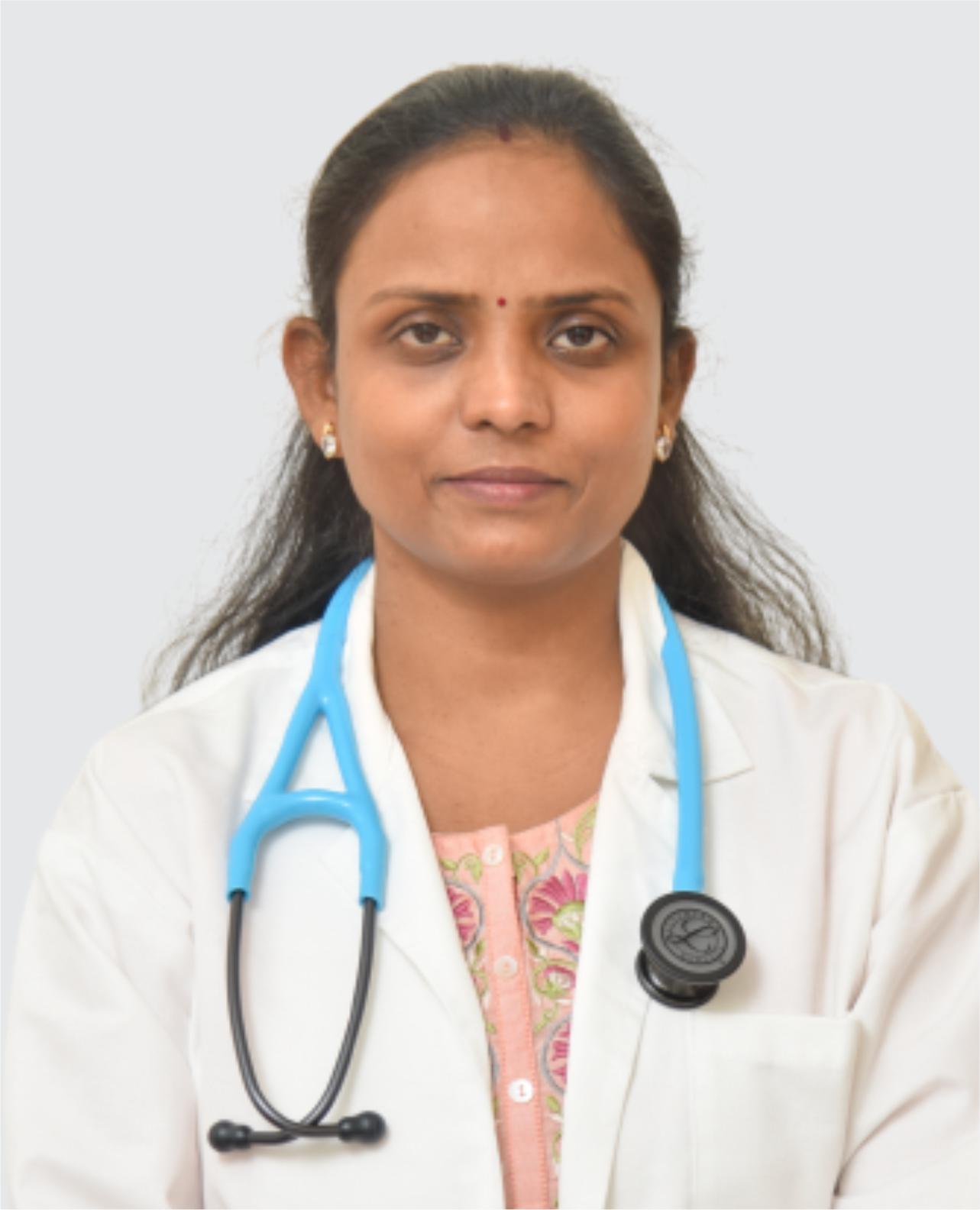
Dr. Anju Singh
Consultant - Pediatric Rheumatology
Pediatric Rheumatology
New Delhi
13+ Years
Experience
Artemis Hospital
Hospital
1500
Fees
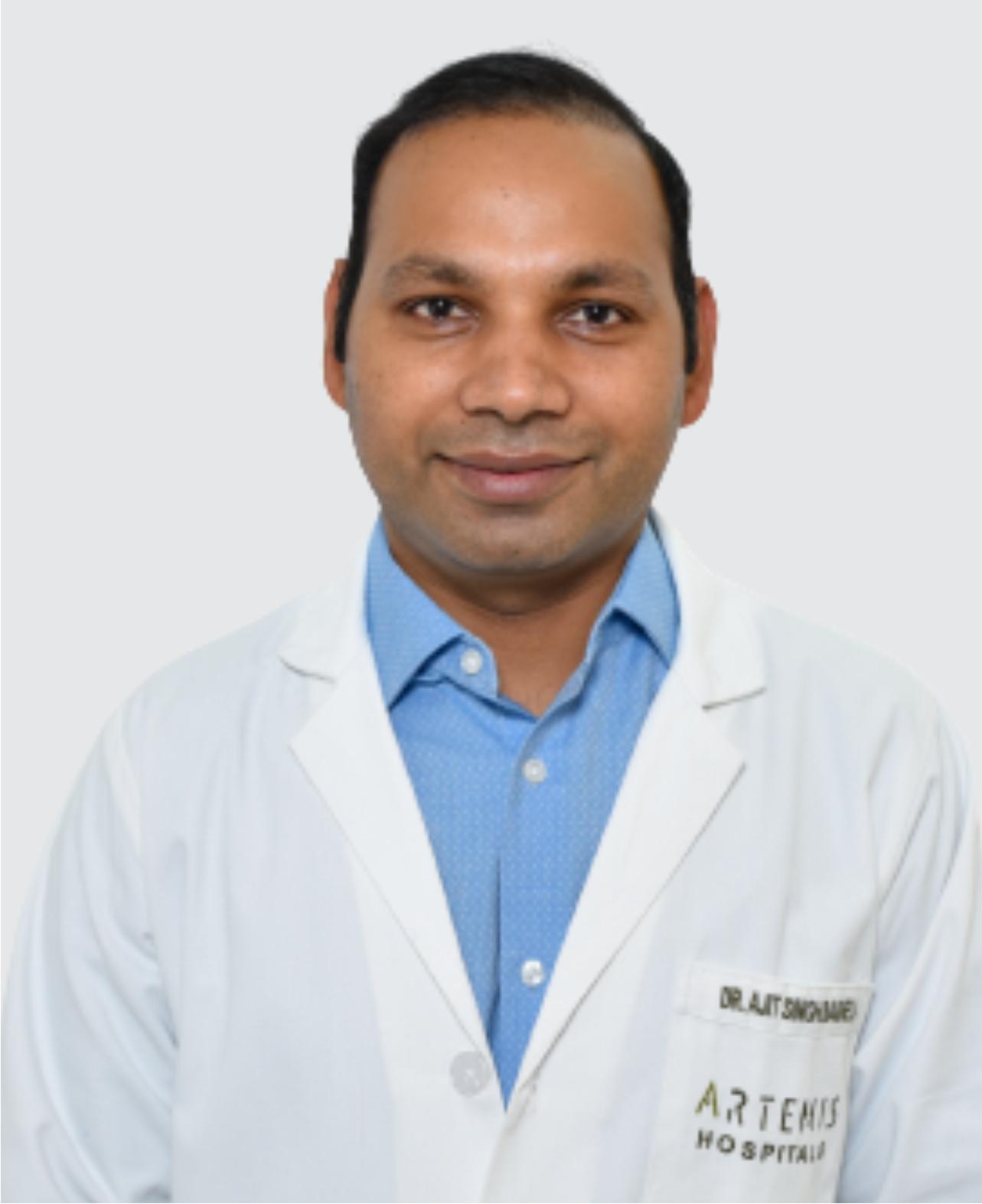
Dr. Ajit Singh Baghela
Sr. Consultant - Paediatric Neurology
Paediatric Neurology
New Delhi
9+ Years
Experience
Artemis Hospital
Hospital
1500
Fees

Dr. (Brig.) Anil Khetarpal
Deputy Chief - Medical Services & Chairperson -Department of Blood Centre and Transfusion medicine
Blood Centre & Transfusion Medicine
New Delhi
33+ Years
Experience
Artemis Hospital
Hospital
1500
Fees
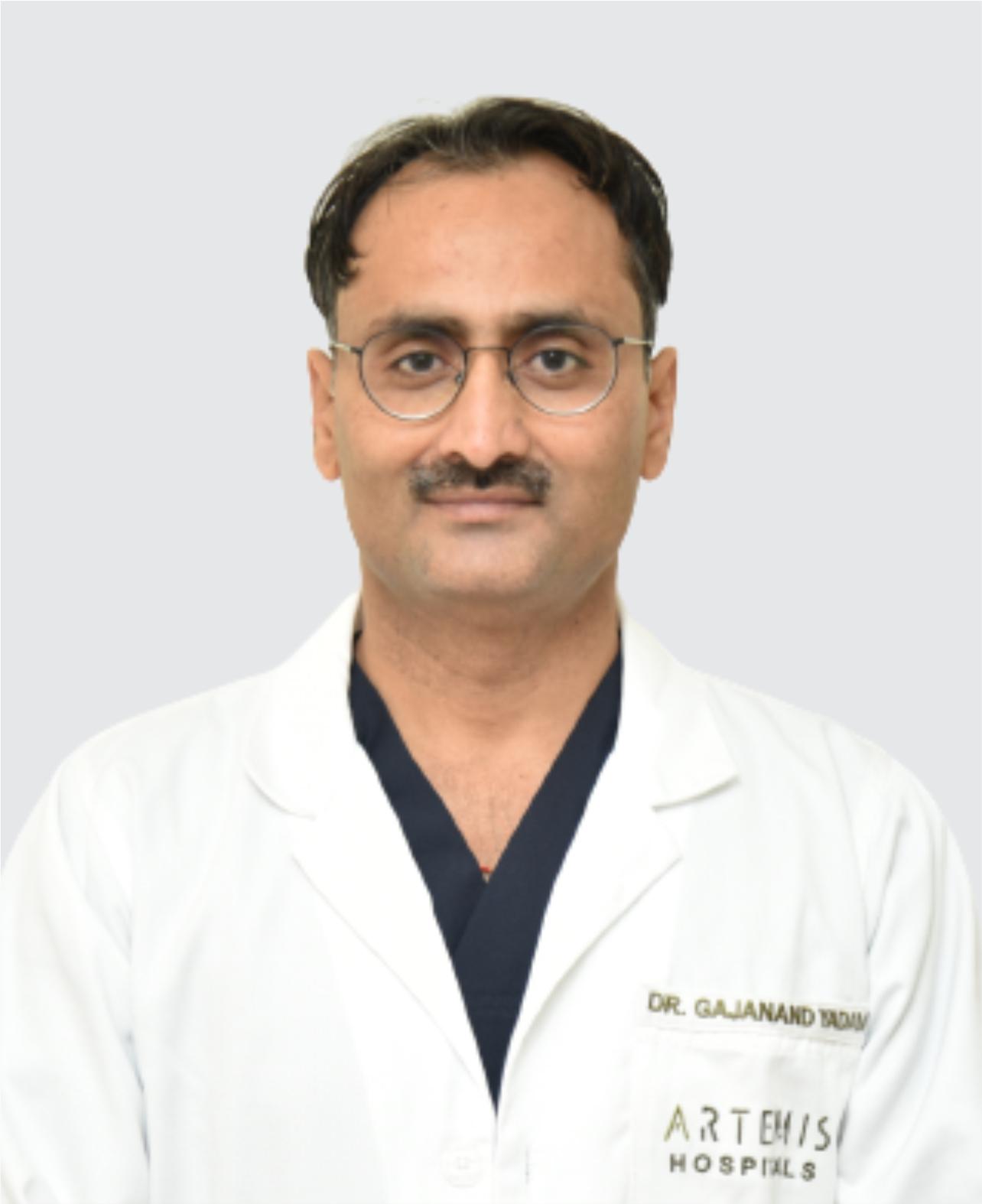
Dr. Gajanand Yadav
Consultant - Orthopaedics and Hip and Knee Arthroplasty
Orthopaedics, Hip and Knee Arthroplasty, Joint Replacement, Sports Medicine
New Delhi
12+ Years
Experience
Artemis Hospital
Hospital
1500
Fees
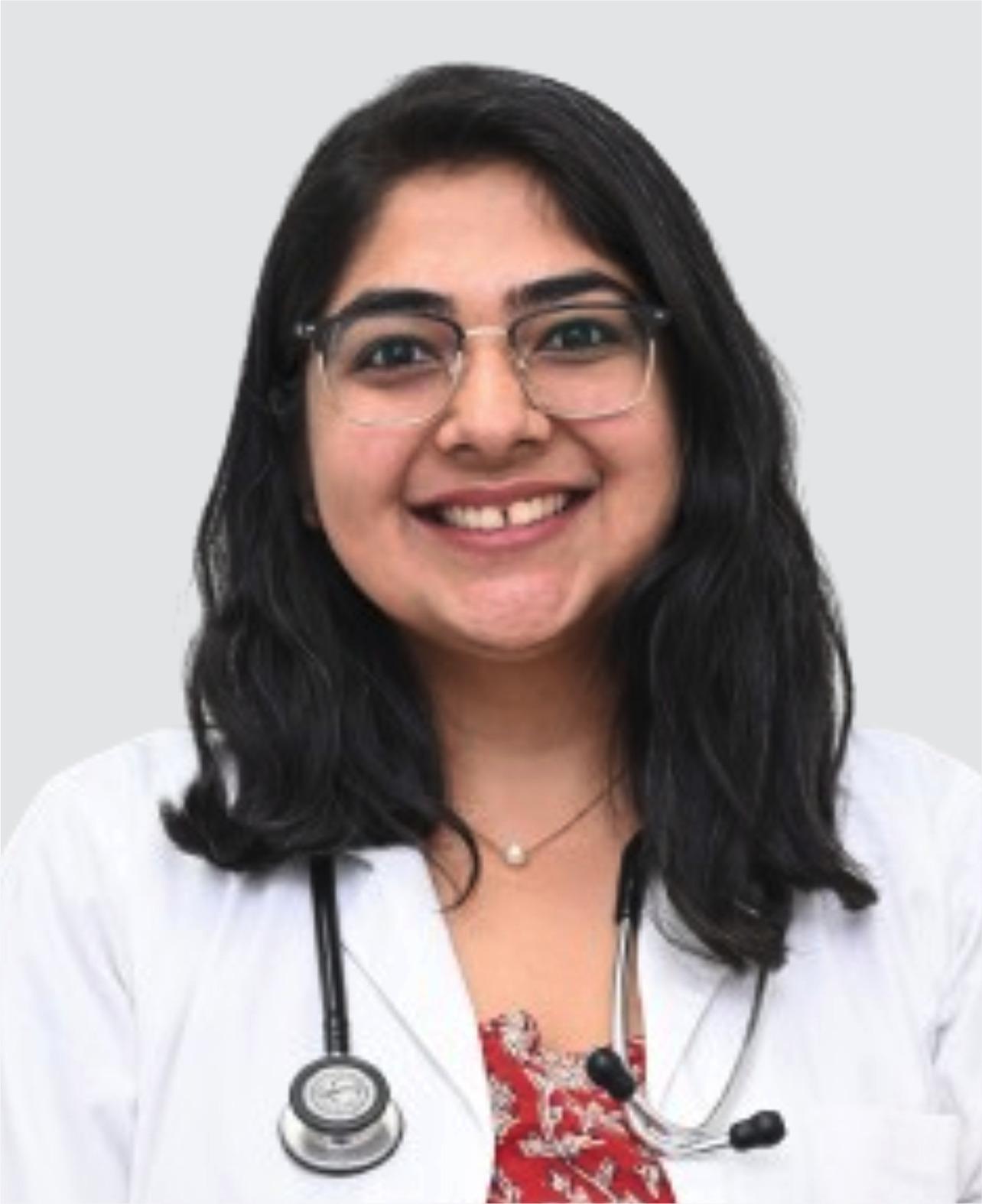
Dr. Meenal Thakral
Attending Consultant – Geriatric Medicine
Geriatric Medicine, Geriatric Surgery
New Delhi
3+ Years
Experience
Artemis Hospital
Hospital
1500
Fees
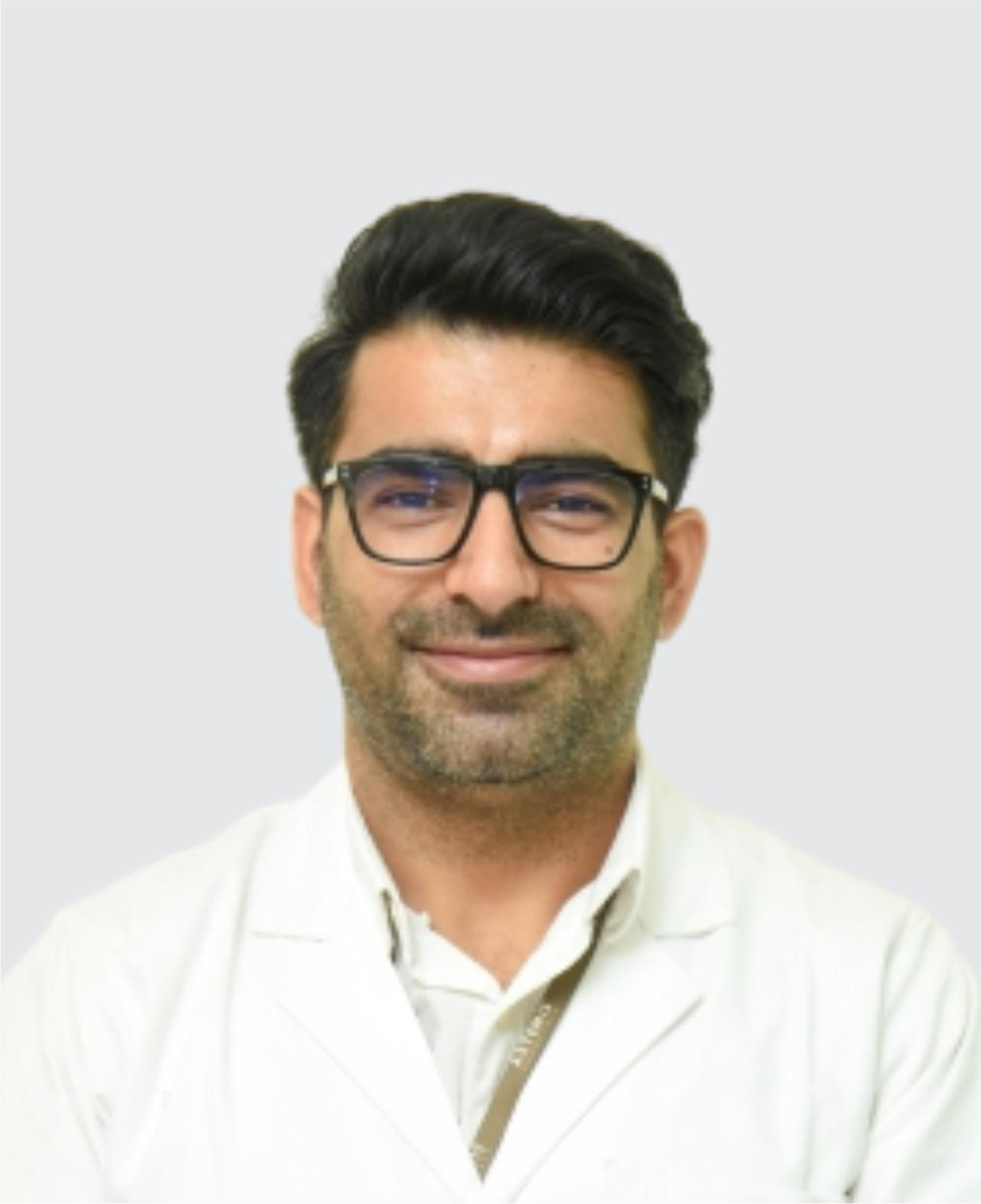
Dr. Mohammad Irfan Banday
Consultant
Orthopaedic Surgery
New Delhi
10+ Years
Experience
Artemis Hospital
Hospital
1500
Fees
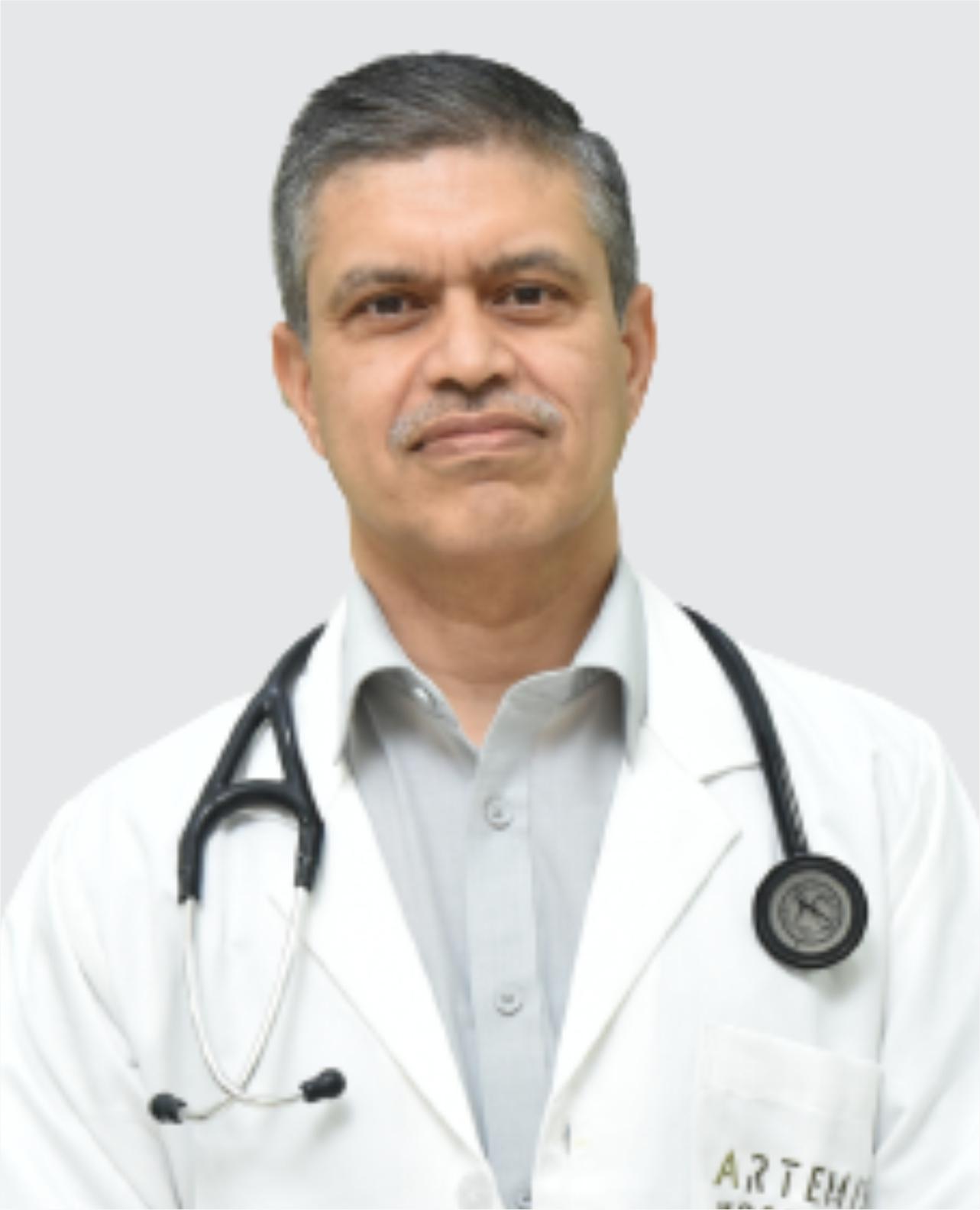
Dr. Rahul Mehrotra
Director & HOD - Orthopaedics & Joint Replacement
Orthopaedics
New Delhi
17+ Years
Experience
Artemis Hospital
Hospital
1500
Fees
Related Links
Recent Blogs
- How DivinHeal Helps You Find the Best Hospital in India
- Limb Lengthening Surgery: India vs USA, Turkey & Europe
- Best Orthopedics Doctors in India for Nigerian Patients
- Best Orthopedics Hospitals in India for Nigerian Patients
- Travel, Stay & Food Tips for Medical Tourists in India
- Ethiopia to India Medical Travel Guide for Patients | DivinHeal
- Top 10 Orthopedic Hospitals in Bangalore (2026 Guide)
- Top Spine Surgeons in India for International Patients
- Limb Lengthening Surgery Cost in India (₹5L–₹10L) Explained
- Chiropractic Treatment Cost in India for Omani Patients
Other Treatment related Information
Ready To Start Your Healing Journey?
Get Personalized Medical Treatment Options From India's Top Hospitals. Our Medical Experts Are Ready To Assist You Every Step Of The Way.