Orthopedics Treatment in New Delhi for Nigeria
Need Personalized Advice?
Our medical experts are ready to answer your questions and guide you through your treatment options.
About
Orthopedic Treatment in New Delhi for Nigerian Patients
For many Nigerian patients facing persistent joint pain, limited mobility, or significant musculoskeletal injuries, the search for advanced and reliable orthopedic care can be a source of worry. The decision to seek treatment abroad often comes with questions about quality, accessibility, and overall patient experience.
New Delhi has emerged as a preferred destination for complex orthopedic procedures, drawing patients from across the globe. The city’s medical infrastructure offers a blend of highly specialized care environments and coordinated patient services. This makes the journey for international patients more manageable.
Trust in New Delhi’s healthcare system is built on its accredited hospitals and dedicated orthopedic specialists. Patients can find advanced surgical theaters, dedicated rehabilitation units, and seamless follow-up care within the city. This focused medical ecosystem supports a comprehensive recovery.
Is New Delhi the right choice for your orthopedic care?
What is Orthopedic Treatment?
Orthopedic treatment focuses on the diagnosis, correction, prevention, and treatment of disorders affecting the musculoskeletal system. This includes bones, joints, ligaments, tendons, muscles, and nerves. The goal is to alleviate pain, restore function, and improve a patient’s quality of life. Treatment approaches range from non-surgical interventions like medication and physical therapy to complex surgical procedures, depending on the specific condition and its severity. Orthopedic specialists in New Delhi offer comprehensive care for a wide spectrum of conditions.
Common Types of Orthopedic Treatments
Orthopedic care encompasses various specialized treatments:
- Joint Replacement Surgery: Procedures like total knee replacement, hip replacement, and shoulder replacement for severe joint damage.
- Arthroscopy: Minimally invasive surgery to diagnose and treat joint problems, often used for knees, shoulders, and hips.
- Fracture Management: Treatment for broken bones, including casting, splinting, and surgical fixation using plates, screws, or rods.
- Spine Surgery: Addressing conditions like herniated discs, spinal stenosis, and scoliosis, from minimally invasive to complex fusions.
- Sports Medicine: Focused on injuries related to athletic activities, including ligament tears, tendonitis, and cartilage damage.
- Physical Therapy and Rehabilitation: Non-surgical approaches to strengthen muscles, improve flexibility, and restore movement after injury or surgery.
When is Orthopedic Treatment Required?
- Chronic joint pain that affects daily activities.
- Limited range of motion in joints or limbs.
- Acute injuries such as fractures, dislocations, or severe sprains.
- Symptoms of arthritis, including swelling, stiffness, and tenderness.
- Back or neck pain due to disc issues, nerve compression, or spinal deformities.
- Tendon or ligament tears that do not heal with conservative methods.
- Deformities or congenital conditions affecting bones and joints.
- Numbness, tingling, or weakness in limbs caused by nerve impingement.
Pre-Treatment Evaluation Process
- Thorough physical examination to assess mobility, pain, and stability.
- Imaging studies such as X-rays, MRI (Magnetic Resonance Imaging), CT (Computed Tomography) scans to visualize bone and soft tissue structures.
- Blood tests to check for inflammation markers, infection, or underlying conditions.
- Electromyography (EMG) or nerve conduction studies for nerve-related issues.
- Consultation with an orthopedic specialist to discuss symptoms, medical history, and treatment options.
- Cardiac and anesthesia assessments for surgical candidates to ensure fitness for procedure.
How Orthopedic Treatment is Performed
The specific orthopedic procedure depends entirely on the patient's diagnosis, the severity of the condition, and the overall treatment plan developed by the specialist.
Surgical Procedures
For conditions requiring intervention, surgery aims to repair or replace damaged structures. This can involve:
- Joint Reconstruction: Reshaping or rebuilding a joint, as seen in procedures like osteotomy.
- Internal Fixation: Using metal plates, screws, pins, or rods to stabilize fractured bones.
- Ligament and Tendon Repair: Reattaching torn soft tissues, often seen in sports injuries.
- Spinal Decompression: Relieving pressure on spinal nerves by removing bone or disc material.
Non-Surgical Treatments
Many orthopedic conditions can be managed without surgery through:
- Medication: Pain relievers, anti-inflammatory drugs, or muscle relaxants.
- Injections: Corticosteroid or hyaluronic acid injections into joints to reduce pain and inflammation.
- Physical Therapy: Tailored exercise programs to improve strength, flexibility, and range of motion.
- Bracing and Orthotics: Supporting injured areas or correcting alignment.
The Recovery Process
Recovery from orthopedic treatment varies greatly based on the procedure, individual health, and commitment to rehabilitation. For surgical patients, the initial healing phase involves pain management and rest, followed by structured physical therapy. Rehabilitation is crucial for restoring strength, flexibility, and mobility. Patients will receive specific instructions regarding activity restrictions, wound care, and follow-up appointments. The overall duration for full recovery can range from a few weeks for minor procedures to several months for major surgeries like joint replacements. Adherence to post-treatment guidance ensures the best possible long-term outcome.
Potential Risks and Success Rates
- Risk of infection at the surgical site.
- Possibility of blood clots forming in the legs.
- Potential for nerve damage or injury to surrounding tissues.
- Complications related to anesthesia.
- Risk of implant failure or loosening (for joint replacements).
- Scar tissue formation that may restrict movement.
Orthopedic treatments in New Delhi generally boast high success rates, particularly for common procedures like joint replacements and fracture repairs. Success varies based on the patient's age, overall health, the complexity of the condition, and adherence to post-treatment rehabilitation. While most patients experience significant pain relief and improved function, complete recovery and return to pre-injury activity levels can depend on various factors. Specialists provide realistic expectations and long-term care plans.
Considering Orthopedic Treatment in New Delhi?
Connect with our patient care team to understand your options and begin your medical journey.
Cost of Orthopedic Treatment in New Delhi
The cost of orthopedic treatment in New Delhi is significantly more affordable compared to Western countries, without compromising on quality. Factors influencing the total cost include the specific type of procedure (e.g., knee replacement versus arthroscopy), the chosen hospital facility, the experience of the orthopedic surgeon, and the length of hospital stay. Additional costs may arise from diagnostic tests, medication, and post-operative physical therapy.
For instance, a total knee replacement in New Delhi can range from INR 2,50,000 to INR 5,50,000.
Comparing New Delhi Orthopedic Costs Globally
New Delhi offers a compelling cost advantage for orthopedic procedures when benchmarked against other global medical hubs.
| Procedure | New Delhi (USD Approx.) | USA (USD Approx.) | UK (USD Approx.) | Thailand (USD Approx.) |
|---|---|---|---|---|
| Total Knee Replacement (Unilateral) | $3,500 - $7,000 | $35,000 - $60,000 | $15,000 - $25,000 | $10,000 - $18,000 |
| Hip Replacement (Unilateral) | $4,000 - $7,500 | $38,000 - $65,000 | $17,000 - $28,000 | $11,000 - $20,000 |
| Spinal Fusion (Single Level) | $5,000 - $9,000 | $50,000 - $80,000 | $20,000 - $35,000 | $15,000 - $25,000 |
| Arthroscopy (Knee) | $1,500 - $3,000 | $10,000 - $20,000 | $5,000 - $10,000 | $3,000 - $6,000 |
Comprehensive Support for Your Orthopedic Journey in New Delhi
- Assistance with medical visa applications and extensions.
- Coordination for airport transfers and local transportation within New Delhi.
- Arrangement for comfortable accommodation, including serviced apartments or hotels.
- Dedicated patient relationship managers for seamless communication and support.
- Language translation services to bridge communication gaps with medical staff.
- Facilitation of follow-up appointments and post-treatment care plans.
Essential Documents for Your Medical Visit to New Delhi
- Valid international passport with sufficient validity.
- Approved medical visa for India.
- All relevant medical reports, scans, and doctor's prescriptions.
- Proof of financial solvency for treatment and stay.
- Consent forms for treatment, which will be provided by the hospital.
- Contact information for your next of kin or emergency contact.
Preparing for Your Orthopedic Procedure in New Delhi
- Undergo a thorough medical check-up in Nigeria before traveling to confirm fitness for travel.
- Discuss all current medications with your New Delhi orthopedic specialist, including supplements.
- Follow any dietary restrictions or fasting instructions given prior to your procedure.
- Arrange for a companion to travel with you for support during your stay.
- Pack comfortable clothing suitable for recovery and movement.
- Ensure all travel and medical insurance documents are in order.
Guidance for Recovery After Orthopedic Treatment
- Strictly follow the prescribed medication schedule for pain management and infection prevention.
- Adhere to the physical therapy regimen as outlined by your physiotherapist.
- Attend all scheduled follow-up consultations with your orthopedic surgeon.
- Be mindful of activity restrictions and avoid heavy lifting or strenuous movements.
- Maintain good nutrition and hydration to support the healing process.
- Monitor the surgical site for any signs of infection or unusual swelling.
Ready to Discuss Your Orthopedic Needs?
Our team is here to provide guidance and connect you with top orthopedic specialists in New Delhi.
Ready to Restore Your Mobility?
Taking the first step toward better orthopedic health in New Delhi is a decision for a brighter future.
Hospitals Offering this treatment
India offers premium medical procedures at affordable prices. Discover our most popular treatments, delivered by the country's finest doctors.
Meet Our Doctors
Meet our team of highly qualified and experienced medical professionals dedicated to providing the best healthcare services.

Dr. Ajit Singh Baghela
Consultant
Paediatric Neurology
Haryana
9+ Years
Experience
Artemis Hospital
Hospital
1500
Fees
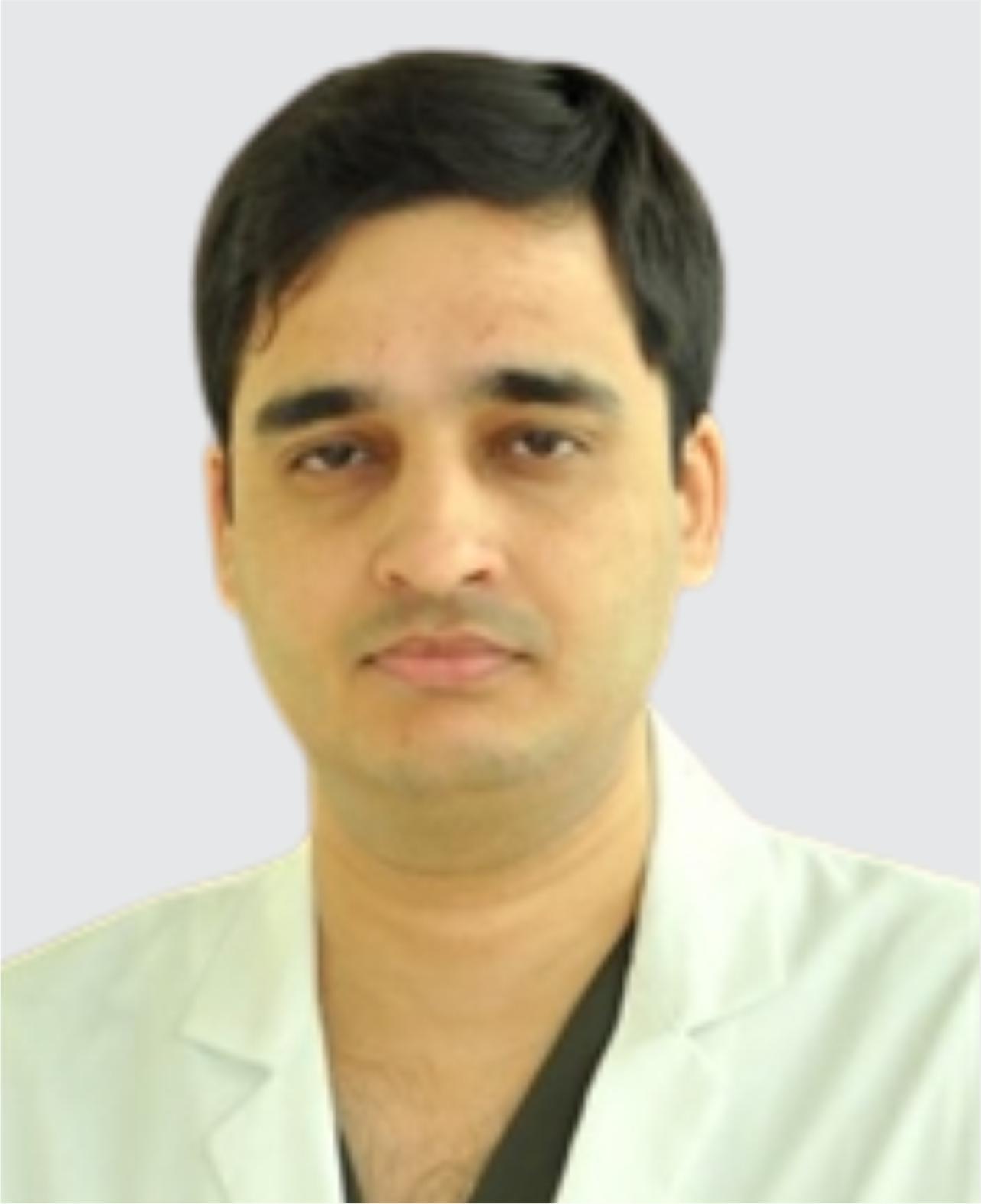
Dr. Amit Kalsotra
Sr. Consultant - Anaesthesia, Critical Care & Pain Management
Anaesthesia, Critical Care, Pain Management
New Delhi
15+ Years
Experience
Artemis Hospital
Hospital
1500
Fees
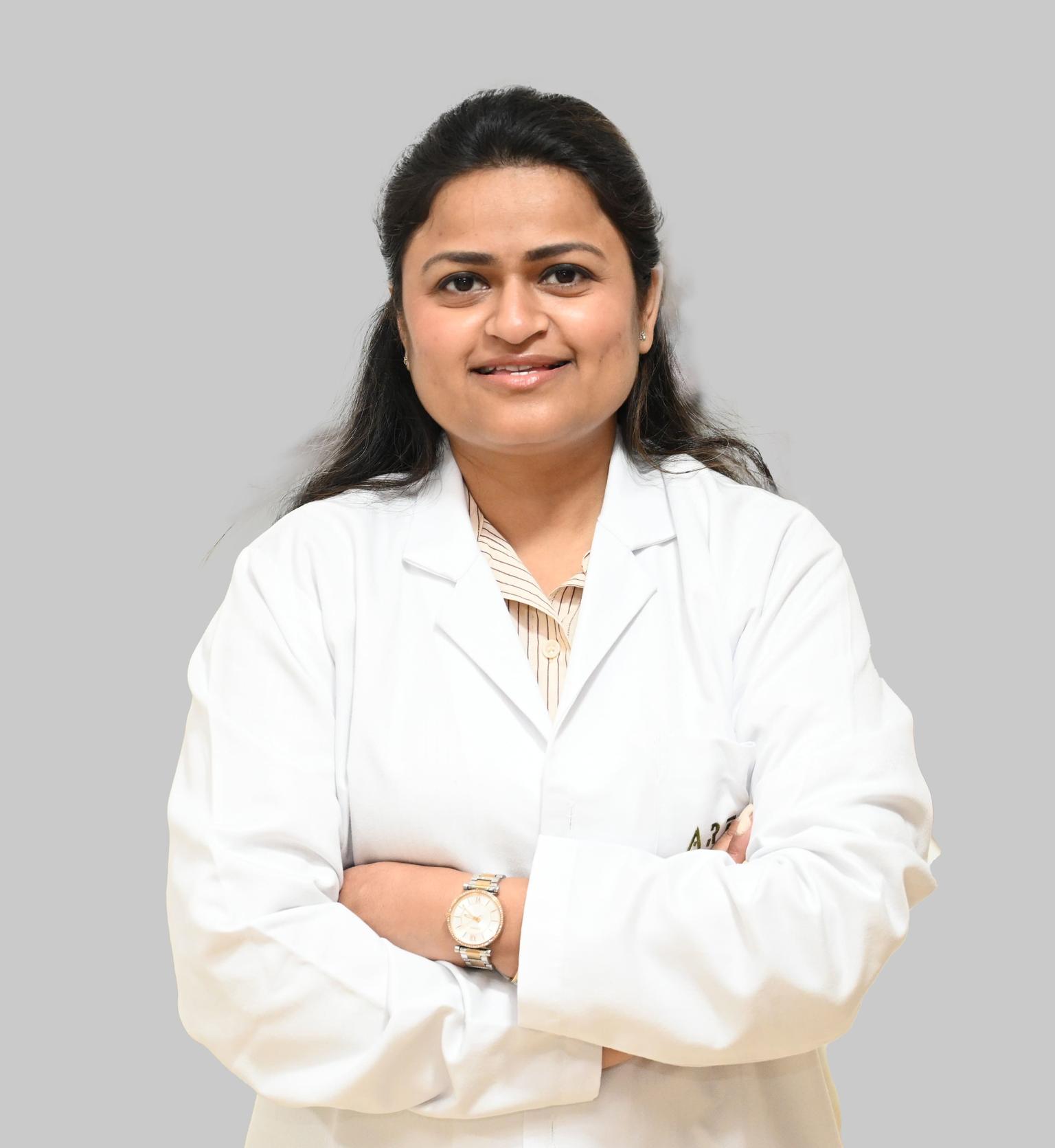
Dr. Anjali Vaish
Consultant - Physiotherapy and Rehabilitation Centre
Physiotherapy and Rehabilitation Centre
New Delhi
10+ Years
Experience
Artemis Hospital
Hospital
1500
Fees
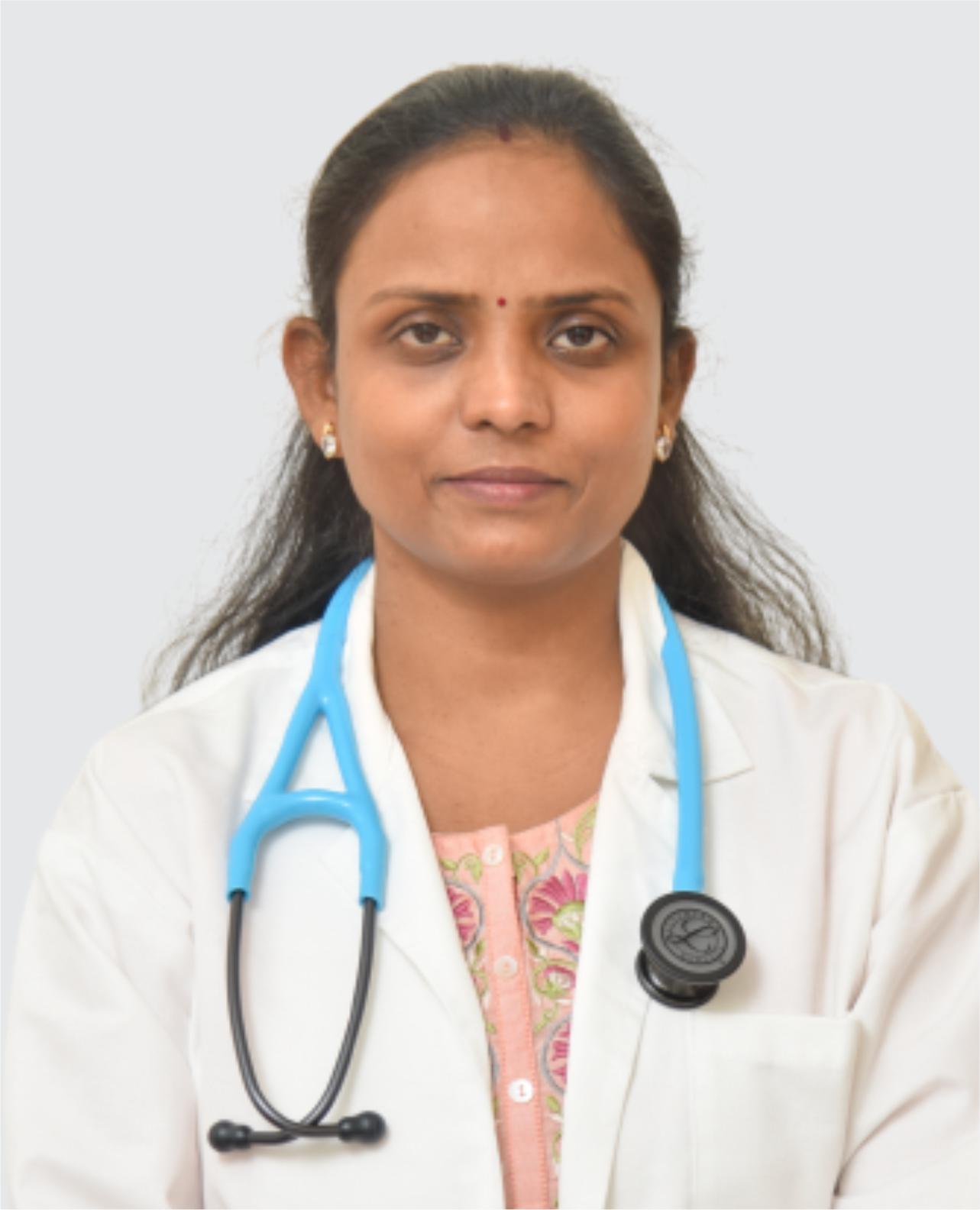
Dr. Anju Singh
Consultant - Pediatric Rheumatology
Pediatric Rheumatology
New Delhi
13+ Years
Experience
Artemis Hospital
Hospital
1500
Fees
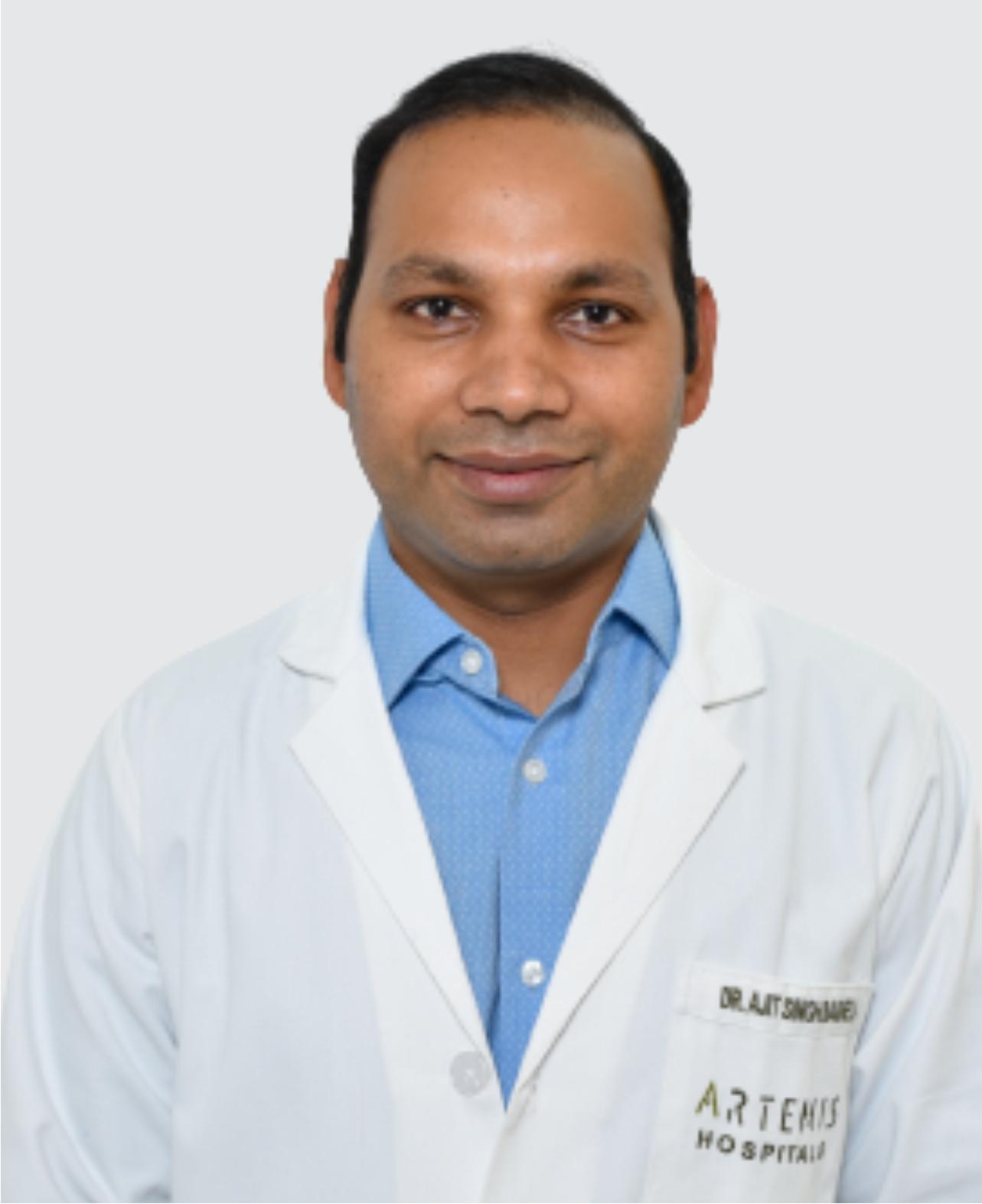
Dr. Ajit Singh Baghela
Sr. Consultant - Paediatric Neurology
Paediatric Neurology
New Delhi
9+ Years
Experience
Artemis Hospital
Hospital
1500
Fees

Dr. (Brig.) Anil Khetarpal
Deputy Chief - Medical Services & Chairperson -Department of Blood Centre and Transfusion medicine
Blood Centre & Transfusion Medicine
New Delhi
33+ Years
Experience
Artemis Hospital
Hospital
1500
Fees
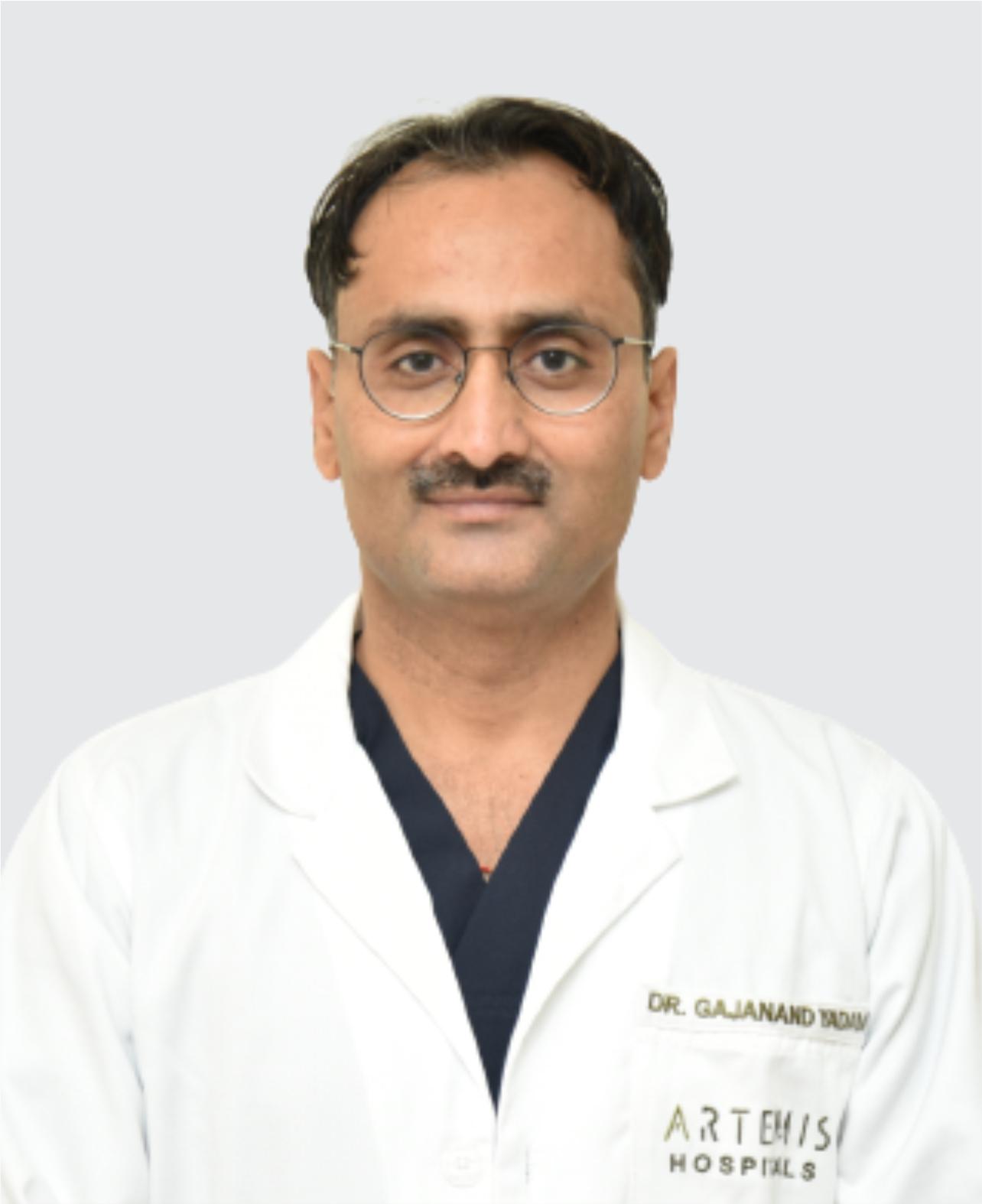
Dr. Gajanand Yadav
Consultant - Orthopaedics and Hip and Knee Arthroplasty
Orthopaedics, Hip and Knee Arthroplasty, Joint Replacement, Sports Medicine
New Delhi
12+ Years
Experience
Artemis Hospital
Hospital
1500
Fees
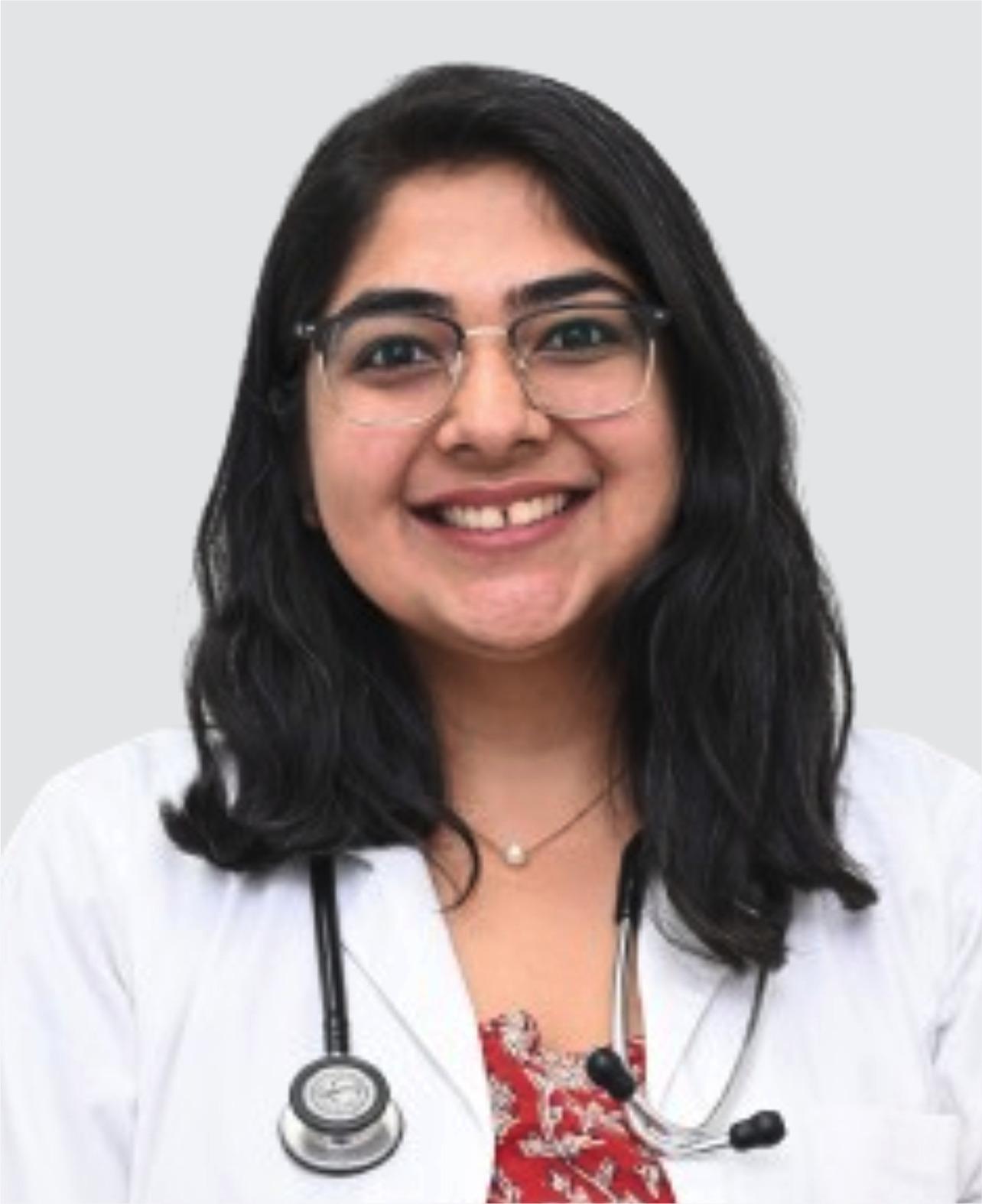
Dr. Meenal Thakral
Attending Consultant – Geriatric Medicine
Geriatric Medicine, Geriatric Surgery
New Delhi
3+ Years
Experience
Artemis Hospital
Hospital
1500
Fees
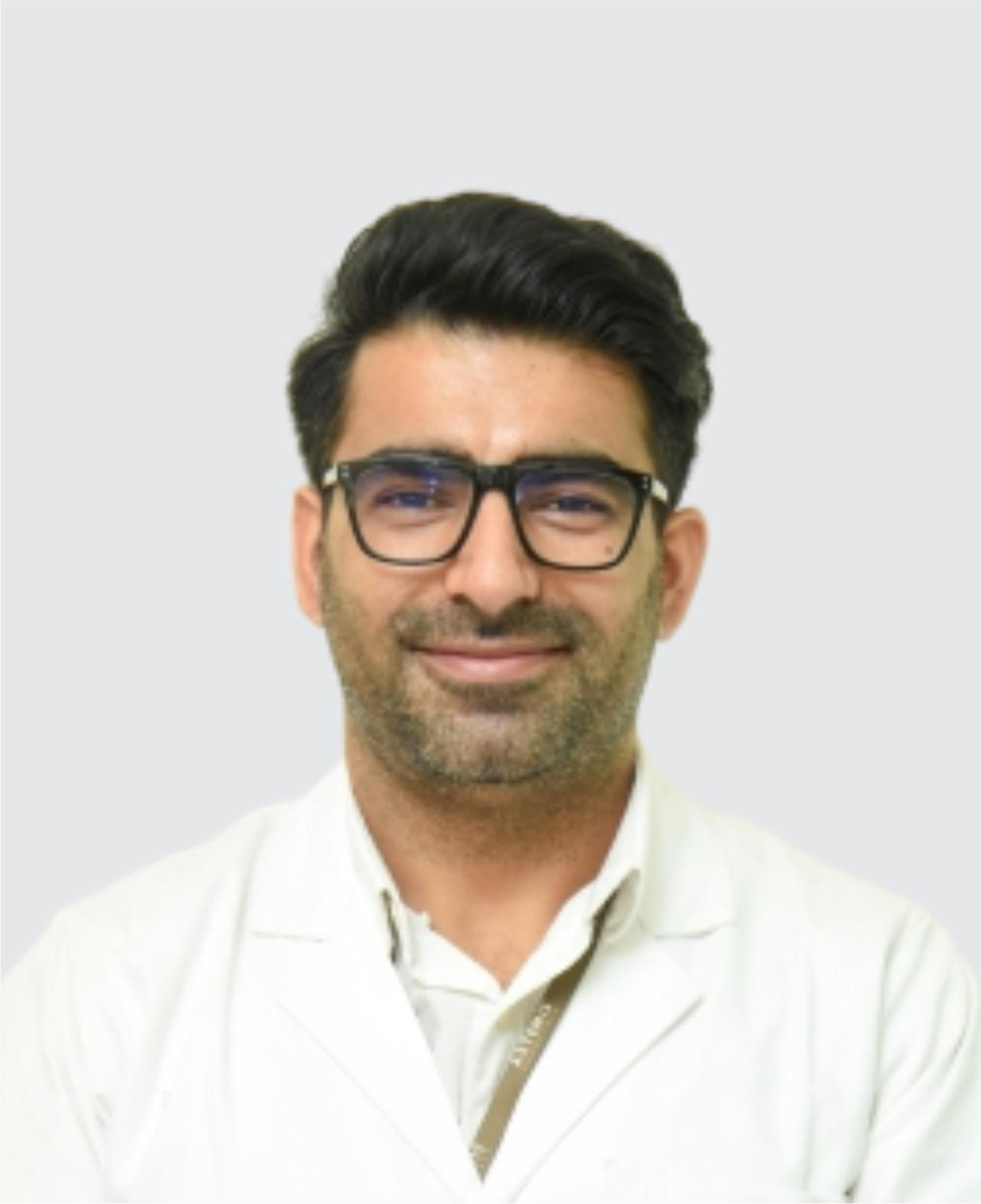
Dr. Mohammad Irfan Banday
Consultant
Orthopaedic Surgery
New Delhi
10+ Years
Experience
Artemis Hospital
Hospital
1500
Fees
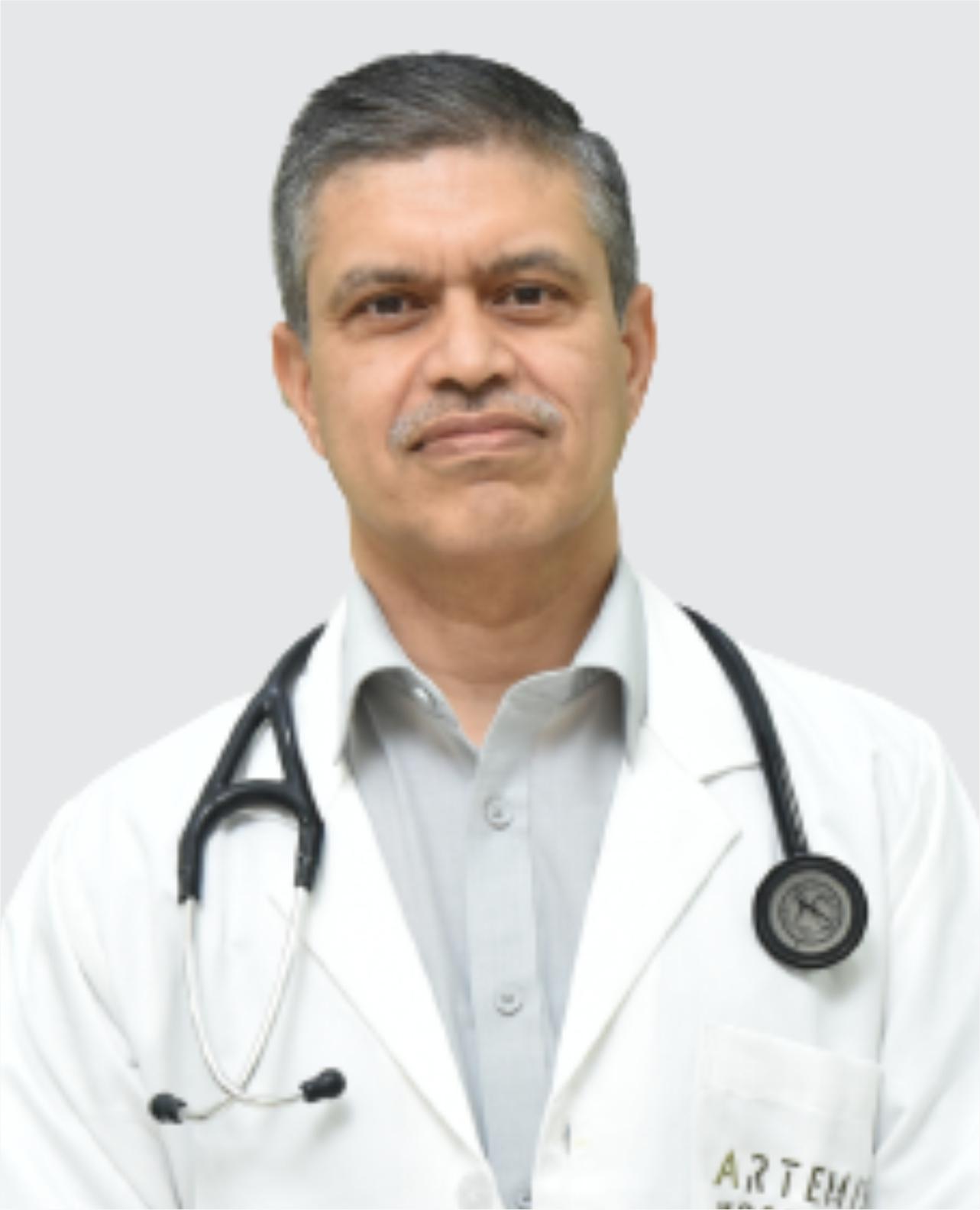
Dr. Rahul Mehrotra
Director & HOD - Orthopaedics & Joint Replacement
Orthopaedics
New Delhi
17+ Years
Experience
Artemis Hospital
Hospital
1500
Fees
Related Links
Recent Blogs
- How DivinHeal Helps You Find the Best Hospital in India
- Limb Lengthening Surgery: India vs USA, Turkey & Europe
- Best Orthopedics Doctors in India for Nigerian Patients
- Best Orthopedics Hospitals in India for Nigerian Patients
- Travel, Stay & Food Tips for Medical Tourists in India
- Ethiopia to India Medical Travel Guide for Patients | DivinHeal
- Top 10 Orthopedic Hospitals in Bangalore (2026 Guide)
- Top Spine Surgeons in India for International Patients
- Limb Lengthening Surgery Cost in India (₹5L–₹10L) Explained
- Chiropractic Treatment Cost in India for Omani Patients
Other Treatment related Information
Ready To Start Your Healing Journey?
Get Personalized Medical Treatment Options From India's Top Hospitals. Our Medical Experts Are Ready To Assist You Every Step Of The Way.