

Paediatric Treatment in Pune for Bangladesh
Access high-quality treatment through JCI & NABH-accredited hospitals, renowned specialists, and end-to-end medical travel support designed around your healing journey.
Plan My Journey
Tell us your condition and budget - our AI matches the right destination, hospital and doctor and visa pathway
Cost calculator
I know my treatment - show me cost from 3 hospitals
5K+ International Patients Treated
40+ Source Countries Served
500+ Accredited Partner Hospitals
98% Patient Satisfaction
80% Average Savings vs USA
10K+ Doctors
NABH, JCI Accredited Hospitals
Free Treatment Plan
Free Consultation with Doctor
5+ Destinations Covered

Written by DivinHeal Editorial Contributor, DivinHeal Medical Team, Healthcare Advisory Team Published on: February 19, 2026
About
Paediatric Treatment in Pune for Patients from Bangladesh
Parents in Bangladesh seeking specialized paediatric care for their children often face questions about treatment options and where to find the best support. The well-being of a child is paramount, and navigating complex medical decisions can be a source of significant worry for families.
Many families looking for advanced paediatric care beyond their borders consider Pune, India. This city is known for its focused medical infrastructure and collaborative care environment, making it a thoughtful choice for international patients seeking quality healthcare services.
Pune's medical community offers a network of trusted hospitals and experienced paediatric specialists. The city provides comprehensive facilities designed for children, ensuring seamless coordination of care from diagnosis through recovery, all within a supportive setting.
Paediatric care in Pune presents a reliable option for families from Bangladesh.
What is Paediatric Treatment?
Paediatric treatment encompasses the medical care of infants, children, and adolescents, from birth up to 18 years of age. It covers a wide range of health services, including preventative care, diagnosis, and treatment for acute and chronic illnesses, developmental disorders, and injuries. The primary goal is to promote the physical, mental, and emotional health of children, ensuring their healthy growth and development. This field requires a specialized approach, as children's bodies and needs differ significantly from adults.
Types of Paediatric Treatments Available
Paediatric care involves various treatment modalities tailored to a child's specific condition and age:
- Medical Management: Administering medications for infections, chronic conditions like asthma or diabetes, and other illnesses.
- Surgical Interventions: Procedures for congenital anomalies, injuries, appendicitis, cardiac defects, or tumour removal, performed by paediatric surgeons.
- Developmental Therapies: Physical therapy, occupational therapy, and speech therapy for children with developmental delays or disabilities.
- Vaccination Programs: Essential preventative care through immunizations against infectious diseases.
- Nutritional Guidance: Dietary plans and interventions for growth issues, allergies, or specific metabolic disorders.
- Psychological Support: Counselling and behavioural therapies for mental health concerns, anxiety, or behavioural challenges in children and adolescents.
When is Paediatric Treatment Necessary?
- Persistent fever, infections, or respiratory issues that do not resolve with general care.
- Chronic conditions such as asthma, epilepsy, diabetes, or allergies requiring ongoing management.
- Developmental delays in speech, motor skills, or cognitive abilities.
- Congenital anomalies or birth defects that require surgical correction or specialized medical care.
- Injuries, fractures, or accidents needing immediate medical or surgical intervention.
- Growth disorders, nutritional deficiencies, or severe feeding difficulties.
- Behavioural problems, anxiety, depression, or other mental health concerns in children.
- Routine health check-ups and preventative vaccinations to ensure healthy development.
Pre-Treatment Evaluation for Paediatric Patients
- Comprehensive Medical History: Detailed review of the child's past illnesses, vaccinations, developmental milestones, and family medical history.
- Physical Examination: A thorough head-to-toe examination to assess the child's overall health and identify specific concerns.
- Blood Tests: Complete blood count, biochemical tests, infection markers, and specific diagnostic tests relevant to the suspected condition.
- Imaging Studies: X-rays, ultrasound, CT scans, or MRI scans to visualize internal structures and diagnose conditions like fractures, organ abnormalities, or neurological issues.
- Specialized Consultations: Referrals to paediatric subspecialists such as paediatric cardiologists, neurologists, gastroenterologists, or surgeons as needed.
- Developmental Assessments: Tools and scales to evaluate cognitive, motor, speech, and social development.
How is Paediatric Treatment Performed?
The method of paediatric treatment is highly individualized, depending on the child's age, specific diagnosis, overall health, and the recommendations of the specialist team.
Medical Treatment
This often involves prescribing age-appropriate medications, such as antibiotics for infections, bronchodilators for asthma, or insulin for diabetes. Doses are carefully calculated based on weight and age. Regular follow-ups are crucial to monitor progress and adjust treatment plans.
Surgical Treatment
Paediatric surgeries are performed by specialized surgeons in operating rooms designed for children. Procedures can range from minor interventions for hernia repair to complex operations for congenital heart defects or neurosurgical conditions. Anesthesia is administered by paediatric anesthesiologists, focusing on the child's safety and comfort.
Therapeutic Interventions
For developmental or physical challenges, therapy sessions are conducted by trained therapists. These may include exercises to improve motor skills, speech exercises to enhance communication, or play-based interventions to address behavioural issues. Family involvement is often encouraged to support the child's progress at home.
Preventative Care
Routine well-child visits include immunizations, growth monitoring, developmental screenings, and health education for parents on nutrition, safety, and hygiene. This proactive approach helps prevent illness and promotes long-term health.
Recovery Process for Paediatric Patients
The recovery period for paediatric treatment varies significantly based on the type of intervention. For medical treatments, recovery usually involves managing symptoms and adhering to medication schedules until the child is well. After surgery, recovery focuses on pain management, wound care, and gradual return to normal activities. This often includes a period of rest, followed by controlled movement. Physiotherapy or occupational therapy may be recommended to regain strength or function. Follow-up appointments with the paediatric specialist are essential to monitor healing, assess progress, and address any concerns. Nutritional support and emotional care play a vital role in a child's complete recovery.
Potential Risks and Expected Success Rates
- Infection: Risk of infection at surgical sites or from prolonged hospital stays.
- Allergic Reactions: To medications or anaesthesia, though rarely severe.
- Bleeding: Potential for minor to significant bleeding, especially with surgical procedures.
- Anaesthesia Complications: Risks associated with general anaesthesia, carefully managed by paediatric anaesthesiologists.
- Treatment Failure: The condition may not respond as expected, requiring further intervention.
- Developmental Impact: In rare cases, medical treatments might have long-term effects on growth or development, which are monitored closely.
Success rates for paediatric treatments are generally very high, especially in specialized centres like those in Pune. Outcomes depend heavily on the specific condition, its severity, the child's overall health, and adherence to the treatment plan. For many common conditions, treatment leads to full recovery or effective management. For chronic conditions, success is measured by symptom control, improved quality of life, and preventing complications. Advances in paediatric medicine continuously improve these success rates, offering better long-term expectations for children undergoing care.
Cost of Paediatric Treatment in Pune
The cost of paediatric treatment in Pune can vary significantly based on several factors. These include the complexity of the child's condition, the specific type of treatment required, the duration of hospital stay, the chosen hospital's facilities, and the experience level of the treating paediatric specialist. Advanced diagnostic tests or specialized therapeutic equipment can also influence the overall expenditure.
For a general understanding, a comprehensive paediatric treatment might range from approximately INR 1,50,000 to INR 12,00,000 or more, depending on the intervention.
Paediatric Treatment Costs: Pune vs. Global Averages
Pune offers highly competitive pricing for paediatric treatments compared to many Western countries, without compromising on the quality of care or the expertise of its medical professionals. This makes it an attractive destination for families seeking affordable yet advanced medical solutions for their children.
| Location | Estimated Paediatric Treatment Cost Range (USD) |
|---|---|
| Pune, India | $1,800 - $15,000 |
| United States | $15,000 - $80,000+ |
| United Kingdom | $12,000 - $60,000+ |
| Singapore | $10,000 - $55,000+ |
| Thailand | $5,000 - $25,000+ |
Support for Your Child's Medical Journey in Pune
- Personalized Care Coordination: Dedicated team to assist with all aspects of your child's medical journey, from initial inquiry to post-treatment follow-up.
- Travel and Accommodation Assistance: Help with visa applications, booking flights, and arranging suitable family-friendly accommodation in Pune.
- Language Interpretation Services: Professional interpreters available to ensure clear communication between medical staff and your family.
- Hospital and Specialist Selection: Guidance in choosing the most appropriate paediatric hospital and specialist in Pune based on your child's specific needs.
- Financial Guidance: Transparent information on treatment costs and assistance with billing and payment procedures.
- Post-Treatment Support: Arranging follow-up consultations and providing guidance for continued care once you return home.
Seeking Paediatric Care for Your Child?
Connect with our expert team to understand your child's treatment options in Pune. We are here to guide you every step of the way.
Essential Documents for Paediatric Care
- Child's Passport and Visa: Valid travel documents for both the child and accompanying family members.
- Medical Records: Comprehensive reports of the child's previous diagnoses, treatments, test results, and vaccination history.
- Referring Doctor's Letter: A letter from your local paediatrician detailing the child's condition and treatment needs.
- Parent/Guardian Identification: Valid passports or national ID cards for the parents or legal guardians.
- Financial Documents: Proof of funds or medical insurance coverage for the treatment expenses.
- Consent Forms: Any necessary consent forms from parents or legal guardians for the child's treatment.
Preparing for Your Child's Treatment in Pune
- Consultation with Paediatrician: Discuss your child's medical history and current condition with the Pune medical team before arrival.
- Vaccination Status: Ensure your child's routine vaccinations are up-to-date as advised by medical professionals.
- Travel Arrangements: Plan travel dates carefully, considering your child's comfort and any specific medical requirements during the journey.
- Accommodation Choices: Select suitable accommodation in Pune that offers amenities convenient for families with children, near the hospital.
- Medication List: Prepare a complete list of all medications your child is currently taking, including dosages.
- Emotional Preparation: Help prepare your child emotionally by explaining the upcoming visit in a child-friendly manner, if appropriate for their age.
Guidance for Post-Paediatric Treatment Care
- Discharge Instructions: Carefully follow all instructions provided by the Pune hospital regarding medication, diet, and activity levels.
- Follow-Up Appointments: Attend scheduled follow-up consultations with the paediatric team, either in person or via telemedicine.
- Wound Care: If applicable, meticulously care for any surgical wounds to prevent infection and promote healing.
- Rehabilitation Plan: Adhere to any recommended physiotherapy, occupational therapy, or speech therapy programs.
- Observation for Symptoms: Monitor your child closely for any unusual symptoms or signs of complications and report them to your doctor.
- Nutritional Support: Maintain a balanced and healthy diet as advised to aid in your child's recovery and overall well-being.
Ready to Discuss Your Child's Health?
Our team is ready to provide personalized guidance and support for your child's paediatric treatment journey in Pune.
Begin Your Child's Path to Recovery
Reach out today for a confidential discussion about paediatric treatment options, costs, and comprehensive support services in Pune.
Hospitals
NABH & JCI Accredited Hospitals in India,Turkey, Thailand & UAE.
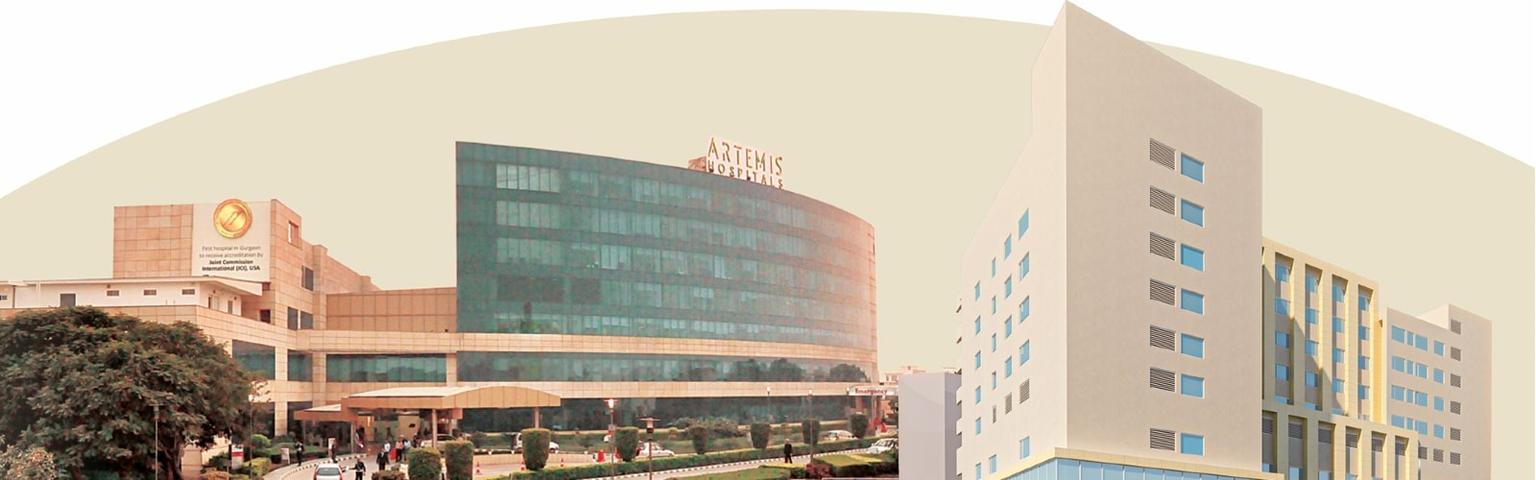
Artemis Hospital
Sector 51, Gurugram, Haryana, India
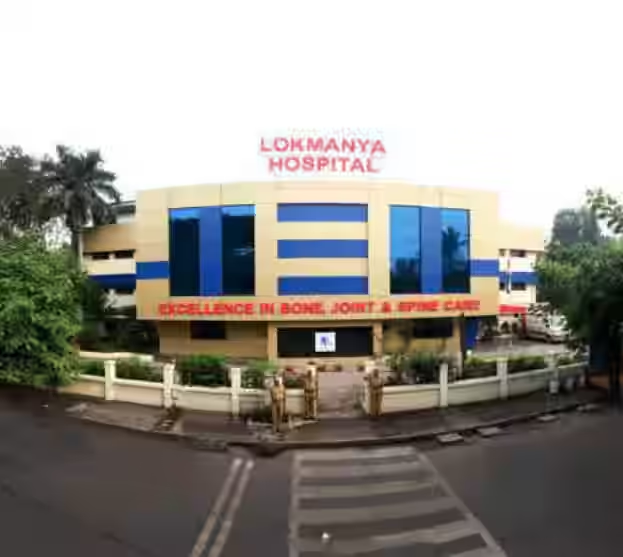
Lokmanya Hospitals
Not Specified

White Lotus Hospital
766, SFS 3145, SFS Road, 7th Sector, HSR Layout, Bengaluru, Karnataka 560102, India
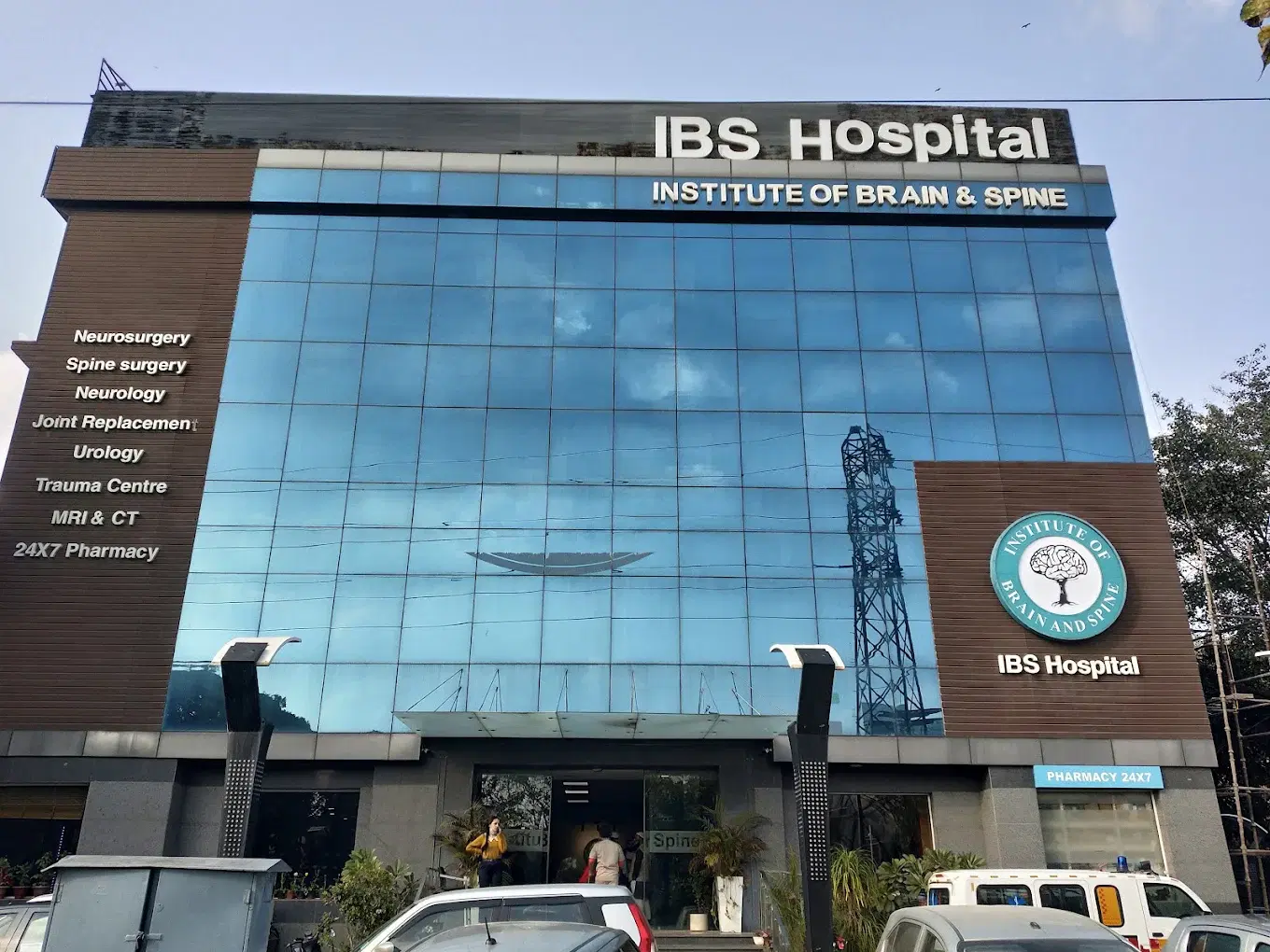
Institute of Brain and Spine (IBS Hospital)
Not Specified
Meet Our Medical Specialists




Sr. Consultant - Urology & Kidney Transplant Program (Unit I)
Dr. Abhinandan Mukhopadhyay
MBBS, MD
India

Sr. Consultant - Urology & Kidney Transplant Program (Unit I)
Dr. Abhinandan Mukhopadhyay
MBBS, MD
India
How DivinHeal Helps
We simplify your medical journey by providing comprehensive support and access to world-class healthcare.
Expert Specialist Matching
Connecting you with the world's top-rated medical experts.
Accredited Hospital Network
Access to JCI & NABH certified healthcare facilities.
Complete Travel Coordination
Hassle-free visa, stay, and local transport assistance.
24/7 Personal Care
Dedicated patient advisors supporting you at every step.
Journey Guidance
Full guidance from start to end of the patient treatment journey.
Expert Specialist Matching
Connecting you with the world's top-rated medical experts.
Everything you
need to know today
Browse through these common inquiries to better understand our patient-focused medical platform.
Yes, we work with a variety of insurance providers. Contact our team to verify your coverage.
Yes, we provide secure online consultations with experienced specialists.
Our care coordinators help match you with the most suitable specialist.
Absolutely. Your medical information is protected according to healthcare privacy standards.
Look at six things: accreditation (JCI or NABH), specialty depth, doctor credentials and experience, procedure-specific success rates, international patient support, and technology. DivinHeal's AI-driven matching evaluates every hospital in our accredited partner network on these dimensions and shortlists the best-fit options for your condition, budget, and country.
JCI (Joint Commission International) is the US-based global gold standard for hospital quality, recognised worldwide. NABH is India's national accreditation — accredited by ISQua, the same body that accredits JCI. Both signal independently verified safety and quality. Most of India's leading hospitals hold both.
Yes. All three welcome international patients through structured medical visa programs. India is the most established, treating patients from Africa, the Middle East, and South Asia at 60–80% lower cost. Thailand leads in cosmetic and dental care. The UAE is emerging in oncology and reproductive medicine.
Most patients save 50–80% on treatment costs. Heart bypass costs US $7,000–9,000 in India compared to $70,000–150,000 in the US. IVF costs $3,000–4,500 compared to $12,000–20,000 in the UK. Even after flights, visa, and accommodation, total savings remain 60–70%.
DivinHeal manages your entire non-medical journey: visa invitation letters, medical visa guidance, doctor appointments, teleconsultations, airport pickup, hospital-vetted accommodation for you and your attendant, language interpreters, local transport, cuisine preferences, and post-treatment follow-up — one dedicated coordinator from first enquiry to final follow-up.
You need a valid passport (6+ months validity), a medical visa (M-Visa for India — DivinHeal provides the hospital invitation letter), return flight tickets, recent medical reports and a doctor's referral, current prescription list, and proof of financial means. Any accompanying attendant needs their own passport and MX-Visa.
Still have more questions?
Book a call with our friendly team to learn how DivineHeal simplifies your healthcare journey.