Paediatric Neurology Treatment in India
Need Personalized Advice?
Our medical experts are ready to answer your questions and guide you through your treatment options.
About
Paediatric Neurology Treatment in India | Medical Scope & Care
Paediatric Neurology focuses on nervous system disorders in infants, children, and adolescents. This specialised field addresses conditions affecting the brain, spinal cord, nerves, and muscles. Its clinical purpose is to diagnose, treat, and manage these complex neurological issues. Early and accurate intervention is crucial for a child's development and long-term well-being.
Patients from diverse nations often seek Paediatric Neurology Treatment in India. Many families from countries like Nigeria, Kenya, Bangladesh, Oman, and Iraq choose India. They travel for high-quality medical care at more accessible costs. India offers advanced diagnostic capabilities and comprehensive treatment plans. This provides a vital option for children needing specialised neurological attention.
India's medical infrastructure provides robust support for paediatric neurological care. Hospitals are equipped with state-of-the-art technology and dedicated paediatric units. Highly skilled specialists for Paediatric Neurology in India collaborate across disciplines. This ensures a holistic and integrated approach to patient management. India's commitment to medical excellence makes it a leading choice.
Conditions Treated in Paediatric Neurology
- Epilepsy and other seizure disorders.
- Developmental delays and learning disabilities.
- Cerebral palsy and other motor disorders.
- Autism Spectrum Disorder and related neurodevelopmental conditions.
- Genetic and metabolic disorders affecting the nervous system.
- Neuromuscular disorders, including muscular dystrophy.
- Headaches, including migraines, in children.
- Brain tumours and spinal cord lesions.
- Neuro-infectious diseases like meningitis or encephalitis.
- Hydrocephalus and other congenital malformations.
Approaches to Paediatric Neurology Treatment
Paediatric neurology employs various diagnostic and therapeutic approaches. Initial assessment often includes detailed clinical examination and history taking. Advanced imaging techniques such as MRI and CT scans are vital for diagnosis. Electroencephalography (EEG) helps in evaluating seizure disorders. Genetic and metabolic testing identifies underlying causes for many conditions. Treatment plans are highly individualised for each child.
Medical management includes prescription of anti-epileptic drugs or other medications. Rehabilitation therapies are essential for developmental progress. These include physical therapy, occupational therapy, and speech therapy. In certain cases, surgical interventions may be necessary. This includes epilepsy surgery for refractory seizures. Hydrocephalus management often involves shunt placement. Specialised clinics offer comprehensive care for specific conditions. These clinics might focus on movement disorders or neuro-oncology. India’s facilities provide diverse options for complex cases. The focus remains on improving the child's quality of life. This includes managing symptoms and promoting optimal development.
Diagnostic and Clinical Evaluation
- Comprehensive neurological examination tailored for children.
- Advanced neuroimaging: MRI, CT scans, PET scans.
- Electroencephalography (EEG) for brain activity monitoring.
- Nerve conduction studies and electromyography (NCS/EMG).
- Genetic testing for inherited neurological conditions.
- Metabolic screening for inborn errors of metabolism.
- Neuropsychological assessments for cognitive function.
- Lumbar puncture for cerebrospinal fluid analysis.
Overview of Treatment Process
The treatment journey in Paediatric Neurology begins with an accurate diagnosis. Following evaluation, a multidisciplinary team designs a personalised care plan. This team includes paediatric neurologists, neurosurgeons, therapists, and geneticists. Medical interventions are initiated to manage symptoms or treat underlying causes. This might involve medication adjustment or specialised therapies. Surgical procedures are considered when medically indicated. Continuous monitoring and adjustments to the treatment plan are common. Patient education and family support are integral throughout the process. The goal is always to achieve the best possible outcomes for the child.
Recovery Expectations and Management
Recovery in paediatric neurology is often a long-term process. It depends on the specific condition, its severity, and the child's age. Immediate post-treatment recovery focuses on stabilising the child. Long-term management often includes ongoing rehabilitation therapies. Regular follow-up appointments with the paediatric neurologist are crucial. These ensure continuous assessment of progress and adjustment of care. Family involvement and adherence to home therapy programmes are vital. The focus is on maximising functional independence and developmental milestones.
Potential Medical Risks
- Side effects from prescribed medications, such as drowsiness or nausea.
- Complications associated with diagnostic procedures like biopsies.
- Risks inherent to any surgical intervention, including infection or bleeding.
- Potential for disease progression despite optimal treatment.
- Challenges in managing long-term conditions and associated comorbidities.
- Adverse reactions to anaesthesia during surgical procedures.
- Difficulty in achieving complete symptom control in some complex cases.
Paediatric Neurology Treatment Outcomes
The Paediatric Neurology success rate in India is comparable to global standards for many conditions. Outcomes vary significantly based on the specific neurological disorder. Early diagnosis and intervention greatly improve prognosis. The child's overall health and adherence to the treatment plan are key factors. Conditions like epilepsy can often be well-controlled with medication. Developmental delays show significant improvement with intensive therapy. For complex surgical cases, outcomes are influenced by surgical precision and post-operative care. India's experienced medical teams strive for the best possible functional results.
Cost of Paediatric Neurology Treatment in India
The cost of Paediatric Neurology in India is a significant factor for international patients. India offers high-quality care at a fraction of the cost found in Western countries. This makes it an attractive destination for advanced medical interventions. Below is a general comparison of costs for common paediatric neurology services.
| Service Category | Cost in India (USD) | Cost in Western Countries (USD) |
|---|---|---|
| Initial Paediatric Neurology Consultation | $50 - $150 | $300 - $800 |
| Diagnostic EEG (standard) | $100 - $250 | $500 - $1,500 |
| Brain MRI (3T with contrast) | $200 - $500 | $1,000 - $4,000 |
| Epilepsy Surgery (e.g., temporal lobectomy) | $8,000 - $15,000 | $30,000 - $80,000+ |
| Hydrocephalus Shunt Placement | $5,000 - $10,000 | $20,000 - $50,000+ |
| Long-term Rehabilitation Therapy (per session) | $30 - $70 | $100 - $300 |
Choosing the right care for a child with neurological conditions is paramount. India provides a blend of advanced medical technology and highly experienced specialists. Patients seeking Paediatric Neurology Treatment in India benefit from comprehensive care pathways. These pathways address both diagnosis and long-term management. India remains a trusted destination for complex paediatric neurological needs.
Hospitals Offering this treatment
India offers premium medical procedures at affordable prices. Discover our most popular treatments, delivered by the country's finest doctors.
Meet Our Doctors
Meet our team of highly qualified and experienced medical professionals dedicated to providing the best healthcare services.

Dr. Ajit Singh Baghela
Consultant
Paediatric Neurology
Haryana
9+ Years
Experience
Artemis Hospital
Hospital
1500
Fees
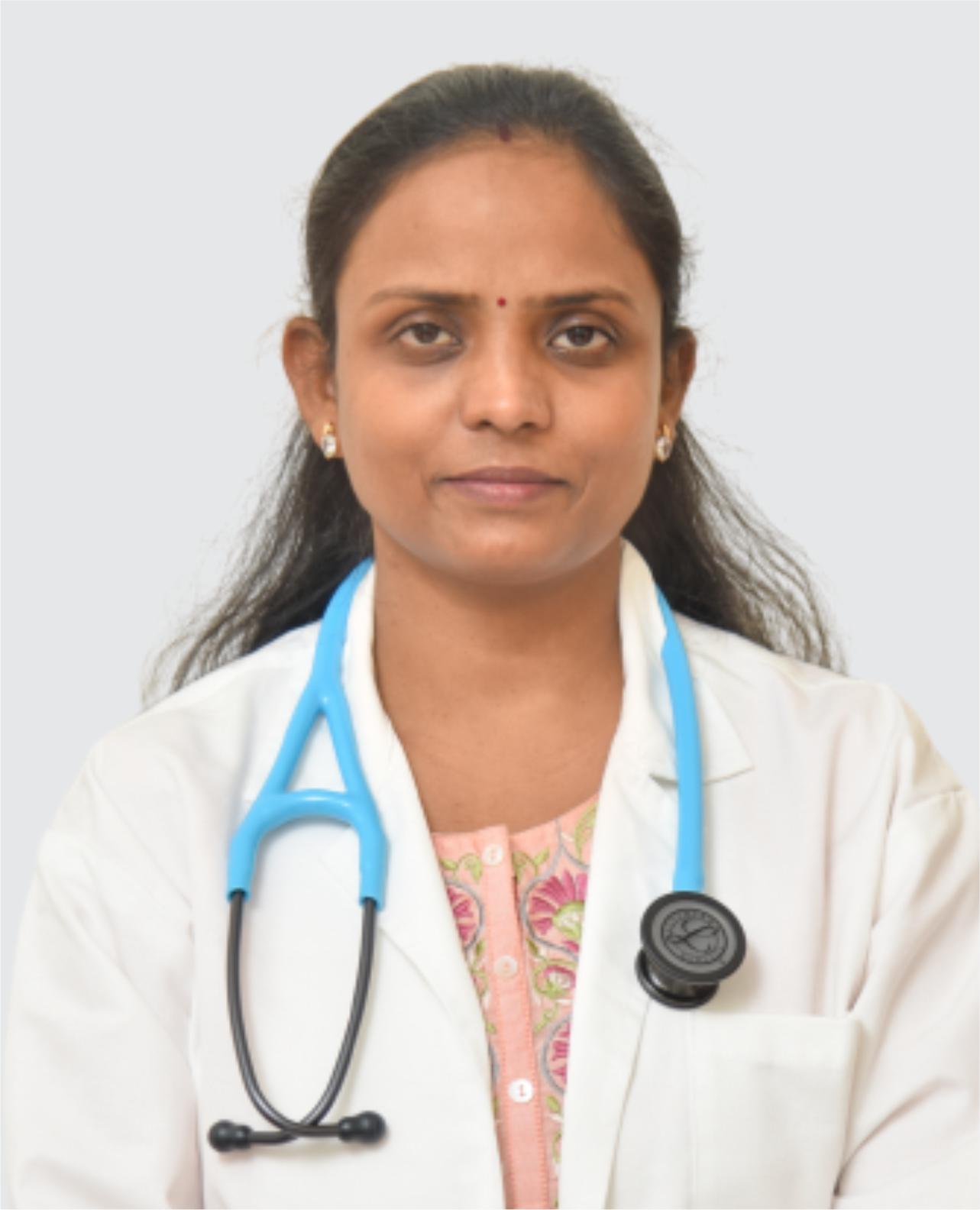
Dr. Anju Singh
Consultant - Pediatric Rheumatology
Pediatric Rheumatology
New Delhi
13+ Years
Experience
Artemis Hospital
Hospital
1500
Fees
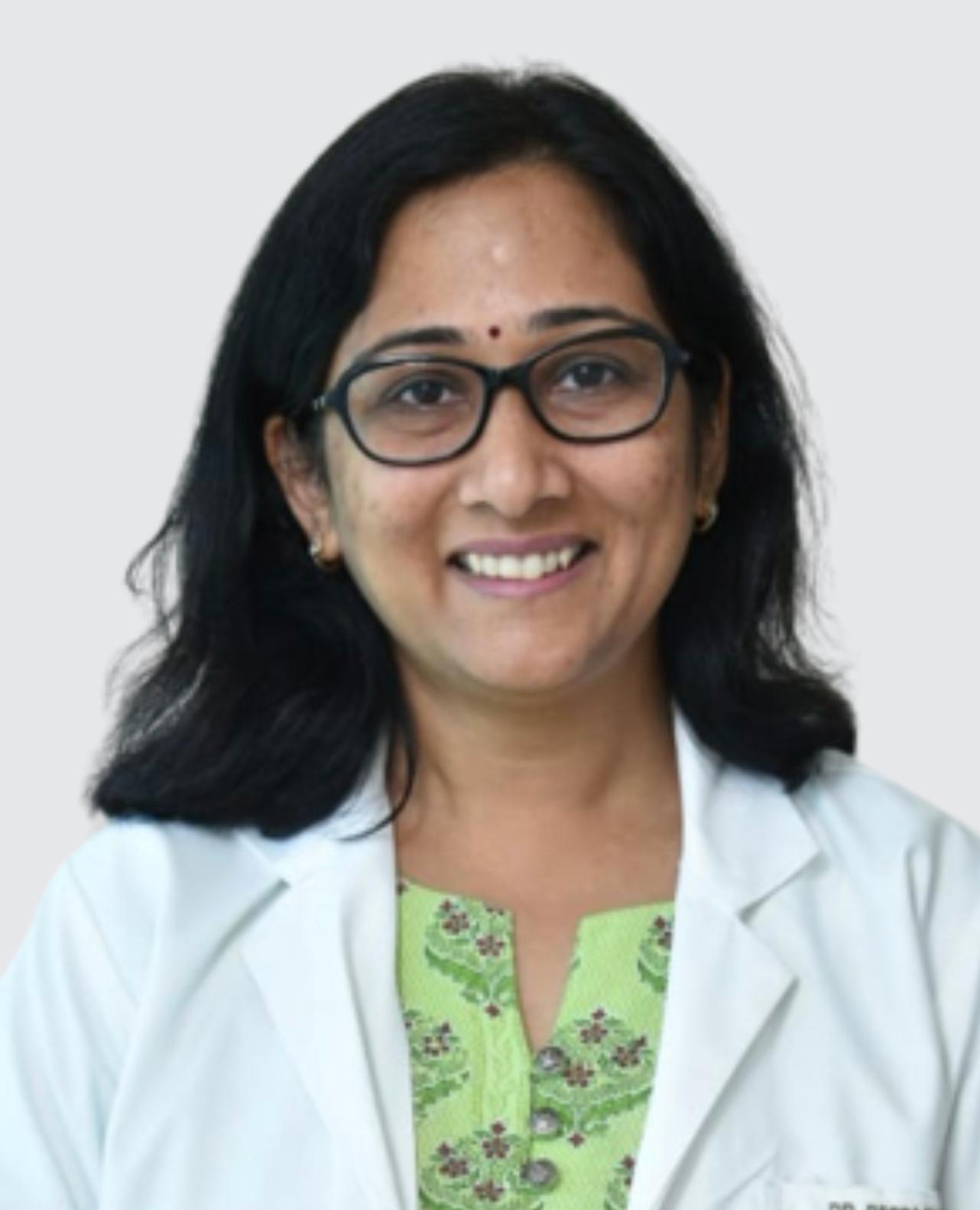
Dr. Deepa Maheshwari
Unit Head
Maternity, Obstetrics & Gynaecology
New Delhi
20+ Years
Experience
Artemis Hospital
Hospital
1500
Fees
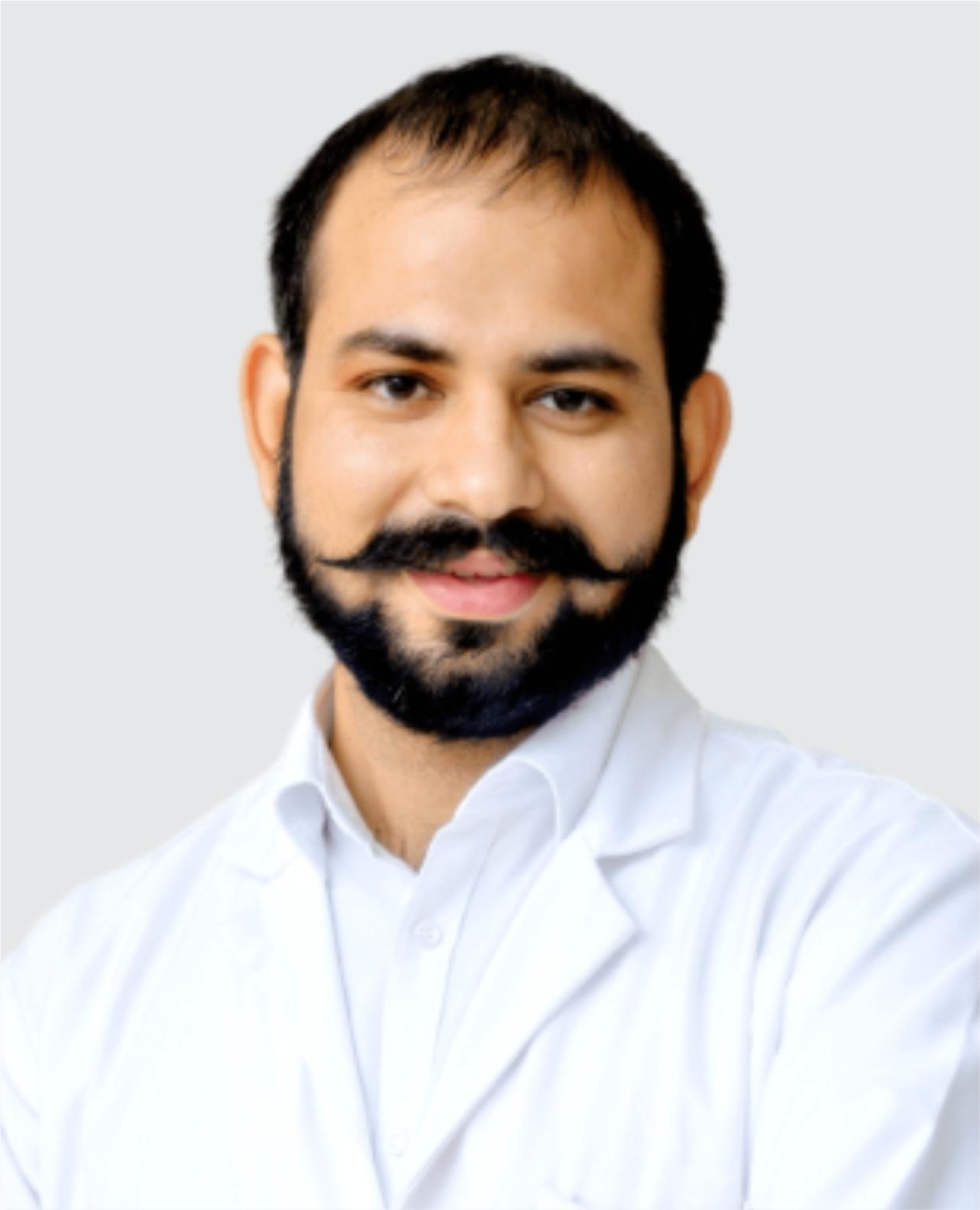
Dr. Sachin Sethi
Principal Lead - Physiotherapy
Physiotherapy and Rehabilitation
New Delhi
13+ Years
Experience
Artemis Hospital
Hospital
1500
Fees
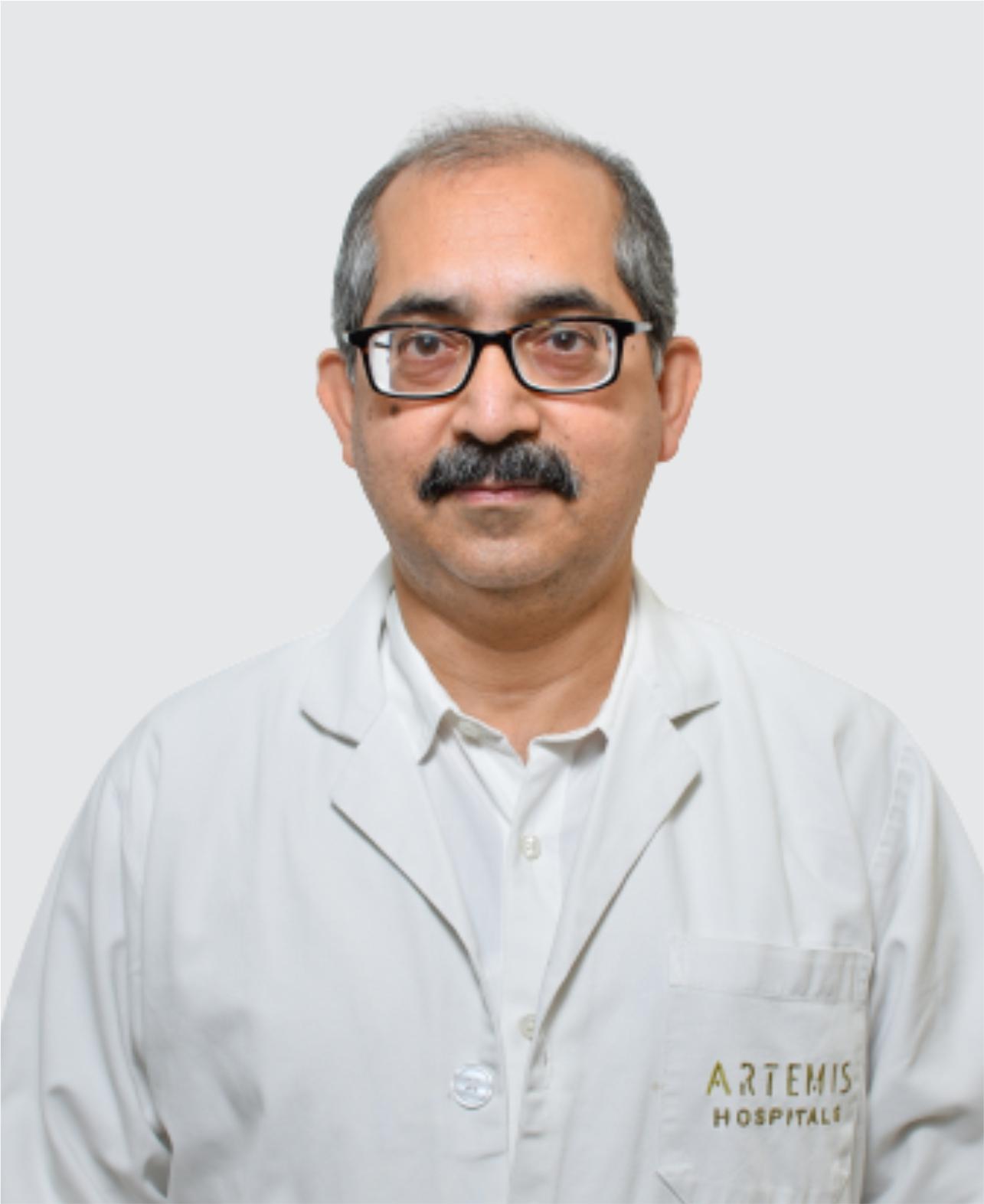
Dr. Sanjay Mehta
Chairperson
Radiology
New Delhi
28+ Years
Experience
Artemis Hospital
Hospital
1500
Fees
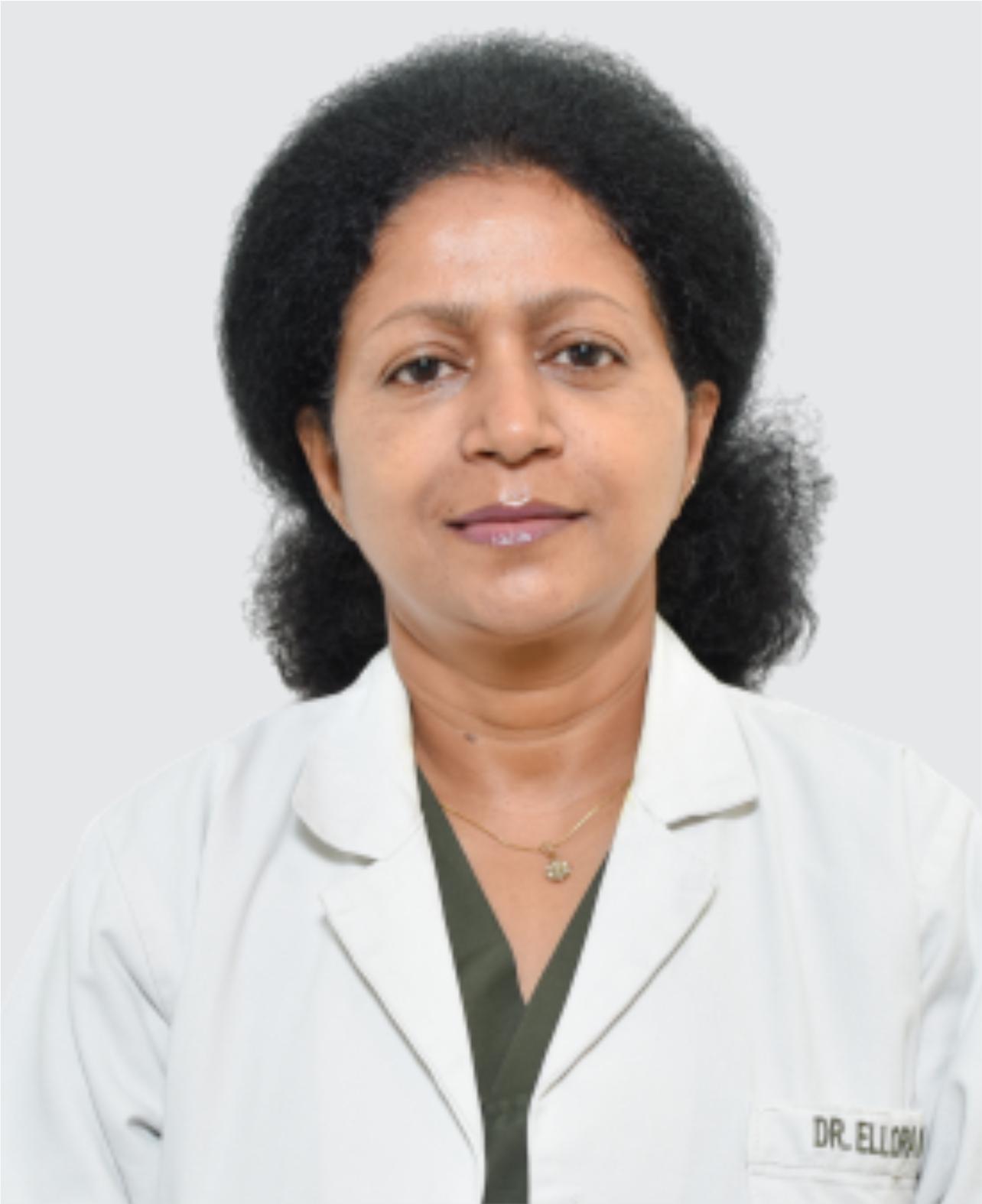
Dr. Ellora Nanda
Admin Head - Emergency
Emergency & Trauma Services
New Delhi
25+ Years
Experience
Artemis Hospital
Hospital
1500
Fees
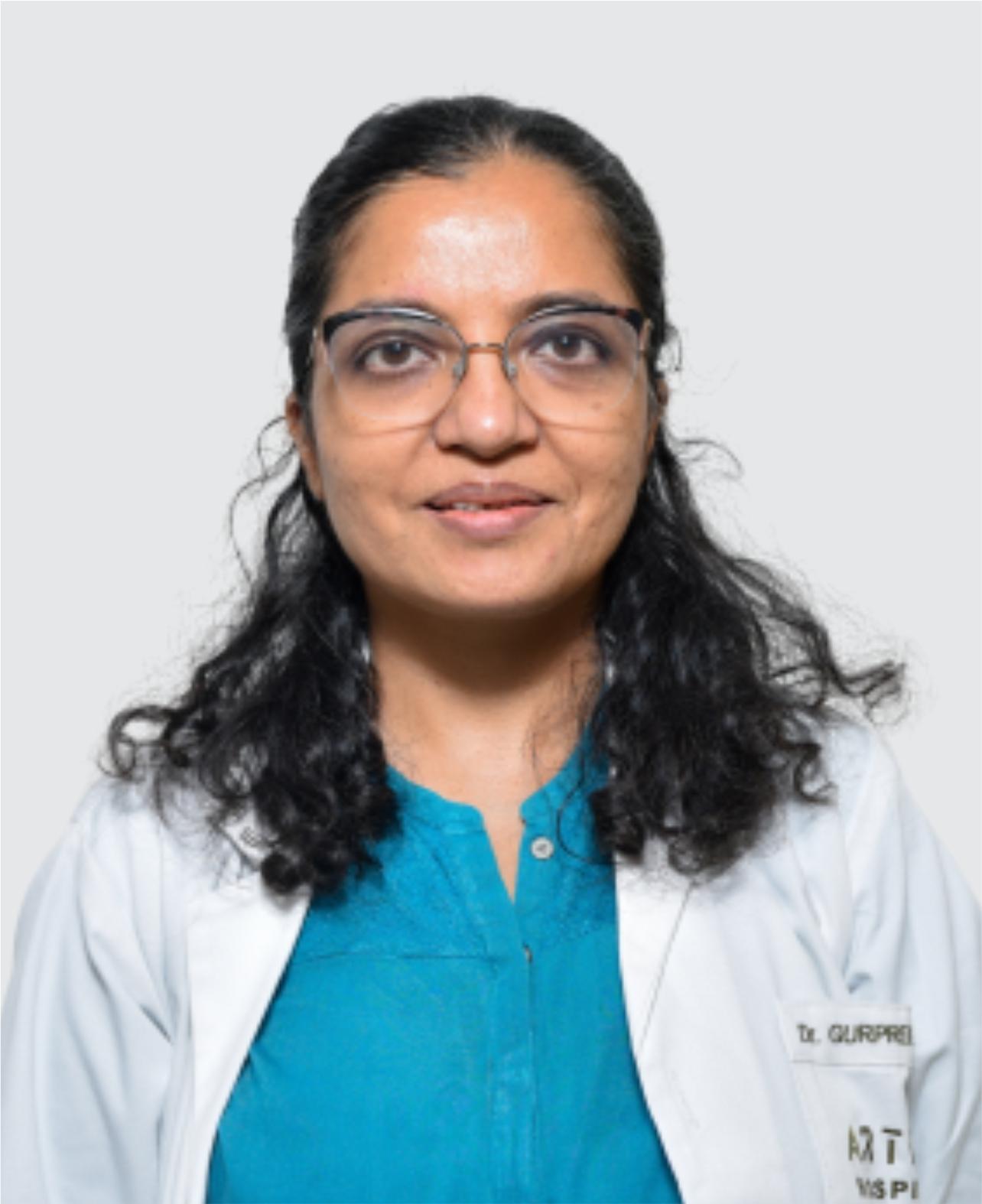
Gurpreet Makkar
Head Imaging & Chief DNB Program
Radiology
New Delhi
19+ Years
Experience
Artemis Hospital
Hospital
1500
Fees
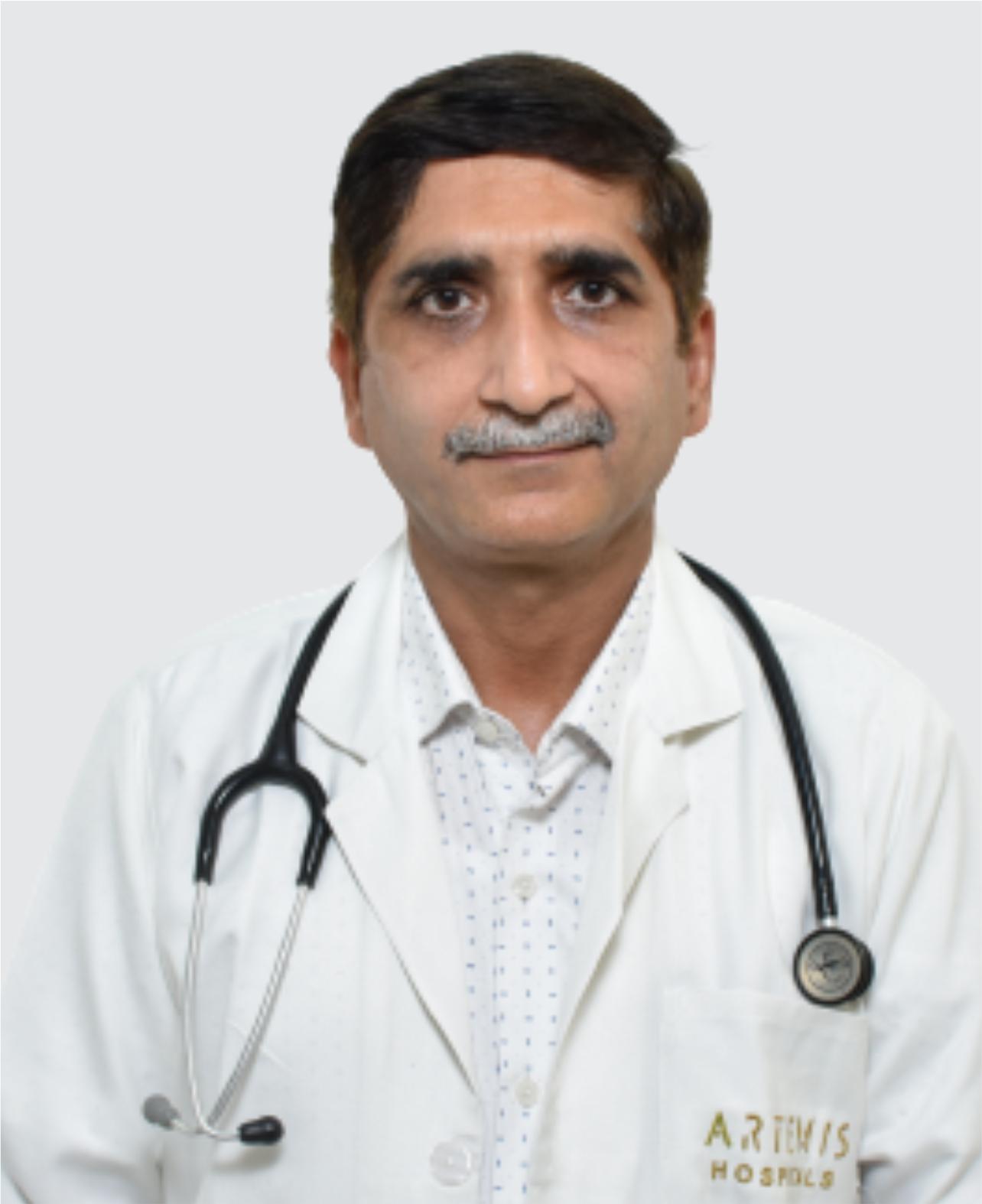
Dr. Hemant Gogia
Sr. Consultant - Paediatrics & Head - Medical Services and Medical Superintendent
Paediatric
New Delhi
10+ Years
Experience
Artemis Hospital
Hospital
1500
Fees
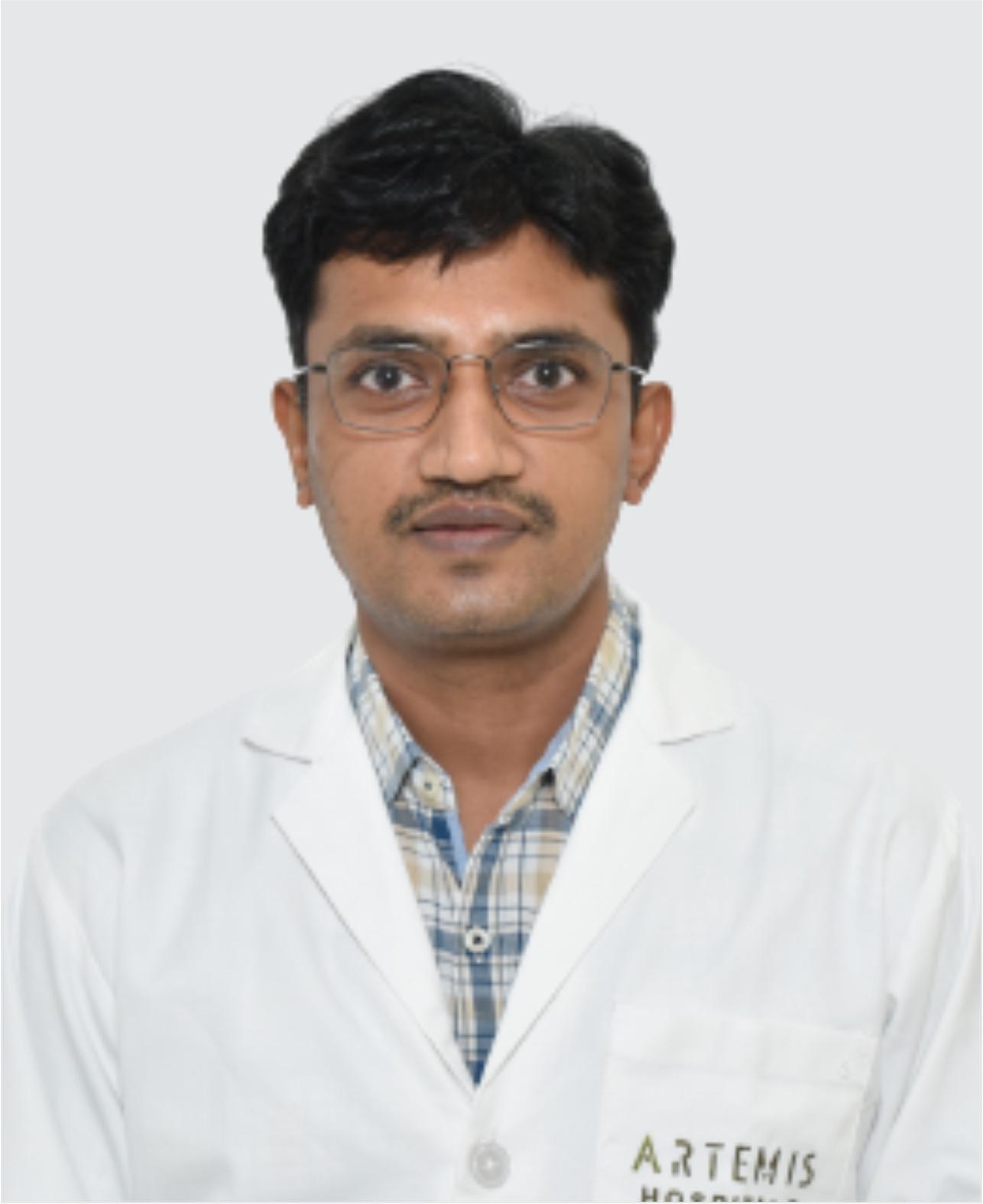
Dr. Nitin Goel
Sr. Consultant
Paediatric Surgery
New Delhi
10+ Years
Experience
Artemis Hospital
Hospital
1500
Fees
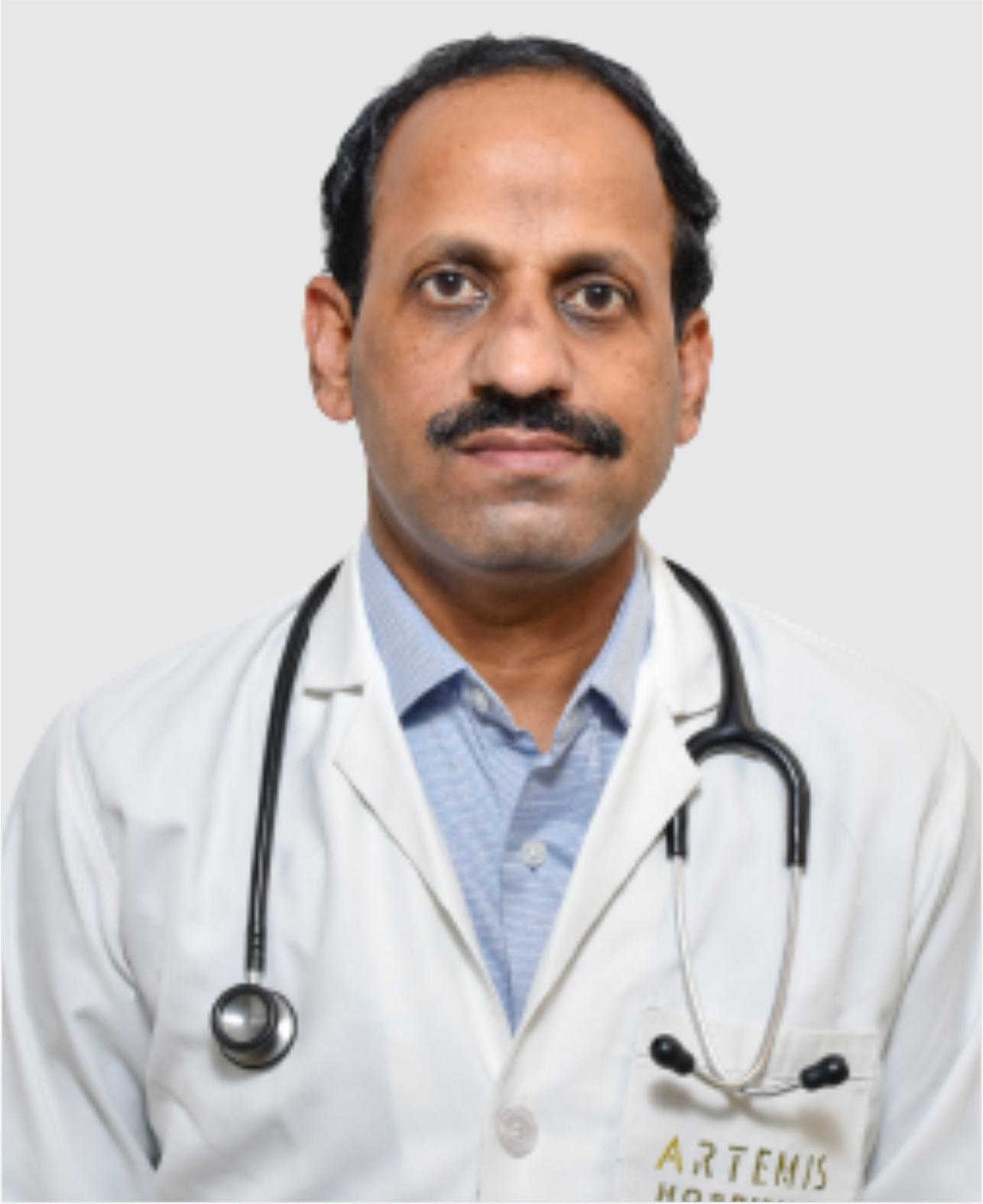
Dr. Padam Yadav
Consultant
Paediatric
New Delhi
15+ Years
Experience
Artemis Hospital
Hospital
1500
Fees
Related Links
Recent Blogs
Other Treatment related Information
Ready To Start Your Healing Journey?
Get Personalized Medical Treatment Options From India's Top Hospitals. Our Medical Experts Are Ready To Assist You Every Step Of The Way.