

Pediatric Cardiac Surgery Treatment in Pune for Ethiopia
Access high-quality treatment through JCI & NABH-accredited hospitals, renowned specialists, and end-to-end medical travel support designed around your healing journey.
Plan My Journey
Tell us your condition and budget - our AI matches the right destination, hospital and doctor and visa pathway
Cost calculator
I know my treatment - show me cost from 3 hospitals
5K+ International Patients Treated
40+ Source Countries Served
500+ Accredited Partner Hospitals
98% Patient Satisfaction
80% Average Savings vs USA
10K+ Doctors
NABH, JCI Accredited Hospitals
Free Treatment Plan
Free Consultation with Doctor
5+ Destinations Covered

Written by DivinHeal Editorial Contributor, DivinHeal Medical Team, Healthcare Advisory Team Published on: February 19, 2026
Pediatric Cardiac Surgery in Pune for Ethiopian Children
For families in Ethiopia facing the diagnosis of a heart condition in their child, the journey to find specialized medical care can feel overwhelming. Concerns about access to advanced surgical expertise, affordable treatment, and comprehensive support often add to the emotional burden. Every parent seeks the best possible outcome for their child’s health and future.
Many Ethiopian families are now looking beyond their borders to medical hubs like Pune, India. This city has emerged as a preferred destination due to its specialized pediatric cardiac centers, experienced medical teams, and a care environment specifically designed for international patients. Choosing Pune offers a balance of quality and accessibility for complex procedures.
Pune’s hospitals are equipped with dedicated pediatric cardiology departments, housing specialists who have extensive experience in treating a wide range of congenital and acquired heart defects in children. The focus in Pune is on providing integrated care, ensuring smooth coordination from initial consultation through surgery and post-operative follow-ups, all within a supportive city infrastructure.
Is Pune the right choice for your child’s heart care needs?
What is Pediatric Cardiac Surgery?
Pediatric cardiac surgery focuses on correcting heart defects in infants, children, and adolescents. These defects can be present from birth (congenital) or develop later (acquired). The goal is to repair structural problems within the heart and major blood vessels, allowing the child to lead a healthy and active life. This specialized field requires precise techniques and a deep understanding of pediatric physiology.
What Types of Pediatric Heart Procedures are Available?
Pediatric cardiac surgeons perform a variety of operations to address different heart conditions:
- Atrial Septal Defect (ASD) Closure: Repairing a hole between the heart's upper chambers.
- Ventricular Septal Defect (VSD) Closure: Fixing a hole between the heart's lower chambers.
- Tetralogy of Fallot (TOF) Repair: Correcting a complex combination of four heart defects.
- Patent Ductus Arteriosus (PDA) Ligation: Closing an open blood vessel that should have closed after birth.
- Valve Repairs or Replacements: Addressing issues with heart valves that are too narrow or leaky.
- Complex Congenital Heart Disease Repairs: Procedures for conditions like Transposition of the Great Arteries (TGA) or Hypoplastic Left Heart Syndrome (HLHS).
When Would a Child Need Heart Surgery?
- Persistent blueish tint to the skin, lips, or fingernails (cyanosis).
- Difficulty breathing, rapid breathing, or shortness of breath, especially during feeding.
- Poor weight gain or failure to thrive in infants.
- Excessive sweating, particularly during feeding.
- Easy tiring or fatigue during play in older children.
- Recurrent lung infections.
- Abnormal heart murmurs detected during routine check-ups.
- Specific congenital heart defects diagnosed via imaging, requiring surgical correction.
How is a Child Evaluated Before Pediatric Cardiac Surgery?
- Comprehensive physical examination by a pediatric cardiologist.
- Echocardiogram to visualize heart structures and blood flow.
- Electrocardiogram (ECG) to assess the heart's electrical activity.
- Chest X-ray to check heart size and lung condition.
- Blood tests including complete blood count, kidney, and liver function.
- Cardiac Magnetic Resonance Imaging (MRI) or Computed Tomography (CT) scan for detailed anatomy in complex cases.
- Consultations with a pediatric cardiac surgeon and anesthetist.
What Happens During Pediatric Cardiac Surgery?
The specific steps of pediatric cardiac surgery vary widely based on the child's condition and the planned repair. However, a general outline involves careful preparation and execution by a specialized surgical team.
Typically, the procedure includes:
- Anesthesia: The child is given general anesthesia to ensure they are asleep and pain-free throughout the surgery.
- Incision: A surgical incision is made, usually in the chest, to access the heart.
- Heart-Lung Machine: For most open-heart surgeries, a heart-lung machine is used to temporarily take over the functions of the heart and lungs, allowing the surgeon to work on a still heart.
- Defect Repair: The surgeon meticulously repairs the heart defect, which could involve patching holes, widening narrowed vessels, or reconstructing complex structures.
- Weaning and Closure: Once the repair is complete, the heart is restarted, the child is gradually weaned off the heart-lung machine, and the incision is carefully closed.
What Does Recovery Involve After Pediatric Heart Surgery?
Recovery after pediatric cardiac surgery typically begins in the Pediatric Intensive Care Unit (PICU), where the child is closely monitored. Healing time varies depending on the surgery's complexity, the child's age, and overall health. Parents receive detailed instructions for wound care, medication management, and activity restrictions. Regular follow-up appointments with the pediatric cardiologist are essential to monitor heart function and ensure a smooth recovery journey. Rehabilitation and emotional support for both the child and family are often part of the comprehensive recovery plan.
What are the Risks and Success Rates of Pediatric Cardiac Surgery?
- Bleeding or infection at the surgical site.
- Adverse reactions to anesthesia.
- Arrhythmias (irregular heartbeats).
- Kidney problems or organ dysfunction.
- Neurological complications, though rare.
- Need for repeat surgery in some complex cases.
- Long-term issues related to residual defects or heart function.
The success rates for pediatric cardiac surgery in Pune are generally high, especially for common congenital heart defects, often exceeding 95% for less complex procedures. Outcomes depend significantly on the specific defect, the child's age, overall health, and the expertise of the surgical team. Many children achieve excellent long-term results, leading full and active lives, though some require lifelong follow-up with a cardiologist.
What is the Cost of Pediatric Cardiac Surgery in Pune?
The cost of pediatric cardiac surgery in Pune is influenced by several factors, including the specific type and complexity of the heart defect, the chosen hospital's facilities, the specialist surgeon's fees, the duration of hospital stay, and any required post-operative care or medications. Pune offers advanced medical infrastructure at a fraction of the cost found in many Western countries.
For Ethiopian patients, a comprehensive pediatric cardiac surgery package in Pune can range from approximately INR 3,00,000 to INR 8,00,000, depending on the procedure and specific patient needs.
Pediatric Cardiac Surgery Cost in Pune vs. Global Averages
Pune provides a cost-effective alternative for pediatric cardiac surgery while maintaining high international standards of medical care and specialist expertise.
| Location | Estimated Cost Range |
|---|---|
| Pune, India | INR 3,00,000 - 8,00,000 |
| United States | USD 50,000 - 150,000 |
| United Kingdom | GBP 30,000 - 80,000 |
| Singapore | SGD 40,000 - 100,000 |
| Turkey | USD 15,000 - 35,000 |
Dedicated Support for Your Child's Heart Journey in Pune
- Assistance with medical visa applications and extensions for families from Ethiopia.
- Coordination of hospital appointments, specialist consultations, and diagnostic tests.
- Arrangement of suitable accommodation near the hospital for the duration of stay.
- Language support and interpreters to ensure clear communication with medical staff.
- Guidance on local transport and logistics within Pune.
- Personalized patient relationship management from arrival to departure.
Essential Documents for Medical Treatment in Pune
- Valid passport and Indian medical visa for the child and accompanying guardian.
- Comprehensive medical reports, diagnostic scans, and physician referrals from Ethiopia.
- Proof of relationship for the accompanying guardian (e.g., birth certificate).
- Financial documents or proof of funds for covering medical expenses.
- Consent forms signed by legal guardians for surgical procedures.
Preparing Your Child for Surgery in Pune
- Provide a complete medical history, including all medications and allergies.
- Follow any dietary restrictions or fasting instructions given by the medical team.
- Ensure all necessary diagnostic tests are completed as advised.
- Discuss the procedure with your child in an age-appropriate manner to help reduce anxiety.
- Confirm travel arrangements and accommodation well in advance of the planned surgery date.
Ensuring Smooth Recovery After Surgery in Pune
- Adhere strictly to all prescribed medications and dosage instructions.
- Monitor the surgical incision for any signs of infection and keep it clean and dry.
- Follow activity restrictions and avoid strenuous physical exertion as directed by the doctor.
- Attend all scheduled follow-up appointments with the pediatric cardiologist.
- Provide a nourishing diet to support healing and recovery.
- Understand guidelines for safe return travel to Ethiopia after medical clearance.
Ready to Discuss Your Child's Heart Care?
Our dedicated team in Pune is here to guide Ethiopian families through every step of their child's pediatric cardiac surgery journey, ensuring comfort and comprehensive care.
Recommended Article
Best In Vitro Fertilization (IVF) Doctors in Hyderabad
Doctors for Nephrology: Find Kidney Care Specialists
Doctors in Chennai: Find Medical Specialists in India
Best Embryo Freezing Hospitals in Hyderabad: Care Guide
Hospitals for reproductive surgery: Compare options
Hospitals in Gurugram: Guide to Quality Facilities
IVF Treatment in Haryana | Cost, Hospitals & Doctors
TAVR (Transcatheter Aortic Valve Replacement) cost in New Delhi
Tonsillectomy & Adenoidectomy Success Rate in Mumbai
Facelift & Anti-Aging Procedures in Chennai for Ethiopia Patients | Cost, Hospitals
Hospitals
NABH & JCI Accredited Hospitals in India,Turkey, Thailand & UAE.
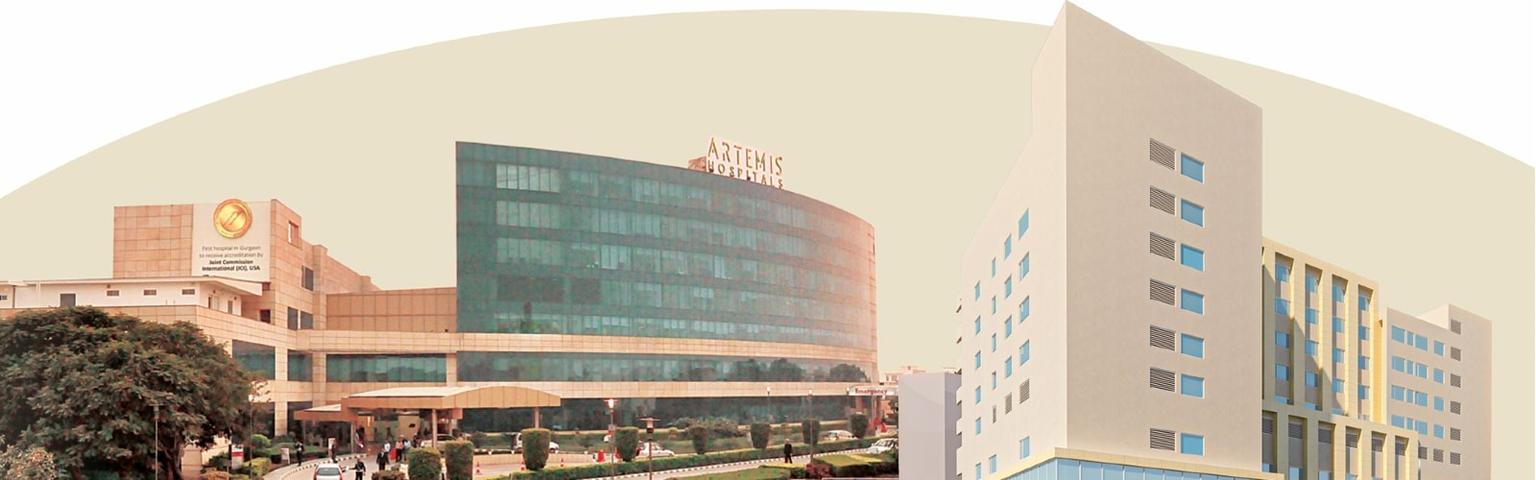
Artemis Hospital
Sector 51, Gurugram, Haryana, India
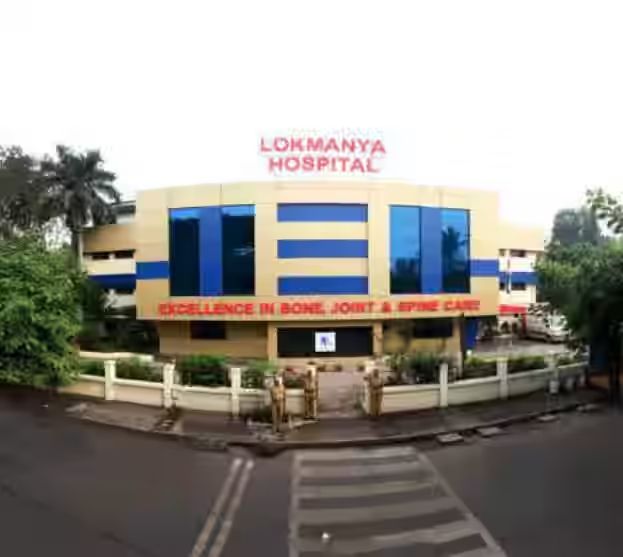
Lokmanya Hospitals
Not Specified

White Lotus Hospital
766, SFS 3145, SFS Road, 7th Sector, HSR Layout, Bengaluru, Karnataka 560102, India
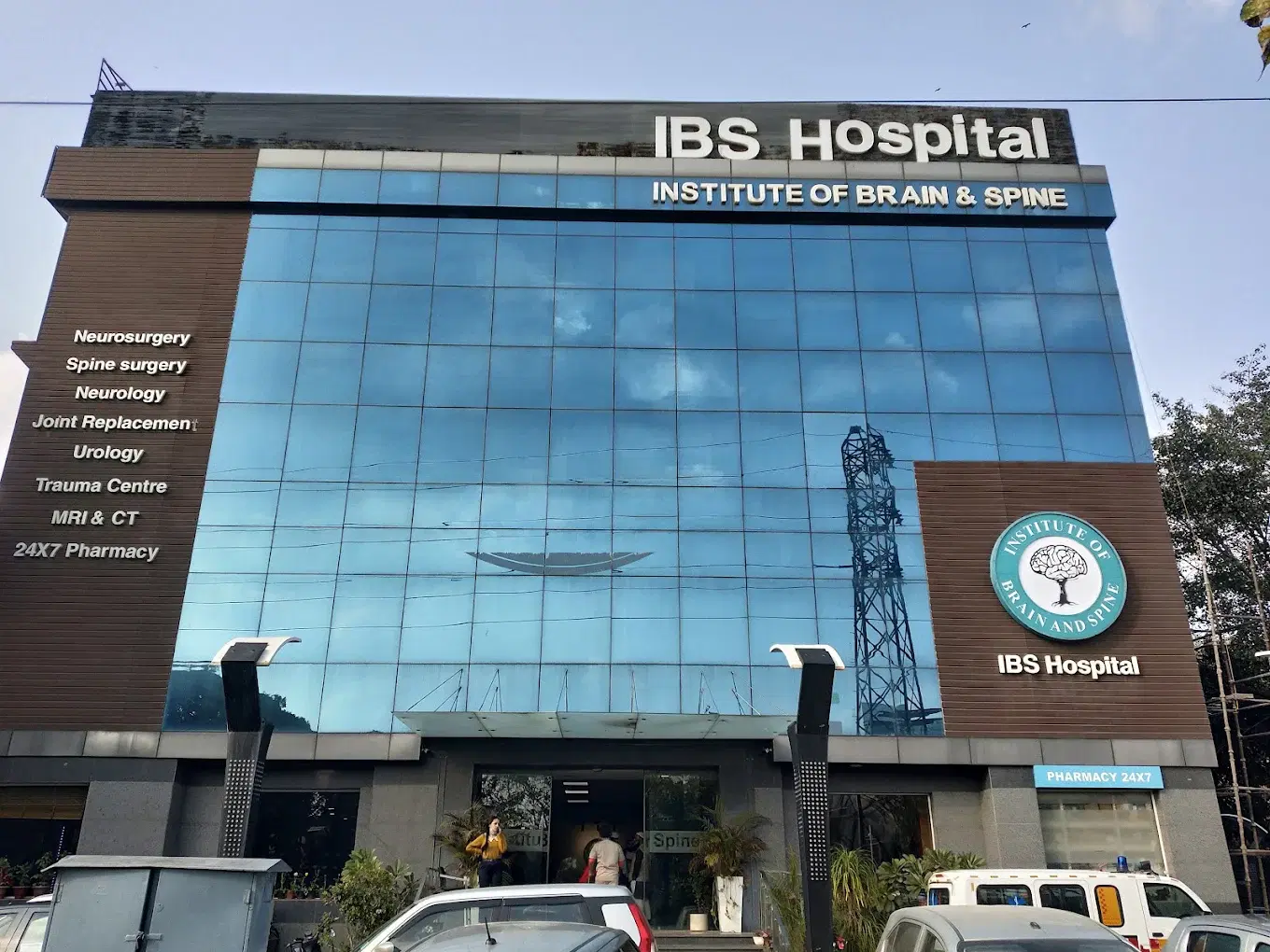
Institute of Brain and Spine (IBS Hospital)
Not Specified
Meet Our Medical Specialists




Sr. Consultant - Urology & Kidney Transplant Program (Unit I)
Dr. Abhinandan Mukhopadhyay
MBBS, MD
India

Sr. Consultant - Urology & Kidney Transplant Program (Unit I)
Dr. Abhinandan Mukhopadhyay
MBBS, MD
India
How DivinHeal Helps
We simplify your medical journey by providing comprehensive support and access to world-class healthcare.
Expert Specialist Matching
Connecting you with the world's top-rated medical experts.
Accredited Hospital Network
Access to JCI & NABH certified healthcare facilities.
Complete Travel Coordination
Hassle-free visa, stay, and local transport assistance.
24/7 Personal Care
Dedicated patient advisors supporting you at every step.
Journey Guidance
Full guidance from start to end of the patient treatment journey.
Expert Specialist Matching
Connecting you with the world's top-rated medical experts.
Everything you
need to know today
Browse through these common inquiries to better understand our patient-focused medical platform.
Yes, we work with a variety of insurance providers. Contact our team to verify your coverage.
Yes, we provide secure online consultations with experienced specialists.
Our care coordinators help match you with the most suitable specialist.
Absolutely. Your medical information is protected according to healthcare privacy standards.
Look at six things: accreditation (JCI or NABH), specialty depth, doctor credentials and experience, procedure-specific success rates, international patient support, and technology. DivinHeal's AI-driven matching evaluates every hospital in our accredited partner network on these dimensions and shortlists the best-fit options for your condition, budget, and country.
JCI (Joint Commission International) is the US-based global gold standard for hospital quality, recognised worldwide. NABH is India's national accreditation — accredited by ISQua, the same body that accredits JCI. Both signal independently verified safety and quality. Most of India's leading hospitals hold both.
Yes. All three welcome international patients through structured medical visa programs. India is the most established, treating patients from Africa, the Middle East, and South Asia at 60–80% lower cost. Thailand leads in cosmetic and dental care. The UAE is emerging in oncology and reproductive medicine.
Most patients save 50–80% on treatment costs. Heart bypass costs US $7,000–9,000 in India compared to $70,000–150,000 in the US. IVF costs $3,000–4,500 compared to $12,000–20,000 in the UK. Even after flights, visa, and accommodation, total savings remain 60–70%.
DivinHeal manages your entire non-medical journey: visa invitation letters, medical visa guidance, doctor appointments, teleconsultations, airport pickup, hospital-vetted accommodation for you and your attendant, language interpreters, local transport, cuisine preferences, and post-treatment follow-up — one dedicated coordinator from first enquiry to final follow-up.
You need a valid passport (6+ months validity), a medical visa (M-Visa for India — DivinHeal provides the hospital invitation letter), return flight tickets, recent medical reports and a doctor's referral, current prescription list, and proof of financial means. Any accompanying attendant needs their own passport and MX-Visa.
Still have more questions?
Book a call with our friendly team to learn how DivineHeal simplifies your healthcare journey.