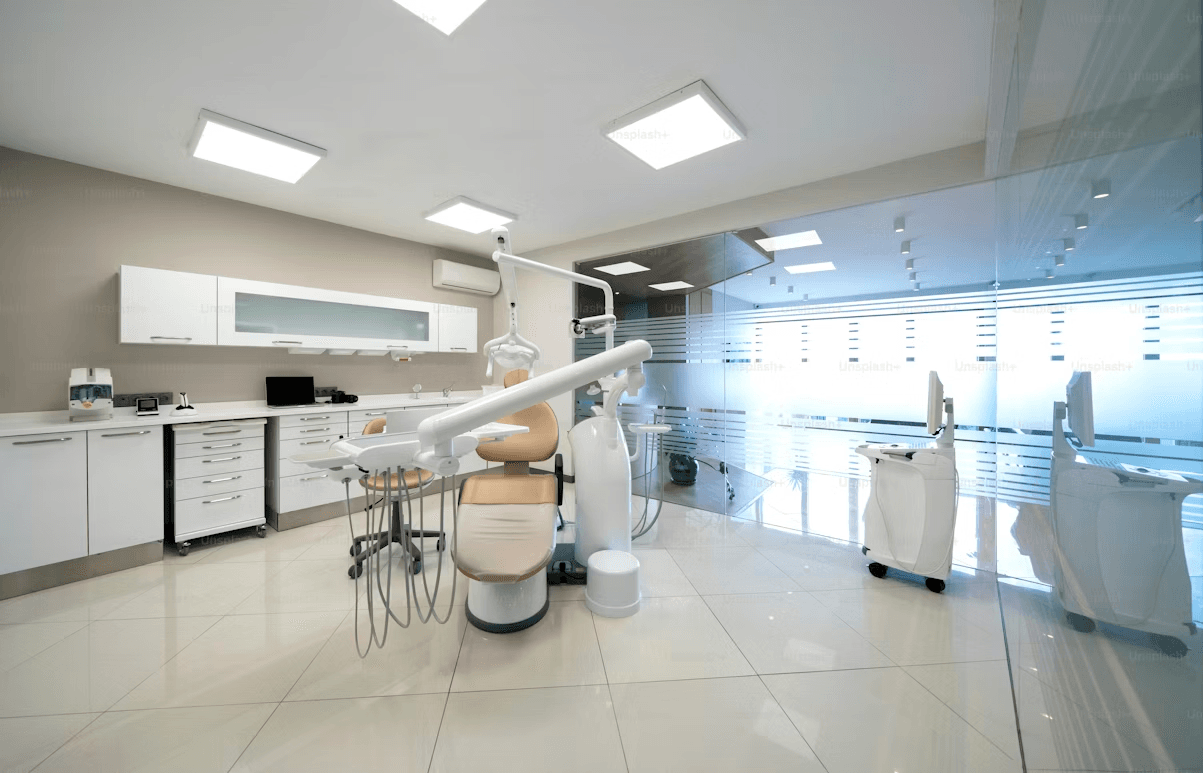

Pediatric Epilepsy Surgery Treatment in New Delhi
Access high-quality treatment through JCI & NABH-accredited hospitals, renowned specialists, and end-to-end medical travel support designed around your healing journey.
Plan My Journey
Tell us your condition and budget - our AI matches the right destination, hospital and doctor and visa pathway
Cost calculator
I know my treatment - show me cost from 3 hospitals
5K+ International Patients Treated
40+ Source Countries Served
500+ Accredited Partner Hospitals
98% Patient Satisfaction
80% Average Savings vs USA
10K+ Doctors
NABH, JCI Accredited Hospitals
Free Treatment Plan
Free Consultation with Doctor
5+ Destinations Covered

Written by DivinHeal Editorial Contributor, DivinHeal Medical Team, Healthcare Advisory Team Published on: August 20, 2026
About
Pediatric Epilepsy Surgery Treatment in New Delhi for children
Pediatric epilepsy surgery treatment in New Delhi removes or disconnects brain tissue causing drug-resistant seizures.
Pediatric epilepsy surgery treatment in New Delhi offers specialized care for drug-resistant seizures. Medical teams identify brain regions causing fits to improve long-term child development.
Overview of paediatric epilepsy surgery in New Delhi
Paediatric epilepsy surgery in New Delhi is a specialized procedure that removes or disconnects brain areas responsible for recurrent drug-resistant seizures. Surgeons aim to eliminate fits or lower their overall frequency significantly. This targeted surgical approach helps protect early cognitive development in growing children.
Families travelling from the GCC, West Africa, and the UK seek experienced brain specialists overseas. Overseas treatment offers hope when standard anti-epileptic medications fail to control seizures. Multidisciplinary teams evaluate electrical activity to plan safe individualised surgical procedures.
Understanding paediatric epilepsy
Paediatric epilepsy causes recurrent unprovoked seizures in children due to abnormal electrical discharges occurring within brain tissue. Some children develop drug-resistant forms that do not respond to multiple antiepileptic drugs. Frequent uncontrolled seizures can disrupt daily learning, speech, and physical coordination growth.
Early evaluation determines if surgical intervention can successfully control these seizure episodes. Managing childhood seizure disorders promptly prevents ongoing cognitive decline in affected infants and children. Advanced diagnostic mapping identifies exact origin points of abnormal brain signals.
Paediatric epilepsy surgery in New Delhi protects long-term brain development by controlling drug-resistant seizures effectively.
Cost, success rate and key facts for paediatric epilepsy surgery
Paediatric epilepsy surgery costs depend on pre-surgical diagnostic mapping, chosen technique, and overall hospital stay length. International families can review detailed procedure pricing before planning international travel. Hospital patient coordinators assist parents with clear written expense estimates upon request.
Surgical goals focus on achieving complete seizure freedom and reducing long-term medication dependence. Parents can examine long-term treatment outcomes during initial clinical consultations. Individual outcomes depend largely on each child's underlying neurological condition.
Factors affecting surgical costs in New Delhi
Factors affecting surgical costs in New Delhi include diagnostic brain mapping, intensive care requirements, and surgeon experience. Intensive pre-operative evaluation using high-resolution scans increases preliminary hospital costs. Prolonged monitoring in pediatric intensive care units also influences final billing.
Surgical complexity impacts treatment costs depending on the specific procedure performed. Complex disconnections require different operating resources than localized cortical resections. Standard international hospital packages usually cover surgeon fees, operating room use, and routine nursing.
Paediatric epilepsy surgery pricing in New Delhi reflects diagnostic mapping needs and specific surgical requirements.
How paediatric epilepsy surgery works and what to expect
Paediatric epilepsy surgery works by mapping electrical seizure zones and operating directly on affected brain tissue. Advanced diagnostic mapping identifies the exact area triggering abnormal electrical activity. Neurosurgeons then decide whether to remove the tissue or sever connecting nerve pathways.
The surgical treatment process follows established clinical stages to maximize child safety. Clinical procedures follow this standard sequence:
- Pre-operative functional mapping isolates the exact seizure focus.
- General anaesthesia administration ensures complete pain control throughout surgery.
- Surgeons create precise cranial access to reach targeted brain tissue.
- Resection of seizure tissue or pathway disconnection is completed.
- Post-operative recovery monitoring begins immediately in intensive care.
Types of surgery for children with epilepsy
Types of surgery for children with epilepsy include focal resections, hemispherectomies, and corpus callosotomies. Focal resections remove small specific brain areas where seizures originate. Hemispherectomies disconnect an entire diseased brain hemisphere to stop severe seizures.
Corpus callosotomies sever primary nerve connections to prevent seizure signals from spreading between hemispheres. Medical teams choose specific surgical methods based on each child's detailed brain scans. Every procedure aims to preserve motor functions while eliminating seizure activity.
Paediatric epilepsy surgery in New Delhi utilizes targeted resections or disconnections based on individual mapping.
How do you choose a hospital and surgeon in New Delhi?
You choose a hospital and surgeon in New Delhi by evaluating pediatric neurosurgery accreditation, specialist credentials, and surgical volume. Families can explore specialized neurological centres featuring dedicated pediatric intensive care. Accredited medical institutions follow stringent clinical safety guidelines.
Parents should also consult qualified pediatric neurosurgeons who perform surgical mapping regularly. Experienced surgical specialists collaborate closely with skilled pediatric neurologists. Unified clinical teams optimize surgical outcome planning for each young patient.
Evaluating paediatric neurosurgery departments
Evaluating paediatric neurosurgery departments requires checking dedicated child intensive care units, advanced neuro-imaging, and multidisciplinary staffing. Leading departments feature child-friendly recovery wards designed for comfortable stays. Specially trained pediatric nurses provide continuous monitoring for child safety.
Multidisciplinary medical boards review complex cases during weekly clinical planning conferences. Surgeons and neurologists work together to select the safest surgical approach. Modern intraoperative monitoring technologies help protect vital functional brain regions during operations.
Choosing paediatric epilepsy surgery facilities in New Delhi requires verifying specialized neurosurgery infrastructure and expertise.
Who is a candidate for paediatric epilepsy surgery?
A candidate for paediatric epilepsy surgery is a child whose seizures persist despite taking multiple anti-epileptic medications. Children diagnosed with drug-resistant epilepsy often gain significant benefit from early evaluation. Early intervention aims to prevent developmental delays caused by repeated daily seizures.
Suitable candidates usually have seizures arising from a distinct, operable brain region. Neurologists confirm candidate suitability through extensive non-invasive diagnostic investigations. Surgery becomes an option when medical therapy fails to provide adequate fit control.
Medical evaluation before surgery
Medical evaluation before surgery involves high-resolution imaging, electroencephalogram recording, and detailed neuropsychological testing. Advanced magnetic resonance scans help detect subtle structural lesions within brain tissue. Long-term electroencephalogram tracking records exact electrical patterns during seizure events.
Neuropsychological evaluations assess cognitive baseline strengths and weaknesses before surgical intervention. Specialists combine all diagnostic data to outline the seizure focus clearly. Thorough preliminary testing minimizes functional risks to healthy surrounding brain tissue.
Paediatric epilepsy surgery candidates in New Delhi undergo detailed pre-surgical brain evaluations to confirm eligibility.
Recovery and aftercare following paediatric epilepsy surgery
Recovery and aftercare following paediatric epilepsy surgery require initial pediatric intensive monitoring and structured post-operative rehabilitation. Children spend the first post-surgical days under specialized intensive care observation. Medical staff monitor incision healing, neurological stability, and pain levels continuously.
Physical, occupational, and speech therapists assist young patients during early recovery stages. Children gradually regain physical stamina, motor control, and daily routine confidence. Attending neurologists manage medication dosage adjustments during hospital stay and recovery.
Post-operative follow-up and monitoring
Post-operative follow-up and monitoring involve regular clinical checks and brain wave scans to assess long-term seizure freedom. Initial follow-up visits take place locally before international travel approval. International patients maintain ongoing contact with home neurologists after returning.
Anti-epileptic medication schedules are tapered slowly based on ongoing clinical progress. Families receive complete medical documentation and discharge instructions prior to departure. Remote telemedicine consultations support ongoing monitoring for overseas pediatric patients.
Recovery from paediatric epilepsy surgery in New Delhi involves structured intensive care and ongoing neurological monitoring.
Planning your trip and visa logistics for New Delhi
Planning your trip and visa logistics for New Delhi involves securing medical visas, organizing hospital documents, and booking accommodation. Families travelling from the UAE, Nigeria, or the UK need valid passports and travel visas. Hospital international desks issue official invitation letters to facilitate visa processing.
International travel preparations should begin several weeks prior to expected procedure dates. The standard travel preparation sequence follows these steps:
- Request an official medical visa invitation letter from the treating hospital.
- Submit visa applications online for the pediatric patient and primary family attendants.
- Book return flights and family lodging situated near the medical facility.
- Arrange hospital airport transfers and professional language interpreter assistance.
- Confirm pre-surgery appointment dates with the attending clinical team.
Medical visa requirements for international families
Medical visa requirements for international families include valid passports, diagnostic records, and formal hospital invitation letters. Parent caregivers apply for medical attendant visas alongside the child's application. Consular approval ensures smooth legal entry into India for medical care.
Hospitals provide urgent visa assistance documentation whenever expedited travel is required. Parents should carry digital copies of all medical histories and test results. Complete documentation prevents delays at immigration border control points upon arrival.
Planning medical travel to New Delhi for paediatric epilepsy surgery requires valid visas and coordinated hospital arrangements.
How DivinHeal helps your family end to end
DivinHeal helps your family by managing hospital appointments, travel logistics, local accommodation, and dedicated interpreter services throughout treatment. We schedule specialist consultations and hospital admission dates before your family travels overseas. Our care coordinators organize local ground transport and comfortable family lodging situated near treatment centres.
We present transparent expense summaries to prevent unexpected financial surprises during care. Professional language translation support ensures clear, effective communication between parents and clinical specialists. Our care team supports your family continuously through hospital recovery, discharge planning, and follow-up care.
Families receive dedicated guidance for medical record transfers and pre-departure planning. We maintain close contact with pediatric neurosurgery departments to streamline your visit. This structured approach helps parents focus entirely on their child's recovery.
DivinHeal provides full coordination support for families traveling for paediatric epilepsy surgery in New Delhi.
Hospitals
NABH & JCI Accredited Hospitals in India,Turkey, Thailand & UAE.

Artemis Hospital
Sector 51, Gurugram, Haryana, India

Lokmanya Hospitals
Not Specified

White Lotus Hospital
766, SFS 3145, SFS Road, 7th Sector, HSR Layout, Bengaluru, Karnataka 560102, India

Institute of Brain and Spine (IBS Hospital)
Not Specified
Meet Our Medical Specialists




Sr. Consultant - Urology & Kidney Transplant Program (Unit I)
Dr. Abhinandan Mukhopadhyay
MBBS, MD
India

Sr. Consultant - Urology & Kidney Transplant Program (Unit I)
Dr. Abhinandan Mukhopadhyay
MBBS, MD
India
How DivinHeal Helps
We simplify your medical journey by providing comprehensive support and access to world-class healthcare.
Expert Specialist Matching
Connecting you with the world's top-rated medical experts.
Accredited Hospital Network
Access to JCI & NABH certified healthcare facilities.
Complete Travel Coordination
Hassle-free visa, stay, and local transport assistance.
24/7 Personal Care
Dedicated patient advisors supporting you at every step.
Journey Guidance
Full guidance from start to end of the patient treatment journey.
Expert Specialist Matching
Connecting you with the world's top-rated medical experts.
Everything you
need to know today
Browse through these common inquiries to better understand our patient-focused medical platform.
Still have more questions?
Book a call with our friendly team to learn how DivineHeal simplifies your healthcare journey.