
Best Pediatric Kidney Transplant Hospitals in New Delhi
Access high-quality treatment through JCI & NABH-accredited hospitals, renowned specialists, and end-to-end medical travel support designed around your healing journey.
Plan My Journey
Tell us your condition and budget - our AI matches the right destination, hospital and doctor and visa pathway
Cost calculator
I know my treatment - show me cost from 3 hospitals
5K+ International Patients Treated
40+ Source Countries Served
500+ Accredited Partner Hospitals
98% Patient Satisfaction
80% Average Savings vs USA
10K+ Doctors
NABH, JCI Accredited Hospitals
Free Treatment Plan
Free Consultation with Doctor
5+ Destinations Covered

Written by DivinHeal Editorial Contributor, DivinHeal Medical Team, Healthcare Advisory Team Published on: February 19, 2026
About
Navigating the complex journey of a child needing a kidney transplant requires access to truly advanced medical capabilities. In New Delhi, specialized centers offer comprehensive Pediatric Kidney Transplant solutions, focusing on sophisticated surgical techniques and robust post-operative care. Families seek institutions equipped with the highest standards of technology and expertise to ensure the best possible outcomes for their children.
Many international families, often from countries like Bangladesh, Nigeria, Kenya, or Iraq, consider medical treatment abroad due to the availability of specialized care. India stands out as a preferred destination, offering world-class medical facilities and experienced specialists. Patients often travel for complex procedures that might not be readily available in their home countries, seeking both quality and affordability.
Why Choose New Delhi for Pediatric Kidney Transplants?
New Delhi has emerged as a prominent hub for pediatric super-specialty medical care, including advanced organ transplantation. Many recognize it as home to a top Pediatric Kidney Transplant hospital in New Delhi, featuring dedicated pediatric nephrology and transplant units staffed by highly skilled multidisciplinary teams. These centers excel in international patient coordination, ensuring a streamlined process from initial consultation to recovery for global families.
New Delhi's medical infrastructure supports a high concentration of specialized pediatric units, creating a robust referral pattern for complex cases from across North India and neighboring regions.
Advanced Capabilities in Pediatric Kidney Transplant Care
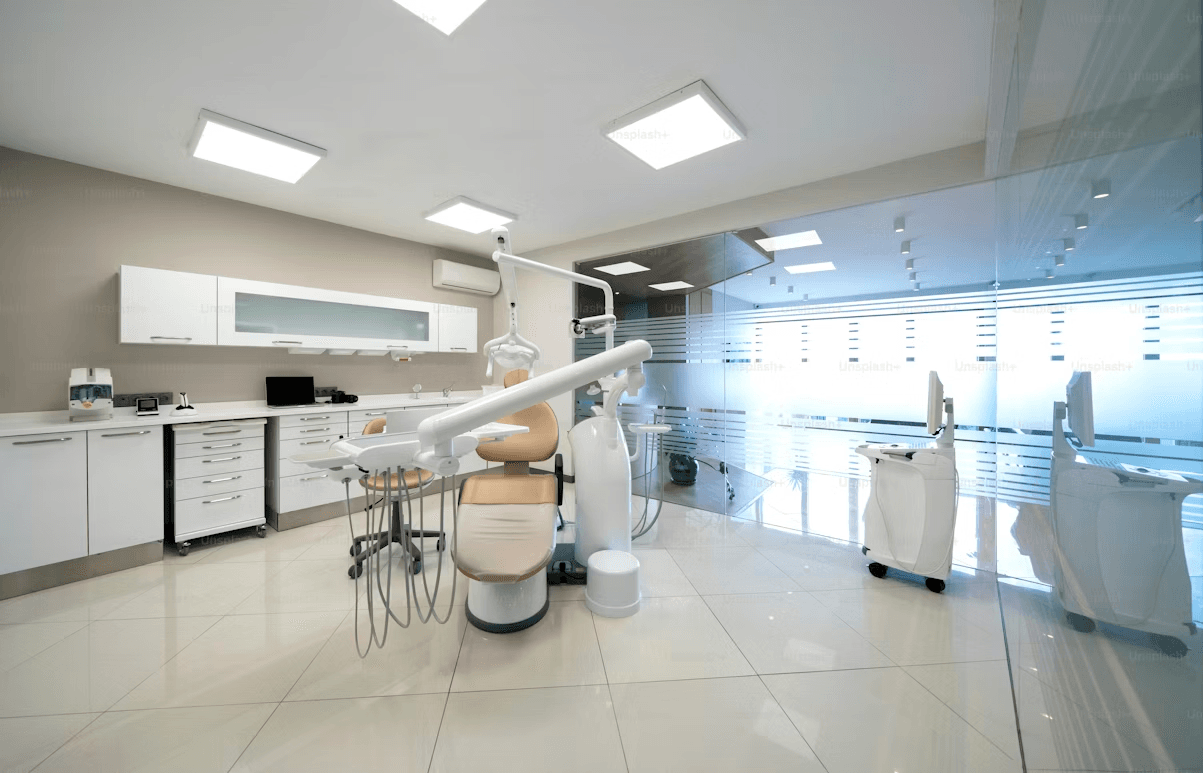
Leading hospitals providing Pediatric Kidney Transplant hospital New Delhi are distinguished by their state-of-the-art infrastructure. These specialized facilities boast advanced operating theaters, dedicated pediatric intensive care units (PICUs), and cutting-edge diagnostic laboratories. They are equipped with sophisticated imaging technology and modern immunology labs, crucial for precise donor-recipient matching and monitoring post-transplant. This robust technological framework underpins successful outcomes for young patients.
The comprehensive scope of services includes thorough pre-transplant evaluations, complex surgical procedures, and meticulous post-operative management with long-term follow-up. Many renowned institutions, often counted among the top ten Pediatric Kidney Transplant hospital in New Delhi, focus intently on minimizing rejection risks. Their holistic approach ensures that every stage of care adheres to the highest international standards, optimizing a child's quality of life and providing significant peace of mind to families.
For families seeking the best Pediatric Kidney Transplant hospital in New Delhi, understanding the range of technological and clinical capabilities is vital. These centers emphasize continuous innovation in surgical techniques and immunosuppressive therapies, adapting treatment plans for each child's unique physiological needs. Hospitals like Max Healthcare and Apollo Hospitals exemplify this commitment to advanced, patient-centric care for pediatric kidney recipients.
Understanding Pediatric Kidney Transplant Costs
The cost of a pediatric kidney transplant is influenced by several key factors. These include the specific hospital chosen, the experience and expertise of the surgical team, and the complexity of the transplant procedure itself. Additional variables like the length of hospital stay, required pre- and post-operative medications, and any potential complications also significantly impact the overall expenditure for this life-changing treatment.
Pediatric Kidney Transplant Cost in New Delhi Compared to Bangladesh
Patients from Bangladesh often find New Delhi's medical services, including pediatric kidney transplants, to be significantly more affordable without compromising on quality. The cost difference is mainly due to lower operational expenses and favorable currency exchange rates, making advanced healthcare accessible for many international families.
| Location | Estimated Cost (USD) |
|---|---|
| New Delhi, India | $12,000 - $18,000 |
| Bangladesh | $25,000 - $40,000 |
Cost information is shared as general guidance and may change after medical review and hospital confirmation.
If you're exploring options for a Pediatric Kidney Transplant hospital in New Delhi, Divinheal acts as your trusted hospital shortlisting partner. We carefully identify facilities that align with your child's specific medical needs and your family's preferences. Our role ensures you gain access to a curated list of Pediatric Kidney Transplant hospital in New Delhi renowned for their advanced capabilities and expertise in pediatric transplantation. Let us simplify your search for world-class care.
Meet Our Medical Specialists
How DivinHeal Helps
We simplify your medical journey by providing comprehensive support and access to world-class healthcare.
Expert Specialist Matching
Connecting you with the world's top-rated medical experts.
Accredited Hospital Network
Access to JCI & NABH certified healthcare facilities.
Complete Travel Coordination
Hassle-free visa, stay, and local transport assistance.
24/7 Personal Care
Dedicated patient advisors supporting you at every step.
Journey Guidance
Full guidance from start to end of the patient treatment journey.
Expert Specialist Matching
Connecting you with the world's top-rated medical experts.
Everything you
need to know today
Browse through these common inquiries to better understand our patient-focused medical platform.
Yes, we work with a variety of insurance providers. Contact our team to verify your coverage.
Yes, we provide secure online consultations with experienced specialists.
Our care coordinators help match you with the most suitable specialist.
Absolutely. Your medical information is protected according to healthcare privacy standards.
Look at six things: accreditation (JCI or NABH), specialty depth, doctor credentials and experience, procedure-specific success rates, international patient support, and technology. DivinHeal's AI-driven matching evaluates every hospital in our accredited partner network on these dimensions and shortlists the best-fit options for your condition, budget, and country.
JCI (Joint Commission International) is the US-based global gold standard for hospital quality, recognised worldwide. NABH is India's national accreditation — accredited by ISQua, the same body that accredits JCI. Both signal independently verified safety and quality. Most of India's leading hospitals hold both.
Yes. All three welcome international patients through structured medical visa programs. India is the most established, treating patients from Africa, the Middle East, and South Asia at 60–80% lower cost. Thailand leads in cosmetic and dental care. The UAE is emerging in oncology and reproductive medicine.
Most patients save 50–80% on treatment costs. Heart bypass costs US $7,000–9,000 in India compared to $70,000–150,000 in the US. IVF costs $3,000–4,500 compared to $12,000–20,000 in the UK. Even after flights, visa, and accommodation, total savings remain 60–70%.
DivinHeal manages your entire non-medical journey: visa invitation letters, medical visa guidance, doctor appointments, teleconsultations, airport pickup, hospital-vetted accommodation for you and your attendant, language interpreters, local transport, cuisine preferences, and post-treatment follow-up — one dedicated coordinator from first enquiry to final follow-up.
You need a valid passport (6+ months validity), a medical visa (M-Visa for India — DivinHeal provides the hospital invitation letter), return flight tickets, recent medical reports and a doctor's referral, current prescription list, and proof of financial means. Any accompanying attendant needs their own passport and MX-Visa.
Still have more questions?
Book a call with our friendly team to learn how DivineHeal simplifies your healthcare journey.