Pediatric Stroke Treatment Treatment in New Delhi for Nigeria
Access high-quality treatment through JCI & NABH-accredited hospitals, renowned specialists, and end-to-end medical travel support designed around your healing journey.
Plan My Journey
Tell us your condition and budget - our AI matches the right destination, hospital and doctor and visa pathway
Cost calculator
I know my treatment - show me cost from 3 hospitals
5K+ International Patients Treated
40+ Source Countries Served
500+ Accredited Partner Hospitals
98% Patient Satisfaction
80% Average Savings vs USA
10K+ Doctors
NABH, JCI Accredited Hospitals
Free Treatment Plan
Free Consultation with Doctor
5+ Destinations Covered

Written by DivinHeal Editorial Contributor, DivinHeal Medical Team, Healthcare Advisory Team Published on: February 19, 2026
About
Pediatric Stroke Treatment in New Delhi for Nigerian Patients
Parents in Nigeria seeking specialized care for pediatric stroke often face a challenging journey. The prospect of their child needing advanced medical intervention internationally can be overwhelming. Ensuring access to experienced specialists and modern facilities is a paramount concern for these families.
New Delhi has emerged as a premier destination for international pediatric care due to its concentration of leading medical institutions. The city offers a well-developed healthcare infrastructure, ensuring coordinated care pathways from initial consultation through advanced treatment. This integrated approach significantly eases the burden on families.
Trust in New Delhi's medical fraternity stems from its highly skilled pediatric neurologists and state-of-the-art hospitals. These facilities are designed to provide comprehensive care for pediatric stroke, allowing for convenient follow-ups and seamless transitions between different stages of treatment within the city.
Could New Delhi be the ideal choice for your child’s pediatric stroke treatment?
Understanding Pediatric Stroke Treatment
Pediatric stroke occurs when blood flow to a part of the brain is interrupted in a child, leading to brain cell damage. Unlike adult strokes, children’s strokes have unique causes and presentations, demanding specialized diagnostic approaches and treatment protocols tailored for developing brains. Treatment aims to restore blood flow, prevent further harm, manage symptoms, and support the child's neurological development and recovery.
Approaches to Pediatric Stroke Treatment
- Acute Medical Interventions (e.g., blood thinners, thrombectomy, bleeding control).
- Medication Management (e.g., anticoagulants, antiplatelets, seizure control).
- Neurosurgical Procedures (for malformations, aneurysms, revascularization).
- Comprehensive Rehabilitation (physical, occupational, speech therapy).
- Long-term Monitoring and Prevention (risk factor management, ongoing follow-up).
When Pediatric Stroke Treatment Becomes Necessary
- Sudden weakness or numbness on one side of the body.
- Difficulty speaking, slurred words, or trouble understanding language.
- Acute vision changes, such as sudden blurriness or vision loss.
- Unexplained severe headache with vomiting or confusion.
- New or unusual seizures, especially if affecting only one side.
- Sudden regression in developmental milestones or unusual clumsiness.
- Identified high-risk factors for stroke, prompting proactive medical intervention.
Essential Pre-Treatment Evaluation Steps
- Comprehensive Neurological Assessment by a pediatric neurologist.
- Advanced Imaging Studies: MRI, MRA, MRV to visualize brain and vessels.
- Blood Investigations: Tests for clotting disorders, genetics, inflammatory markers.
- Echocardiogram: Heart ultrasound to identify cardiac abnormalities.
- Electroencephalogram (EEG): To monitor brain electrical activity for seizures.
- Developmental and Cognitive Assessments for baseline function.
Understanding the Pediatric Stroke Treatment Process
The specific treatment approach for pediatric stroke is highly individualized, tailored to the child's age, the type and cause of stroke, and the severity of neurological damage.
Acute Phase Interventions
Immediate care focuses on restoring blood flow for ischemic strokes or controlling bleeding for hemorrhagic strokes, utilizing medications or procedures as needed.
Ongoing Medical Management
Long-term medication strategies, including antiplatelet agents or anticoagulants, are used to prevent future strokes and manage underlying conditions.
Potential Surgical Procedures
Surgical intervention may repair vascular malformations, aneurysms, or provide revascularization to improve cerebral blood flow.
Comprehensive Rehabilitation and Support
Rehabilitation includes physical, occupational, and speech therapy, along with neuropsychological and educational support, vital for recovery.
Navigating the Recovery Journey After Pediatric Stroke Treatment
Recovery from pediatric stroke is a continuous process involving intensive rehabilitation, often starting in the hospital and continuing for months. Focus is on regaining lost functions and adapting. Regular follow-up appointments with a multidisciplinary team are vital for monitoring progress and adjusting therapies. Parental involvement and a supportive home environment are key to long-term outcomes.
Potential Risks and Expected Success Rates
- Recurrent stroke despite preventive measures.
- New onset or worsening seizure disorders requiring ongoing management.
- Long-term developmental, cognitive, or motor deficits impacting learning.
- Bleeding complications from certain medications or surgical interventions.
- Infections associated with invasive medical or surgical procedures.
- Challenges in achieving full functional recovery despite intensive therapy.
The success rates for pediatric stroke treatment are increasingly positive, especially with early diagnosis and comprehensive care. Outcomes vary significantly based on the stroke's severity, location, cause, the child's age, and the intensity of rehabilitation. Many children achieve remarkable recovery, sometimes fully, while others may experience lasting deficits that require ongoing support. The goal is always to maximize functional independence and quality of life, with long-term prognosis improving with dedicated medical management and continuous therapeutic interventions.
Cost of Pediatric Stroke Treatment in New Delhi
The overall cost for pediatric stroke treatment in New Delhi is influenced by several factors. These include the specific type and severity of the stroke, the chosen hospital's infrastructure, the complexity of medical or surgical procedures, the duration of hospital stay, and the extent of rehabilitation needed. Specialist fees, diagnostic tests, and medication costs also contribute to the total expense.
Pediatric stroke treatment costs in New Delhi typically range from INR 5,00,000 to INR 25,00,000, depending on the intervention required and the duration of care.
New Delhi Treatment Costs vs. Global Averages
New Delhi offers highly competitive pricing for pediatric stroke treatment compared to many Western countries, without compromising on medical quality or patient safety standards. This affordability is a significant advantage for international patients.
| Location | Estimated Cost Range (USD) |
|---|---|
| New Delhi, India | $6,000 - $30,000 |
| United States | $50,000 - $150,000+ |
| United Kingdom | $40,000 - $100,000+ |
| Canada | $45,000 - $110,000+ |
| Australia | $48,000 - $120,000+ |
| Singapore | $35,000 - $80,000+ |
Comprehensive Support Services for International Patients
- Travel and medical visa assistance.
- Accommodation support near the hospital.
- Professional language interpretation services.
- Coordinated appointment scheduling.
- Local transportation arrangements (airport/hospital).
- Dedicated patient relations for non-medical queries.
Essential Documents for Your Medical Journey to New Delhi
- Current medical reports, diagnosis, and treatment history.
- Valid passport and medical visa for all travelers.
- Referral letter from your treating physician, if applicable.
- Complete list of current medications, including dosage.
- Additional identity proof for patient and guardians.
Important Preparation Steps Before Your Arrival
- Share all medical documents in advance for review.
- Arrange an initial teleconsultation with a pediatric neurologist.
- Finalize travel logistics, including flights and accommodation.
- Understand treatment costs and make necessary financial arrangements.
- Prepare personal essentials and comfort items for the child.
Post-Treatment Care and Follow-Up Instructions
- Strictly adhere to all prescribed medication schedules.
- Continue recommended physical, occupational, and speech therapy.
- Attend all scheduled post-treatment follow-up appointments.
- Monitor for any new or worsening symptoms and report promptly.
- Implement recommended dietary or activity restrictions for recovery.
Ready to Take the Next Step Towards Your Child's Recovery?
Our dedicated team in New Delhi is here to guide you through every stage of your child's pediatric stroke treatment journey, offering world-class care and unwavering support.
Hospitals
NABH & JCI Accredited Hospitals in India,Turkey, Thailand & UAE.

Artemis Hospital
Sector 51, Gurugram, Haryana, India
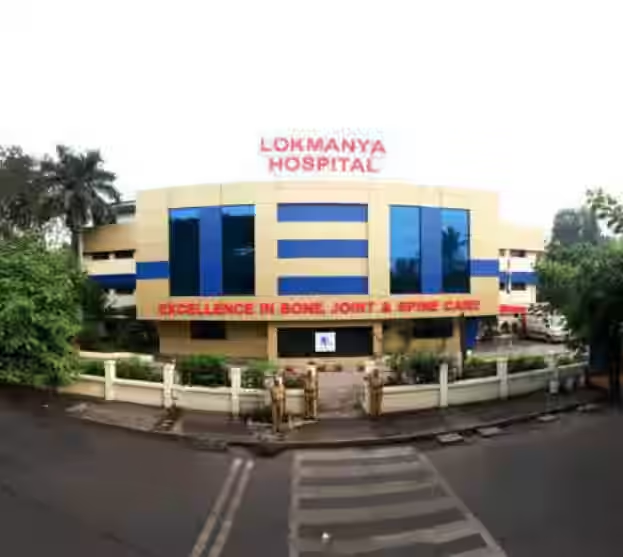
Lokmanya Hospitals
Not Specified

White Lotus Hospital
766, SFS 3145, SFS Road, 7th Sector, HSR Layout, Bengaluru, Karnataka 560102, India
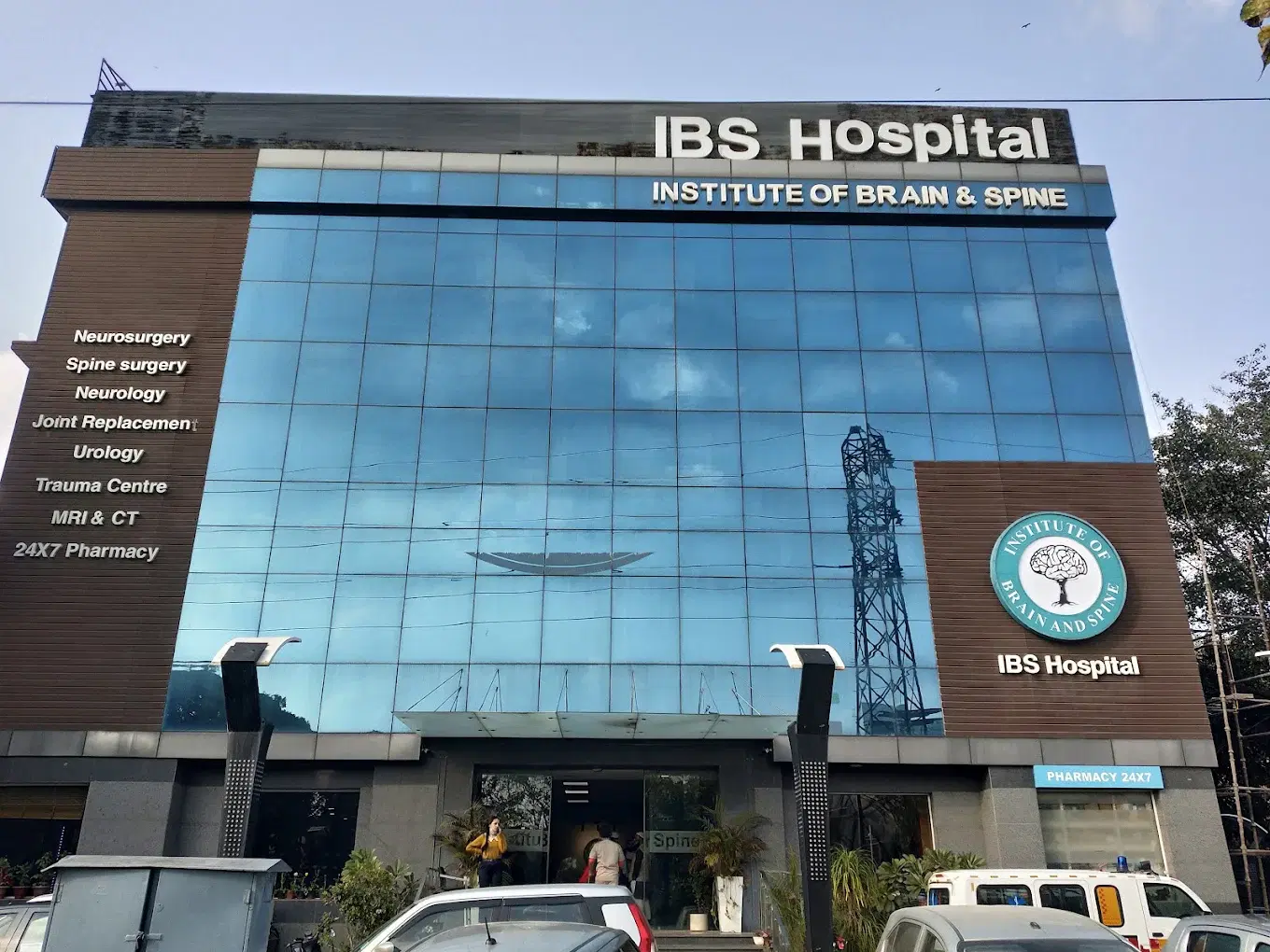
Institute of Brain and Spine (IBS Hospital)
Not Specified
Meet Our Medical Specialists




Sr. Consultant - Urology & Kidney Transplant Program (Unit I)
Dr. Abhinandan Mukhopadhyay
MBBS, MD
India

Sr. Consultant - Urology & Kidney Transplant Program (Unit I)
Dr. Abhinandan Mukhopadhyay
MBBS, MD
India
How DivinHeal Helps
We simplify your medical journey by providing comprehensive support and access to world-class healthcare.
Expert Specialist Matching
Connecting you with the world's top-rated medical experts.
Accredited Hospital Network
Access to JCI & NABH certified healthcare facilities.
Complete Travel Coordination
Hassle-free visa, stay, and local transport assistance.
24/7 Personal Care
Dedicated patient advisors supporting you at every step.
Journey Guidance
Full guidance from start to end of the patient treatment journey.
Expert Specialist Matching
Connecting you with the world's top-rated medical experts.
Everything you
need to know today
Browse through these common inquiries to better understand our patient-focused medical platform.
Yes, we work with a variety of insurance providers. Contact our team to verify your coverage.
Yes, we provide secure online consultations with experienced specialists.
Our care coordinators help match you with the most suitable specialist.
Absolutely. Your medical information is protected according to healthcare privacy standards.
Look at six things: accreditation (JCI or NABH), specialty depth, doctor credentials and experience, procedure-specific success rates, international patient support, and technology. DivinHeal's AI-driven matching evaluates every hospital in our accredited partner network on these dimensions and shortlists the best-fit options for your condition, budget, and country.
JCI (Joint Commission International) is the US-based global gold standard for hospital quality, recognised worldwide. NABH is India's national accreditation — accredited by ISQua, the same body that accredits JCI. Both signal independently verified safety and quality. Most of India's leading hospitals hold both.
Yes. All three welcome international patients through structured medical visa programs. India is the most established, treating patients from Africa, the Middle East, and South Asia at 60–80% lower cost. Thailand leads in cosmetic and dental care. The UAE is emerging in oncology and reproductive medicine.
Most patients save 50–80% on treatment costs. Heart bypass costs US $7,000–9,000 in India compared to $70,000–150,000 in the US. IVF costs $3,000–4,500 compared to $12,000–20,000 in the UK. Even after flights, visa, and accommodation, total savings remain 60–70%.
DivinHeal manages your entire non-medical journey: visa invitation letters, medical visa guidance, doctor appointments, teleconsultations, airport pickup, hospital-vetted accommodation for you and your attendant, language interpreters, local transport, cuisine preferences, and post-treatment follow-up — one dedicated coordinator from first enquiry to final follow-up.
You need a valid passport (6+ months validity), a medical visa (M-Visa for India — DivinHeal provides the hospital invitation letter), return flight tickets, recent medical reports and a doctor's referral, current prescription list, and proof of financial means. Any accompanying attendant needs their own passport and MX-Visa.
Still have more questions?
Book a call with our friendly team to learn how DivineHeal simplifies your healthcare journey.