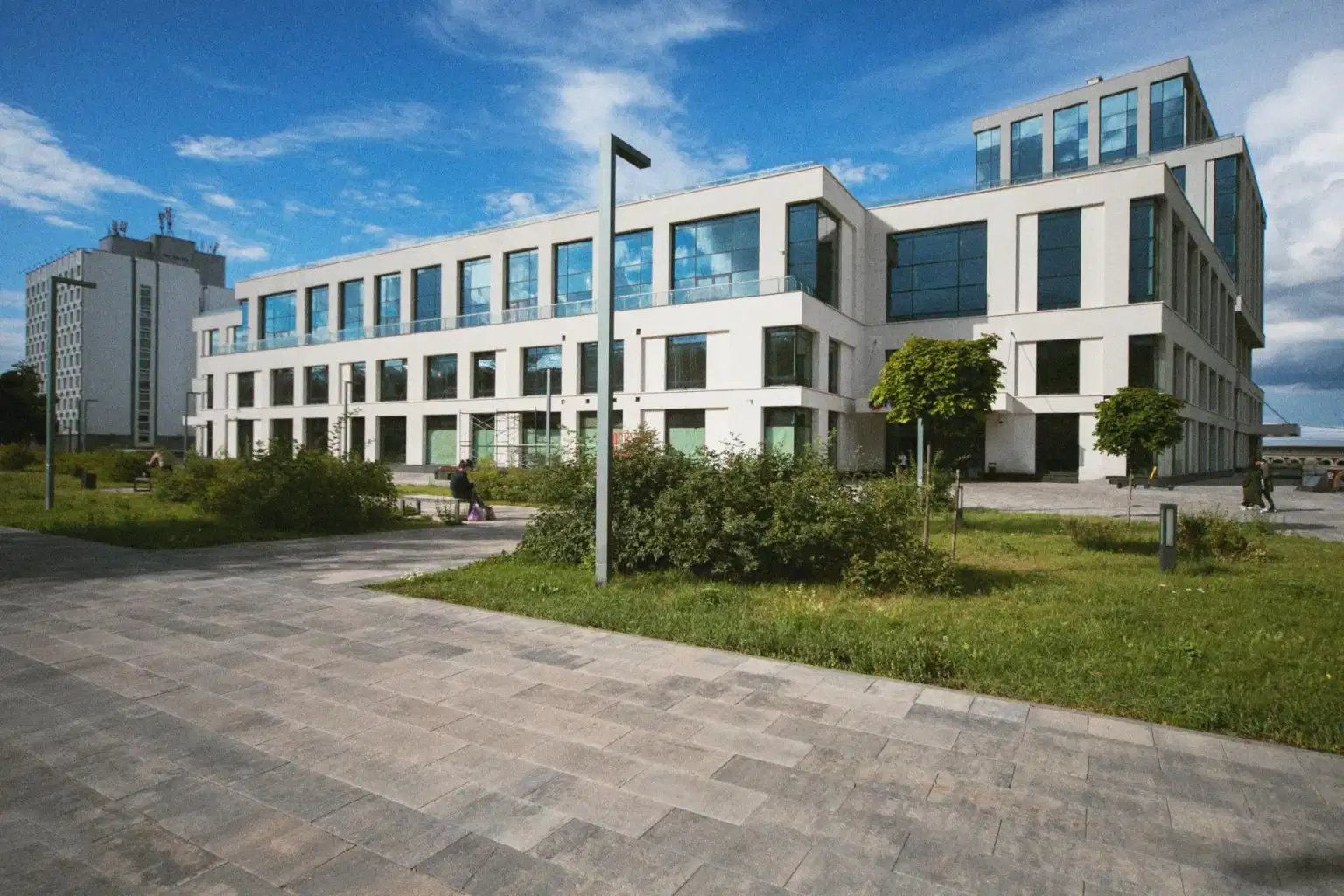
Radiology Treatment in New Delhi
Need Personalized Advice?
Our medical experts are ready to answer your questions and guide you through your treatment options.
About
Radiology Care in New Delhi | Access & Treatment Services
Patients seeking advanced radiology treatment in New Delhi will discover comprehensive and accessible care. New Delhi has established itself as a premier medical destination. It offers a broad spectrum of sophisticated diagnostic and interventional radiology services. These services are vital for accurate diagnoses and effective image-guided therapies.
Choosing New Delhi for radiology treatment provides numerous patient advantages. Individuals benefit from state-of-the-art facilities. They also receive care from highly skilled medical professionals. The city offers a well-organised pathway tailored for international patients. This ensures a smooth and comfortable healthcare experience from arrival.
Hospitals and diagnostic centers in New Delhi integrate cutting-edge technology. This ensures highly accurate diagnostics and effective, minimally invasive treatments. This commitment to innovation significantly elevates patient care standards. It spans across all modern radiology modalities. International patients can expect world-class services here.
Initiating Radiology Treatment in New Delhi
Starting your radiology journey in New Delhi is designed to be seamless for international visitors. The process typically begins with an initial online consultation. Patients submit their current medical reports for expert review. Our dedicated coordination teams then assist with all appointment scheduling. We help with visa arrangements and local accommodation if needed. All necessary pre-admission steps are carefully coordinated. This meticulous planning ensures a smooth transition to hospital care. You receive expert guidance and support at every stage of your treatment.
Radiology Facilities in New Delhi
- Modern diagnostic centers are equipped with advanced MRI, CT, and PET-CT scanners.
- Hospitals feature state-of-the-art interventional radiology suites for advanced procedures.
- Dedicated teams comprise highly experienced radiologists, nuclear medicine physicians, and skilled technologists.
- Access to cutting-edge imaging techniques ensures precise and timely diagnoses for various conditions.
- Infrastructure supports complex image-guided therapeutic procedures, minimizing invasiveness.
- Specialized departments focus on neuro-radiology, cardiac imaging, and oncology imaging for targeted care.
- Many patients consider the facilities in New Delhi to offer the best Radiology surgery alternatives for certain complex conditions, providing innovative, less invasive options.
Post-Treatment Care & Follow-up
Comprehensive follow-up care is a cornerstone after radiology treatment in New Delhi. Hospitals ensure the continuity of patient support. This includes scheduled in-person consultations with radiologists and referring physicians. Remote follow-ups are frequently arranged for international patients after they return home. Detailed medical reports and imaging studies are always provided. These steps ensure ongoing monitoring and continued support for recovery. Patient well-being remains a top priority even after discharge from the facility. The Radiology success rate in New Delhi is further bolstered by thorough post-procedure care protocols.
Cost of Radiology Treatment in New Delhi
The cost of Radiology Treatment in New Delhi is highly competitive on a global scale. It varies significantly based on the specific procedure required. Factors such as the type of technology used and the chosen hospital influence pricing. General diagnostic scans like X-rays differ greatly from complex interventional procedures. We provide transparent, comprehensive cost estimates for all radiology services. This allows patients to plan their medical journey with clear financial understanding.
| Radiology Procedure | Estimated Cost Range (USD) |
|---|---|
| MRI Scan (single region) | $150 - $400 |
| CT Scan (single region) | $100 - $350 |
| PET-CT Scan (full body) | $800 - $1500 |
| Interventional Procedure (minor) | $1000 - $3000 |
| X-ray / Ultrasound | $30 - $100 |
These figures represent a general range. Your final cost will depend on your specific clinical needs.
Choosing New Delhi for your radiology needs ensures both quality and affordability. Hospitals here prioritize patient comfort, safety, and advanced medical outcomes. Explore the comprehensive options for superior radiology care available. We encourage you to start your consultation process today for a well-informed decision.
Hospitals Offering this treatment
India offers premium medical procedures at affordable prices. Discover our most popular treatments, delivered by the country's finest doctors.
Meet Our Doctors
Meet our team of highly qualified and experienced medical professionals dedicated to providing the best healthcare services.

Dr. Abhinandan Mukhopadhyay
Sr. Consultant - Urology & Kidney Transplant Program (Unit I)
Urology, Kidney Transplant, Urological Cancers
Haryana
8+ Years
Experience
Artemis Hospital
Hospital
1500
Fees

Aditi Dixit
Sr. Consultant – Women Imaging
Radiology (Specializing in Women's Imaging)
Haryana
15+ Years
Experience
Artemis Hospital
Hospital
1500
Fees
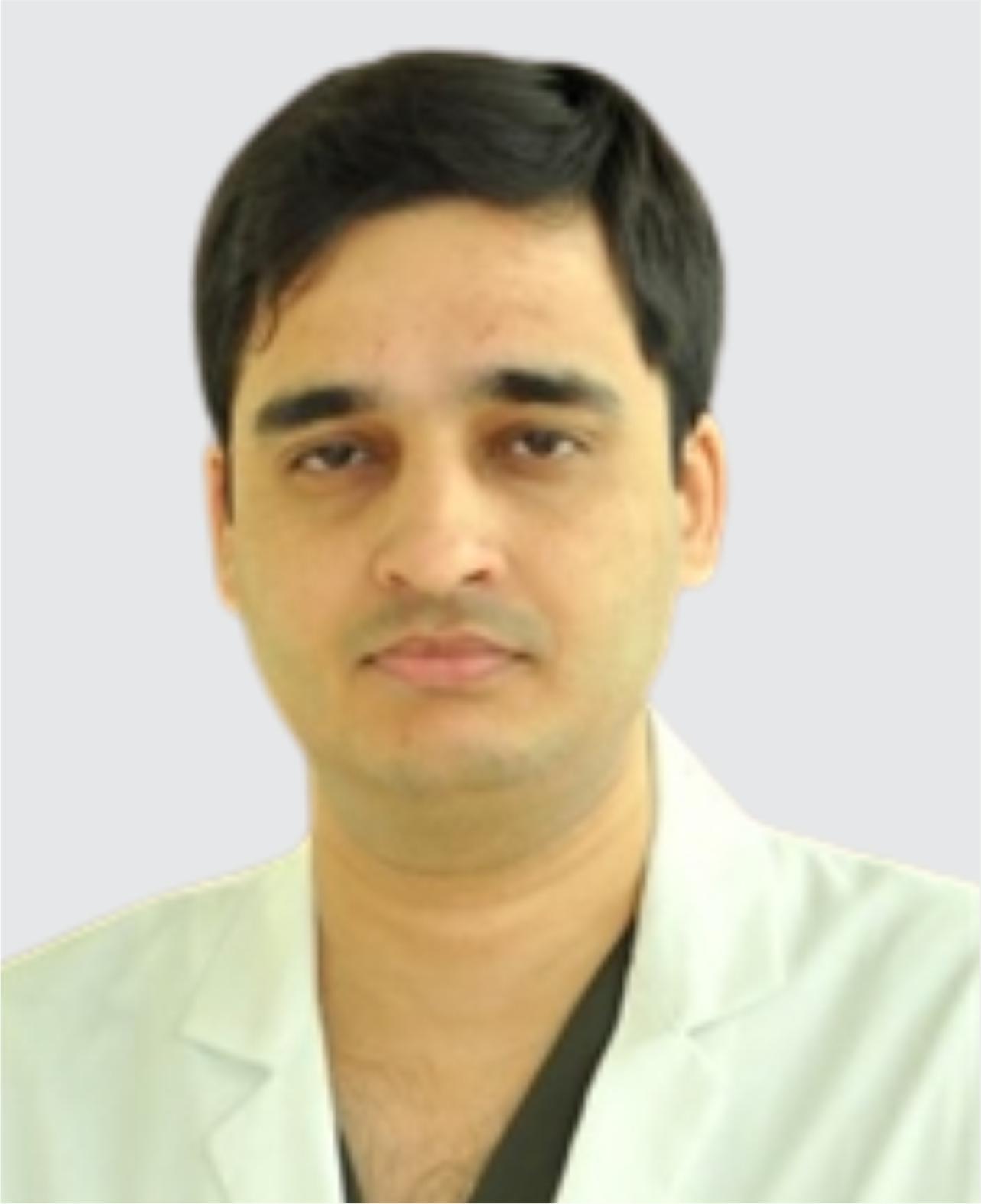
Dr. Amit Kalsotra
Sr. Consultant - Anaesthesia, Critical Care & Pain Management
Anaesthesia, Critical Care, Pain Management
New Delhi
15+ Years
Experience
Artemis Hospital
Hospital
1500
Fees
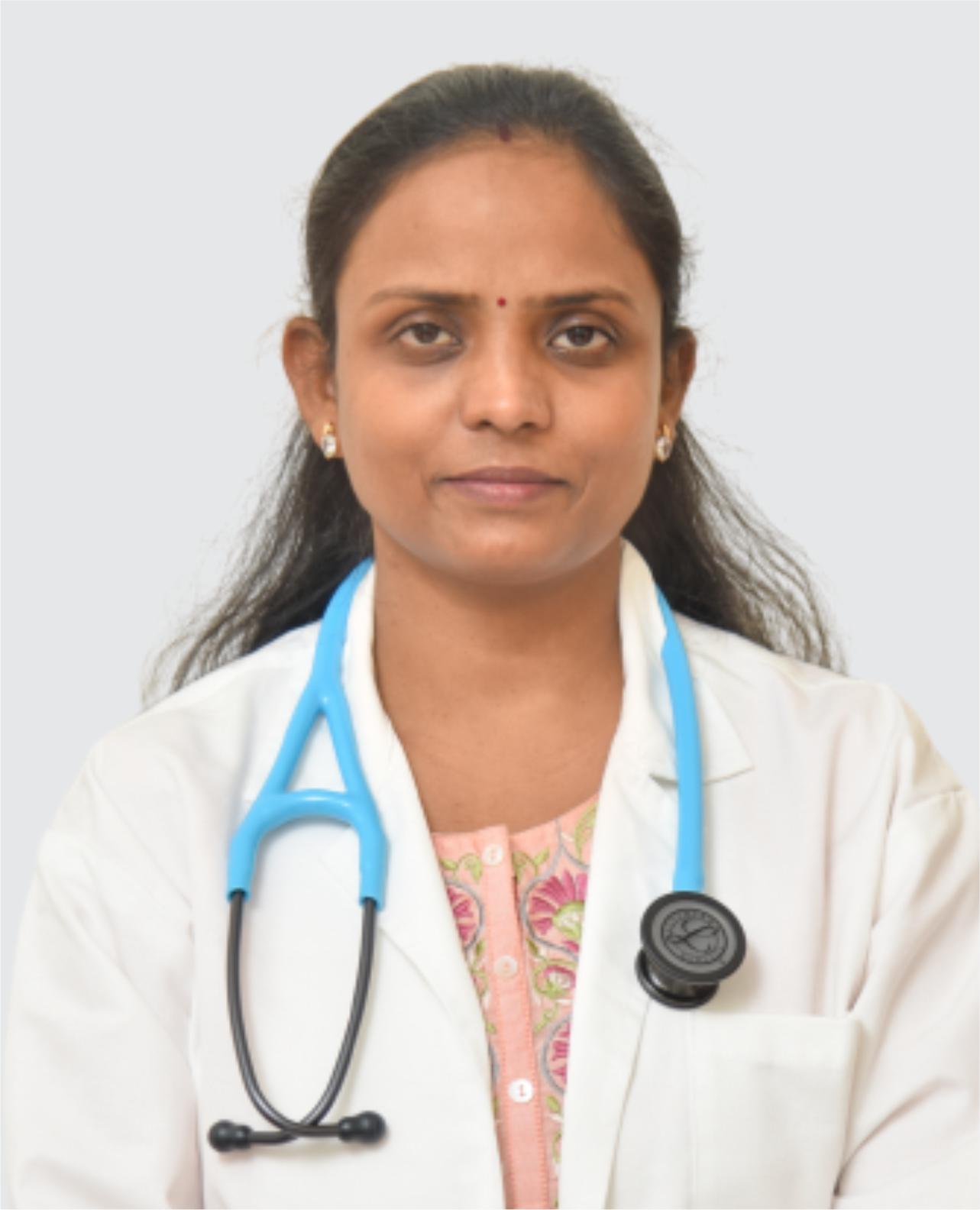
Dr. Anju Singh
Consultant - Pediatric Rheumatology
Pediatric Rheumatology
New Delhi
13+ Years
Experience
Artemis Hospital
Hospital
1500
Fees
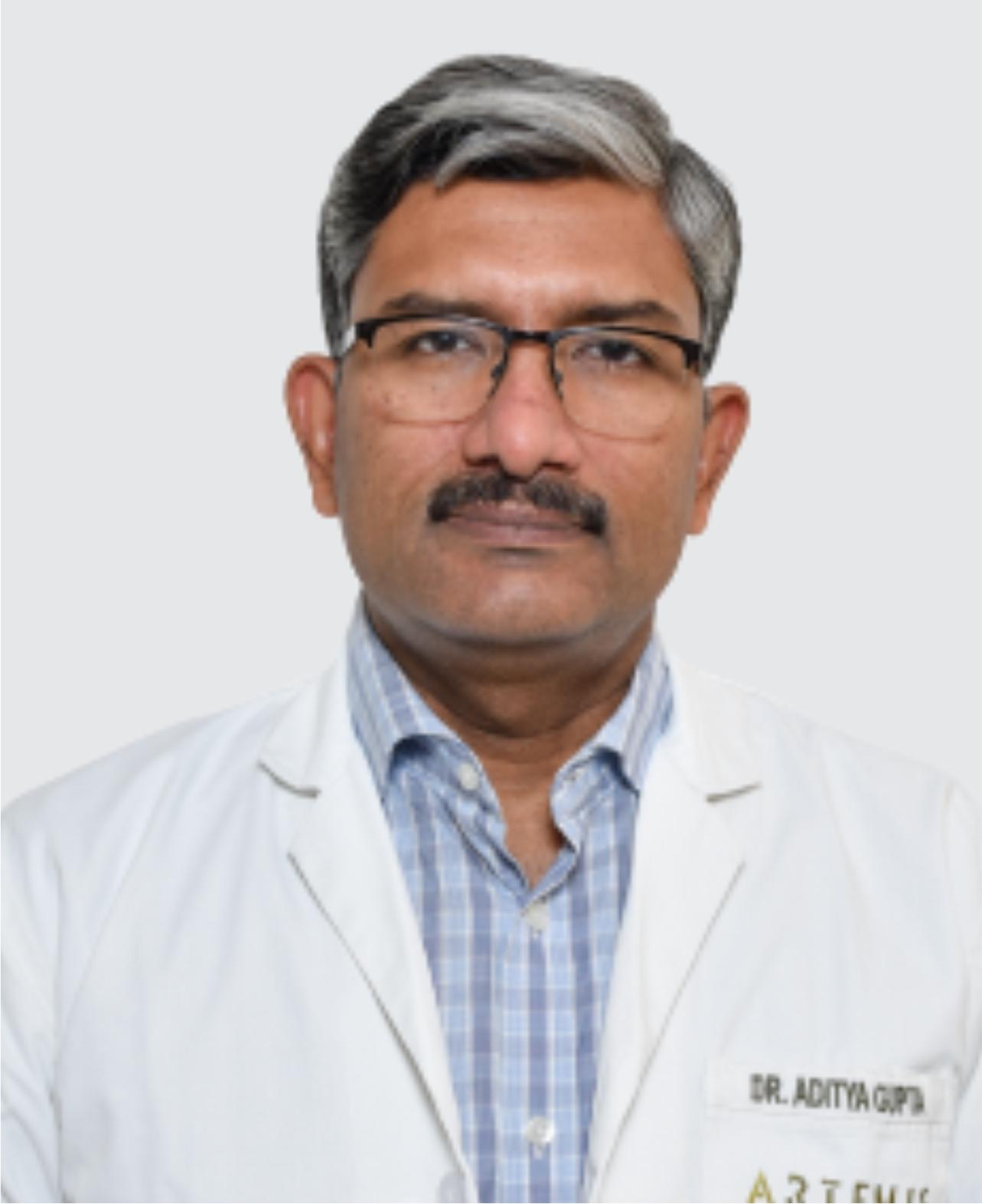
Dr. Aditya Gupta
Chairperson - Neurosurgery & CNS Radiosurgery & Co-Chief - Cyberknife Centre
Neurosurgery
New Delhi
32+ Years
Experience
Artemis Hospital
Hospital
1500
Fees
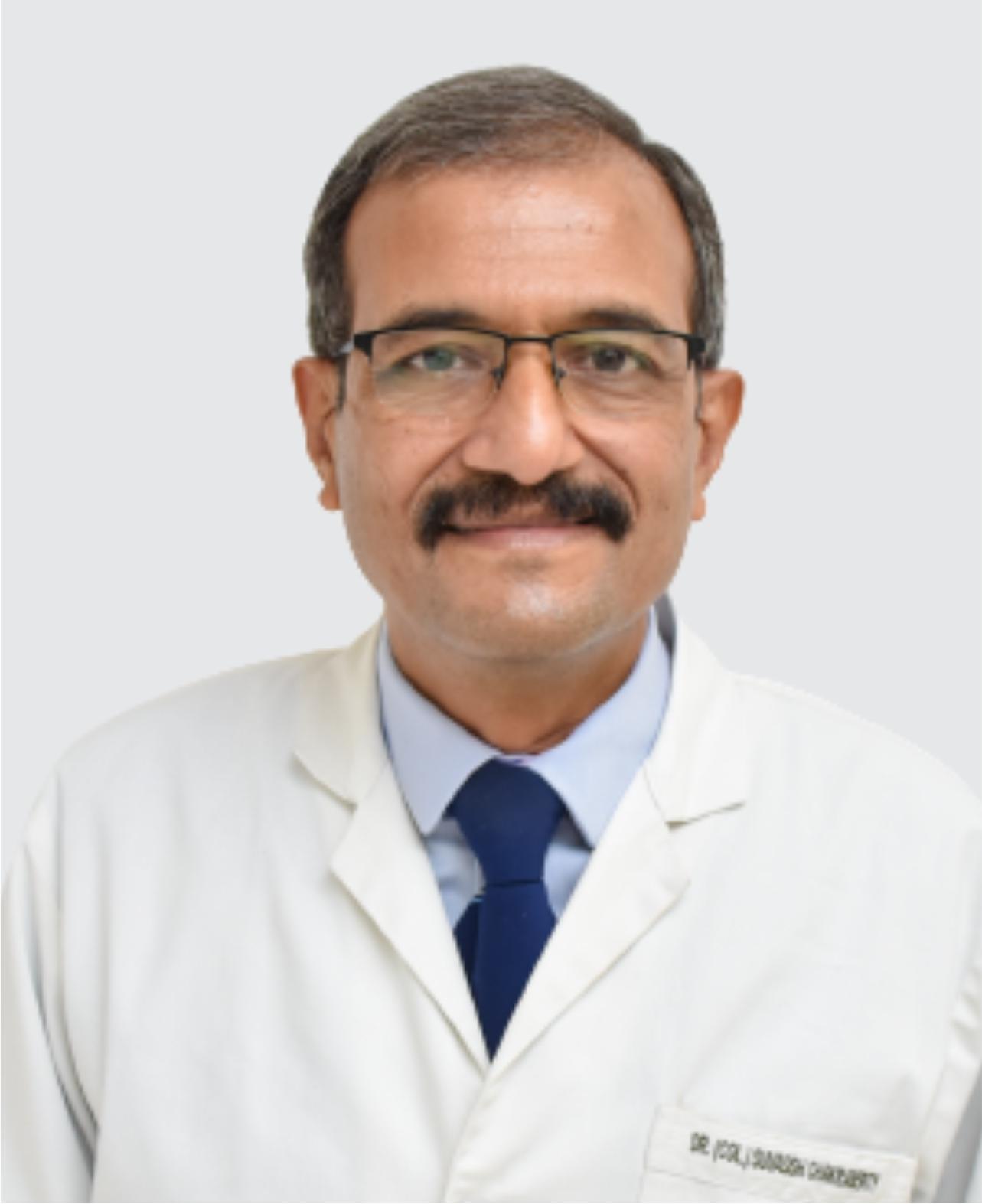
Dr. Chakraberty
Chief - Emergency
Emergency & Trauma Services
New Delhi
25+ Years
Experience
Artemis Hospital
Hospital
1500
Fees
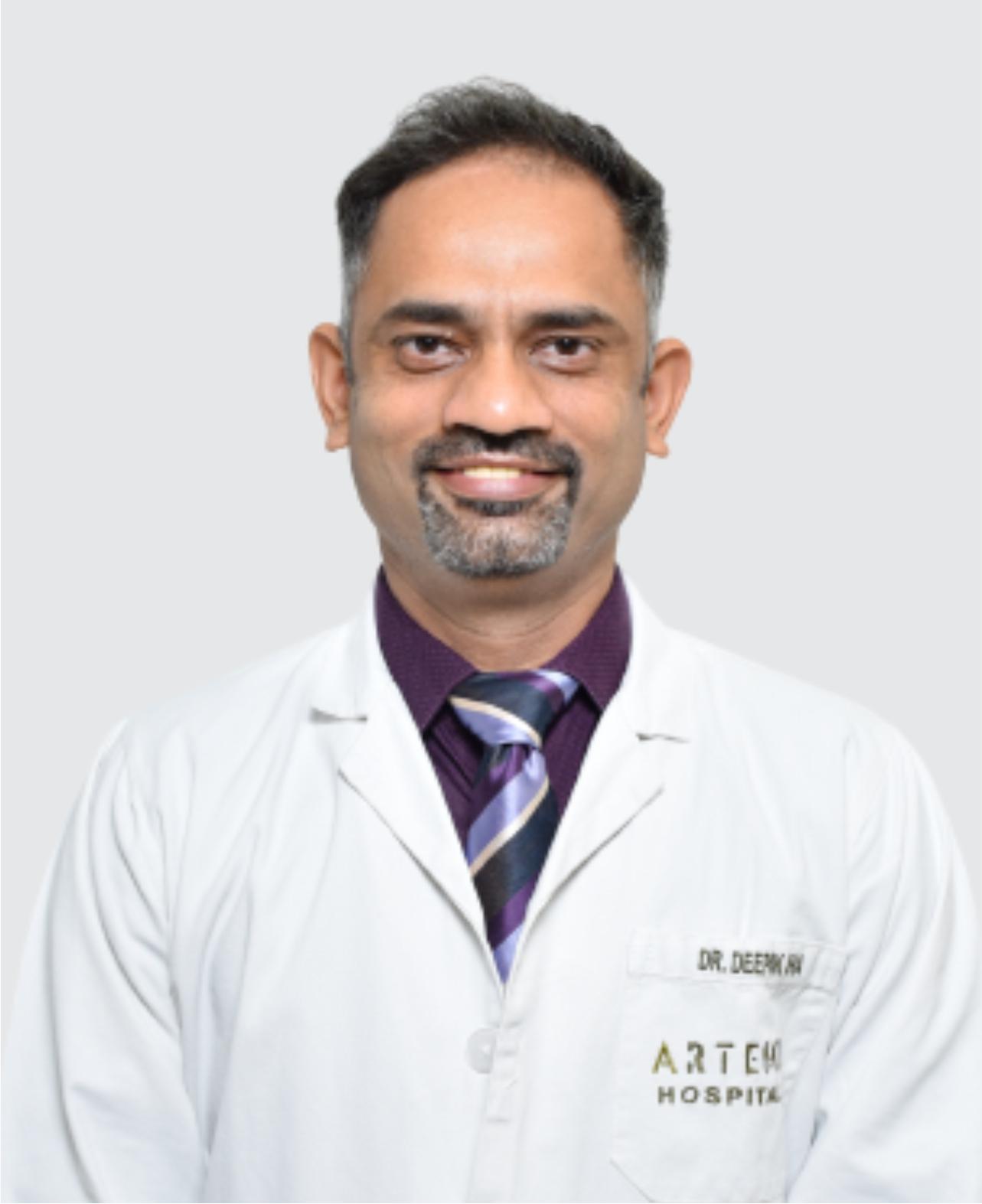
Dr. Deepak Jha
Chief - Breast Surgery & Sr. Consultant : Surgical Oncology
Breast Surgery, Oncology
New Delhi
15+ Years
Experience
Artemis Hospital
Hospital
1500
Fees
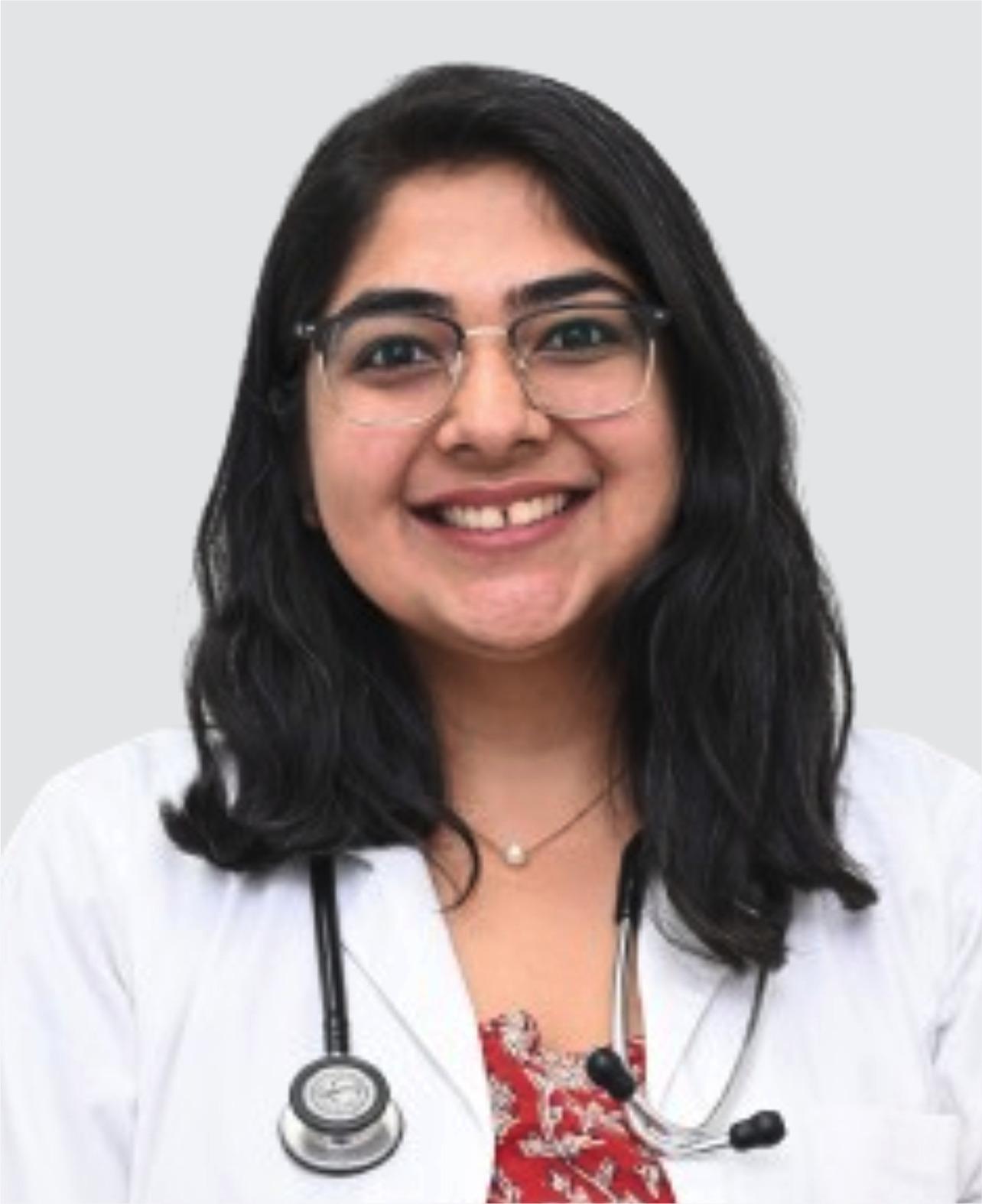
Dr. Meenal Thakral
Attending Consultant – Geriatric Medicine
Geriatric Medicine, Geriatric Surgery
New Delhi
3+ Years
Experience
Artemis Hospital
Hospital
1500
Fees
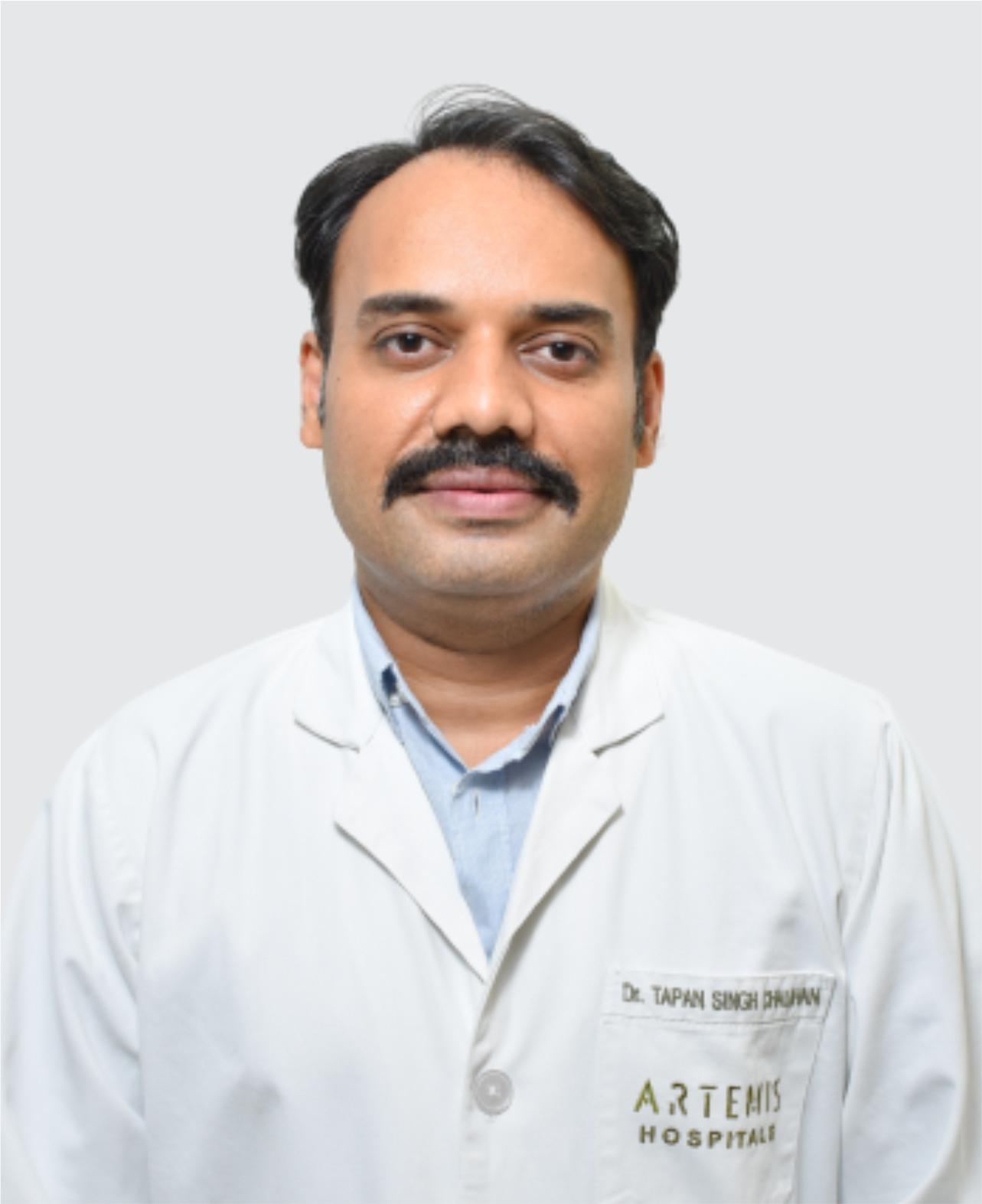
Dr. Tapan Singh Chauhan
Sr. Consultant - Surgical Oncology, Robotics, GI & HPB, Gynae & Peritoneal Surface Oncology
Oncology, Robotic Surgery
New Delhi
15+ Years
Experience
Artemis Hospital
Hospital
1500
Fees
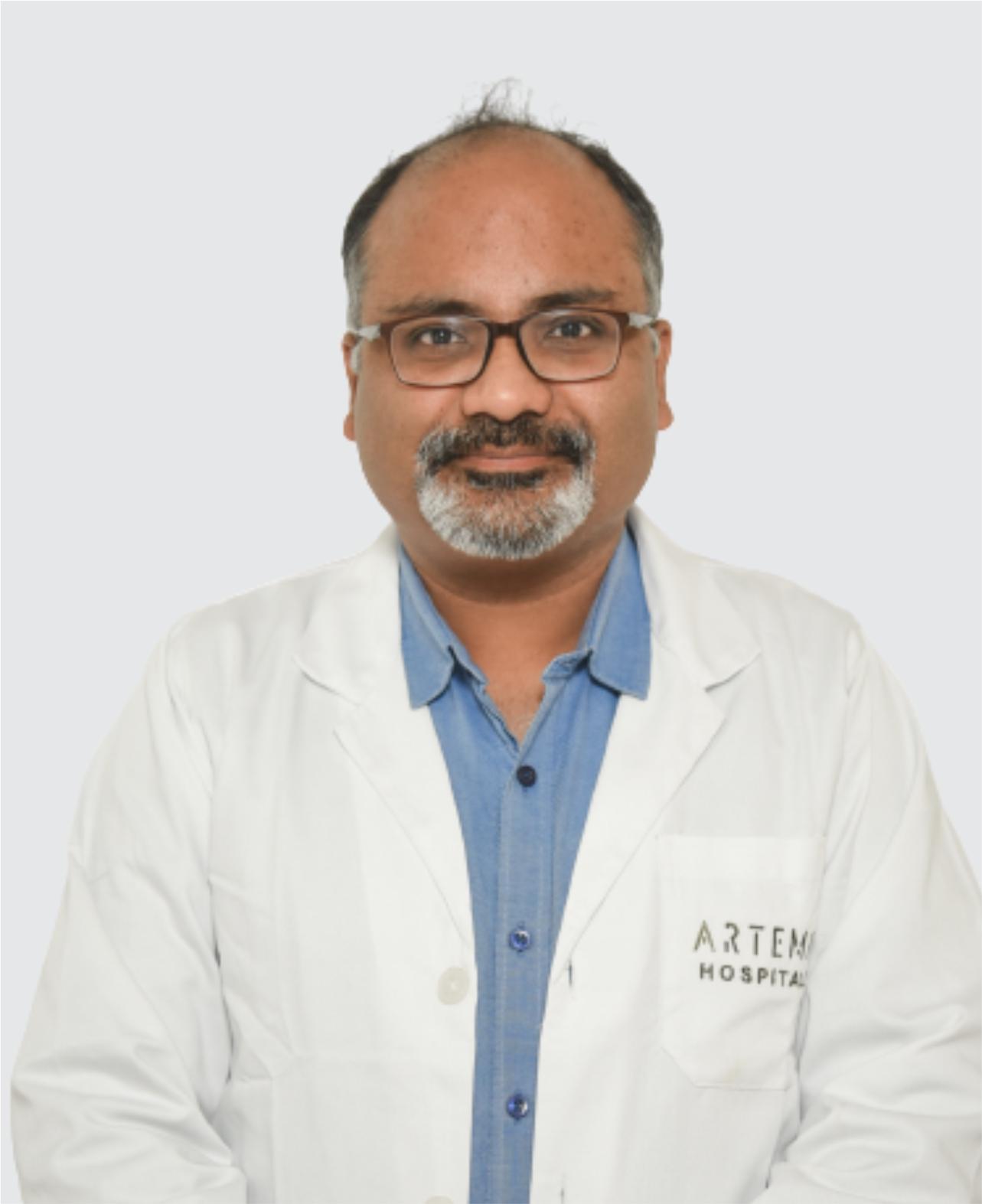
Dr. Varun Mittal
Head - Kidney Transplant & Associate Chief - Uro-Oncology & Robotic Surgery (Unit I)
Nephrology, Organ Transplant, Robotic Surgery, Urology
New Delhi
15+ Years
Experience
Artemis Hospital
Hospital
1500
Fees
Related Links
Recent Blogs
Other Treatment related Information
Ready To Start Your Healing Journey?
Get Personalized Medical Treatment Options From India's Top Hospitals. Our Medical Experts Are Ready To Assist You Every Step Of The Way.