Rhinoplasty (Nose Reshaping) Treatment in Gurugram for Nigeria
Need Personalized Advice?
Our medical experts are ready to answer your questions and guide you through your treatment options.
About
Rhinoplasty for Nigerian Patients in Gurugram | Cost & Care
Many individuals from Nigeria consider altering their nose shape for various reasons, ranging from enhancing facial harmony to correcting breathing issues. The decision to pursue Rhinoplasty can bring questions about finding the right expertise and a trustworthy medical environment.
For those seeking quality and value, Gurugram has emerged as a preferred destination. This city offers a well-coordinated healthcare experience, combining modern facilities with accessible specialist care, making it appealing for international patients.
Gurugram's hospitals and specialist plastic surgeons have a strong reputation for performing complex cosmetic procedures. Patients find reassurance in the city's advanced medical infrastructure and dedicated post-procedure support, ensuring a smoother recovery journey.
Is Gurugram the ideal choice for your Rhinoplasty journey?
What is Rhinoplasty (Nose Reshaping)?
Rhinoplasty, commonly known as a nose job, is a surgical procedure designed to reshape the nose. It can address aesthetic concerns such as size, shape, and proportion relative to other facial features, or correct structural problems that hinder breathing. The goal is to create a more balanced and harmonious facial appearance while maintaining or improving nasal function. This procedure is highly individualized, tailored to each patient's unique facial anatomy and desired outcomes.
Types of Rhinoplasty Procedures
Rhinoplasty can be performed using different surgical techniques, depending on the patient's specific needs and the surgeon's approach:
- Open Rhinoplasty: This technique involves a small incision made across the columella, the narrow strip of skin between the nostrils. This allows the surgeon direct visibility and access to the underlying bone and cartilage, enabling precise reshaping.
- Closed Rhinoplasty: In this approach, all incisions are made inside the nostrils, leaving no visible external scars. It is often preferred for less extensive reshaping or minor adjustments to the nose.
- Revision Rhinoplasty: This procedure is performed to correct issues from a previous nose surgery. It requires a highly skilled surgeon due to the altered anatomy and scar tissue from the initial operation.
- Ethnic Rhinoplasty: This specialized form of Rhinoplasty respects and preserves the unique characteristics of a patient's ethnic background while achieving their desired aesthetic improvements. It focuses on enhancing features rather than altering ethnic identity.
- Septorhinoplasty: This combines Rhinoplasty with a septoplasty, a procedure to correct a deviated septum. It addresses both cosmetic concerns and improves breathing by straightening the nasal septum.
When is Rhinoplasty Required?
- To correct a nose that appears disproportionately large or small for the face.
- To resolve issues with the width of the nose at the bridge or the size and position of the nostrils.
- To remove a prominent hump or indentation on the nasal bridge.
- To refine a bulbous, drooping, or hooked nasal tip.
- To address asymmetry or crookedness of the nose.
- To improve breathing difficulties caused by structural problems within the nose, such as a deviated septum.
- To repair nasal deformities resulting from injury or congenital conditions.
Pre-Treatment Evaluation for Rhinoplasty
- Comprehensive Medical History: A detailed review of past surgeries, medical conditions, medications, and allergies to ensure patient suitability for surgery.
- Physical Examination of the Nose and Face: A thorough assessment of nasal structure, skin quality, and facial symmetry to plan the optimal surgical approach.
- Detailed Photographic Documentation: Multiple angles of the face and nose are photographed to aid in surgical planning and to track post operative changes.
- Discussion of Aesthetic Goals: An in depth consultation to understand the patient's expectations and to establish realistic outcomes.
- Pre-Operative Blood Tests: Standard blood work to check general health and ensure safe anesthesia administration.
- Imaging Studies: In some cases, a CT scan may be recommended to assess internal nasal structures, especially if breathing issues are a concern.
How the Rhinoplasty Procedure is Performed
The Rhinoplasty procedure is typically performed under general anesthesia, ensuring the patient's comfort. The specific steps vary based on the chosen technique and the extent of reshaping required.
Surgical Steps:
- Anesthesia: General anesthesia is administered to keep the patient asleep and comfortable throughout the surgery.
- Incisions: For open Rhinoplasty, a small incision is made across the columella, between the nostrils. For closed Rhinoplasty, all incisions are made discreetly inside the nostrils.
- Reshaping the Nose: The skin and soft tissues are carefully lifted to allow the surgeon access to the underlying bone and cartilage. Excess bone or cartilage may be removed, or cartilage grafts (often taken from the septum, ear, or rib) may be added to reshape the nose, enhance projection, or provide support.
- Correcting Structural Issues: If a deviated septum or other internal problems are causing breathing difficulties, these are corrected during the procedure.
- Repositioning Skin and Closing Incisions: Once the desired shape is achieved, the skin and tissue are redraped over the new framework. The incisions are then closed with sutures.
- Splinting and Dressing: A splint, either external or internal, is usually applied to help maintain the new shape of the nose during the initial healing phase.
Recovery Process After Rhinoplasty
The recovery period following Rhinoplasty involves a few key stages. Patients typically wear a splint or cast on their nose for about one week to protect the new structure. Swelling and bruising around the eyes and nose are common and usually subside significantly within two to three weeks, though residual swelling can last for several months. Pain is generally manageable with prescribed medication. Patients are advised to avoid strenuous activities, blowing their nose forcefully, and wearing glasses that rest on the bridge of the nose for several weeks. Follow up appointments are crucial for monitoring healing and removing any non dissolvable sutures or splints. Full results emerge gradually as all swelling resolves, which can take up to a year or more.
Risks and Success Rates of Rhinoplasty
- Unfavorable scarring, though often minimal.
- Infection at the surgical site.
- Numbness or changes in skin sensation around the nose.
- Difficulty breathing through the nose.
- Asymmetry of the nose.
- Persistent swelling or bruising.
- Potential for unsatisfactory cosmetic outcome, sometimes requiring revision surgery.
- Reactions to anesthesia.
Rhinoplasty generally boasts high success rates, with many patients achieving significant satisfaction with their improved nasal appearance and function. Success largely depends on the surgeon's experience, the patient's realistic expectations, and diligent adherence to post operative care instructions. While immediate results are visible, the final outcome matures over several months as swelling completely resolves. Long term success is tied to individual healing capabilities and the complexity of the initial procedure, with outcomes varying from subtle enhancements to dramatic transformations.
Considering Rhinoplasty in Gurugram?
Connect with our Gurugram specialists to understand your options and receive personalized treatment plans.
Get a Free Consultation
Cost of Rhinoplasty in Gurugram
The cost of Rhinoplasty in Gurugram can vary based on several factors, including the complexity of the procedure, the surgeon's experience and reputation, the hospital facility chosen, and whether it is a primary or revision surgery. Additional costs may include anesthesia fees, pre operative tests, and post operative medications.
In Gurugram, the estimated cost for Rhinoplasty typically ranges from INR 1,50,000 to INR 3,50,000.
Gurugram Rhinoplasty Cost Compared Globally
Gurugram offers a highly competitive pricing structure for Rhinoplasty without compromising on quality, making it an attractive option for international patients seeking advanced medical care.
| Location | Estimated Cost Range |
|---|---|
| Gurugram, India | INR 1,50,000 to 3,50,000 |
| United States | USD 6,000 to 15,000 |
| United Kingdom | GBP 4,000 to 9,000 |
| Singapore | SGD 8,000 to 15,000 |
| Thailand | THB 100,000 to 250,000 |
Support Services for Your Treatment Journey
- Assistance with medical visa applications and necessary documentation.
- Arrangement of airport transfers and local transportation within Gurugram.
- Booking suitable accommodation options for patients and their companions.
- Dedicated language interpretation services for seamless communication.
- Scheduling all medical appointments and follow up consultations.
- Guidance for local SIM card and internet access.
- Post recovery support and rehabilitation planning.
Essential Papers for Your Medical Visit
- A valid passport with at least six months validity.
- A copy of your medical visa for India.
- Comprehensive medical reports and history from your home country.
- Any referral letters from your primary care physician.
- Proof of accommodation arrangements in Gurugram.
- Travel insurance documents, if applicable.
- A list of current medications you are taking.
Preparing for Your Procedure in Gurugram
- Cease smoking and alcohol consumption several weeks before surgery to promote better healing.
- Avoid specific medications like aspirin, ibuprofen, and certain herbal supplements that can increase bleeding risk.
- Arrange for a companion to support you during your stay and assist post surgery.
- Follow fasting instructions provided by your medical team before the anesthesia.
- Ensure all necessary medical evaluations and consultations are completed prior to the scheduled date.
- Pack comfortable, loose fitting clothing that can be easily worn without pulling over your head.
Guidance for Recovery and Aftercare
- Adhere strictly to all post operative medication schedules for pain and infection prevention.
- Keep your head elevated, especially while sleeping, to minimize swelling.
- Avoid strenuous activities, heavy lifting, and bending over for several weeks.
- Protect your nose from any accidental bumps or pressure.
- Refrain from blowing your nose forcefully for at least two weeks.
- Attend all scheduled follow up appointments with your surgeon.
- Be patient with the healing process, as final results will unfold gradually.
Ready to Begin Your Transformation?
Embark on your journey to a renewed appearance with expert care in Gurugram. Our dedicated team is here to guide you at every step.
Plan Your Rhinoplasty with Gurugram's Experts
Reach out today for detailed information on hospitals, surgeons, and customized treatment options.
Contact Us Now
Hospitals Offering this treatment
India offers premium medical procedures at affordable prices. Discover our most popular treatments, delivered by the country's finest doctors.
Meet Our Doctors
Meet our team of highly qualified and experienced medical professionals dedicated to providing the best healthcare services.

Dr. Ajit Singh Baghela
Consultant
Paediatric Neurology
Haryana
9+ Years
Experience
Artemis Hospital
Hospital
1500
Fees

Dr. Rati Bansal Goel
Director
Cosmetic & Reconstructive Surgery
New Delhi
18+ Years
Experience
Artemis Hospital
Hospital
1500
Fees
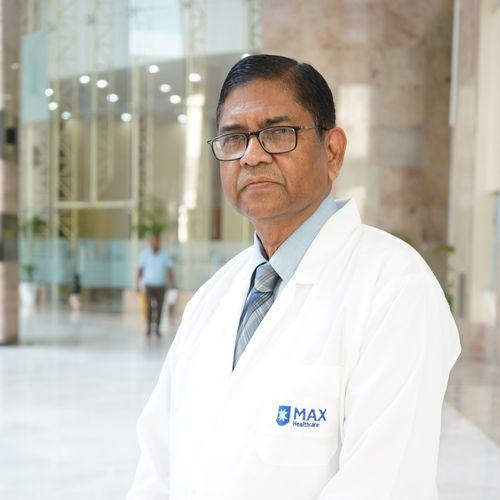
Dr. Nakul Sinha
Chairman - Cardiology
Cardiology
New Delhi
41+ Years
Experience
Max Hospital,Gurgaon
Hospital
1500
Fees
Related Links
Other Treatment related Information
Ready To Start Your Healing Journey?
Get Personalized Medical Treatment Options From India's Top Hospitals. Our Medical Experts Are Ready To Assist You Every Step Of The Way.