Rhinoplasty (Nose Reshaping) Treatment in Gurugram for UAE
Need Personalized Advice?
Our medical experts are ready to answer your questions and guide you through your treatment options.
About
Rhinoplasty in Gurugram for UAE Patients | Costs & Care
For many patients in the UAE considering rhinoplasty, or nose reshaping, the thought of achieving a balanced and natural facial appearance comes with important questions. You might wonder about the procedure's safety, the surgeon's skill, and how to ensure results that harmonize with your unique features. Finding a trusted medical destination is a primary concern.
Gurugram has emerged as a preferred destination for international patients seeking specialized cosmetic procedures like rhinoplasty. Its advanced medical infrastructure, access to highly experienced plastic surgeons, and focus on patient-centric care make it an attractive option for those looking beyond their home country for quality treatment.
Trust in Gurugram's healthcare ecosystem is built on modern hospitals equipped with the latest technology and a panel of renowned specialists. The city offers a seamless experience, from initial consultations to post-operative follow-ups, ensuring comprehensive care throughout your treatment journey.
Could Gurugram provide the expert rhinoplasty solution you are looking for?
What is Rhinoplasty (Nose Reshaping)?
Rhinoplasty, commonly known as a "nose job," is a surgical procedure designed to reshape the nose. It can enhance facial harmony and correct breathing problems caused by structural defects in the nose. This procedure can change the size, angle, and shape of the nose, narrow the nostrils, or modify the tip. The goal is to create a nose that blends aesthetically with other facial features while maintaining or improving nasal function.
What are the Different Types of Rhinoplasty?
Rhinoplasty can be tailored to individual needs, involving various techniques:
- Open Rhinoplasty: Involves a small incision across the columella (the strip of skin between the nostrils) to lift the skin and allow the surgeon full visibility of the underlying nasal structures.
- Closed Rhinoplasty: All incisions are made inside the nostrils, leaving no visible external scars. This technique offers a more limited view but can be suitable for certain adjustments.
- Revision Rhinoplasty: Performed to correct or improve the results of a previous nose surgery, often more complex due to altered anatomy.
- Septorhinoplasty: Combines rhinoplasty with septoplasty to correct a deviated septum, addressing both aesthetic concerns and breathing difficulties.
- Tip Plasty: Specifically focuses on reshaping the nasal tip without altering other parts of the nose.
- Filler Rhinoplasty (Non-Surgical): Uses injectable dermal fillers to temporarily alter the shape of the nose, ideal for minor corrections or augmenting certain areas.
When is Nose Reshaping Treatment Required?
- Dissatisfaction with the overall size or proportion of the nose relative to the face.
- Presence of a prominent hump or depression on the bridge of the nose.
- Asymmetry of the nose, affecting facial balance.
- Desire to refine a broad or bulbous nasal tip.
- Need to narrow wide nostrils.
- Breathing difficulties caused by structural issues like a deviated septum.
- Correction of nasal deformities resulting from injury or birth defects.
What Pre-Treatment Evaluations are Necessary for Rhinoplasty?
- Comprehensive Medical History: Review of past surgeries, existing medical conditions, and current medications.
- Physical Examination: Detailed assessment of the external and internal nasal structures, skin quality, and facial symmetry.
- Photography and 3D Imaging: Standardized photographs are taken from various angles, sometimes with 3D imaging, to plan the surgery and discuss expected outcomes.
- Blood Tests: Routine blood work to ensure overall health and suitability for surgery.
- Nasal Endoscopy: In some cases, to examine the inside of the nose, especially if breathing issues are present.
- Discussion of Goals: An in-depth consultation with the surgeon to align on aesthetic goals and understand realistic expectations.
How is the Rhinoplasty Procedure Performed?
The specific approach to rhinoplasty depends entirely on your individual anatomy, desired outcome, and the surgeon's recommendation.
The general steps involved in surgical rhinoplasty include:
Anesthesia
Rhinoplasty is typically performed under general anesthesia, ensuring you are comfortable and asleep throughout the procedure. Local anesthesia with sedation may also be an option for less complex cases.
Incision
The surgeon will make incisions either inside the nose (closed rhinoplasty) or externally across the columella (open rhinoplasty), depending on the chosen technique. This allows access to the bone and cartilage beneath the skin.
Reshaping the Nose
Once the structures are exposed, the surgeon carefully reshapes the bone and cartilage. This may involve removing bone or cartilage, adding grafts (often from your septum, ear, or rib), or repositioning tissues to achieve the desired contour. Issues like a hump reduction, tip refinement, or nostril narrowing are addressed here.
Correcting Structural Issues
If breathing problems exist due to a deviated septum, the septum will be straightened during this stage (septoplasty) to improve airflow.
Closing the Incisions
After reshaping, the skin and tissues are redraped over the new framework, and incisions are carefully closed with sutures. A splint or cast, either internal or external, may be applied to help maintain the new shape during the initial healing phase.
What is the Recovery Process Like After Rhinoplasty?
The initial recovery period for rhinoplasty typically involves swelling, bruising around the eyes and nose, and discomfort. A splint or cast usually remains in place for about a week. Most significant bruising fades within 2-3 weeks, but residual swelling can take several months, and sometimes up to a year, to fully resolve. Patients are advised to avoid strenuous activities, blowing their nose forcefully, and wearing glasses that rest on the bridge of the nose for a few weeks. Follow-up appointments are crucial to monitor healing and remove any non-dissolvable sutures or splints. Final results become apparent as swelling completely subsides.
What are the Risks and Success Rates of Rhinoplasty?
- Infection, though rare, can occur at the surgical site.
- Bleeding, both during and after the procedure.
- Adverse reaction to anesthesia.
- Numbness or altered sensation in the nasal area.
- Difficulty breathing through the nose, which may be temporary or persistent.
- Asymmetry or uneven contours, potentially requiring revision surgery.
- Scarring, particularly with open rhinoplasty, though usually minimal and well-hidden.
- Skin discoloration or changes in skin sensitivity.
Rhinoplasty generally boasts high success rates, with many patients achieving significant satisfaction with their new nasal appearance and improved breathing. Success depends heavily on realistic patient expectations and the surgeon's expertise. While results are typically long-lasting, minor changes can occur over time due to aging. It's important to understand that outcomes vary, and in some cases, a secondary procedure might be considered to refine the results further.
Ready to Discuss Your Rhinoplasty?
Connect with our Gurugram specialists today for a personalized consultation and treatment plan.
Get a Free Quote
What is the Cost of Rhinoplasty in Gurugram?
The cost of rhinoplasty in Gurugram can vary significantly based on several factors. These include the complexity of the procedure, the specific surgical technique used (open, closed, revision), the surgeon's experience and reputation, the hospital's facilities and chosen room category, and the duration of your stay. Additional costs may involve pre-operative tests, anesthesia fees, post-operative medications, and follow-up consultations.
Typically, the cost for rhinoplasty in Gurugram can range from INR 1,20,000 to INR 3,50,000.
Comparing Rhinoplasty Costs: Gurugram vs. Global Destinations
Gurugram offers a highly competitive option for rhinoplasty compared to many international medical hubs, providing advanced care at a fraction of the cost.
| Location | Estimated Cost (USD) |
|---|---|
| Gurugram, India | $1,500 - $4,500 |
| United States | $6,000 - $15,000 |
| United Kingdom | $7,000 - $12,000 |
| Turkey | $3,000 - $7,000 |
| Thailand | $2,500 - $6,000 |
Comprehensive Support Services for Your Gurugram Rhinoplasty Journey
- Travel and Accommodation Assistance: Guidance on visa applications, flight bookings, and arranging comfortable stays near the hospital.
- Appointment Scheduling: Efficient coordination of all your medical appointments, from initial consultation to follow-up visits.
- Language Interpretation: Access to interpreters to ensure clear communication between you and your medical team.
- Local Transportation: Help with arranging transport for hospital visits and other local needs.
- Dedicated Patient Coordinator: A single point of contact to assist with all non-medical aspects of your trip and treatment.
Essential Papers for Your Rhinoplasty in Gurugram
- Valid Passport and Visa: Necessary for international travel and medical treatment in India.
- Medical Records: Any previous medical reports, imaging, or consultation notes related to your nasal condition or general health.
- Referral Letter (if applicable): A letter from your local physician outlining your need for rhinoplasty.
- Travel Insurance Documents: Important for unforeseen circumstances during your trip.
- Proof of Funds: Documentation to cover your medical expenses and stay.
Key Preparations Before Your Nose Reshaping Procedure
- Smoking Cessation: Stop smoking several weeks before surgery to improve healing and reduce complications.
- Medication Review: Discuss all medications, supplements, and herbal remedies with your surgeon, as some may need to be stopped before surgery.
- Avoid Alcohol: Refrain from consuming alcohol in the days leading up to your procedure.
- Arrange Support: Plan for a companion to assist you during your initial recovery phase in Gurugram.
- Fasting Instructions: Follow specific dietary and fasting guidelines provided by your medical team before anesthesia.
Aftercare and Recovery Following Your Rhinoplasty
- Follow Medication Prescriptions: Take all prescribed pain relievers and antibiotics as directed to manage discomfort and prevent infection.
- Keep Head Elevated: Sleep with your head elevated for several days to minimize swelling.
- Avoid Strenuous Activities: Refrain from heavy lifting, bending, and exercise for several weeks.
- Protect Your Nose: Avoid bumping your nose and protect it from sun exposure.
- Attend Follow-Up Appointments: Crucial for monitoring healing, removing splints or sutures, and addressing any concerns.
- Diet and Hydration: Maintain a soft diet and stay well-hydrated to support recovery.
Ready to Explore Your Options?
Embark on your journey towards the refined appearance you desire with the expert care available in Gurugram. Our team is here to guide you every step of the way.
Begin Your Consultation for Rhinoplasty in Gurugram
Reach out to us to schedule your appointment and receive tailored information about your treatment.
Contact Us Now
Hospitals Offering this treatment
India offers premium medical procedures at affordable prices. Discover our most popular treatments, delivered by the country's finest doctors.
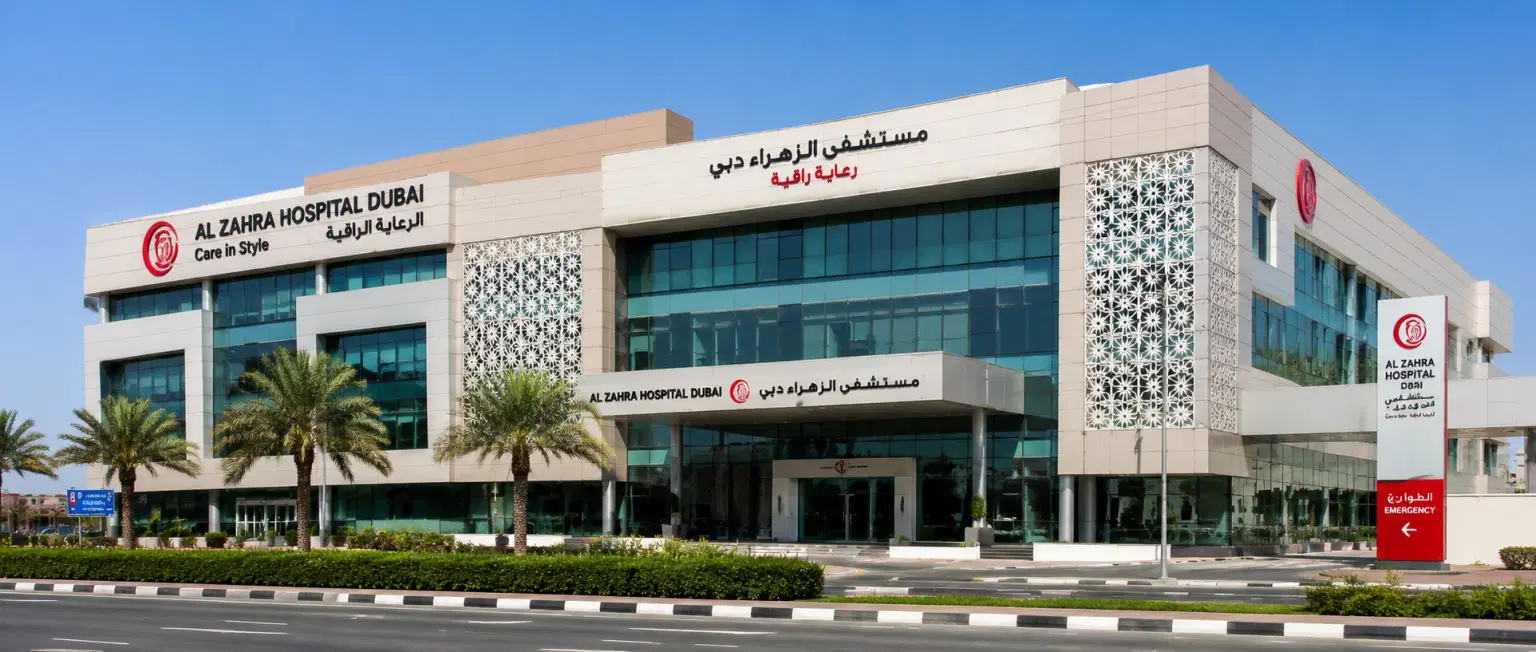
Al Zahra Hospital, Dubai
Sheikh Zayed Road, Al Barsha 1, Dubai, UAE
Al Zahra Hospital, Dubai
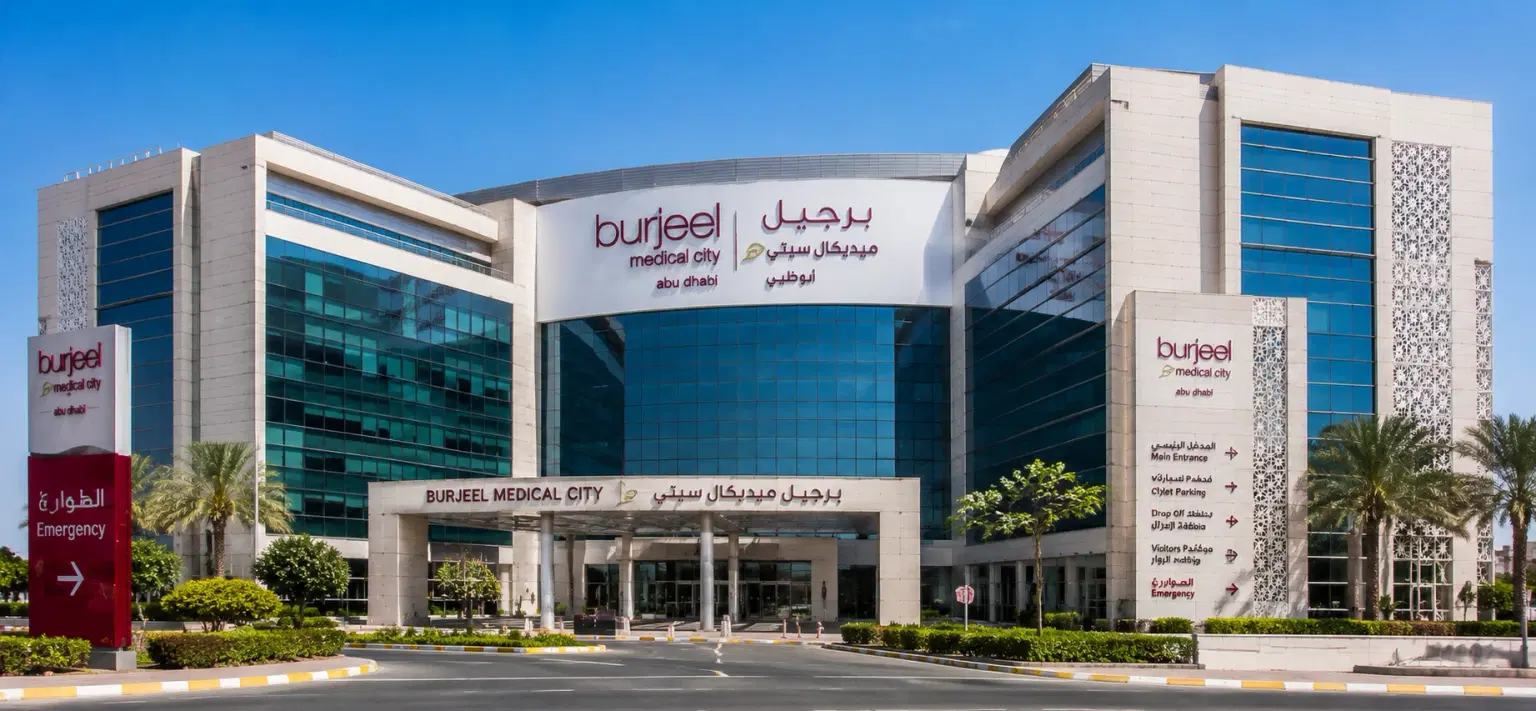
Burjeel Medical City, Abu Dhabi
28th Street, Mohammed Bin Zayed City, Abu Dhabi, UAE
Burjeel Medical City, Abu Dhabi
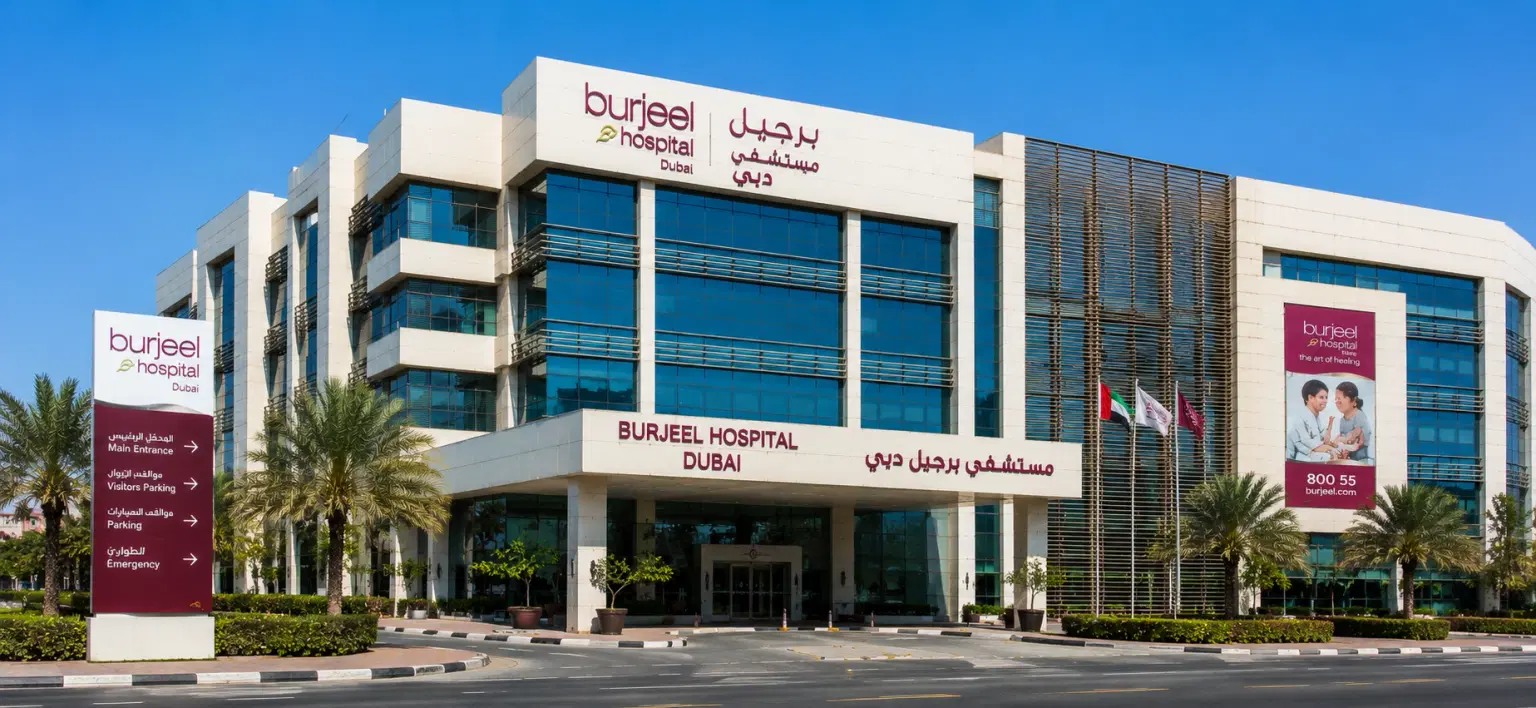
Burjeel Hospital, Dubai
Dubai, UAE (part of Burjeel Holdings network)
Burjeel Hospital, Dubai
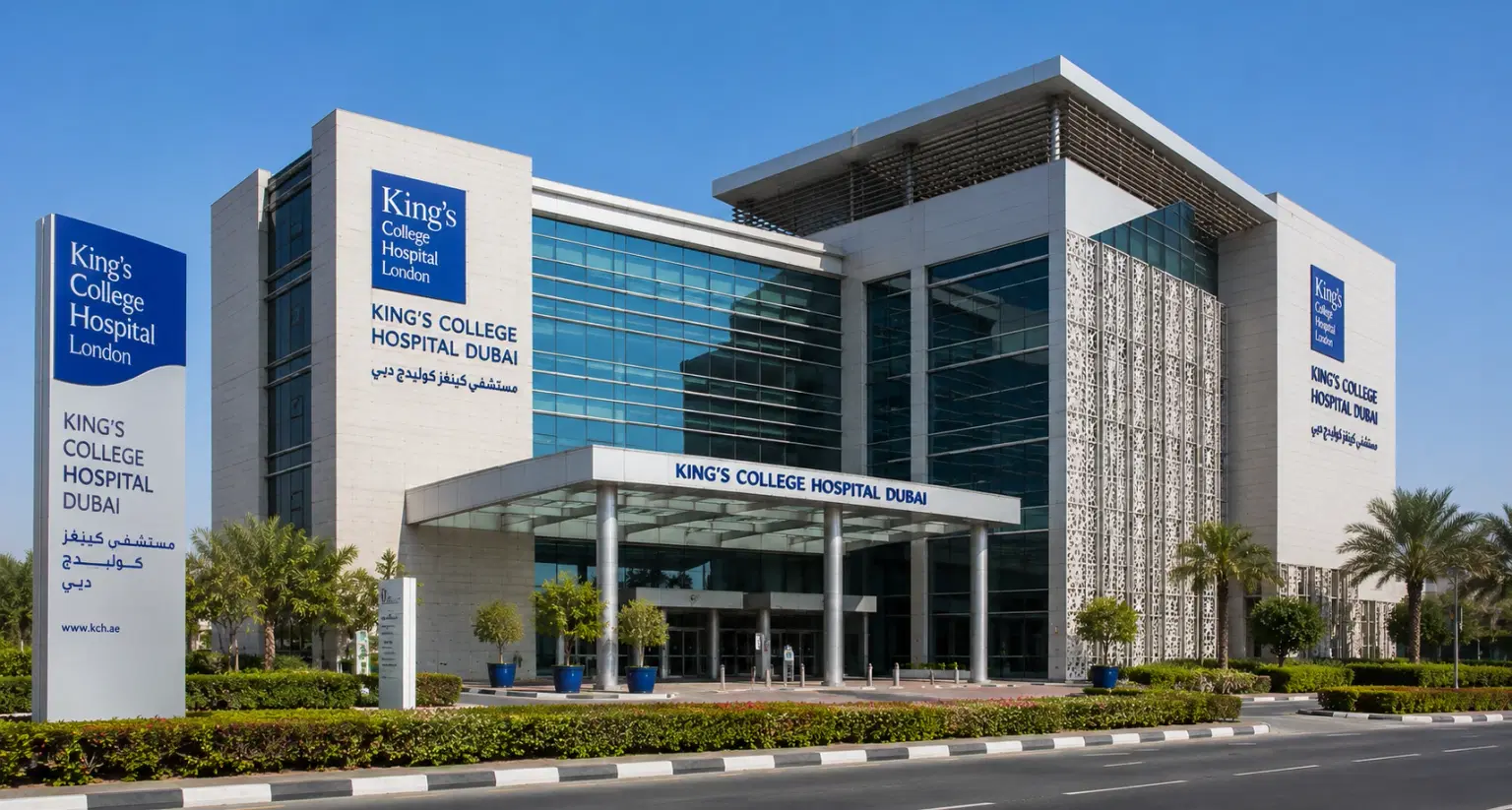
King's College Hospital, Dubai
Dubai Hills, Mohammed Bin Rashid City, Dubai, UAE
King's College Hospital, Dubai
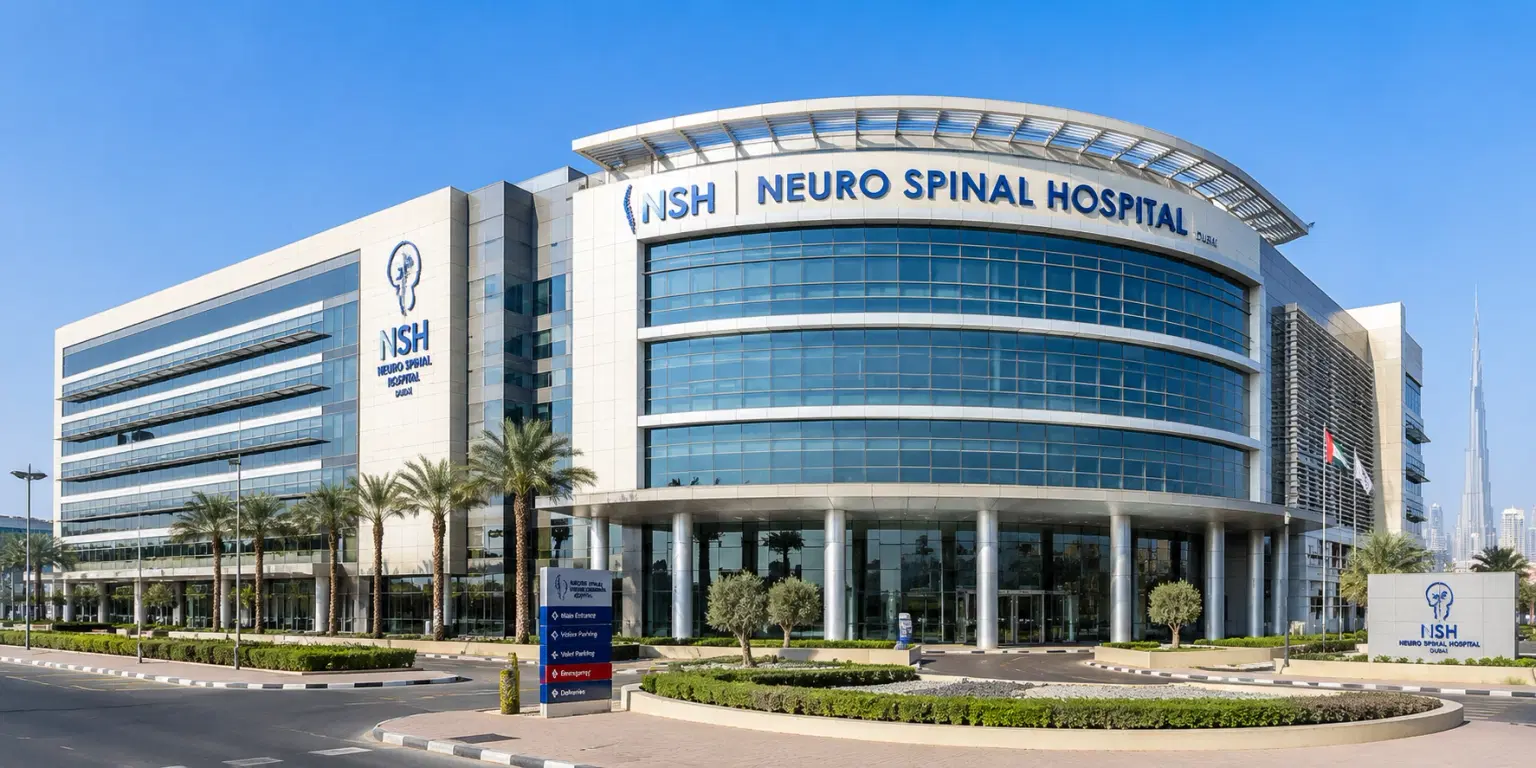
Neuro Spinal Hospital (NSH), Dubai
Dubai Science Park, Umm Suqeim St, Al Barsha South, Dubai, UAE
Neuro Spinal Hospital (NSH), Dubai
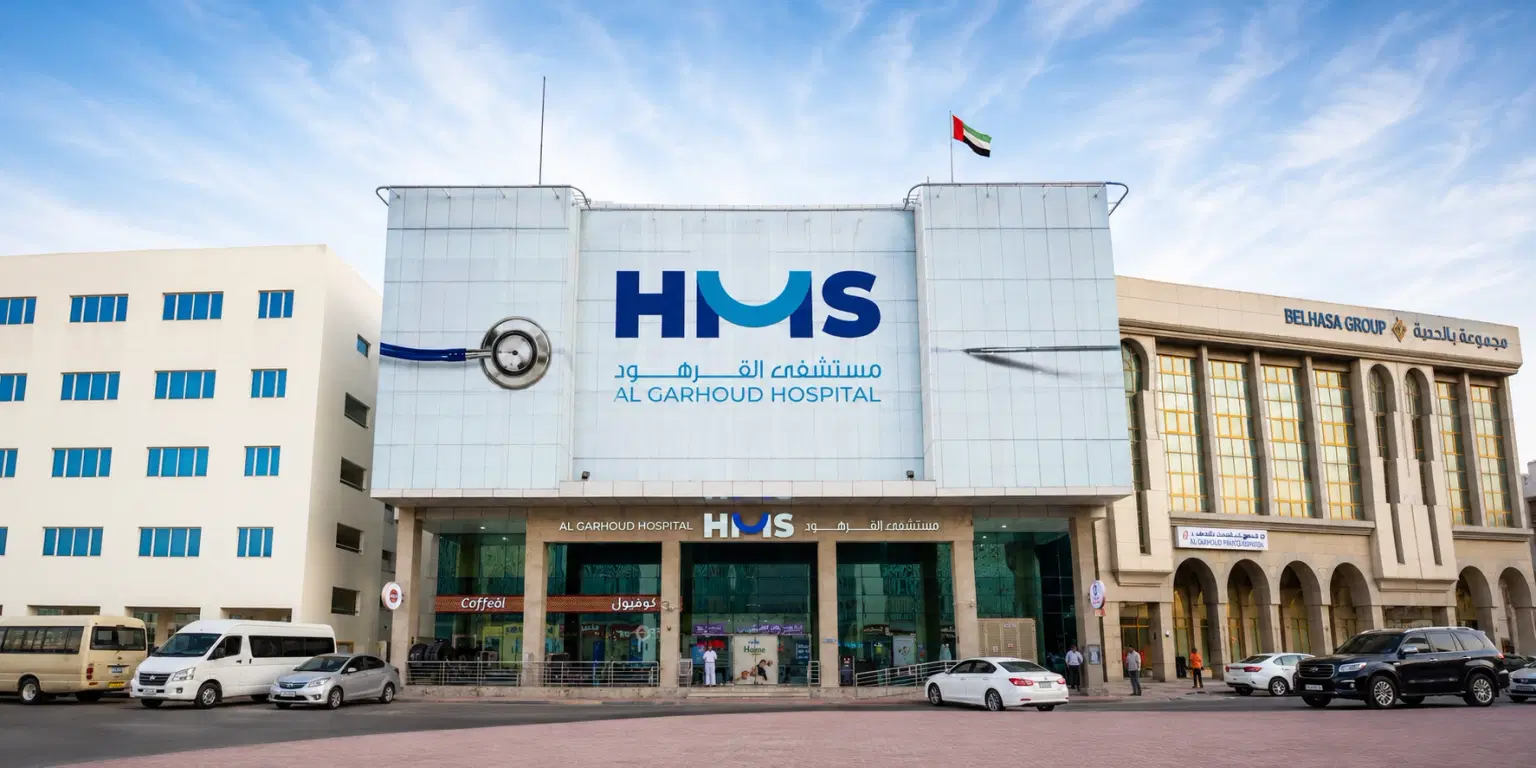
HMS Al Garhoud Hospital, Dubai
Al Garhoud Street, Al Garhoud, Dubai, UAE
HMS Al Garhoud Hospital, Dubai
Meet Our Doctors
Meet our team of highly qualified and experienced medical professionals dedicated to providing the best healthcare services.
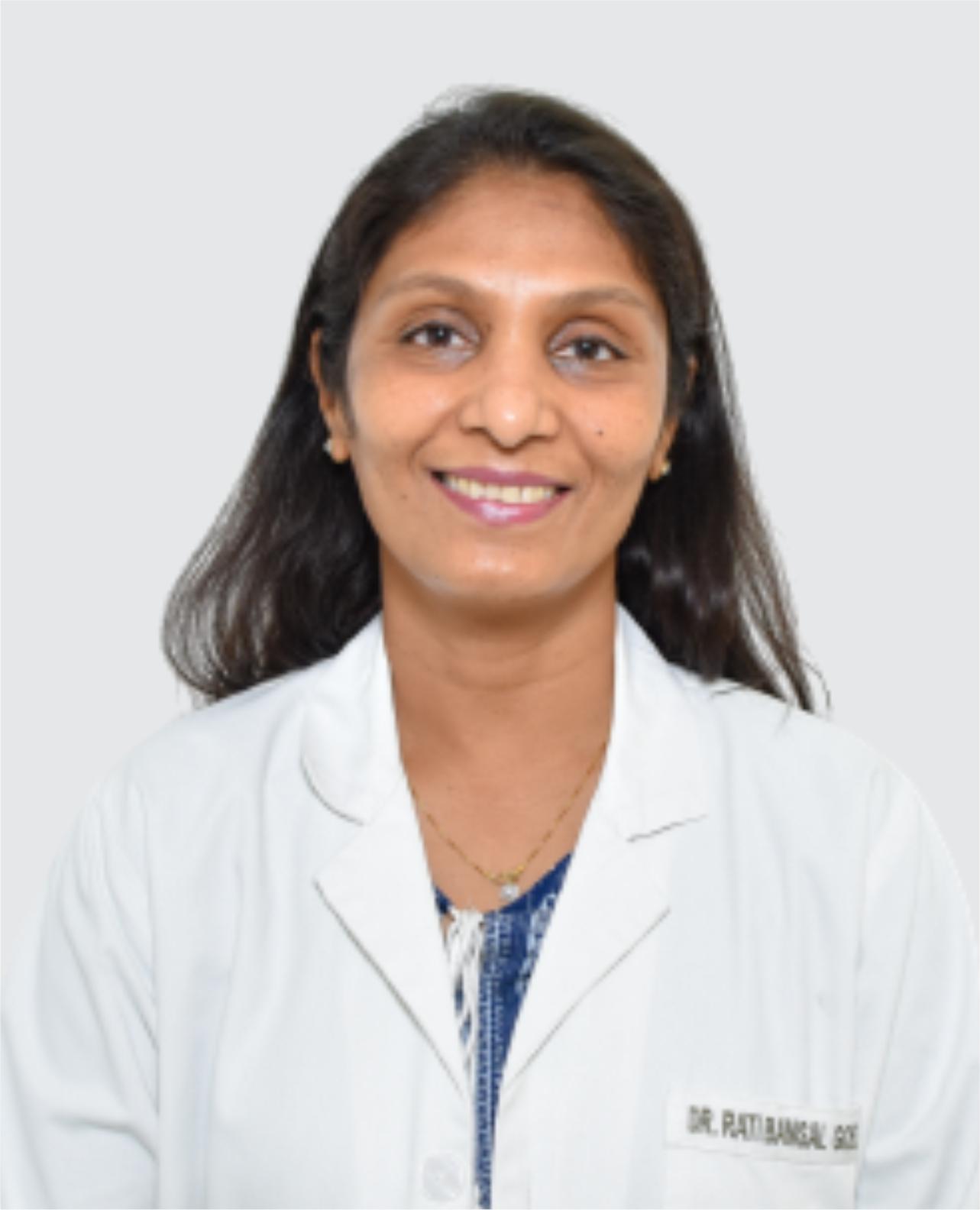
Dr. Rati Bansal Goel
Director
Cosmetic & Reconstructive Surgery
New Delhi
18+ Years
Experience
Artemis Hospital
Hospital
1500
Fees
Related Links
Other Treatment related Information
Ready To Start Your Healing Journey?
Get Personalized Medical Treatment Options From India's Top Hospitals. Our Medical Experts Are Ready To Assist You Every Step Of The Way.