
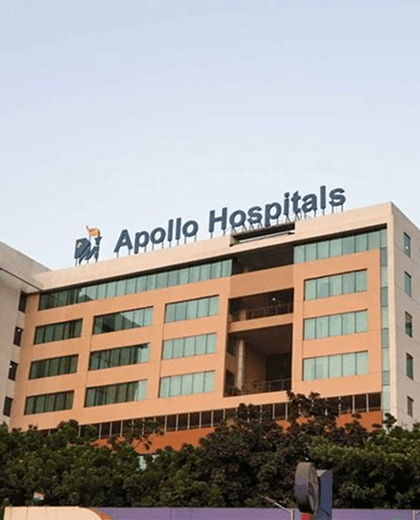
Best Laser Treatment for Kidney Stones (RIRS) Hospitals in Bengaluru
Access high-quality treatment through JCI & NABH-accredited hospitals, renowned specialists, and end-to-end medical travel support designed around your healing journey.
Plan My Journey
Tell us your condition and budget - our AI matches the right destination, hospital and doctor and visa pathway
Cost calculator
I know my treatment - show me cost from 3 hospitals
5K+ International Patients Treated
40+ Source Countries Served
500+ Accredited Partner Hospitals
98% Patient Satisfaction
80% Average Savings vs USA
10K+ Doctors
NABH, JCI Accredited Hospitals
Free Treatment Plan
Free Consultation with Doctor
5+ Destinations Covered

Written by DivinHeal Editorial Contributor, DivinHeal Medical Team, Healthcare Advisory Team Published on: August 30, 2026
About
Best Laser Treatment for Kidney Stones (RIRS) hospitals in Bengaluru
Choosing the best Laser Treatment for Kidney Stones (RIRS) hospitals in Bengaluru requires reviewing endoscopic equipment, urologist experience, and surgical safety protocols. DivinHeal features 1 vetted hospital meeting these requirements in Bengaluru. Review hospital standards below and contact our team to connect with specialists.
Evaluating Laser Treatment for Kidney Stones (RIRS) in Bengaluru
Evaluating retrograde intrarenal surgery options requires checking flexible endoscope availability and urologist experience.
Compare the best Laser Treatment for Kidney Stones (RIRS) hospitals in Bengaluru using clinical criteria. Check if the urology department uses holmium laser technology for stone fragmentation. Verify that operating rooms feature fluoroscopy imaging systems for real-time stone tracking.
Facilities required for kidney stone laser procedures
Kidney stone laser procedures depend on flexible ureteroscopes, holmium laser generators, and digital imaging equipment.
A qualified Laser Treatment for Kidney Stones (RIRS) centre in Bengaluru needs a dedicated urology theatre. Operating rooms require C-arm imaging systems to guide endoscopic tools safely. Recovery units must maintain trained nursing staff to monitor patients after laser procedures.
How to check hospital accreditation in Bengaluru
Verify official accreditation by checking public directories maintained by healthcare evaluation boards.
Find JCI accredited hospitals in Bengaluru on the Joint Commission International web directory. Confirm national credentials through the National Accreditation Board for Hospitals & Healthcare Providers online register. Official databases verify compliance with surgical safety and quality guidelines.
Signs a hospital performs RIRS regularly
Regular execution of retrograde intrarenal surgery is indicated by full-time urologists and dedicated stone management schedules.
Identify hospitals that perform Laser Treatment for Kidney Stones (RIRS) regularly by asking about team structure. Routine clinical providers keep specialist anaesthetists on site for endoscopic cases. They also maintain stocked inventories of single-use stone extraction baskets for daily procedures.
Questions to ask your urology care coordinator
Direct questions about surgical technology and staff qualifications help clarify clinical capabilities.
When choosing a Laser Treatment for Kidney Stones (RIRS) hospital, ask these key questions:
- Does the urologist use a flexible video ureteroscope during surgery?
- Is thulium or holmium laser energy available for stone dusting?
- What emergency intensive care support is present on site?
- How does the team handle post-operative urinary stent management?
Why patients choose Bengaluru for kidney stone care
Patients select this location for kidney stone care due to established medical infrastructure and English-speaking clinical teams.
Reasons why patients choose Bengaluru for Laser Treatment for Kidney Stones (RIRS) involve strict quality systems. Experienced urologists manage complex upper ureter stones using modern laser tools. Clear communication makes medical planning and recovery management straightforward for traveling families.
Support available for international urology patients
International patient desks assist with visa documentation, airport transfers, and local accommodation arrangements.
Evaluate international patient services in Bengaluru by confirming dedicated liaison officers. Ask about interpreter support and private room options for accompanying family members. Verify that intensive care units are ready for post-surgical monitoring if medical escalation is needed.
How DivinHeal assists your hospital search
DivinHeal streamlines medical travel by matching patient records with verified urology specialists.
Upload your scans for review by Laser Treatment for Kidney Stones (RIRS) doctors in Bengaluru. Our administrative coordinators arrange virtual consultations and clarify treatment schedules. Send your CT scan reports today to start your preliminary evaluation process.
Meet Our Medical Specialists
How DivinHeal Helps
We simplify your medical journey by providing comprehensive support and access to world-class healthcare.
Expert Specialist Matching
Connecting you with the world's top-rated medical experts.
Accredited Hospital Network
Access to JCI & NABH certified healthcare facilities.
Complete Travel Coordination
Hassle-free visa, stay, and local transport assistance.
24/7 Personal Care
Dedicated patient advisors supporting you at every step.
Journey Guidance
Full guidance from start to end of the patient treatment journey.
Expert Specialist Matching
Connecting you with the world's top-rated medical experts.
Everything you
need to know today
Browse through these common inquiries to better understand our patient-focused medical platform.
Patients should request detailed written quotes directly from medical coordinators before travelling for care. Surgical fees usually cover endoscopic equipment usage, laser fibre supplies, nursing care, and physician charges. Additional costs can arise if post-procedure imaging or extended observation is required. Comparing itemised estimates helps families plan international medical travel without unexpected expenses.
Selecting a qualified specialist involves checking formal credentials and dedicated urology training. Urologists, who are medical doctors specialising in urinary tract conditions, should have extensive experience operating flexible scopes and laser fibres. Patients can ask about routine case volume and training certifications during pre-travel consultations. Verification through official medical councils ensures professional standards are met.
Retrograde intrarenal surgery uses a flexible tube passed through natural pathways to vaporise kidney stones directly with a laser. Extracorporeal shockwave lithotripsy relies on acoustic waves sent outside the body to break stones into fragments. Scope procedures allow direct visual access to stones inside the kidney upper chambers. Surgeons recommend specific approaches based on stone position and patient health.
Hospitals typically utilise holmium or thulium fibre lasers for stone fragmentation during endoscopic procedures. These lasers emit precise energy beams that break hard mineral deposits into dust or small pieces. Fine dust passes naturally through urine without blocking the ureter tube. Surgeons select laser settings according to stone hardness and structural location within the kidney.
Surgeons insert a thin flexible endoscope through the urethra and bladder directly into the kidney. A miniature laser fibre passes through the scope to break stones into tiny dust particles. Small fragments are retrieved with tiny baskets, while fine dust leaves the body naturally. The entire procedure avoids external skin cuts and allows faster patient physical recovery.
General anaesthesia is standard for endoscopic kidney stone surgery to keep patients comfortable and completely still. Anaesthetists, who are specialist physicians managing pain and vital signs, monitor heart function and breathing throughout the operation. Completely still conditions allow surgeons to control delicate scope movements safely inside small kidney channels. Pre-anaesthetic evaluations confirm readiness before scheduling the procedure.
Most individuals resume mild routine daily activities shortly after endoscopic stone removal. Patients usually rest in hospital until recovery from anaesthesia is complete and normal urination resumes. Temporary urinary catheters or internal stent tubes might cause mild discomfort while healing occurs. Full physical activity resumes once follow-up evaluations confirm clear urinary channels and complete recovery.
Flexible scope laser surgery effectively treats various stone sizes located in difficult areas of the kidney. When stones are particularly dense, surgeons might perform staged procedures across separate treatment sessions to clear all fragments safely. Specialists review detailed computed tomography scans before advising if flexible scope surgery or alternative methods suit the patient best.
Follow-up care includes drinking recommended fluid volumes and completing prescribed medication courses to prevent post-surgical infection. Surgeons might order ultrasound scans to confirm kidney stones have cleared completely. If temporary stent tubes were placed during surgery, coordinators schedule routine clinic visits for safe removal. Patients receive clear instructions before returning home.
Still have more questions?
Book a call with our friendly team to learn how DivineHeal simplifies your healthcare journey.