Laser Treatment for Kidney Stones (RIRS) Treatment in New Delhi for Nigeria
Access high-quality treatment through JCI & NABH-accredited hospitals, renowned specialists, and end-to-end medical travel support designed around your healing journey.
Plan My Journey
Tell us your condition and budget - our AI matches the right destination, hospital and doctor and visa pathway
Cost calculator
I know my treatment - show me cost from 3 hospitals
5K+ International Patients Treated
40+ Source Countries Served
500+ Accredited Partner Hospitals
98% Patient Satisfaction
80% Average Savings vs USA
10K+ Doctors
NABH, JCI Accredited Hospitals
Free Treatment Plan
Free Consultation with Doctor
5+ Destinations Covered

Written by DivinHeal Editorial Contributor, DivinHeal Medical Team, Healthcare Advisory Team Published on: February 19, 2026
About
Laser Treatment for Kidney Stones in New Delhi for Nigerian Patients
Are you a patient from Nigeria seeking advanced treatment for kidney stones? The prospect of undergoing a medical procedure in a foreign country can bring many questions and uncertainties, especially when dealing with a condition as painful and disruptive as kidney stones. Finding reliable, high-quality care is often a top priority.
Many patients look to international destinations for specialized medical care, driven by the desire for superior technology, experienced doctors, or more accessible options. New Delhi stands out as a preferred choice, offering a sophisticated healthcare environment and seamless coordination for international visitors seeking Laser Treatment for Kidney Stones (RIRS).
New Delhi's medical infrastructure includes world-class hospitals and highly skilled urologists specializing in advanced stone removal techniques. The city's medical facilities are equipped for comprehensive care, ensuring smooth pre-treatment evaluations, the procedure itself, and accessible follow-up appointments within the city.
Could New Delhi be the right destination for your RIRS kidney stone treatment?
What is Laser Treatment for Kidney Stones (RIRS)?
Laser Treatment for Kidney Stones, specifically Retrograde Intrarenal Surgery (RIRS), is a minimally invasive procedure designed to remove or fragment kidney stones located within the kidney. It involves using a flexible ureteroscope, a thin tube with a camera, which is carefully inserted through the natural urinary tract (urethra, bladder, ureter) up into the kidney. Once the stone is located, a holmium laser fiber is passed through the scope to break the stone into tiny fragments. These fragments are either naturally passed out of the body or, if necessary, removed with a small basket. This technique is highly effective for stones that are difficult to reach with other methods.
Are There Different Approaches to Kidney Stone Treatment?
While RIRS is a highly effective laser treatment, other methods exist depending on the stone's size, location, and composition:
- RIRS (Retrograde Intrarenal Surgery): Utilizes a flexible scope and laser to break kidney stones into smaller, passable pieces. Best for stones inside the kidney.
- ESWL (Extracorporeal Shock Wave Lithotripsy): A non-invasive method using shock waves generated outside the body to break stones into sand-like particles. Suitable for smaller stones.
- PCNL (Percutaneous Nephrolithotomy): Involves a small incision in the back to directly access and remove large or complex kidney stones.
- Ureteroscopy (URS): Similar to RIRS but typically used for stones located in the ureter (the tube connecting the kidney to the bladder).
- Medical Expulsive Therapy: Medications given to help pass very small stones naturally.
- Open Surgery: Rarely performed today, reserved for very large, complex stones or anatomical abnormalities not suitable for other methods.
When is Laser Treatment for Kidney Stones (RIRS) Recommended?
- When kidney stones are causing persistent, severe pain or discomfort.
- If stones are leading to recurrent urinary tract infections.
- When stones obstruct the flow of urine, potentially damaging the kidney.
- For stones too large to pass naturally or unsuitable for ESWL.
- If previous kidney stone treatments have not been successful.
- For patients with bleeding disorders or those on blood thinners where other procedures might be riskier.
- When stones are located in challenging areas within the kidney that flexible scopes can easily reach.
What Pre-Treatment Evaluation is Needed?
- A thorough review of your medical history and a comprehensive physical examination.
- Blood tests, including complete blood count, kidney function tests, and coagulation profile.
- Urine tests such as urinalysis and urine culture to check for infection.
- Advanced imaging studies like a CT scan (Computed Tomography) of the KUB (kidneys, ureters, bladder), ultrasound, or X-rays to precisely locate and characterize the stone.
- Electrocardiogram (ECG) and chest X-ray to assess heart and lung health.
- A consultation with an anesthesiologist to discuss your suitability for general anesthesia.
How is the RIRS Procedure Performed?
The RIRS procedure involves precise steps tailored to the patient's condition and stone characteristics. It is performed under general anesthesia.
Patient Preparation and Anesthesia
The patient receives general anesthesia, ensuring comfort and no pain during the procedure. They are positioned appropriately on the operating table.
Scope Insertion and Navigation
A highly flexible ureteroscope is gently inserted through the urethra, guided into the bladder, then up the ureter, and finally into the kidney where the stone is located.
Stone Visualization and Fragmentation
The scope's advanced camera provides a clear view of the kidney stone. A fine holmium laser fiber is then passed through the scope to precisely target and break the stone into very small fragments or dust.
Fragment Management
Most of the tiny stone fragments are naturally flushed out with irrigation fluid or passed out in the urine over subsequent days. Larger pieces, if any, can be retrieved using a small basket device.
Stent Placement (Optional)
In some cases, a temporary ureteral stent may be placed to ensure the ureter remains open during the initial recovery phase and to facilitate the passage of any residual fragments. This stent is typically removed a few days or weeks later.
What Does Recovery from RIRS Involve?
Recovery from RIRS is generally quick due to its minimally invasive nature. Most patients are discharged within 24 hours. You might experience some mild discomfort, blood in your urine, or frequent urination for a few days. Adequate hydration is crucial to help flush out any remaining stone fragments. Pain medication will be prescribed as needed. It is advised to avoid strenuous activities and heavy lifting for a week or two. If a stent was placed, you might feel a sensation of bladder irritation or flank pain, which usually subsides after its removal. Regular follow-up appointments with your urologist are essential to monitor your progress and ensure complete stone clearance.
What are the Risks and Success Rates of RIRS?
- Urinary tract infection (UTI) requiring antibiotics.
- Minor bleeding in the urine, usually self-limiting.
- Temporary pain or discomfort in the flank or lower abdomen.
- Rarely, damage or perforation of the ureter or kidney.
- Incomplete removal of the stone, requiring a second procedure.
- Stent-related symptoms like bladder spasms, discomfort, or urgency.
RIRS boasts a high success rate, often achieving complete stone clearance in 90-95% of cases, especially for stones less than 2 cm. The outcome can vary based on the stone's size, its location, the number of stones, and the surgeon's experience. Long-term success also depends on preventative measures like dietary changes and increased fluid intake to reduce the risk of new stone formation. Regular follow-up imaging helps monitor for recurrence.
Considering RIRS in New Delhi?
Connect with our patient support team today to discuss your treatment needs and receive a personalized plan.
Cost of Laser Treatment for Kidney Stones (RIRS) in New Delhi
The cost of Laser Treatment for Kidney Stones (RIRS) in New Delhi can vary significantly based on several factors. These include the hospital's accreditation and infrastructure, the experience and fees of the consulting urologist, the specific technology used during the procedure, the complexity of the stone, and the length of your hospital stay. Pre-operative investigations and post-operative medications also contribute to the overall expenditure.
In New Delhi, the estimated cost for Laser Treatment for Kidney Stones (RIRS) typically ranges from INR 90,000 to INR 250,000.
Comparing RIRS Treatment Costs: New Delhi vs. Global Averages
New Delhi offers a compelling cost advantage for RIRS without compromising on quality or technology, making advanced kidney stone treatment accessible to international patients. Here is a comparison of typical costs:
| Location | Estimated Cost (USD) |
|---|---|
| New Delhi, India | $1,100 - $3,000 |
| United States | $10,000 - $25,000 |
| United Kingdom | $10,000 - $19,000 |
| Canada | $8,000 - $15,000 |
| Singapore | $6,000 - $11,000 |
Support Services for Your Medical Journey to New Delhi
- Assistance with medical visa applications and necessary documentation.
- Personalized travel planning and arrangements, including flight bookings.
- Complimentary airport transfers upon arrival and departure in New Delhi.
- Guidance on suitable accommodation options for patients and accompanying family.
- Arrangements for language interpretation services for effective communication.
- Dedicated patient coordinator to assist with hospital appointments and local logistics.
- Facilitation of post-treatment follow-up and ongoing care coordination.
Essential Documents for Your Treatment in New Delhi
- A valid passport with at least six months' validity remaining.
- A medical visa issued for your treatment duration in India.
- All relevant medical reports, imaging scans, and previous test results related to your kidney stones.
- A referral letter from your local doctor, if available, detailing your condition.
- Proof of financial capacity or medical insurance documents (if applicable).
- Any consent forms provided by the hospital before your arrival.
Preparing for Your RIRS Procedure in New Delhi
- Follow any dietary restrictions advised by your doctor, especially close to the procedure date.
- Discuss all current medications, including supplements, with your urologist.
- Ensure you are adequately hydrated in the days leading up to your treatment.
- Arrange for a companion or family member to accompany you during your hospital stay and initial recovery.
- Familiarize yourself with the local environment and transportation options in New Delhi.
- Clarify all financial arrangements and payment schedules before admission.
Ensuring a Smooth Recovery After RIRS
- Adhere strictly to the prescribed medication regimen for pain and infection prevention.
- Maintain a high fluid intake to help flush out stone fragments and prevent future stones.
- Monitor for any signs of complications such as fever, severe pain, or heavy bleeding, and report them immediately.
- Attend all scheduled follow-up appointments, including for stent removal if applicable.
- Gradually resume normal activities as advised by your healthcare team.
- Adopt recommended lifestyle and dietary changes to minimize the risk of stone recurrence.
Ready for Expert Kidney Stone Care in New Delhi?
Reach out to us to begin your journey toward relief and better health with RIRS.
Ready to Explore Your Treatment Options in New Delhi?
We are here to guide you through every step, ensuring a comfortable and effective healthcare experience for your kidney stone treatment.
Hospitals
NABH & JCI Accredited Hospitals in India,Turkey, Thailand & UAE.
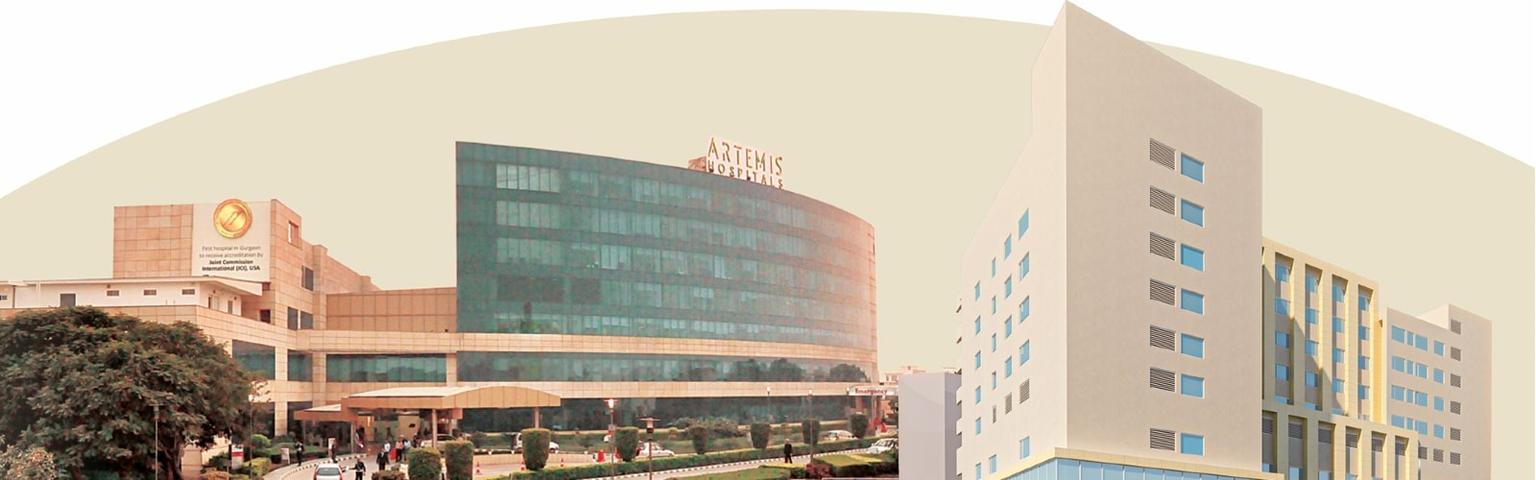
Artemis Hospital
Sector 51, Gurugram, Haryana, India
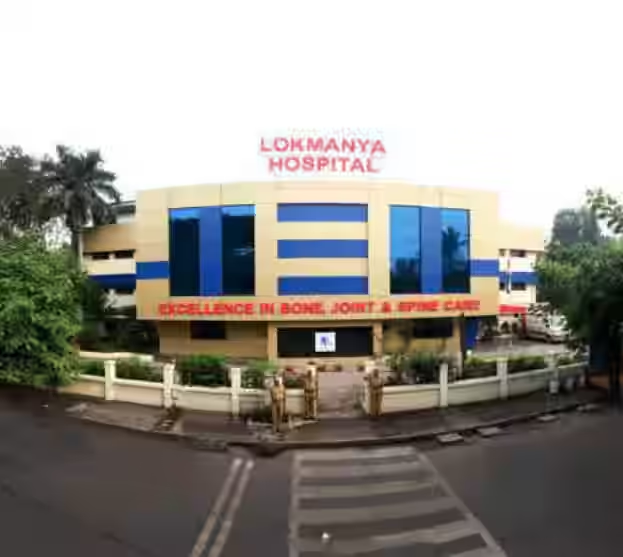
Lokmanya Hospitals
Not Specified
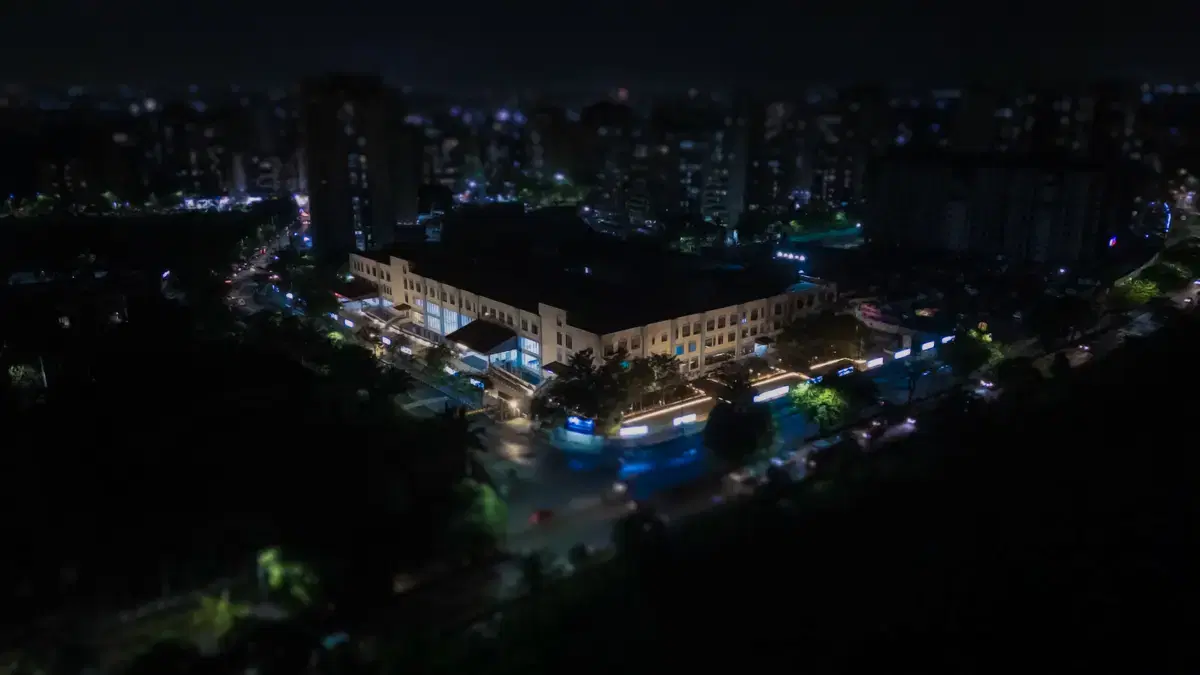
White Lotus Hospital
766, SFS 3145, SFS Road, 7th Sector, HSR Layout, Bengaluru, Karnataka 560102, India
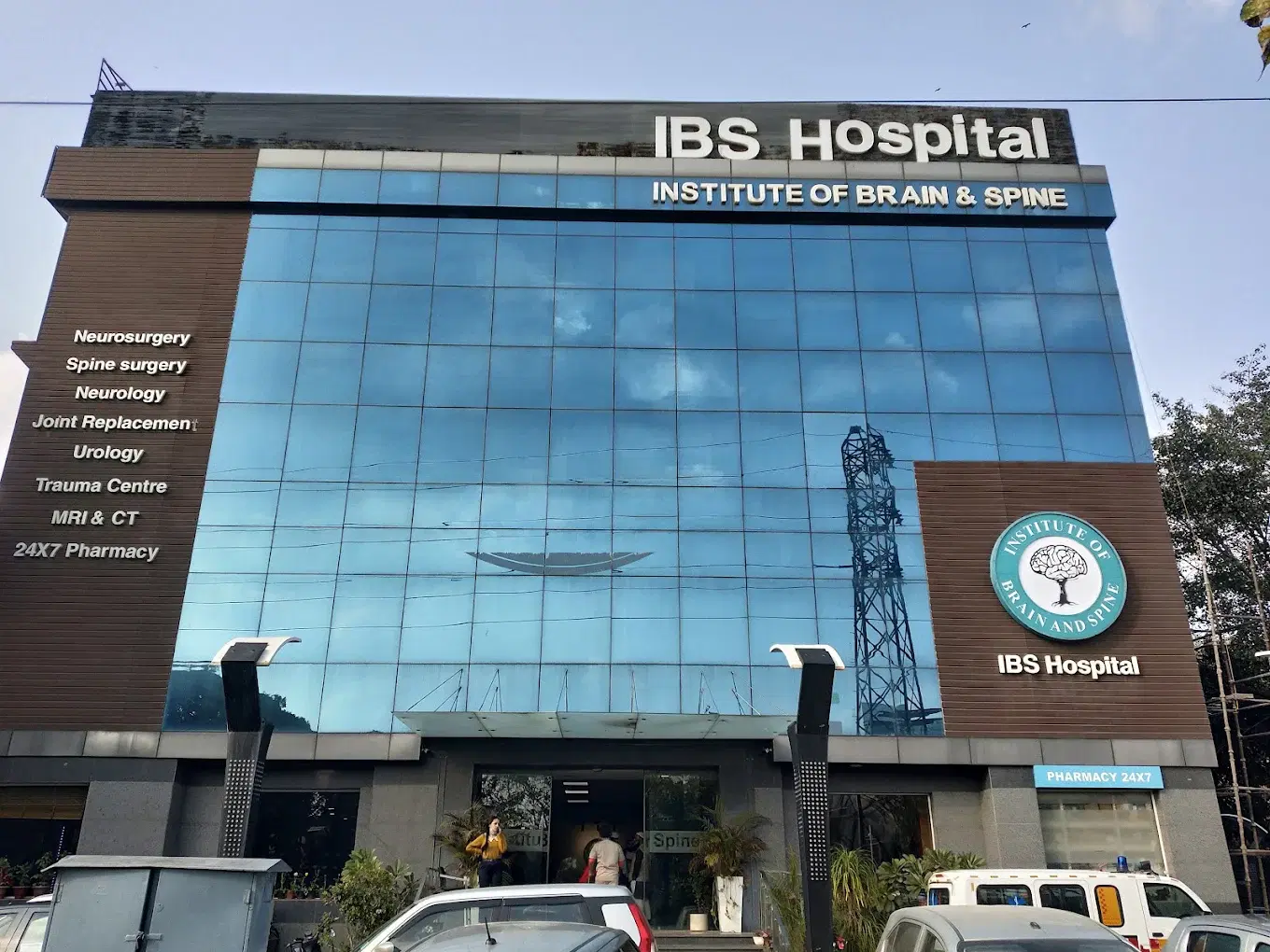
Institute of Brain and Spine (IBS Hospital)
Not Specified
Meet Our Medical Specialists




Sr. Consultant - Urology & Kidney Transplant Program (Unit I)
Dr. Abhinandan Mukhopadhyay
MBBS, MD
India

Sr. Consultant - Urology & Kidney Transplant Program (Unit I)
Dr. Abhinandan Mukhopadhyay
MBBS, MD
India
How DivinHeal Helps
We simplify your medical journey by providing comprehensive support and access to world-class healthcare.
Expert Specialist Matching
Connecting you with the world's top-rated medical experts.
Accredited Hospital Network
Access to JCI & NABH certified healthcare facilities.
Complete Travel Coordination
Hassle-free visa, stay, and local transport assistance.
24/7 Personal Care
Dedicated patient advisors supporting you at every step.
Journey Guidance
Full guidance from start to end of the patient treatment journey.
Expert Specialist Matching
Connecting you with the world's top-rated medical experts.
Everything you
need to know today
Browse through these common inquiries to better understand our patient-focused medical platform.
Yes, we work with a variety of insurance providers. Contact our team to verify your coverage.
Yes, we provide secure online consultations with experienced specialists.
Our care coordinators help match you with the most suitable specialist.
Absolutely. Your medical information is protected according to healthcare privacy standards.
Look at six things: accreditation (JCI or NABH), specialty depth, doctor credentials and experience, procedure-specific success rates, international patient support, and technology. DivinHeal's AI-driven matching evaluates every hospital in our accredited partner network on these dimensions and shortlists the best-fit options for your condition, budget, and country.
JCI (Joint Commission International) is the US-based global gold standard for hospital quality, recognised worldwide. NABH is India's national accreditation — accredited by ISQua, the same body that accredits JCI. Both signal independently verified safety and quality. Most of India's leading hospitals hold both.
Yes. All three welcome international patients through structured medical visa programs. India is the most established, treating patients from Africa, the Middle East, and South Asia at 60–80% lower cost. Thailand leads in cosmetic and dental care. The UAE is emerging in oncology and reproductive medicine.
Most patients save 50–80% on treatment costs. Heart bypass costs US $7,000–9,000 in India compared to $70,000–150,000 in the US. IVF costs $3,000–4,500 compared to $12,000–20,000 in the UK. Even after flights, visa, and accommodation, total savings remain 60–70%.
DivinHeal manages your entire non-medical journey: visa invitation letters, medical visa guidance, doctor appointments, teleconsultations, airport pickup, hospital-vetted accommodation for you and your attendant, language interpreters, local transport, cuisine preferences, and post-treatment follow-up — one dedicated coordinator from first enquiry to final follow-up.
You need a valid passport (6+ months validity), a medical visa (M-Visa for India — DivinHeal provides the hospital invitation letter), return flight tickets, recent medical reports and a doctor's referral, current prescription list, and proof of financial means. Any accompanying attendant needs their own passport and MX-Visa.
Still have more questions?
Book a call with our friendly team to learn how DivineHeal simplifies your healthcare journey.