
Robotic Cancer Surgery Treatment in Mumbai for Ethiopia
Access high-quality treatment through JCI & NABH-accredited hospitals, renowned specialists, and end-to-end medical travel support designed around your healing journey.
Plan My Journey
Tell us your condition and budget - our AI matches the right destination, hospital and doctor and visa pathway
Cost calculator
I know my treatment - show me cost from 3 hospitals
5K+ International Patients Treated
40+ Source Countries Served
500+ Accredited Partner Hospitals
98% Patient Satisfaction
80% Average Savings vs USA
10K+ Doctors
NABH, JCI Accredited Hospitals
Free Treatment Plan
Free Consultation with Doctor
5+ Destinations Covered

Written by DivinHeal Editorial Contributor, DivinHeal Medical Team, Healthcare Advisory Team Published on: February 19, 2026
About
Robotic Cancer Surgery in Mumbai for Ethiopian Patients: Hospitals & Costs
Ethiopian patients considering advanced cancer treatment often face concerns regarding access to highly specialized procedures like robotic surgery. The journey to seek such critical medical care abroad can bring many questions and a degree of uncertainty about the process and outcomes.
Mumbai has emerged as a leading destination for specialized medical care, particularly for complex surgical interventions. Its advanced healthcare infrastructure and commitment to medical excellence provide a conducive environment. Patients from Ethiopia frequently choose Mumbai for its blend of quality care and accessibility.
The city's medical landscape is home to highly skilled robotic surgeons and state-of-the-art hospitals. These institutions ensure a seamless continuum of care, from initial diagnostic evaluations to post-operative follow-up. Establishing this trust is crucial when considering advanced procedures far from one's home country.
What makes Mumbai a highly considered option for your robotic cancer surgery?
What is Robotic Cancer Surgery?
Robotic cancer surgery is an advanced, minimally invasive surgical technique that utilizes a robotic system to perform delicate and complex operations. During the procedure, the surgeon controls robotic arms from a console, which translates their hand movements into precise micro-movements of instruments inside the patient's body. This method employs small incisions, high-definition 3D vision, and enhanced dexterity, allowing for the precise removal of cancerous tissue. It offers significant advantages over traditional open surgery by minimizing blood loss, reducing post-operative pain, and accelerating recovery times. This precision helps preserve surrounding healthy tissues and vital functions.
Types of Cancers Treated with Robotic Surgery
Robotic surgery is effectively used across various cancer types due to its precision and minimally invasive nature:
- Robotic Prostatectomy: For prostate cancer, removing the cancerous prostate gland while preserving urinary and sexual function.
- Robotic Nephrectomy: For kidney cancer, involving partial or total removal of the kidney.
- Robotic Hysterectomy and Myomectomy: For gynecological cancers like uterine or cervical cancer, or removal of fibroids.
- Robotic Colectomy and Rectal Resection: For colorectal cancers, removing parts of the colon or rectum.
- Robotic Thoracic Surgery: For lung or esophageal cancers, facilitating precise resections in the chest cavity.
- Robotic Head and Neck Surgery: For certain cancers of the throat, tongue, and tonsils, often transorally.
When is Robotic Cancer Surgery Required?
- For early-stage cancers that are confined and suitable for surgical removal.
- When tumors are located in deep or anatomically challenging areas, requiring high precision.
- If there is a need to preserve surrounding healthy tissue, nerves, or organs.
- Patients who prefer a minimally invasive approach with quicker recovery and less scarring.
- In cases of prostate, kidney, gynecological, colorectal, or specific head and neck cancers.
- When traditional open surgery is associated with higher risks or longer hospital stays.
Pre-Treatment Evaluation for Robotic Surgery
- A thorough physical examination and detailed medical history review.
- Comprehensive blood tests including CBC, liver and kidney function tests, and tumor markers.
- Advanced imaging scans such as CT, MRI, and PET scans to accurately stage the cancer.
- Biopsy results to confirm the diagnosis and determine tumor characteristics.
- Cardiac assessment including ECG and echocardiogram to ensure fitness for surgery.
- Pulmonary function tests if there are respiratory concerns or potential lung involvement.
- Consultation with an anesthesiologist to discuss the anesthesia plan and patient suitability.
How Robotic Cancer Surgery is Performed
The specific steps for robotic cancer surgery vary depending on the type and location of the cancer, as well as the patient's overall health and the surgeon's plan.
The general process for robotic surgery includes:
- Anesthesia and Positioning: The patient receives general anesthesia. They are then carefully positioned on the operating table to allow optimal access for the robotic system.
- Incision Placement: Several small, keyhole-sized incisions (typically 8-12 mm) are made in the skin. Through these, ports are inserted to introduce the robotic instruments and a high-definition camera.
- Robot Docking: The robotic arms, equipped with specialized surgical tools and the camera, are connected to these ports. The surgeon then moves to a separate console in the operating room.
- Surgical Operation: From the console, the surgeon views a magnified, 3D image of the surgical site. They manipulate foot pedals and hand controls, which precisely translate their movements to the robotic instruments inside the patient. This allows for meticulous dissection and removal of the cancerous tissue.
- Closure: Once the target tissue is removed and any necessary reconstruction is performed, the robotic arms are withdrawn, and the small incisions are closed using sutures or surgical adhesive.
Recovery Process After Robotic Cancer Surgery
Recovery after robotic cancer surgery is generally faster and less arduous than traditional open surgery. Patients typically experience shorter hospital stays, often between 2 to 7 days, depending on the complexity of the procedure and individual healing. Pain management is usually more straightforward, requiring fewer strong analgesics. Patients are encouraged to mobilize early, which aids in preventing complications. Restrictions on heavy lifting and strenuous activities are common for a few weeks. Follow-up appointments with the surgeon and oncologist are crucial to monitor healing, discuss pathology results, and plan any necessary adjuvant therapies, such as chemotherapy or radiation. Rehabilitation and specific exercises may be recommended to regain full strength and function.
Potential Risks and Success Rates
- Risks of bleeding or infection at the surgical sites.
- Possible injury to surrounding organs, blood vessels, or nerves.
- Complications related to general anesthesia, such as allergic reactions or respiratory issues.
- A rare possibility of converting to open surgery if unforeseen complications arise.
- Incomplete tumor removal, though this is minimized by the precision of robotic systems.
- Potential for cancer recurrence, which depends on the cancer type, stage, and biological factors.
Robotic cancer surgery boasts high success rates, particularly in achieving clear surgical margins and minimizing complications. The outcomes largely depend on factors like the specific type and stage of cancer, the patient's overall health, and the surgeon's experience. Many patients report an improved quality of life post-surgery due to the minimally invasive nature of the procedure, leading to less pain and quicker return to daily activities. Long-term expectations are generally favorable for early-stage cancers, with consistent follow-up care being essential for ongoing monitoring and management.
Considering Robotic Cancer Surgery in Mumbai?
Connect with top hospitals and expert surgeons for a personalized treatment plan.
Cost of Robotic Cancer Surgery in Mumbai
The cost of robotic cancer surgery in Mumbai is influenced by several factors. These include the specific hospital chosen (private vs. corporate), the complexity of the cancer and required procedure, the surgeon's experience, the duration of hospital stay, and any additional medical services or post-operative care needed. Mumbai offers a range of options catering to different budget requirements without compromising on quality.
Generally, the cost for robotic cancer surgery in Mumbai can range from approximately INR 5,00,000 to INR 12,00,000.
Mumbai vs. Global Cost Comparison for Robotic Cancer Surgery
Mumbai presents a significantly more affordable option for robotic cancer surgery when compared to Western countries, making advanced care accessible to international patients.
| Location | Estimated Cost (USD) |
|---|---|
| Mumbai, India | $6,000 - $14,500 |
| United States | $25,000 - $70,000 |
| United Kingdom | $25,000 - $55,000 |
| Singapore | $22,000 - $52,000 |
Assistance for Your Treatment Journey in Mumbai
- Facilitating initial medical consultations and obtaining expert opinions.
- Guidance and support for visa application and travel logistics.
- Arranging airport transfers and local transportation within Mumbai.
- Providing suitable accommodation options near leading hospitals.
- Offering professional language interpretation services as needed.
- Assigning a dedicated patient care coordinator for personalized support.
- Coordinating post-treatment follow-ups and remote consultations.
Essential Papers for Your Medical Visit to Mumbai
- A valid passport with sufficient validity and an appropriate medical visa.
- All relevant medical reports, imaging scans, and biopsy results in English.
- A referral letter or recommendation from your local physician.
- Records of any previous treatments, medications, or allergies.
- Copies of identification documents for any accompanying family members.
Preparing for Your Robotic Cancer Surgery
- Strictly adhere to all dietary restrictions and medication instructions provided by your Mumbai medical team.
- Arrange for a trusted companion to accompany you for support during your stay.
- Complete all pre-operative tests and evaluations required upon your arrival in Mumbai.
- Engage in open discussions with your medical team regarding any concerns or questions you may have.
- Ensure all travel, accommodation, and financial logistics are thoroughly planned and finalized.
Care and Recovery After Robotic Surgery
- Consistently follow the prescribed medication schedule and pain management plan.
- Attend all scheduled follow-up appointments with your surgeon and medical team.
- Gradually reintroduce physical activities as advised, avoiding strenuous efforts initially.
- Vigilantly monitor for any unusual symptoms, signs of infection, or complications and report them immediately.
- Maintain a balanced, nutritious diet and healthy lifestyle to support your healing process.
- Seek emotional support if needed, as recovery can be a comprehensive journey.
Begin Your Treatment Journey with Confidence
Discover world-class robotic cancer surgery in Mumbai. Our team is here to guide you.
Ready to Take the Next Step?
Reach out to explore advanced robotic cancer surgery options and comprehensive support in Mumbai.
Hospitals
NABH & JCI Accredited Hospitals in India,Turkey, Thailand & UAE.

Artemis Hospital
Sector 51, Gurugram, Haryana, India
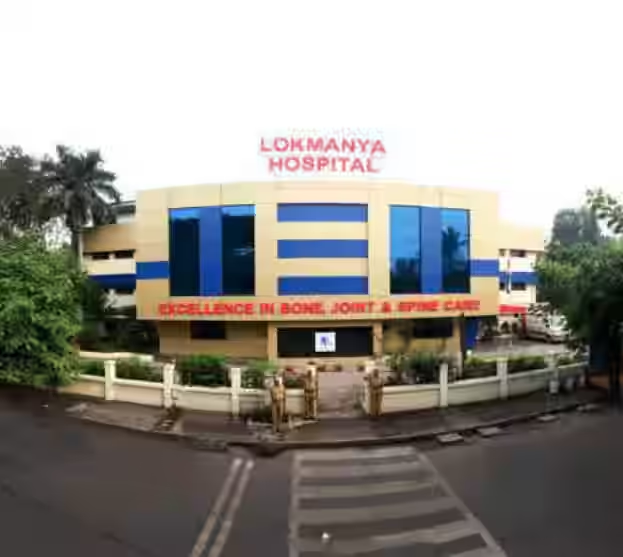
Lokmanya Hospitals
Not Specified

White Lotus Hospital
766, SFS 3145, SFS Road, 7th Sector, HSR Layout, Bengaluru, Karnataka 560102, India
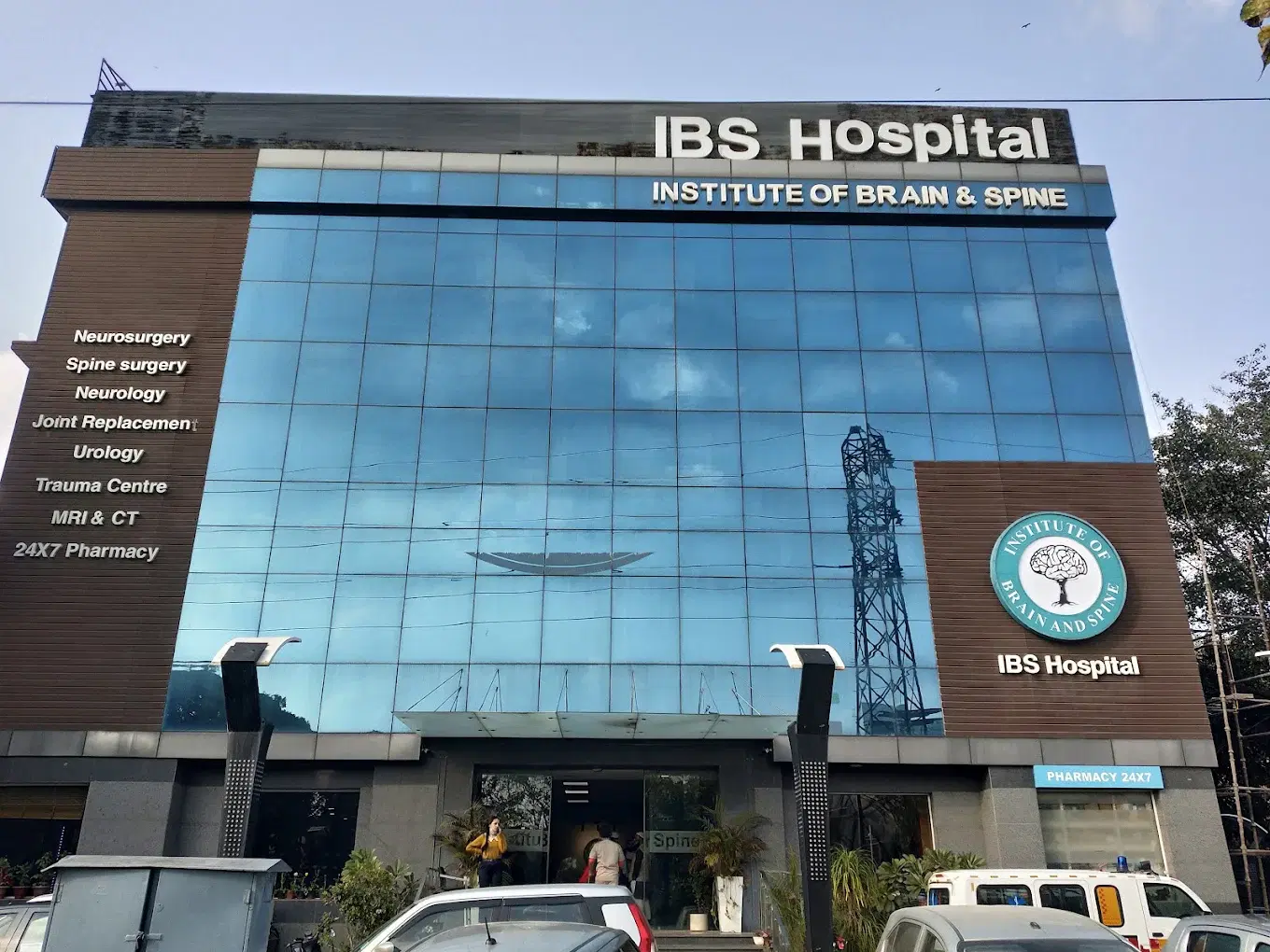
Institute of Brain and Spine (IBS Hospital)
Not Specified
Meet Our Medical Specialists




Sr. Consultant - Urology & Kidney Transplant Program (Unit I)
Dr. Abhinandan Mukhopadhyay
MBBS, MD
India

Sr. Consultant - Urology & Kidney Transplant Program (Unit I)
Dr. Abhinandan Mukhopadhyay
MBBS, MD
India
How DivinHeal Helps
We simplify your medical journey by providing comprehensive support and access to world-class healthcare.
Expert Specialist Matching
Connecting you with the world's top-rated medical experts.
Accredited Hospital Network
Access to JCI & NABH certified healthcare facilities.
Complete Travel Coordination
Hassle-free visa, stay, and local transport assistance.
24/7 Personal Care
Dedicated patient advisors supporting you at every step.
Journey Guidance
Full guidance from start to end of the patient treatment journey.
Expert Specialist Matching
Connecting you with the world's top-rated medical experts.
Everything you
need to know today
Browse through these common inquiries to better understand our patient-focused medical platform.
Yes, we work with a variety of insurance providers. Contact our team to verify your coverage.
Yes, we provide secure online consultations with experienced specialists.
Our care coordinators help match you with the most suitable specialist.
Absolutely. Your medical information is protected according to healthcare privacy standards.
Look at six things: accreditation (JCI or NABH), specialty depth, doctor credentials and experience, procedure-specific success rates, international patient support, and technology. DivinHeal's AI-driven matching evaluates every hospital in our accredited partner network on these dimensions and shortlists the best-fit options for your condition, budget, and country.
JCI (Joint Commission International) is the US-based global gold standard for hospital quality, recognised worldwide. NABH is India's national accreditation — accredited by ISQua, the same body that accredits JCI. Both signal independently verified safety and quality. Most of India's leading hospitals hold both.
Yes. All three welcome international patients through structured medical visa programs. India is the most established, treating patients from Africa, the Middle East, and South Asia at 60–80% lower cost. Thailand leads in cosmetic and dental care. The UAE is emerging in oncology and reproductive medicine.
Most patients save 50–80% on treatment costs. Heart bypass costs US $7,000–9,000 in India compared to $70,000–150,000 in the US. IVF costs $3,000–4,500 compared to $12,000–20,000 in the UK. Even after flights, visa, and accommodation, total savings remain 60–70%.
DivinHeal manages your entire non-medical journey: visa invitation letters, medical visa guidance, doctor appointments, teleconsultations, airport pickup, hospital-vetted accommodation for you and your attendant, language interpreters, local transport, cuisine preferences, and post-treatment follow-up — one dedicated coordinator from first enquiry to final follow-up.
You need a valid passport (6+ months validity), a medical visa (M-Visa for India — DivinHeal provides the hospital invitation letter), return flight tickets, recent medical reports and a doctor's referral, current prescription list, and proof of financial means. Any accompanying attendant needs their own passport and MX-Visa.
Still have more questions?
Book a call with our friendly team to learn how DivineHeal simplifies your healthcare journey.