
Robotic Knee Replacement Surgery Treatment in Gurugram for Iraq
Access high-quality treatment through JCI & NABH-accredited hospitals, renowned specialists, and end-to-end medical travel support designed around your healing journey.
Plan My Journey
Tell us your condition and budget - our AI matches the right destination, hospital and doctor and visa pathway
Cost calculator
I know my treatment - show me cost from 3 hospitals
5K+ International Patients Treated
40+ Source Countries Served
500+ Accredited Partner Hospitals
98% Patient Satisfaction
80% Average Savings vs USA
10K+ Doctors
NABH, JCI Accredited Hospitals
Free Treatment Plan
Free Consultation with Doctor
5+ Destinations Covered

Written by DivinHeal Editorial Contributor, DivinHeal Medical Team, Healthcare Advisory Team Published on: February 19, 2026
About
Robotic Knee Replacement Surgery in Gurugram for Iraq Patients
Navigating chronic knee pain in Iraq can profoundly impact daily life and limit independence. The prospect of complex surgery, particularly in an unfamiliar country, often raises concerns about finding expert care and ensuring a smooth treatment experience.
Many patients from Iraq choose Gurugram, India, for advanced medical procedures like robotic knee replacement. This city has emerged as a leading destination, recognized for its world class hospitals and specialized medical tourism infrastructure, designed to facilitate international patient journeys.
Gurugram's medical community inspires confidence with its accredited hospitals and highly skilled orthopedic surgeons who specialize in robotic knee replacement surgery. Patients benefit from well coordinated care pathways and comprehensive post procedure support within the city.
Could Gurugram's advanced robotic knee replacement options be the solution for your lasting relief?
What is Robotic Knee Replacement Surgery?
Robotic Knee Replacement Surgery is an advanced orthopedic procedure where a robotic arm assists the surgeon in performing the knee replacement. This technology uses a detailed 3D model of your knee joint, allowing for highly precise planning and execution of bone cuts and implant positioning. The robot does not perform the surgery independently; rather, it guides the surgeon with extreme accuracy, enhancing the precision of implant placement and soft tissue balance. This precision aims to improve the functional outcome, potentially leading to faster recovery and a more natural feeling knee.
Types of Knee Replacement Surgery
Total Knee Replacement (TKR)
This is the most common type, replacing the entire damaged knee joint with artificial implants. Robotic assistance is frequently used for TKR.
Partial Knee Replacement (PKR)
If only one part of the knee joint is damaged, a partial replacement may be an option. Robotic tools can offer enhanced precision for this less invasive procedure.
Revision Knee Replacement
Performed when a previous knee replacement fails or wears out. Robotics can assist in precise removal of old implants and placement of new ones, often a more complex surgery.
Bilateral Knee Replacement
Replacing both knees, either in a single surgery or staged procedures. Robotic assistance can ensure precision for both joints.
When is Robotic Knee Replacement Surgery Required?
- Severe knee pain that significantly limits daily activities like walking, climbing stairs, or getting in and out of chairs.
- Chronic knee stiffness or swelling that does not improve with rest or medication.
- Moderate to severe osteoarthritis that has caused significant cartilage damage.
- Rheumatoid arthritis or other inflammatory conditions leading to extensive knee damage.
- Post traumatic arthritis resulting from a severe knee injury.
- Deformity of the knee, such as bowing in or bowing out, that hinders normal movement.
- Failure of conservative treatments, including medications, physical therapy, injections, and other non surgical interventions.
Pre Treatment Evaluation for Knee Replacement
- Comprehensive physical examination and review of your medical history by an orthopedic surgeon.
- Standard blood tests including complete blood count, kidney and liver function tests, and coagulation profile.
- Imaging studies such as X rays, MRI scans, and sometimes CT scans to assess the extent of knee damage and bone structure.
- Cardiac evaluation, including an ECG and possibly an echocardiogram, to ensure heart health for surgery.
- Urine analysis to rule out any underlying infections.
- Consultation with an anesthesiologist to discuss anesthesia options and address any concerns.
How Robotic Knee Replacement is Performed
The specific procedure for robotic knee replacement depends on your individual condition and the surgical plan developed by your orthopedic specialist.
Preoperative Planning
A CT scan of your knee is taken to create a detailed 3D model. This model allows the surgeon to precisely plan the implant size, position, and alignment tailored to your unique anatomy, even before surgery begins.
Surgical Incision and Exposure
A surgical incision is made over the knee to expose the joint. The robotic system is then registered to your anatomy, confirming the precise location and orientation of your knee structures.
Robotic Assisted Resection
Using the pre-planned 3D model, the surgeon guides the robotic arm to prepare the bone surfaces. The robot provides real time feedback and acts as a guide, ensuring bone cuts are made with exceptional accuracy, minimizing errors.
Implant Placement
Artificial knee components (femoral, tibial, and patellar implants) are carefully positioned and secured into the prepared bone. The robotic system assists in verifying the precise fit and alignment, aiming for optimal joint mechanics.
Soft Tissue Balancing
The surgeon uses the robotic system's feedback to assess and balance the surrounding soft tissues, which is crucial for a stable and functional knee post surgery.
Closure
Once the implants are securely in place and joint stability is confirmed, the incision is closed with sutures or staples, and a sterile dressing is applied.
Recovery Process After Robotic Knee Replacement
Recovery from robotic knee replacement typically involves a hospital stay of 3 to 5 days. Early mobilization, often starting on the same day as surgery, is encouraged with assistance from physical therapists. You will receive pain management medication to ensure comfort during the initial healing phase. A personalized physiotherapy program is essential, focusing on restoring strength, flexibility, and range of motion. Adherence to these exercises and follow-up appointments with your surgeon are crucial for optimal outcomes. Full recovery can take several months, with continued improvement over a year.
Potential Risks and Success Rates
- Infection in the surgical site or around the implant.
- Blood clots (deep vein thrombosis) in the leg, which can travel to the lung.
- Nerve or blood vessel damage during the procedure.
- Stiffness or limited range of motion in the knee.
- Loosening or wear of the prosthetic implants over time.
- Continued pain or discomfort, though rare.
- Allergic reaction to the implant materials.
Robotic knee replacement surgery boasts high success rates, with many patients experiencing significant pain relief and improved mobility. Over 90% of knee replacements are still functioning well 15 years after surgery. Success varies based on patient age, overall health, adherence to post operative rehabilitation, and the surgeon's experience. The advanced precision of robotic assistance aims to enhance these outcomes, leading to a more natural feeling knee and improved long term function for most individuals.
Cost of Robotic Knee Replacement Surgery in Gurugram
The cost of robotic knee replacement surgery in Gurugram is influenced by several factors. These include the hospital's reputation and facilities, the surgeon's experience, the type of implant used, the length of hospital stay, and any additional medical services required during your treatment. Gurugram offers competitive pricing while maintaining high quality medical standards.
The typical cost for Robotic Knee Replacement Surgery in Gurugram ranges from INR 3,50,000 to INR 6,00,000 (approximately USD 4,200 to USD 7,200).
Robotic Knee Replacement Cost Comparison: Gurugram vs. Global
Gurugram provides a distinct cost advantage compared to many Western countries, making advanced robotic surgery accessible.
| Location | Estimated Cost (USD) |
|---|---|
| Gurugram, India | $4,200 - $7,200 |
| United States | $30,000 - $60,000 |
| United Kingdom | $15,000 - $25,000 |
| Canada | $18,000 - $30,000 |
| Australia | $20,000 - $35,000 |
Ready to Explore Treatment Options in Gurugram?
Connect with our expert team today to receive a personalized treatment plan and cost estimate for your robotic knee replacement surgery.
Comprehensive Support for Your Medical Journey
- Assistance with medical visa applications and necessary travel documentation.
- Coordination of airport transfers and comfortable local transportation.
- Booking of suitable accommodation for patients and accompanying family members.
- Dedicated patient care managers to guide you through every step of your treatment.
- Language interpretation services to ensure clear communication with medical staff.
- Facilitation of post treatment follow up appointments and recovery planning.
Essential Papers Required for Your Medical Visit
- A valid passport with at least six months validity.
- Copies of your medical reports, including X rays, MRI scans, and blood test results.
- A referral letter from your local doctor, if available.
- Your medical visa confirmation letter.
- Proof of accommodation and return travel arrangements.
- Any previous treatment summaries or prescriptions you may have.
Steps to Prepare Before You Arrive
- Ensure all your medical documents are organized and easily accessible.
- Discuss any current medications with your referring doctor and surgeon.
- Plan for a companion to accompany you for support during your stay.
- Familiarize yourself with Gurugram's climate and local customs.
- Confirm your travel insurance covers international medical treatment.
- Follow any dietary or lifestyle advice given by your doctor prior to travel.
Aftercare Instructions for a Smooth Recovery
- Strictly adhere to your prescribed medication schedule for pain management and infection prevention.
- Engage actively in the recommended physiotherapy exercises daily.
- Keep the surgical incision clean and dry, following all wound care instructions.
- Avoid heavy lifting, twisting, or bending at the knee during early recovery.
- Attend all scheduled follow up appointments with your surgeon.
- Report any signs of infection, increased pain, or unusual swelling immediately.
Start Your Path to Pain Relief
Our team is ready to assist you with every detail of your robotic knee replacement journey in Gurugram. Contact us to learn more.
Your Journey Towards a Pain-Free Life Begins Here
Choosing robotic knee replacement in Gurugram offers a pathway to renewed mobility and improved quality of life. We are committed to supporting you through every phase of your treatment.
Hospitals
NABH & JCI Accredited Hospitals in India,Turkey, Thailand & UAE.

Artemis Hospital
Sector 51, Gurugram, Haryana, India
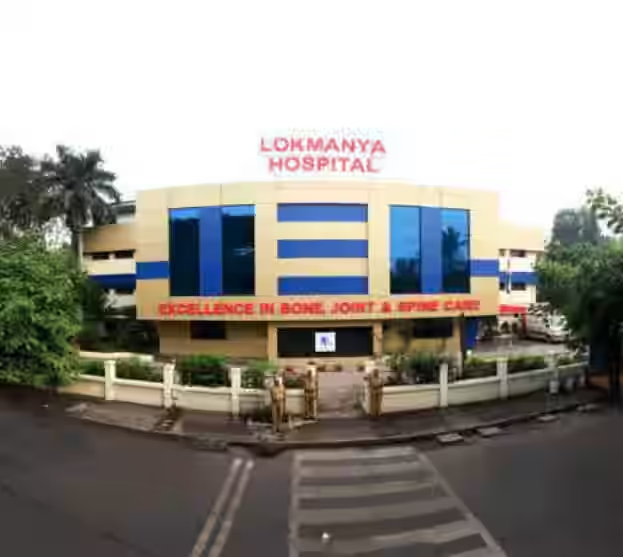
Lokmanya Hospitals
Not Specified

White Lotus Hospital
766, SFS 3145, SFS Road, 7th Sector, HSR Layout, Bengaluru, Karnataka 560102, India
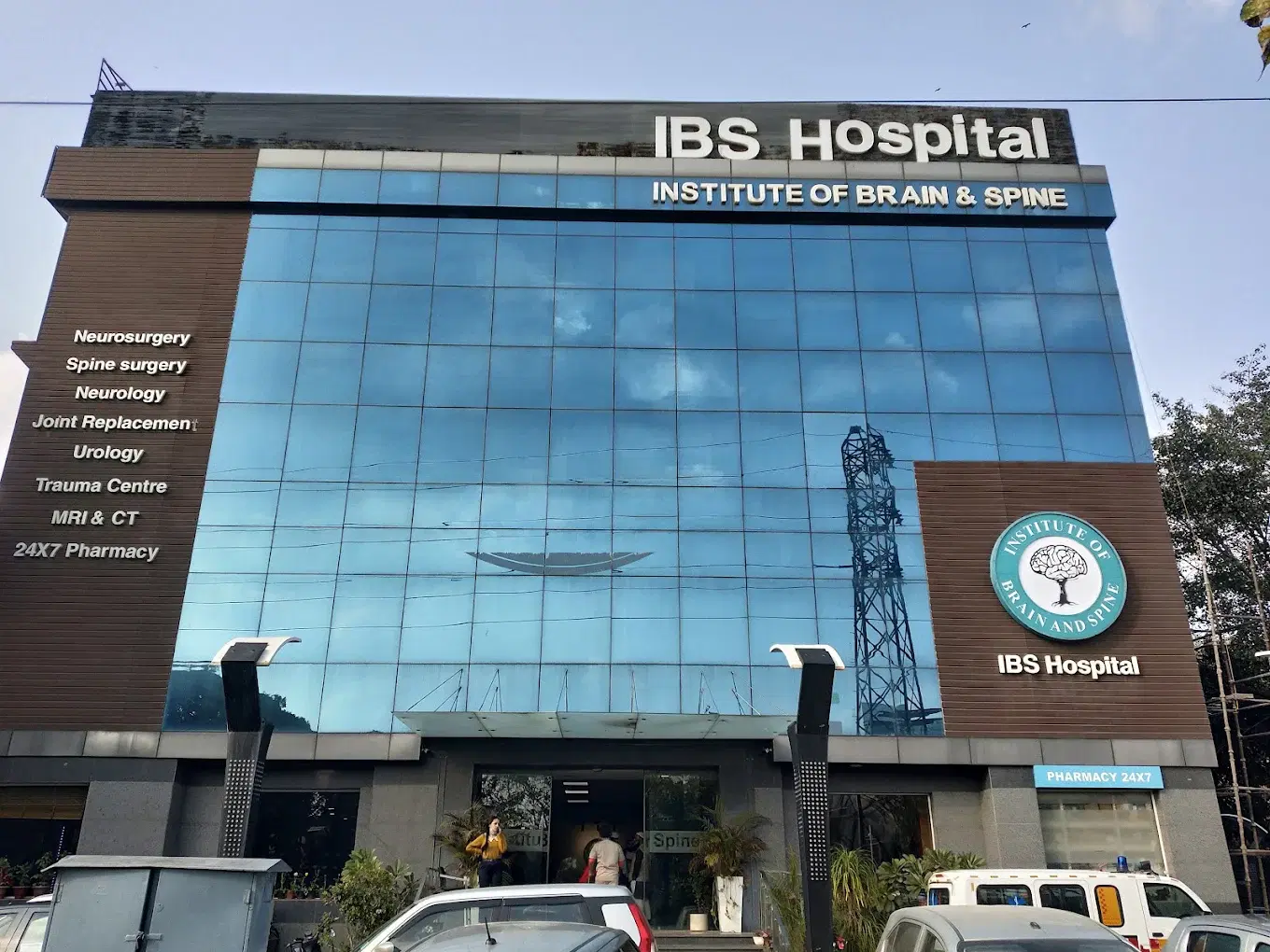
Institute of Brain and Spine (IBS Hospital)
Not Specified
Meet Our Medical Specialists




Sr. Consultant - Urology & Kidney Transplant Program (Unit I)
Dr. Abhinandan Mukhopadhyay
MBBS, MD
India

Sr. Consultant - Urology & Kidney Transplant Program (Unit I)
Dr. Abhinandan Mukhopadhyay
MBBS, MD
India
How DivinHeal Helps
We simplify your medical journey by providing comprehensive support and access to world-class healthcare.
Expert Specialist Matching
Connecting you with the world's top-rated medical experts.
Accredited Hospital Network
Access to JCI & NABH certified healthcare facilities.
Complete Travel Coordination
Hassle-free visa, stay, and local transport assistance.
24/7 Personal Care
Dedicated patient advisors supporting you at every step.
Journey Guidance
Full guidance from start to end of the patient treatment journey.
Expert Specialist Matching
Connecting you with the world's top-rated medical experts.
Everything you
need to know today
Browse through these common inquiries to better understand our patient-focused medical platform.
Yes, we work with a variety of insurance providers. Contact our team to verify your coverage.
Yes, we provide secure online consultations with experienced specialists.
Our care coordinators help match you with the most suitable specialist.
Absolutely. Your medical information is protected according to healthcare privacy standards.
Look at six things: accreditation (JCI or NABH), specialty depth, doctor credentials and experience, procedure-specific success rates, international patient support, and technology. DivinHeal's AI-driven matching evaluates every hospital in our accredited partner network on these dimensions and shortlists the best-fit options for your condition, budget, and country.
JCI (Joint Commission International) is the US-based global gold standard for hospital quality, recognised worldwide. NABH is India's national accreditation — accredited by ISQua, the same body that accredits JCI. Both signal independently verified safety and quality. Most of India's leading hospitals hold both.
Yes. All three welcome international patients through structured medical visa programs. India is the most established, treating patients from Africa, the Middle East, and South Asia at 60–80% lower cost. Thailand leads in cosmetic and dental care. The UAE is emerging in oncology and reproductive medicine.
Most patients save 50–80% on treatment costs. Heart bypass costs US $7,000–9,000 in India compared to $70,000–150,000 in the US. IVF costs $3,000–4,500 compared to $12,000–20,000 in the UK. Even after flights, visa, and accommodation, total savings remain 60–70%.
DivinHeal manages your entire non-medical journey: visa invitation letters, medical visa guidance, doctor appointments, teleconsultations, airport pickup, hospital-vetted accommodation for you and your attendant, language interpreters, local transport, cuisine preferences, and post-treatment follow-up — one dedicated coordinator from first enquiry to final follow-up.
You need a valid passport (6+ months validity), a medical visa (M-Visa for India — DivinHeal provides the hospital invitation letter), return flight tickets, recent medical reports and a doctor's referral, current prescription list, and proof of financial means. Any accompanying attendant needs their own passport and MX-Visa.
Still have more questions?
Book a call with our friendly team to learn how DivineHeal simplifies your healthcare journey.