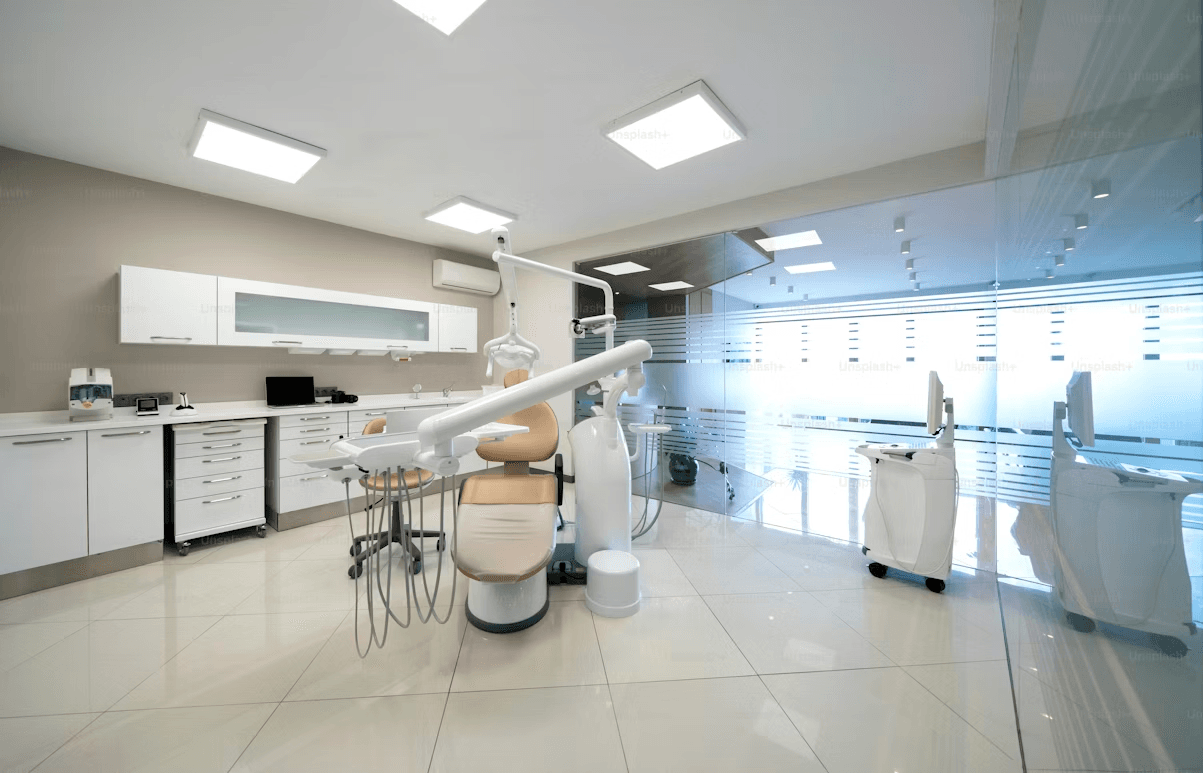

Robotic Knee Replacement Surgery Treatment in Gurugram for UAE
Access high-quality treatment through JCI & NABH-accredited hospitals, renowned specialists, and end-to-end medical travel support designed around your healing journey.
Plan My Journey
Tell us your condition and budget - our AI matches the right destination, hospital and doctor and visa pathway
Cost calculator
I know my treatment - show me cost from 3 hospitals
5K+ International Patients Treated
40+ Source Countries Served
500+ Accredited Partner Hospitals
98% Patient Satisfaction
80% Average Savings vs USA
10K+ Doctors
NABH, JCI Accredited Hospitals
Free Treatment Plan
Free Consultation with Doctor
5+ Destinations Covered

Written by DivinHeal Editorial Contributor, DivinHeal Medical Team, Healthcare Advisory Team Published on: February 19, 2026
About
Advanced Robotic Knee Replacement Surgery in Gurugram for UAE Patients
For patients in the UAE experiencing debilitating knee pain, the decision to seek advanced treatment often brings questions about quality and access. Finding a precise, effective solution like Robotic Knee Replacement Surgery can be a significant step toward regaining mobility and improving life quality. Many consider options beyond their immediate vicinity.
Gurugram has become a prominent medical hub, attracting patients seeking specialized care. This city offers a well-developed healthcare infrastructure, making it a logical choice for those looking for dedicated medical environments. Patients narrow down their search to Gurugram for its focused care delivery and efficient coordination.
The hospitals in Gurugram house experienced orthopedic specialists and modern surgical technologies. Patients can find trust in the city's established medical facilities, where a streamlined care pathway is often in place. This includes assistance with initial consultations and follow-up care within the city.
Gurugram provides a reliable setting for pursuing robotic knee replacement surgery.
What is Robotic Knee Replacement Surgery?
Robotic Knee Replacement Surgery is an advanced orthopedic procedure that uses robotic technology to assist the surgeon. This method enhances precision and accuracy during the operation. It involves creating a 3D model of the patient's knee, allowing the surgeon to plan the exact size and placement of the artificial joint. The robotic arm then guides the surgeon to prepare the bone surfaces and position the implant with remarkable accuracy, aiming for better outcomes, faster recovery, and a more natural feel for the patient.
Types of Knee Replacement Procedures
While Robotic Knee Replacement refers to the surgical technique, the underlying procedure can be categorized into:
- Total Knee Replacement (TKA): The most common type, where both sides of the knee joint (femoral and tibial components) are resurfaced and replaced with artificial implants. The kneecap may also be resurfaced.
- Partial Knee Replacement (UKA): This procedure replaces only the damaged part of the knee, usually one compartment (medial, lateral, or patellofemoral). It is suitable for patients with localized arthritis and preserves more of the natural knee joint.
- Robotic assistance can be applied to both total and partial knee replacement surgeries, significantly improving the precision of bone preparation and implant alignment.
When is Robotic Knee Replacement Surgery Necessary?
- Severe knee pain and stiffness that significantly limits daily activities.
- Chronic knee pain not relieved by non-surgical treatments like medication, injections, or physical therapy.
- Moderate to severe osteoarthritis, rheumatoid arthritis, or post-traumatic arthritis.
- Deformity of the knee, such as a bow-legged or knock-kneed appearance.
- Difficulty walking, climbing stairs, or standing for prolonged periods due to knee discomfort.
Pre-Surgical Evaluation for Knee Replacement
- Comprehensive physical examination by an orthopedic surgeon.
- Detailed medical history review, including past surgeries and current medications.
- Diagnostic imaging such as X-rays, MRI, and a CT scan for robotic planning.
- Blood tests, urine tests, and an electrocardiogram (ECG).
- Consultation with an anesthesiologist to assess fitness for surgery.
- Assessment for any dental issues or infections that need treatment before surgery.
How Robotic Knee Replacement Surgery is Performed
The specific procedure for robotic knee replacement varies slightly based on the patient's condition and the surgeon's plan. However, a general outline can be described.
Surgical Steps
- Anesthesia: The patient receives either general anesthesia or spinal anesthesia to ensure comfort throughout the procedure.
- Incision and Exposure: A small incision is made over the knee to expose the joint.
- 3D Mapping and Planning: The surgeon uses the robotic system to create a detailed 3D map of the knee, allowing for precise planning of bone cuts and implant positioning.
- Robotic-Assisted Bone Preparation: The surgeon uses the robotic arm to guide bone cuts with sub-millimeter accuracy, removing only the damaged bone and cartilage. This precise guidance helps ensure optimal alignment.
- Implant Placement: Artificial components, typically made of metal alloys and high-grade plastic, are securely fixed into place.
- Joint Assessment: The surgeon assesses the knee's stability and range of motion.
- Closure: The incision is closed using sutures or staples.
Recovery After Robotic Knee Replacement Surgery
Recovery from robotic knee replacement surgery typically involves a structured rehabilitation program. Patients are often encouraged to begin moving their knee within hours of surgery. Physical therapy starts almost immediately to restore strength and range of motion. Pain management is crucial during the initial healing period. Most patients can walk with assistance within days and gradually reduce reliance on walking aids. Full recovery and return to normal activities can take several weeks to a few months, depending on individual factors and adherence to rehabilitation. Regular follow-up appointments with the surgeon are essential to monitor progress.
Risks and Success Rates of Robotic Knee Replacement
- Early Risks: Infection, blood clots in the leg or lung, nerve damage, temporary stiffness, or pain.
- Late Risks: Loosening or wear of the implant over time, persistent pain, or rare cases of implant fracture.
- General Surgical Risks: Reactions to anesthesia, bleeding, or wound healing issues.
Robotic Knee Replacement Surgery generally boasts high success rates, with many patients experiencing significant pain relief and improved knee function. Outcomes vary based on individual health, adherence to rehabilitation, and the extent of the initial knee damage. The precision offered by robotic assistance often leads to better alignment and potentially longer implant longevity. Most patients can return to many daily activities and enjoy a better quality of life for 15-20 years or more after the surgery.
Cost of Robotic Knee Replacement Surgery in Gurugram
The cost of Robotic Knee Replacement Surgery in Gurugram is influenced by several factors. These include the choice of hospital, the specific robotic system used, the experience of the orthopedic surgeon, the type of implant, the duration of hospital stay, and any additional medical services required during the recovery period. Pre-operative diagnostics and post-operative rehabilitation also contribute to the overall expenditure.
Typically, the cost range for Robotic Knee Replacement Surgery in Gurugram can be approximately INR 4,50,000 to INR 7,50,000 per knee.
Comparing Robotic Knee Replacement Costs in Gurugram
Patients from the UAE considering Gurugram for Robotic Knee Replacement Surgery often find the costs significantly more affordable compared to many Western countries, without compromising on quality of care or advanced technology.
| Location | Average Cost (USD) |
|---|---|
| Gurugram, India | $5,500 - $9,000 |
| United States | $30,000 - $60,000 |
| United Kingdom | $15,000 - $25,000 |
| Singapore | $12,000 - $18,000 |
| Thailand | $8,000 - $12,000 |
Contact us to receive a personalized treatment plan and cost estimate.
Support Services for Your Treatment Journey
- Assistance with medical visa applications and extensions.
- Arrangements for airport transfers and local transportation.
- Support in finding suitable accommodation near the hospital.
- Provision of language interpreters to facilitate clear communication.
- Dedicated patient coordinator for guidance throughout your stay.
- Access to teleconsultations before and after your arrival in Gurugram.
Essential Papers for Your Medical Visit
- Valid passport and medical visa.
- Copies of all relevant medical reports, X-rays, and MRI scans.
- A referral letter from your local physician, if applicable.
- Proof of address in your home country and during your stay in Gurugram.
- Details of any existing medical insurance.
Preparing for Your Procedure in Gurugram
- Complete all necessary pre-operative medical clearances in your home country.
- Review and adjust current medications as advised by your Gurugram surgeon.
- Plan for a comfortable stay, packing essential items and any assistive devices you may need.
- Arrange for a companion to travel with you for support during your treatment and initial recovery.
- Understand the dietary guidelines and fasting instructions before your surgery.
Guidance for Your Recovery and Aftercare
- Adhere strictly to the prescribed physical therapy regimen for optimal rehabilitation.
- Follow all wound care instructions to prevent infection and promote healing.
- Manage pain effectively using prescribed medications and non-pharmacological methods.
- Attend all scheduled follow-up appointments with your surgeon.
- Be mindful of activity restrictions and gradually increase your mobility as advised.
- Maintain open communication with your medical team regarding any concerns during recovery.
Embark on Your Path to Improved Mobility
Considering Robotic Knee Replacement in Gurugram offers a pathway to regaining knee function with advanced care and comprehensive support.
Reach out today for a personalized consultation with our specialists.
Hospitals
NABH & JCI Accredited Hospitals in India,Turkey, Thailand & UAE.
Meet Our Medical Specialists




Sr. Consultant - Urology & Kidney Transplant Program (Unit I)
Dr. Abhinandan Mukhopadhyay
MBBS, MD
India

Sr. Consultant - Urology & Kidney Transplant Program (Unit I)
Dr. Abhinandan Mukhopadhyay
MBBS, MD
India
How DivinHeal Helps
We simplify your medical journey by providing comprehensive support and access to world-class healthcare.
Expert Specialist Matching
Connecting you with the world's top-rated medical experts.
Accredited Hospital Network
Access to JCI & NABH certified healthcare facilities.
Complete Travel Coordination
Hassle-free visa, stay, and local transport assistance.
24/7 Personal Care
Dedicated patient advisors supporting you at every step.
Journey Guidance
Full guidance from start to end of the patient treatment journey.
Expert Specialist Matching
Connecting you with the world's top-rated medical experts.
Everything you
need to know today
Browse through these common inquiries to better understand our patient-focused medical platform.
Yes, we work with a variety of insurance providers. Contact our team to verify your coverage.
Yes, we provide secure online consultations with experienced specialists.
Our care coordinators help match you with the most suitable specialist.
Absolutely. Your medical information is protected according to healthcare privacy standards.
Look at six things: accreditation (JCI or NABH), specialty depth, doctor credentials and experience, procedure-specific success rates, international patient support, and technology. DivinHeal's AI-driven matching evaluates every hospital in our accredited partner network on these dimensions and shortlists the best-fit options for your condition, budget, and country.
JCI (Joint Commission International) is the US-based global gold standard for hospital quality, recognised worldwide. NABH is India's national accreditation — accredited by ISQua, the same body that accredits JCI. Both signal independently verified safety and quality. Most of India's leading hospitals hold both.
Yes. All three welcome international patients through structured medical visa programs. India is the most established, treating patients from Africa, the Middle East, and South Asia at 60–80% lower cost. Thailand leads in cosmetic and dental care. The UAE is emerging in oncology and reproductive medicine.
Most patients save 50–80% on treatment costs. Heart bypass costs US $7,000–9,000 in India compared to $70,000–150,000 in the US. IVF costs $3,000–4,500 compared to $12,000–20,000 in the UK. Even after flights, visa, and accommodation, total savings remain 60–70%.
DivinHeal manages your entire non-medical journey: visa invitation letters, medical visa guidance, doctor appointments, teleconsultations, airport pickup, hospital-vetted accommodation for you and your attendant, language interpreters, local transport, cuisine preferences, and post-treatment follow-up — one dedicated coordinator from first enquiry to final follow-up.
You need a valid passport (6+ months validity), a medical visa (M-Visa for India — DivinHeal provides the hospital invitation letter), return flight tickets, recent medical reports and a doctor's referral, current prescription list, and proof of financial means. Any accompanying attendant needs their own passport and MX-Visa.
Still have more questions?
Book a call with our friendly team to learn how DivineHeal simplifies your healthcare journey.