
Robotic Knee Replacement Surgery Treatment in Hyderabad for Ethiopia
Access high-quality treatment through JCI & NABH-accredited hospitals, renowned specialists, and end-to-end medical travel support designed around your healing journey.
Plan My Journey
Tell us your condition and budget - our AI matches the right destination, hospital and doctor and visa pathway
Cost calculator
I know my treatment - show me cost from 3 hospitals
5K+ International Patients Treated
40+ Source Countries Served
500+ Accredited Partner Hospitals
98% Patient Satisfaction
80% Average Savings vs USA
10K+ Doctors
NABH, JCI Accredited Hospitals
Free Treatment Plan
Free Consultation with Doctor
5+ Destinations Covered

Written by DivinHeal Editorial Contributor, DivinHeal Medical Team, Healthcare Advisory Team Published on: February 19, 2026
About
Robotic Knee Replacement in Hyderabad for Ethiopian Patients | Cost, Hospitals
Patients from Ethiopia considering Robotic Knee Replacement Surgery often have many questions about treatment quality, advanced technology, and access to specialized care. The idea of traveling abroad for a major procedure like this naturally brings concerns about the entire journey, from initial steps to post-operative support and recovery. Finding a trusted medical solution is a priority.
Hyderabad has steadily grown as a reputable hub for international patients seeking highly specialized orthopedic interventions. Its focus on innovative robotic surgical techniques and modern medical infrastructure attracts individuals searching for precise and effective solutions to knee conditions. Hospitals in the city provide a harmonious blend of skilled expertise and state-of-the-art facilities.
Trust in Hyderabad’s medical capabilities is anchored by its accredited hospitals and a significant pool of experienced orthopedic specialists. Patients here benefit from comprehensive care, spanning from the initial diagnostic evaluation through to a guided and supportive recovery phase. The city's medical ecosystem facilitates smooth coordination, ensuring straightforward follow-ups and continuous care within the local environment.
Hyderabad offers a reliable and advanced setting for Robotic Knee Replacement Surgery, delivering high standards of patient care.
What is Robotic Knee Replacement Surgery?
Robotic Knee Replacement Surgery is a highly advanced procedure aimed at alleviating severe chronic knee pain and restoring function in individuals suffering from advanced arthritis or significant knee damage. This surgery employs a robotic arm or assistant to enhance the surgeon's precision and accuracy during the operation. The robot acts as a guide, helping the surgeon to meticulously plan and execute bone cuts and implant placement with exceptional exactness. This improved precision is designed to optimize the fit and alignment of the knee implant, potentially leading to better long-term outcomes and a more natural-feeling knee. The process involves removing damaged cartilage and bone and replacing them with artificial components, typically made of metal and plastic.
What Are the Types of Robotic Knee Replacement?
The application of robotic assistance primarily refines the execution of standard knee replacement procedures. Key distinctions include:
- Total Robotic Knee Replacement: Replacing the entire knee joint with robotic guidance.
- Partial Robotic Knee Replacement: Replacing only the damaged part of the knee, often called unicondylar knee replacement.
- Robotic-Assisted Custom Implant Placement: Utilizing robotic precision to ensure optimal fit for custom-designed implants.
- Minimally Invasive Robotic Knee Surgery: Performing the procedure through smaller incisions with robotic aid, potentially reducing recovery time.
When is Robotic Knee Replacement Surgery Needed?
- Severe, persistent knee pain that impacts daily activities.
- Chronic stiffness and swelling in the knee joint.
- Ineffectiveness of non-surgical treatments like medication, injections, or physical therapy.
- Significant knee deformity or instability.
- Diagnosis of severe osteoarthritis, rheumatoid arthritis, or post-traumatic arthritis.
- Difficulty walking, climbing stairs, or standing for extended periods.
What Pre-Treatment Evaluation is Required?
- Thorough physical examination and review of medical history.
- Blood tests including complete blood count and metabolic panels.
- Urine analysis to check for any underlying infections.
- Detailed imaging studies such as X-rays, MRI, or CT scans of the affected knee.
- Cardiac assessment, including an ECG and possibly an echocardiogram.
- Consultation with an anesthesiologist for anesthesia planning.
- Dental check-up to identify and address any potential sources of infection.
How is Robotic Knee Replacement Surgery Performed?
The specific steps for Robotic Knee Replacement Surgery are tailored to each patient's condition and the detailed surgical plan developed by the surgeon. However, the procedure generally follows a precise sequence.
Pre-operative Planning
Before the surgery, a CT scan of the patient's knee generates a 3D virtual model. This model enables the surgeon to meticulously plan the exact size and position of the implant, along with precise bone cuts.
Anesthesia
Patients receive anesthesia, typically general or spinal, to ensure complete comfort throughout the operation.
Surgical Incision
A carefully made incision provides access to the knee joint.
Robotic Guidance and Bone Preparation
The surgeon operates the robotic arm, which is guided by the pre-operative 3D plan. The robotic system offers real-time feedback, assisting the surgeon in making highly accurate bone cuts. This process removes damaged tissue while preserving as much healthy bone and ligaments as possible.
Implant Placement
The artificial knee components are carefully positioned and secured, either with cement or through a press-fit technique. The robotic system aids in verifying the optimal alignment and fit of the new joint.
Closure
Once the implant is securely in place and functionality confirmed, the incision is closed with sutures or staples.
What Does the Recovery Process Involve?
Recovery from Robotic Knee Replacement Surgery follows a structured plan designed to restore strength and mobility. Physical therapy often begins within a day or two post-surgery, focusing on gentle range-of-motion exercises. A typical hospital stay lasts a few days, followed by a period of supervised rehabilitation. Effective pain management is crucial. Patients receive detailed instructions on wound care, activity restrictions, and a personalized exercise program. Full recovery can extend over several months, with consistent improvement in strength and function. Regular follow-up appointments with the surgeon are essential to monitor healing and progress.
What Are the Risks and Success Rates?
- Infection at the surgical site, though precautions are taken.
- Formation of blood clots in the leg veins or lungs.
- Potential for nerve or blood vessel damage during the procedure.
- Post-operative knee stiffness or instability.
- Long-term loosening or wear of the artificial implant.
- Adverse reactions to anesthesia.
- Persistent pain or discomfort in rare cases.
Robotic Knee Replacement Surgery boasts very high success rates, leading to a significant reduction in pain and notable improvement in knee function for the vast majority of patients. Many studies indicate success rates exceeding 90-95% in terms of patient satisfaction and implant longevity over a 10 to 15-year period. Individual outcomes can vary depending on overall health, adherence to rehabilitation protocols, and the precision of the surgery. Long-term expectations generally include a successful return to most daily activities and an enhanced quality of life.
Cost of Robotic Knee Replacement in Hyderabad
The cost of Robotic Knee Replacement Surgery in Hyderabad is influenced by several key factors. These include the hospital's standing and facilities, the fees of the specific orthopedic surgeon, the brand and type of implant utilized, the duration of the hospital stay, and any additional medical services or complications that may arise. The advanced robotic technology also contributes to the overall expense, reflecting the investment in precision and outcomes.
While costs can vary, Robotic Knee Replacement Surgery in Hyderabad generally ranges from approximately INR 3,50,000 to INR 6,50,000 for a single knee.
Robotic Knee Replacement Cost Comparison
Hyderabad offers competitive pricing for advanced Robotic Knee Replacement Surgery compared to many other international medical centers. This allows patients to access high-quality care at a more accessible cost.
| Location | Estimated Cost (USD) |
|---|---|
| Hyderabad, India | $4,200 - $7,800 |
| United States | $30,000 - $55,000 |
| United Kingdom | $20,000 - $35,000 |
| Singapore | $18,000 - $28,000 |
| Turkey | $8,000 - $15,000 |
| Thailand | $10,000 - $18,000 |
Considering Robotic Knee Replacement in Hyderabad?
Connect with our patient support team today to receive a personalized treatment plan and cost estimate tailored to your needs.
Comprehensive Support for Your Treatment Journey
- Assistance with medical visa application processes.
- Efficient coordination of all hospital appointments and specialist consultations.
- Arrangement of convenient airport transfers and local transportation.
- Guidance on suitable accommodation options for patients and accompanying family.
- Provision of language interpretation services as needed for clear communication.
- Facilitation of post-operative follow-up and rehabilitation program planning.
- Assignment of a dedicated patient support manager for seamless communication and assistance.
Essential Documents for Your Medical Visit
- Valid passport with at least six months of remaining validity.
- Approved medical visa letter or e-visa printout.
- Original copies of all relevant medical reports, X-rays, MRI scans, and test results.
- Official doctor's referral letter or medical opinion from your home country.
- Proof of financial capacity to cover treatment and living expenses.
- A detailed list of your current medications and known allergies.
- Emergency contact information for your primary care physician back home.
Preparing for Your Robotic Knee Replacement
- Discuss all current medications, especially blood thinners, with your surgeon.
- Arrange for a trusted companion to support you during and after the procedure.
- Complete any prescribed pre-operative exercises to strengthen surrounding muscles.
- Ensure all necessary medical evaluations and clearances are obtained prior to travel.
- Follow medical advice regarding avoidance of smoking and excessive alcohol consumption.
- Plan for your recovery period, including any home modifications if returning directly.
- Adhere to specific dietary guidelines provided by your medical team before surgery.
Navigating Your Recovery After Knee Surgery
- Strictly adhere to your personalized pain management plan.
- Actively engage in physical therapy exercises as directed by your therapist.
- Maintain cleanliness and dryness of the surgical incision, monitoring for any signs of infection.
- Utilize assistive devices like crutches or walkers as recommended for support and safety.
- Avoid activities that could place excessive strain or impact on your new knee joint.
- Attend all scheduled follow-up appointments with your surgeon to monitor healing.
- Maintain a healthy, balanced diet and adequate hydration to support the healing process.
Ready to Explore Your Treatment Options?
Reach out today for a consultation and let us help you plan your journey to improved knee health in Hyderabad.
Ready to Regain Your Mobility and Life?
Embarking on this journey can significantly enhance your quality of life. Hyderabad offers the specialized expertise and advanced technology to support your recovery and help you achieve better knee health.
Hospitals
NABH & JCI Accredited Hospitals in India,Turkey, Thailand & UAE.

Artemis Hospital
Sector 51, Gurugram, Haryana, India

Lokmanya Hospitals
Not Specified

White Lotus Hospital
766, SFS 3145, SFS Road, 7th Sector, HSR Layout, Bengaluru, Karnataka 560102, India
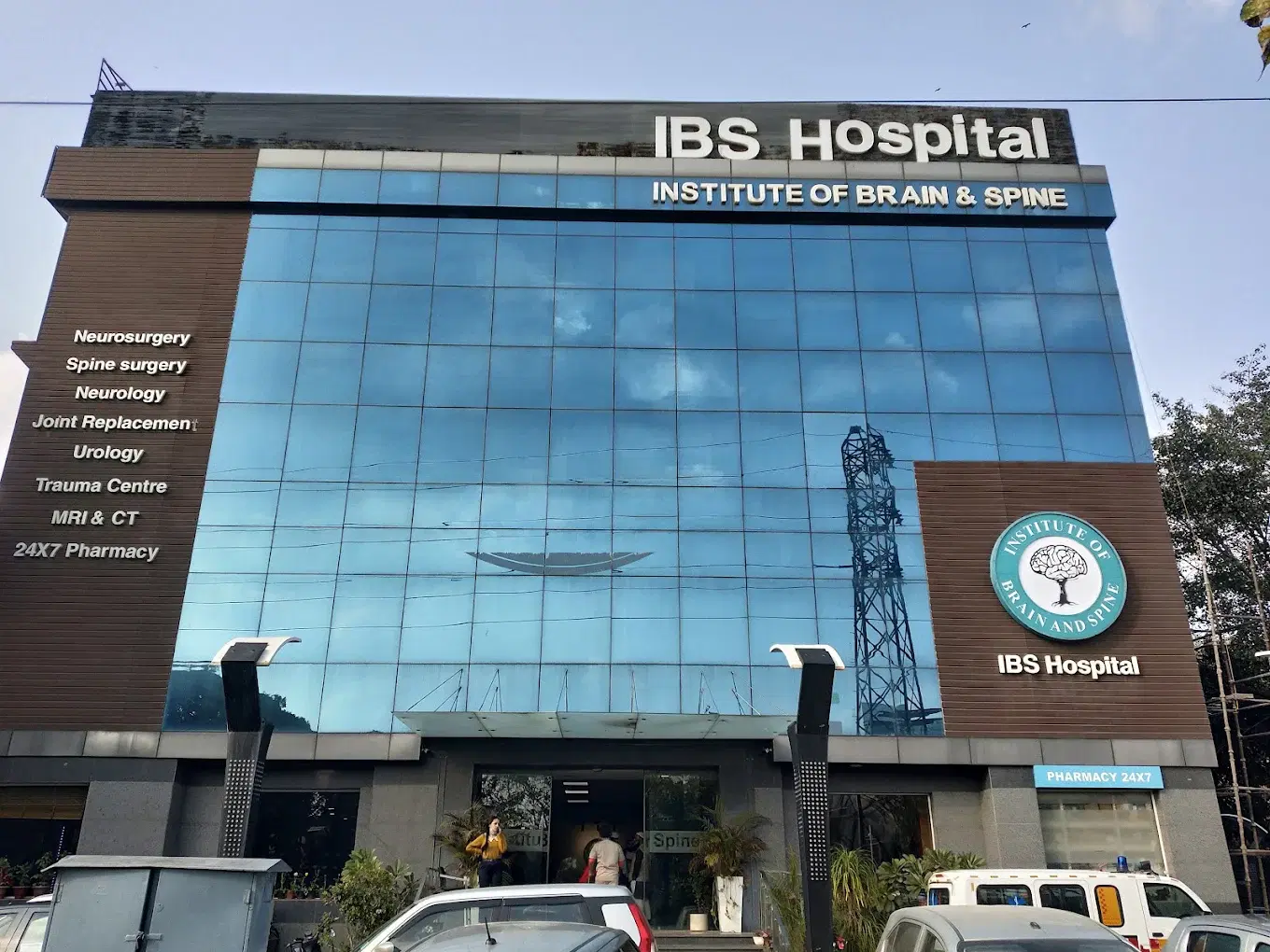
Institute of Brain and Spine (IBS Hospital)
Not Specified
Meet Our Medical Specialists




Sr. Consultant - Urology & Kidney Transplant Program (Unit I)
Dr. Abhinandan Mukhopadhyay
MBBS, MD
India

Sr. Consultant - Urology & Kidney Transplant Program (Unit I)
Dr. Abhinandan Mukhopadhyay
MBBS, MD
India
How DivinHeal Helps
We simplify your medical journey by providing comprehensive support and access to world-class healthcare.
Expert Specialist Matching
Connecting you with the world's top-rated medical experts.
Accredited Hospital Network
Access to JCI & NABH certified healthcare facilities.
Complete Travel Coordination
Hassle-free visa, stay, and local transport assistance.
24/7 Personal Care
Dedicated patient advisors supporting you at every step.
Journey Guidance
Full guidance from start to end of the patient treatment journey.
Expert Specialist Matching
Connecting you with the world's top-rated medical experts.
Everything you
need to know today
Browse through these common inquiries to better understand our patient-focused medical platform.
Yes, we work with a variety of insurance providers. Contact our team to verify your coverage.
Yes, we provide secure online consultations with experienced specialists.
Our care coordinators help match you with the most suitable specialist.
Absolutely. Your medical information is protected according to healthcare privacy standards.
Look at six things: accreditation (JCI or NABH), specialty depth, doctor credentials and experience, procedure-specific success rates, international patient support, and technology. DivinHeal's AI-driven matching evaluates every hospital in our accredited partner network on these dimensions and shortlists the best-fit options for your condition, budget, and country.
JCI (Joint Commission International) is the US-based global gold standard for hospital quality, recognised worldwide. NABH is India's national accreditation — accredited by ISQua, the same body that accredits JCI. Both signal independently verified safety and quality. Most of India's leading hospitals hold both.
Yes. All three welcome international patients through structured medical visa programs. India is the most established, treating patients from Africa, the Middle East, and South Asia at 60–80% lower cost. Thailand leads in cosmetic and dental care. The UAE is emerging in oncology and reproductive medicine.
Most patients save 50–80% on treatment costs. Heart bypass costs US $7,000–9,000 in India compared to $70,000–150,000 in the US. IVF costs $3,000–4,500 compared to $12,000–20,000 in the UK. Even after flights, visa, and accommodation, total savings remain 60–70%.
DivinHeal manages your entire non-medical journey: visa invitation letters, medical visa guidance, doctor appointments, teleconsultations, airport pickup, hospital-vetted accommodation for you and your attendant, language interpreters, local transport, cuisine preferences, and post-treatment follow-up — one dedicated coordinator from first enquiry to final follow-up.
You need a valid passport (6+ months validity), a medical visa (M-Visa for India — DivinHeal provides the hospital invitation letter), return flight tickets, recent medical reports and a doctor's referral, current prescription list, and proof of financial means. Any accompanying attendant needs their own passport and MX-Visa.
Still have more questions?
Book a call with our friendly team to learn how DivineHeal simplifies your healthcare journey.