
Robotic Knee Replacement Surgery Treatment in India for Iraq
Need Personalized Advice?
Our medical experts are ready to answer your questions and guide you through your treatment options.
About
Robotic Knee Replacement Surgery for Iraq Patients in India
For many patients from Iraq facing severe knee pain and mobility issues, the thought of complex surgery like robotic knee replacement can bring uncertainty. You might wonder about the best care options or how to find advanced, effective medical solutions for your condition.
India has emerged as a preferred destination for high-quality medical treatments, drawing patients from across the globe. Its well-established healthcare infrastructure and accessibility make it an appealing choice for advanced surgical needs when seeking care outside one's home country.
Across India, a network of world-class hospitals and highly skilled orthopedic specialists offers cutting-edge robotic knee replacement procedures. These facilities are equipped with modern technology and adhere to international patient safety standards, building a strong foundation of trust.
Could India be the ideal destination for your knee replacement surgery?
What is Robotic Knee Replacement Surgery?
Robotic Knee Replacement Surgery is an advanced orthopedic procedure that uses robotic technology to assist surgeons in performing knee replacement with enhanced precision. The surgeon guides a robotic arm to accurately prepare the bone and position the new implant, which aims to improve surgical outcomes and patient recovery. This technique addresses severe knee arthritis or injury that has not responded to conservative treatments, restoring function and alleviating pain.
Are There Different Approaches to Knee Replacement?
While Robotic Knee Replacement is a specific method, the type of replacement can vary:
- Total Knee Replacement (TKR): Replaces the entire knee joint surface with artificial components. This is the most common form, often performed robotically.
- Partial Knee Replacement (PKR): Also known as unicompartmental knee replacement, this procedure replaces only the damaged part of the knee, preserving healthy bone and cartilage. This can also be done using robotic assistance.
- Minimally Invasive Knee Replacement: A technique that involves smaller incisions, which can sometimes be combined with robotic assistance to further enhance precision and potentially speed up recovery.
- Revision Knee Replacement: Performed when a previous knee replacement implant fails or wears out. Robotic assistance can be particularly valuable in these complex cases.
When is Robotic Knee Replacement Recommended?
- Severe knee pain that limits daily activities.
- Chronic knee stiffness or swelling.
- Failure of conservative treatments like medication, injections, or physical therapy.
- Significant damage to knee cartilage due to osteoarthritis.
- Rheumatoid arthritis affecting the knee joint.
- Post-traumatic arthritis resulting from an injury.
- Deformity of the knee, such as bow legs or knock knees, caused by arthritis.
What Pre-Treatment Evaluation is Necessary?
- Detailed medical history review and physical examination.
- Blood tests, including complete blood count, kidney function, and liver function.
- Urine analysis to check for infections.
- X-rays of the knee to assess the extent of joint damage.
- MRI or CT scans for detailed imaging and 3D mapping used in robotic planning.
- Electrocardiogram (ECG) and chest X-ray to evaluate heart and lung health.
- Consultation with an anesthesiologist to determine anesthesia suitability.
- Dental check-up to rule out any potential sources of infection.
How is Robotic Knee Replacement Surgery Performed?
The procedure for robotic knee replacement surgery involves several key stages, carefully planned for precision and patient safety.
Before the Surgery
Before the surgery begins, detailed imaging of your knee is taken to create a 3D model. This model helps the surgeon plan the exact placement and size of the implant, ensuring optimal alignment and fit. The robotic system uses this plan to guide the surgical process.
During the Surgery
The patient receives anesthesia, typically spinal or general. The surgeon makes an incision to access the knee joint. Using the pre-operative plan, the robotic arm assists the surgeon in precisely preparing the bone surfaces. This involves removing damaged bone and cartilage with extreme accuracy, following the personalized surgical plan. New artificial components, made of metal alloys and high-grade plastics, are then implanted. The robotic assistance ensures that these components are positioned with millimeter precision, which is crucial for the long-term success and function of the new knee.
After the Surgery
Once the components are securely in place, the surgeon closes the incision. Patients are then moved to a recovery room where they are monitored. Pain management is initiated immediately to ensure comfort. Early mobilization, often starting on the same day or the day after surgery, is a key part of recovery.
What Does the Recovery Process Entail?
Recovery from robotic knee replacement surgery typically involves a hospital stay of a few days, followed by several weeks to months of rehabilitation. Patients usually begin physical therapy soon after surgery to regain strength, flexibility, and range of motion. Restrictions on certain activities, such as heavy lifting or high-impact sports, are common during the initial healing phase. Regular follow-up appointments with your surgeon are important to monitor progress and ensure proper healing. A full return to normal activities varies greatly among individuals but often takes several months, supported by consistent physiotherapy.
What Are the Risks and Expected Success Rates?
- Potential for infection at the surgical site.
- Risk of blood clots in the leg veins or lungs.
- Nerve or blood vessel damage, though rare.
- Stiffness in the knee joint.
- Loosening or wear of the implant over time.
- Allergic reactions to anesthetic or implant materials.
- Continued pain or discomfort in some cases.
Robotic knee replacement surgery generally boasts high success rates, with many patients experiencing significant pain relief and improved mobility. Outcomes can vary depending on factors such as the patient's overall health, adherence to post-operative rehabilitation, and the surgeon's experience. The advanced precision offered by robotic assistance often contributes to better alignment and potentially longer implant survival. Most patients can expect to return to many of their normal daily activities, with the new knee lasting 15 to 20 years or more.
How Much Does Robotic Knee Replacement Cost in India?
The cost of Robotic Knee Replacement Surgery in India is generally more affordable than in many Western countries, without compromising on quality. Several factors influence the total expense, including the choice of hospital, the specific specialist performing the surgery, the type of implant used, and any additional medical services required during your stay. The duration of hospital stay and the need for intensive rehabilitation also play a role in the final cost.
For international patients from Iraq, the estimated cost for Robotic Knee Replacement Surgery in India typically ranges from INR 3,50,000 to INR 6,50,000 per knee.
Indicative Costs for Robotic Knee Replacement Across Indian Cities (INR)
| City | Cost Range (per knee) |
|---|---|
| Delhi | INR 3,80,000 - 6,20,000 |
| Mumbai | INR 4,00,000 - 6,50,000 |
| Chennai | INR 3,60,000 - 5,90,000 |
| Bengaluru | INR 3,90,000 - 6,30,000 |
| Hyderabad | INR 3,70,000 - 6,00,000 |
| Kolkata | INR 3,50,000 - 5,80,000 |
| Pune | INR 3,70,000 - 6,00,000 |
Global Cost Comparison for Robotic Knee Replacement Surgery
| Country | Estimated Cost (USD) |
|---|---|
| India | 4,200 - 8,000 |
| United States | 30,000 - 50,000 |
| United Kingdom | 18,000 - 25,000 |
| Thailand | 10,000 - 15,000 |
| Turkey | 9,000 - 14,000 |
| Germany | 22,000 - 35,000 |
Comprehensive Support for Your Treatment Journey
- Assistance with medical visa applications and necessary travel documents.
- Coordination of airport transfers and local transportation.
- Booking of suitable accommodation for patients and accompanying family members.
- Arrangement of interpreter services for clear communication with medical staff.
- Dedicated patient care managers to guide you through every step.
- Facilitation of follow-up appointments and post-treatment care planning.
- Support for local sightseeing and cultural experiences if desired.
Essential Documents for Your Medical Visit
- Current passport and valid medical visa for India.
- All previous medical records, including diagnostic reports and consultation notes.
- A detailed referral letter from your local physician, if available.
- List of current medications, including dosages and frequency.
- Proof of financial capacity for treatment and travel expenses.
- Contact information for emergency contacts in your home country.
- Any allergy reports or specific health alerts.
Important Steps to Prepare Before You Arrive
- Discuss all concerns and questions with your local doctor before traveling.
- Ensure all necessary travel documents and medical visas are secured well in advance.
- Arrange for funds to cover treatment costs and living expenses during your stay.
- Pack comfortable clothing suitable for hospital stay and rehabilitation.
- Inform the medical team of any dietary restrictions or specific cultural needs.
- Stop certain medications, like blood thinners, as advised by your surgeon.
- Complete any pre-operative exercises or physical therapy recommended.
Guidance for Your Post-Treatment Healing
- Adhere strictly to all prescribed medications and pain management plans.
- Regularly attend physical therapy sessions to restore strength and movement.
- Keep the surgical incision clean and dry, following wound care instructions.
- Avoid putting excessive weight or strain on the new knee initially.
- Follow dietary recommendations to support healing and maintain overall health.
- Schedule and attend all recommended follow-up appointments with your surgeon.
- Arrange for necessary home modifications to ensure a safe recovery environment.
Ready to Explore Your Treatment Options?
Taking the first step toward pain relief and improved mobility is a significant decision. Our team is here to provide all the information and support you need.
Hospitals Offering this treatment
India offers premium medical procedures at affordable prices. Discover our most popular treatments, delivered by the country's finest doctors.
Meet Our Doctors
Meet our team of highly qualified and experienced medical professionals dedicated to providing the best healthcare services.

Dr. Anjali Vaish
Consultant - Physiotherapy and Rehabilitation Centre
Physiotherapy and Rehabilitation Centre
New Delhi
10+ Years
Experience
Artemis Hospital
Hospital
1500
Fees

Dr. Ajit Singh Baghela
Sr. Consultant - Paediatric Neurology
Paediatric Neurology
New Delhi
9+ Years
Experience
Artemis Hospital
Hospital
1500
Fees
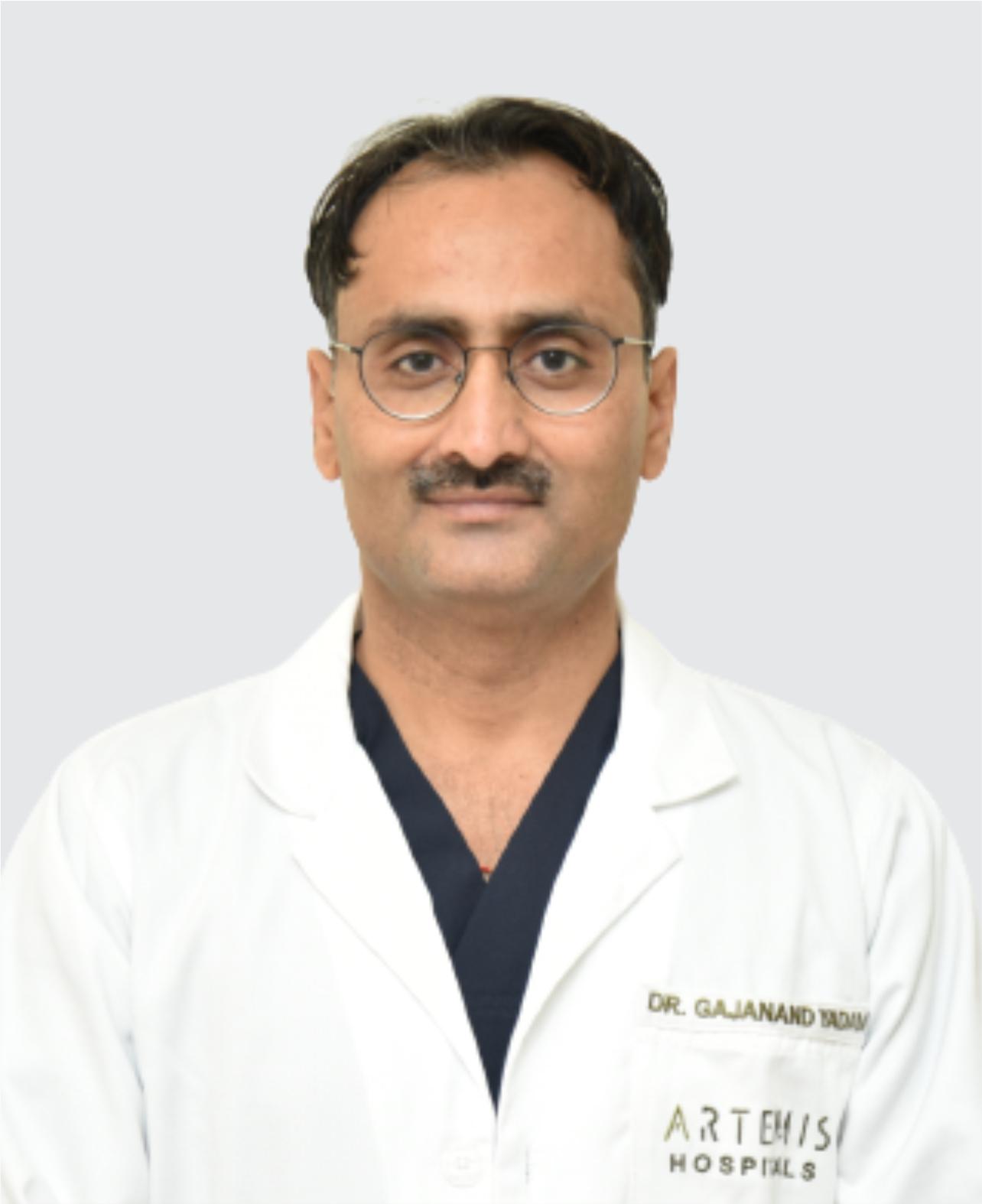
Dr. Gajanand Yadav
Consultant - Orthopaedics and Hip and Knee Arthroplasty
Orthopaedics, Hip and Knee Arthroplasty, Joint Replacement, Sports Medicine
New Delhi
12+ Years
Experience
Artemis Hospital
Hospital
1500
Fees

Dr. Rahul Naithani
Chief - Hematology, Oncology & Bone Marrow Transplant
Clinical Hematology, Hematologic Oncology, Bone Marrow Transplantation
New Delhi
15+ Years
Experience
Artemis Hospital
Hospital
1500
Fees

Dr. Rajiv Chhabra
Chief
Paediatric
New Delhi
15+ Years
Experience
Artemis Hospital
Hospital
1500
Fees

Dr. Rakesh Durkhure
Head - General, MI & Bariatric Surgery (Unit IV)
General & Minimally Invasive Surgery
New Delhi
25+ Years
Experience
Artemis Hospital
Hospital
1500
Fees

Dr. Sameer Mehrotra
Unit Chief - Interventional Cardiology & Electrophysiology
Cardiology, Electrophysiology, Interventional Cardiology
New Delhi
15+ Years
Experience
Artemis Hospital
Hospital
1500
Fees

Dr. Sanjay Mehta
Chairperson
Radiology
New Delhi
28+ Years
Experience
Artemis Hospital
Hospital
1500
Fees
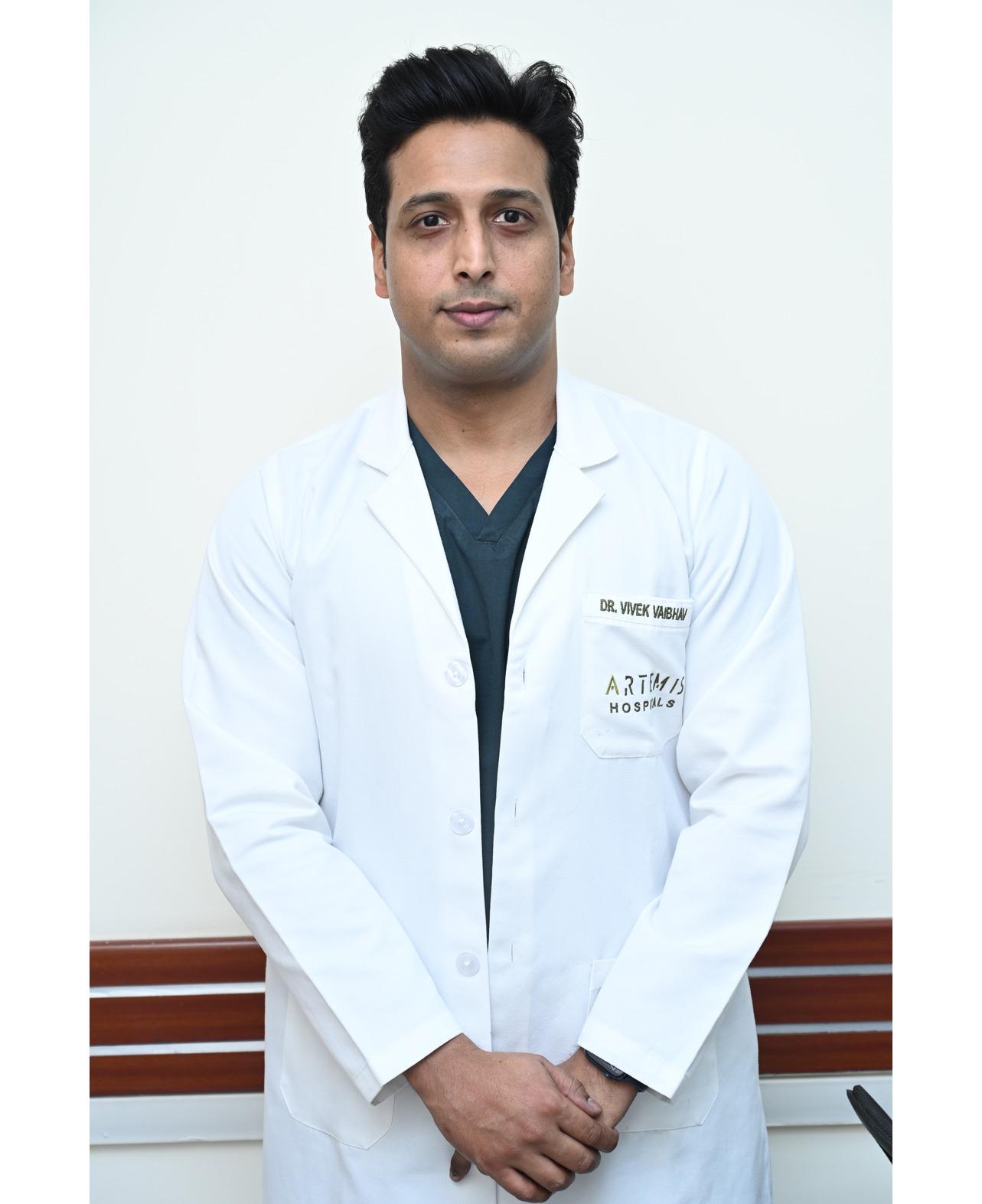
Dr. Vivek Vaibhav
Consultant
Orthopaedic Surgery, Orthopaedics
New Delhi
10+ Years
Experience
Artemis Hospital
Hospital
1500
Fees

Dr. I P S Oberoi
Chairperson - Orthopaedics Program & Chief – Robotic Joint Replacement & Arthroscopy Surgery
Orthopaedics, Robotic Surgery
New Delhi
15+ Years
Experience
Artemis Hospital
Hospital
1500
Fees
Related Links
Recent Blogs
- How DivinHeal Helps You Find the Best Hospital in India
- Travel, Stay & Food Tips for Medical Tourists in India
- Robotic Knee Replacement Surgery Cost in India 2026: Complete Guide for Australian & UK Patients
- Knee Replacement Surgery Cost in India 2026: Complete Guide for UAE & Nigerian Patients
- How Much Does Knee Replacement Surgery Cost in India?
Other Treatment related Information
Ready To Start Your Healing Journey?
Get Personalized Medical Treatment Options From India's Top Hospitals. Our Medical Experts Are Ready To Assist You Every Step Of The Way.