Robotic Prostatectomy Treatment in Chennai for Bangladesh
Access high-quality treatment through JCI & NABH-accredited hospitals, renowned specialists, and end-to-end medical travel support designed around your healing journey.
Plan My Journey
Tell us your condition and budget - our AI matches the right destination, hospital and doctor and visa pathway
Cost calculator
I know my treatment - show me cost from 3 hospitals
5K+ International Patients Treated
40+ Source Countries Served
500+ Accredited Partner Hospitals
98% Patient Satisfaction
80% Average Savings vs USA
10K+ Doctors
NABH, JCI Accredited Hospitals
Free Treatment Plan
Free Consultation with Doctor
5+ Destinations Covered

Written by DivinHeal Editorial Contributor, DivinHeal Medical Team, Healthcare Advisory Team Published on: February 19, 2026
About
Advanced Robotic Prostatectomy in Chennai for Bangladesh Patients
For many patients in Bangladesh facing prostate cancer, the thought of complex surgery can bring significant apprehension. Concerns about treatment quality, access to advanced technology, and the overall patient experience often lead to exploring options beyond their home country. Finding a reliable medical destination for a sensitive procedure like prostatectomy is a top priority.
Chennai has emerged as a preferred destination for international patients seeking high-quality medical care, particularly for advanced surgical procedures. The city's reputation for medical excellence, combined with its welcoming environment and ease of access, makes it an attractive choice for those looking for specialized treatment without compromising on care standards.
Patients coming to Chennai benefit from a network of internationally accredited hospitals and highly skilled urological surgeons. These institutions are equipped with state-of-the-art robotic surgical systems, ensuring precision and optimal outcomes. The city also offers robust support services, making follow-ups and coordinated care straightforward for international visitors.
Chennai provides a comprehensive and trusted pathway for robotic prostatectomy.
What is Robotic Prostatectomy?
Robotic prostatectomy is a minimally invasive surgical procedure used primarily to remove the prostate gland affected by localized prostate cancer. This advanced technique employs a robotic system, giving the surgeon enhanced precision, visualization, and dexterity during the operation. Instead of a large incision, several small keyhole incisions are made, through which specialized instruments and a high-definition 3D camera are inserted. The surgeon controls these instruments from a console, performing the delicate dissection and removal of the prostate with greater accuracy than traditional open surgery.
What are the Different Approaches to Prostatectomy?
While the goal of prostatectomy remains the same—removing the cancerous prostate gland—the surgical approach can vary significantly. Understanding these options helps in making informed decisions about treatment pathways:
- Open Radical Prostatectomy: This traditional method involves a single, larger incision in the lower abdomen to directly access and remove the prostate gland.
- Laparoscopic Radical Prostatectomy: A minimally invasive technique where the surgeon uses long instruments inserted through small incisions, guided by a 2D camera.
- Robotic-Assisted Radical Prostatectomy: This is the most advanced minimally invasive method. The surgeon uses a robotic system that provides a 3D view, tremor filtration, and a greater range of motion for instruments, enhancing precision.
- Nerve-Sparing Robotic Prostatectomy: A variation of the robotic approach where the surgeon carefully works to preserve the delicate nerves responsible for erectile function, when medically appropriate.
When is Robotic Prostatectomy Recommended?
- For localized prostate cancer that has not spread beyond the prostate gland.
- When biopsy results confirm intermediate or high-risk prostate cancer.
- For patients who are healthy enough to undergo major surgery and anesthesia.
- When a patient prefers a minimally invasive option with potentially faster recovery.
- If other treatments like radiation or active surveillance are not suitable or preferred.
- In cases where the cancer is aggressive but still contained within the prostate capsule.
What Tests are Needed Before Robotic Prostatectomy?
- PSA Blood Test: Measures Prostate-Specific Antigen levels, an indicator of prostate health.
- Digital Rectal Exam (DRE): A physical examination to check for abnormalities in the prostate.
- Prostate Biopsy: Tissue samples are taken from the prostate and examined for cancer cells.
- MRI of the Prostate: Provides detailed images to assess cancer size and spread.
- CT Scans or Bone Scans: Used in some cases to check for cancer spread to other parts of the body.
- Pre-operative Blood Tests: Includes complete blood count, kidney and liver function tests.
- Cardiac Evaluation: To assess heart health and fitness for surgery.
- Urological Consultation: Discussion with the urologist about the diagnosis and treatment plan.
How is Robotic Prostatectomy Performed?
The procedure for robotic prostatectomy is a carefully orchestrated process, tailored to each patient's specific condition and treatment plan. It typically follows a series of precise steps.
During a robotic prostatectomy, the patient is under general anesthesia. The surgeon makes several small incisions in the abdomen, usually 5 to 6 in number. Through these incisions, specialized ports are inserted to allow access for the robotic instruments and a high-definition 3D camera. The surgeon sits at a console a few feet away from the operating table, controlling the robotic arms that hold the surgical instruments. These instruments mimic the surgeon's hand movements with greater precision and range of motion. The diseased prostate gland, along with surrounding tissues such as the seminal vesicles, is carefully dissected and removed. Once the prostate is removed, the bladder is reconnected to the urethra, and the incisions are closed. A temporary catheter is usually placed to assist with urinary drainage during the initial healing period.
What is the Recovery Process Like?
Recovery from robotic prostatectomy is generally faster compared to open surgery due to its minimally invasive nature. Patients typically stay in the hospital for 2 to 3 days. A urinary catheter remains in place for approximately one to two weeks after discharge to allow the bladder and urethra to heal. During this time, patients are advised to rest and avoid strenuous activities. Gradual return to light activities is encouraged, with full recovery taking several weeks to a few months. Follow-up appointments are crucial to monitor healing, assess urinary continence, and discuss erectile function recovery. Physiotherapy and pelvic floor exercises are often recommended to aid in regaining bladder control.
What are the Risks and Success Rates?
- Urinary Incontinence: Difficulty controlling urine, which can improve over time with exercises.
- Erectile Dysfunction: Impotence or difficulty achieving erections, which may recover partially or fully.
- Bleeding: Though less common with robotic surgery, some blood loss can occur.
- Infection: Risk of infection at incision sites or urinary tract.
- Rectal Injury: A rare but serious complication due to the prostate's proximity to the rectum.
- Anesthesia Risks: Standard risks associated with general anesthesia.
The success rates for cancer control with robotic prostatectomy are very encouraging, especially for localized prostate cancer. Outcomes are largely dependent on the stage and grade of the cancer, as well as the surgeon's experience. Many patients achieve excellent long-term cancer-free survival. While functional outcomes like urinary continence and erectile function can vary, significant advancements in surgical techniques aim to maximize their preservation. Open communication with your surgical team about expected outcomes and potential side effects is vital for managing long-term expectations.
Considering Robotic Prostatectomy in Chennai?
Connect with leading specialists and receive a personalized treatment plan today. Get a clear understanding of your options.
What is the Cost of Robotic Prostatectomy in Chennai?
The cost of Robotic Prostatectomy in Chennai is influenced by several factors, including the chosen hospital, the senior consultant surgeon's fees, the specific robotic system used, the duration of hospital stay, and any additional post-operative care or rehabilitation required. Chennai offers a compelling combination of advanced medical technology and competitive pricing.
Typically, the cost for Robotic Prostatectomy in Chennai can range from INR 4,50,000 to INR 9,00,000.
Comparing Robotic Prostatectomy Costs in Chennai
Chennai presents a significant cost advantage for advanced procedures like robotic prostatectomy, especially when compared to Western countries.
| Location | Estimated Cost (USD) |
|---|---|
| Chennai, India | $5,500 - $11,000 |
| United States | $25,000 - $45,000 |
| United Kingdom | $20,000 - $35,000 |
| Singapore | $18,000 - $30,000 |
| Thailand | $12,000 - $20,000 |
Comprehensive Support Services for Your Medical Journey in Chennai
- Assistance with medical visa applications and necessary travel documents.
- Arrangement of airport transfers and comfortable accommodation options.
- Coordination of all hospital appointments and specialist consultations.
- Provision of language interpretation services for clear communication.
- Guidance on local transportation and logistical support throughout your stay.
- Facilitation of post-treatment follow-up and care plans.
Key Medical Documents Needed Before Traveling for Treatment
- Current medical reports, including diagnosis, biopsy results, and imaging scans.
- A valid passport with sufficient validity for international travel.
- Any previous treatment records or consultations related to your prostate condition.
- A referral letter from your local doctor, if applicable.
- Proof of adequate funds for your medical treatment and stay.
- Completed medical visa application forms.
Essential Steps to Prepare Before Your Arrival in Chennai
- Thoroughly review all pre-operative instructions provided by the Chennai medical team.
- Arrange for a companion or family member to accompany you for support.
- Ensure all required medical reports are compiled and translated if necessary.
- Discuss travel insurance options for medical emergencies or unforeseen circumstances.
- Plan for your recovery period, including any specific dietary needs or mobility assistance.
- Confirm your accommodation and transport details well in advance.
Guidance for Your Recovery and Aftercare After Treatment
- Adhere strictly to all prescribed medications and follow-up schedules.
- Engage in recommended physical therapy or pelvic floor exercises as advised.
- Maintain open communication with your medical team for any concerns or symptoms.
- Ensure regular check-ups upon returning home to monitor long-term outcomes.
- Adopt a healthy lifestyle to support overall recovery and well-being.
- Understand the signs of potential complications and when to seek immediate medical attention.
Ready to Discuss Your Treatment Options?
Our patient care team in Chennai is here to provide guidance and support for your robotic prostatectomy journey. Reach out today.
Embark on Your Path to Recovery with Confidence
Choosing Chennai for robotic prostatectomy offers access to world-class care and advanced technology for a hopeful outcome.
Hospitals
NABH & JCI Accredited Hospitals in India,Turkey, Thailand & UAE.

Artemis Hospital
Sector 51, Gurugram, Haryana, India
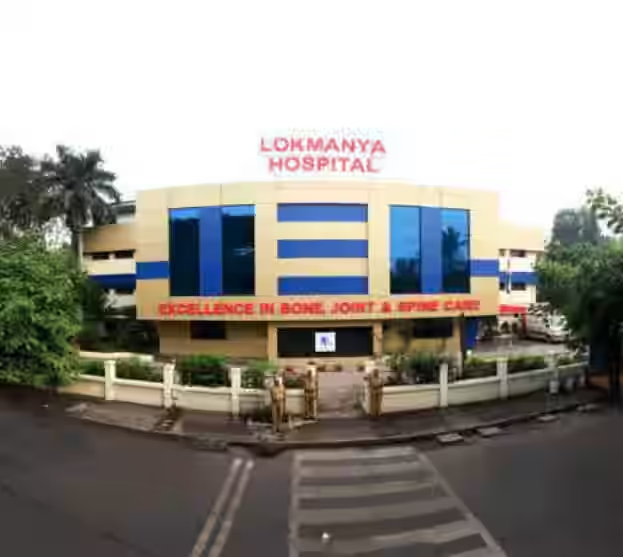
Lokmanya Hospitals
Not Specified

White Lotus Hospital
766, SFS 3145, SFS Road, 7th Sector, HSR Layout, Bengaluru, Karnataka 560102, India
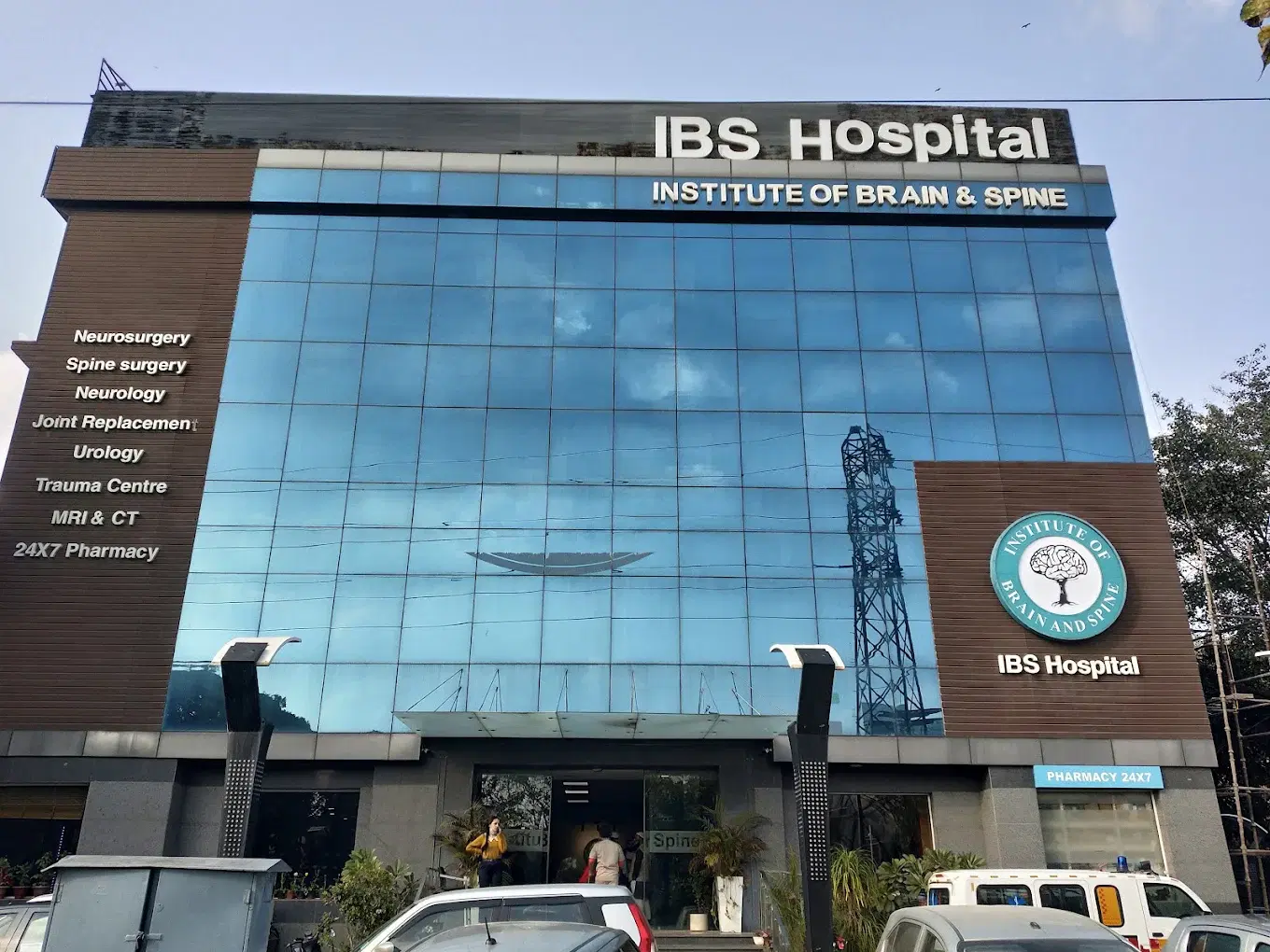
Institute of Brain and Spine (IBS Hospital)
Not Specified
Meet Our Medical Specialists




Sr. Consultant - Urology & Kidney Transplant Program (Unit I)
Dr. Abhinandan Mukhopadhyay
MBBS, MD
India

Sr. Consultant - Urology & Kidney Transplant Program (Unit I)
Dr. Abhinandan Mukhopadhyay
MBBS, MD
India
How DivinHeal Helps
We simplify your medical journey by providing comprehensive support and access to world-class healthcare.
Expert Specialist Matching
Connecting you with the world's top-rated medical experts.
Accredited Hospital Network
Access to JCI & NABH certified healthcare facilities.
Complete Travel Coordination
Hassle-free visa, stay, and local transport assistance.
24/7 Personal Care
Dedicated patient advisors supporting you at every step.
Journey Guidance
Full guidance from start to end of the patient treatment journey.
Expert Specialist Matching
Connecting you with the world's top-rated medical experts.
Everything you
need to know today
Browse through these common inquiries to better understand our patient-focused medical platform.
Yes, we work with a variety of insurance providers. Contact our team to verify your coverage.
Yes, we provide secure online consultations with experienced specialists.
Our care coordinators help match you with the most suitable specialist.
Absolutely. Your medical information is protected according to healthcare privacy standards.
Look at six things: accreditation (JCI or NABH), specialty depth, doctor credentials and experience, procedure-specific success rates, international patient support, and technology. DivinHeal's AI-driven matching evaluates every hospital in our accredited partner network on these dimensions and shortlists the best-fit options for your condition, budget, and country.
JCI (Joint Commission International) is the US-based global gold standard for hospital quality, recognised worldwide. NABH is India's national accreditation — accredited by ISQua, the same body that accredits JCI. Both signal independently verified safety and quality. Most of India's leading hospitals hold both.
Yes. All three welcome international patients through structured medical visa programs. India is the most established, treating patients from Africa, the Middle East, and South Asia at 60–80% lower cost. Thailand leads in cosmetic and dental care. The UAE is emerging in oncology and reproductive medicine.
Most patients save 50–80% on treatment costs. Heart bypass costs US $7,000–9,000 in India compared to $70,000–150,000 in the US. IVF costs $3,000–4,500 compared to $12,000–20,000 in the UK. Even after flights, visa, and accommodation, total savings remain 60–70%.
DivinHeal manages your entire non-medical journey: visa invitation letters, medical visa guidance, doctor appointments, teleconsultations, airport pickup, hospital-vetted accommodation for you and your attendant, language interpreters, local transport, cuisine preferences, and post-treatment follow-up — one dedicated coordinator from first enquiry to final follow-up.
You need a valid passport (6+ months validity), a medical visa (M-Visa for India — DivinHeal provides the hospital invitation letter), return flight tickets, recent medical reports and a doctor's referral, current prescription list, and proof of financial means. Any accompanying attendant needs their own passport and MX-Visa.
Still have more questions?
Book a call with our friendly team to learn how DivineHeal simplifies your healthcare journey.