sperm freezing Treatment in Bengaluru for Bangladesh
Access high-quality treatment through JCI & NABH-accredited hospitals, renowned specialists, and end-to-end medical travel support designed around your healing journey.
Plan My Journey
Tell us your condition and budget - our AI matches the right destination, hospital and doctor and visa pathway
Cost calculator
I know my treatment - show me cost from 3 hospitals
5K+ International Patients Treated
40+ Source Countries Served
500+ Accredited Partner Hospitals
98% Patient Satisfaction
80% Average Savings vs USA
10K+ Doctors
NABH, JCI Accredited Hospitals
Free Treatment Plan
Free Consultation with Doctor
5+ Destinations Covered

Written by DivinHeal Editorial Contributor, Rahul Kumar, Embryologist | Medically Reviewed by Dr Indu Priya, Gynecologist(MD) Published on: February 19, 2026
About
Sperm Freezing in Bengaluru for Bangladesh Patients | Hospitals
For patients from Bangladesh considering sperm freezing, concerns about quality of care, international travel logistics, and treatment affordability are common. Making this important health decision requires reliable information and a clear path forward. Finding a trusted medical destination is crucial.
Many individuals and couples exploring fertility preservation look to Bengaluru. This city in India has developed a reputation for offering advanced medical care, supported by a modern healthcare infrastructure. The integrated care environment helps patients coordinate their visit with ease.
Bengaluru's hospitals and fertility specialists are recognized for their expertise in reproductive medicine. Patients can expect high standards of medical practice and dedicated support for follow-ups and continued care within the city. This fosters a sense of trust and reliability during their medical journey.
Bengaluru stands as a well-regarded choice for international medical treatment.
What Is Sperm Freezing?
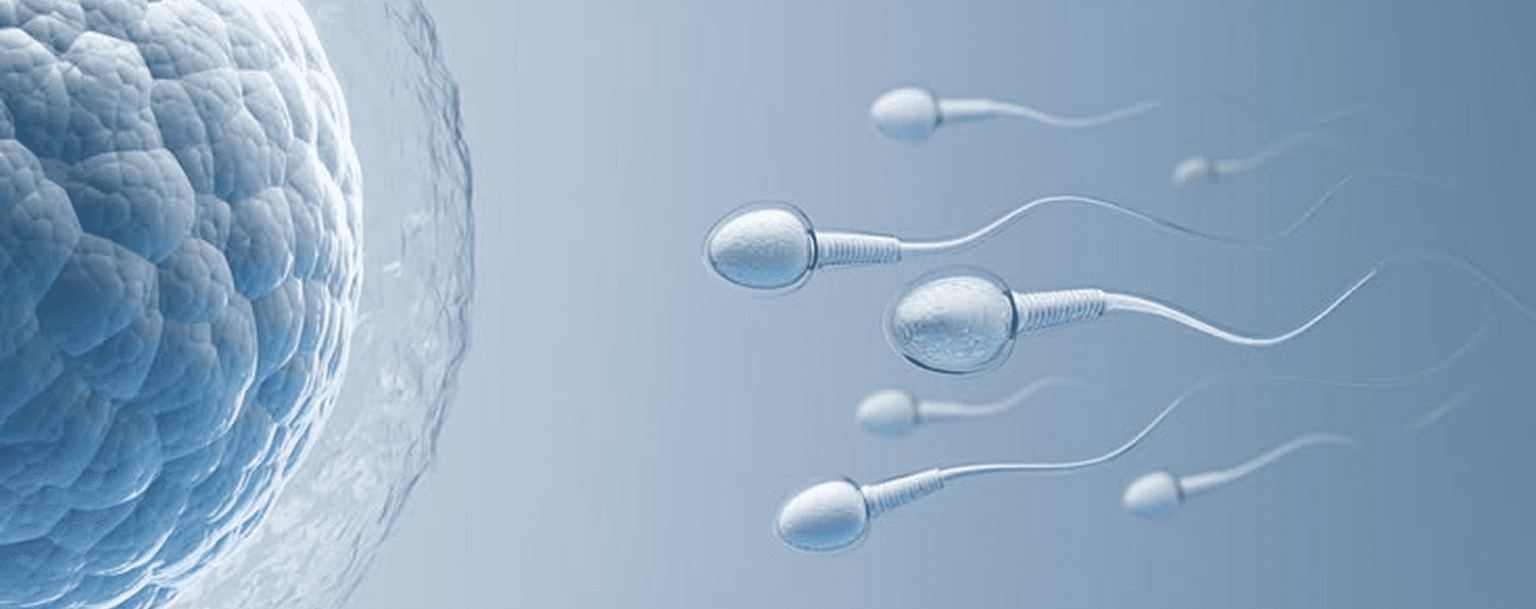
Sperm freezing, also known as cryopreservation, is a process where sperm cells are collected, analyzed, and then frozen to preserve their viability for future use. This technique allows individuals to store their sperm for an extended period, maintaining their reproductive potential. It involves mixing sperm with a cryoprotective agent to prevent damage during freezing and thawing, before storage in liquid nitrogen tanks.
Methods of Sperm Collection
Sperm collection primarily involves two main methods, chosen based on individual circumstances and medical history:
- Masturbation: This is the most common and preferred method, usually performed in a private room at the clinic. It ensures a fresh sample with minimal contamination.
- Testicular Sperm Extraction (TESE): For men unable to produce sperm through ejaculation due to blockages or other conditions, sperm can be surgically extracted directly from the testicles.
- Percutaneous Epididymal Sperm Aspiration (PESA): Similar to TESE, this minimally invasive procedure involves aspirating sperm from the epididymis using a fine needle.
- Electroejaculation: This method is used for men who cannot ejaculate due to spinal cord injuries or nerve damage, involving electrical stimulation to achieve ejaculation.
When Is Sperm Freezing Required?
- Before undergoing cancer treatments like chemotherapy or radiation that can impair fertility.
- Prior to vasectomy procedures, offering future reproductive options.
- For men with declining sperm quality or those expecting age-related fertility issues.
- For individuals pursuing gender-affirming treatments that might affect fertility.
- To accommodate lifestyle choices, such as military deployment or hazardous occupations.
- In cases of low sperm count or conditions affecting sperm production that may worsen.
- To ensure a sperm sample is available for IVF or IUI treatments, especially if the partner is unavailable on the day of egg retrieval.
Initial Assessment for Sperm Freezing
- Detailed medical history review and physical examination to assess overall health.
- Semen analysis to evaluate sperm count, motility, and morphology.
- Blood tests for infectious diseases such as HIV, Hepatitis B, and Hepatitis C.
- Hormonal profiling to check reproductive hormone levels.
- Genetic screening if there is a family history of genetic conditions.
How the Sperm Freezing Process Works
The sperm freezing process is straightforward and typically involves several steps to ensure the best possible preservation.
Sperm Collection
The initial step involves collecting a sperm sample. Most often, this is done through masturbation at the clinic, providing a fresh and sterile sample. Patients are usually advised to abstain from ejaculation for 2-5 days prior to collection to ensure optimal sperm quality. In specific medical situations, alternative collection methods like surgical extraction may be utilized.
Laboratory Processing
Once collected, the sperm sample is transported to the laboratory. Here, it undergoes immediate analysis to assess various parameters, including sperm count, motility, and morphology. A specialized cryoprotective agent is then added to the sample. This agent protects the sperm cells from damage during the freezing and thawing processes by preventing ice crystal formation.
Freezing and Storage
After the addition of the cryoprotectant, the sperm sample is carefully divided into multiple cryovials. These vials are then gradually cooled in a controlled manner, typically using a slow-freezing protocol. Once sufficiently cooled, the vials are transferred and stored in liquid nitrogen tanks at extremely low temperatures, usually around -196°C. At this temperature, biological activity is halted, and the sperm can be stored for many years without significant loss of viability.
Understanding the Recovery Process
The recovery process after sperm freezing is minimal as the procedure is non-invasive. Patients can typically resume their normal daily activities immediately after collection. If surgical methods like TESE or PESA were used for collection, a short recovery period of a few days might be needed, with mild discomfort managed by simple pain relief. No specific rehabilitation is required for sperm freezing itself, but follow-up discussions with fertility specialists are important to plan future use and understand storage terms.
Potential Risks and Success Rates
- While generally safe, there is a minor risk of sperm damage during the freezing and thawing process.
- Some men might experience temporary emotional stress or anxiety related to fertility preservation decisions.
- For surgical sperm retrieval, minor risks include infection, bleeding, or discomfort at the collection site.
- The quality and viability of thawed sperm can vary, potentially affecting future fertility treatments.
The success rate of sperm freezing refers more to the viability of sperm after thawing rather than a direct pregnancy outcome. Generally, a significant percentage of sperm survive the cryopreservation process, retaining their ability to fertilize an egg. Success with subsequent treatments like IVF or ICSI using thawed sperm depends on various factors, including the original sperm quality, the female partner's fertility, and the overall health of both partners. Long-term storage has shown high effectiveness in maintaining sperm quality for many years.
Considering sperm freezing in Bengaluru? Get expert advice and compare top clinics.
Talk to a specialist today to discuss your options.
Cost of Sperm Freezing in Bengaluru
The cost of sperm freezing in Bengaluru is influenced by several factors. These include the specific hospital or fertility clinic, the method of sperm collection (standard vs. surgical), the duration of storage, and any additional services like initial consultations or genetic screening. Bengaluru offers competitive pricing compared to many Western countries, making it an attractive option for international patients.
Generally, the initial freezing and first year of storage in Bengaluru can range approximately from INR 15,000 to INR 50,000. Subsequent annual storage fees typically range from INR 5,000 to INR 15,000.
Bengaluru vs. Global Sperm Freezing Costs
Bengaluru provides a more affordable option for sperm freezing without compromising on the quality of care or advanced medical technology. Here is a comparison of typical costs for initial freezing and one year of storage.
| Location | Approximate Cost (USD) |
|---|---|
| Bengaluru, India | $180 - $600 |
| United States | $800 - $2000 |
| United Kingdom | $500 - $1500 |
| Australia | $600 - $1800 |
| Thailand | $300 - $800 |
Support Services for Your Bengaluru Treatment
- Assistance with scheduling appointments and consultations with leading fertility specialists.
- Guidance on visa application processes for medical travel to India.
- Arrangement of comfortable accommodation and local transportation within Bengaluru.
- Language interpretation services to ensure clear communication with medical staff.
- Dedicated patient coordinators to help manage all aspects of your medical journey.
- Access to recovery care and follow-up support after your procedure.
Essential Papers for Your Medical Visit
- Valid passport and Indian medical visa for entry into the country.
- Copies of all relevant medical records, test results, and doctor's referrals from your home country.
- Proof of financial capacity to cover treatment costs and living expenses.
- Travel insurance documents, if applicable.
- Contact information for your primary care physician back in Bangladesh.
Preparing for Your Sperm Freezing Procedure
- Follow your doctor's instructions regarding abstinence from ejaculation for a specified period before collection.
- Maintain a healthy lifestyle, including a balanced diet and avoiding alcohol or smoking.
- Inform your specialist about any medications or supplements you are currently taking.
- Ensure all necessary travel and medical documents are in order before your departure.
- Plan for a comfortable stay in Bengaluru, considering the duration of your visit.
Aftercare Instructions for Optimal Recovery
- For standard collection, resume normal activities immediately; for surgical collection, follow specific wound care instructions.
- Attend all scheduled follow-up appointments with your fertility specialist.
- Discuss long-term storage options and any related annual fees with the clinic.
- Keep records of your cryopreserved sperm for future reference.
- Maintain communication with the clinic for any questions regarding your stored sample.
Ready to Plan Your Fertility Preservation?
Begin your journey toward secure fertility preservation with trusted experts in Bengaluru.
Need more information on Bengaluru's top fertility clinics?
Reach out to our patient guidance team for personalized assistance.
Hospitals
NABH & JCI Accredited Hospitals in India,Turkey, Thailand & UAE.

Artemis Hospital
Sector 51, Gurugram, Haryana, India

Lokmanya Hospitals
Not Specified

White Lotus Hospital
766, SFS 3145, SFS Road, 7th Sector, HSR Layout, Bengaluru, Karnataka 560102, India

Institute of Brain and Spine (IBS Hospital)
Not Specified
Meet Our Medical Specialists




Sr. Consultant - Urology & Kidney Transplant Program (Unit I)
Dr. Abhinandan Mukhopadhyay
MBBS, MD
India

Sr. Consultant - Urology & Kidney Transplant Program (Unit I)
Dr. Abhinandan Mukhopadhyay
MBBS, MD
India
How DivinHeal Helps
We simplify your medical journey by providing comprehensive support and access to world-class healthcare.
Expert Specialist Matching
Connecting you with the world's top-rated medical experts.
Accredited Hospital Network
Access to JCI & NABH certified healthcare facilities.
Complete Travel Coordination
Hassle-free visa, stay, and local transport assistance.
24/7 Personal Care
Dedicated patient advisors supporting you at every step.
Journey Guidance
Full guidance from start to end of the patient treatment journey.
Expert Specialist Matching
Connecting you with the world's top-rated medical experts.
Everything you
need to know today
Browse through these common inquiries to better understand our patient-focused medical platform.
Yes, we work with a variety of insurance providers. Contact our team to verify your coverage.
Yes, we provide secure online consultations with experienced specialists.
Our care coordinators help match you with the most suitable specialist.
Absolutely. Your medical information is protected according to healthcare privacy standards.
Look at six things: accreditation (JCI or NABH), specialty depth, doctor credentials and experience, procedure-specific success rates, international patient support, and technology. DivinHeal's AI-driven matching evaluates every hospital in our accredited partner network on these dimensions and shortlists the best-fit options for your condition, budget, and country.
JCI (Joint Commission International) is the US-based global gold standard for hospital quality, recognised worldwide. NABH is India's national accreditation — accredited by ISQua, the same body that accredits JCI. Both signal independently verified safety and quality. Most of India's leading hospitals hold both.
Yes. All three welcome international patients through structured medical visa programs. India is the most established, treating patients from Africa, the Middle East, and South Asia at 60–80% lower cost. Thailand leads in cosmetic and dental care. The UAE is emerging in oncology and reproductive medicine.
Most patients save 50–80% on treatment costs. Heart bypass costs US $7,000–9,000 in India compared to $70,000–150,000 in the US. IVF costs $3,000–4,500 compared to $12,000–20,000 in the UK. Even after flights, visa, and accommodation, total savings remain 60–70%.
DivinHeal manages your entire non-medical journey: visa invitation letters, medical visa guidance, doctor appointments, teleconsultations, airport pickup, hospital-vetted accommodation for you and your attendant, language interpreters, local transport, cuisine preferences, and post-treatment follow-up — one dedicated coordinator from first enquiry to final follow-up.
You need a valid passport (6+ months validity), a medical visa (M-Visa for India — DivinHeal provides the hospital invitation letter), return flight tickets, recent medical reports and a doctor's referral, current prescription list, and proof of financial means. Any accompanying attendant needs their own passport and MX-Visa.
Still have more questions?
Book a call with our friendly team to learn how DivineHeal simplifies your healthcare journey.