sperm freezing Treatment in India for UAE
Access high-quality treatment through JCI & NABH-accredited hospitals, renowned specialists, and end-to-end medical travel support designed around your healing journey.
Plan My Journey
Tell us your condition and budget - our AI matches the right destination, hospital and doctor and visa pathway
Cost calculator
I know my treatment - show me cost from 3 hospitals
5K+ International Patients Treated
40+ Source Countries Served
500+ Accredited Partner Hospitals
98% Patient Satisfaction
80% Average Savings vs USA
10K+ Doctors
NABH, JCI Accredited Hospitals
Free Treatment Plan
Free Consultation with Doctor
5+ Destinations Covered

Written by DivinHeal Editorial Contributor, Rahul Kumar, Embryologist | Medically Reviewed by Dr Indu Priya, Gynecologist(MD) Published on: February 19, 2026
About
Sperm Freezing in India for UAE Patients: Cost & Care
Planning a family's future can bring many questions, especially regarding fertility. For men in the UAE considering sperm freezing, concerns about quality, accessibility, and the best environment for this crucial decision are common. Finding a reliable solution outside your home country requires careful thought.
Many individuals from the UAE explore international medical options due to specific needs or for access to advanced care. India stands out as a destination, offering comprehensive fertility services including sperm freezing across various cities, providing a breadth of choice and expertise.
India's healthcare system has a strong reputation for medical excellence, powered by state-of-the-art hospitals and highly skilled specialists. This robust infrastructure ensures that fertility procedures like sperm freezing are performed with precision and adherence to international standards, fostering confidence among patients.
India provides a structured and professional environment for fertility preservation treatments.
What Is Sperm Freezing?
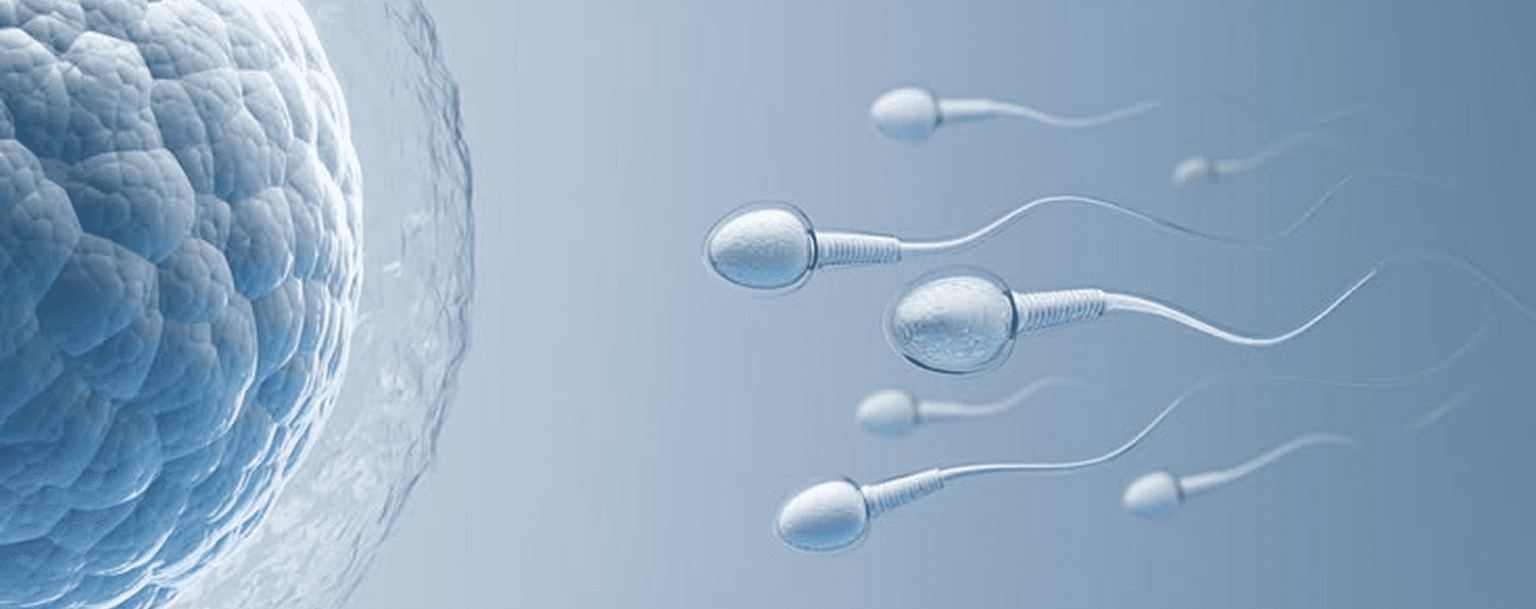
Sperm freezing, medically known as sperm cryopreservation, is a process where sperm cells are collected, analyzed, and then preserved at extremely low temperatures for future use. This procedure offers men the opportunity to safeguard their fertility, ensuring that viable sperm are available when they are ready to conceive. It involves carefully preparing the sperm samples to withstand freezing and thawing, maintaining their integrity for years.
How Is Sperm Collected for Freezing?
Different methods are used to collect sperm, depending on individual circumstances:
- Masturbation: This is the most common and non-invasive method, performed in a sterile clinic environment.
- Testicular Sperm Extraction (TESE): A minor surgical procedure where a small tissue sample is taken directly from the testicle to retrieve sperm.
- Microsurgical Epididymal Sperm Aspiration (MESA): Sperm is aspirated from the epididymis using a microscope, often yielding large numbers of highly motile sperm.
- Percutaneous Epididymal Sperm Aspiration (PESA): A less invasive method where a needle is inserted through the skin into the epididymis to aspirate fluid containing sperm.
Why Is Sperm Freezing Recommended?
- Prior to cancer treatments like chemotherapy or radiation that can impair fertility.
- Before certain surgeries that might impact fertility, such as vasectomy or prostate surgery.
- In cases of declining sperm quality or anticipated age-related fertility issues.
- For individuals in high-risk professions or lifestyles where future fertility might be compromised.
- To ensure sperm availability for assisted reproductive procedures like IVF or IUI.
- If there is a risk of severe injury or illness affecting future fertility.
- For men who wish to delay fatherhood for personal or professional reasons.
What Happens Before Sperm Freezing?
- Semen Analysis: To assess sperm count, motility, and morphology, determining overall sperm health.
- Infectious Disease Screening: Comprehensive tests for HIV, Hepatitis B and C, and other sexually transmitted infections.
- Medical History Review: A thorough discussion of past health issues, current medications, and lifestyle factors.
- Genetic Screening: Performed if specific genetic conditions are a concern for future offspring.
- Counselling: Essential for discussing the procedure details, potential risks, and long-term storage options.
How Is Sperm Freezing Performed?
The specific approach for sperm freezing largely depends on the patient's individual circumstances and the chosen method of sperm collection.
Sperm Collection
Most commonly, sperm is collected through masturbation in a sterile environment within the clinic. For patients unable to produce a sample this way, or those with specific medical conditions, surgical retrieval methods such as TESE, MESA, or PESA may be employed by a urologist specializing in fertility.
Laboratory Processing
Once collected, the semen sample is immediately sent to a specialized laboratory. Here, experienced embryologists analyze the sperm quality, count, and motility. The sample is then carefully mixed with cryoprotectant agents to protect the delicate sperm cells from damage during the freezing and thawing processes.
Cryopreservation and Storage
The treated sperm samples are divided into multiple vials, allowing for multiple attempts at future conception. These vials are then slowly frozen under precisely controlled conditions using specialized equipment. Finally, they are transferred and stored indefinitely in liquid nitrogen tanks at temperatures below -190°C. This ensures the sperm can remain viable for many years, often decades, until needed.
What Is the Recovery After Sperm Freezing?
For most patients, recovery after sperm freezing is straightforward and minimal. If sperm was collected via masturbation, there is no physical recovery time needed, and daily activities can resume immediately. For surgical retrieval methods, a brief period of mild discomfort, bruising, or swelling at the collection site is normal, typically resolving within a few days. Patients are advised to follow their doctor's specific post-operative instructions, which may include mild pain relief and avoiding strenuous activity for a short period. Follow-up appointments related to the collection site are usually not required unless there are specific concerns.
Risks and Success Rates of Sperm Freezing
- Potential for some sperm cells to not survive the freezing and thawing process, impacting sample viability.
- Risks associated with surgical sperm retrieval, such as temporary pain, localized swelling, or a very low chance of infection, though these are rare.
- Challenges in obtaining a viable sperm sample for some individuals, particularly those with severe male factor infertility.
- Extremely rare risk of mislabeling or sample mix-up, which is virtually eliminated in accredited, high-standard fertility facilities.
- No absolute guarantee of future pregnancy, as success depends on many factors beyond sperm viability, including the female partner's fertility and the chosen assisted reproductive technique.
The success rate of sperm freezing primarily refers to the percentage of sperm cells that remain viable and functional after thawing. While not all sperm cells survive the intricate freezing and thawing process, a significant percentage typically do, allowing for effective use later in assisted reproductive technologies. Pregnancy success rates using frozen sperm vary widely, influenced by the woman's age, her overall fertility health, the quality and quantity of the frozen sperm sample, and the specific assisted reproductive technique used (e.g., IVF, ICSI). Modern cryopreservation techniques have greatly improved outcomes, offering a reliable path for fertility preservation and enabling many couples to achieve their family goals.
Considering Sperm Freezing in India?
Connect with leading fertility specialists and receive a personalized treatment plan. Get detailed information on costs, hospitals, and support services tailored for UAE patients.
Initiate Your Free Consultation
Cost of Sperm Freezing in India
The cost of sperm freezing in India is significantly more affordable compared to many Western countries and the UAE, without compromising on quality or technology. Several factors influence the final price, including the specific hospital or clinic chosen, the method of sperm collection (e.g., masturbation versus surgical retrieval), the duration of initial storage, and any additional preliminary tests or consultations required. India offers a competitive pricing structure for international patients seeking high-quality fertility preservation.
Typically, the initial cost for sperm freezing in India, including the first year of storage, ranges from INR 15,000 to INR 50,000, depending on the services included and the city.
Sperm Freezing Cost Across Major Indian Cities
| City | Estimated Cost Range (INR) |
|---|---|
| Delhi | 18,000 - 45,000 |
| Mumbai | 20,000 - 50,000 |
| Chennai | 15,000 - 40,000 |
| Bangalore | 18,000 - 48,000 |
| Hyderabad | 16,000 - 42,000 |
| Kolkata | 15,000 - 38,000 |
| Pune | 17,000 - 43,000 |
Global Comparison of Sperm Freezing Costs
| Country | Estimated Cost Range (USD) |
|---|---|
| India | 200 - 600 |
| UAE | 500 - 1,500 |
| USA | 800 - 2,000 |
| UK | 700 - 1,800 |
| Thailand | 300 - 800 |
| Singapore | 600 - 1,400 |
Comprehensive Support for Your Treatment Journey
- Personalized consultation and treatment planning with leading fertility specialists.
- Dedicated assistance with travel logistics, including visa support and accommodation arrangements.
- A dedicated patient coordinator to guide you through every step of your medical journey.
- Professional language interpretation services to ensure clear and effective communication.
- Thorough post-treatment follow-up coordination and ongoing support for your peace of mind.
- Access to a wide network of internationally accredited fertility clinics and hospitals across India.
Essential Documents for Your Medical Visit
- A valid passport and a medical visa specifically for travel to India.
- Original and copies of all relevant medical records, including previous fertility tests and diagnoses.
- A detailed doctor's referral letter outlining the medical need for sperm freezing.
- Proof of financial solvency to cover treatment costs and living expenses during your stay.
- Identification documents for any accompanying family members or caregivers.
Preparing for Your Sperm Freezing Procedure
- Abstain from ejaculation for 2-5 days prior to your scheduled sperm collection date.
- Avoid alcohol, tobacco, and recreational drugs for at least a week before the procedure.
- Inform your doctor about any medications, supplements, or herbal remedies you are currently taking.
- Maintain good hydration and a healthy diet in the days leading up to your visit.
- Arrange for comfortable and convenient travel and accommodation for your stay in India.
Aftercare Guidance and Ongoing Fertility Management
- Follow any specific instructions provided by the fertility clinic, especially if surgical retrieval was performed.
- Understand the established protocols for long-term storage and future utilization of your frozen sperm.
- Maintain regular communication with the fertility clinic for any queries, updates, or changes in your plans.
- Schedule periodic reviews if advised, to discuss storage continuation and future family planning strategies.
- Familiarize yourself with the precise process for retrieving and utilizing your samples when you are ready to conceive.
Start Your Journey to Fertility Preservation
Our team is ready to assist you with comprehensive guidance for sperm freezing in India. From initial inquiry to post-treatment care, we are here to help you every step of the way.
Contact Us for Expert Guidance
Ready to Explore Your Fertility Preservation Options?
Taking control of your reproductive future is a significant decision. India offers reliable and accessible solutions for sperm freezing, ensuring peace of mind and advanced care for patients from the UAE.
Hospitals
NABH & JCI Accredited Hospitals in India,Turkey, Thailand & UAE.
Meet Our Medical Specialists




Sr. Consultant - Urology & Kidney Transplant Program (Unit I)
Dr. Abhinandan Mukhopadhyay
MBBS, MD
India

Sr. Consultant - Urology & Kidney Transplant Program (Unit I)
Dr. Abhinandan Mukhopadhyay
MBBS, MD
India
How DivinHeal Helps
We simplify your medical journey by providing comprehensive support and access to world-class healthcare.
Expert Specialist Matching
Connecting you with the world's top-rated medical experts.
Accredited Hospital Network
Access to JCI & NABH certified healthcare facilities.
Complete Travel Coordination
Hassle-free visa, stay, and local transport assistance.
24/7 Personal Care
Dedicated patient advisors supporting you at every step.
Journey Guidance
Full guidance from start to end of the patient treatment journey.
Expert Specialist Matching
Connecting you with the world's top-rated medical experts.
Everything you
need to know today
Browse through these common inquiries to better understand our patient-focused medical platform.
Yes, we work with a variety of insurance providers. Contact our team to verify your coverage.
Yes, we provide secure online consultations with experienced specialists.
Our care coordinators help match you with the most suitable specialist.
Absolutely. Your medical information is protected according to healthcare privacy standards.
Look at six things: accreditation (JCI or NABH), specialty depth, doctor credentials and experience, procedure-specific success rates, international patient support, and technology. DivinHeal's AI-driven matching evaluates every hospital in our accredited partner network on these dimensions and shortlists the best-fit options for your condition, budget, and country.
JCI (Joint Commission International) is the US-based global gold standard for hospital quality, recognised worldwide. NABH is India's national accreditation — accredited by ISQua, the same body that accredits JCI. Both signal independently verified safety and quality. Most of India's leading hospitals hold both.
Yes. All three welcome international patients through structured medical visa programs. India is the most established, treating patients from Africa, the Middle East, and South Asia at 60–80% lower cost. Thailand leads in cosmetic and dental care. The UAE is emerging in oncology and reproductive medicine.
Most patients save 50–80% on treatment costs. Heart bypass costs US $7,000–9,000 in India compared to $70,000–150,000 in the US. IVF costs $3,000–4,500 compared to $12,000–20,000 in the UK. Even after flights, visa, and accommodation, total savings remain 60–70%.
DivinHeal manages your entire non-medical journey: visa invitation letters, medical visa guidance, doctor appointments, teleconsultations, airport pickup, hospital-vetted accommodation for you and your attendant, language interpreters, local transport, cuisine preferences, and post-treatment follow-up — one dedicated coordinator from first enquiry to final follow-up.
You need a valid passport (6+ months validity), a medical visa (M-Visa for India — DivinHeal provides the hospital invitation letter), return flight tickets, recent medical reports and a doctor's referral, current prescription list, and proof of financial means. Any accompanying attendant needs their own passport and MX-Visa.
Still have more questions?
Book a call with our friendly team to learn how DivineHeal simplifies your healthcare journey.