Spinal Cord Stimulation Treatment in Gurugram for Nigeria
Access high-quality treatment through JCI & NABH-accredited hospitals, renowned specialists, and end-to-end medical travel support designed around your healing journey.
Plan My Journey
Tell us your condition and budget - our AI matches the right destination, hospital and doctor and visa pathway
Cost calculator
I know my treatment - show me cost from 3 hospitals
5K+ International Patients Treated
40+ Source Countries Served
500+ Accredited Partner Hospitals
98% Patient Satisfaction
80% Average Savings vs USA
10K+ Doctors
NABH, JCI Accredited Hospitals
Free Treatment Plan
Free Consultation with Doctor
5+ Destinations Covered

Written by DivinHeal Editorial Contributor, DivinHeal Medical Team, Healthcare Advisory Team Published on: February 19, 2026
About
Spinal Cord Stimulation in Gurugram for Nigerian Patients
Nigerian patients grappling with persistent chronic pain often find domestic treatment options limited. The prospect of seeking advanced care like Spinal Cord Stimulation abroad can bring a mix of hope and uncertainty, particularly regarding clinical excellence and comprehensive aftercare.
For those considering international medical care, Gurugram stands out as a preferred destination. The city is renowned for its advanced neurosurgery infrastructure and patient-focused services, creating a streamlined and supportive environment for visitors from diverse backgrounds.
Gurugram's healthcare ecosystem includes highly accredited hospitals and world class neuro-specialists dedicated to pain management and neuromodulation therapies. Patients can expect detailed initial consultations, consistent follow up, and integrated care plans throughout their entire treatment journey within the city.
Is Gurugram the right choice for your Spinal Cord Stimulation procedure?
What is Spinal Cord Stimulation?
Spinal Cord Stimulation (SCS) is an advanced pain management therapy that uses a mild electrical current to interrupt pain signals before they reach the brain. A small device, similar to a pacemaker, is implanted under the skin, usually in the abdomen or buttock. Thin wires, called leads, are placed in the epidural space near the spinal cord. These leads deliver electrical pulses that replace chronic pain with a more pleasant sensation, often described as a mild tingling, or sometimes with no sensation at all depending on the SCS technology used. It is a reversible treatment designed to significantly reduce chronic neuropathic pain when other therapies have not provided adequate relief.
Types of Spinal Cord Stimulation Available
Different types of Spinal Cord Stimulation systems are available, tailored to individual patient needs and specific pain conditions:
- Conventional (Tonic) SCS: Delivers continuous low frequency electrical pulses, replacing pain with a tingling sensation (paresthesia).
- Burst SCS: Provides short, high-frequency bursts of electrical stimulation, which can be less noticeable than tonic stimulation and may be more effective for certain types of pain.
- High Frequency (HF10) SCS: Delivers stimulation at a much higher frequency (10 kHz) without causing a tingling sensation, offering paresthesia free pain relief.
- Dorsal Root Ganglion (DRG) Stimulation: Specifically targets the dorsal root ganglia, nerve structures that play a key role in chronic localized pain, offering targeted relief for specific areas like the feet or groin.
- Adaptive SCS: Systems that automatically adjust stimulation based on the patient's position or activity level, optimizing pain relief throughout the day.
When is Spinal Cord Stimulation Required?
- Failed Back Surgery Syndrome (FBSS) where persistent pain remains after spinal surgery.
- Complex Regional Pain Syndrome (CRPS) affecting limbs, often after an injury or surgery.
- Neuropathic pain conditions such as diabetic neuropathy or postherpetic neuralgia.
- Chronic critical limb ischemia causing severe leg pain not amenable to revascularization.
- Intractable angina pectoris where chest pain persists despite maximal medical therapy.
- Peripheral causalgia, a burning pain following nerve injury.
- Phantom limb pain following amputation.
Pre-Treatment Evaluation for Spinal Cord Stimulation
- Comprehensive medical history review and physical examination.
- Detailed neurological assessment to identify the pain source and nerve involvement.
- Psychological evaluation to assess mental health and suitability for implantable devices.
- Advanced imaging studies such as MRI or CT scans of the spine to rule out structural issues.
- Diagnostic nerve blocks to confirm the origin and type of neuropathic pain.
- Trial stimulation phase to determine if SCS provides significant pain relief before permanent implantation.
How Spinal Cord Stimulation is Performed
The Spinal Cord Stimulation procedure typically involves two main phases: a trial and a permanent implantation, customized to the patient's condition and treatment plan.
Trial Stimulation Phase
Initially, thin leads are temporarily placed in the epidural space near the spinal cord, usually under local anesthesia and light sedation. These leads are connected to an external battery worn on a belt. Patients typically undergo a trial period of several days to a week to assess the effectiveness of the stimulation in reducing pain. If the trial provides significant pain relief (typically 50% or more), the patient may be considered a candidate for permanent implantation.
Permanent Implantation
If the trial is successful, a permanent SCS system is surgically implanted. This involves placing the leads in the epidural space, similar to the trial, but then tunneling them under the skin to connect to a small, battery powered generator. The generator is usually implanted in the fatty tissue of the abdomen or upper buttock. The procedure is typically performed under general anesthesia or local anesthesia with sedation.
System Activation and Programming
After the permanent implantation, the SCS system is activated and programmed by a specialist. The patient works with the clinician to fine tune the stimulation parameters, such as amplitude, pulse width, and frequency, to optimize pain relief. Patients are provided with a remote control to adjust stimulation settings within pre set limits.
Recovery Process After Spinal Cord Stimulation
The recovery period after Spinal Cord Stimulation involves a few weeks for initial healing and a longer period for full adaptation. Patients typically spend one to two days in the hospital after permanent implantation. During the first few weeks, it is crucial to avoid strenuous activities, heavy lifting, and excessive bending or twisting to prevent lead migration. Patients will receive specific instructions regarding incision care and medication management. Follow-up appointments are scheduled to monitor healing, check device function, and adjust programming as needed. Physical therapy and rehabilitation may be recommended to help patients regain strength, flexibility, and improve overall function, contributing to long-term pain management and improved quality of life.
Risks and Success Rates of Spinal Cord Stimulation
- Infection at the implant site, though rare, can require removal of the device.
- Lead migration or fracture, where the wires move or break, affecting stimulation delivery.
- Battery depletion or device malfunction, necessitating replacement or revision.
- Nerve damage or paralysis, a very infrequent but serious complication.
- Discomfort, bruising, or pain at the generator implantation site.
- Allergic reactions to implant materials.
Spinal Cord Stimulation typically achieves success rates ranging from 50% to 70% in terms of significant pain reduction (often defined as a 50% or greater decrease in pain scores). Outcomes can vary based on the patient's specific pain condition, overall health, and adherence to post treatment guidelines. Many patients report improved quality of life, reduced reliance on pain medication, and increased ability to perform daily activities. Long-term expectations usually involve ongoing pain management rather than a complete cure, with periodic adjustments to the stimulator settings ensuring continued efficacy.
Cost of Spinal Cord Stimulation in Gurugram
The cost of Spinal Cord Stimulation in Gurugram is influenced by several factors, including the type of SCS system implanted (conventional, burst, HF10, DRG), the hospital chosen, the neurosurgeon's fees, duration of hospital stay, and any additional pre or post operative care requirements. Advanced technology and personalized care plans contribute to the overall expenditure.
For international patients, the estimated cost range for Spinal Cord Stimulation in Gurugram typically falls between INR 1,500,000 to INR 3,500,000.
Cost Comparison: Spinal Cord Stimulation in Gurugram vs. Global
Understanding the financial aspects of Spinal Cord Stimulation is a key step for international patients. Gurugram offers competitive pricing without compromising on clinical quality and advanced medical care, providing a significant value proposition.
| Location | Estimated Cost (USD) |
|---|---|
| Gurugram | $18,000 - $42,000 |
| United States | $50,000 - $100,000+ |
| United Kingdom | $40,000 - $80,000+ |
| Singapore | $35,000 - $70,000+ |
| Germany | $30,000 - $60,000+ |
| Thailand | $25,000 - $50,000+ |
Ready for a Consultation?
Connect with our Gurugram specialists today to discuss your treatment options and receive a personalized cost estimate.
Navigating Your Care Journey in Gurugram
- Dedicated patient coordinator for all logistical arrangements, from arrival to departure.
- Assistance with visa applications and travel arrangements for a smooth journey.
- Airport pickup and comfortable local transportation services.
- Accommodation recommendations tailored to your budget and preferences.
- Language interpretation services to ensure clear communication with medical staff.
- Post treatment follow up scheduling and ongoing support for recovery.
Preparing Your Essential Medical Records
- Valid passport and visa for international travel.
- Comprehensive medical reports, including diagnostic scans and previous treatment summaries.
- Referral letters from your local doctor, if applicable.
- A list of all current medications with dosages.
- Any allergy records or significant health history documents.
Steps to Prepare for Your Arrival in Gurugram
- Follow all dietary and medication instructions provided by your medical team prior to travel.
- Arrange for a companion to accompany you, if necessary, for support during your stay.
- Ensure all financial arrangements for treatment and stay are in order.
- Pack comfortable clothing suitable for a hospital environment and recovery.
- Inform your family or emergency contacts about your travel and treatment plans.
Your Path to Ongoing Wellness After Spinal Cord Stimulation
- Adhere strictly to all wound care instructions to prevent infection.
- Avoid strenuous physical activities or sudden movements for the recommended period.
- Attend all scheduled follow up appointments for device programming and health checks.
- Manage any discomfort with prescribed medication as advised by your doctor.
- Gradually reintroduce light activities as healing progresses.
- Maintain regular communication with your medical team for any concerns or adjustments.
Ready for a Life with Less Pain?
Reach out to us to begin your journey toward lasting relief through Spinal Cord Stimulation in Gurugram.
Begin Your Path to Recovery
Gurugram offers a pathway to effective pain management and improved quality of life. Take the first step towards a healthier future.
Hospitals
NABH & JCI Accredited Hospitals in India,Turkey, Thailand & UAE.

Artemis Hospital
Sector 51, Gurugram, Haryana, India
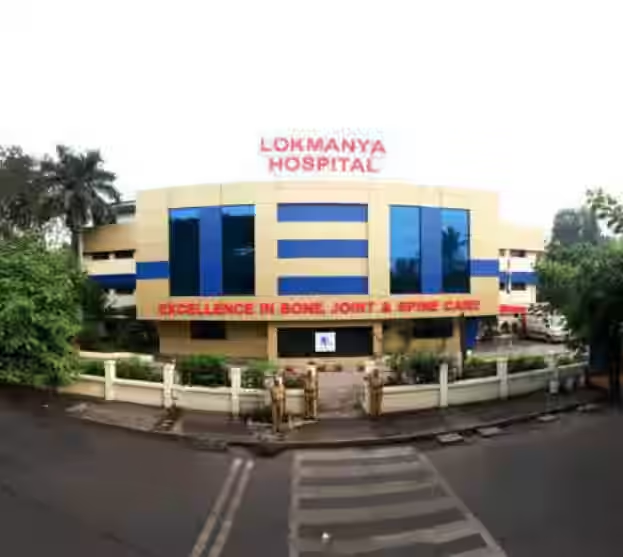
Lokmanya Hospitals
Not Specified

White Lotus Hospital
766, SFS 3145, SFS Road, 7th Sector, HSR Layout, Bengaluru, Karnataka 560102, India
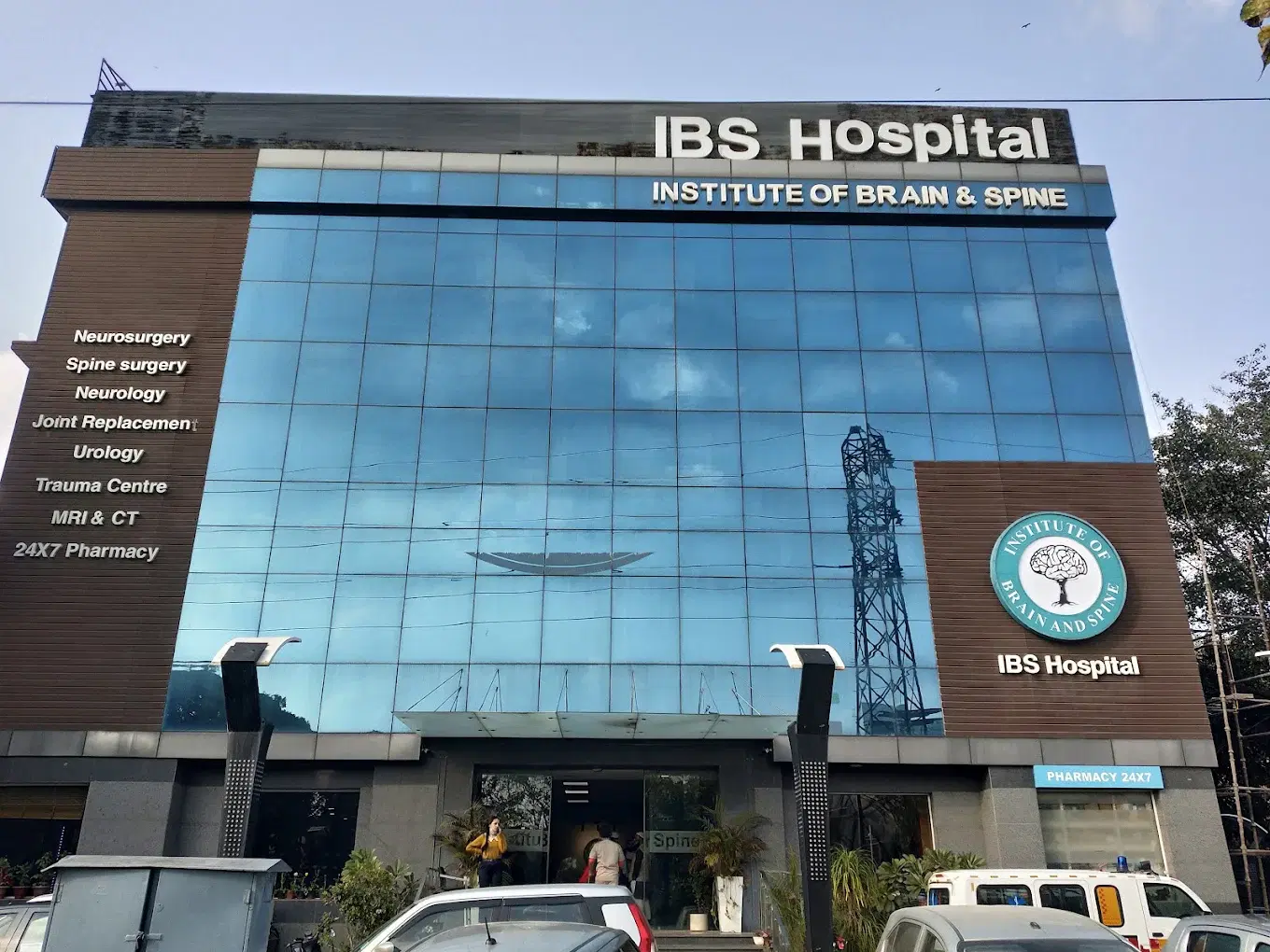
Institute of Brain and Spine (IBS Hospital)
Not Specified
Meet Our Medical Specialists




Sr. Consultant - Urology & Kidney Transplant Program (Unit I)
Dr. Abhinandan Mukhopadhyay
MBBS, MD
India

Sr. Consultant - Urology & Kidney Transplant Program (Unit I)
Dr. Abhinandan Mukhopadhyay
MBBS, MD
India
How DivinHeal Helps
We simplify your medical journey by providing comprehensive support and access to world-class healthcare.
Expert Specialist Matching
Connecting you with the world's top-rated medical experts.
Accredited Hospital Network
Access to JCI & NABH certified healthcare facilities.
Complete Travel Coordination
Hassle-free visa, stay, and local transport assistance.
24/7 Personal Care
Dedicated patient advisors supporting you at every step.
Journey Guidance
Full guidance from start to end of the patient treatment journey.
Expert Specialist Matching
Connecting you with the world's top-rated medical experts.
Everything you
need to know today
Browse through these common inquiries to better understand our patient-focused medical platform.
Yes, we work with a variety of insurance providers. Contact our team to verify your coverage.
Yes, we provide secure online consultations with experienced specialists.
Our care coordinators help match you with the most suitable specialist.
Absolutely. Your medical information is protected according to healthcare privacy standards.
Look at six things: accreditation (JCI or NABH), specialty depth, doctor credentials and experience, procedure-specific success rates, international patient support, and technology. DivinHeal's AI-driven matching evaluates every hospital in our accredited partner network on these dimensions and shortlists the best-fit options for your condition, budget, and country.
JCI (Joint Commission International) is the US-based global gold standard for hospital quality, recognised worldwide. NABH is India's national accreditation — accredited by ISQua, the same body that accredits JCI. Both signal independently verified safety and quality. Most of India's leading hospitals hold both.
Yes. All three welcome international patients through structured medical visa programs. India is the most established, treating patients from Africa, the Middle East, and South Asia at 60–80% lower cost. Thailand leads in cosmetic and dental care. The UAE is emerging in oncology and reproductive medicine.
Most patients save 50–80% on treatment costs. Heart bypass costs US $7,000–9,000 in India compared to $70,000–150,000 in the US. IVF costs $3,000–4,500 compared to $12,000–20,000 in the UK. Even after flights, visa, and accommodation, total savings remain 60–70%.
DivinHeal manages your entire non-medical journey: visa invitation letters, medical visa guidance, doctor appointments, teleconsultations, airport pickup, hospital-vetted accommodation for you and your attendant, language interpreters, local transport, cuisine preferences, and post-treatment follow-up — one dedicated coordinator from first enquiry to final follow-up.
You need a valid passport (6+ months validity), a medical visa (M-Visa for India — DivinHeal provides the hospital invitation letter), return flight tickets, recent medical reports and a doctor's referral, current prescription list, and proof of financial means. Any accompanying attendant needs their own passport and MX-Visa.
Still have more questions?
Book a call with our friendly team to learn how DivineHeal simplifies your healthcare journey.