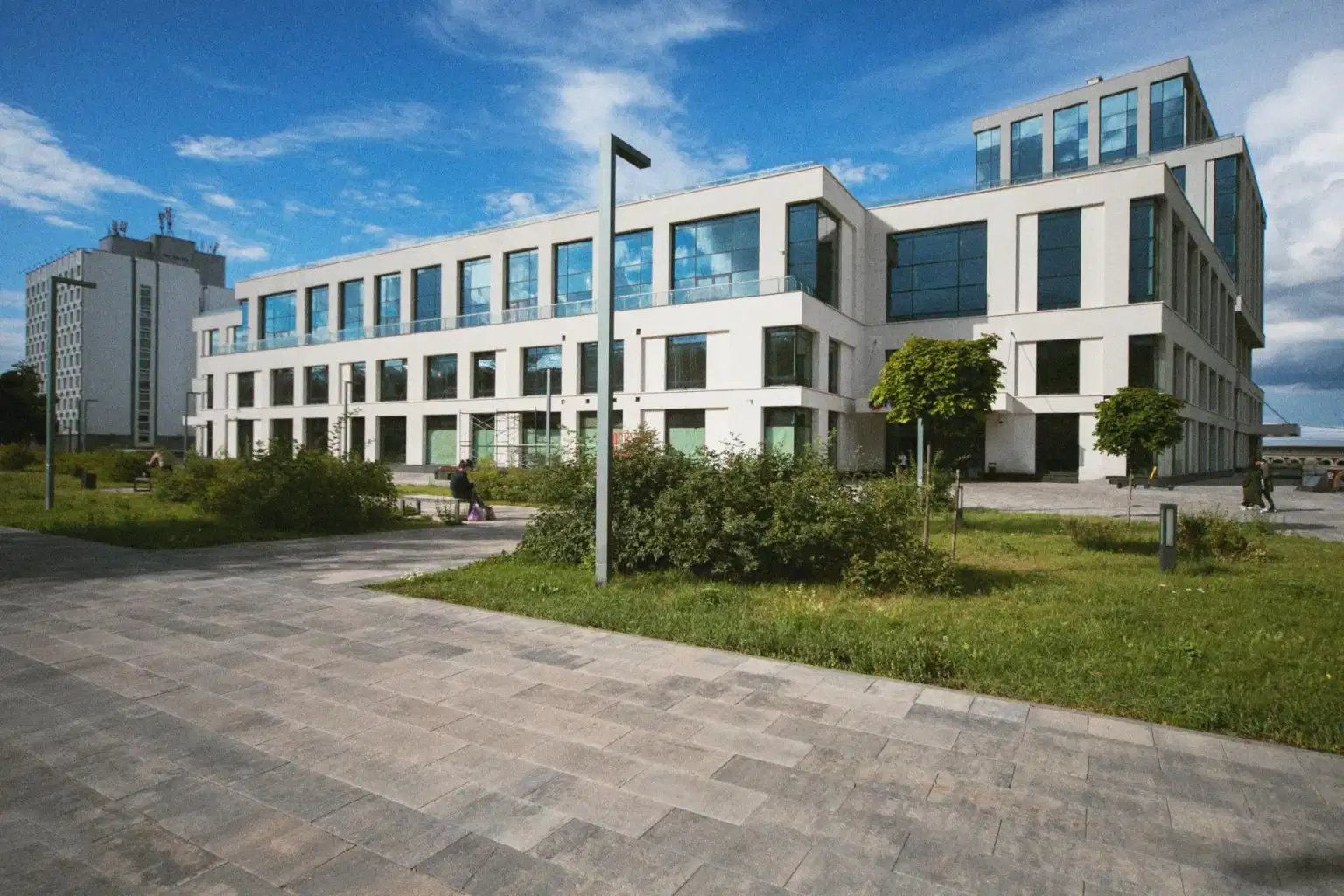
Spinal Cord Stimulation Treatment in New Delhi for Ethiopia
Need Personalized Advice?
Our medical experts are ready to answer your questions and guide you through your treatment options.
About
Spinal Cord Stimulation in New Delhi for Ethiopian Patients
For patients in Ethiopia grappling with chronic pain, finding effective and lasting relief can often feel like an overwhelming journey. The prospect of advanced treatments like Spinal Cord Stimulation might seem distant or complex, raising questions about accessibility and quality of care.
Many international patients, including those from Ethiopia, increasingly look towards New Delhi for specialized medical interventions. The city offers a compelling blend of modern healthcare infrastructure and a supportive environment, making it a preferred destination for complex procedures.
New Delhi's medical community is known for its highly skilled neurosurgeons and pain management specialists. These experts, combined with well-equipped hospitals, ensure a high standard of care and comprehensive support throughout the entire treatment and recovery process.
Is New Delhi the right choice for your Spinal Cord Stimulation treatment?
Understanding Spinal Cord Stimulation (SCS)
Spinal Cord Stimulation (SCS) is an advanced medical therapy designed to manage chronic pain, particularly neuropathic pain that has not responded to other treatments. It involves implanting a small device under the skin, usually in the abdomen or buttocks, which sends mild electrical impulses to the spinal cord. These impulses interfere with the pain signals traveling to the brain, effectively masking or reducing the sensation of pain. SCS aims to improve a patient's quality of life and reduce their reliance on oral pain medications.
Different Approaches to Spinal Cord Stimulation
Several types of Spinal Cord Stimulation systems are available, each designed to address different pain profiles and patient needs:
- Traditional Tonic Stimulation: This is the most common form, delivering continuous, low-frequency electrical pulses to a specific area of the spinal cord, often creating a tingling sensation (paresthesia) that replaces the pain.
- Burst Stimulation: This system delivers short, rapid bursts of electrical pulses, which often provides pain relief without the paresthesia sensation, making it more comfortable for some patients.
- High-Frequency (HF10) Stimulation: HF10 therapy uses high-frequency pulses (10 kHz) to achieve pain relief without paresthesia, offering another paresthesia-free option for patients.
- Dorsal Root Ganglion (DRG) Stimulation: Unlike traditional SCS which targets the spinal cord, DRG stimulation focuses on the dorsal root ganglia, which are nerve structures located outside the spinal cord, effective for localized chronic pain conditions.
When Is Spinal Cord Stimulation Recommended?
- Chronic back pain, especially Failed Back Surgery Syndrome (FBSS)
- Complex Regional Pain Syndrome (CRPS)
- Neuropathic pain conditions, including diabetic neuropathy
- Peripheral ischemic pain (pain due to poor circulation)
- Angina pectoris that is not responsive to other medical treatments
- Chronic leg pain (sciatica)
- Post-laminectomy syndrome
Thorough Evaluation Before SCS
- Comprehensive medical history review and physical examination
- Psychological evaluation to assess mental health and coping strategies
- Diagnostic imaging such as MRI or CT scans of the spine
- Nerve conduction studies or electromyography to identify nerve damage
- Pain diary completion to track pain levels and characteristics
- Trial stimulation to determine potential effectiveness before permanent implant
The Spinal Cord Stimulation Procedure
The process of receiving a Spinal Cord Stimulation device typically involves two main stages, tailored to each patient's specific needs and condition.
Trial Stimulation Phase
Before permanent implantation, patients undergo a trial period to ensure SCS will effectively manage their pain. During this minor procedure, thin wires (leads) are temporarily placed in the epidural space near the spinal cord, guided by fluoroscopy. These leads are connected to an external stimulator worn on a belt. Patients typically go home for 5-7 days, assessing their pain relief and comfort. If the trial provides significant pain reduction, typically 50% or more, a permanent system can be considered.
Permanent Device Implantation
If the trial is successful, the permanent SCS system is implanted. This involves surgically placing the leads in the epidural space and connecting them to a small, battery-powered internal pulse generator (IPG). The IPG is implanted under the skin, usually in the buttock or abdominal area. The procedure is performed under general anesthesia. After implantation, the device is programmed by a specialist to deliver optimal pain relief, and adjustments can be made wirelessly as needed.
What to Expect During Recovery After SCS
Recovery from Spinal Cord Stimulation surgery involves a period of healing and adjustment. Patients typically stay in the hospital for 1-2 days after permanent implantation. You will receive instructions on wound care, pain management, and activity restrictions. It is common to experience some discomfort at the incision sites. You will need to avoid strenuous activities, heavy lifting, and excessive twisting or bending for several weeks to allow the leads to settle. Regular follow-up appointments are crucial for programming adjustments and to monitor your progress, ensuring optimal pain relief and comfort. Physical therapy may also be recommended to support recovery and improve mobility.
Potential Risks and Success Rates of SCS
- Infection at the incision site
- Bleeding or hematoma formation
- Lead migration, requiring repositioning
- Device malfunction or battery depletion
- Pain or discomfort at the implant site
- Cerebrospinal fluid leak
- Inadequate pain relief or worsening pain
- Neurological complications, though rare
Spinal Cord Stimulation has a high success rate for appropriate candidates, with many patients reporting significant pain reduction and improved functionality. Success rates often range from 50% to 80% in achieving substantial pain relief. The outcome can vary based on the underlying condition, patient selection, and adherence to post-operative care. While SCS may not eliminate pain entirely for everyone, it aims to reduce it to a manageable level, allowing for a better quality of life and reduced reliance on oral medications over the long term.
Cost of Spinal Cord Stimulation in New Delhi
The cost of Spinal Cord Stimulation in New Delhi is influenced by several factors, including the type of SCS system implanted, the specific hospital chosen, the neurosurgeon's fees, the length of hospital stay, and any additional pre- or post-operative care. New Delhi offers highly competitive pricing compared to Western countries, making advanced treatments accessible for international patients.
In New Delhi, the estimated cost for Spinal Cord Stimulation typically ranges from $18,000 to $35,000 USD, depending on the complexity and device type.
New Delhi SCS Costs Compared to Other Major Medical Hubs
New Delhi offers a financially advantageous option for Spinal Cord Stimulation without compromising on the quality of medical care or technology. Below is a comparison of estimated costs for SCS in New Delhi versus other global medical destinations.
| Location | Estimated Cost (USD) |
|---|---|
| New Delhi, India | $18,000 - $35,000 |
| United States | $50,000 - $100,000 |
| United Kingdom | $45,000 - $85,000 |
| Singapore | $40,000 - $70,000 |
| Thailand | $25,000 - $50,000 |
Comprehensive Support for Your Medical Journey in New Delhi
- Assistance with medical visa applications for Ethiopian patients
- Personalized travel planning and airport transfers
- Arrangement of suitable accommodation near the hospital
- Professional interpreter services for seamless communication
- Facilitation of local transportation during your stay
- Coordination of post-treatment follow-up appointments and care
Essential Documents for Your Treatment Trip to New Delhi
- Valid passport with at least six months validity
- Medical visa for India (or e-visa if applicable)
- Copies of all relevant medical reports, scans, and doctor's notes
- Referral letter from your local physician, if available
- Proof of financial capability for treatment costs
- Emergency contact information
Preparing for Your Spinal Cord Stimulation in New Delhi
- Consult with your local doctor in Ethiopia to discuss treatment options
- Arrange for your medical visa and travel logistics well in advance
- Gather all necessary medical documents and personal identification
- Inform your family or a trusted individual about your treatment plans
- Follow any dietary or medication instructions provided before travel
- Prepare for a recovery period that may involve limited activity initially
Aftercare and Recovery Guidance Following SCS
- Strict adherence to all discharge instructions from your New Delhi medical team
- Regular pain management as prescribed and consistent wound care
- Participation in recommended physical therapy sessions to regain strength
- Attend all scheduled follow-up appointments for device programming and checks
- Avoid heavy lifting, twisting, or bending for the initial recovery phase
- Learn how to manage and care for your SCS device at home
Ready to Find Relief from Chronic Pain?
New Delhi's advanced medical care offers a hopeful path for Ethiopian patients seeking effective Spinal Cord Stimulation. Our team is here to guide you through every step of this journey towards better health.
Hospitals Offering this treatment
India offers premium medical procedures at affordable prices. Discover our most popular treatments, delivered by the country's finest doctors.
Meet Our Doctors
Meet our team of highly qualified and experienced medical professionals dedicated to providing the best healthcare services.
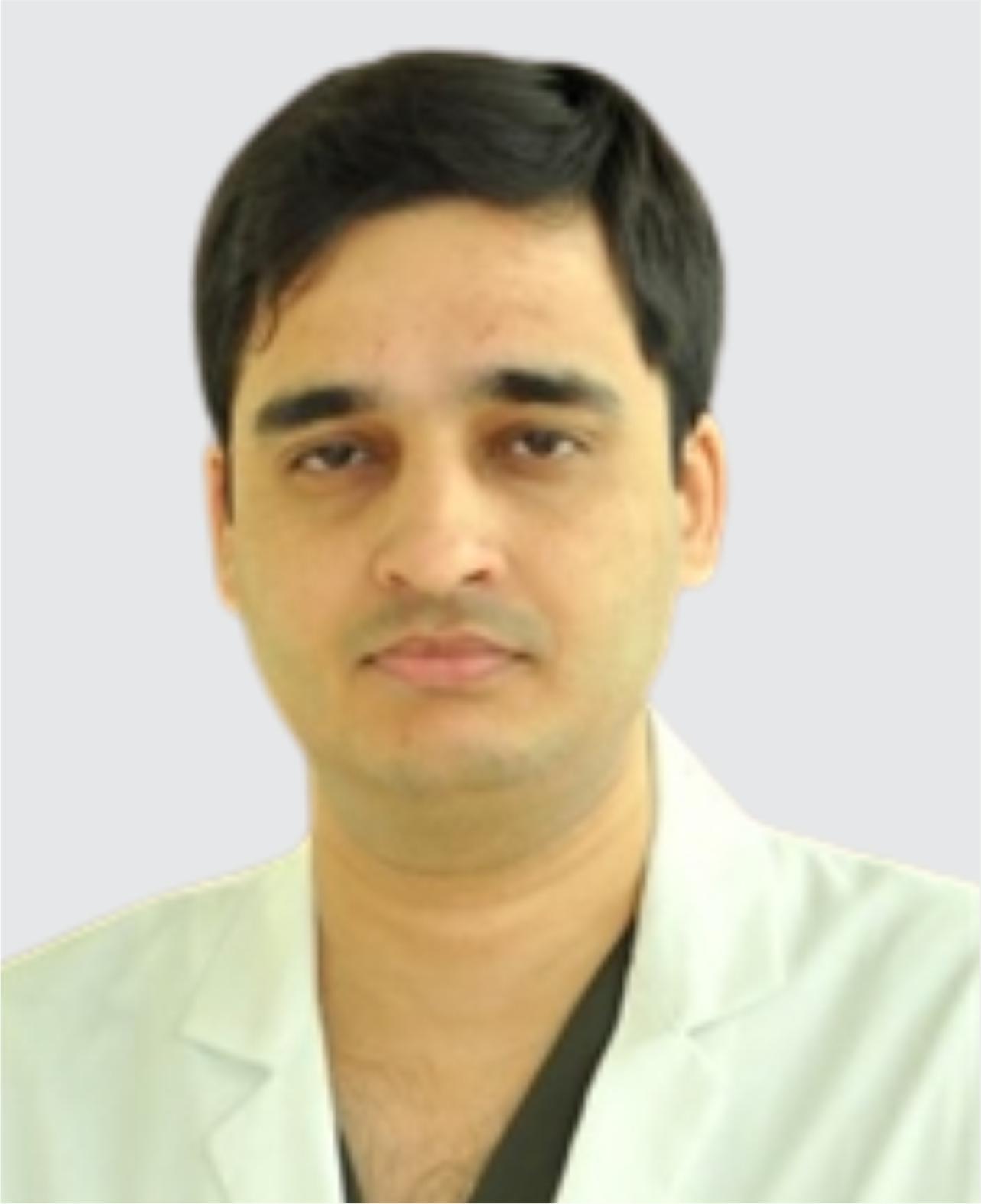
Dr. Amit Kalsotra
Sr. Consultant - Anaesthesia, Critical Care & Pain Management
Anaesthesia, Critical Care, Pain Management
New Delhi
15+ Years
Experience
Artemis Hospital
Hospital
1500
Fees
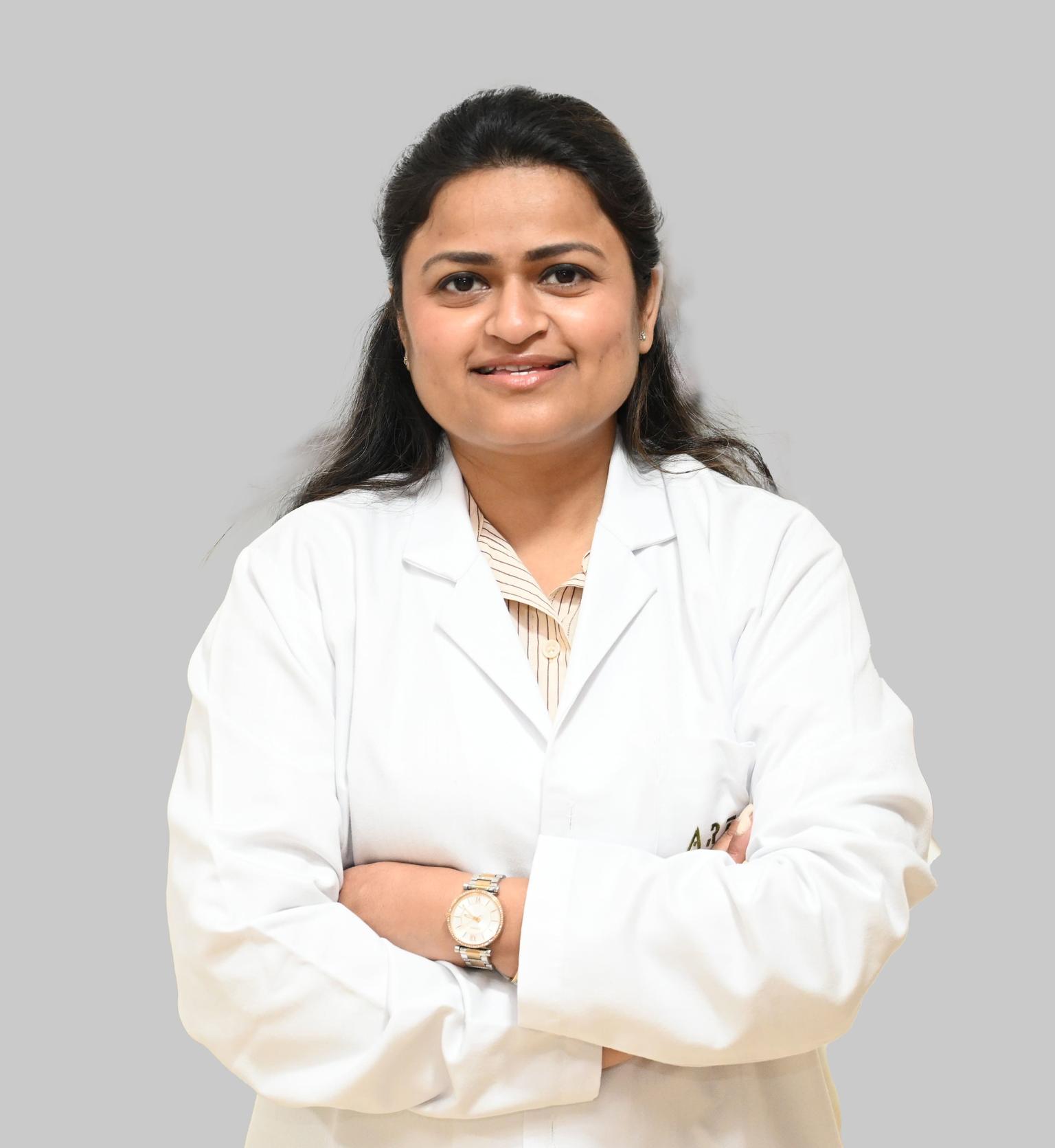
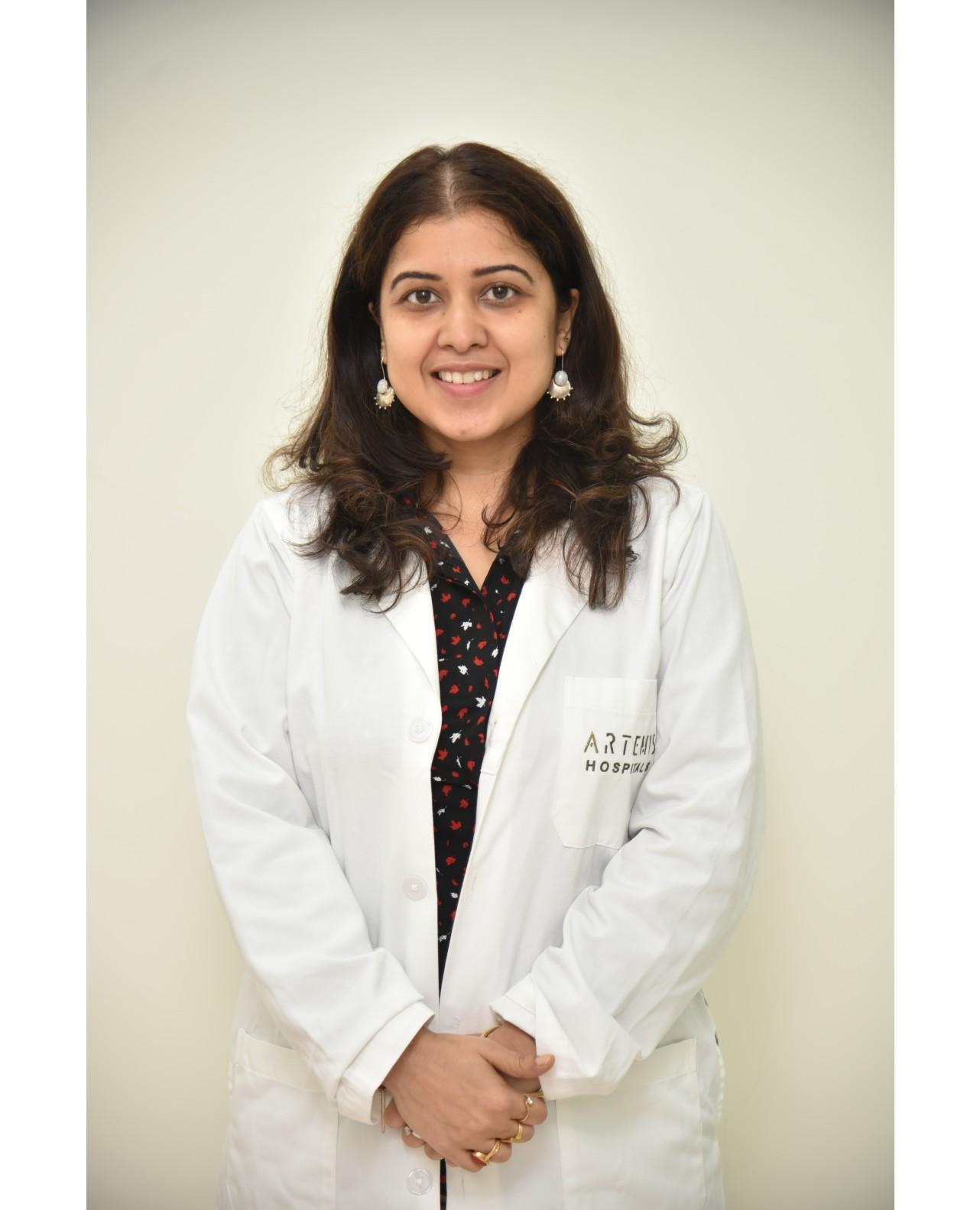
Dr. Anjali Vaish
Consultant - Physiotherapy and Rehabilitation Centre
Physiotherapy and Rehabilitation Centre
New Delhi
10+ Years
Experience
Artemis Hospital
Hospital
1500
Fees
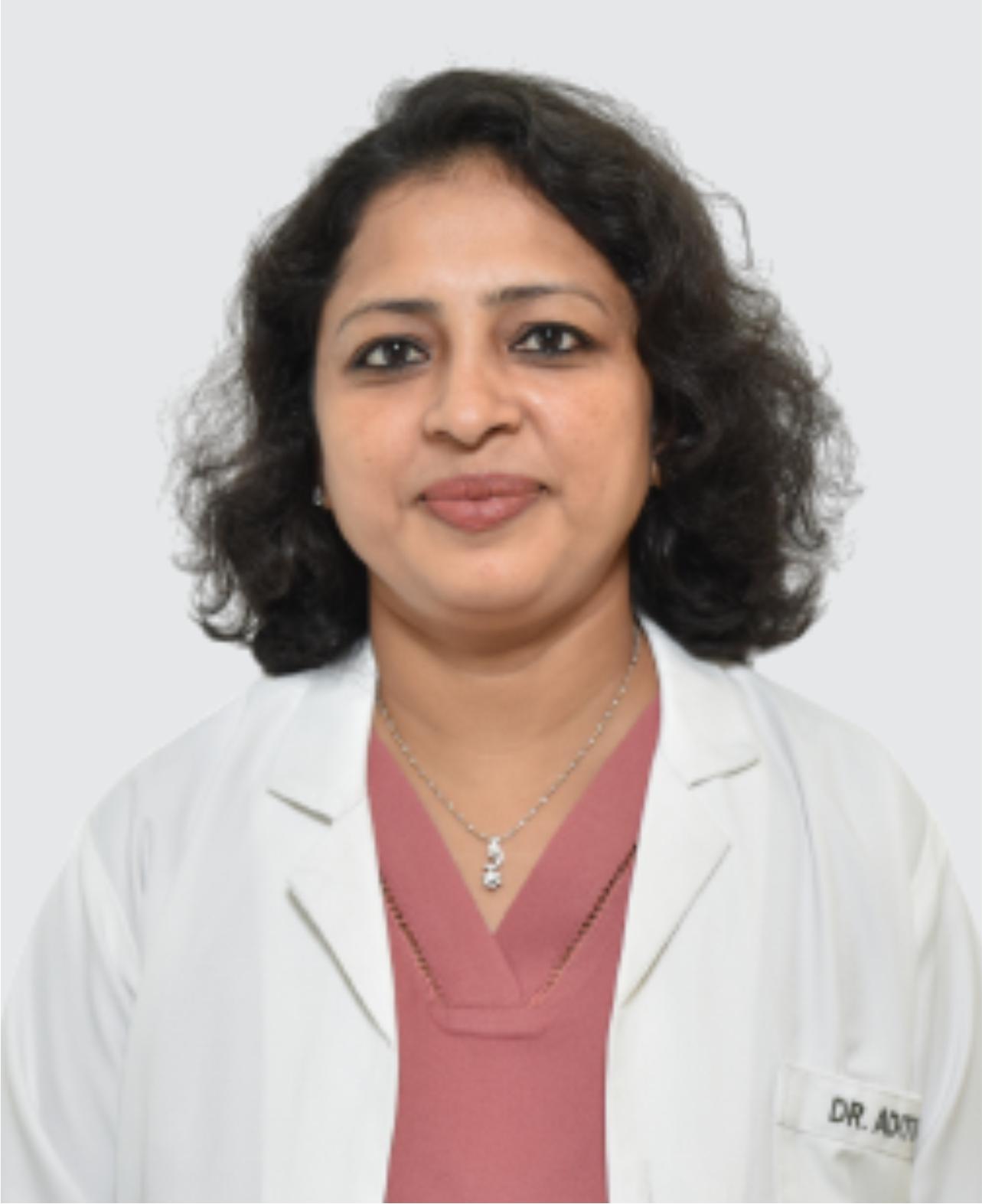
Dr Aditi Dixit
Sr. Consultant – Women Imaging
Radiology
New Delhi
15+ Years
Experience
Artemis Hospital
Hospital
1500
Fees
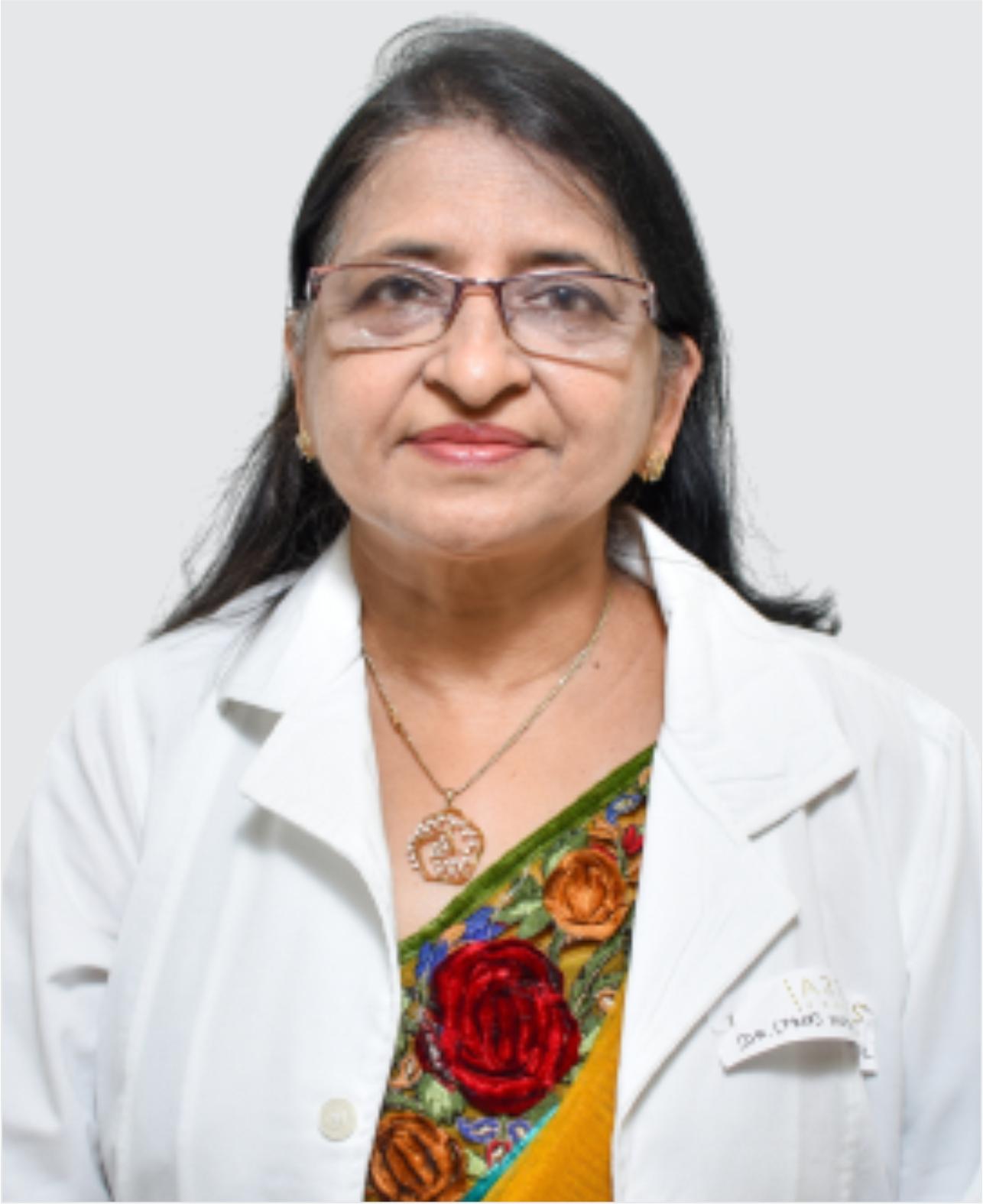
Dr Chandrima Misra M
Co-Head Psychological Services
Mental Health and Behavioural Sciences
New Delhi
15+ Years
Experience
Artemis Hospital
Hospital
1500
Fees
Dr. Nutan Agarwal
Head of Department - Gynae Endocrinology & DNB Program Director - Obs & Gynae
Gynaecological Endocrinology, Maternity, Obstetrics & Gynaecology
New Delhi
35+ Years
Experience
Artemis Hospital
Hospital
1500
Fees
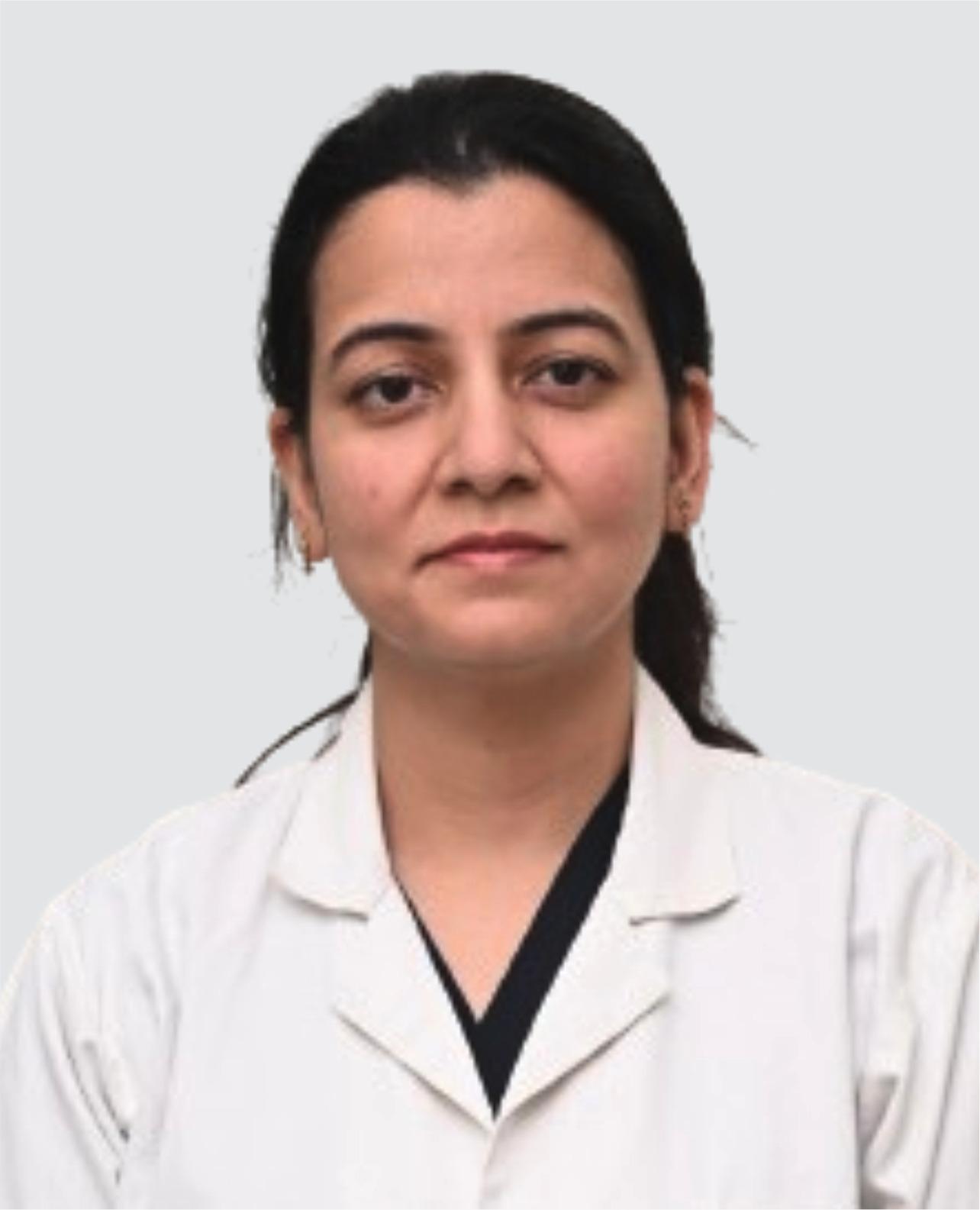
Dr. Poonam Gautam
Senior Consultant - ENT
ENT and Head & Neck Surgery
New Delhi
24+ Years
Experience
Artemis Hospital
Hospital
1500
Fees
Dr. Priyanka Raina
Consultant (Head & Neck Surgery) - Surgical Oncology
Head and Neck Surgical Oncology
New Delhi
10+ Years
Experience
Artemis Hospital
Hospital
1500
Fees
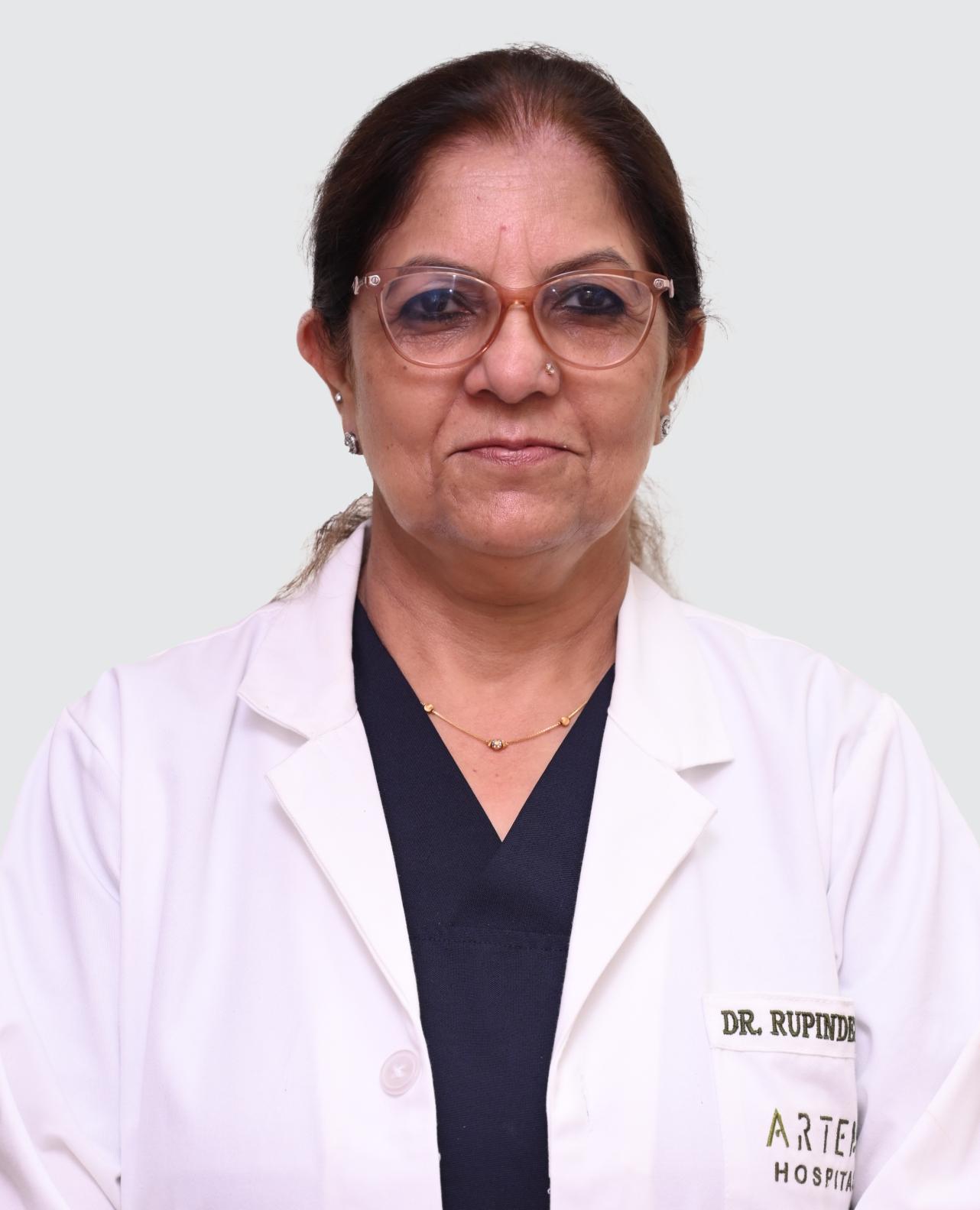
Dr. Rupinder Sekhon
Chairperson - Gynae Oncology
Gynaecological Oncology
New Delhi
16+ Years
Experience
Artemis Hospital
Hospital
1500
Fees
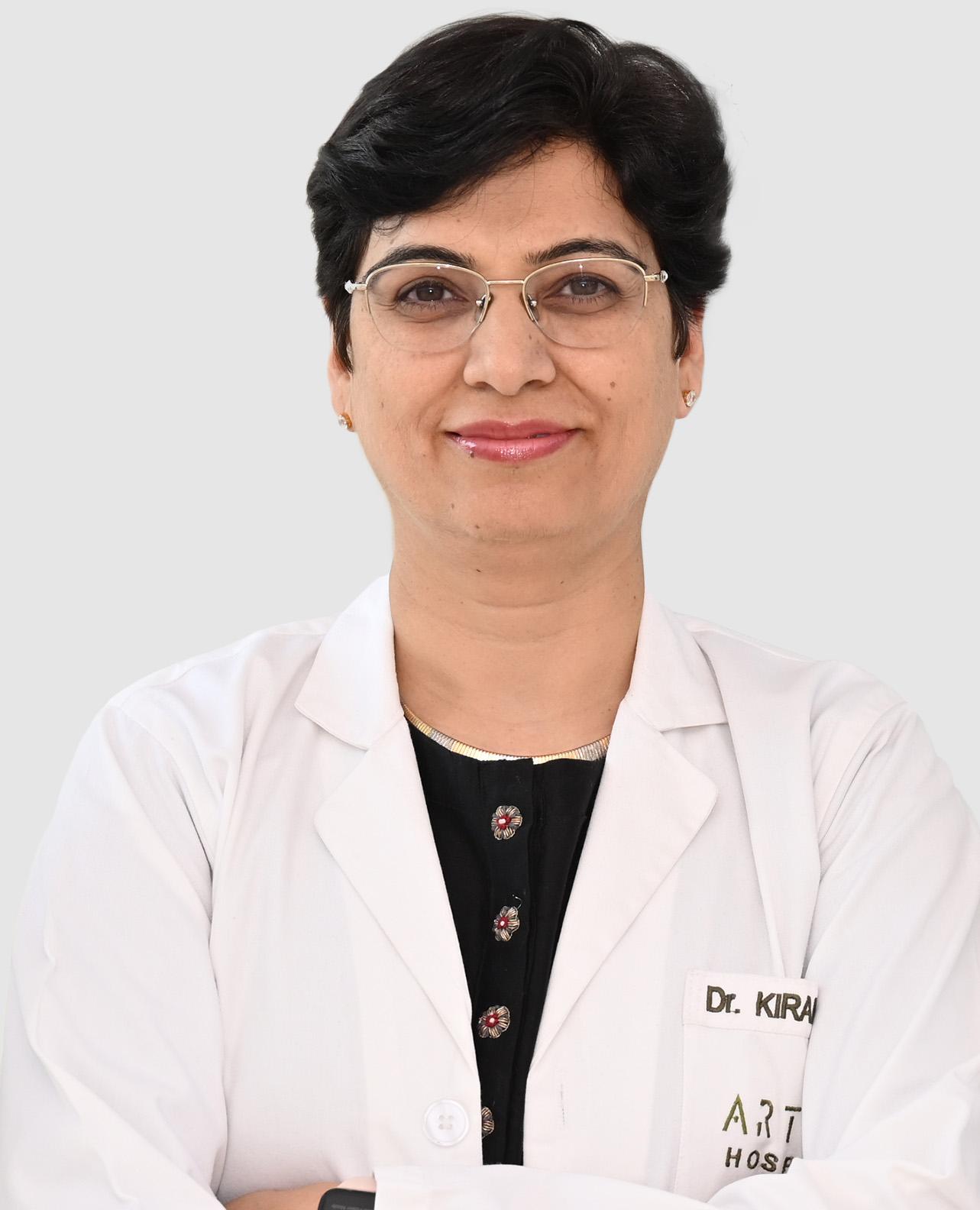
Dr. Kiran Arora
Unit Head - Reproductive Medicine (Unit II)
IVF, Reproductive Medicine, Obstetrics & Gynecology
New Delhi
20+ Years
Experience
Artemis Hospital
Hospital
1500
Fees
Nidhi Jain
Sr. Consultant - Obs & Gynae
Maternity, Obstetrics & Gynaecology
New Delhi
15+ Years
Experience
Artemis Hospital
Hospital
1500
Fees
Related Links
Other Treatment related Information
- Spinal Cord Stimulation cost in Bengaluru
- Spinal Cord Stimulation cost in Chennai
- Spinal Cord Stimulation cost in New Delhi
- Spinal Cord Stimulation cost in India
- Spinal Cord Stimulation cost in Haryana
- Spinal Cord Stimulation cost in Mumbai
- Spinal Cord Stimulation cost in Pune
- Spinal Cord Stimulation cost in Hyderabad
- Spinal Cord Stimulation Success Rate in Hyderabad
- Spinal Cord Stimulation Success Rate in Pune
- Spinal Cord Stimulation Success Rate in New Delhi
- Spinal Cord Stimulation Success Rate in Haryana
- Spinal Cord Stimulation Success Rate in India
- Spinal Cord Stimulation Success Rate in Chennai
- Spinal Cord Stimulation Success Rate in Bengaluru
- Spinal Cord Stimulation Success Rate in Mumbai
- Best Spinal Cord Stimulation Doctors in Mumbai
- Best Spinal Cord Stimulation Doctors in India
- Best Spinal Cord Stimulation Doctors in Pune
- Best Spinal Cord Stimulation Doctors in Hyderabad
Ready To Start Your Healing Journey?
Get Personalized Medical Treatment Options From India's Top Hospitals. Our Medical Experts Are Ready To Assist You Every Step Of The Way.