Minimally Invasive Spine Surgery Treatment in India for Ethiopia
Access high-quality treatment through JCI & NABH-accredited hospitals, renowned specialists, and end-to-end medical travel support designed around your healing journey.
Plan My Journey
Tell us your condition and budget - our AI matches the right destination, hospital and doctor and visa pathway
Cost calculator
I know my treatment - show me cost from 3 hospitals
5K+ International Patients Treated
40+ Source Countries Served
500+ Accredited Partner Hospitals
98% Patient Satisfaction
80% Average Savings vs USA
10K+ Doctors
NABH, JCI Accredited Hospitals
Free Treatment Plan
Free Consultation with Doctor
5+ Destinations Covered

Written by DivinHeal Editorial Contributor, DivinHeal Medical Team, Healthcare Advisory Team Published on: February 19, 2026
About
Minimally Invasive Spine Surgery in India for Ethiopia Patients
Ethiopian patients might feel overwhelmed by chronic back pain, often considering complex treatments like Minimally Invasive Spine Surgery. The search for quality care often brings uncertainty about global options and the best path forward for their spinal health.
Many look beyond their borders for advanced medical solutions, often driven by a need for specialized expertise or more accessible costs. India, with its extensive network of modern hospitals, offers a wide range of cutting-edge spinal treatments across its major cities.
India's healthcare system has gained a strong reputation for its highly skilled spine specialists and state-of-the-art facilities. Patients can find world-class care, advanced surgical techniques, and comprehensive recovery programs available across the country's leading medical centers.
Ready to discover why India is a preferred choice for your spine surgery needs?
What is Minimally Invasive Spine Surgery?
Minimally Invasive Spine Surgery (MISS) uses small incisions and specialized tools to treat spinal conditions. It minimizes muscle disruption, aiming for less pain, faster recovery, and reduced scarring compared to traditional open surgery. Conditions like disc herniation, spinal stenosis, and instability are commonly addressed.
What Are the Common Types of Minimally Invasive Spine Surgery?
- Microdiscectomy
- Minimally Invasive Laminectomy
- MIS Transforaminal Lumbar Interbody Fusion (TLIF)
- Endoscopic Spine Surgery
- Vertebroplasty/Kyphoplasty
- Percutaneous Pedicle Screw Fixation
When Might Minimally Invasive Spine Surgery Be Recommended?
- Chronic back or leg pain unresponsive to conservative treatments.
- Herniated or bulging discs causing nerve compression.
- Spinal stenosis, a narrowing of the spinal canal.
- Spinal instability or spondylolisthesis.
- Vertebral compression fractures.
- Degenerative disc disease.
What Evaluations are Necessary Before Minimally Invasive Spine Surgery?
- Detailed medical history and physical examination.
- Advanced imaging tests like MRI, CT scan, or X-rays.
- Nerve conduction studies or electromyography (EMG).
- Blood tests including complete blood count and clotting profile.
- Cardiac evaluation, including ECG, for surgical fitness.
- Consultation with a spine specialist and anesthesiologist.
How is Minimally Invasive Spine Surgery Performed?
The precise procedure for Minimally Invasive Spine Surgery is tailored to your specific spinal condition and treatment plan.
Anesthesia and Access
General anesthesia is administered. Surgeons make small incisions, often under an inch, and use specialized retractors to gently move muscles aside, rather than cutting them.
Visualization and Repair
Endoscopes or microscopes provide high-definition views. Tiny instruments, guided by real-time imaging (fluoroscopy), perform tasks like disc removal, nerve decompression, or spinal fusion.
Closure
After the procedure, instruments are withdrawn, and the small incisions are closed, resulting in minimal scarring.
What Does Recovery From Minimally Invasive Spine Surgery Involve?
Recovery is generally quicker than traditional surgery due to minimal tissue trauma. Patients often experience less pain and may be discharged within 1-2 days. A personalized physical therapy program is vital to regain strength and mobility. Initial restrictions on lifting, bending, and twisting are common. Gradual return to activities occurs over weeks or months, depending on the individual. Regular follow-up appointments monitor progress.
What are the Potential Risks and Expected Success Rates?
- Infection at the surgical site.
- Nerve damage or persistent pain.
- Bleeding or hematoma formation.
- Reactions to anesthesia.
- Failure of fusion (for fusion procedures).
- Recurrence of the original spinal condition.
- Blood clots in the legs or lungs.
Success rates for Minimally Invasive Spine Surgery are typically high, often 80-95%, varying by condition and patient health. Most patients achieve significant pain relief and improved function. Outcomes depend on adherence to rehabilitation and individual factors. Discussing expectations with your specialist is essential.
How Much Does Minimally Invasive Spine Surgery Cost in India?
The cost of Minimally Invasive Spine Surgery in India is influenced by the procedure type, condition complexity, hospital infrastructure, surgeon's expertise, and hospital stay duration. Additional costs may include diagnostics, medication, and post-operative physical therapy.
Minimally Invasive Spine Surgery in India typically ranges from approximately INR 3,50,000 to INR 8,00,000.
Estimated Costs in Major Indian Cities (INR)
| City | Cost Range (INR) |
|---|---|
| Delhi | ₹3,50,000 – ₹7,50,000 |
| Mumbai | ₹3,80,000 – ₹8,00,000 |
| Chennai | ₹3,60,000 – ₹7,80,000 |
| Bengaluru | ₹3,70,000 – ₹7,90,000 |
| Hyderabad | ₹3,40,000 – ₹7,40,000 |
| Kolkata | ₹3,30,000 – ₹7,20,000 |
| Ahmedabad | ₹3,20,000 – ₹7,00,000 |
Global Comparison of Minimally Invasive Spine Surgery Costs (USD)
| Country | Estimated Cost (USD) |
|---|---|
| India | $4,200 – $9,600 |
| Ethiopia | $8,000 – $15,000 |
| USA | $30,000 – $70,000 |
| UK | $25,000 – $55,000 |
| Thailand | $10,000 – $20,000 |
| Turkey | $8,000 – $18,000 |
How We Assist Patients from Ethiopia
- Personalized treatment plan coordination.
- Assistance with medical visa applications.
- Travel and accommodation arrangements.
- Language interpretation services.
- Dedicated patient support executive.
- Follow-up care coordination post-discharge.
Essential Documents for Your Spine Surgery in India
- Valid passport and medical visa.
- Medical reports, imaging scans (MRI, CT), and previous consultation notes.
- Doctor's referral letter or recommendation.
- Proof of financial solvency or insurance details.
- List of current medications and known allergies.
Steps to Prepare for Your Minimally Invasive Spine Surgery
- Follow all dietary and medication instructions from your doctor.
- Arrange for travel and accommodation well in advance.
- Inform your family about your detailed treatment plan.
- Disclose any allergies or existing health conditions to your medical team.
- Ensure all necessary documents are prepared for your arrival.
Your Journey to Recovery After Spine Surgery
- Adhere strictly to prescribed pain management and medication.
- Engage diligently in recommended physical therapy exercises.
- Avoid strenuous activities and heavy lifting as advised.
- Keep surgical incisions clean and dry to prevent infection.
- Attend all scheduled follow-up appointments with your surgeon.
Ready to Begin Your Path to Spinal Health?
Considering Minimally Invasive Spine Surgery in India is a significant step towards improved well-being. Our team is dedicated to guiding you through every stage, ensuring a supportive and smooth experience from Ethiopia to recovery.
Hospitals
NABH & JCI Accredited Hospitals in India,Turkey, Thailand & UAE.

Artemis Hospital
Sector 51, Gurugram, Haryana, India
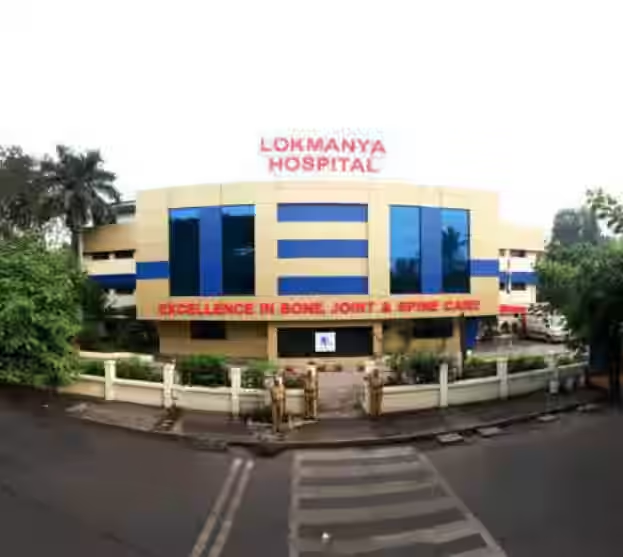
Lokmanya Hospitals
Not Specified

White Lotus Hospital
766, SFS 3145, SFS Road, 7th Sector, HSR Layout, Bengaluru, Karnataka 560102, India
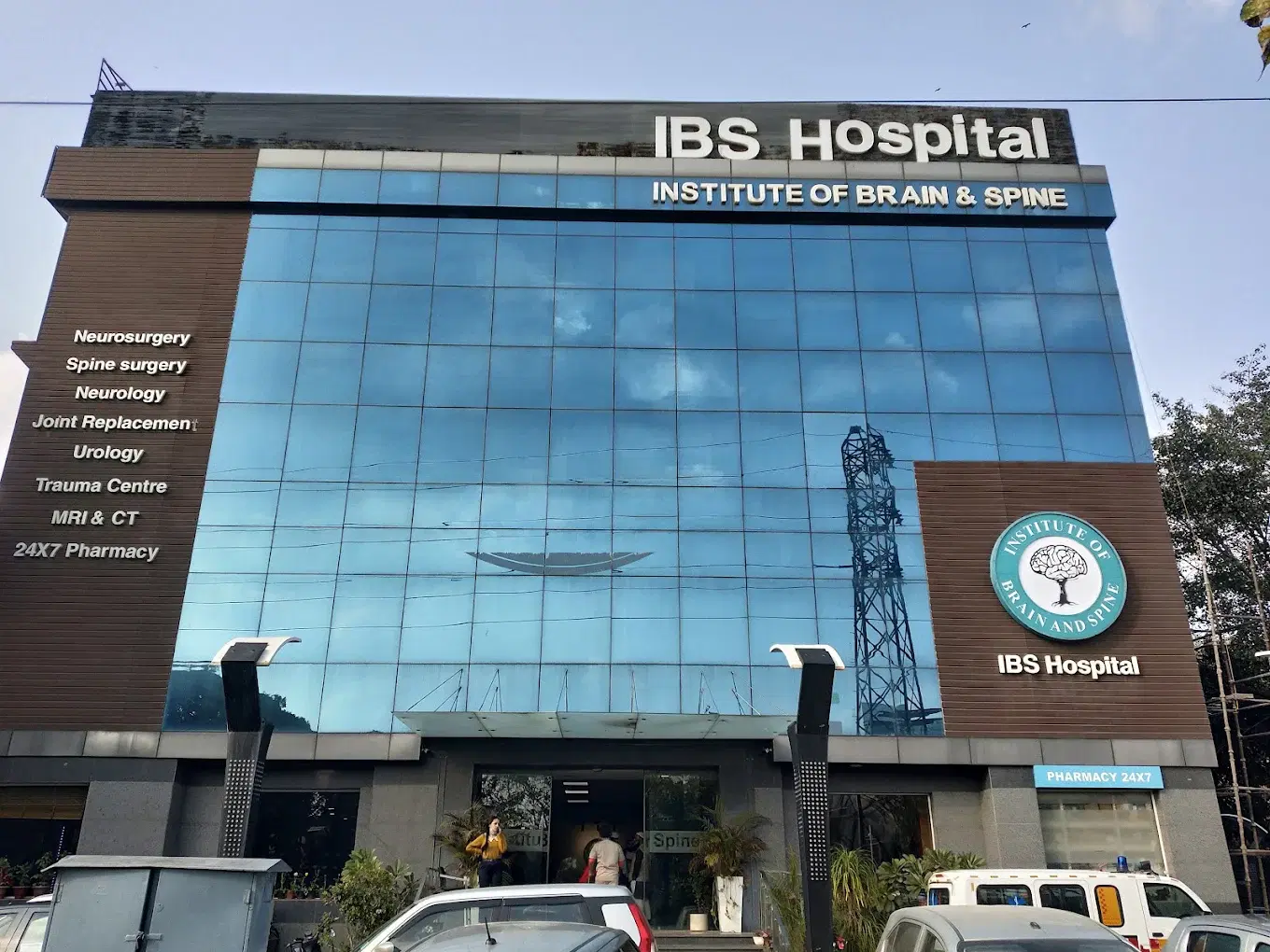
Institute of Brain and Spine (IBS Hospital)
Not Specified
Meet Our Medical Specialists




Sr. Consultant - Urology & Kidney Transplant Program (Unit I)
Dr. Abhinandan Mukhopadhyay
MBBS, MD
India

Sr. Consultant - Urology & Kidney Transplant Program (Unit I)
Dr. Abhinandan Mukhopadhyay
MBBS, MD
India
How DivinHeal Helps
We simplify your medical journey by providing comprehensive support and access to world-class healthcare.
Expert Specialist Matching
Connecting you with the world's top-rated medical experts.
Accredited Hospital Network
Access to JCI & NABH certified healthcare facilities.
Complete Travel Coordination
Hassle-free visa, stay, and local transport assistance.
24/7 Personal Care
Dedicated patient advisors supporting you at every step.
Journey Guidance
Full guidance from start to end of the patient treatment journey.
Expert Specialist Matching
Connecting you with the world's top-rated medical experts.
Everything you
need to know today
Browse through these common inquiries to better understand our patient-focused medical platform.
Yes, we work with a variety of insurance providers. Contact our team to verify your coverage.
Yes, we provide secure online consultations with experienced specialists.
Our care coordinators help match you with the most suitable specialist.
Absolutely. Your medical information is protected according to healthcare privacy standards.
Look at six things: accreditation (JCI or NABH), specialty depth, doctor credentials and experience, procedure-specific success rates, international patient support, and technology. DivinHeal's AI-driven matching evaluates every hospital in our accredited partner network on these dimensions and shortlists the best-fit options for your condition, budget, and country.
JCI (Joint Commission International) is the US-based global gold standard for hospital quality, recognised worldwide. NABH is India's national accreditation — accredited by ISQua, the same body that accredits JCI. Both signal independently verified safety and quality. Most of India's leading hospitals hold both.
Yes. All three welcome international patients through structured medical visa programs. India is the most established, treating patients from Africa, the Middle East, and South Asia at 60–80% lower cost. Thailand leads in cosmetic and dental care. The UAE is emerging in oncology and reproductive medicine.
Most patients save 50–80% on treatment costs. Heart bypass costs US $7,000–9,000 in India compared to $70,000–150,000 in the US. IVF costs $3,000–4,500 compared to $12,000–20,000 in the UK. Even after flights, visa, and accommodation, total savings remain 60–70%.
DivinHeal manages your entire non-medical journey: visa invitation letters, medical visa guidance, doctor appointments, teleconsultations, airport pickup, hospital-vetted accommodation for you and your attendant, language interpreters, local transport, cuisine preferences, and post-treatment follow-up — one dedicated coordinator from first enquiry to final follow-up.
You need a valid passport (6+ months validity), a medical visa (M-Visa for India — DivinHeal provides the hospital invitation letter), return flight tickets, recent medical reports and a doctor's referral, current prescription list, and proof of financial means. Any accompanying attendant needs their own passport and MX-Visa.
Still have more questions?
Book a call with our friendly team to learn how DivineHeal simplifies your healthcare journey.