TAVR (Transcatheter Aortic Valve Replacement) Treatment in Gurugram for Ethiopia
Need Personalized Advice?
Our medical experts are ready to answer your questions and guide you through your treatment options.
About
TAVR Treatment in Gurugram for Patients from Ethiopia
For many patients in Ethiopia facing severe aortic valve conditions, the thought of needing a complex procedure like TAVR can bring significant worry. Understanding where to find advanced cardiac care, what the process involves, and the potential costs often adds to this concern, especially when considering options abroad.
Patients seeking high-quality cardiovascular interventions often look to international destinations. Gurugram, known for its modern medical infrastructure, emerges as a preferred choice. Its established healthcare ecosystem provides a supportive environment for complex treatments, attracting patients who prioritize seamless care coordination.
Gurugram’s hospitals house renowned specialists in cardiology and cardiac surgery, offering expertise in procedures like TAVR. The city's medical facilities are equipped with state-of-the-art technology, ensuring advanced care. This local concentration of expertise makes follow-ups and comprehensive care within Gurugram notably convenient.
Is Gurugram the right destination for your TAVR journey?
What is TAVR (Transcatheter Aortic Valve Replacement)?
TAVR, or Transcatheter Aortic Valve Replacement, is a minimally invasive procedure used to replace a narrowed aortic valve that fails to open properly (aortic stenosis). Unlike traditional open-heart surgery, TAVR involves inserting a new valve through a catheter, typically from an artery in the leg or chest, without the need for large incisions or stopping the heart. This allows the heart’s natural valve to be replaced with a prosthetic one, restoring proper blood flow and significantly improving quality of life for suitable patients. It is particularly beneficial for individuals considered high-risk for conventional surgery.
Approaches and Considerations for TAVR Procedures
While TAVR itself is a specific procedure, there are several approaches and considerations that specialists evaluate to tailor the treatment to each patient’s unique needs:
- Transfemoral Approach: This is the most common and least invasive method, where the catheter is inserted through an artery in the groin.
- Transapical Approach: For patients where the transfemoral route is not suitable, a small incision in the chest allows access directly through the heart's apex.
- Transaortic Approach: The catheter is inserted through a small incision in the upper chest, directly into the aorta.
- Transcaval or Subclavian Approach: Less common, these alternative access points are considered based on individual patient anatomy and vascular health.
- Valve Selection: Various types and sizes of transcatheter heart valves are available, chosen based on the patient's anatomy, existing valve condition, and durability considerations.
When is TAVR Treatment Required?
- Severe aortic stenosis, characterized by significant narrowing of the aortic valve.
- Symptoms such as chest pain (angina), fainting (syncope), or shortness of breath (dyspnea).
- Patients who are at intermediate or high risk for traditional open-heart valve replacement surgery.
- Advanced age and presence of other medical conditions that make surgery risky.
- Evidence of left ventricular dysfunction or heart failure related to aortic stenosis.
- Cases where quality of life is severely impacted by the symptoms of aortic stenosis.
Pre-Treatment Evaluation for TAVR
- Comprehensive Clinical Assessment: Includes a detailed medical history review, physical examination, and assessment of overall health status.
- Echocardiography: To precisely visualize the aortic valve, measure its opening, assess heart function, and determine the severity of stenosis.
- Computed Tomography (CT) Scan: A specialized CT scan of the chest, abdomen, and pelvis to map the access routes (arteries) and determine the ideal size and type of TAVR valve.
- Cardiac Catheterization and Angiography: To evaluate coronary arteries for blockages and measure pressures within the heart chambers.
- Pulmonary Function Tests: To assess lung health, especially for patients with a history of respiratory issues.
- Blood Tests: Including kidney function, liver function, complete blood count, and coagulation studies.
- Consultations: With a multidisciplinary heart team, including cardiologists, cardiac surgeons, and anesthesiologists.
How the TAVR Procedure is Performed
The TAVR procedure is carefully planned and executed, with the specific approach depending on the patient's anatomy and overall health.
Most commonly, the procedure involves these steps:
- Anesthesia: Patients usually receive general anesthesia, though sometimes local anesthesia with conscious sedation is used.
- Access Point Creation: A small incision is made, typically in the groin, to access the femoral artery. For other approaches, an incision is made in the chest.
- Catheter Insertion: A thin, flexible tube (catheter) containing the new artificial heart valve is guided through the artery towards the heart.
- Valve Deployment: Once positioned precisely within the diseased aortic valve, the new valve is carefully deployed. It expands and pushes aside the old, damaged valve, immediately taking over its function.
- Catheter Removal and Closure: After confirming proper valve function, the catheter is withdrawn, and the access site is carefully closed.
Recovery Process After TAVR
Recovery after TAVR is generally faster compared to open-heart surgery. Most patients spend a few days in the hospital for monitoring, often starting to walk within 24-48 hours. Post-procedure care includes managing pain, monitoring for complications, and ensuring the new valve is functioning well. Patients are typically advised to avoid heavy lifting and strenuous activities for a few weeks. Regular follow-up appointments with a cardiologist are essential to monitor valve health and overall cardiac function, alongside adherence to medication and lifestyle recommendations.
Risks and Success Rates of TAVR
- Potential for minor bleeding or bruising at the catheter insertion site.
- Risk of stroke, though infrequent, remains a serious consideration.
- Vascular complications, such as damage to blood vessels accessed during the procedure.
- Possible need for a permanent pacemaker due to changes in heart rhythm.
- Infection, a general risk with any invasive medical procedure.
- Rare chances of valve leakage around the new valve or displacement.
TAVR boasts high success rates, with the vast majority of patients experiencing significant improvement in symptoms and quality of life. Outcomes can vary based on individual patient health, the severity of their condition, and the expertise of the medical team. Long-term expectations for TAVR include sustained valve function, symptom relief, and improved survival, particularly for patients who were at high risk for traditional surgery.
Considering TAVR in Gurugram?
Connect with top cardiac specialists and get a personalized treatment plan today.
What is the Cost of TAVR in Gurugram?
The cost of TAVR in Gurugram is influenced by several factors, including the chosen hospital's accreditation and facilities, the specific TAVR valve used, the complexity of the patient's condition, the specialist's fees, and the duration of hospital stay. Additional costs may arise from pre-operative tests and post-operative care, which can vary.
Typically, the cost of TAVR in Gurugram ranges from INR 1,800,000 to INR 2,800,000.
TAVR Treatment Costs in Gurugram Compared Globally
Gurugram offers a highly competitive pricing structure for TAVR, making advanced cardiac care accessible without compromising on quality. Below is a comparison of TAVR costs:
| Location | Estimated TAVR Cost (USD) |
|---|---|
| Gurugram, India | $22,000 - $34,000 |
| United States | $55,000 - $80,000 |
| United Kingdom | $45,000 - $65,000 |
| Germany | $40,000 - $60,000 |
| Singapore | $38,000 - $58,000 |
Essential Support Services for Your Medical Journey in Gurugram
- Personalized Treatment Plans: Tailored medical strategies designed specifically for each patient's condition and needs.
- Dedicated Patient Coordinators: A single point of contact to assist with all aspects of your medical trip, from arrival to departure.
- Travel and Accommodation Assistance: Help with flight bookings, visa applications, and arranging comfortable stays near the hospital.
- Language Interpretation: Professional interpreters available to facilitate clear communication between patients and medical staff.
- Post-Treatment Follow-up Support: Coordination for remote consultations and continued care instructions after returning home.
Important Papers Required for Your Medical Visit
- Valid Passport and Medical Visa: Essential for international travel and medical treatment in India.
- Medical Reports and Records: Comprehensive details of your diagnosis, past treatments, test results, and current medication.
- Referral Letter from Your Doctor: A letter from your local physician outlining the need for TAVR and your medical history.
- Proof of Funds: Documentation to show financial capability to cover treatment and travel expenses.
- Accompanying Person's Identification: If traveling with a companion, their passport and visa details.
Preparing for Your TAVR Procedure in Gurugram
- Consultation and Medical Clearance: Ensure all pre-operative tests and consultations are completed and medical clearance is obtained.
- Medication Review: Discuss with your doctor any medications you are currently taking, especially blood thinners, which may need to be adjusted.
- Fasting Instructions: Adhere strictly to any fasting guidelines provided by the medical team before the procedure.
- Personal Essentials: Pack comfortable clothing, personal hygiene items, and any comfort items for your hospital stay.
- Travel Arrangements: Confirm all travel logistics, including transport to and from the hospital, well in advance.
Recovery and Follow-Up Care Instructions
- Adhere to Medication Regimen: Take all prescribed medications as directed by your cardiologist to support heart health and prevent complications.
- Wound Care: Keep the incision site clean and dry, monitoring for any signs of infection, and follow specific care instructions.
- Gradual Activity Increase: Slowly resume normal activities, avoiding heavy lifting or strenuous exercise until cleared by your doctor.
- Regular Follow-up Appointments: Attend all scheduled post-operative checks to monitor valve function and overall recovery.
- Healthy Lifestyle Choices: Embrace a heart-healthy diet, manage stress, and avoid smoking for optimal long-term outcomes.
Take Your Next Step Toward Better Health
Embarking on a TAVR journey in Gurugram offers a pathway to renewed health with world-class medical care and compassionate support.
Ready to Explore Your TAVR Options?
Reach out to us to clarify doubts and plan your treatment journey in Gurugram.
Hospitals Offering this treatment
India offers premium medical procedures at affordable prices. Discover our most popular treatments, delivered by the country's finest doctors.
Meet Our Doctors
Meet our team of highly qualified and experienced medical professionals dedicated to providing the best healthcare services.
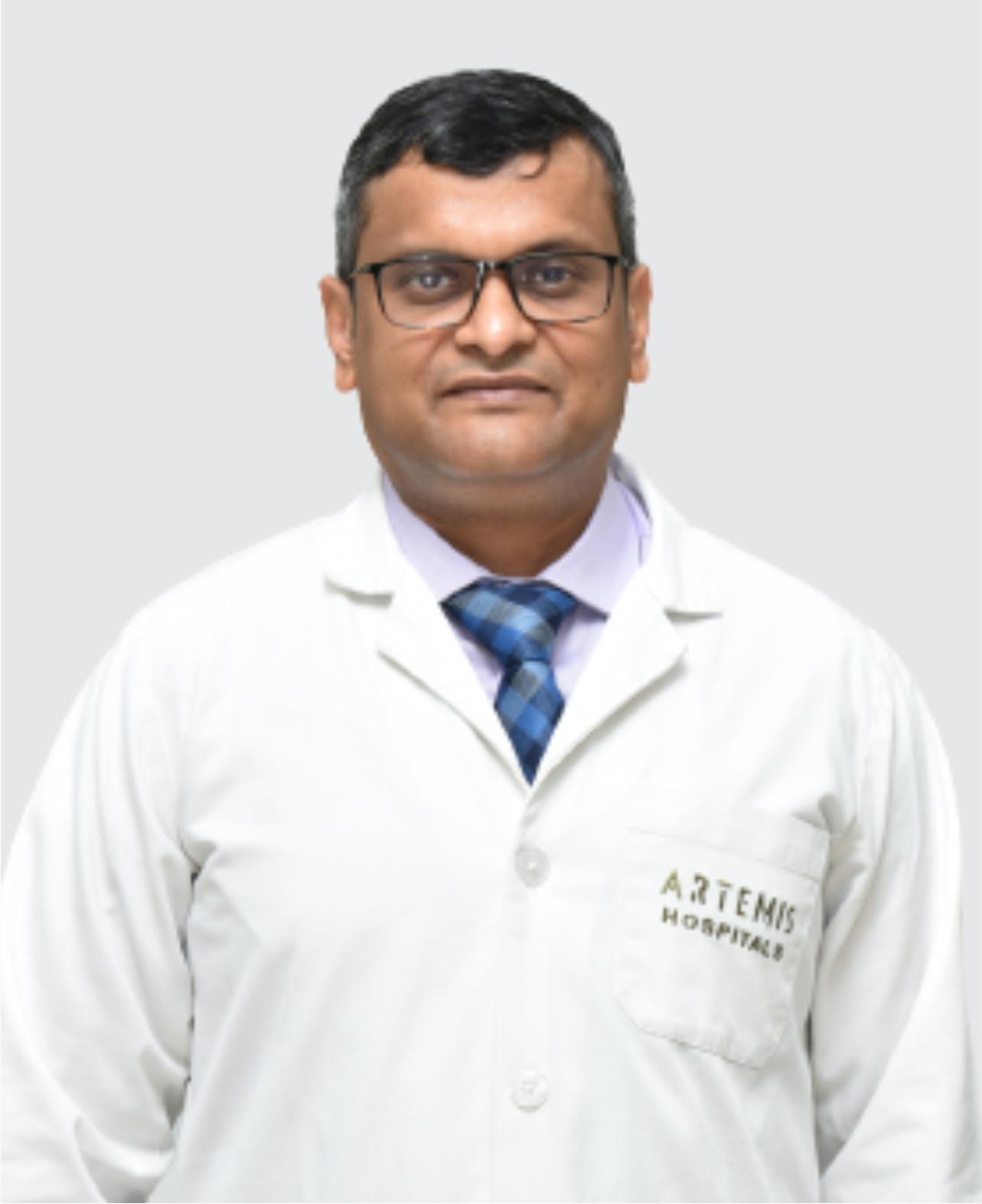
Dr. Amit Kumar Chaurasia
Chief Cath Lab & TAVI (Unit I), Director TAVI/TAVR and Structural Heart Disease and Senior Consultant Cardiology
Cardiology, Interventional Cardiology, TAVI / TAVR & Structural Heart Diseases
New Delhi
16+ Years
Experience
Artemis Hospital
Hospital
1500
Fees
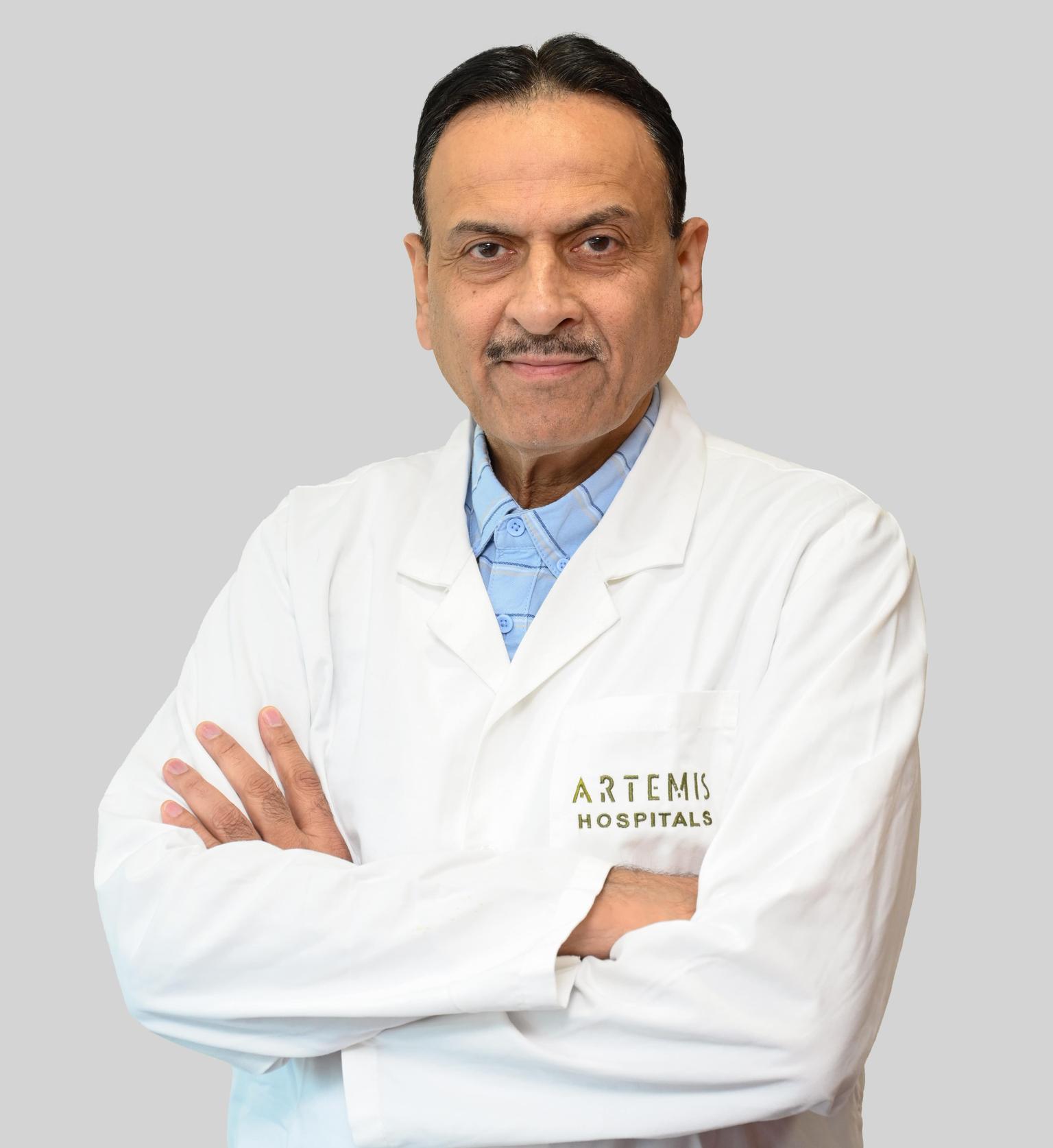
Dr. D.K. Jhamb
Chief Cardiology (Unit IV)
Cardiology
New Delhi
30+ Years
Experience
Artemis Hospital
Hospital
1500
Fees
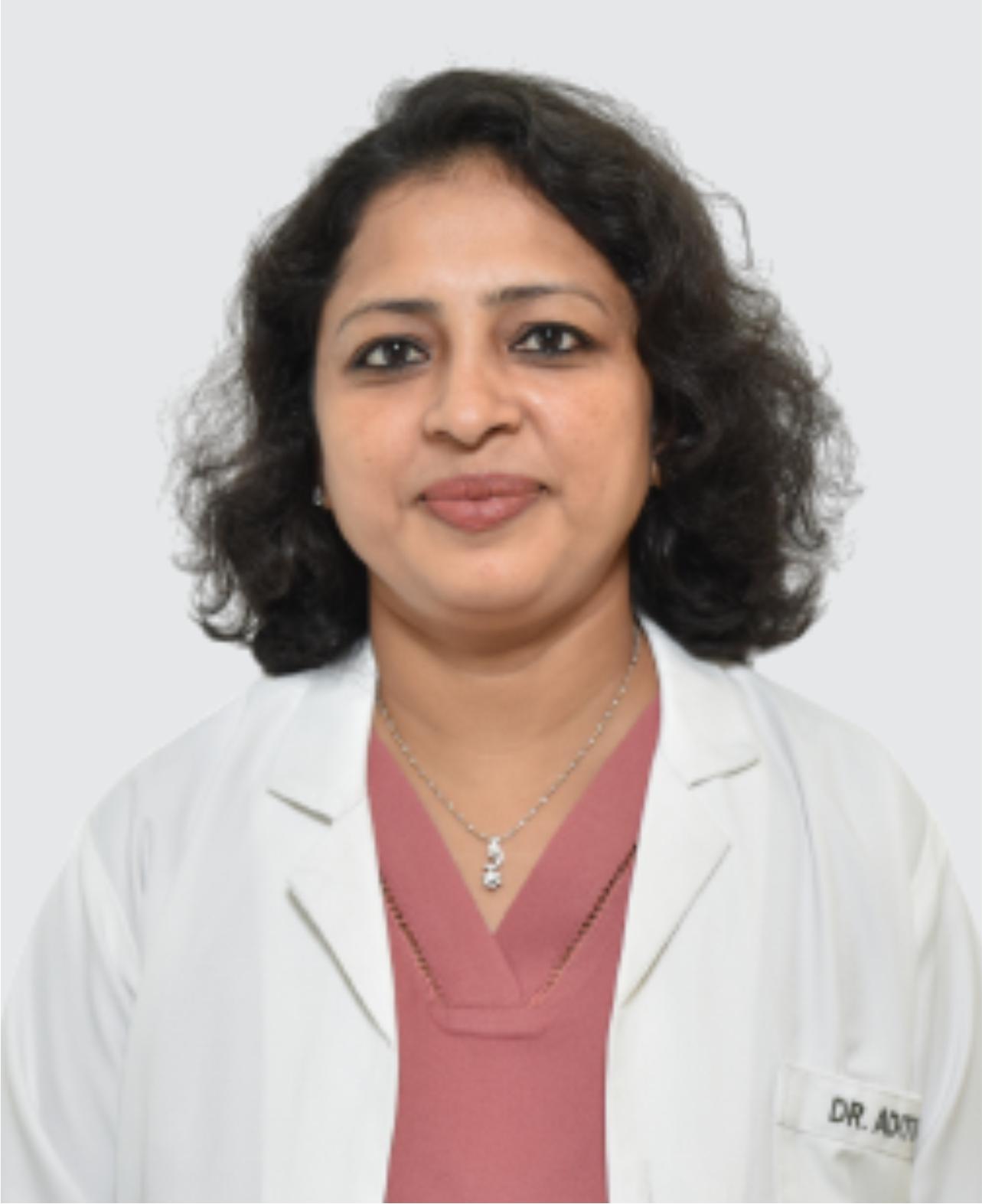
Dr Aditi Dixit
Sr. Consultant – Women Imaging
Radiology
New Delhi
15+ Years
Experience
Artemis Hospital
Hospital
1500
Fees
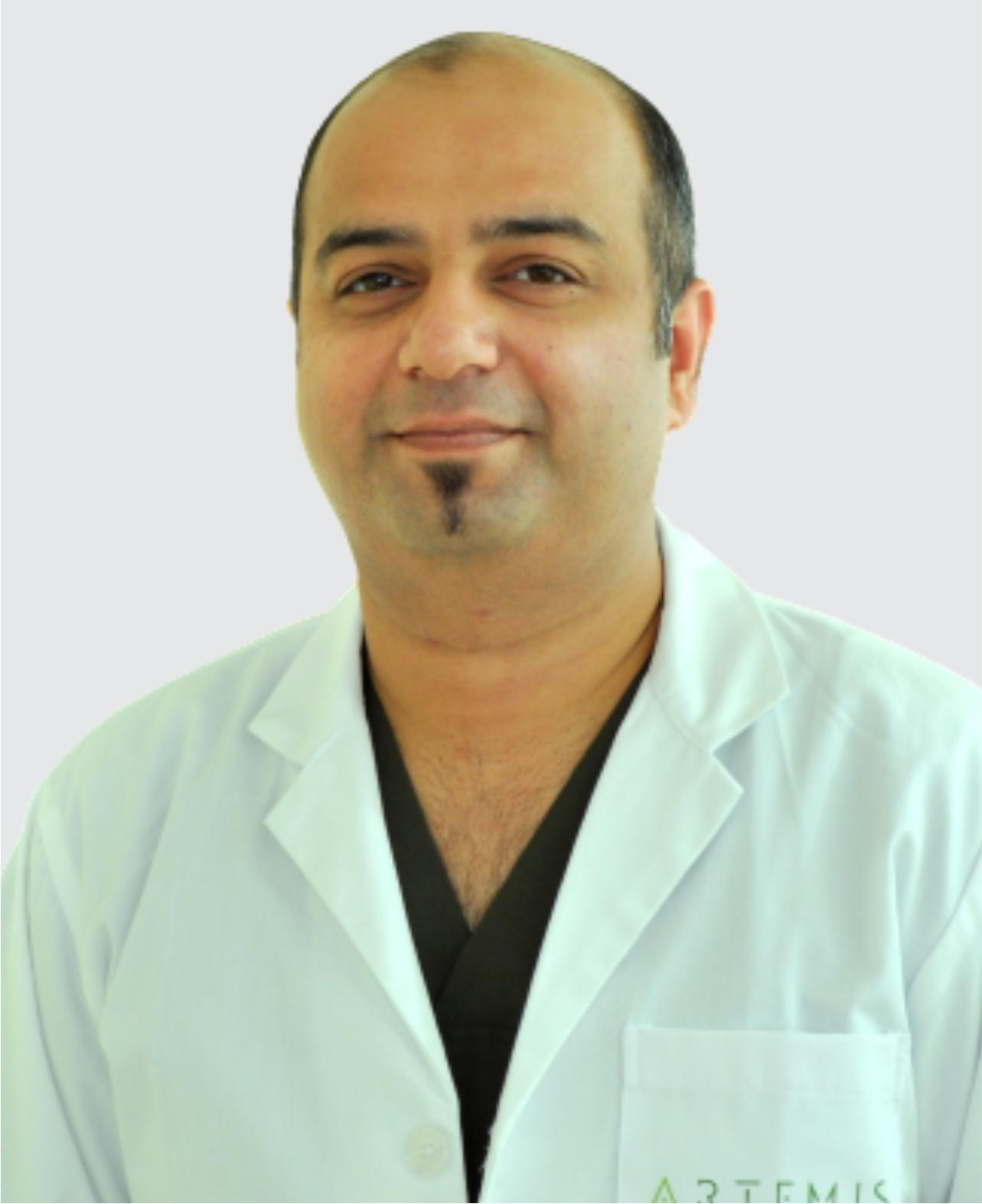
Dr Amit Jassal
Principal Consultant - Anaesthesia
Anaesthesia
New Delhi
15+ Years
Experience
Artemis Hospital
Hospital
1500
Fees
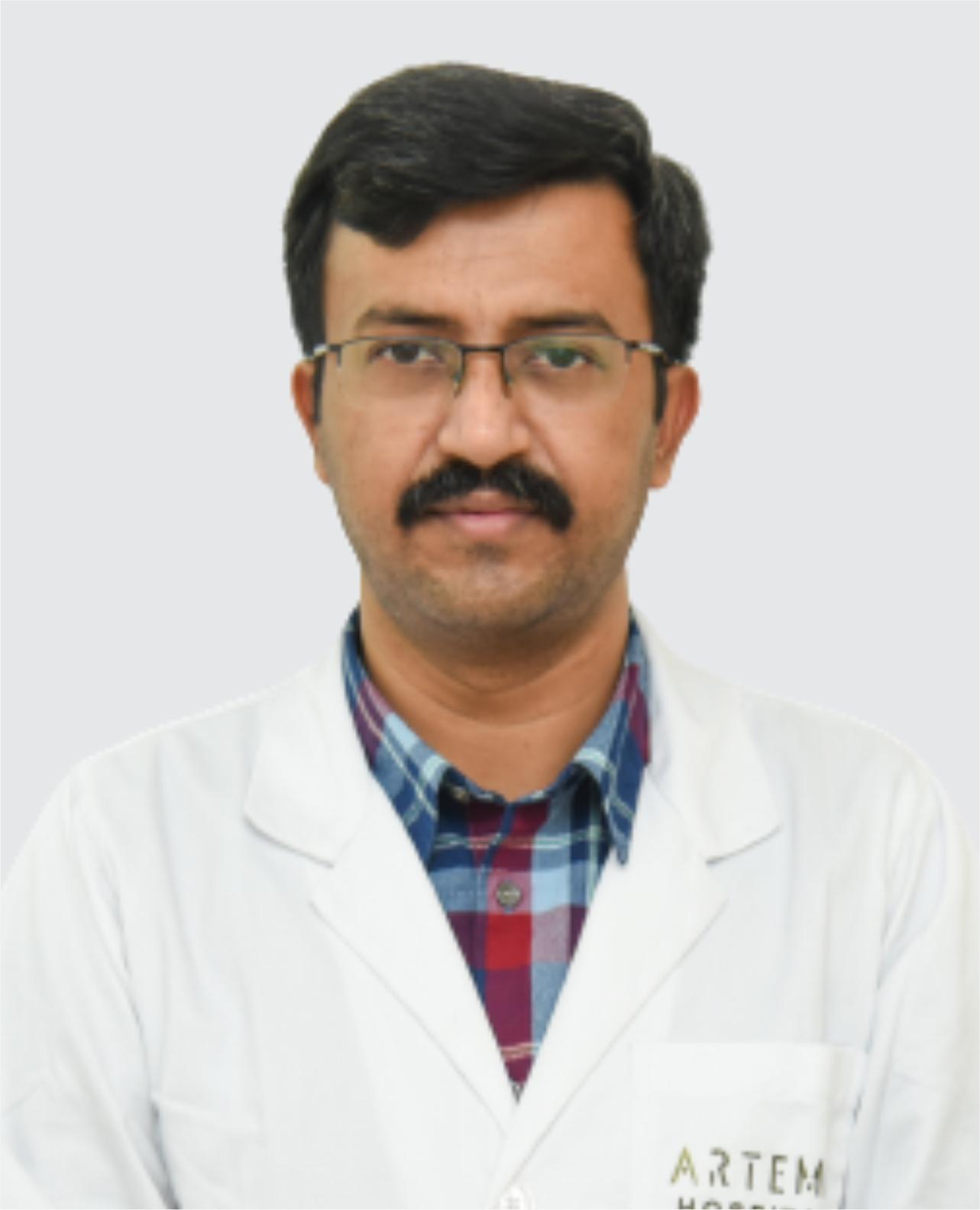
Dr. Abhinandan
Sr. Consultant - Urology & Kidney Transplant Program (Unit I)
Organ Transplant, Urology
New Delhi
8+ Years
Experience
Artemis Hospital
Hospital
1500
Fees

Dr Chandrima Misra M
Co-Head Psychological Services
Mental Health and Behavioural Sciences
New Delhi
15+ Years
Experience
Artemis Hospital
Hospital
1500
Fees
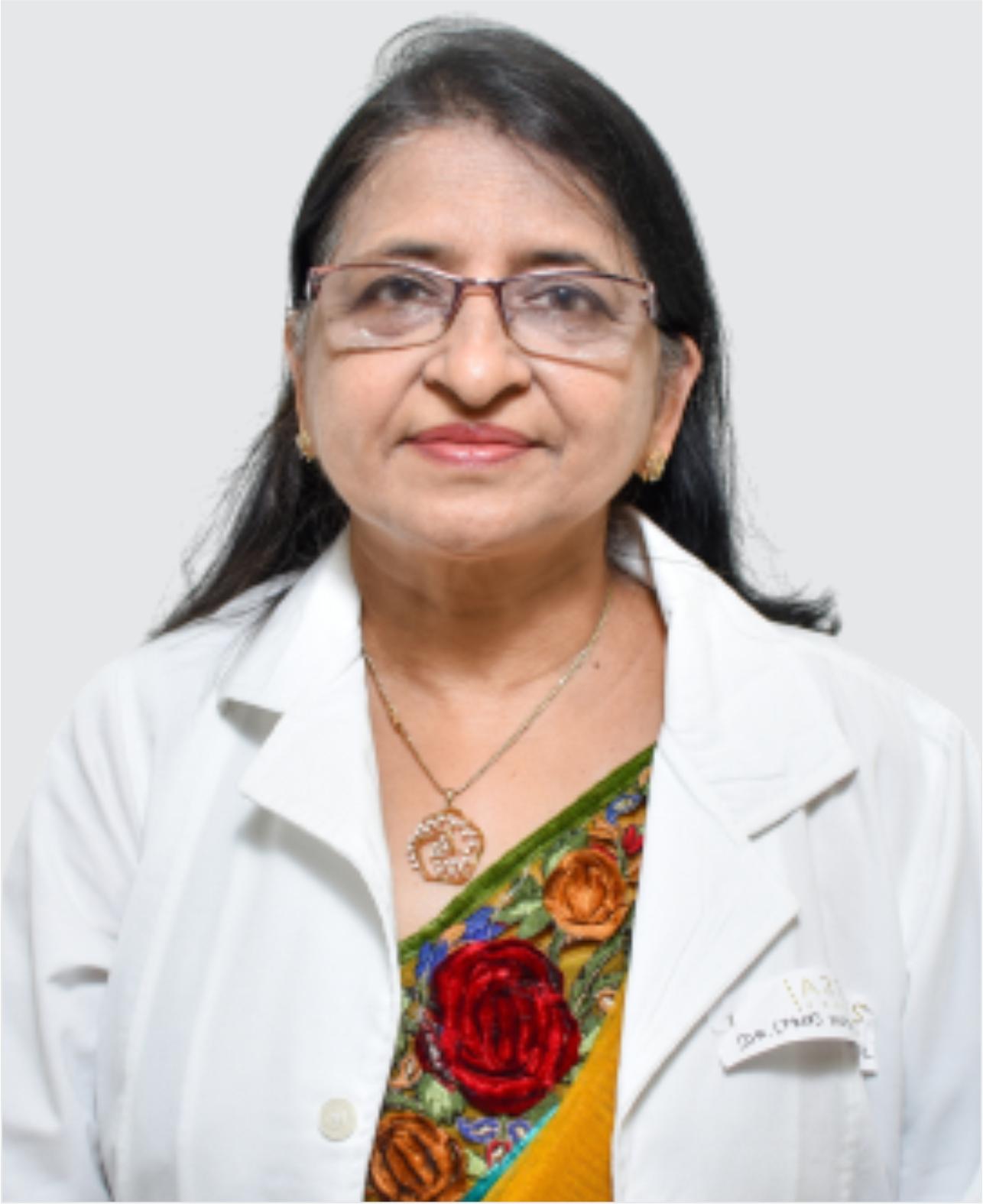
Dr. Nutan Agarwal
Head of Department - Gynae Endocrinology & DNB Program Director - Obs & Gynae
Gynaecological Endocrinology, Maternity, Obstetrics & Gynaecology
New Delhi
35+ Years
Experience
Artemis Hospital
Hospital
1500
Fees
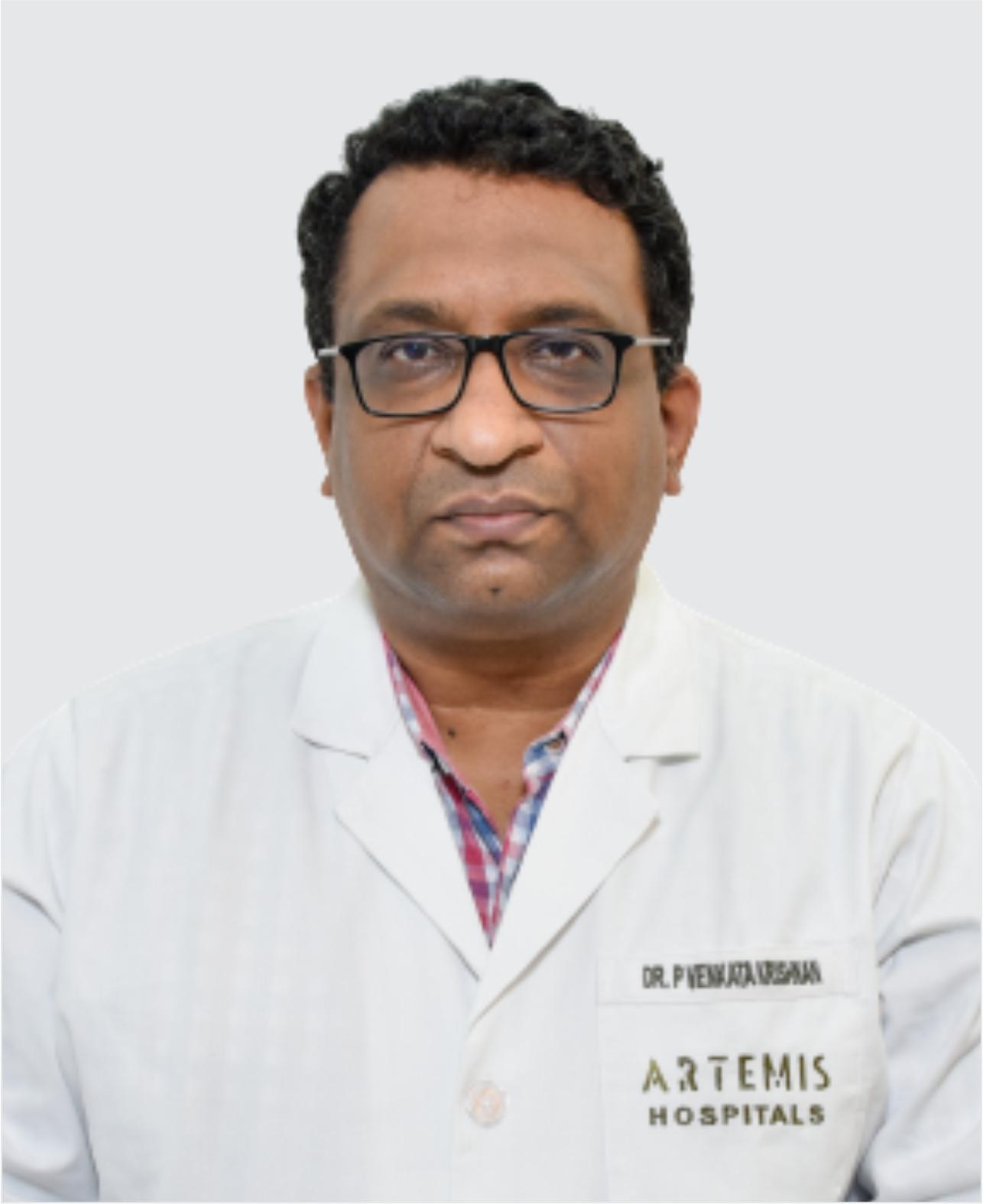
Dr. P. Venkata Krishnan
Sr. Consultant
Internal Medicine
New Delhi
12+ Years
Experience
Artemis Hospital
Hospital
1500
Fees
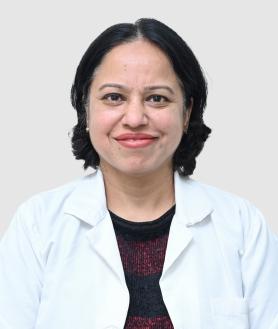
Dr. Poonam Gautam
Senior Consultant - ENT
ENT and Head & Neck Surgery
New Delhi
24+ Years
Experience
Artemis Hospital
Hospital
1500
Fees
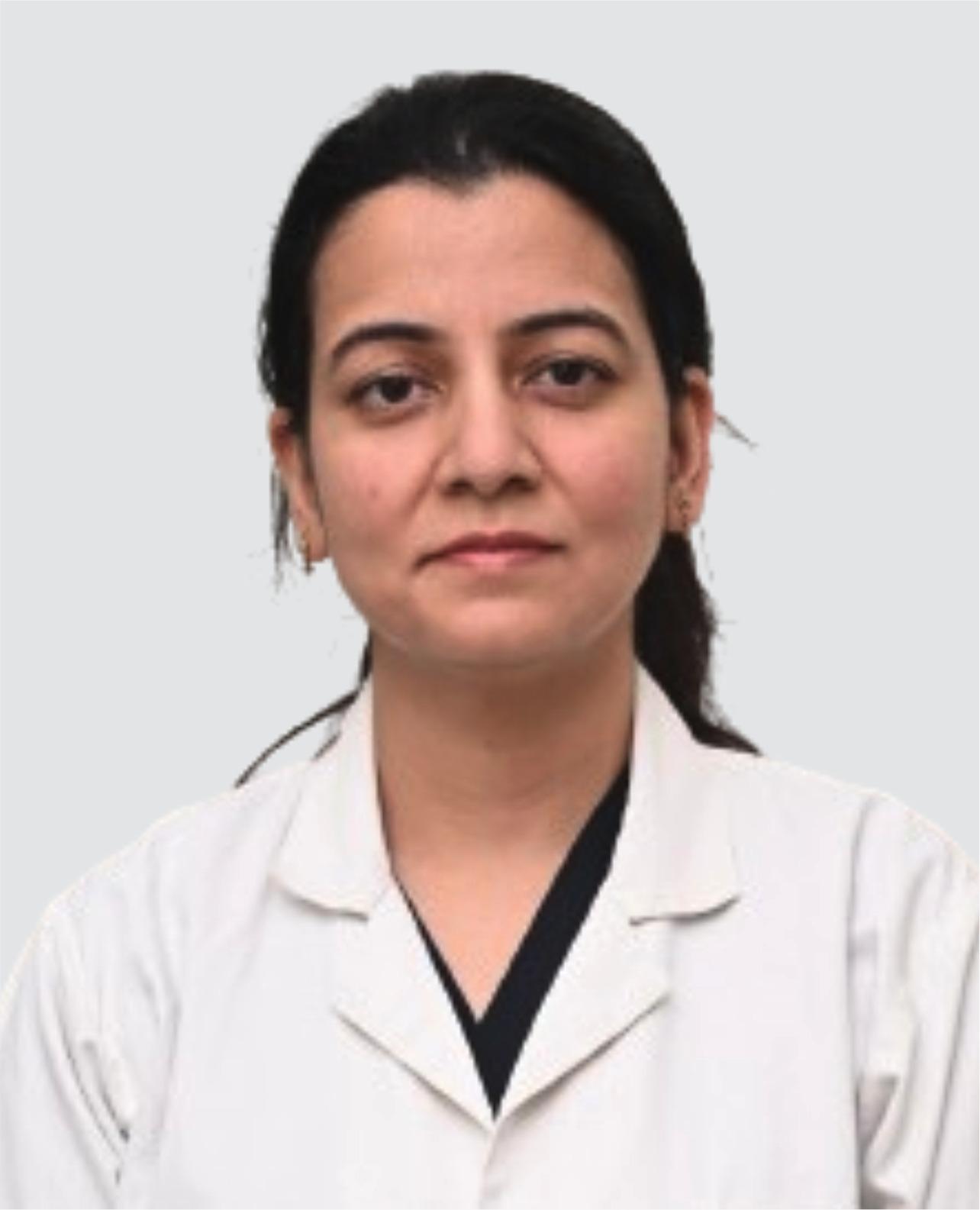
Dr. Priyanka Raina
Consultant (Head & Neck Surgery) - Surgical Oncology
Head and Neck Surgical Oncology
New Delhi
10+ Years
Experience
Artemis Hospital
Hospital
1500
Fees
Related Links
Other Treatment related Information
International Patient Visiting India
- TAVR (Transcatheter Aortic Valve Replacement) Treatment in Gurugram for Nigeria
- TAVR (Transcatheter Aortic Valve Replacement) Treatment in Gurugram for UAE
- TAVR (Transcatheter Aortic Valve Replacement) Treatment in Gurugram for Iraq
- TAVR (Transcatheter Aortic Valve Replacement) Treatment in Gurugram for Bangladesh
Ready To Start Your Healing Journey?
Get Personalized Medical Treatment Options From India's Top Hospitals. Our Medical Experts Are Ready To Assist You Every Step Of The Way.