TAVR (Transcatheter Aortic Valve Replacement) Treatment in New Delhi for Bangladesh
Access high-quality treatment through JCI & NABH-accredited hospitals, renowned specialists, and end-to-end medical travel support designed around your healing journey.
Plan My Journey
Tell us your condition and budget - our AI matches the right destination, hospital and doctor and visa pathway
Cost calculator
I know my treatment - show me cost from 3 hospitals
5K+ International Patients Treated
40+ Source Countries Served
500+ Accredited Partner Hospitals
98% Patient Satisfaction
80% Average Savings vs USA
10K+ Doctors
NABH, JCI Accredited Hospitals
Free Treatment Plan
Free Consultation with Doctor
5+ Destinations Covered

Written by DivinHeal Editorial Contributor, DivinHeal Medical Team, Healthcare Advisory Team Published on: February 19, 2026
About
TAVR Treatment in New Delhi for Patients from Bangladesh
For patients in Bangladesh facing severe aortic valve stenosis, the decision for TAVR treatment can bring many questions. Concerns often arise about securing the best medical expertise, ensuring patient safety, and finding a trustworthy hospital. Many seek advanced cardiac care beyond their home country.
Choosing a destination for specialized cardiac procedures like TAVR involves careful consideration. New Delhi stands out due to its established medical infrastructure, offering an integrated care environment. Patients often find the seamless coordination of medical services appealing in this city.
New Delhi boasts world-class hospitals and highly experienced cardiac specialists renowned for their TAVR expertise. The city’s medical ecosystem supports comprehensive care, from initial consultation to post-procedure follow-ups. This ensures a consistent and reliable treatment journey within the city.
New Delhi offers accessible and high-quality TAVR treatment options for international patients.
What is TAVR (Transcatheter Aortic Valve Replacement)?
TAVR, or Transcatheter Aortic Valve Replacement, is a minimally invasive surgical procedure. It replaces a diseased aortic valve that has become narrowed and fails to open fully (aortic valve stenosis). Unlike traditional open-heart surgery, TAVR involves inserting a new valve using a catheter, typically through an artery in the leg. This approach avoids large incisions and aims for a faster recovery for patients.
Understanding TAVR Approaches and Alternatives
While TAVR itself is a specific procedure, the approach to performing it can vary, and alternative treatments exist for aortic valve disease.
- Transfemoral Approach: This is the most common and least invasive method, where the catheter is inserted through a small incision in the groin.
- Transapical Approach: For patients unsuitable for transfemoral access, a small incision in the chest allows access directly through the heart's apex.
- Transaortic Approach: The catheter is inserted through an incision in the upper chest or neck, accessing the aorta directly.
- Surgical Aortic Valve Replacement (SAVR): This is the traditional open-heart surgery alternative, involving a larger incision to replace the valve directly. TAVR is often chosen for patients at high or intermediate risk for SAVR.
When Is TAVR Treatment Recommended?
- Severe aortic valve stenosis causing symptoms.
- Experiencing chest pain, shortness of breath, or fainting spells.
- Reduced exercise tolerance or fatigue due to aortic valve issues.
- Considered high or intermediate risk for traditional open-heart surgery.
- Older age, where open surgery might pose greater risks.
- Presence of other medical conditions that complicate open surgery.
Essential Evaluations Before TAVR
- Comprehensive physical examination and review of medical history.
- Blood tests to assess kidney function, liver function, and overall health.
- Electrocardiogram (ECG) to check heart rhythm and electrical activity.
- Echocardiogram to visualize heart structure and valve function in detail.
- Cardiac CT angiogram to map the arteries and assess the aortic valve, aorta, and access routes.
- Lung function tests to evaluate respiratory health.
- Dental examination to rule out any potential sources of infection.
- Consultation with a multidisciplinary heart team to determine suitability for TAVR.
How Is a TAVR Procedure Performed?
The TAVR procedure is a minimally invasive approach to replace a diseased aortic valve. The exact technique depends on individual patient factors and the chosen access route.
The procedure typically follows these steps:
1. Anesthesia and Access: Patients receive either local anesthesia with sedation or general anesthesia. A small incision is made, usually in the groin, to access the femoral artery. Other access points like the chest or shoulder may be used if required.
2. Catheter Insertion: A thin, flexible catheter is advanced through the chosen artery, carefully guided by imaging to the heart and across the narrowed aortic valve.
3. Valve Deployment: The new artificial valve, compressed onto a balloon or self-expanding frame, is delivered through the catheter. Once precisely positioned within the diseased native valve, it is expanded. The new valve then pushes the old one aside and immediately takes over its function.
4. Catheter Removal and Closure: After confirming proper valve function, the catheter is removed. The access site is then closed, often with sutures or a special closure device.
What to Expect During TAVR Recovery
The recovery process after TAVR is generally quicker compared to traditional open-heart surgery. Patients typically spend a few days in the hospital for monitoring. Post-procedure, activity restrictions are usually minimal but must be followed carefully, especially regarding heavy lifting. Regular follow-up appointments with the cardiac team are essential to monitor valve function and overall heart health. Medication management, a healthy diet, and gradual return to normal activities are key components of a successful recovery. Your medical team in New Delhi will provide a detailed personalized recovery plan.
TAVR Risks and Expected Outcomes
- Stroke or mini-stroke occurring rarely during or after the procedure.
- Bleeding or vascular complications at the catheter insertion site.
- Need for a permanent pacemaker due to changes in heart rhythm.
- Leakage around the new valve, known as paravalvular leak.
- Risk of infection at the incision site or within the heart.
- Kidney problems developing post-procedure, though often temporary.
TAVR has a high success rate, particularly for carefully selected patients. Most individuals experience significant improvement in their symptoms, such as reduced shortness of breath and increased energy levels, leading to a better quality of life. The long-term outcomes for TAVR continue to improve with advancements in valve technology and procedural techniques. Individual results can vary based on the patient's overall health, existing comorbidities, and adherence to post-procedure care instructions.
Considering TAVR in New Delhi? Our experts can help you understand your options and connect you with leading cardiac specialists.
Get a personalized TAVR treatment plan.
TAVR Cost in New Delhi
The overall cost of TAVR treatment in New Delhi is influenced by several factors. These include the choice of hospital, the specific type of artificial valve used, the complexity of the procedure, the length of hospital stay, and any additional pre- or post-operative care required. Specialist consultation fees and diagnostic tests also contribute to the final expense.
In New Delhi, the cost for a TAVR procedure typically ranges from INR 1,800,000 to INR 3,000,000.
Cost Comparison: TAVR in New Delhi
New Delhi offers a competitive pricing structure for TAVR, often significantly lower than in many Western countries, without compromising on quality of care.
| Location | Estimated TAVR Cost (USD) |
|---|---|
| New Delhi | $22,000 - $36,000 |
| USA | $45,000 - $70,000+ |
| United Kingdom | $35,000 - $55,000 |
| Singapore | $30,000 - $45,000 |
| Thailand | $28,000 - $40,000 |
Support Services for Your TAVR Journey in New Delhi
- Assistance with medical visa applications and extensions.
- Arrangement of comfortable accommodation options near the hospital.
- Provision of local transport coordination, including airport transfers.
- Access to professional interpreter services for seamless communication.
- Guidance for scheduling all necessary appointments and consultations.
- Support with discharge planning and follow-up care arrangements.
Essential Documents for Your TAVR Treatment Visit
- Valid passport and any required Indian visa.
- All previous medical reports, imaging scans, and diagnostic test results.
- A referral letter from your local doctor detailing your condition.
- Proof of financial capability for treatment and stay.
- Travel and medical insurance documents, if applicable.
- Copies of any previous discharge summaries or surgical notes.
Preparing for Your TAVR Procedure in New Delhi
- Gather and organize all relevant medical records for review by specialists.
- Follow any specific dietary or medication instructions provided by your doctor.
- Arrange your travel plans to ensure sufficient time for pre-procedure evaluations.
- Inform the hospital of your estimated arrival and specific needs.
- Pack comfortable clothing and essentials for your hospital stay.
- Discuss any questions or concerns with your medical team before travel.
Guidance for Aftercare Following TAVR
- Adhere strictly to the prescribed medication schedule and dosages.
- Attend all scheduled follow-up appointments with your cardiologist.
- Gradually resume physical activities as advised by your medical team.
- Maintain a heart-healthy diet and avoid smoking or excessive alcohol.
- Refrain from heavy lifting or strenuous activities for the recommended period.
- Monitor for any unusual symptoms and report them to your doctor promptly.
Ready to explore advanced TAVR options in New Delhi?
Connect with a cardiac expert today for personalized guidance.
Ready to Begin Your Path to Heart Health?
Embarking on a TAVR journey in New Delhi means choosing advanced care and dedicated support. Our team is here to guide you every step of the way.
Hospitals
NABH & JCI Accredited Hospitals in India,Turkey, Thailand & UAE.
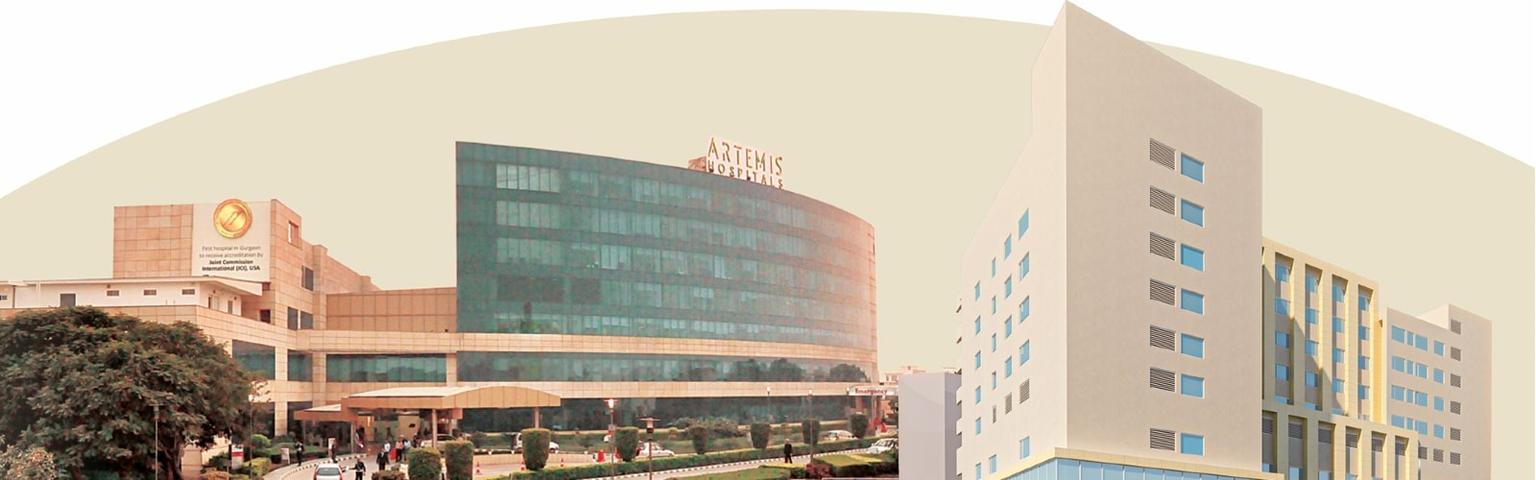
Artemis Hospital
Sector 51, Gurugram, Haryana, India
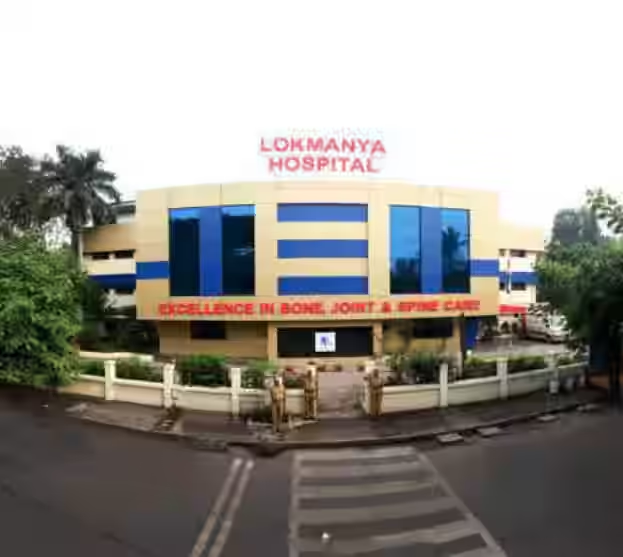
Lokmanya Hospitals
Not Specified

White Lotus Hospital
766, SFS 3145, SFS Road, 7th Sector, HSR Layout, Bengaluru, Karnataka 560102, India
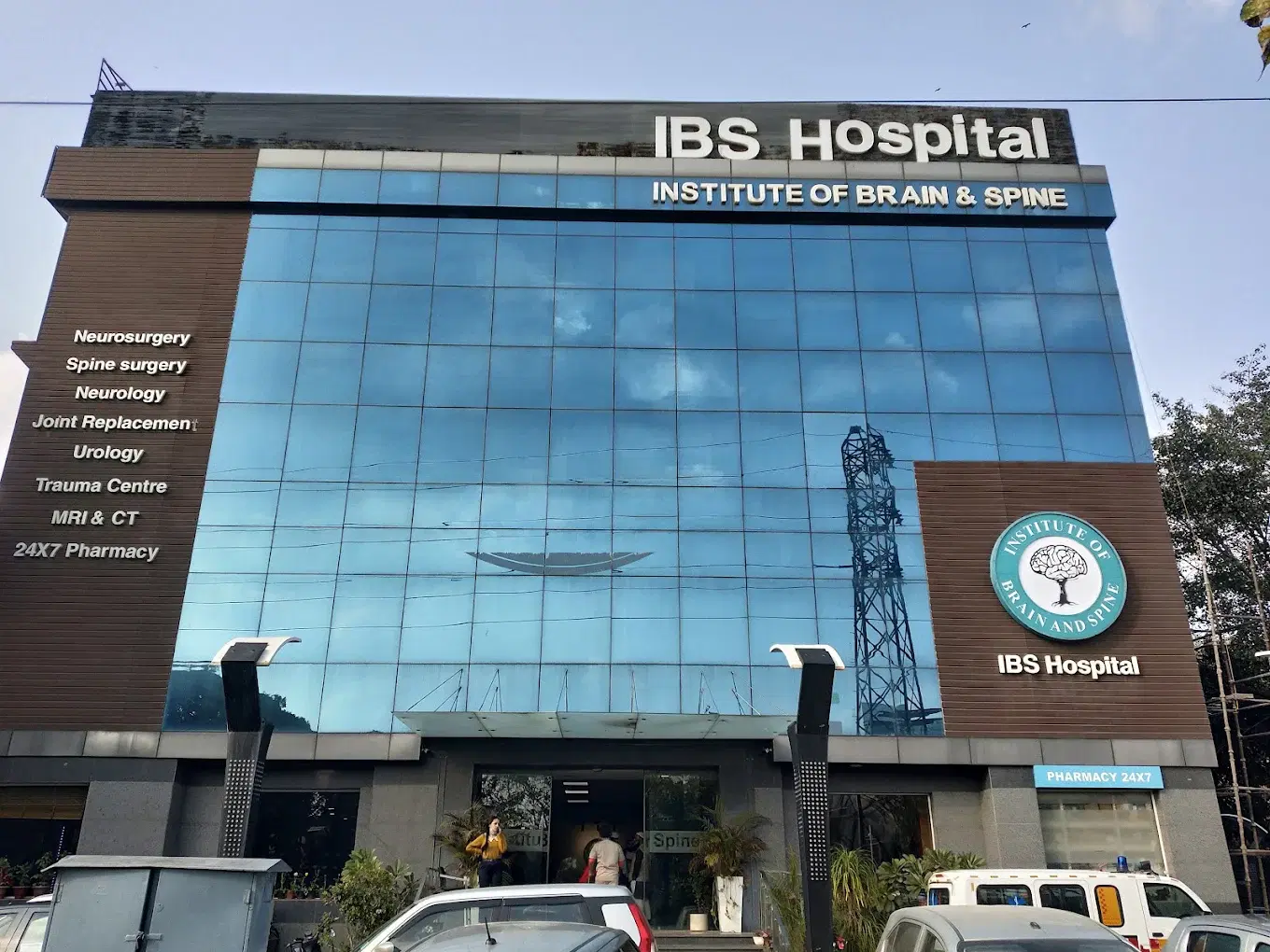
Institute of Brain and Spine (IBS Hospital)
Not Specified
Meet Our Medical Specialists




Sr. Consultant - Urology & Kidney Transplant Program (Unit I)
Dr. Abhinandan Mukhopadhyay
MBBS, MD
India

Sr. Consultant - Urology & Kidney Transplant Program (Unit I)
Dr. Abhinandan Mukhopadhyay
MBBS, MD
India
How DivinHeal Helps
We simplify your medical journey by providing comprehensive support and access to world-class healthcare.
Expert Specialist Matching
Connecting you with the world's top-rated medical experts.
Accredited Hospital Network
Access to JCI & NABH certified healthcare facilities.
Complete Travel Coordination
Hassle-free visa, stay, and local transport assistance.
24/7 Personal Care
Dedicated patient advisors supporting you at every step.
Journey Guidance
Full guidance from start to end of the patient treatment journey.
Expert Specialist Matching
Connecting you with the world's top-rated medical experts.
Everything you
need to know today
Browse through these common inquiries to better understand our patient-focused medical platform.
Yes, we work with a variety of insurance providers. Contact our team to verify your coverage.
Yes, we provide secure online consultations with experienced specialists.
Our care coordinators help match you with the most suitable specialist.
Absolutely. Your medical information is protected according to healthcare privacy standards.
Look at six things: accreditation (JCI or NABH), specialty depth, doctor credentials and experience, procedure-specific success rates, international patient support, and technology. DivinHeal's AI-driven matching evaluates every hospital in our accredited partner network on these dimensions and shortlists the best-fit options for your condition, budget, and country.
JCI (Joint Commission International) is the US-based global gold standard for hospital quality, recognised worldwide. NABH is India's national accreditation — accredited by ISQua, the same body that accredits JCI. Both signal independently verified safety and quality. Most of India's leading hospitals hold both.
Yes. All three welcome international patients through structured medical visa programs. India is the most established, treating patients from Africa, the Middle East, and South Asia at 60–80% lower cost. Thailand leads in cosmetic and dental care. The UAE is emerging in oncology and reproductive medicine.
Most patients save 50–80% on treatment costs. Heart bypass costs US $7,000–9,000 in India compared to $70,000–150,000 in the US. IVF costs $3,000–4,500 compared to $12,000–20,000 in the UK. Even after flights, visa, and accommodation, total savings remain 60–70%.
DivinHeal manages your entire non-medical journey: visa invitation letters, medical visa guidance, doctor appointments, teleconsultations, airport pickup, hospital-vetted accommodation for you and your attendant, language interpreters, local transport, cuisine preferences, and post-treatment follow-up — one dedicated coordinator from first enquiry to final follow-up.
You need a valid passport (6+ months validity), a medical visa (M-Visa for India — DivinHeal provides the hospital invitation letter), return flight tickets, recent medical reports and a doctor's referral, current prescription list, and proof of financial means. Any accompanying attendant needs their own passport and MX-Visa.
Still have more questions?
Book a call with our friendly team to learn how DivineHeal simplifies your healthcare journey.