



Best TESE / Micro-TESE doctors in India: How to select care


Plan My Journey
Tell us your condition and budget - our AI matches the right destination, hospital and doctor and visa pathway
Cost calculator
I know my treatment - show me cost from 3 hospitals
5K+ International Patients Treated
40+ Source Countries Served
500+ Accredited Partner Hospitals
98% Patient Satisfaction
80% Average Savings vs USA
10K+ Doctors
NABH, JCI Accredited Hospitals
Free Treatment Plan
Free Consultation with Doctor
5+ Destinations Covered

Written by DivinHeal Editorial Contributor, Rahul Kumar, Embryologist | Medically Reviewed by Dr Indu Priya, Gynecologist(MD) Published on: August 28, 2026
Choosing best TESE / Micro-TESE doctors in India
Selecting the best TESE / Micro-TESE doctors in India requires evaluating microsurgical expertise and laboratory support. Testicular sperm extraction retrieves sperm from tissue when ejaculate lacks sperm cells. Clinicians refer to this absence of sperm as azoospermia. Microdissection techniques require specialized optical operating microscopes. Patients should evaluate hospital facilities before selecting a microsurgical consultant.
Training required for TESE / Micro-TESE procedures
Selecting a qualified TESE / Micro-TESE surgeon in India requires verifying fellowship training in clinical andrology. Andrology focuses specifically on male reproductive health and microsurgical interventions. Qualified surgeons undertake dedicated training in operating microscope methods. Careful precision handling during testicular tissue dissection minimizes organ tissue damage. Extensive surgical experience improves the recovery of viable sperm cells.
Role of the surgical and laboratory team
TESE / Micro-TESE specialists in India work alongside embryologists inside the operating theatre during procedures. Surgical tissue samples require immediate examination under high-power laboratory microscopes. An embryologist searches tissue strips for active sperm while surgery proceeds. This coordinated approach supports subsequent Intracytoplasmic Sperm Injection during In Vitro Fertilisation cycles. Integrated clinical teamwork optimizes sperm retrieval success rates.
Verifying medical registration and credentials in India
Patients confirm TESE / Micro-TESE specialist qualifications by checking public registers maintained by medical authorities. Surgeons hold Master of Surgery degrees alongside Magister Chirurgiae super-speciality qualifications. You can check any doctor's registration status on the National Medical Commission public register. Facility accreditations like NABH or JCI verify that partner hospitals maintain recognized patient safety protocols.
Questions to ask before choosing a specialist
Asking targeted clinical questions helps patients evaluate expertise when choosing a TESE / Micro-TESE doctor. Prepare these practical questions for your initial medical consultation:
- Do you perform microdissection extractions using high-power operating microscopes?
- Will an embryologist examine tissue samples directly inside the operating suite?
- What protocol exists for cryopreserving retrieved sperm for future assisted reproduction cycles?
Why international patients choose India for TESE / Micro-TESE
High optical magnification technology explains why patients choose India for TESE / Micro-TESE treatment. Major medical centres in New Delhi and Mumbai feature advanced clinical fertility laboratories. Medical staff communicate fluently in English throughout all treatment stages. International patients access diagnostic evaluations and surgical schedules promptly without facing extended administrative waiting periods.
Consulting a specialist online before travelling
Arranging an online consultation for TESE / Micro-TESE allows specialists to evaluate patient medical records remotely. You can upload prior testicular biopsy results and hormone blood test reports securely. Remote video discussions clarify medical history and determine procedure readiness before travelling. Online evaluations allow international families to structure travel timelines and treatment plans efficiently.
How DivinHeal helps you access treatment
DivinHeal connects international patients directly with recognized TESE / Micro-TESE hospitals in India. The service coordinates preliminary medical file reviews with senior urology departments before travel. Case coordinators assist with hospital bookings, formal visa invitation letters, and local accommodation arrangements. You can explore verified hospital profiles on our platform to request your case review.
Best TESE / Micro-TESE doctors in India: How to select care
Recommended Article

Hospitals
NABH & JCI Accredited Hospitals in India,Turkey, Thailand & UAE.
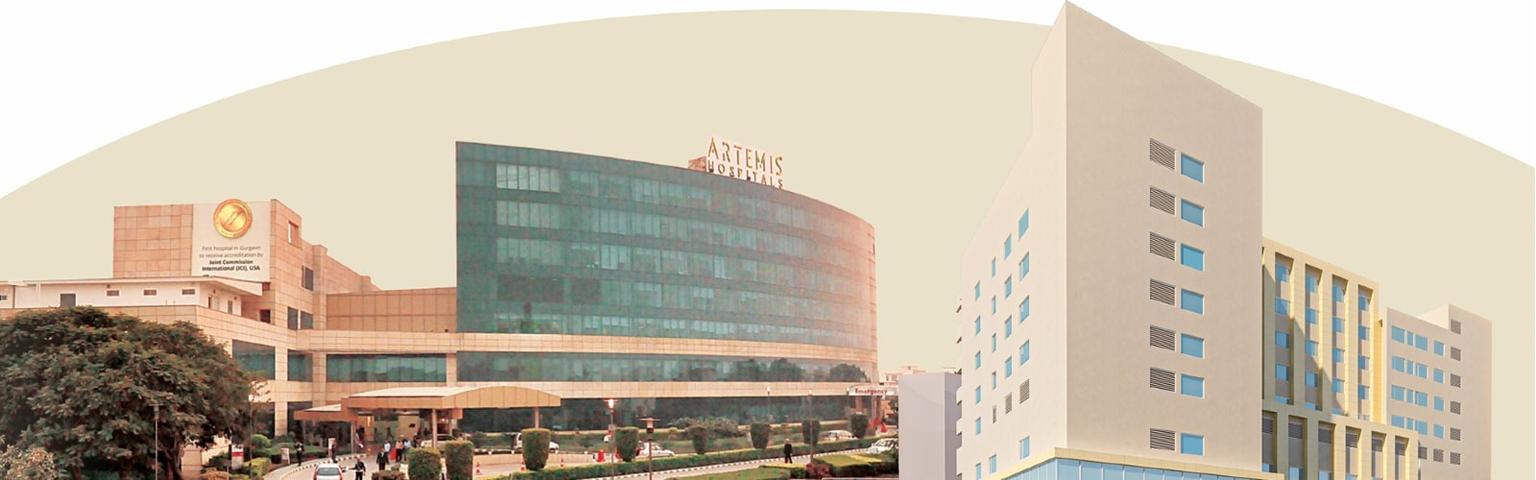

Artemis Hospital
Sector 51, Gurugram, Haryana, India
White Lotus Hospital
766, SFS 3145, SFS Road, 7th Sector, HSR Layout, Bengaluru, Karnataka 560102, India
How DivinHeal Helps
We simplify your medical journey by providing comprehensive support and access to world-class healthcare.
Expert Specialist Matching
Connecting you with the world's top-rated medical experts.
Accredited Hospital Network
Access to JCI & NABH certified healthcare facilities.
Complete Travel Coordination
Hassle-free visa, stay, and local transport assistance.
24/7 Personal Care
Dedicated patient advisors supporting you at every step.
Journey Guidance
Full guidance from start to end of the patient treatment journey.
Expert Specialist Matching
Connecting you with the world's top-rated medical experts.
Everything you
need to know today
Browse through these common inquiries to better understand our patient-focused medical platform.
Micro-TESE uses an operating microscope to locate sperm-producing tubules, whereas conventional TESE takes random tissue biopsies. Surgeons perform Micro-TESE under magnification to examine seminiferous tubules, or tiny sperm-producing channels. This microdissection technique preserves healthier testicular tissue during the surgical extraction. Patients with non-obstructive azoospermia, meaning absent sperm production, often benefit from this targeted method.
Men diagnosed with severe non-obstructive azoospermia are typical candidates for Micro-TESE procedures. Azoospermia refers to the complete absence of sperm in ejaculated semen. Specialists evaluate hormone levels and genetics to assess if sperm production remains possible inside testicular tissue. Candidates undergo physical examinations and blood tests before scheduling surgical sperm retrieval.
Micro-TESE provides higher sperm retrieval possibilities than TESA for non-obstructive azoospermia cases. TESA, or testicular sperm aspiration, uses a thin needle to extract fluid without open surgery. Conventional TESE involves removing open tissue samples. Micro-TESE uses microscopic dissection to select specific active tubules. Surgical specialists select the specific technique based on underlying fertility diagnoses.
Micro-TESE is performed under general or regional anaesthesia inside an operating theatre. The urologist makes a small incision in the scrotum to open the testicular tissue. Using a high-power operating microscope, the surgeon identifies swollen seminiferous tubules. Laboratory embryologists immediately check extracted tissue under a microscope. Retrieved sperm cells are prepared for ICSI or cryopreservation.
Recovery after Micro-TESE requires resting for a few days and avoiding strenuous activities. Patients usually experience mild swelling and discomfort in the scrotal area for several days. Surgeons prescribe pain management medication and recommend wearing supportive underwear. Most men return to routine desk work within three to five days. Complete healing and resumption of intense physical exertion takes several weeks.
Sperm retrieval success depends on underlying testicular histology and hormone levels rather than surgeon skill alone. Histology refers to the microscopic structure of testicular tissue. Causes like genetic deletion or prior testicular injury affect sperm presence. Advanced embryology equipment and immediate laboratory processing also assist in finding viable sperm cells. Pre-operative medical evaluation helps specialists estimate the likelihood of sperm recovery.
Hospitals should be evaluated by their surgical accreditation, laboratory quality standards, and experienced andrology teams. Accreditation from national bodies like NABH verifies hospital safety standards. An in-house embryology laboratory equipped with high-magnification microscopes and ICSI facilities is essential. Patients must confirm that the medical centre regularly coordinates surgical retrievals with female IVF treatments.
Total treatment expenses depend on hospital stay duration, surgical room fees, and laboratory processing costs. Surgical sperm retrieval charges vary based on whether procedures require general anaesthesia or local sedation. Additional fees apply if retrieved sperm requires cryopreservation, or long-term freezing, for future IVF cycles. Medication, pre-operative blood tests, and preliminary consultations also shape overall medical bills.
Retrieved sperm can be frozen through cryopreservation for future use in intracytoplasmic sperm injection procedures. Cryopreservation involves freezing reproductive cells at ultra-low temperatures to preserve viability. Sperm retrieved via Micro-TESE often occurs in small quantities. Embryologists carefully freeze viable samples for later use. This enables couples to coordinate IVF cycles without repeating surgical extractions.
Micro-TESE provides sperm cells that are directly injected into harvested eggs during ICSI procedures. In ICSI, laboratory staff inject a single sperm directly into a mature egg. Surgical retrieval is scheduled either on egg collection day or performed beforehand. Coordination between the treating urologist and the reproductive team ensures optimal procedure timing for the couple.
Still have more questions?
Book a call with our friendly team to learn how DivineHeal simplifies your healthcare journey.