
Tonsillectomy & Adenoidectomy Treatment in Bengaluru for Ethiopia
Need Personalized Advice?
Our medical experts are ready to answer your questions and guide you through your treatment options.
About
Tonsillectomy & Adenoidectomy in Bengaluru for Ethiopia Patients
Patients from Ethiopia often face complex decisions when seeking specialized medical care for chronic ear, nose, and throat issues. The persistent discomfort, recurrent infections, and breathing difficulties associated with enlarged tonsils and adenoids can significantly impact a child’s quality of life, leading to concerns about access to timely and effective treatment.
Many families exploring options outside their home country consider Bengaluru, India. This city has emerged as a preferred destination due to its concentration of advanced medical facilities and skilled specialists, providing a reassuring environment for those seeking high-quality healthcare beyond their immediate borders.
Bengaluru's healthcare ecosystem is built on a foundation of modern hospitals and experienced ENT specialists who are adept at managing international patient needs. The city offers coordinated care, ensuring that everything from initial consultations to post-procedure follow-ups can be seamlessly managed within a supportive clinical setting.
Could Bengaluru be the suitable choice for addressing your child's ear, nose, and throat health concerns?
What is Tonsillectomy & Adenoidectomy?
Tonsillectomy and adenoidectomy are common surgical procedures performed to remove the tonsils and adenoids. The tonsils are two pads of tissue located at the back of the throat, while the adenoids are similar tissues situated higher up in the nasopharynx, behind the nose. When these tissues become repeatedly infected, chronically inflamed, or excessively enlarged, they can cause significant health problems such as recurrent sore throats, difficulty breathing, snoring, sleep apnea, and frequent ear infections. The surgery aims to alleviate these symptoms by removing the problematic tissues, improving overall respiratory function and reducing the frequency of infections.
Surgical Approaches for Tonsillectomy & Adenoidectomy
While the core objective of removing tonsils and adenoids remains consistent, several surgical techniques can be employed, each with its own advantages regarding bleeding control, pain management, and recovery time. The choice of method often depends on the surgeon's preference and the specific patient's condition.
Traditional Cold Knife Dissection: This method involves surgically cutting the tonsils away using a scalpel. Bleeding is controlled by sutures or cauterization after the removal.
Electrocautery: This technique uses heat generated by an electrical current to remove the tonsils and simultaneously cauterize blood vessels, minimizing bleeding during the procedure.
Radiofrequency Ablation: A minimally invasive technique that uses low-temperature radiofrequency energy to remove or reduce the size of tonsil and adenoid tissue, often resulting in less post-operative pain.
Microdebrider Tonsillectomy: A powered rotating blade is used to shave away tonsil tissue while simultaneously suctioning the tissue, leading to precise removal and often quicker recovery.
Laser Tonsillectomy: Lasers are used to vaporize or cut away tonsil tissue. This method offers precise cutting and good control over bleeding.
When Is This Treatment Required?
- Recurrent episodes of tonsillitis or pharyngitis (typically seven times in one year, five times in each of two years, or three times in each of three years).
- Sleep-disordered breathing, including obstructive sleep apnea, caused by enlarged tonsils or adenoids.
- Chronic tonsillitis that does not respond to antibiotic treatment.
- Peritonsillar abscess (a collection of pus behind the tonsil) that is recurrent or difficult to treat.
- Difficulty swallowing or speaking due to enlarged tonsils.
- Chronic nasal obstruction or mouth breathing due to enlarged adenoids.
- Recurrent or chronic ear infections (otitis media) associated with enlarged adenoids.
- Unusual growth or suspected malignancy of the tonsils or adenoids.
Pre-Treatment Evaluation Process
- Comprehensive physical examination by an ENT specialist to assess the size and condition of the tonsils and adenoids.
- Review of the patient’s medical history, including frequency of infections, symptoms, and previous treatments.
- Blood tests such as a complete blood count (CBC) to check for infection or anemia, and coagulation studies to assess blood clotting ability.
- Imaging studies, often an X-ray of the nasopharynx, to visualize the size of the adenoids and the extent of airway obstruction.
- Assessment for sleep apnea, which may include a sleep study (polysomnography) for children with significant sleep-disordered breathing.
- Anesthetic evaluation to ensure the patient is fit for general anesthesia.
- Discussion of current medications, allergies, and any underlying health conditions.
How Tonsillectomy & Adenoidectomy Are Performed
The procedure for tonsillectomy and adenoidectomy is typically straightforward, though the exact steps can vary slightly depending on the chosen surgical technique and individual patient needs.
Preparation: The patient will be given general anesthesia, meaning they will be completely asleep and feel no pain during the surgery. The surgeon will access the tonsils and adenoids through the mouth.
Tonsillectomy: Using the selected method (e.g., cold knife, electrocautery, radiofrequency, microdebrider, or laser), the surgeon carefully removes the tonsil tissue from its bed at the back of the throat. Any bleeding is controlled immediately during the removal process.
Adenoidectomy: To remove the adenoids, the surgeon works behind the soft palate, often using a small mirror or an endoscope for visualization. The adenoid tissue is carefully scraped away or removed with specialized instruments. Bleeding is managed with cauterization or packing.
Completion: Once the tonsils and adenoids are removed, and all bleeding is controlled, the patient is moved to a recovery area to wake up from the anesthesia. The entire procedure typically takes about 30 to 60 minutes.
Recovery Process After Surgery
The recovery period following tonsillectomy and adenoidectomy usually spans one to two weeks. Patients can expect some pain and discomfort in the throat, which can be managed with prescribed pain medication. A soft diet is recommended initially, gradually progressing to normal foods as comfort allows. It is crucial to stay well-hydrated. Activities should be restricted for a period to prevent complications like bleeding. Swelling in the throat may cause temporary breathing changes or difficulty swallowing. A follow-up appointment with the ENT specialist is typically scheduled within a few weeks to monitor healing progress. Full recovery involves a gradual return to normal routines and activities.
Potential Risks and Expected Success Rates
- Bleeding, which can occur during or after surgery, sometimes requiring further intervention.
- Infection in the surgical site, though this is rare with proper post-operative care.
- Reactions to anesthesia, such as nausea, vomiting, or more severe complications.
- Pain in the throat, ears, or neck, which is a common but manageable aspect of recovery.
- Temporary voice changes or a sensation of food sticking in the throat.
- Rarely, minor injury to surrounding structures like the tongue or palate.
- Persistence of symptoms or recurrence of tissue, though this is uncommon.
Tonsillectomy and adenoidectomy procedures generally have very high success rates in resolving the indicated symptoms. For recurrent infections, patients often experience a significant reduction in episodes. For sleep-disordered breathing, the success rate for improving or resolving symptoms is also considerable, especially in children. However, individual outcomes can vary based on the patient’s overall health, the severity of the initial condition, and the presence of other contributing factors. Long-term expectations are generally positive, with most patients achieving lasting relief and an improved quality of life.
Considering Tonsillectomy & Adenoidectomy in Bengaluru?
Connect with leading ENT specialists in Bengaluru. Our team can help you understand the procedure, evaluate your needs, and provide a personalized treatment plan.
Cost of Tonsillectomy & Adenoidectomy in Bengaluru
The cost of tonsillectomy and adenoidectomy in Bengaluru can vary based on several factors. These include the specific hospital chosen (private hospital vs. multi-specialty hospital), the experience and fees of the ENT surgeon, the type of surgical technique employed, the duration of hospital stay, and any additional diagnostic tests or post-operative care required. The overall package usually covers surgeon fees, anesthesia, operating room charges, and basic hospitalization.
For patients seeking Tonsillectomy & Adenoidectomy in Bengaluru, the estimated cost typically ranges from INR 60,000 to INR 1,50,000.
How Much Does Tonsillectomy & Adenoidectomy Cost in Bengaluru?
Bengaluru offers a cost-effective alternative for high-quality medical procedures when compared to many Western countries. The table below illustrates a general comparison of procedure costs.
| Location | Estimated Cost (USD) |
|---|---|
| Bengaluru, India | 800 - 2,000 |
| United States | 4,000 - 8,000 |
| United Kingdom | 3,500 - 7,500 |
| Australia | 5,000 - 10,000 |
| Canada | 4,500 - 9,000 |
Comprehensive Support for Your Medical Journey in Bengaluru
- Assistance with obtaining a medical visa and necessary travel documents.
- Guidance on suitable accommodation options for patients and accompanying family members.
- Arrangement of airport transfers for seamless arrival and departure.
- Provision of interpreter services to facilitate clear communication between patients and medical staff.
- Help with scheduling all medical appointments, from consultations to follow-up visits.
- Support for local transportation and logistical planning within Bengaluru.
- Dedicated patient care coordinators to assist throughout the treatment process.
Essential Documents for Your Treatment in Bengaluru
- Valid passport with sufficient remaining validity.
- A copy of your medical visa for India.
- Comprehensive medical reports and diagnostic test results from your home country.
- Referral letters from your primary care physician or local specialist, if available.
- Immunization records.
- Proof of travel insurance or medical insurance details, if applicable.
- Any other relevant health records or history documents.
Preparing for Your Tonsillectomy & Adenoidectomy
- Thoroughly discuss your complete medical history, including all medications, allergies, and previous surgeries, with your Bengaluru medical team.
- Follow specific instructions regarding stopping certain medications, especially blood thinners, well in advance of the surgery.
- Adhere to fasting guidelines before the procedure, typically involving no food or drink for several hours prior to anesthesia.
- Arrange for a responsible adult to accompany you, especially for children, and to assist with post-operative care.
- Ensure you have a comfortable and quiet environment prepared for recovery upon discharge.
- Address any questions or concerns you may have with your healthcare provider before the scheduled date.
Navigating Your Recovery After the Procedure
- Strictly follow the prescribed pain management plan, ensuring medication is taken as directed to control discomfort.
- Maintain a diet of soft, cool foods and liquids initially, gradually reintroducing solid foods as tolerated.
- Prioritize rest and avoid strenuous physical activities or heavy lifting for the duration recommended by your surgeon.
- Ensure adequate hydration by drinking plenty of fluids to prevent dehydration and aid healing.
- Attend all scheduled follow-up appointments to monitor your healing progress and address any concerns.
- Be vigilant for any signs of complications, such as significant bleeding, fever, or increased pain, and contact your medical team immediately if they occur.
Ready to Explore Treatment Options?
Reach out to us to receive a personalized quote and more information about Tonsillectomy & Adenoidectomy in Bengaluru. We are here to guide you.
Begin Your Path to Relief and Improved Well-being
Taking the step towards treatment for chronic ENT issues is a significant decision. Bengaluru's blend of advanced medical care, experienced specialists, and supportive patient services offers a compelling option for those seeking effective solutions.
Hospitals Offering this treatment
India offers premium medical procedures at affordable prices. Discover our most popular treatments, delivered by the country's finest doctors.
Meet Our Doctors
Meet our team of highly qualified and experienced medical professionals dedicated to providing the best healthcare services.

Dr Aditi Dixit
Sr. Consultant – Women Imaging
Radiology
New Delhi
15+ Years
Experience
Artemis Hospital
Hospital
1500
Fees

Dr Chandrima Misra M
Co-Head Psychological Services
Mental Health and Behavioural Sciences
New Delhi
15+ Years
Experience
Artemis Hospital
Hospital
1500
Fees

Dr. Nutan Agarwal
Head of Department - Gynae Endocrinology & DNB Program Director - Obs & Gynae
Gynaecological Endocrinology, Maternity, Obstetrics & Gynaecology
New Delhi
35+ Years
Experience
Artemis Hospital
Hospital
1500
Fees

Dr. Poonam Gautam
Senior Consultant - ENT
ENT and Head & Neck Surgery
New Delhi
24+ Years
Experience
Artemis Hospital
Hospital
1500
Fees
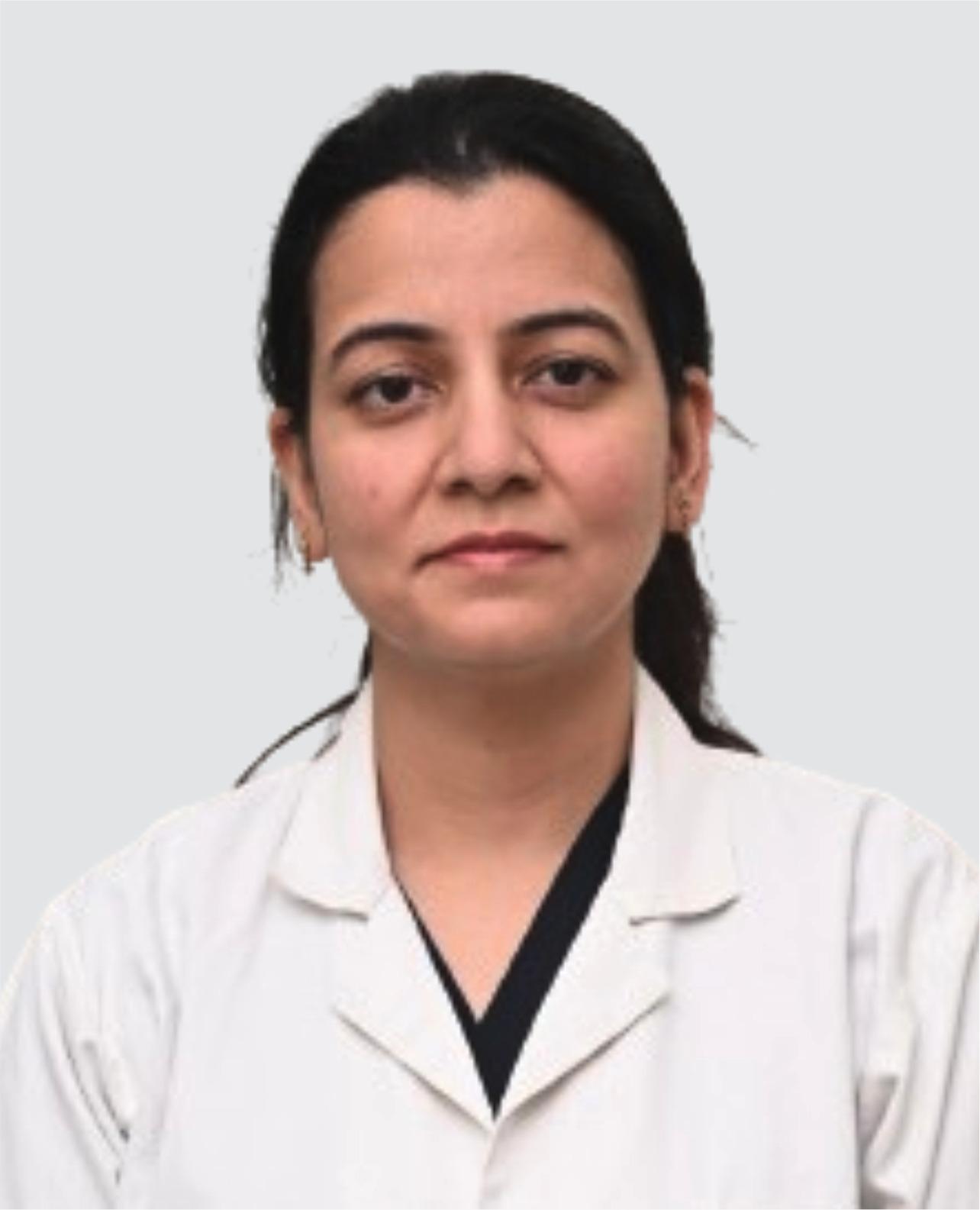
Dr. Priyanka Raina
Consultant (Head & Neck Surgery) - Surgical Oncology
Head and Neck Surgical Oncology
New Delhi
10+ Years
Experience
Artemis Hospital
Hospital
1500
Fees
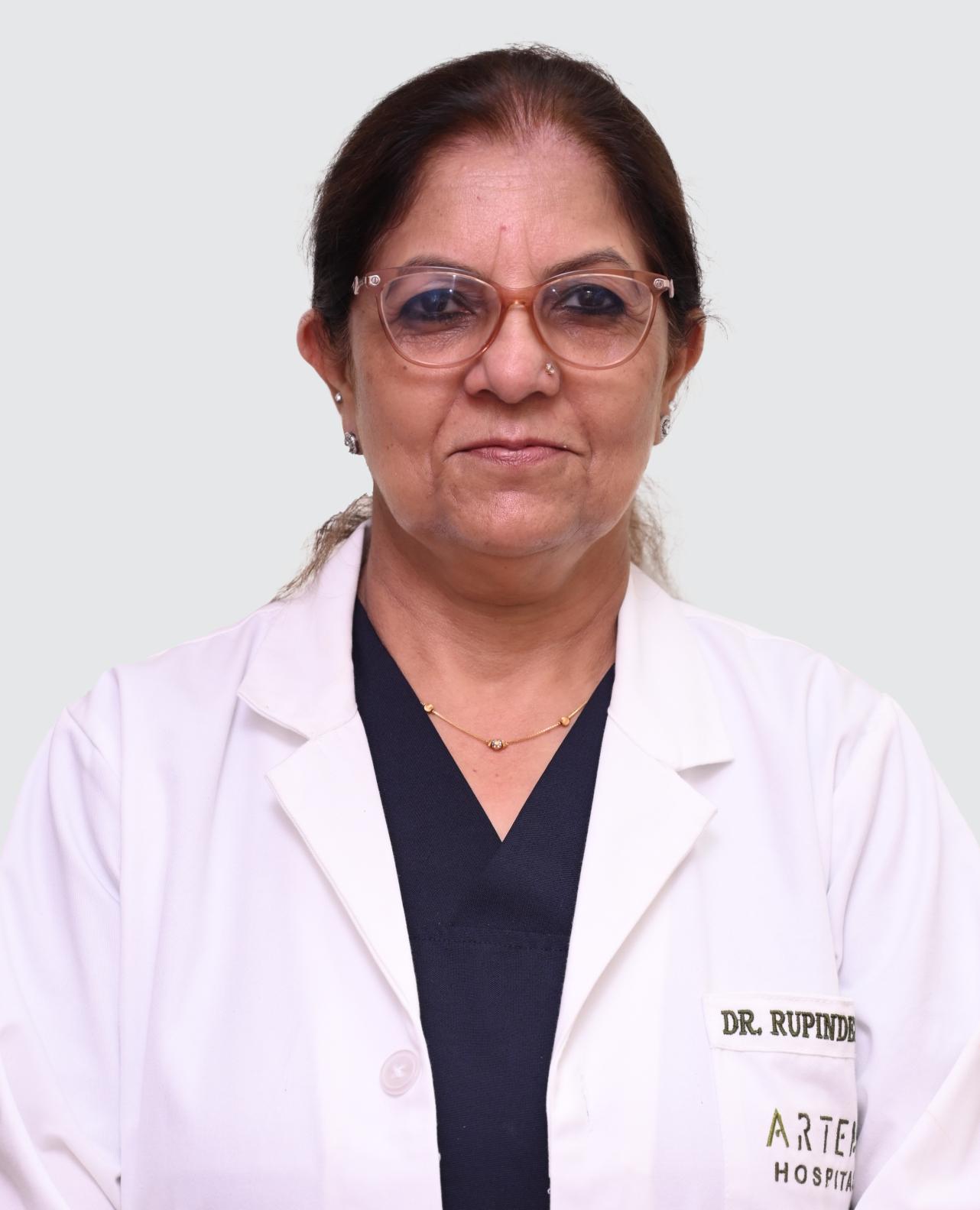
Dr. Rupinder Sekhon
Chairperson - Gynae Oncology
Gynaecological Oncology
New Delhi
16+ Years
Experience
Artemis Hospital
Hospital
1500
Fees
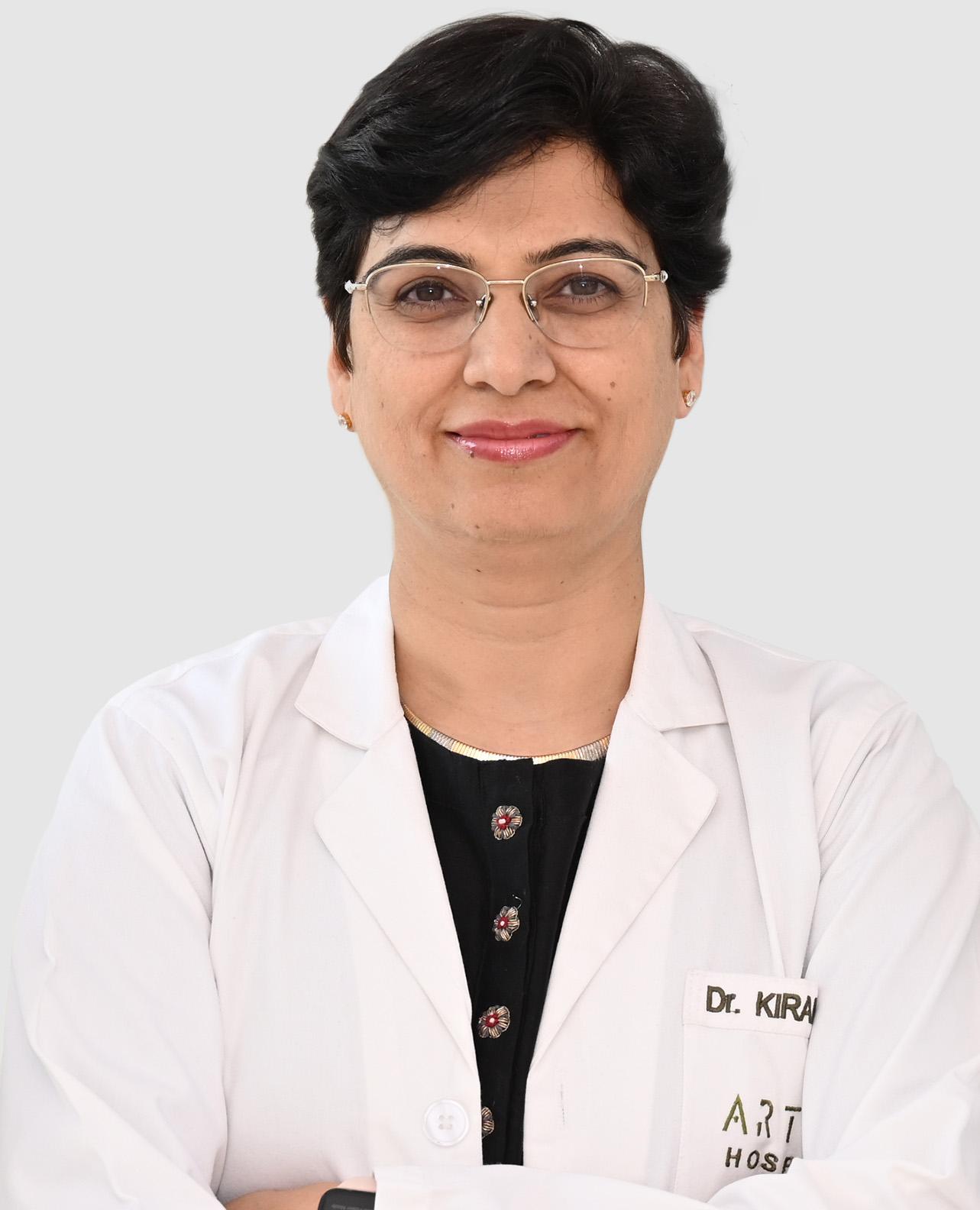
Dr. Kiran Arora
Unit Head - Reproductive Medicine (Unit II)
IVF, Reproductive Medicine, Obstetrics & Gynecology
New Delhi
20+ Years
Experience
Artemis Hospital
Hospital
1500
Fees
Nidhi Jain
Sr. Consultant - Obs & Gynae
Maternity, Obstetrics & Gynaecology
New Delhi
15+ Years
Experience
Artemis Hospital
Hospital
1500
Fees

Dr. Nidhi Rajotia
Unit Head - Obs & Gynae
Maternity, Obstetrics & Gynaecology
New Delhi
19+ Years
Experience
Artemis Hospital
Hospital
1500
Fees

Dr. Reshma Tewari
Director
Obstetrics and Gynaecology
New Delhi
19+ Years
Experience
Artemis Hospital
Hospital
1500
Fees
Related Links
Other Treatment related Information
- Tonsillectomy & Adenoidectomy cost in New Delhi
- Tonsillectomy & Adenoidectomy cost in Chennai
- Tonsillectomy & Adenoidectomy cost in Mumbai
- Tonsillectomy & Adenoidectomy cost in Pune
- Tonsillectomy & Adenoidectomy cost in Hyderabad
- Tonsillectomy & Adenoidectomy cost in India
- Tonsillectomy & Adenoidectomy cost in Bengaluru
- Tonsillectomy & Adenoidectomy cost in Haryana
- Tonsillectomy & Adenoidectomy Success Rate in Hyderabad
- Tonsillectomy & Adenoidectomy Success Rate in New Delhi
- Tonsillectomy & Adenoidectomy Success Rate in Pune
- Tonsillectomy & Adenoidectomy Success Rate in India
- Tonsillectomy & Adenoidectomy Success Rate in Bengaluru
- Tonsillectomy & Adenoidectomy Success Rate in Haryana
- Tonsillectomy & Adenoidectomy Success Rate in Mumbai
- Tonsillectomy & Adenoidectomy Success Rate in Chennai
- Best Tonsillectomy & Adenoidectomy Doctors in Chennai
- Best Tonsillectomy & Adenoidectomy Doctors in Gurugram
- Best Tonsillectomy & Adenoidectomy Doctors in India
- Best Tonsillectomy & Adenoidectomy Doctors in Hyderabad
Ready To Start Your Healing Journey?
Get Personalized Medical Treatment Options From India's Top Hospitals. Our Medical Experts Are Ready To Assist You Every Step Of The Way.