Centres Of Excellence
Our Centres of Excellence bring together multidisciplinary teams to deliver precise diagnosis, advanced treatments, and superior outcomes across a wide spectrum of medical specialties.

OVERVIEW
Overview of Tonsillectomy & Adenoidectomy
Tonsillectomy & Adenoidectomy is a routine ENT procedure aimed at improving a patient's quality of life by addressing chronic infections or obstructions caused by these lymphoid tissues. The goals include reducing the frequency of sore throats, resolving sleep-disordered breathing, and enhancing overall respiratory health. Techniques involve various surgical methods, including traditional cold knife dissection, electrocautery, radiofrequency ablation, or microdebrider, all performed under general anesthesia.
PROCEDURE
BENEFITS
Benefits of Tonsillectomy & Adenoidectomy
Significant Reduction in Infections
Patients experience a dramatic decrease in the frequency and severity of throat and ear infections.
Improved Breathing and Sleep
Resolution of obstructive sleep apnea, snoring, and chronic nasal obstruction, leading to better sleep quality and daytime alertness.
Enhanced Quality of Life
Fewer sick days, improved academic or work performance, and overall better health and well-being.
Reduced Antibiotic Use
Less reliance on antibiotics helps prevent antibiotic resistance and protects gut health.
Better Speech and Swallowing
For some, removing enlarged tissues can improve articulation and ease of swallowing.
RECOVERY
Recovery Time and Tips After Tonsillectomy & Adenoidectomy
Recovery from Tonsillectomy & Adenoidectomy typically takes about 7 to 14 days, though individual experiences may vary. The most common symptom is a sore throat, which can be managed effectively with pain medication.
Immediate Post-operative Period (Days 1-3)
- Pain Management: Regular pain medication is crucial. Follow your doctor's prescriptions diligently.
- Hydration: Drink plenty of fluids (water, clear broths, diluted juices) to prevent dehydration and keep the throat moist. Avoid acidic or very hot beverages.
- Diet: Start with soft, bland foods like ice cream, yogurt, mashed potatoes, and scrambled eggs. Gradually introduce more solid foods as tolerated.
- Rest: Prioritize rest to aid healing. Avoid strenuous activities.
Later Recovery Period (Days 4-14)
- Activity: Gradually increase activity levels, but avoid heavy lifting or vigorous exercise.
- Pain Fluctuations: Pain might temporarily worsen around days 5-7 as the scabs in the throat begin to come off. This is normal. Continue pain management as needed.
- Return to School/Work: Most children can return to school after 7-10 days, and adults can resume light work within the same timeframe, provided they feel well enough.
Important Recovery Tips:
- Avoid Irritants: Steer clear of smoking, secondhand smoke, and spicy, crunchy, or acidic foods.
- Voice Rest: Try not to yell or clear your throat forcefully.
- Monitor for Complications: Watch for signs of bleeding (fresh red blood), severe pain not controlled by medication, or fever. Contact your doctor immediately if these occur.
- Follow-up: Attend all scheduled follow-up appointments with your ENT specialist.
DivinHeal provides comprehensive post-operative support, ensuring you have access to medical advice and care coordination throughout your recovery journey.
WHAT WE TREAT
Conditions Treated by Tonsillectomy & Adenoidectomy
Recurrent Acute Tonsillitis
Frequent bacterial or viral infections of the tonsils leading to severe sore throats, fever, and difficulty swallowing.
Chronic Tonsillitis
Persistent infection of the tonsils, often accompanied by bad breath (halitosis) and tonsil stones.
Obstructive Sleep Apnea (OSA)
Enlarged tonsils and/or adenoids are a common cause of sleep-disordered breathing, especially in children, leading to snoring, pauses in breathing during sleep, and daytime fatigue.
Chronic Adenoiditis
Persistent inflammation or infection of the adenoids, which can lead to nasal obstruction, chronic runny nose, and ear infections.
Recurrent Ear Infections (Otitis Media)
Enlarged adenoids can block the Eustachian tubes, contributing to fluid buildup and recurrent middle ear infections.
Difficulty Swallowing or Breathing
Significantly enlarged tonsils or adenoids can physically impede swallowing and nasal breathing, affecting overall health and development.
PREPARATION
RISKS
JOURNEY
Your DivinHeal Journey for Tonsillectomy & Adenoidectomy
Initial Consultation & Diagnosis
Your journey begins with an expert ENT specialist evaluating symptoms, medical history, and conducting a physical examination. This may involve imaging or sleep studies to confirm the need for surgery.
Pre-operative Assessment & Planning
Once surgery is recommended, DivinHeal facilitates comprehensive pre-operative tests, including blood work and anesthesia evaluation. Our care coordinators guide you through every step, ensuring all questions are answered and arrangements are seamless.
The Surgical Procedure
The Tonsillectomy & Adenoidectomy is performed under general anesthesia, typically lasting 30-60 minutes. Our partner hospitals boast state-of-the-art facilities and experienced ENT surgeons.
Hospital Stay & Post-operative Care
Patients usually stay overnight for observation, especially children. Post-operative care focuses on pain management, hydration, and monitoring for any complications. You'll receive clear instructions for home care.
Recovery & Follow-up
DivinHeal ensures continued support during your recovery, arranging follow-up appointments and assisting with any post-operative concerns. Our aim is a smooth, comfortable return to health.
OUTCOMES
Successful Tonsillectomy & Adenoidectomy significantly reduces the frequency and severity of throat infections, improves breathing, eliminates snoring, and can resolve obstructive sleep apnea. Patients experience better sleep quality, improved energy levels, and an overall enhanced quality of life.
Related Links
Doctors For Treatment in Similar Locations
- Best Tonsillectomy & Adenoidectomy Doctors in Bengaluru
- Best Tonsillectomy & Adenoidectomy Doctors in Chennai
- Best Tonsillectomy & Adenoidectomy Doctors in Gurugram
- Best Tonsillectomy & Adenoidectomy Doctors in Hyderabad
- Best Tonsillectomy & Adenoidectomy Doctors in India
- Best Tonsillectomy & Adenoidectomy Doctors in Mumbai
- Best Tonsillectomy & Adenoidectomy Doctors in New Delhi
- Best Tonsillectomy & Adenoidectomy Doctors in Pune
Best Hospital Near by for treatment
- Best Tonsillectomy & Adenoidectomy Hospitals in Bengaluru
- Best Tonsillectomy & Adenoidectomy Hospitals in Chennai
- Best Tonsillectomy & Adenoidectomy Hospitals in Gurugram
- Best Tonsillectomy & Adenoidectomy Hospitals in Hyderabad
- Best Tonsillectomy & Adenoidectomy Hospitals in India
- Best Tonsillectomy & Adenoidectomy Hospitals in Mumbai
- Best Tonsillectomy & Adenoidectomy Hospitals in New Delhi
- Best Tonsillectomy & Adenoidectomy Hospitals in Pune
Hospitals Offering this treatment
India offers premium medical procedures at affordable prices. Discover our most popular treatments, delivered by the country's finest doctors.
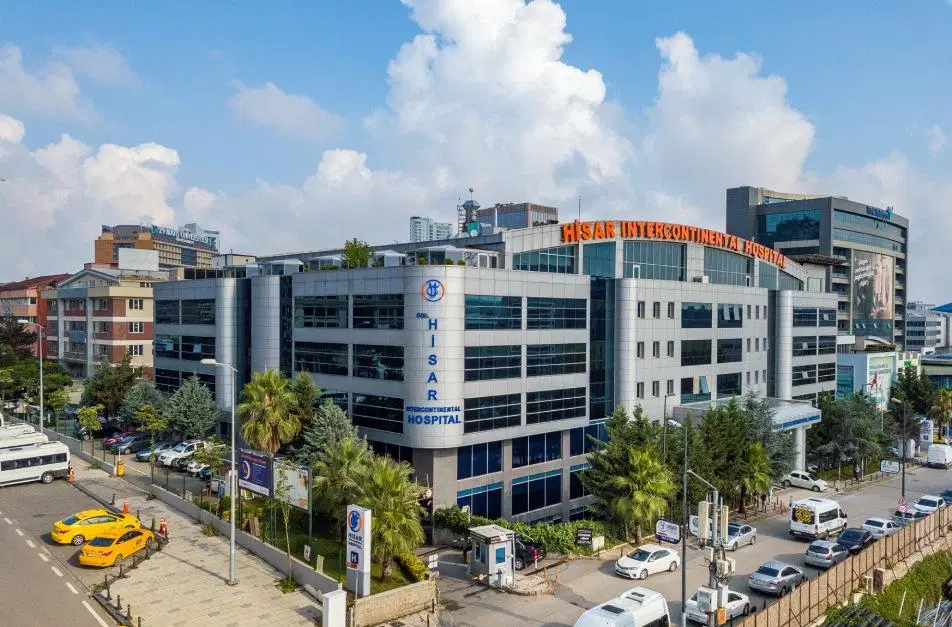
Hisar Intercontinental Hospital
Saray Mah. Siteyolu Cad. No:7, Umraniye, 34768, Istanbul, Turkey
Hisar Intercontinental Hospital
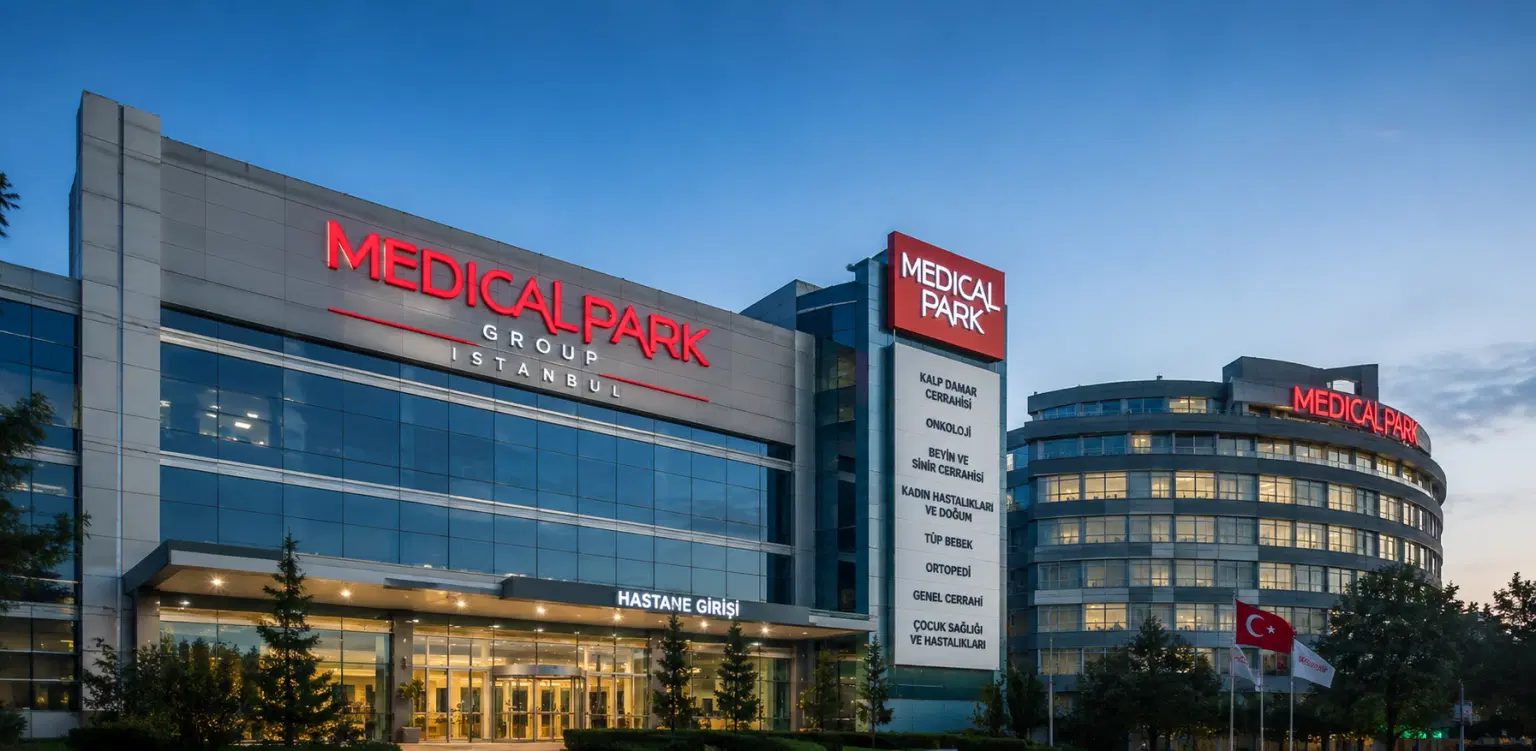
Medical Park Group, Istanbul
Fahrettin Kerim Gokay Cad. Tıbbiye Cd., Kadikoy, Istanbul, Turkey
Medical Park Group, Istanbul

Emsey Hospital, Pendik, Istanbul
Çamlık, Selçuklu Cd. No:22, 34912 Pendik/İstanbul, Türkiye
Emsey Hospital, Pendik, Istanbul
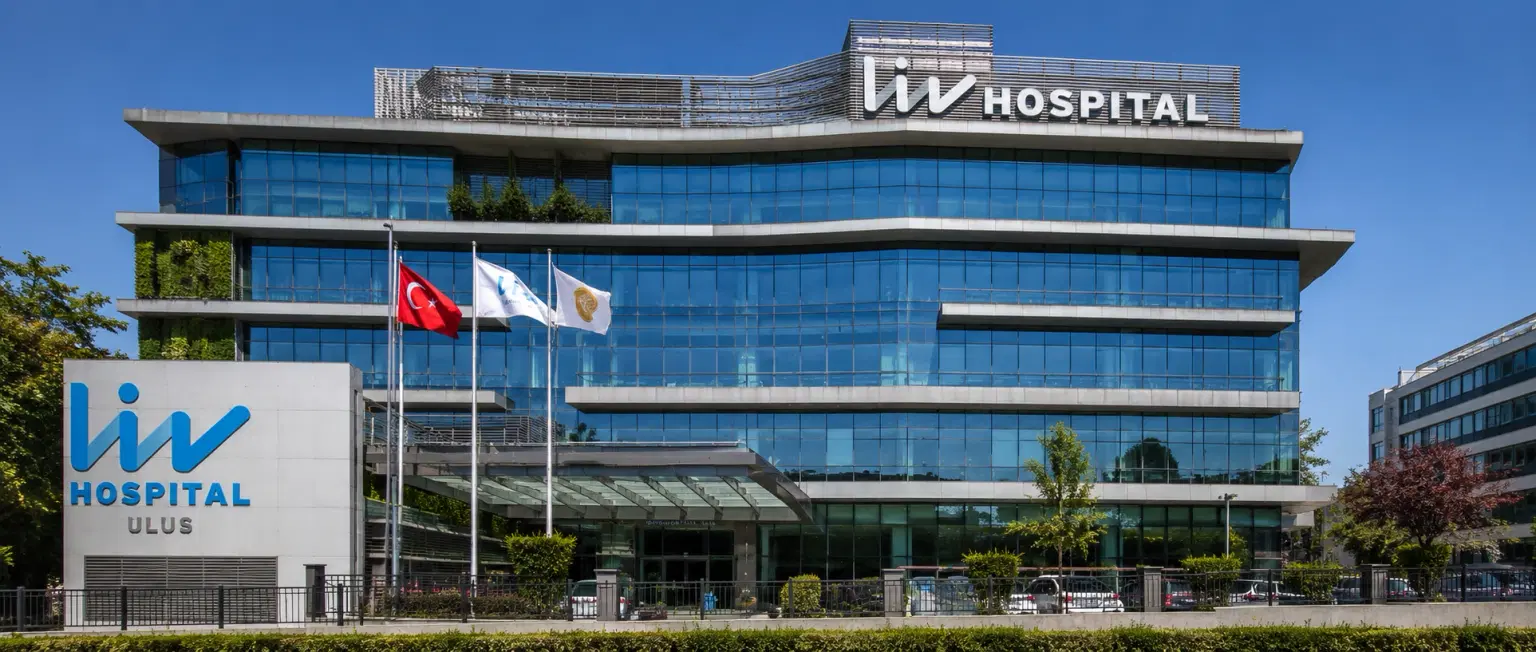
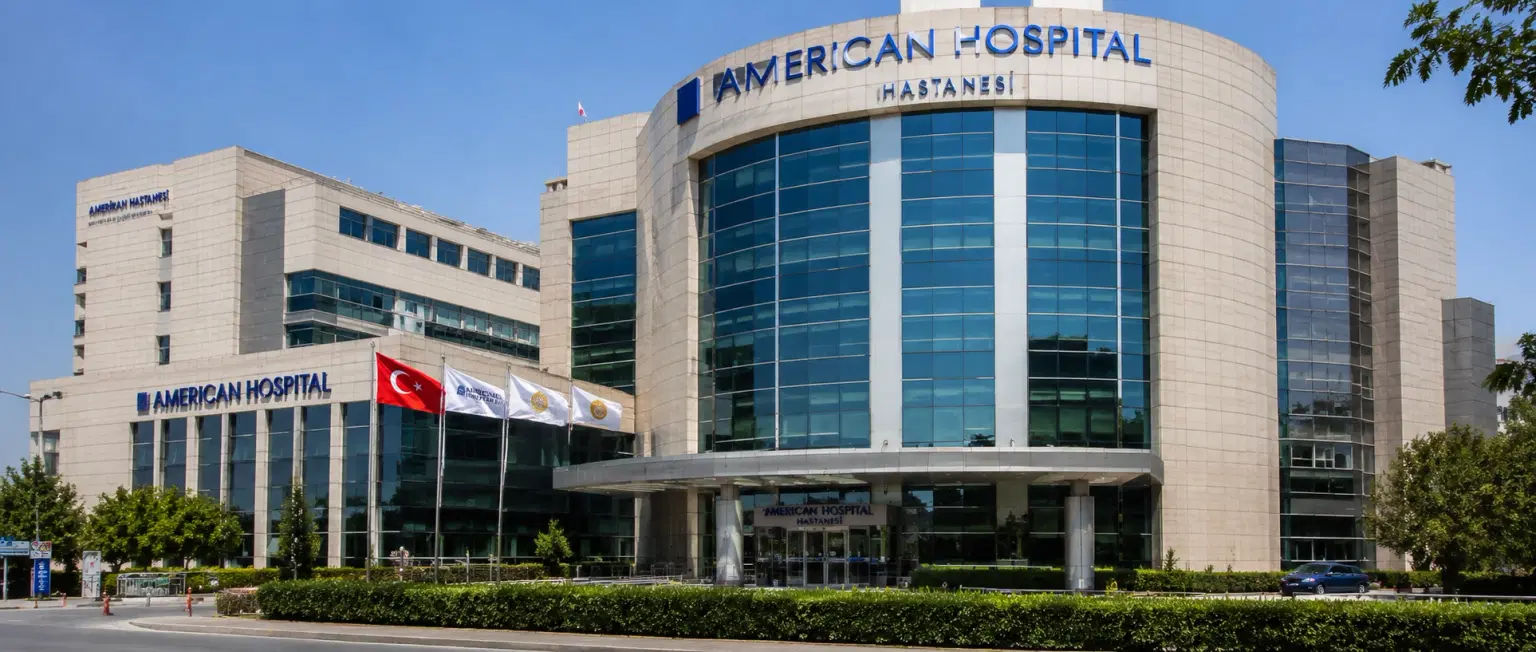
American Hospital, Istanbul
Guzelbahce Sk. No:20, 34365, Nisantasi, Istanbul, Turkey
American Hospital, Istanbul

Memorial Hospitals Group
Burhaniye, Nagehan Sokağı No:4/A D:1, 34676 Üsküdar/İstanbul, Türkiye
Memorial Hospitals Group

Florence Nightingale Hospital Istanbul
Abide-i Hürriyet Cd No:166, 34381 Sisli, Istanbul
Florence Nightingale Hospital Istanbul
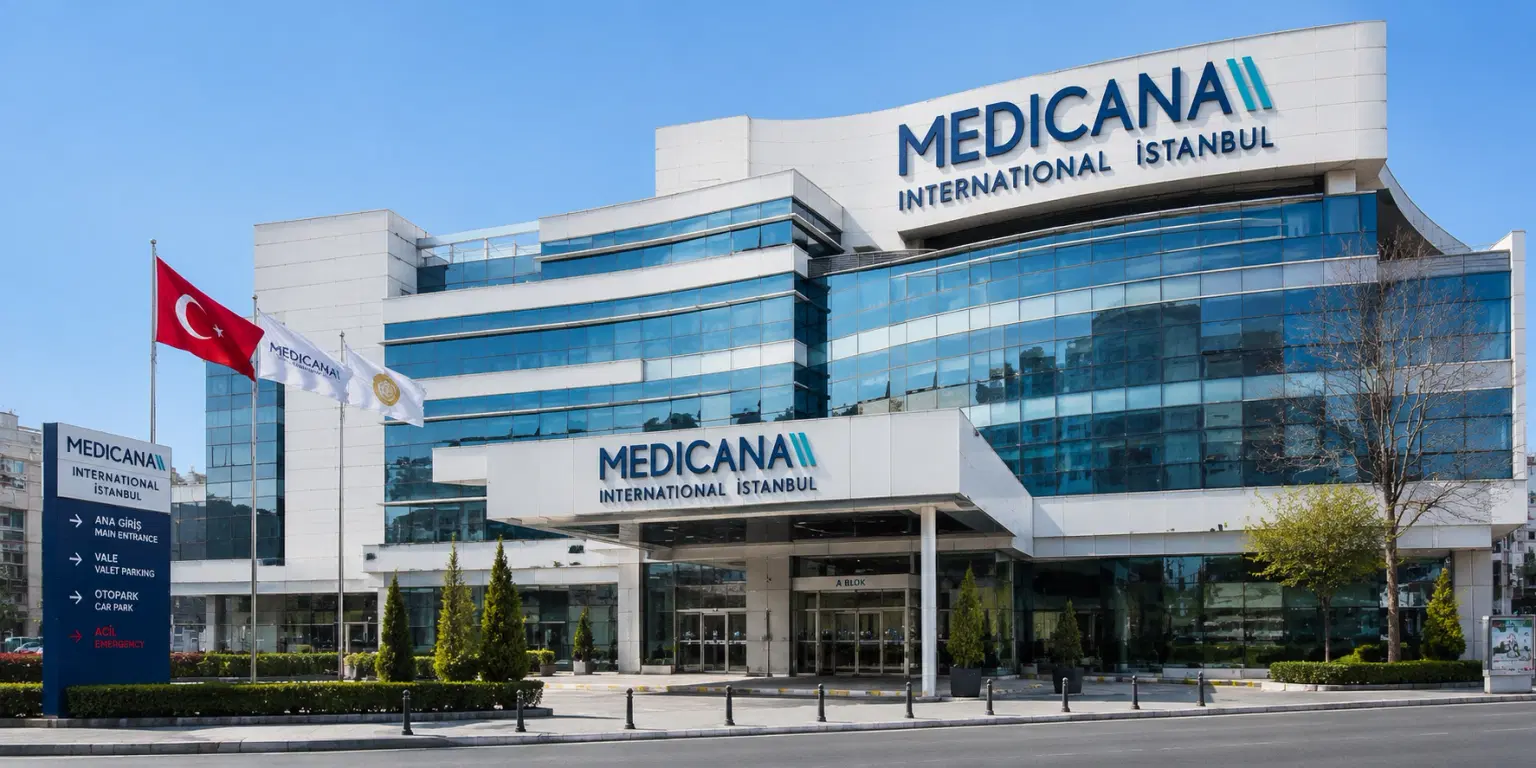
Medicana International Hospital, Istanbul
Halit Ziya Turkkani Mah. Medikal Park Cd. No:1, Beylikdüzü, İstanbul
Medicana International Hospital, Istanbul
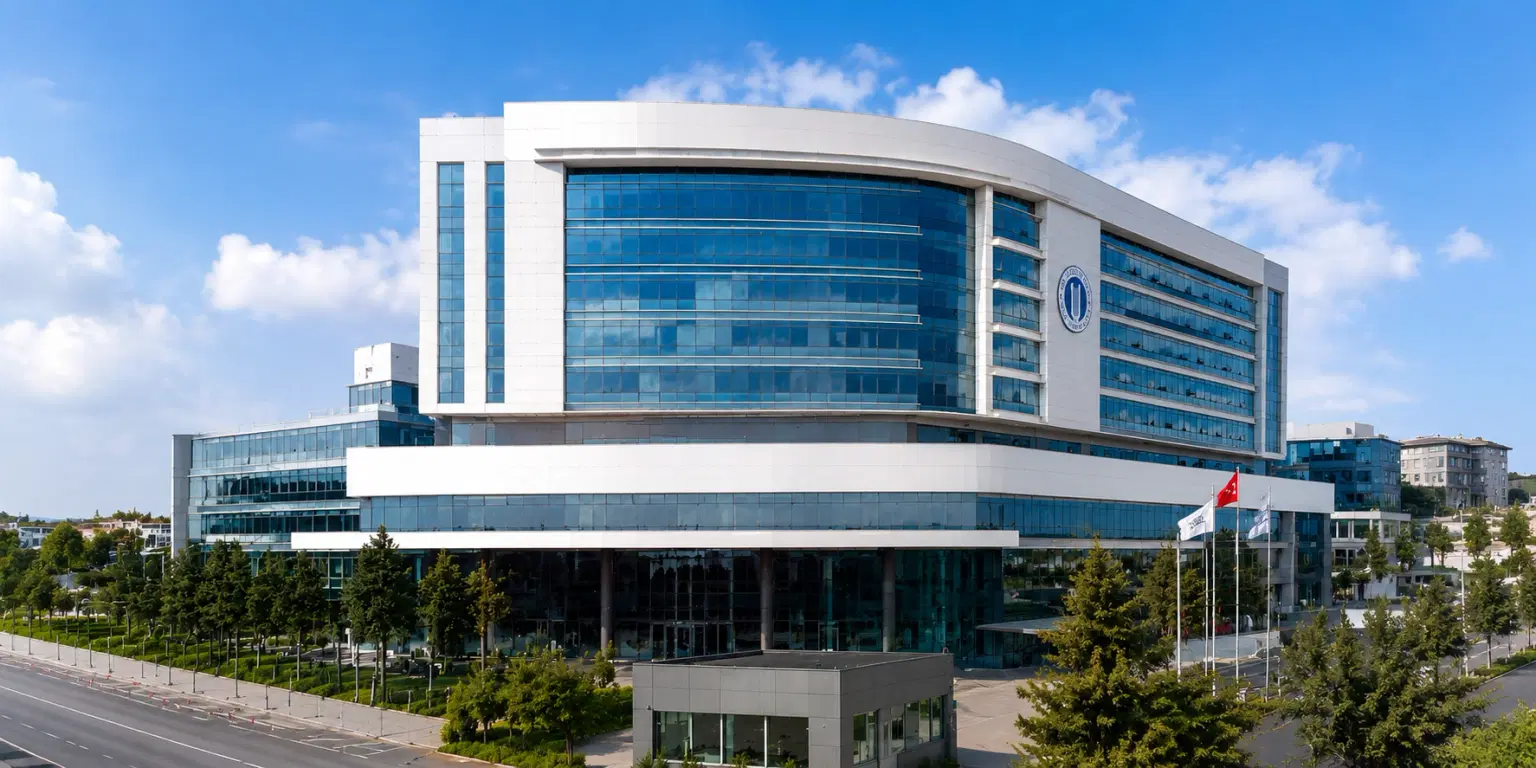
Okan University Hospital Istanbul
Icmeler Mah. Aydınlıyolu Cd. No:2, 34947 Icmeler-Tuzla, Istanbul
Okan University Hospital Istanbul
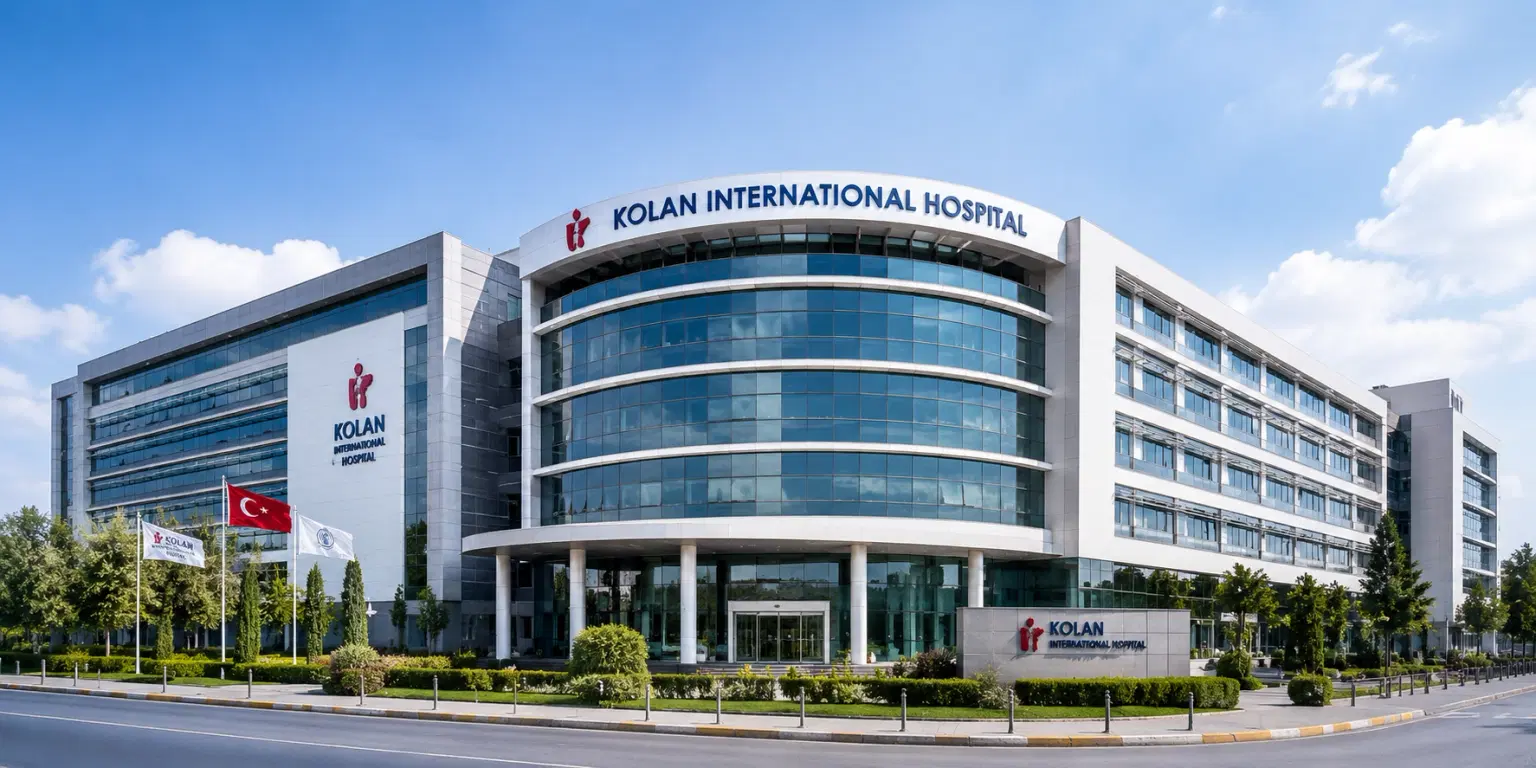
Kolan International Hospital, Istanbul
Kaptanpasa Mah. Okmeydan Kavsagi, Darulaceze Cd. No:14, 34384 Sisli, Istanbul
Kolan International Hospital, Istanbul
Booking With DIVINHEAL
Get a free consultation to understand your treatment options