

Tonsillectomy & Adenoidectomy Treatment in Chennai for Nigeria
Access high-quality treatment through JCI & NABH-accredited hospitals, renowned specialists, and end-to-end medical travel support designed around your healing journey.
Plan My Journey
Tell us your condition and budget - our AI matches the right destination, hospital and doctor and visa pathway
Cost calculator
I know my treatment - show me cost from 3 hospitals
5K+ International Patients Treated
40+ Source Countries Served
500+ Accredited Partner Hospitals
98% Patient Satisfaction
80% Average Savings vs USA
10K+ Doctors
NABH, JCI Accredited Hospitals
Free Treatment Plan
Free Consultation with Doctor
5+ Destinations Covered

Written by DivinHeal Editorial Contributor, DivinHeal Medical Team, Healthcare Advisory Team Published on: February 19, 2026
About
Tonsillectomy & Adenoidectomy in Chennai for Nigerian Patients
For Nigerian patients dealing with persistent throat infections, breathing difficulties, or disrupted sleep, the idea of a tonsillectomy and adenoidectomy can bring many questions. Seeking effective medical solutions often means looking beyond local options, especially when consistent relief remains elusive. Finding a trusted and accessible treatment path is a primary concern.
Many choose Chennai as their destination for specialized care, recognizing the city's robust medical infrastructure. Chennai offers an environment where advanced treatments are readily available, supported by a network of experienced medical professionals. The city's focused approach to patient care and seamless coordination helps individuals make informed decisions for their health.
Chennai’s hospitals are equipped with modern technology and staffed by highly skilled ENT specialists known for their expertise in pediatric and adult airway management. Patients can find reassurance in the city's commitment to delivering quality care, ensuring that follow-ups and comprehensive support are conveniently integrated into their treatment journey.
Could Chennai provide the clear breathing and relief you seek?
What is Tonsillectomy & Adenoidectomy?
A tonsillectomy is the surgical removal of the tonsils, which are two small lymph nodes located at the back of the throat. An adenoidectomy involves removing the adenoids, similar lymphoid tissues situated behind the nasal cavity. These procedures are often performed together to alleviate recurring infections, chronic inflammation, or significant blockages in the airway, particularly in children and sometimes adults. The goal is to improve breathing, reduce infections, and enhance overall quality of life.
Surgical Approaches for Tonsillectomy & Adenoidectomy
The method chosen for tonsillectomy and adenoidectomy largely depends on the patient's specific condition and the surgeon's preference. Modern techniques aim for precision and reduced recovery time.
- Cold Knife Dissection: This traditional method uses a scalpel to remove the tonsils and adenoids, with sutures or cautery used to stop bleeding.
- Electrocautery: Heat generated by an electrical current is used to cut and remove the tissues and to seal blood vessels, minimizing bleeding during the procedure.
- Radiofrequency Ablation: This technique uses radiofrequency energy to remove the tissues while also coagulating blood vessels, leading to less pain and quicker recovery.
- Microdebrider: A motorized instrument with a rotating blade is used to precisely remove adenoid tissue while preserving surrounding structures. This is often used for adenoidectomy.
- Laser Tonsillectomy: High-energy laser beams are used to cut and remove tonsil tissue. This method offers precision and reduces bleeding.
When Is This Treatment Recommended?
- Frequent or recurring episodes of tonsillitis (usually 7 or more in a year).
- Chronic sore throats that persist despite antibiotic treatment.
- Enlarged tonsils or adenoids causing difficulty breathing, especially during sleep (sleep apnea).
- Swallowing difficulties due to significantly enlarged tonsils.
- Recurrent ear infections or chronic middle ear fluid (otitis media) associated with adenoid issues.
- Abscess formation behind the tonsils (peritonsillar abscess).
- Speech problems or nasal obstruction caused by enlarged adenoids.
Pre-Treatment Evaluation Process
- A thorough physical examination of the throat, nose, and ears by an ENT specialist.
- Review of the patient's medical history, including frequency of infections and related symptoms.
- Blood tests to check for clotting factors and overall health status.
- Imaging studies, such as X-rays of the nasopharynx, to assess adenoid size if necessary.
- Sleep study (polysomnography) if sleep apnea is suspected due to enlarged tonsils or adenoids.
- Consultation with an anesthesiologist to ensure suitability for general anesthesia.
How the Procedure is Performed
The specific approach to tonsillectomy and adenoidectomy can vary, but the fundamental steps ensure patient safety and effective removal of the affected tissues.
General Anesthesia
The procedure is performed under general anesthesia, ensuring the patient is completely asleep and pain-free throughout. An anesthesiologist continuously monitors vital signs.
Tonsillectomy Steps
Once under anesthesia, the surgeon accesses the tonsils through the mouth. Using chosen techniques like cold knife dissection, electrocautery, or laser, the tonsil tissue is carefully separated from the underlying muscle. Any bleeding points are meticulously controlled to prevent complications.
Adenoidectomy Steps
For adenoidectomy, the surgeon usually works through the mouth, behind the soft palate, or sometimes endoscopically through the nose. The enlarged adenoid tissue is removed using a curette, microdebrider, or electrocautery. Care is taken to ensure complete removal while preserving surrounding structures.
Post-Procedure Care
After the tissues are removed and bleeding is controlled, the patient is moved to a recovery room. Monitoring continues as they gradually awaken from anesthesia. Most patients are discharged on the same day or after a short overnight stay.
Understanding the Recovery Process
Recovery from a tonsillectomy and adenoidectomy typically involves managing discomfort for several days. Pain medication is prescribed to help with throat soreness, which can be significant, especially after tonsil removal. Patients are advised to consume soft, cool foods and liquids to aid healing and avoid irritating the surgical site. Rest is crucial, and strenuous activities should be avoided for about two weeks. Full healing of the throat area generally takes around two to three weeks, during which regular follow-up with the ENT specialist is important to monitor progress and address any concerns.
Potential Risks and Success Rates
- Minor bleeding, which is usually controlled during surgery, but rarely may require further intervention.
- Temporary changes in voice or a feeling of something being caught in the throat.
- Infection at the surgical site, though uncommon due to sterile techniques.
- Reactions to anesthesia, such as nausea or headaches, which are typically short-lived.
- Very rarely, injury to surrounding structures or persistent pain.
The success rate for tonsillectomy and adenoidectomy in resolving chronic infections, improving breathing, and alleviating sleep-disordered breathing is generally very high. Most patients experience significant relief from their symptoms, leading to improved sleep quality, fewer infections, and enhanced overall well-being. The long-term outcome can vary based on individual healing capacity and adherence to post-operative care instructions, but positive results are widely expected.
Cost of Treatment in Chennai
The cost of tonsillectomy and adenoidectomy in Chennai is influenced by several factors. These include the specific hospital chosen (e.g., multi-specialty vs. specialized ENT center), the experience of the operating surgeon, the complexity of the case, and the duration of hospital stay. Additional costs may arise from pre-operative tests, chosen surgical technique, and any extended post-operative care or medications.
For Nigerian patients considering Chennai, the cost for Tonsillectomy & Adenoidectomy typically ranges from INR 60,000 to INR 1,50,000.
Chennai vs. Global Treatment Costs
Chennai offers a competitive pricing structure for tonsillectomy and adenoidectomy when compared to many Western countries, without compromising on quality of care or medical outcomes.
| Location | Estimated Cost Range (USD) |
|---|---|
| Chennai, India | $700 - $1,800 |
| United States | $4,000 - $8,000 |
| United Kingdom | $3,500 - $7,000 |
| Singapore | $3,000 - $6,000 |
| Turkey | $1,500 - $3,000 |
Ready to Explore Treatment Options in Chennai?
Our team is here to guide you through every step. Contact us for a personalized consultation and detailed cost estimates.
Support Services for Your Medical Journey
- Assistance with scheduling appointments and consultations with Chennai's leading ENT specialists.
- Guidance on visa applications and necessary travel documentation for international patients.
- Arrangement of comfortable accommodation options near your chosen hospital.
- Facilitation of airport transfers and local transportation within Chennai.
- Translation services to ensure clear communication between you and the medical team.
- Dedicated patient care coordinators to assist with all non-medical needs throughout your stay.
Essential Papers for Your Medical Visit
- Valid passport and medical visa for entry into India.
- Copies of all relevant medical records, including previous diagnoses, lab results, and imaging reports.
- A referral letter from your local physician detailing your condition.
- Proof of address and contact information for your next of kin.
- Any immunization records or allergy information.
Preparing for Your Tonsillectomy & Adenoidectomy
- Follow all dietary restrictions provided by your doctor, usually involving fasting before surgery.
- Discontinue certain medications, such as blood thinners, as advised by your medical team.
- Arrange for a responsible adult to accompany you and assist during the initial recovery period.
- Ensure you have a clear understanding of the procedure and have asked all your questions.
- Pack comfortable clothing and personal items for your hospital stay.
Healing and Support After Treatment
- Adhere strictly to prescribed pain management and antibiotic regimens.
- Maintain a soft, bland diet as recommended, gradually introducing regular foods.
- Avoid vigorous activities, heavy lifting, and any actions that could strain the throat for several weeks.
- Stay well-hydrated by drinking plenty of cool liquids.
- Attend all scheduled follow-up appointments with your ENT specialist to monitor healing.
- Contact your care team immediately if you experience excessive bleeding, fever, or severe pain.
Connect with Chennai's Best for Your Tonsillectomy & Adenoidectomy
Let us help you connect with expert surgeons and leading hospitals in Chennai. Your path to clearer breathing starts here.
Begin Your Path to Recovery
Making an informed decision about your health is paramount. Chennai offers a blend of expertise, technology, and compassionate care to support Nigerian patients seeking a lasting solution for tonsil and adenoid-related issues.
Hospitals
NABH & JCI Accredited Hospitals in India,Turkey, Thailand & UAE.

Artemis Hospital
Sector 51, Gurugram, Haryana, India
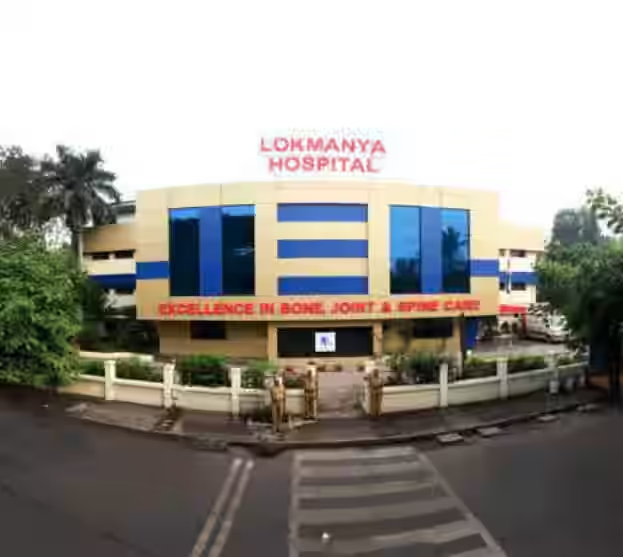
Lokmanya Hospitals
Not Specified

White Lotus Hospital
766, SFS 3145, SFS Road, 7th Sector, HSR Layout, Bengaluru, Karnataka 560102, India
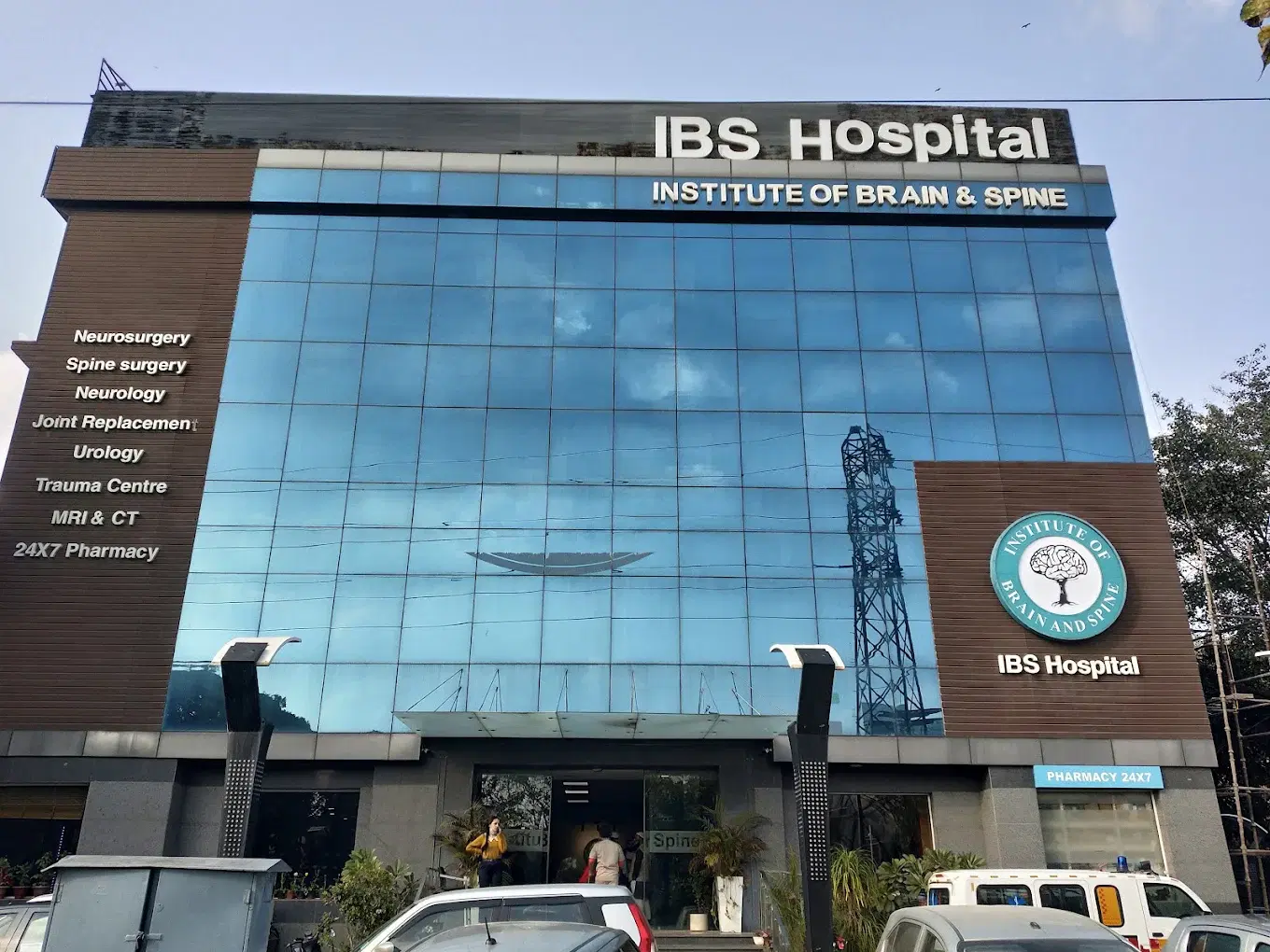
Institute of Brain and Spine (IBS Hospital)
Not Specified
Meet Our Medical Specialists




Sr. Consultant - Urology & Kidney Transplant Program (Unit I)
Dr. Abhinandan Mukhopadhyay
MBBS, MD
India

Sr. Consultant - Urology & Kidney Transplant Program (Unit I)
Dr. Abhinandan Mukhopadhyay
MBBS, MD
India
How DivinHeal Helps
We simplify your medical journey by providing comprehensive support and access to world-class healthcare.
Expert Specialist Matching
Connecting you with the world's top-rated medical experts.
Accredited Hospital Network
Access to JCI & NABH certified healthcare facilities.
Complete Travel Coordination
Hassle-free visa, stay, and local transport assistance.
24/7 Personal Care
Dedicated patient advisors supporting you at every step.
Journey Guidance
Full guidance from start to end of the patient treatment journey.
Expert Specialist Matching
Connecting you with the world's top-rated medical experts.
Everything you
need to know today
Browse through these common inquiries to better understand our patient-focused medical platform.
Yes, we work with a variety of insurance providers. Contact our team to verify your coverage.
Yes, we provide secure online consultations with experienced specialists.
Our care coordinators help match you with the most suitable specialist.
Absolutely. Your medical information is protected according to healthcare privacy standards.
Look at six things: accreditation (JCI or NABH), specialty depth, doctor credentials and experience, procedure-specific success rates, international patient support, and technology. DivinHeal's AI-driven matching evaluates every hospital in our accredited partner network on these dimensions and shortlists the best-fit options for your condition, budget, and country.
JCI (Joint Commission International) is the US-based global gold standard for hospital quality, recognised worldwide. NABH is India's national accreditation — accredited by ISQua, the same body that accredits JCI. Both signal independently verified safety and quality. Most of India's leading hospitals hold both.
Yes. All three welcome international patients through structured medical visa programs. India is the most established, treating patients from Africa, the Middle East, and South Asia at 60–80% lower cost. Thailand leads in cosmetic and dental care. The UAE is emerging in oncology and reproductive medicine.
Most patients save 50–80% on treatment costs. Heart bypass costs US $7,000–9,000 in India compared to $70,000–150,000 in the US. IVF costs $3,000–4,500 compared to $12,000–20,000 in the UK. Even after flights, visa, and accommodation, total savings remain 60–70%.
DivinHeal manages your entire non-medical journey: visa invitation letters, medical visa guidance, doctor appointments, teleconsultations, airport pickup, hospital-vetted accommodation for you and your attendant, language interpreters, local transport, cuisine preferences, and post-treatment follow-up — one dedicated coordinator from first enquiry to final follow-up.
You need a valid passport (6+ months validity), a medical visa (M-Visa for India — DivinHeal provides the hospital invitation letter), return flight tickets, recent medical reports and a doctor's referral, current prescription list, and proof of financial means. Any accompanying attendant needs their own passport and MX-Visa.
Still have more questions?
Book a call with our friendly team to learn how DivineHeal simplifies your healthcare journey.