
Tonsillectomy & Adenoidectomy Treatment in New Delhi for Bangladesh
Access high-quality treatment through JCI & NABH-accredited hospitals, renowned specialists, and end-to-end medical travel support designed around your healing journey.
Plan My Journey
Tell us your condition and budget - our AI matches the right destination, hospital and doctor and visa pathway
Cost calculator
I know my treatment - show me cost from 3 hospitals
5K+ International Patients Treated
40+ Source Countries Served
500+ Accredited Partner Hospitals
98% Patient Satisfaction
80% Average Savings vs USA
10K+ Doctors
NABH, JCI Accredited Hospitals
Free Treatment Plan
Free Consultation with Doctor
5+ Destinations Covered

Written by DivinHeal Editorial Contributor, DivinHeal Medical Team, Healthcare Advisory Team Published on: February 19, 2026
About
Tonsillectomy & Adenoidectomy in New Delhi for Bangladesh Patients
Patients from Bangladesh often face concerns regarding persistent throat infections, breathing difficulties, or snoring, especially in children, leading to thoughts about tonsillectomy and adenoidectomy. Navigating options for effective and timely medical care can feel overwhelming.
Many families look to New Delhi for specialized ENT procedures, recognizing its advanced medical infrastructure and accessible healthcare. The city offers a well-coordinated care environment, making the journey for international patients seeking treatment more manageable.
New Delhi’s hospitals and ENT specialists are globally recognized for their expertise in pediatric and adult tonsillectomy and adenoidectomy. Patients benefit from a focused care approach and easy access to follow-up services within the city’s leading medical centers.
New Delhi provides a reliable destination for Tonsillectomy & Adenoidectomy with comprehensive support.
What is Tonsillectomy & Adenoidectomy?
Tonsillectomy is the surgical removal of the tonsils, while adenoidectomy involves removing the adenoids. These procedures are frequently performed together to address recurrent throat infections, breathing issues, or sleep-disordered breathing. Commonly affecting children, these surgeries also benefit adults experiencing similar symptoms, aiming to improve overall respiratory health.
Are There Different Ways to Perform These Procedures?
- Traditional Cold Knife Dissection: Involves using a scalpel to remove the tonsil tissue.
- Electrocautery: Employs heat to remove tonsils and adenoids, simultaneously sealing blood vessels.
- Radiofrequency Ablation: Uses radiofrequency energy to reduce the size of the tonsils or adenoids.
- Coblation: A low-temperature radiofrequency field precisely removes tissue with minimal heat.
- Microdebrider Adenoidectomy: Utilizes a rotating blade to precisely remove adenoid tissue.
When is Tonsillectomy & Adenoidectomy Necessary?
- Recurrent bacterial tonsillitis (e.g., seven episodes in one year).
- Chronic tonsillitis unresponsive to antibiotic treatment.
- Obstructive sleep apnea caused by enlarged tonsils and adenoids.
- Significant difficulty breathing through the nose or mouth.
- Swallowing difficulties due to excessively enlarged tonsils.
- Peritonsillar abscess, a severe infection behind the tonsil.
- Chronic ear infections or fluid buildup, particularly in children.
What Tests Are Done Before Surgery?
- Complete physical examination including throat and ear inspection.
- Blood tests such as a complete blood count and clotting profile.
- Pre-anesthesia consultation and assessment by an anesthesiologist.
- Nasal endoscopy to accurately visualize the adenoids.
- Sleep study (polysomnography) for cases involving sleep apnea.
- Allergy testing if related respiratory issues are suspected.
How is Tonsillectomy & Adenoidectomy Performed?
The surgical approach for tonsillectomy and adenoidectomy depends on factors such as patient age, the extent of tissue enlargement, and the surgeon’s chosen technique.
Anesthesia: General anesthesia is administered, ensuring the patient is completely asleep and free from pain throughout the entire procedure.
Tonsillectomy: The surgeon carefully removes the tonsils from their location at the back of the throat, often using methods like cold knife dissection, electrocautery, or coblation.
Adenoidectomy: The adenoids, located higher up behind the nose, are removed through the mouth using specialized instruments such as a curette, microdebrider, or electrocautery.
Hemostasis: Any bleeding points are meticulously controlled using sutures or cautery to ensure patient safety.
Recovery Room: Following the procedure, the patient is closely monitored in a dedicated recovery area until they are fully awake and stable.
What is the Recovery Process Like?
Recovery after tonsillectomy and adenoidectomy typically involves a few days of discomfort, primarily throat pain and difficulty swallowing. Full healing usually takes 1 to 2 weeks. Patients are advised to rest, consume soft foods, and manage pain with prescribed medication. Avoiding strenuous activities and adhering to all post-operative instructions are crucial for a smooth and effective recovery.
Considering Tonsillectomy & Adenoidectomy in New Delhi?
Connect with our patient care team for personalized guidance and hospital options.
What are the Risks and Expected Success Rates?
- Bleeding, which can occur immediately or a few days after surgery.
- Infection at the surgical site.
- Adverse reactions to anesthesia.
- Temporary changes in voice quality.
- Minor damage to teeth or surrounding oral tissues.
- Persistent throat pain or earache during recovery.
Tonsillectomy and adenoidectomy generally boast high success rates, particularly in resolving recurrent infections, improving breathing patterns, and alleviating obstructive sleep apnea. Most patients experience significant improvement in their symptoms, leading to a much better quality of life. Outcomes can vary based on individual health factors and adherence to post-operative care.
What is the Cost of Tonsillectomy & Adenoidectomy in New Delhi?
The cost for Tonsillectomy & Adenoidectomy in New Delhi varies significantly based on several factors, including the chosen hospital’s accreditation, the specific surgical technique employed, the complexity of the patient's condition, and the fees of the operating surgeon and anesthesia team.
In New Delhi, the estimated cost typically ranges from INR 70,000 to INR 1,50,000.
Comparing New Delhi’s Costs for Tonsillectomy & Adenoidectomy
New Delhi offers a highly cost-effective alternative for high-quality medical care when compared to many developed countries, making advanced procedures more accessible.
| Location | Estimated Cost Range (INR) |
|---|---|
| New Delhi, India | 70,000 - 1,50,000 |
| USA | 3,30,000 - 6,60,000 |
| United Kingdom | 3,10,000 - 6,20,000 |
| Singapore | 1,80,000 - 3,60,000 |
| Thailand | 1,90,000 - 3,60,000 |
Explore Cost-Effective Treatment Options in New Delhi
Request a detailed cost estimate for your Tonsillectomy & Adenoidectomy today.
How We Support Your Treatment Journey in New Delhi
- Personalized treatment planning with leading ENT specialists.
- Assistance with hospital appointments and doctor consultations.
- Comprehensive support for travel logistics, including visa and accommodation.
- Dedicated patient care managers for seamless coordination throughout your stay.
- Language support services to ensure clear communication and comfort.
- Guidance for post-treatment follow-up and recovery in New Delhi.
What Documents Are Needed for Your Visit?
- A valid passport and an Indian medical visa.
- Copies of all relevant medical reports, imaging, and previous prescriptions.
- Identification documents for any accompanying family members.
- Proof of funds or details of your medical insurance.
- A referral letter from your local physician, if available.
How to Prepare Before Arriving for Your Procedure
- Consult your local doctor regarding your fitness for travel.
- Make necessary arrangements for travel and accommodation in New Delhi.
- Follow any specific dietary or medication instructions provided by your New Delhi specialist.
- Inform the hospital about any known allergies or current medications you are taking.
- Pack comfortable clothing and essential personal items for your stay.
Understanding Your Care After the Procedure
- Strictly adhere to the prescribed medication and pain management plan.
- Maintain a soft diet for the recommended duration to aid healing.
- Practice good oral hygiene as advised by your doctor to prevent infection.
- Avoid strenuous physical activities and heavy lifting during recovery.
- Attend all scheduled follow-up appointments with your New Delhi specialist.
- Stay well-hydrated by drinking plenty of fluids.
Ready to Begin Your Health Journey?
Taking the first step towards better health for yourself or your child is important. Our team in New Delhi is here to guide you through every stage of your Tonsillectomy & Adenoidectomy with expertise and care.
Hospitals
NABH & JCI Accredited Hospitals in India,Turkey, Thailand & UAE.

Artemis Hospital
Sector 51, Gurugram, Haryana, India
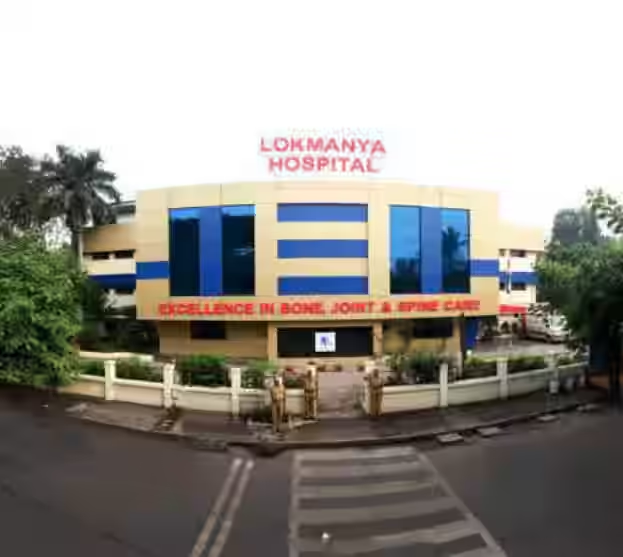
Lokmanya Hospitals
Not Specified

White Lotus Hospital
766, SFS 3145, SFS Road, 7th Sector, HSR Layout, Bengaluru, Karnataka 560102, India
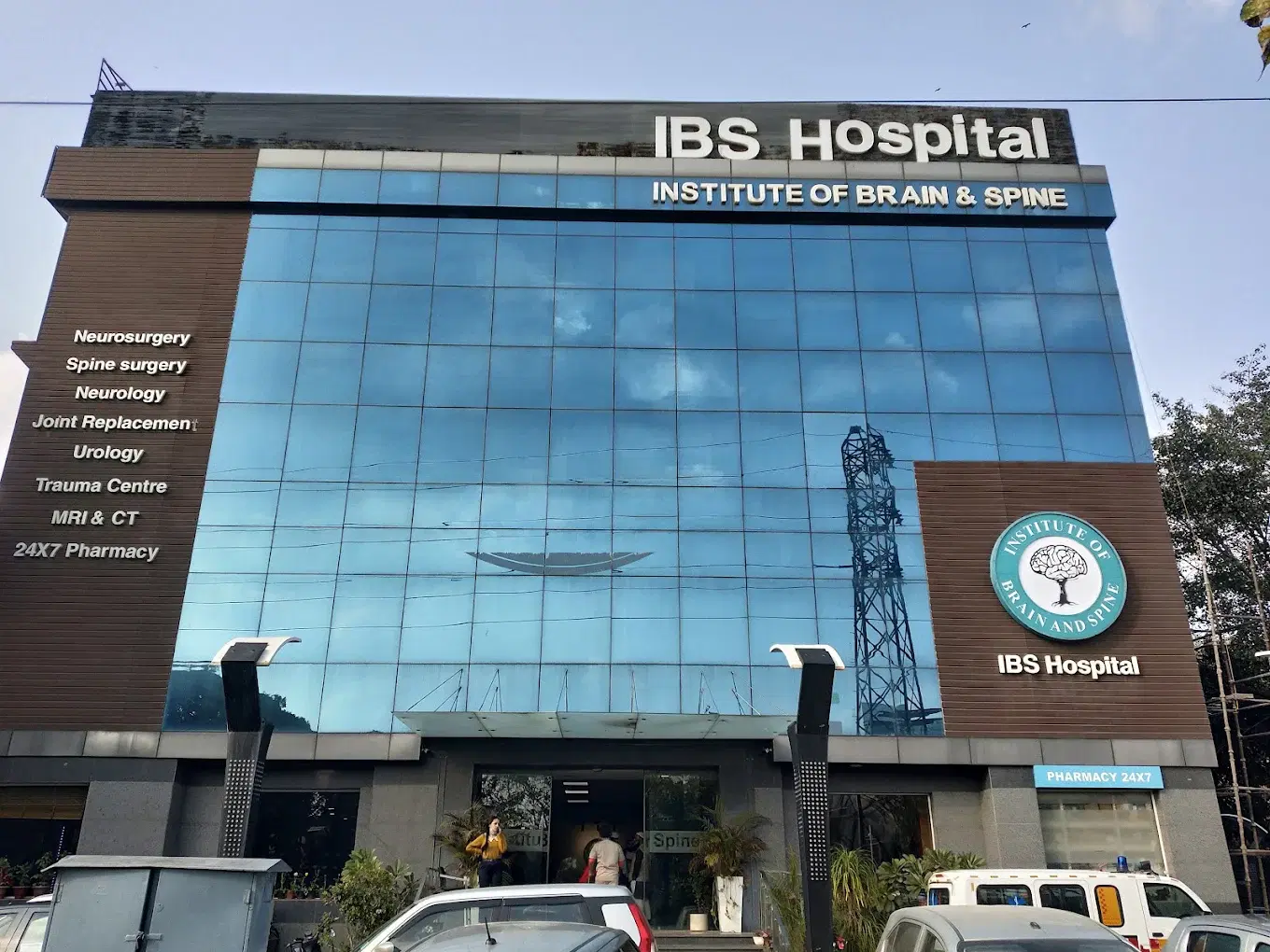
Institute of Brain and Spine (IBS Hospital)
Not Specified
Meet Our Medical Specialists




Sr. Consultant - Urology & Kidney Transplant Program (Unit I)
Dr. Abhinandan Mukhopadhyay
MBBS, MD
India

Sr. Consultant - Urology & Kidney Transplant Program (Unit I)
Dr. Abhinandan Mukhopadhyay
MBBS, MD
India
How DivinHeal Helps
We simplify your medical journey by providing comprehensive support and access to world-class healthcare.
Expert Specialist Matching
Connecting you with the world's top-rated medical experts.
Accredited Hospital Network
Access to JCI & NABH certified healthcare facilities.
Complete Travel Coordination
Hassle-free visa, stay, and local transport assistance.
24/7 Personal Care
Dedicated patient advisors supporting you at every step.
Journey Guidance
Full guidance from start to end of the patient treatment journey.
Expert Specialist Matching
Connecting you with the world's top-rated medical experts.
Everything you
need to know today
Browse through these common inquiries to better understand our patient-focused medical platform.
Yes, we work with a variety of insurance providers. Contact our team to verify your coverage.
Yes, we provide secure online consultations with experienced specialists.
Our care coordinators help match you with the most suitable specialist.
Absolutely. Your medical information is protected according to healthcare privacy standards.
Look at six things: accreditation (JCI or NABH), specialty depth, doctor credentials and experience, procedure-specific success rates, international patient support, and technology. DivinHeal's AI-driven matching evaluates every hospital in our accredited partner network on these dimensions and shortlists the best-fit options for your condition, budget, and country.
JCI (Joint Commission International) is the US-based global gold standard for hospital quality, recognised worldwide. NABH is India's national accreditation — accredited by ISQua, the same body that accredits JCI. Both signal independently verified safety and quality. Most of India's leading hospitals hold both.
Yes. All three welcome international patients through structured medical visa programs. India is the most established, treating patients from Africa, the Middle East, and South Asia at 60–80% lower cost. Thailand leads in cosmetic and dental care. The UAE is emerging in oncology and reproductive medicine.
Most patients save 50–80% on treatment costs. Heart bypass costs US $7,000–9,000 in India compared to $70,000–150,000 in the US. IVF costs $3,000–4,500 compared to $12,000–20,000 in the UK. Even after flights, visa, and accommodation, total savings remain 60–70%.
DivinHeal manages your entire non-medical journey: visa invitation letters, medical visa guidance, doctor appointments, teleconsultations, airport pickup, hospital-vetted accommodation for you and your attendant, language interpreters, local transport, cuisine preferences, and post-treatment follow-up — one dedicated coordinator from first enquiry to final follow-up.
You need a valid passport (6+ months validity), a medical visa (M-Visa for India — DivinHeal provides the hospital invitation letter), return flight tickets, recent medical reports and a doctor's referral, current prescription list, and proof of financial means. Any accompanying attendant needs their own passport and MX-Visa.
Still have more questions?
Book a call with our friendly team to learn how DivineHeal simplifies your healthcare journey.