Acne & Acne Scar Treatment
5K+ International Patients Treated
40+ Source Countries Served
500+ Accredited Partner Hospitals
98% Patient Satisfaction
80% Average Savings vs USA
10K+ Doctors
NABH, JCI Accredited Hospitals
Free Treatment Plan
Free Consultation with Doctor
5+ Destinations Covered
About Acne & Acne Scar Treatment
Sources and Guidelines Referenced
The clinical recommendations, procedural protocols, and physiological evidence presented in this guide are synthesized from major dermatological societies and high-impact peer-reviewed studies: American Academy of Dermatology (AAD) Guidelines for the Management of Acne Vulgaris (2024), European Academy of Dermatology and Venereology (EADV) Evidence-Based Guidelines for the Treatment of Acne (2023), National Institute for Health and Care Excellence (NICE) Guideline NG198 (2021), Zaenglein et al., Journal of the American Academy of Dermatology (2016), Goodman & Baron Quantitative Scar Grading System (2006), and Connolly et al., Journal of the American Academy of Dermatology (2017).
Acne & Acne Scar Treatment: A Comprehensive Patient Guide
1. Definition and Medical Identity
Acne and acne scar treatment comprises a spectrum of evidence-based medical, topical, and procedural interventions designed to eliminate active inflammatory lesions and repair permanent structural skin defects. Known clinically as the treatment of acne vulgaris and secondary atrophic or hypertrophic scars, this multidisciplinary field combines dermatological pharmacology with targeted dermal tissue remodeling to restore skin integrity.
Acne vulgaris is a chronic inflammatory disorder of the pilosebaceous unit—the hair follicle and its associated sebaceous (oil) gland. The disease manifests across a continuum ranging from non-inflammatory microcomedones to severe deep inflammatory nodules and cysts. When cutaneous inflammation disrupts the underlying extracellular matrix, permanent dermal contour abnormalities form. Modern clinical protocols separate therapy into two distinct clinical phases: controlling primary disease activity to halt tissue destruction, and executing post-inflammatory scar revision to rebuild disrupted dermal collagen.
2. The Underlying Condition or Need
Acne develops due to dysregulated follicular physiology involving abnormal keratinocyte desquamation, elevated androgen-driven sebum production, microbial colonization, and robust innate immune cascades. Left untreated, chronic inflammation degrades structural collagen, creating permanent tissue loss or excessive fibrotic tissue accumulation.
The biological driving force of acne begins within the follicular infundibulum. Hyperkeratosis causes follicular plugging, forming a microcomedone. Trapped sebum creates an anaerobic, lipid-rich environment that encourages excessive proliferation of Cutibacterium acnes. This bacterium hydrolyzes triglycerides into free fatty acids, activating Toll-like receptor 2 (TLR-2) on surrounding inflammatory cells. Immune responses trigger neutrophils and macrophages to release pro-inflammatory cytokines (IL-1 alpha, TNF-alpha) and matrix metalloproteinases (MMPs).
If inflammation remains unchecked, the follicular wall ruptures into the deep dermis. Matrix metalloproteinases degrade native collagen types I and III, destroying the structural scaffold of the dermis. The natural trajectory of untreated inflammatory acne involves recurrent suppurative tissue loss, leaving variable degrees of depression (atrophic scarring) or elevated fibrotic scars (hypertrophic/keloidal scarring) alongside persistent post-inflammatory dyschromia.
3. How the Treatment Works — Mechanism
Acne treatments work by altering follicular dynamics, suppressing bacterial activity, reducing sebum generation, and stimulating endogenous dermal tissue repair. Medical interventions target cellular pathways, while procedural interventions induce controlled micro-injuries to drive neocollagenesis and structural matrix remodeling.
Medical therapies target specific physiological mechanisms. Topical retinoids (such as tretinoin, adapalene, and trifarotene) bind to nuclear retinoic acid receptors (RARs), normalizing epidermal cell differentiation and accelerating keratinocyte turnover to prevent microcomedone formation. Benzoyl peroxide generates reactive oxygen species that rapidly kill C. acnes without triggering bacterial resistance. Systemic agents like spironolactone block androgen receptors on sebocytes, while isotretinoin induces apoptosis in sebaceous gland cells, dramatically shrinking oil production.
Procedural scar treatments work through physical wound healing responses. Fractional laser resurfacing creates microscopic thermal wound zones (microscopic treatment zones) in the dermis while sparing surrounding tissue. This thermal stimulus upregulates transforming growth factor-beta (TGF-beta), driving dermal fibroblasts to synthesize fresh collagen type III, which is gradually replaced by resilient collagen type I over several months. Subcision mechanically severs deep fibrotic tethers anchoring the skin surface to underlying subcutaneous tissue, creating a pocket where pooled blood fibrin acts as a matrix for new tissue growth.
4. Types and Variations
Acne and acne scar therapies are divided into primary medical disease-modifying therapies and secondary structural scar revision modalities. Selecting an appropriate protocol depends on lesion character, scar morphology, and patient skin phototype.
Medical therapies are organized by severity: mild disease utilizes single or combination topical agents; moderate disease combines topicals with oral tetracycline-class antibiotics; severe or refractory disease requires systemic isotretinoin. Scar revision requires matching specific procedural tools to the precise structural deformity: icepick scars respond to focal high-concentration acid destruction; rolling scars require physical release of fibrous bands; boxcar scars respond best to energy-based ablative resurfacing.
| Treatment Modality | Primary Clinical Indication | Mechanism of Action | Typical Course / Frequency |
|---|---|---|---|
| Topical Retinoids + Benzoyl Peroxide | Mild-to-moderate comedonal & inflammatory acne | Normalizes desquamation, reduces microcomedones, bactericidal via oxidation | Daily topical application for continuous maintenance |
| Oral Isotretinoin | Severe nodulocystic, scarring, or refractory acne | Induces sebocyte apoptosis, reduces sebum by >90%, clears C. acnes | Daily oral intake for 15–20 weeks (target dose 120–150 mg/kg) |
| Chemical Reconstruction (CROSS) | Deep icepick & narrow boxcar scars | Focal protein denaturation with 70–100% TCA inducing deep dermal wound healing | 3 to 6 sessions spaced 4 to 6 weeks apart |
| Subcision (Needle/Cannula) | Tethered rolling atrophic scars | Mechanical disruption of subdermal fibrotic bands holding down dermal contour | 1 to 3 sessions spaced 6 to 8 weeks apart |
| Fractional CO2 / Erbium:YAG Laser | Widespread boxcar & rolling scars, texture irregularities | Ablative thermal micro-wounds initiating fibroblast neocollagenesis | 1 to 3 sessions spaced 8 to 12 weeks apart |
| Radiofrequency Microneedling | Atrophic scarring in darker skin phototypes (IV–VI) | Mechanical micro-punctures combined with deep dermal thermal delivery, sparing epidermis | 3 to 5 sessions spaced 4 to 6 weeks apart |
5. Who the Treatment Is For — Indications
Treatment is indicated for individuals with active comedonal, papulopustular, or nodulocystic acne, as well as those presenting with secondary textural scarring or post-inflammatory dyschromia. Clinical decision-making relies on validated scar grading scales and lesion severity metrics.
According to the American Academy of Dermatology (AAD) 2024 Guidelines, formal candidates include:
- Active Acne Vulgaris: Moderate-to-severe inflammatory papules, pustules, or painful deep dermal nodules that fail to respond to over-the-counter skincare.
- Scar Prevention: Patients demonstrating active inflammatory lesions alongside early signs of dermal tissue loss or hyperpigmentation.
- Grade 2–4 Atrophic Scarring: Clinically visible rolling, boxcar, or icepick scars measured on the Goodman and Baron scar scale.
- Hypertrophic and Keloidal Scars: Elevated, firm fibrotic lesions located on the chest, back, shoulders, or mandibular arch.
- Post-Inflammatory Dyschromia: Persistent macular erythema (PIE) or post-inflammatory hyperpigmentation (PIH) remaining after resolution of active acne.
Optimal timing requires that active inflammatory acne be stabilized under medical management before initiating aggressive surgical or ablative scar resurfacing procedures.
6. Who the Treatment Is NOT For — Contraindications
Certain dermatological and systemic conditions preclude specific acne therapies or scar revision procedures due to heightened risks of excessive scarring, dyschromia, or systemic toxicity.
Absolute and relative contraindications include:
- Active Cutaneous Infection: Presence of bacterial impetigo, active viral infections (herpes simplex), or fungal skin eruptions in the intended treatment zone.
- Recent Oral Isotretinoin Use: Deep mechanical dermabrasion or fully ablative laser resurfacing performed within 6 months of oral isotretinoin therapy carries an increased risk of abnormal wound healing or keloid formation (traditionally deferred, though recent EADV 2023 guidelines suggest non-ablative protocols may be safe sooner under specialist direction).
- Active Keloidal Tendency: Patients with a strong personal history of continuous progressive keloid formation are contraindicated for deep invasive scar interventions like punch excisions or high-energy lasers.
- Pregnancy and Lactation: Oral retinoids (isotretinoin) are strictly contraindicated due to severe teratogenicity (category X). Topical retinoids, spironolactone, and specific oral antibiotics (doxycycline, minocycline) are also contraindicated during pregnancy.
- Uncontrolled Systemic Disease: Decompensated diabetes mellitus, active autoimmune connective tissue disorders (e.g., lupus erythematosus), or severe immunosuppression impede normal dermal wound healing.
- Recent Unprotected Sun Exposure: Active tanning or intense UV exposure within 4 weeks of procedural laser or chemical interventions substantially elevates the risk of severe post-inflammatory hyperpigmentation.
7. Alternatives and Clinical Comparison
Clinicians evaluate multiple medical and procedural options based on disease subtype, patient skin phototype (Fitzpatrick scale I–VI), recovery tolerance, and clinical goals. Comparing interventions helps define realistic treatment expectations.
For active acne, topical monotherapy or light-based treatments offer alternatives to systemic antibiotics or isotretinoin when patients cannot tolerate oral medications. For scar revision, non-ablative fractional lasers and high-intensity radiofrequency microneedling provide alternatives to fully ablative CO2 lasers, offering lower risks of persistent erythema and dyschromia at the expense of requiring more treatment sessions.
| Treatment Option | Invasiveness | Primary Mechanism | Typical Recovery Downtime | Key Clinical Trade-offs |
|---|---|---|---|---|
| Ablative Fractional CO2 Laser | High (Invasive thermal) | Epidermal vaporisation + deep dermal thermal ablation | 7–14 days active healing; erythema for weeks | High collagen remodeling capacity; higher risk of post-laser dyschromia in darker skin. |
| RF Microneedling | Moderate (Micro-invasive) | Physical needle penetration + deep dermal radiofrequency heat | 2–4 days mild swelling & pinpoint redness | Spares the epidermis; highly safe for Fitzpatrick phototypes IV–VI; requires multiple sessions. |
| Chemical Peels (TCA/Salicylic) | Low-to-Moderate | Controlled chemical exfoliation & keratolysis | 1–7 days mild-to-moderate desquamation | Excellent for comedones, active inflammation, & superficial PIH; minimal structural scar depth changes. |
| Manual Subcision | Moderate (Surgical release) | Sharp/blunt mechanical severance of fibrotic dermal tethers | 3–7 days localized bruising & edema | Highly effective for rolling scars; negligible impact on superficial epidermal texture irregularities. |
8. Pre-Treatment Phase
The pre-treatment phase involves formal dermatological diagnostic mapping, skin phototype classification, pre-procedural conditioning, and baseline photography to establish reproducible benchmarks.
During the initial consultation, a dermatologist evaluates active lesion count, scar depth, skin elasticity, and Fitzpatrick phototype. Standardized photography under cross-polarized light captures baseline skin architecture. Patients preparing for invasive scar resurfacing undergo skin pre-conditioning for 2 to 4 weeks using topical retinoids or gentle alpha-hydroxy acids to enhance epidermal turnover and shorten post-procedure re-epithelialization times.
Patients with Fitzpatrick phototypes IV through VI are frequently prescribed topical tyrosinase inhibitors, such as azelaic acid 15–20% or hydroquinone 4%, for 4 weeks prior to procedures to suppress melanin synthesis and decrease the risk of post-inflammatory hyperpigmentation (PIH). Discontinuation of photosensitizing agents, topical exfoliants, and anti-inflammatory medications (such as high-dose NSAIDs) is mandated 3 to 7 days prior to procedural intervention. Antiviral prophylaxis (e.g., oral valacyclovir) is initiated 24 to 48 hours pre-procedure for individuals undergoing laser resurfacing who have a history of oral herpes simplex virus infection.
9. The Procedure — Step-by-Step Clinical Detail
Because acne and scar management includes both long-term medical care and targeted procedures, the step-by-step detail below outlines a representative multi-modality scar revision session involving subcision and fractional laser resurfacing.
Phase 1: Preparation and Local Anesthesia
The patient is positioned in a semi-recumbent treatment chair. The skin is cleansed with a chlorhexidine or povidone-iodine antiseptic solution. Topical anesthetic cream (e.g., compounded lidocaine 23%/tetracaine 7% or lidocaine 5%) is applied to the treatment areas and occluded for 45 to 60 minutes. For extensive subcision, localized nerve blocks or tumescent anesthesia (highly diluted lidocaine with epinephrine in normal saline) is infiltrated into the subdermal plane to ensure complete intra-procedural analgesia and induce localized hemostasis.
Phase 2: Subcision of Tethered Scars
The clinician marks tethered rolling scars under oblique directional lighting. Using a specialized 18-gauge Nokor needle or a blunt-tip microcannula inserted horizontally into the deep dermis/subcutaneous junction, the practitioner maneuvers the tip in a fan-shaped sweeping motion. This action mechanically severs the tight fibrous bands holding down the skin surface. A distinct popping sound or tactile release confirms band disruption. Gentle pressure is applied to achieve primary hemostasis.
Phase 3: Fractional Laser Resurfacing
The patient and medical personnel don protective ocular eyewear matched to the laser wavelength (e.g., 10,600 nm for CO2). The laser scanner handpiece is systematically positioned across designated treatment zones. Microscopic thermal beams penetrate into the reticular dermis, generating micro-thermal zones of coagulated tissue while leaving surrounding tissue intact. The physician adjusts pulse energy (mJ) and treatment density (%) based on anatomical location, skin thickness, and scar depth. Treatment duration ranges from 20 to 45 minutes.
Phase 4: Post-Procedural Dressing and Cooling
Immediately post-laser, thermal discomfort is mitigated using chilled air cooling systems or cold saline compresses. Occlusive healing ointments (e.g., petrolatum-based formulations) or bio-occlusive silicone sheets are applied to safeguard the compromised epidermal barrier and facilitate moist wound healing.
10. Immediate Post-Procedure Period
The immediate 24 to 48 hours following procedural scar revision focus on maintaining barrier protection, managing localized inflammation, and preventing secondary microbial contamination.
Patients experience a sensation akin to a severe sunburn, accompanied by cutaneous erythema, edema, and mild localized oozing. Mild petechiae and localized ecchymosis (bruising) are expected in areas where subcision was performed. Discharge criteria mandate that the patient demonstrates controlled hemostasis, receives complete written wound care instructions, and understands strict emergency protocols.
Pain management consists primarily of cold compresses and over-the-counter acetaminophen; oral non-steroidal anti-inflammatory drugs (NSAIDs) like ibuprofen are often discouraged immediately following subcision, as mild early inflammatory signaling promotes baseline matrix repair. Patients are instructed to cleanse the area gently using sterile saline or ultra-mild non-soap cleansers, reapplying thick occlusive ointments every 2 to 4 hours to prevent crust adherence and scab formation.
11. Recovery — Short and Long Term
Cutaneous recovery progresses through stages of epidermal re-epithelialization, desquamation, and prolonged dermal extracellular matrix remodeling over several months.
| Recovery Timeframe | Expected Physical Signs | Permitted & Restricted Activities |
|---|---|---|
| Days 1 – 3 | Moderate erythema, localized swelling, pin-point bleeding, intense warmth | Strict indoor rest; apply occlusive ointment continuously; no sun exposure, exercise, or hot showers. |
| Days 4 – 7 | Skin darkening, superficial crusting, active epidermal desquamation (peeling) | Gentle cleansing permitted; transition to non-comedogenic moisturizers; direct sun strictly restricted; no picking or scrubbing. |
| Weeks 2 – 4 | Resolution of peeling; persistent mild pink erythema; skin texture feels tight | Return to light exercise & public activities; mineral broad-spectrum photoprotection (SPF 50+) mandatory; non-ablative skincare resumed. |
| Months 2 – 6 | Full resolution of erythema; progressive improvement in scar depth & contour | Resume active topical therapies (retinoids) under dermatological direction; final clinical outcomes evaluated at 6 months. |
Normal healing markers include uniform peeling without focal pain and gradual reduction of redness. Abnormal recovery markers requiring rapid medical contact include severe unilateral pain, purulent yellow discharge, localized honey-colored crusting (indicative of Staphylococcus aureus superinfection), or clustered painful vesicles (indicative of herpes simplex reactivation).
12. Risks, Side Effects, and Complications
While acne and scar interventions are generally safe when conducted by qualified dermatologists, procedural interventions carry inherent clinical risks proportional to the depth of tissue manipulation.
| Frequency Category | Potential Adverse Event | Clinical Manifestation & Management |
|---|---|---|
| Common / Mild (Transient) | Erythema, edema, dry skin, superficial desquamation, temporary worsening of comedones | Self-limiting within 3 to 14 days; managed with barrier-repair moisturizers and gentle non-soap cleansing. |
| Uncommon (Moderate) | Post-inflammatory hyperpigmentation (PIH), post-inflammatory erythema (PIE), localized acneiform eruptions | Managed with topical hydroquinone, azelaic acid, or low-potency topical steroids; PIE responds to vascular lasers (595-nm PDL). |
| Rare / Serious (Severe) | Secondary bacterial/viral infection, prolonged erythema (>3 months), true hypertrophic/keloid scarring, hypopigmentation | Requires oral antibiotics/antivirals, intralesional corticosteroid injections for hypertrophic tissue, or targeted fractional light therapy. |
Detailed Complication Profiles
Post-Inflammatory Hyperpigmentation (PIH): Occurs when melanocytes react to thermal or mechanical skin trauma by overproducing melanin. PIH is more common in Fitzpatrick skin phototypes IV through VI. Research shows that pre-conditioning skin with topical tyrosinase inhibitors and enforcing strict post-procedure UVA/UVB protection reduces PIH incidence from over 30% down to under 5% (Connolly et al., 2017).
Post-Laser Hypopigmentation: Delayed-onset permanent loss of skin pigment caused by thermal destruction of basal melanocytes. This rare complication occurs almost exclusively after aggressive, fully ablative resurfacing procedures and is difficult to reverse, emphasizing the necessity of conservative energy settings in high-risk patients.
Systemic Risks of Oral Isotretinoin: Systemic retinoid therapy carries distinct warnings, including severe fetal malformations if taken during pregnancy. Patients must adhere to strict pregnancy prevention protocols (such as the iPLEDGE program in the United States). Regular laboratory monitoring of liver function enzymes and serum lipid profiles is required throughout the treatment course.
13. Lifestyle and Behavioural Considerations
Patient behavior directly impacts acute healing trajectories, procedural safety, and long-term maintenance of clear skin.
Pre-treatment optimization focuses on lifestyle modification. Patients should avoid smoking for at least 4 weeks before and after invasive scar resurfacing; nicotine induces peripheral vasoconstriction, impairing microvascular perfusion and compromising optimal wound re-epithelialization. Dietary adjustments—specifically reducing high glycemic load foods and excessive whey protein intake—have been shown in epidemiological studies to decrease insulin-like growth factor 1 (IGF-1) signaling, reducing sebum production and inflammatory acne severity (NICE NG198 Guidelines, 2021).
During recovery, strict adherence to photoprotection is mandatory. Patients must apply broad-spectrum mineral sunscreens containing zinc oxide or titanium dioxide (SPF 35 or higher) every 2 hours when exposed to ambient daylight. Patients must refrain from picking, scratching, or manually exfoliating peeling skin, as premature manual avulsion of epidermal crusts damages delicate underlying capillary loops and creates secondary depressed scars.
14. How Outcomes Are Measured
Clinical success in acne and acne scar management is quantified using validated grading systems, objective optical profilometry, high-resolution cross-polarized photographic analysis, and patient-reported outcome measures.
For active acne, outcomes are monitored using the Global Acne Grading System (GAGS) or simple inflammatory lesion counts. Successful medical therapy typically targets an 80% or greater reduction in active inflammatory counts by week 12 to 16. Scar outcomes are measured using the Goodman and Baron Quantitative Acne Scarring System, which grades scars based on visibility at a distance of 0.5 meters and smoothability upon manual skin stretching.
Dermal scar remodeling is a continuous process. Initial structural improvements seen immediately post-procedure are often driven by temporary tissue edema. Genuine collagen structural repair (neocollagenesis) begins approximately 4 weeks post-procedure and continues for 3 to 6 months. Multiple procedural sessions—typically 3 to 5 treatments spaced 4 to 8 weeks apart—are required to achieve optimal quantitative improvements of 50% to 75% in scar depth and surface regularity. If scar response plateaus, dermatologists re-evaluate scar architecture and transition patients to complementary procedural modalities.
15. Recent Advances and Current Standard of Care
Over the past decade, dermatological management of acne and acne scars has shifted from aggressive, high-risk uniprocedural interventions toward targeted combination modalities, advanced topical therapies, and energy devices that protect the epidermal barrier.
Current standards of care emphasize early intervention to suppress active inflammation before scarring develops. The approval of selective topical retinoids, such as trifarotene (which selectively targets retinoic acid receptor-gamma), provides potent comedolytic activity with lower systemic exposure. The introduction of topical anti-androgens, such as clascoterone 1% cream, allows clinicians to directly inhibit follicular androgen receptors topically without systemic hormonal side effects.
In scar revision, combination therapies performed within the same clinical session have surpassed single-modality approaches. Pairing subcision with fractional energy devices and localized biostimulatory fillers (e.g., poly-L-lactic acid or diluted calcium hydroxylapatite) or platelet-rich plasma (PRP) yields higher volumetric scar correction and faster recovery times (EADV 2023 Guidelines). Furthermore, non-ablative 1726-nm sebum-targeting lasers have emerged as an effective procedural option for active acne, selectively inducing photothermal damage in sebaceous glands while preserving surrounding dermal structures.
16. Common Myths and Misconceptions
Dermatological literature refutes several persistent myths regarding acne causation and scar treatment protocols:
Myth: Acne is caused by poor hygiene and unwashed skin.
Reality: Acne is a complex inflammatory disease driven by follicular hyperkeratinization, hormones, and immune responses. Excessive washing or harsh scrubbing disrupts the stratum corneum, worsening cutaneous inflammation (AAD Guidelines 2024).
Myth: Topical scar creams and vitamin E oil can fully remove deep atrophic acne scars.
Reality: Atrophic scars involve physical loss of deep dermal collagen and subdermal fibrotic tethering. Topical over-the-counter creams cannot penetrate to the reticular dermis or sever fibrous tethers; true structural scar revision requires physical or procedural interventions (Zaenglein et al., 2016).
Myth: Dietary intake has no connection to active acne flares.
Reality: High-glycemic-load diets and certain dairy products upregulate serum IGF-1 levels, driving sebocyte proliferation and exacerbating inflammatory acne in susceptible individuals (NICE NG198 Guidelines, 2021).
Myth: Sun exposure cures active acne by drying up oily skin.
Reality: Direct sunlight causes transient drying of superficial skin, but UV radiation induces epidermal thickening, oxidizes squalene in sebum, and elevates the risk of post-inflammatory hyperpigmentation, ultimately leading to delayed acne flares.
Myth: You must wait until active acne stops entirely before treating any scars.
Reality: Early non-invasive modalities, such as vascular light therapy for redness or light chemical peels, can safely treat post-inflammatory changes alongside active medical acne therapy, mitigating permanent scar development.
Myth: Laser scar resurfacing provides complete 100% restoration of original skin texture.
Reality: While high-energy lasers significantly reduce scar depth and improve skin texture by 50% to 75%, complete erasure of deep fibrotic tissue to match uninjured skin is clinically unachievable.
17. Frequently Asked Questions
How long does it take for active acne to clear once medical treatment begins?
Most evidence-based medical treatments require 8 to 12 weeks of continuous compliance to demonstrate significant clinical reduction in inflammatory lesions. Topical retinoids and oral antibiotics alter cellular differentiation and microbial populations gradually. Clinical evaluation occurs at 3 months to decide whether to adjust dosages or transition to maintenance regimens.
Can acne scars be treated while active inflammatory papules are still present?
Active inflammatory acne should be stabilized medically before initiating aggressive scar revision procedures like laser resurfacing or subcision. Performing invasive procedures over active pustules risks spreading bacterial infection and inducing severe inflammation. Mild chemical peels and targeted vascular light therapies can safely address mild redness alongside medical treatments.
What is the main difference between post-inflammatory hyperpigmentation and true acne scars?
Post-inflammatory hyperpigmentation (PIH) consists of flat skin color changes caused by excess melanin deposition without structural collagen loss. True acne scars involve permanent structural deformities—either depressed dermal tissue loss (atrophic) or elevated fibrotic tissue (hypertrophic). PIH typically fades over months with topicals, whereas true structural scars require procedural interventions.
Are energy-based scar laser treatments safe for darker skin tones?
Energy-based laser treatments are safe for Fitzpatrick skin types IV through VI when performed using appropriate modalities and settings. Non-ablative fractional lasers, radiofrequency microneedling, and long-pulsed neodymium-doped yttrium aluminum garnet (Nd:YAG) lasers safely bypass superficial epidermal melanin, minimizing the risk of post-procedural hyperpigmentation compared to fully ablative CO2 lasers.
How many scar revision sessions are typically needed to achieve noticeable results?
Most patients require 3 to 5 procedural sessions spaced 4 to 8 weeks apart to achieve significant improvement in scar contour and depth. Collagen remodeling is an incremental process that continues for up to 6 months after the final procedure. Severe, deep atrophic scarring may require multi-modality combination approaches over a 12-month period.
Why is oral isotretinoin reserved primarily for severe or scarring acne?
Oral isotretinoin is a potent systemic retinoid that directly addresses all four major pathophysiological causes of acne, but it carries strict monitoring requirements and side-effect profiles. Due to its potential teratogenicity, mucocutaneous adverse effects, and need for routine laboratory monitoring, it is reserved for severe nodulocystic disease, scarring acne, or cases refractory to standard therapies.
Does microneedling work as effectively as ablative laser resurfacing for deep scars?
Microneedling is effective for mild-to-moderate atrophic scars and carries minimal downtime and low dyschromia risk. However, deep boxcar or icepick scars generally respond better to high-energy ablative laser resurfacing or targeted focal treatments like chemical reconstruction of skin scars (CROSS). Microneedling is frequently combined with subcision for optimal results.
What is subcision, and how does it release tethered rolling scars?
Subcision is a minor procedural technique performed under local anesthesia. A specialized sharp needle or blunt microcannula is inserted horizontally underneath the depressed scar into the deep dermal-subcutaneous plane. Maneuvering the instrument severs dense fibrotic tethers anchoring the scar down to underlying structures, allowing the skin contour to elevate immediately.
Are the results achieved from acne scar treatments permanent?
Improvements achieved through scar revision procedures are generally permanent because the newly synthesized collagen becomes a permanent part of the dermal matrix. However, ongoing intrinsic aging, natural loss of dermal elasticity, and any new unmanaged inflammatory acne flares can alter skin texture and form fresh structural deformities over time.
How should I care for my skin immediately after laser scar resurfacing?
Post-laser skin care focuses on protecting the delicate epidermal barrier and promoting moist wound healing. Patients should cleanse gently with sterile saline or a non-soap cleanser, apply prescribed occlusive barrier ointments continuously, avoid picking crusts, and strictly stay out of direct sunlight. Broad-spectrum mineral sunscreen is mandatory once re-epithelialization is complete.
Can hormonal treatments effectively manage acne in adult females?
Hormonal therapies, including combined oral contraceptives and spironolactone, effectively treat adult female acne by blocking systemic and localized cutaneous androgen receptors. Reduced androgen stimulation decreases sebaceous gland oil production, successfully controlling recalcitrant lower-face and jawline acne breakouts. These therapies are often continued long-term for reliable maintenance.
Is chemical reconstruction of skin scars (CROSS) suitable for all scar types?
The chemical reconstruction of skin scars (CROSS) technique using high-concentration trichloroacetic acid (TCA) is specifically formulated for narrow, deep icepick and deep boxcar scars. It is not suitable for broad rolling scars or generalized surface texture roughness. Applying high-concentration TCA to wide, shallow scars risks inducing larger areas of tissue damage and secondary hyperpigmentation.
Booking With DIVINHEAL
Get a free consultation to understand your treatment options
Cost Calculator
I know my treatment — show me cost from 3 hospitals
Plan My Journey
Tell us your condition and budget — our AI matches the right destination, hospital and doctor and visa pathway
Recommended Article

Best In Vitro Fertilization (IVF) Doctors in Hyderabad
Doctors for Nephrology: Find Kidney Care Specialists
Doctors in Chennai: Find Medical Specialists in India
Best Embryo Freezing Hospitals in Hyderabad: Care Guide
Hospitals for reproductive surgery: Compare options
Hospitals in Gurugram: Guide to Quality Facilities
IVF Treatment in Haryana | Cost, Hospitals & Doctors
TAVR (Transcatheter Aortic Valve Replacement) cost in New Delhi
Tonsillectomy & Adenoidectomy Success Rate in Mumbai
Facelift & Anti-Aging Procedures in Chennai for Ethiopia Patients | Cost, Hospitals
Booking With DIVINHEAL
Get a free consultation to understand your treatment options
Cost Calculator
I know my treatment — show me cost from 3 hospitals
Plan My Journey
Tell us your condition and budget — our AI matches the right destination, hospital and doctor and visa pathway
Recommended Article
Best In Vitro Fertilization (IVF) Doctors in Hyderabad
Doctors for Nephrology: Find Kidney Care Specialists
Doctors in Chennai: Find Medical Specialists in India
Best Embryo Freezing Hospitals in Hyderabad: Care Guide
Hospitals for reproductive surgery: Compare options
Hospitals in Gurugram: Guide to Quality Facilities
IVF Treatment in Haryana | Cost, Hospitals & Doctors
TAVR (Transcatheter Aortic Valve Replacement) cost in New Delhi
Tonsillectomy & Adenoidectomy Success Rate in Mumbai
Facelift & Anti-Aging Procedures in Chennai for Ethiopia Patients | Cost, Hospitals
Our Speciality and Treatments
Genetic Disorder Diagnosis & Counselling
Pediatric Laparoscopic Surgery
Pediatric Kidney Transplant
Pediatric Cardiac Surgery
Down Syndrome Comprehensive Care
Vaccination Program
Newborn Care Package
Pediatric Intensive Care (PICU)
Pediatric Urology (incl. Hypospadias)
Pediatric Orthopedics
Pediatric Gastroenterology
Pediatric Pulmonology
Pediatric Endocrinology
Pediatric Cardiology (non-surgical)
Pediatric Oncology
Neonatal Intensive Care (NICU)
pediatric neurosurgery
Meet Our Medical Specialists




Sr. Consultant - Urology & Kidney Transplant Program (Unit I)
Dr. Abhinandan Mukhopadhyay
MBBS, MD
India

Sr. Consultant - Urology & Kidney Transplant Program (Unit I)
Dr. Abhinandan Mukhopadhyay
MBBS, MD
India
Hospitals
NABH & JCI Accredited Hospitals in India,Turkey, Thailand & UAE.
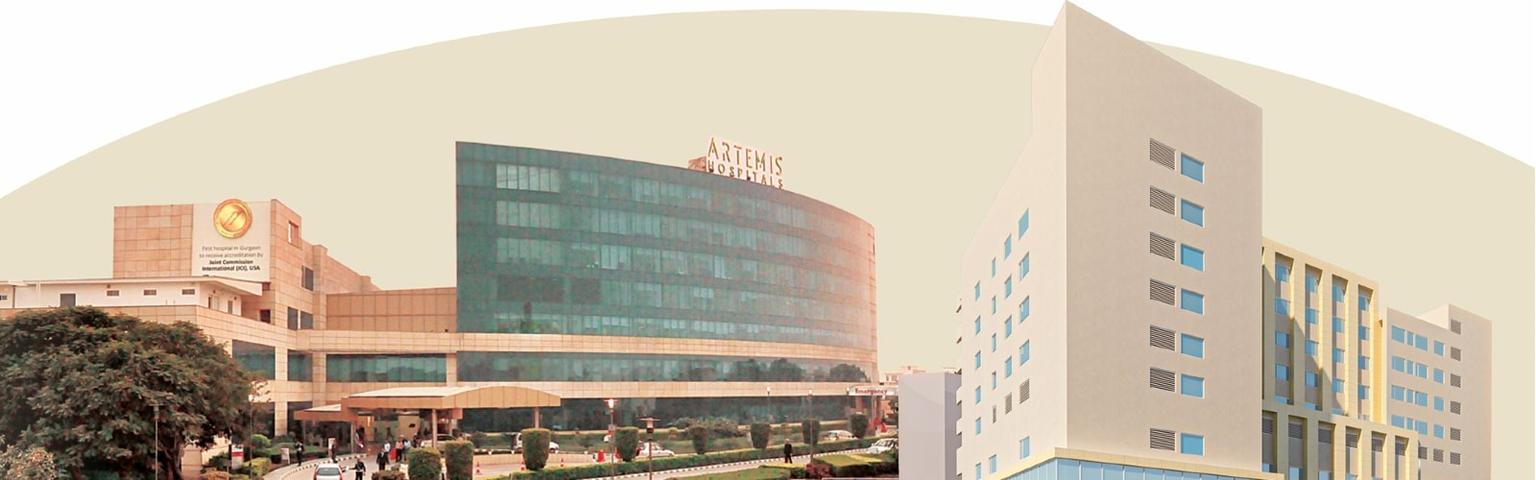
Artemis Hospital
Sector 51, Gurugram, Haryana, India
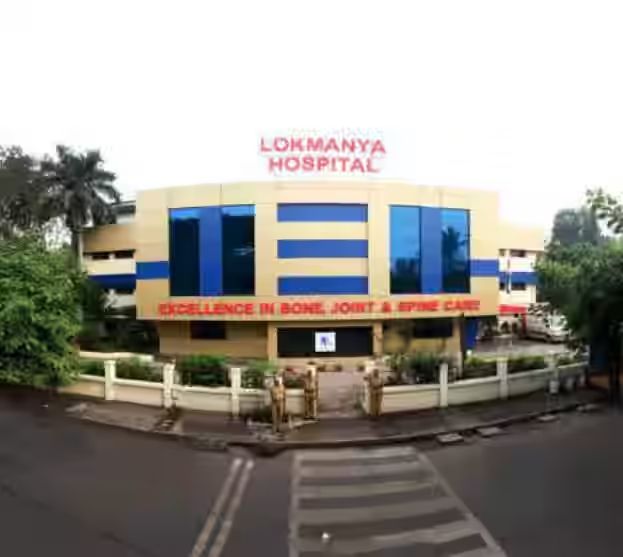
Lokmanya Hospitals
Not Specified
White Lotus Hospital
766, SFS 3145, SFS Road, 7th Sector, HSR Layout, Bengaluru, Karnataka 560102, India
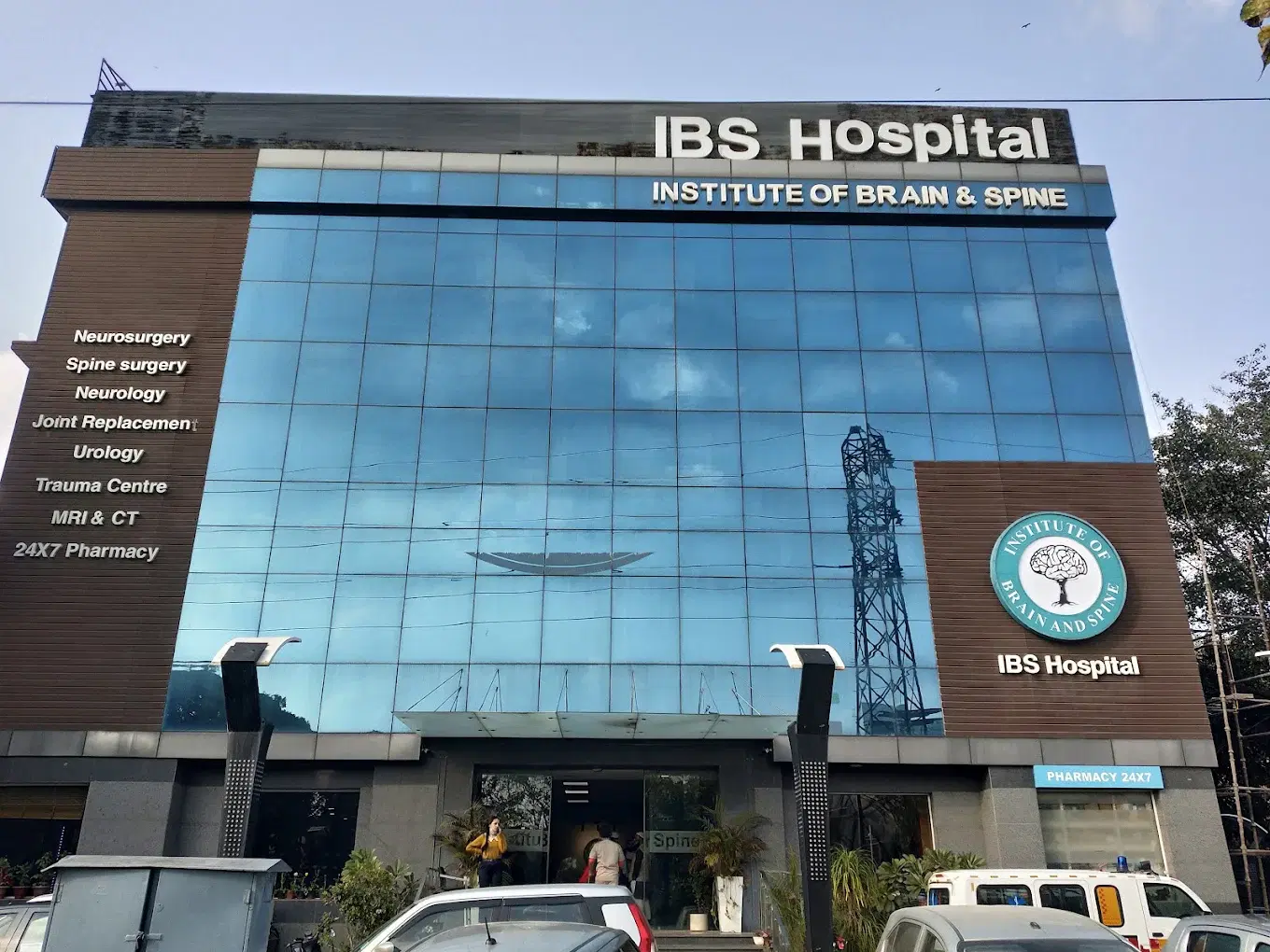
Institute of Brain and Spine (IBS Hospital)
Not Specified
How DivinHeal Helps
We simplify your medical journey by providing comprehensive support and access to world-class healthcare.
Expert Specialist Matching
Connecting you with the world's top-rated medical experts.
Accredited Hospital Network
Access to JCI & NABH certified healthcare facilities.
Complete Travel Coordination
Hassle-free visa, stay, and local transport assistance.
24/7 Personal Care
Dedicated patient advisors supporting you at every step.
Journey Guidance
Full guidance from start to end of the patient treatment journey.
Expert Specialist Matching
Connecting you with the world's top-rated medical experts.
Everything you
need to know today
Browse through these common inquiries to better understand our patient-focused medical platform.
Yes, we work with a variety of insurance providers. Contact our team to verify your coverage.
Yes, we provide secure online consultations with experienced specialists.
Our care coordinators help match you with the most suitable specialist.
Absolutely. Your medical information is protected according to healthcare privacy standards.
Look at six things: accreditation (JCI or NABH), specialty depth, doctor credentials and experience, procedure-specific success rates, international patient support, and technology. DivinHeal's AI-driven matching evaluates every hospital in our accredited partner network on these dimensions and shortlists the best-fit options for your condition, budget, and country.
JCI (Joint Commission International) is the US-based global gold standard for hospital quality, recognised worldwide. NABH is India's national accreditation — accredited by ISQua, the same body that accredits JCI. Both signal independently verified safety and quality. Most of India's leading hospitals hold both.
Yes. All three welcome international patients through structured medical visa programs. India is the most established, treating patients from Africa, the Middle East, and South Asia at 60–80% lower cost. Thailand leads in cosmetic and dental care. The UAE is emerging in oncology and reproductive medicine.
Most patients save 50–80% on treatment costs. Heart bypass costs US $7,000–9,000 in India compared to $70,000–150,000 in the US. IVF costs $3,000–4,500 compared to $12,000–20,000 in the UK. Even after flights, visa, and accommodation, total savings remain 60–70%.
DivinHeal manages your entire non-medical journey: visa invitation letters, medical visa guidance, doctor appointments, teleconsultations, airport pickup, hospital-vetted accommodation for you and your attendant, language interpreters, local transport, cuisine preferences, and post-treatment follow-up — one dedicated coordinator from first enquiry to final follow-up.
You need a valid passport (6+ months validity), a medical visa (M-Visa for India — DivinHeal provides the hospital invitation letter), return flight tickets, recent medical reports and a doctor's referral, current prescription list, and proof of financial means. Any accompanying attendant needs their own passport and MX-Visa.
Still have more questions?
Book a call with our friendly team to learn how DivineHeal simplifies your healthcare journey.