Alopecia Areata Management
5K+ International Patients Treated
40+ Source Countries Served
500+ Accredited Partner Hospitals
98% Patient Satisfaction
80% Average Savings vs USA
10K+ Doctors
NABH, JCI Accredited Hospitals
Free Treatment Plan
Free Consultation with Doctor
5+ Destinations Covered
About Alopecia Areata Management
Sources and Guidelines Referenced
This clinical guide incorporates recommendations and evidence from the following professional societies and major clinical trials: British Association of Dermatologists (BAD) Guidelines for the Management of Alopecia Areata (Messenger et al., 2012; updated guidance 2020); European Dermatology Forum (EDF) Consensus on Alopecia Areata (Blume-Peytavi et al., 2018); American Academy of Dermatology (AAD) Clinical Position Statements; BRAVE-AA1 and BRAVE-AA2 Phase 3 Clinical Trials for Baricitinib (King et al., New England Journal of Medicine, 2022); ALLEGRO Phase 2b/3 Clinical Trial for Ritlecitinib (King et al., The Lancet, 2023); and Cochrane Systematic Review on Interventions for Alopecia Areata (Delamere et al., 2015).
Alopecia Areata Management: A Comprehensive Patient Guide
1. Definition and Medical Identity
Alopecia areata management encompasses evidence-based diagnostic, pharmacologic, and therapeutic interventions used to suppress targeted autoimmune destruction of hair follicles, restore hair growth, and control disease progression. The primary clinical objective is to arrest inflammatory hair loss, reinduce durable terminal hair production, and manage disease flares.
Alopecia areata (AA) is an autoimmune dermatologic disease characterized by non-scarring hair loss. It manifests across a spectrum of severity, ranging from discrete patchy hair loss on the scalp (patchy alopecia areata) to complete loss of all scalp hair (alopecia totalis) or total body hair loss (alopecia universalis). International medical classifications categorize management strategies into topical, intralesional, systemic, and physical light-based therapies based on the Severity of Alopecia Tool (SALT) score and inflammatory activity (Messenger et al., 2012).
2. The Underlying Condition or Need
Alopecia areata occurs when autoreactive T-lymphocytes target the hair follicle during its active growth phase, disrupting the normal hair cycle. Medical management is required to halt immune-mediated follicle damage, prevent progressive hair loss, and stimulate dormant follicles to resume normal terminal hair synthesis.
Under normal biological conditions, the lower portion of the active hair follicle—known as the anagen bulb—enjoys immune privilege. This means it expresses low levels of major histocompatibility complex (MHC) class I antigens and produces local immunosuppressive signals, preventing immune recognition (Blume-Peytavi et al., 2018). In patients with alopecia areata, environmental triggers, genetic susceptibility, or cellular stress cause a collapse of this immune privilege. Autoreactive CD8+ cytotoxic T-cells recognize hair follicle autoantigens, surrounding the bulb in a characteristic pattern described on pathology as a 'swarm of bees'.
This immune attack drives the hair follicle prematurely out of the growth (anagen) phase and into the regression (catagen) and resting (telogen) phases. Clinically, this results in rapid hair shedding, structural weakening of the hair shaft (yielding characteristic 'exclamation mark hairs' visible on trichoscopy), and expanding smooth bald patches. Because the hair follicle stem cells located in the upper bulge region remain unharmed, the follicle retains its capacity to regenerate hair if the peribulbar inflammation is suppressed.
3. How the Treatment Works — Mechanism
Alopecia areata treatments work by suppressing peribulbar inflammation, blocking intracellular cytokine signaling pathways, or redirecting local immune responses. These mechanisms re-establish hair follicle immune privilege and allow stem cells to restart the anagen growth phase.
The targeted mechanism varies by therapeutic class:
- Intralesional and Topical Corticosteroids: Glucocorticoids bind to intracellular glucocorticoid receptors, inhibiting the transcription of pro-inflammatory cytokines such as interleukin-2 (IL-2), interferon-gamma (IFN-γ), and tumor necrosis factor-alpha (TNF-α). This induces apoptosis in infiltrating lymphocytes and reduces local tissue inflammation (Delamere et al., 2015).
- Janus Kinase (JAK) Inhibitors: Targeted small molecules, such as baricitinib and ritlecitinib, inhibit JAK enzymes (JAK1, JAK2, JAK3, or TEC family kinases). Interleukin-15 (IL-15) and IFN-γ rely on the JAK-STAT signal transduction pathway to recruit and activate CD8+ T-cells. By blocking JAK enzymatic activity, these agents disrupt downstream signaling, eliminating the inflammatory cascade that attacks the follicle (King et al., 2022).
- Topical Immunotherapy: Potent contact allergens like diphenylcyclopropenone (DPCP) induce a localized, mild allergic contact dermatitis. This chronic low-grade allergic response alters the local cutaneous cytokine profile from a Th1/CD8+-dominated auto-destructive response to a Th2-mediated response, clearing the autoimmune infiltrate away from the hair bulb (Messenger et al., 2012).
- Vasodilators (Adjunctive Minoxidil): Minoxidil opens ATP-sensitive potassium channels in vascular smooth muscle, enhancing microvascular cutaneous blood flow and directly stimulating follicular keratinocyte proliferation to prolong the anagen phase.
4. Types and Variations
Management options for alopecia areata are classified into localized, systemic, contact immunotherapy, and physical modalities. Selection depends on disease extent, rate of progression, patient age, and previous response to therapy.
The standard treatment sub-types and clinical protocols are summarized below:
| Treatment Class | Primary Agents / Modalities | Mechanism & Application | Clinical Indication |
|---|---|---|---|
| Intralesional Corticosteroids | Triamcinolone acetonide (TAC) | Direct anti-inflammatory micro-injections (2.5–10 mg/mL) spaced 1 cm apart every 4–6 weeks. | Patchy scalp AA (<50% loss), eyebrow loss. |
| Topical Corticosteroids | Clobetasol propionate 0.05%, Betamethasone dipropionate | High-potency topical steroids applied daily, with or without occlusion. | Pediatric patients or mild patchy disease. |
| Oral JAK Inhibitors | Baricitinib, Ritlecitinib | Daily oral tablets targeted at JAK1/JAK2 or JAK3/TEC pathways. | Severe AA (SALT score ≥50%), totalis, universalis. |
| Topical Immunotherapy | Diphencyprone (DPCP), Squaric acid dibutylester (SADBE) | Weekly topical sensitization and titration to induce contact dermatitis. | Extensive patchy AA (>50% loss) unfit for JAK inhibitors. |
| Phototherapy & Laser | 308-nm Excimer laser, Narrowband UVB, PUVA | Targeted ultraviolet radiation to induce local lymphocyte T-cell apoptosis. | Refractory focal or moderate scalp patches. |
Clinicians evaluate disease trajectory using the SALT score (Severity of Alopecia Tool, where 0 represents no scalp hair loss and 100 represents complete scalp hair loss) to match protocol aggressiveness to disease burden.
5. Who the Treatment Is For — Indications
Alopecia areata management is indicated for pediatric and adult patients experiencing active, progressive, or persistent non-scarring autoimmune hair loss. Treatment selection is guided by the extent of hair loss, active inflammation, and impact on quality of life.
Specific clinical indications include:
- Mild Patchy Alopecia Areata: Scalp involvement under 25–50% (SALT score < 50) with stable or slowly progressive patches.
- Severe or Extensive Alopecia Areata: Scalp hair loss exceeding 50% (SALT score ≥ 50), including rapid multi-patch confluence (King et al., 2022).
- Alopecia Totalis and Universalis: Complete loss of scalp hair (totalis) or total body hair including eyebrows, eyelashes, and body hair (universalis).
- Ophiasis Pattern Hair Loss: Band-like hair loss along the temporal and occipital scalp margins, which historically shows higher resistance to conventional therapies.
- Nail Dystrophy: Severe trachyonychia (rough, sand-paper nails), pitting, or longitudinal ridging associated with systemic autoimmune hair follicle inflammation.
6. Who the Treatment Is NOT For — Contraindications
Contraindications to alopecia areata management vary by modality and include active systemic infections, underlying malignancies, severe hepatic impairment, pregnancy, and hypersensitivity to specific drug compounds. Careful screening prevents life-threatening complications.
Key contraindications include:
- Absolute Contraindications for Systemic JAK Inhibitors: Active, severe systemic infections (e.g., active tuberculosis, deep fungal infections), chronic active hepatitis B or C, severe renal failure (e-GFR < 30 mL/min/1.73m² for specific agents), baseline absolute neutrophil count < 500/mm³, or absolute lymphocyte count < 500/mm³ (King et al., 2023).
- Relative Contraindications for JAK Inhibitors: History of deep vein thrombosis (DVT), pulmonary embolism (PE), major adverse cardiovascular events (MACE), active heavy smoking, or age over 65 years due to FDA black-box safety warnings (FDA Drug Safety Communication, 2021).
- Contraindications for Intralesional Corticosteroids: Active localized cutaneous scalp infection (bacterial, fungal, or viral), pre-existing severe skin atrophy, or hypersensitivity to triamcinolone acetonide.
- Contraindications for Topical Immunotherapy: Severe widespread generalized eczema, active vitiligo (due to risk of triggering Koebner phenomenon-induced depigmentation), or inability to comply with light-avoidance protocols.
7. Alternatives and Clinical Comparison
Alternatives to active medical treatment include conservative monitoring, non-pharmacologic cosmetic options, and off-label systemic immunomodulators. Selection balances therapeutic efficacy against potential treatment-related adverse risks.
The comparative features of standard approaches are outlined below:
| Strategy | Invasiveness & Administration | Efficacy in Severe Disease | Primary Trade-offs & Risks |
|---|---|---|---|
| Systemic JAK Inhibitors | Oral daily medication. Non-invasive. | High (30–40% achieve SALT ≤20). | Requires systemic blood monitoring; risk of infections and lipid alterations. |
| Intralesional Steroids | Minimally invasive local micro-injections. | Moderate to High for local patches; Low for totalis. | Local pain, skin atrophy, telangiectasia; unfeasible for total hair loss. |
| Topical Immunotherapy | Non-invasive weekly scalp chemical application. | Moderate (30–50% response in extensive cases). | Requires severe itch induction; localized lymphadenopathy; pigment changes. |
| Watchful Waiting | None (conservative monitoring). | Low (spontaneous remission rare in totalis). | No drug risks; high risk of progression in severe or acute presentations. |
| Cosmetic Prostheses / Micropigmentation | External or micro-needling pigment application. | N/A (does not restore hair). | Immediate visual restoration; no medical side effects; ongoing maintenance costs. |
8. Pre-Treatment Phase
The pre-treatment phase requires thorough clinical diagnostic evaluation, baseline severity scoring, and comprehensive blood screening to confirm diagnosis, rule out mimicking conditions, and ensure systemic safety prior to drug initiation.
Clinical workup begins with trichoscopy (dermoscopy of the hair and scalp), identifying classic signs of active alopecia areata: exclamation mark hairs, yellow dots (keratinaceous debris in follicular ostia), black dots (cadaveric hairs broken at the scalp surface), and short vellus hairs (Messenger et al., 2012). Scalp biopsy is rarely required but may be performed if scarring alopecias or tinea capitis are suspected.
Before starting systemic agents like JAK inhibitors or immunosuppressants, clinicians perform obligatory safety workups:
- Complete Blood Count (CBC) to rule out baseline cytopenias.
- Comprehensive Metabolic Panel (CMP) evaluating renal function and liver enzymes (ALT, AST, Bilirubin).
- Fast Lipid Profile (baseline cholesterol and triglycerides).
- Screening for latent tuberculosis (QuantiFERON-TB Gold test or tuberculin skin test).
- Serologic testing for Hepatitis B surface antigen, Hepatitis B core antibody, and Hepatitis C virus antibody.
- Verification of up-to-date immunizations, including varicella-zoster virus (VZV) and pneumococcal vaccines, as live attenuated vaccines are contraindicated during systemic therapy.
9. The Procedure — Step-by-Step Clinical Detail
Administration protocols depend on the prescribed treatment modality. Procedures are carried out in outpatient dermatologic clinics or managed via structured home oral regimens under strict periodic medical supervision.
Protocol A: Intralesional Corticosteroid Injections
1. Preparation: The patient is positioned comfortably. The bald scalp or eyebrow areas are cleansed with an antiseptic chlorhexidine or isopropyl alcohol swab.
2. Dilution and Injection: Triamcinolone acetonide is prepared at concentrations of 2.5 to 5 mg/mL for eyebrows and face, and 5 to 10 mg/mL for the scalp. Using a 30-gauge needle attached to an insulin syringe, 0.05 to 0.1 mL is injected intradermally into the deep dermis per site.
3. Spacing: Injections are spaced evenly 0.5 to 1 cm apart across the bald patch, extending 0.5 cm into normal-appearing margin tissue to suppress active peripheral expansion.
4. Frequency: Injections are repeated every 4 to 6 weeks until acceptable re-pigmented terminal hair regrowth is achieved or until cutaneous atrophy limits further treatment.
Protocol B: Topical Contact Immunotherapy (DPCP)
1. Sensitization: A 2% solution of diphenylcyclopropenone (DPCP) in acetone is applied to a small 2x2 cm patch of scalp to induce contact allergy sensitization.
2. Titration Phase: Two weeks post-sensitization, low-concentration DPCP (0.001%) is applied to the affected scalp. The concentration is incrementally increased weekly (0.001% to 2%) until a mild, tolerable contact eczema with mild erythema and itching lasting 24–36 hours is established.
3. Maintenance Phase: The optimal concentration is applied weekly to half the scalp initially to assess response against the untreated control side before treating the whole head.
Protocol C: Systemic Janus Kinase (JAK) Inhibitors
1. Dosing: Standard oral dosing (e.g., baricitinib 2 mg or 4 mg once daily; ritlecitinib 50 mg once daily) is initiated following negative baseline infectious and metabolic screens (King et al., 2022).
2. Monitoring Interval: Blood monitoring (CBC, LFTs, renal function, lipids) is conducted at 4 weeks, 12 weeks, and every 3 to 6 months thereafter.
10. Immediate Post-Procedure Period
The immediate post-procedure period involves managing mild local injection site discomfort or transient contact eczema, preventing infection, and following post-application light and washing restrictions.
Following intralesional corticosteroid injections, patients may experience mild scalp tightness, pinpoint bleeding, or transient stinging for 1 to 2 hours. Normal daily activity and hair washing can be resumed the following morning. Acetaminophen may be used for mild headache or localized ache; non-steroidal anti-inflammatory drugs (NSAIDs) are generally avoided immediately after to reduce bruising.
Following topical immunotherapy application, patients must keep the treated area completely covered and dry, strictly avoiding exposure to light or water for 24 hours. Because DPCP is light-sensitive and water-soluble, premature light exposure degrades the active drug, while washing washes away the therapeutic chemical. After 24 hours, the scalp is washed with mild shampoo to remove remaining chemical residue.
11. Recovery — Short and Long Term
Recovery timelines in alopecia areata focus on the physiological speed of hair follicle reactivation. Response manifests sequentially from fine vellus hairs to pigmented terminal hairs over 3 to 12 months.
The standard recovery timeline progresses as follows:
- Weeks 1–4: Arrest of active shedding. Trichoscopy reveals a reduction in exclamation mark hairs and black dots at patch margins.
- Weeks 6–12: Emergence of early vellus hairs—fine, soft, unpigmented (white or translucent) hairs within treated areas.
- Weeks 12–24: Progressive thickening and pigmentation of vellus hairs converting into mature, coarse terminal hairs. Measurable reduction in SALT score.
- Weeks 24–52: Peak clinical therapeutic response. In clinical trials of oral JAK inhibitors, maximum scalp coverage primary endpoints were evaluated at 36 to 52 weeks (King et al., 2022).
Because underlying autoimmune genetics persist, ongoing maintenance therapy or periodic pulse treatments are frequently necessary. If therapy is discontinued abruptly, disease relapse occurs in up to 50% of patients within 12 to 24 weeks.
12. Risks, Side Effects, and Complications
Treatment risks depend heavily on whether local or systemic modalities are selected. Adverse events range from benign localized cutaneous reactions to serious systemic infectious or metabolic complications requiring discontinuation.
The risk profile across modalities is categorized in the risk severity matrix below:
| Severity Level | Associated Side Effects / Complications | Clinical Management & Frequency |
|---|---|---|
| Common / Mild | Local pain during injections, mild skin atrophy/indentation, transient localized scalp acne, hypertriglyceridemia, upper respiratory tract infections. | Self-limiting or managed with conservative dosage adjustments. Common (>10%). |
| Uncommon / Moderate | Telangiectasia (visible linear blood vessels), severe contact eczema, localized facial hypertrichosis, elevated liver transaminases, elevated creatine kinase. | Requires dose titration, temporary treatment pause, or topical soothing agents. Occurs in 1–10%. |
| Rare / Serious | Serious systemic opportunistic infections (e.g., pulmonary tuberculosis reactivation), herpes zoster reactivation, deep vein thrombosis (DVT), major cardiovascular events, malignant neoplasms. | Requires immediate drug cessation and specialist intervention. Rare (<1%), primarily linked to systemic immunomodulators (King et al., 2023). |
Cutaneous atrophy from triamcinolone injections usually resolves spontaneously over 3 to 9 months as the steroid depot metabolizes. Patients taking systemic JAK inhibitors must seek immediate care if they develop high fever, persistent cough, localized shingles rash, or unilateral leg swelling.
13. Lifestyle and Behavioural Considerations
Lifestyle and supportive measures do not cure autoimmune hair loss but help protect exposed scalp tissue, reduce systemic inflammatory triggers, and address significant psychological stress associated with hair loss.
Evidence-based supportive recommendations include:
- Scalp Sun Protection: Uncovered bald scalp tissue is highly vulnerable to ultraviolet damage. Patients must apply broad-spectrum sunscreen (SPF 30 or higher) daily or wear protective UPF-rated headwear.
- Ocular Protection: Loss of eyelashes and eyebrows allows dust and sweat to enter the eyes directly. Utilizing protective eyewear and lubricating artificial tear drops prevents ocular surface irritation and keratitis.
- Nasal Mucosa Care: Loss of nasal hair (vibrissae) increases susceptibility to airborne particulate irritants; applying light petrolatum ointment keeps nasal passages moist.
- Psychosocial Support: Alopecia areata carries significant psycho-dermatologic burden, with high rates of associated anxiety and depression. Peer support groups and cognitive behavioral therapy (CBT) improve coping mechanisms and health-related quality of life (DLQI).
- Nutritional Baseline: Correcting underlying ferritin (iron store) or Vitamin D deficiencies optimizes the metabolic environment for hair matrix cell proliferation.
14. How Outcomes Are Measured
Clinical outcomes in alopecia areata management are measured using validated quantitative scoring systems, standardized digital photography, trichoscopy, and patient-reported outcome measures evaluated at predictable clinical intervals.
The gold-standard outcome metric is the Severity of Alopecia Tool (SALT) score. SALT calculates the percentage of total scalp hair loss by dividing the scalp into four distinct anatomic quadrants:
- Vertex: 40% of total scalp surface area.
- Right temporal/parietal: 18% of scalp surface area.
- Left temporal/parietal: 18% of scalp surface area.
- Occipital: 24% of scalp surface area.
A SALT score of 0 represents no hair loss, while SALT 100 represents complete scalp hair loss. In clinical trials, a trial success endpoint is defined as achieving a SALT score ≤ 20 (80% or greater scalp hair coverage) at 36 to 52 weeks (King et al., 2022). Additional secondary endpoints include eyebrow and eyelash assessment scales (EAS/EBAS) and the Dermatology Life Quality Index (DLQI).
15. Recent Advances and Current Standard of Care
The management of alopecia areata has been revolutionized over the last decade by the transition from non-specific systemic immunosuppression to targeted molecular therapies that selectively inhibit immune signal transduction.
Historically, extensive alopecia areata was managed with broad-spectrum oral corticosteroids or cyclosporine, which carried high relapse rates upon cessation and unacceptable long-term organ toxicities. The landmark identification of the JAK-STAT signaling pathway in follicular autoimmune pathogenesis led to the development of selective oral JAK inhibitors (King et al., 2022).
Regulatory approvals of baricitinib (a selective JAK1/JAK2 inhibitor) and ritlecitinib (an irreversible JAK3/TEC kinase inhibitor) established a new standard of care for severe alopecia areata. Current research focuses on topical JAK inhibitor formulations to minimize systemic drug exposure, next-generation selective cytokine antagonists, and cellular therapies aimed at permanently restoring hair follicle immune privilege.
16. Common Myths and Misconceptions
Misinformation regarding alopecia areata causes patient distress and delays effective medical care. The following evidence-based facts clarify common misconceptions surrounding the condition.
Myth: Alopecia areata is caused primarily by daily emotional stress or poor hair care hygiene.
Reality: Alopecia areata is a distinct genetically mediated autoimmune condition driven by autoreactive T-lymphocytes. While severe emotional stress may act as a systemic trigger in a subset of cases, it is not the root cause, and standard hair care habits do not induce the condition (Messenger et al., 2012).
Myth: Hair loss in alopecia areata is permanent because hair follicles are permanently destroyed.
Reality: Alopecia areata is a non-scarring form of hair loss. The follicular stem cells in the upper bulge region remain alive and intact, meaning hair regrowth is biologically possible even after decades of hair loss once inflammation is controlled (Blume-Peytavi et al., 2018).
Myth: Natural oils, diet changes, and vitamins alone can cure severe alopecia areata.
Reality: No dietary supplement, essential oil, or restrictive diet has been demonstrated in randomized clinical trials to reverse severe alopecia areata. While correcting marked nutritional deficiencies supports general health, active autoimmune inflammation requires target-specific anti-inflammatory or immunomodulatory therapy (Delamere et al., 2015).
Myth: Corticosteroid injections into the scalp cause systemic muscle building and steroid dependency.
Reality: Intralesional corticosteroids use glucocorticoids (like triamcinolone), which are entirely different from anabolic androgenic steroids used for muscle building. At recommended doses, intradermal scalp injections act locally with minimal systemic absorption.
Myth: Once hair regrows after treatment, the condition is permanently cured.
Reality: Current treatments manage disease activity and induce hair regrowth but do not alter the underlying genetic predisposition to autoimmunity. Disease relapse can occur if maintenance therapy is stopped or if new inflammatory triggers arise.
Myth: Hair transplantation surgery is a valid solution for hair loss caused by alopecia areata.
Reality: Surgical hair transplantation is contraindicated in active alopecia areata. Because the immune system targets hair follicles regardless of where they are relocated, transplanted grafts will be recognized and destroyed by autoreactive T-cells.
17. Frequently Asked Questions
How long does it take to see initial hair regrowth after starting treatment?
Initial response typically manifests as fine, soft vellus hairs within 6 to 12 weeks of starting effective therapy. Mature, pigmented terminal hair density generally requires 24 to 36 weeks of continuous treatment, as hair follicles must cycle back into the active anagen growth phase.
Can children with alopecia areata be treated safely?
Yes, children can be safely treated using pediatric-adapted protocols. High-potency topical corticosteroids, topical calcineurin inhibitors, and localized contact immunotherapy are standard first-line options. Certain targeted therapies, such as oral ritlecitinib, are approved for adolescents aged 12 years and older (King et al., 2023).
Will my hair grow back the same color and texture as before?
Initial regrowing hair often emerges thin, fine, and unpigmented (white or grey) because melanocyte pigment production recovers more slowly than keratinocyte growth. Over subsequent growth cycles (3–6 months), normal pigmentation and original hair texture typically return completely.
What happens if I stop taking an oral JAK inhibitor?
Discontinuing an oral JAK inhibitor removes the biochemical block on T-cell cytokine signaling. If underlying autoimmune activity remains active, inflammatory cytokines will re-accumulate around the hair bulb, leading to disease relapse and hair shedding in up to 50% of patients within 3 to 6 months.
Are head injections for alopecia areata extremely painful?
Intralesional injections use micro-fine 30-gauge needles to deliver tiny fluid quantities directly into the superficial dermis. Most patients report mild, tolerable pinprick sensations. Clinicians can apply topical numbing creams or cold air cooling prior to injections to minimize discomfort.
Is alopecia areata contagious to family members or partners?
No, alopecia areata is completely non-contagious. It is an internal autoimmune condition driven by an individual's immune system attacking their own hair follicles. It cannot be transmitted through physical contact, sharing hairbrushes, or living in close proximity.
How do clinicians differentiate alopecia areata from female or male pattern baldness?
Pattern baldness (androgenetic alopecia) causes progressive, predictable thinning at the crown and temples without patchy total hair loss. Alopecia areata produces distinct, smooth, well-demarcated round bald patches. Trichoscopy confirms diagnosis by revealing yellow dots, black dots, and exclamation mark hairs unique to alopecia areata.
Can alopecia areata affect hair anywhere else besides the scalp?
Yes. Alopecia areata can affect any hair-bearing surface on the body. Common extra-scalp sites include the eyebrows, eyelashes, beard area (alopecia barbae), armpits, and body hair. Extensive total body hair loss is classified as alopecia universalis.
Does wearing hats or wigs slow down hair regrowth in alopecia areata?
No. Wearing hats, caps, scarves, or well-fitted wigs does not restrict follicular circulation or slow down hair regrowth. However, wigs should be secured without excessive traction or harsh chemical glues that could cause localized skin irritation.
Is routine blood work necessary during alopecia areata treatment?
Routine blood monitoring is unnecessary for localized topical or injected steroid treatments. However, systemic medications such as oral JAK inhibitors require baseline blood panels and repeat testing at 4, 12, and 24 weeks to monitor blood counts, liver function, and lipid levels.
Why does alopecia areata cause nail changes in some patients?
Hair follicles and nails share similar embryonic origin and structural keratin proteins. The autoimmune inflammation targeting hair follicle matrix cells can concurrently attack the nail matrix, leading to geometric pitting, longitudinal ridging, or rough trachyonychia in up to 20% of patients.
Can pregnancy trigger or cure alopecia areata flares?
Pregnancy induces systemic immune tolerance, which often leads to temporary spontaneous remission or improvement of alopecia areata. However, postpartum hormonal and immunological shifts can trigger a disease flare or hair shedding within 2 to 6 months after delivery.
What is the difference between alopecia totalis and alopecia universalis?
Alopecia totalis refers to the complete loss of all terminal hair on the scalp. Alopecia universalis is the most severe form of the disease, resulting in complete loss of all scalp and body hair, including eyebrows, eyelashes, facial hair, and body hair.
Booking With DIVINHEAL
Get a free consultation to understand your treatment options
Cost Calculator
I know my treatment — show me cost from 3 hospitals
Plan My Journey
Tell us your condition and budget — our AI matches the right destination, hospital and doctor and visa pathway
Recommended Article

Best In Vitro Fertilization (IVF) Doctors in Hyderabad
Doctors for Nephrology: Find Kidney Care Specialists
Doctors in Chennai: Find Medical Specialists in India
Best Embryo Freezing Hospitals in Hyderabad: Care Guide
Hospitals for reproductive surgery: Compare options
Hospitals in Gurugram: Guide to Quality Facilities
IVF Treatment in Haryana | Cost, Hospitals & Doctors
TAVR (Transcatheter Aortic Valve Replacement) cost in New Delhi
Tonsillectomy & Adenoidectomy Success Rate in Mumbai
Facelift & Anti-Aging Procedures in Chennai for Ethiopia Patients | Cost, Hospitals
Booking With DIVINHEAL
Get a free consultation to understand your treatment options
Cost Calculator
I know my treatment — show me cost from 3 hospitals
Plan My Journey
Tell us your condition and budget — our AI matches the right destination, hospital and doctor and visa pathway
Recommended Article
Best In Vitro Fertilization (IVF) Doctors in Hyderabad
Doctors for Nephrology: Find Kidney Care Specialists
Doctors in Chennai: Find Medical Specialists in India
Best Embryo Freezing Hospitals in Hyderabad: Care Guide
Hospitals for reproductive surgery: Compare options
Hospitals in Gurugram: Guide to Quality Facilities
IVF Treatment in Haryana | Cost, Hospitals & Doctors
TAVR (Transcatheter Aortic Valve Replacement) cost in New Delhi
Tonsillectomy & Adenoidectomy Success Rate in Mumbai
Facelift & Anti-Aging Procedures in Chennai for Ethiopia Patients | Cost, Hospitals
Our Speciality and Treatments
Genetic Disorder Diagnosis & Counselling
Pediatric Laparoscopic Surgery
Pediatric Kidney Transplant
Pediatric Cardiac Surgery
Down Syndrome Comprehensive Care
Vaccination Program
Newborn Care Package
Pediatric Intensive Care (PICU)
Pediatric Urology (incl. Hypospadias)
Pediatric Orthopedics
Pediatric Gastroenterology
Pediatric Pulmonology
Pediatric Endocrinology
Pediatric Cardiology (non-surgical)
Pediatric Oncology
Neonatal Intensive Care (NICU)
pediatric neurosurgery


Meet Our Medical Specialists




Sr. Consultant - Urology & Kidney Transplant Program (Unit I)
Dr. Abhinandan Mukhopadhyay
MBBS, MD
India

Sr. Consultant - Urology & Kidney Transplant Program (Unit I)
Dr. Abhinandan Mukhopadhyay
MBBS, MD
India
Hospitals
NABH & JCI Accredited Hospitals in India,Turkey, Thailand & UAE.

Artemis Hospital
Sector 51, Gurugram, Haryana, India
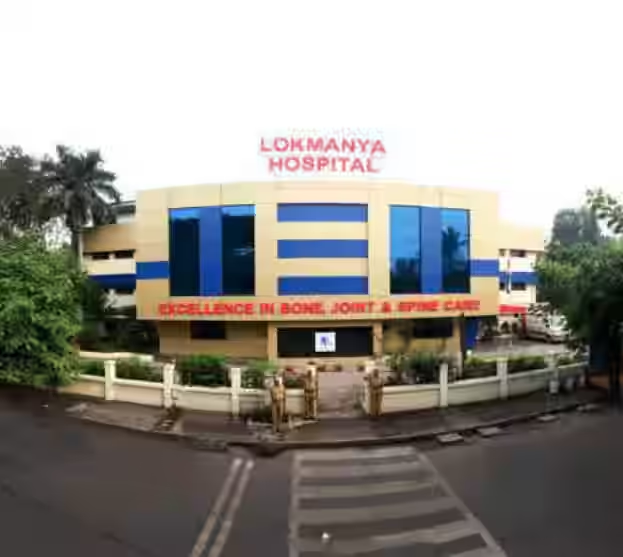
Lokmanya Hospitals
Not Specified

White Lotus Hospital
766, SFS 3145, SFS Road, 7th Sector, HSR Layout, Bengaluru, Karnataka 560102, India
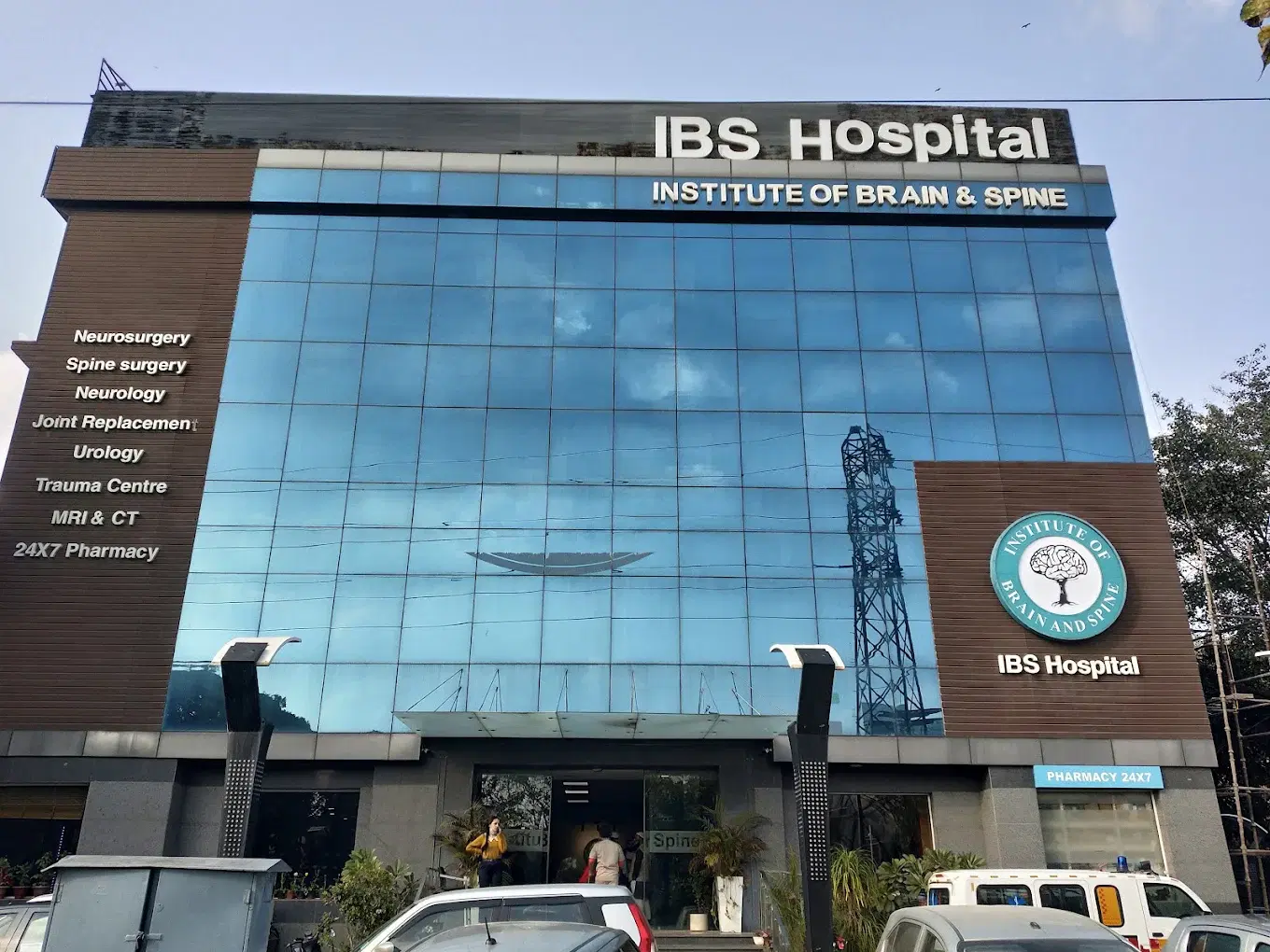
Institute of Brain and Spine (IBS Hospital)
Not Specified
How DivinHeal Helps
We simplify your medical journey by providing comprehensive support and access to world-class healthcare.
Expert Specialist Matching
Connecting you with the world's top-rated medical experts.
Accredited Hospital Network
Access to JCI & NABH certified healthcare facilities.
Complete Travel Coordination
Hassle-free visa, stay, and local transport assistance.
24/7 Personal Care
Dedicated patient advisors supporting you at every step.
Journey Guidance
Full guidance from start to end of the patient treatment journey.
Expert Specialist Matching
Connecting you with the world's top-rated medical experts.
Everything you
need to know today
Browse through these common inquiries to better understand our patient-focused medical platform.
Yes, we work with a variety of insurance providers. Contact our team to verify your coverage.
Yes, we provide secure online consultations with experienced specialists.
Our care coordinators help match you with the most suitable specialist.
Absolutely. Your medical information is protected according to healthcare privacy standards.
Look at six things: accreditation (JCI or NABH), specialty depth, doctor credentials and experience, procedure-specific success rates, international patient support, and technology. DivinHeal's AI-driven matching evaluates every hospital in our accredited partner network on these dimensions and shortlists the best-fit options for your condition, budget, and country.
JCI (Joint Commission International) is the US-based global gold standard for hospital quality, recognised worldwide. NABH is India's national accreditation — accredited by ISQua, the same body that accredits JCI. Both signal independently verified safety and quality. Most of India's leading hospitals hold both.
Yes. All three welcome international patients through structured medical visa programs. India is the most established, treating patients from Africa, the Middle East, and South Asia at 60–80% lower cost. Thailand leads in cosmetic and dental care. The UAE is emerging in oncology and reproductive medicine.
Most patients save 50–80% on treatment costs. Heart bypass costs US $7,000–9,000 in India compared to $70,000–150,000 in the US. IVF costs $3,000–4,500 compared to $12,000–20,000 in the UK. Even after flights, visa, and accommodation, total savings remain 60–70%.
DivinHeal manages your entire non-medical journey: visa invitation letters, medical visa guidance, doctor appointments, teleconsultations, airport pickup, hospital-vetted accommodation for you and your attendant, language interpreters, local transport, cuisine preferences, and post-treatment follow-up — one dedicated coordinator from first enquiry to final follow-up.
You need a valid passport (6+ months validity), a medical visa (M-Visa for India — DivinHeal provides the hospital invitation letter), return flight tickets, recent medical reports and a doctor's referral, current prescription list, and proof of financial means. Any accompanying attendant needs their own passport and MX-Visa.
Still have more questions?
Book a call with our friendly team to learn how DivineHeal simplifies your healthcare journey.