Andrology / Men's Sexual Health
5K+ International Patients Treated
40+ Source Countries Served
500+ Accredited Partner Hospitals
98% Patient Satisfaction
80% Average Savings vs USA
10K+ Doctors
NABH, JCI Accredited Hospitals
Free Treatment Plan
Free Consultation with Doctor
5+ Destinations Covered
About Andrology / Men's Sexual Health
Sources and Guidelines Referenced
This clinical guide integrates recommendations and evidence from major global urological and endocrine consensus statements: European Association of Urology Guidelines on Sexual and Reproductive Health (EAU 2023), American Urological Association Guideline on Erectile Dysfunction (AUA 2022), AUA/ASRM Guideline on Diagnosis and Treatment of Infertility in Men (2021), Endocrine Society Clinical Practice Guideline on Testosterone Therapy (2018), International Society for Sexual Medicine Guidelines (ISSM 2021), and World Health Organization Laboratory Manual for the Examination and Processing of Human Semen (6th Edition, 2021).
Andrology and Men's Sexual Health: A Comprehensive Patient Guide
1. Definition and Medical Identity
Andrology is the specialized branch of medicine focused on male reproductive and sexual health. It serves as the direct biological counterpart to gynecology. The field addresses vascular, endocrine, anatomical, and neurogenic disorders affecting male sexual function and reproductive capacity. Primary conditions managed include erectile dysfunction, male hypogonadism, Peyronie's disease, and male factor infertility.
2. The Underlying Condition or Need
Men's sexual health disorders stem from structural, chemical, or vascular abnormalities in the body. Vascular disease can impair blood delivery to erectile tissues, preventing normal rigidity. Endocrine disorders, such as primary or secondary testicular failure, reduce serum testosterone levels and disrupt spermatogenesis. Anatomical abnormalities, including fibrous plaque deposition in the tunica albuginea, alter penile geometry during erection. If left untreated, progressive microvascular damage, tissue fibrosis, and persistent hormone deficiencies can permanently impair sexual function and metabolic health.
3. How the Treatment Works — Mechanism
Andrological therapies target specific cellular and tissue mechanisms to restore normal function. Phosphodiesterase type 5 (PDE5) inhibitors block the breakdown of cyclic guanosine monophosphate (cGMP) in smooth muscle cells lining cavernosal blood vessels. This enhances nitric oxide-mediated vasodilation, increasing blood flow during sexual arousal. Exogenous testosterone therapy restores circulating androgen levels, activating androgen receptors throughout muscle, bone, brain, and erectile tissue. Microsurgical procedures, such as varicocelectomy, reduce venous reflux in the testicular plexus, lowering scrotal temperature and clearing metabolic toxins to improve sperm development.
4. Types and Variations
Clinical management ranges from non-invasive pharmacological protocols to advanced surgical interventions. Clinicians choose protocols based on underlying etiology, severity, baseline health, and patient preferences.
| Treatment Category | Primary Modality | Target Indication | Primary Mechanism |
|---|---|---|---|
| Pharmacotherapy | PDE5 Inhibitors (Sildenafil, Tadalafil) | Erectile Dysfunction | cGMP breakdown blockade; enhances cavernosal arterial inflow |
| Hormone Replacement | Testosterone (Gels, Injections, Pellets) | Male Hypogonadism | Androgen receptor activation; restores baseline serum hormone levels |
| Intralesional Therapy | Collagenase Clostridium Histolyticum | Peyronie's Disease | Enzymatic degradation of fibrotic collagen plaques in tunica albuginea |
| Regenerative Therapy | Low-Intensity Shockwave Therapy (Li-ESWT) | Vasculogenic ED | Microtrauma-induced microvascular neovascularization |
| Microsurgery | Microsurgical Varicocelectomy / TESE | Male Infertility / Azoospermia | Venous ligation to eliminate reflux / direct testicular sperm retrieval |
| Prosthetic Surgery | Inflatable Penile Prosthesis (IPP) | Refractory ED | Mechanical expansion of hydraulic cylinders within corpora cavernosa |
5. Who the Treatment Is For — Indications
Andrological interventions are indicated for adult men presenting with documented clinical symptoms paired with objective diagnostic abnormalities. Specific indications include persistent inability to achieve erections suitable for intercourse, morning serum total testosterone levels consistently below 300 ng/dL (10.4 nmol/L) measured on two separate early-morning visits, abnormal semen analysis parameters based on WHO 2021 criteria, painful or obstructive penile curvature, and ejaculatory delay or absence. Diagnostic evaluation involves blood hormone testing, duplex ultrasonography, and specialized physical examinations.
6. Who the Treatment Is NOT For — Contraindications
Contraindications depend on the proposed therapeutic modality. Oral PDE5 inhibitors are strictly contraindicated in patients taking nitrate medications or soluble guanylate cyclase stimulators due to severe, potentially fatal hypotension. Testosterone therapy is contraindicated in men with active prostate cancer, breast cancer, uncontrolled erythrocytosis (hematocrit >54%), unmanaged severe congestive heart failure, or those actively desiring fertility (as exogenous testosterone suppresses LH and FSH, stopping sperm production). Surgical interventions are contraindicated in the presence of active systemic or local infections, uncontrolled diabetes, or unaddressed severe cardiovascular disease.
7. Alternatives and Clinical Comparison
When primary therapies are intolerable, contraindicated, or ineffective, alternative evidence-based modalities are evaluated.
| Treatment Method | Invasiveness | Key Advantage | Main Clinical Trade-off |
|---|---|---|---|
| PDE5 Inhibitors | Non-invasive (Oral) | High convenience; user-controlled timing | Requires intact vascular/nerve pathways; side effects (headache, flushing) |
| Intracavernosal Injections (Alprostadil) | Minimally Invasive (Local injection) | Bypasses nerve impairment; rapid onset | Risk of priapism and local penile fibrosis; injection discomfort |
| Vacuum Erection Device (VED) | Non-invasive (Mechanical) | Drug-free; no systemic side effects | Requires penile constriction ring; cold sensation, delayed ejaculation |
| Inflatable Penile Prosthesis | Surgical Implantation | Definitive solution; high patient satisfaction | Irreversible tissue alteration; surgical and device infection risks |
8. Pre-Treatment Phase
The pre-treatment phase begins with a clinical evaluation. Clinicians take a structured medical history using tools like the International Index of Erectile Function (IIEF-5) or the Aging Males' Symptoms (AMS) scale. Physical examination assesses secondary sexual characteristics, testicular volume using an orchidometer, peripheral vascular pulses, and penile plaque localization. Diagnostic testing includes early-morning total and free testosterone, prolactin, luteinizing hormone, lipid panels, and hemoglobin A1c. If vascular disease is suspected, penile duplex ultrasonography evaluates cavernous artery peak systolic velocity and end-diastolic velocity. Patients undergoing surgical or injectable procedures receive clear instructions on medication adjustments and hygiene prep.
baseline baseline baseline baseline baseline baseline9. The Procedure — Step-by-Step Clinical Detail
Because andrology encompasses multiple treatment paths, clinical management follows distinct procedural protocols depending on the chosen modality:
Protocol A: Exogenous Testosterone Therapy Initiation
After confirming hypogonadism across two morning blood draws, the patient is prescribed transdermal gel or intramuscular injections. Intramuscular injections are administered deep into the gluteal or deltoid muscle using aseptic technique. Baseline laboratory tests (hematocrit, PSA) are recorded prior to initiation.
Protocol B: Intracavernosal Injection (ICI) Training
Intracavernosal injections deliver vasoactive agents (such as alprostadil, papaverine, or phentolamine) directly into the erectile tissue. The first dose is titrated in a clinical setting by a medical specialist. The lateral shaft of the penis is cleansed with alcohol. A fine 27- to 30-gauge needle is inserted at a 90-degree angle into the corporal tissue at the 2 o'clock or 10 o'clock position, avoiding the dorsal neurovascular bundle and ventral urethra. The drug is injected slowly. Direct pressure is applied to the injection site for 3 to 5 minutes to prevent hematoma formation. The patient is monitored in the clinic to evaluate erectile response and ensure detumescence within normal limits.
Protocol C: Surgical Implantation of an Inflatable Penile Prosthesis (IPP)
Penile prosthetic surgery is performed under general or spinal anesthesia in an operating room. The surgical field is prepared with chlorhexidine-alcohol skin antisepsis. A small penoscrotal or infra-pubic incision is made. Tissue layers are dissected to expose the paired corporal bodies. Bilateral corporotomies are performed, and the internal erectile tissue is dilated using Hegar dilators. The length of each corporal cavern is measured precisely. Hydraulic cylinders are inserted into the corpora cavernosa. A fluid reservoir is placed in the space of Retzius or an ectopic subfascial location, and a inflation/deflation pump is secured in the scrotal sac. The components are connected, tested for functional mechanical inflation, and the surgical wounds are closed in anatomical layers with absorbable sutures.
10. Immediate Post-Procedure Period
For non-surgical medical therapies, patients can immediately resume daily routines. Patients starting injectable therapy are observed for 60 minutes after their first dose to check for proper erectile response and rule out prolonged erection. Following penile implant surgery, patients are monitored in a recovery unit for 4 to 24 hours. Pain is managed using multimodal analgesia, including local nerve blocks, non-steroidal anti-inflammatory drugs (NSAIDs), and short courses of oral opioids. Surgical drains, if placed, are removed within 24 hours. Patients are discharged once they meet criteria: stable vital signs, controlled pain, and successful spontaneous voiding.
11. Recovery — Short and Long Term
Short-term recovery after microsurgical varicocelectomy or penile prosthesis surgery includes 3 to 7 days of reduced activity, local ice application, and wearing a supportive scrotal athletic supporter. Light daily activities can be resumed after 48 hours, but heavy lifting (>10 kg), strenuous exercise, and swimming are restricted for 3 to 4 weeks. Patients who undergo prosthesis implantation begin device cycling (inflation and deflation training) under specialist supervision at 4 to 6 weeks post-surgery, at which point sexual intercourse may be resumed. Long-term follow-up for testosterone therapy involves repeat blood testing at 3, 6, and 12 months to monitor serum testosterone, hematocrit, lipid levels, and prostate-specific antigen (PSA).
12. Risks, Side Effects, and Complications
While modern andrological treatments are generally safe, potential risks vary by modality and must be carefully reviewed with patients before starting therapy.
| Severity Level | Common / Mild | Uncommon | Rare / Severe |
|---|---|---|---|
| Medical / Hormonal Therapies | Nasal congestion, headache, facial flushing, skin irritation at gel site | Erythrocytosis (elevated red blood cells), acne, gynecomastia, mild fluid retention | Priapism (erection lasting >4 hours), severe hepatic toxicity (with unapproved oral alkylated steroids) |
| Injectable Penile Therapies | Minor pain at injection site, small localized bruising | Penile fibrosis, nodule formation, temporary pain during erection | Severe priapism requiring emergency aspiration, cavernosal infection |
| Surgical Interventions | Scrotal swelling, mild incisional pain, mild bruising | Hematoma formation, superficial wound infection, transient urinary retention | Device infection requiring complete removal, erosion of hardware, mechanical pump failure |
A prolonged erection lasting longer than four hours (priapism) is a medical emergency. Ischemic priapism can cause irreversible corporal tissue necrosis and permanent erectile dysfunction within 12 to 24 hours. Immediate emergency evaluation is required to perform cavernosal blood aspiration and intracavernosal administration of alpha-adrenergic agonists such as phenylephrine (EAU 2023 Guidelines).
13. Lifestyle and Behavioural Considerations
Endothelial health directly impacts erectile function. Modifiable lifestyle factors heavily influence treatment success. Randomized clinical studies show that weight loss, adopting a Mediterranean diet, and performing 160 minutes of weekly aerobic exercise significantly improve erectile function scores (Esposito et al., 2010). Smoking cessation stops nicotine-induced vasoconstriction, protecting delicate microvascular networks. Reducing alcohol intake helps restore normal signal transmission between nerves and blood vessels during sexual response. Pelvic floor muscle training (PFMT) can strengthen the bulbocavernosus and ischiocavernosus muscles, helping improve ejaculatory control and support penile rigidity.
14. How Outcomes Are Measured
Treatment success in men's sexual health is assessed using validated patient-reported outcome measures and objective clinical assays. Erectile function is monitored with the 5-item International Index of Erectile Function (IIEF-5), where an increase of 4 points represents a clinically meaningful improvement. Endocrine therapy success is defined as restoring early-morning total testosterone levels to a normal range (350 to 750 ng/dL) alongside relief of hypogonadal symptoms. Outcomes for male infertility are measured using WHO 2021 semen analysis parameters, focusing on total sperm count, progressive motility, and normal sperm morphology. Surgical success for Peyronie's disease is defined as reducing penile curvature enough to allow comfortable, pain-free sexual intercourse.
15. Recent Advances and Current Standard of Care
The standard of care in andrology emphasizes evidence-based, multimodal treatment pathways. Over the past decade, low-intensity shockwave therapy (Li-ESWT) has emerged as an option for vasculogenic ED. It uses acoustic waves to stimulate localized microvascular growth. Intralesional injections of collagenase Clostridium histolyticum have provided a non-surgical option for reducing fibrous plaques in Peyronie's disease. Advanced microsurgical techniques for varicocelectomy and testicular sperm extraction (micro-TESE) have significantly improved sperm retrieval rates while minimizing damage to surrounding testicular tissue and blood vessels.
16. Common Myths and Misconceptions
Myth: Erectile dysfunction is an inevitable part of normal aging that cannot be treated.
Reality: While the prevalence of ED increases with age, it is caused by underlying vascular, hormonal, or neurological conditions that can be treated at any age (AUA 2022).
Myth: Testosterone therapy causes prostate cancer.
Reality: Extensive prospective studies show that testosterone therapy does not increase the risk of developing prostate cancer in men without pre-existing disease (Endocrine Society 2018 Guidelines).
Myth: Taking oral ED medications produces an immediate, automatic erection.
Reality: PDE5 inhibitors require natural sexual stimulation to trigger the release of nitric oxide; they do not cause automatic erections on their own.
Myth: Male infertility is rare and usually caused by female factors.
Reality: A male factor is solely responsible for or contributes to infertility in approximately 50% of couples struggling to conceive (WHO 2021).
Myth: Low testosterone is the only cause of low libido and erectile dysfunction.
Reality: Erectile dysfunction is most commonly caused by vascular disease. Low testosterone is only one of many potential metabolic, vascular, or psychological causes.
Myth: Penile implants reduce sensation and prevent ejaculation.
Reality: Penile prostheses are placed inside the internal erection chambers. They do not alter tactile skin sensation, nerve pathways responsible for orgasm, or ejaculatory function.
17. Frequently Asked Questions
What is the difference between a urologist and an andrologist?
A urologist manages surgical and medical conditions of the entire male and female urinary tract, as well as the male reproductive system. An andrologist is a urologist or endocrinologist who has completed advanced subspecialty training focused specifically on male sexual health, hormonal disorders, and male factor infertility.
How is low testosterone accurately diagnosed?
Diagnosis requires two separate total testosterone blood samples drawn between 8:00 AM and 10:00 AM, showing levels consistently below 300 ng/dL (10.4 nmol/L). These lab results must be accompanied by persistent clinical symptoms, such as fatigue, reduced libido, decreased muscle mass, or erectile changes (Endocrine Society 2018).
Are oral medications for erectile dysfunction safe for cardiac patients?
PDE5 inhibitors are generally safe for men with stable cardiovascular disease. However, they are strictly contraindicated in patients using nitrate medications or guanylate cyclase stimulators due to the risk of severe hypotension. Cardiac evaluation is recommended before starting treatment (Third Princeton Consensus).
Can varicocele repair improve fertility outcomes?
Yes. Microsurgical repair of a clinically palpable varicocele stops the reflux of warm venous blood into the scrotum. This improves sperm count, motility, and DNA integrity, significantly raising spontaneous pregnancy rates in subfertile couples (ASRM/AUA 2021).
How long does an inflatable penile prosthesis last?
Modern inflatable penile prostheses are durable medical devices. Clinical studies show that 80% to 90% of devices remain fully functional at 10 years post-implantation without requiring mechanical revision (AUA 2022 Guidelines).
What should I do if an injection or medication causes an erection lasting over 4 hours?
An erection lasting longer than 4 hours is a medical emergency called priapism. You should seek emergency medical care immediately to prevent permanent tissue damage and irreversible erectile dysfunction.
Does testosterone therapy impair male fertility?
Yes. Exogenous testosterone triggers negative feedback on the pituitary gland, stopping the release of LH and FSH. This halts internal sperm production. Men who wish to preserve their fertility should avoid testosterone therapy and discuss alternative treatments, such as human chorionic gonadotropin (hCG) or selective estrogen receptor modulators (SERMs), with their specialist.
How does diabetes affect male sexual health?
Uncontrolled diabetes damages delicate blood vessels and peripheral nerves, reducing blood flow and nerve signals to erectile tissues. Diabetic men often develop erectile dysfunction earlier and may require step-up therapeutic interventions, such as intracavernosal injections or penile prostheses, if oral medications prove insufficient.
What is Peyronie's disease and can it be cured without surgery?
Peyronie's disease is a connective tissue condition where fibrous plaque forms within the tunica albuginea, causing curved or painful erections. Non-surgical options during the early active phase include intralesional collagenase injections, traction therapy, or oral anti-inflammatory medications to stabilize plaque progression before considering reconstructive surgery.
How often should semen analysis be performed during male infertility evaluation?
Guidelines recommend performing at least two separate semen analyses spaced 2 to 4 weeks apart, following an ejaculatory abstinence period of 2 to 7 days, to account for natural variations in sperm parameters (WHO 2021 Laboratory Manual).
Can pelvic floor physical therapy help with sexual dysfunction?
Yes. Directed pelvic floor muscle therapy strengthens the pelvic floor musculature, helping improve ejaculatory control in men with premature ejaculation and supporting venous retention during erections in men with mild venous leak ED.
What lifestyle change has the greatest positive impact on erectile function?
Regular aerobic exercise combined with weight loss in overweight men yields significant improvements in vascular endothelial function, natural testosterone production, and erectile function scores (Esposito et al., 2010).
Booking With DIVINHEAL
Get a free consultation to understand your treatment options
Cost Calculator
I know my treatment — show me cost from 3 hospitals
Plan My Journey
Tell us your condition and budget — our AI matches the right destination, hospital and doctor and visa pathway
Recommended Article

Best In Vitro Fertilization (IVF) Doctors in Hyderabad
Doctors for Nephrology: Find Kidney Care Specialists
Doctors in Chennai: Find Medical Specialists in India
Best Embryo Freezing Hospitals in Hyderabad: Care Guide
Hospitals for reproductive surgery: Compare options
Hospitals in Gurugram: Guide to Quality Facilities
IVF Treatment in Haryana | Cost, Hospitals & Doctors
TAVR (Transcatheter Aortic Valve Replacement) cost in New Delhi
Tonsillectomy & Adenoidectomy Success Rate in Mumbai
Facelift & Anti-Aging Procedures in Chennai for Ethiopia Patients | Cost, Hospitals
Booking With DIVINHEAL
Get a free consultation to understand your treatment options
Cost Calculator
I know my treatment — show me cost from 3 hospitals
Plan My Journey
Tell us your condition and budget — our AI matches the right destination, hospital and doctor and visa pathway
Recommended Article
Best In Vitro Fertilization (IVF) Doctors in Hyderabad
Doctors for Nephrology: Find Kidney Care Specialists
Doctors in Chennai: Find Medical Specialists in India
Best Embryo Freezing Hospitals in Hyderabad: Care Guide
Hospitals for reproductive surgery: Compare options
Hospitals in Gurugram: Guide to Quality Facilities
IVF Treatment in Haryana | Cost, Hospitals & Doctors
TAVR (Transcatheter Aortic Valve Replacement) cost in New Delhi
Tonsillectomy & Adenoidectomy Success Rate in Mumbai
Facelift & Anti-Aging Procedures in Chennai for Ethiopia Patients | Cost, Hospitals
Our Speciality and Treatments
Genetic Disorder Diagnosis & Counselling
Pediatric Laparoscopic Surgery
Pediatric Kidney Transplant
Pediatric Cardiac Surgery
Down Syndrome Comprehensive Care
Vaccination Program
Newborn Care Package
Pediatric Intensive Care (PICU)
Pediatric Urology (incl. Hypospadias)
Pediatric Orthopedics
Pediatric Gastroenterology
Pediatric Pulmonology
Pediatric Endocrinology
Pediatric Cardiology (non-surgical)
Pediatric Oncology
Neonatal Intensive Care (NICU)
pediatric neurosurgery
Meet Our Medical Specialists




Sr. Consultant - Urology & Kidney Transplant Program (Unit I)
Dr. Abhinandan Mukhopadhyay
MBBS, MD
India

Sr. Consultant - Urology & Kidney Transplant Program (Unit I)
Dr. Abhinandan Mukhopadhyay
MBBS, MD
India
Hospitals
NABH & JCI Accredited Hospitals in India,Turkey, Thailand & UAE.
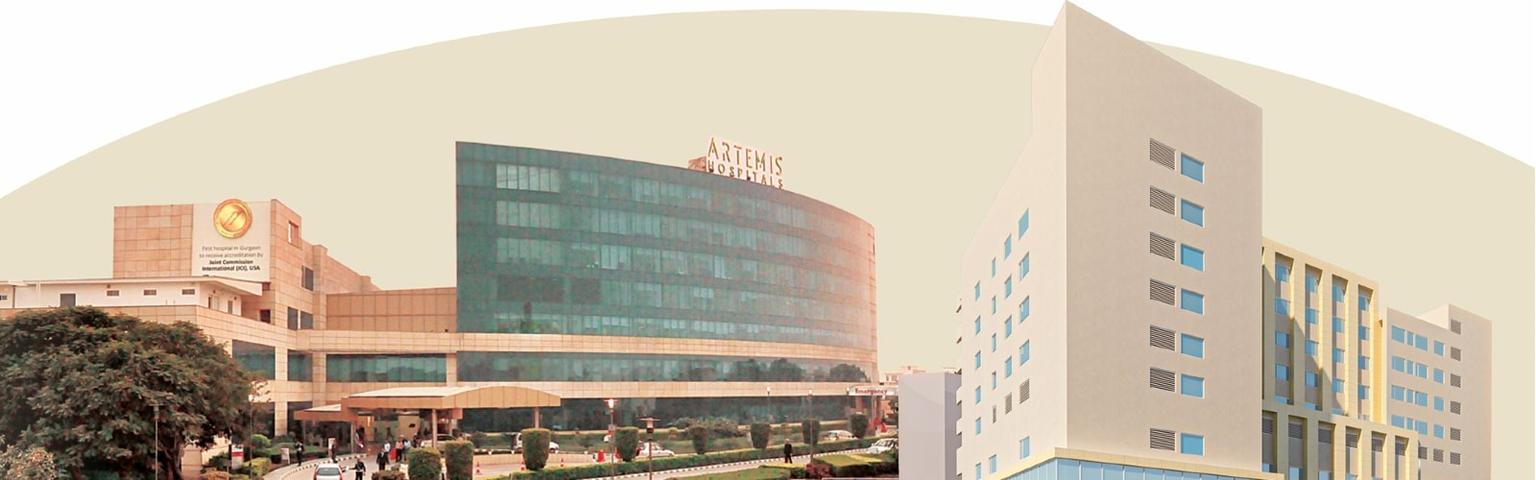
Artemis Hospital
Sector 51, Gurugram, Haryana, India
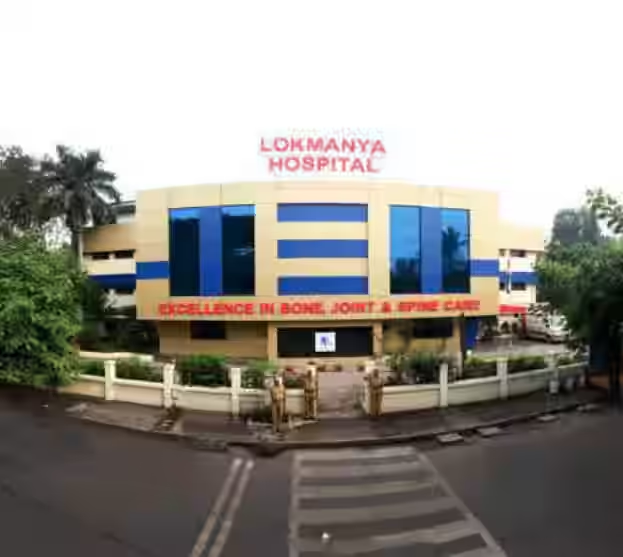
Lokmanya Hospitals
Not Specified

White Lotus Hospital
766, SFS 3145, SFS Road, 7th Sector, HSR Layout, Bengaluru, Karnataka 560102, India
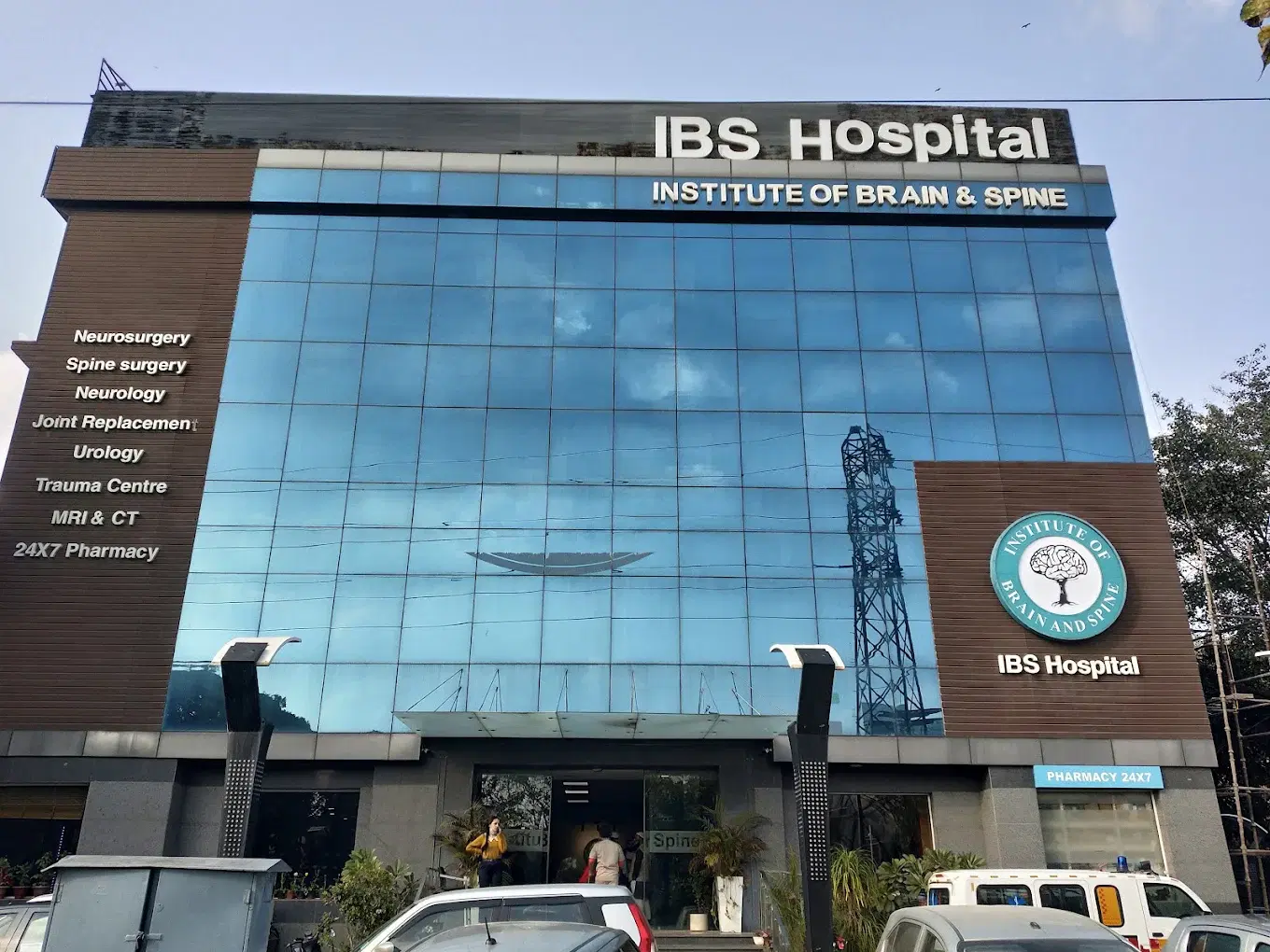
Institute of Brain and Spine (IBS Hospital)
Not Specified
How DivinHeal Helps
We simplify your medical journey by providing comprehensive support and access to world-class healthcare.
Expert Specialist Matching
Connecting you with the world's top-rated medical experts.
Accredited Hospital Network
Access to JCI & NABH certified healthcare facilities.
Complete Travel Coordination
Hassle-free visa, stay, and local transport assistance.
24/7 Personal Care
Dedicated patient advisors supporting you at every step.
Journey Guidance
Full guidance from start to end of the patient treatment journey.
Expert Specialist Matching
Connecting you with the world's top-rated medical experts.
Everything you
need to know today
Browse through these common inquiries to better understand our patient-focused medical platform.
Yes, we work with a variety of insurance providers. Contact our team to verify your coverage.
Yes, we provide secure online consultations with experienced specialists.
Our care coordinators help match you with the most suitable specialist.
Absolutely. Your medical information is protected according to healthcare privacy standards.
Look at six things: accreditation (JCI or NABH), specialty depth, doctor credentials and experience, procedure-specific success rates, international patient support, and technology. DivinHeal's AI-driven matching evaluates every hospital in our accredited partner network on these dimensions and shortlists the best-fit options for your condition, budget, and country.
JCI (Joint Commission International) is the US-based global gold standard for hospital quality, recognised worldwide. NABH is India's national accreditation — accredited by ISQua, the same body that accredits JCI. Both signal independently verified safety and quality. Most of India's leading hospitals hold both.
Yes. All three welcome international patients through structured medical visa programs. India is the most established, treating patients from Africa, the Middle East, and South Asia at 60–80% lower cost. Thailand leads in cosmetic and dental care. The UAE is emerging in oncology and reproductive medicine.
Most patients save 50–80% on treatment costs. Heart bypass costs US $7,000–9,000 in India compared to $70,000–150,000 in the US. IVF costs $3,000–4,500 compared to $12,000–20,000 in the UK. Even after flights, visa, and accommodation, total savings remain 60–70%.
DivinHeal manages your entire non-medical journey: visa invitation letters, medical visa guidance, doctor appointments, teleconsultations, airport pickup, hospital-vetted accommodation for you and your attendant, language interpreters, local transport, cuisine preferences, and post-treatment follow-up — one dedicated coordinator from first enquiry to final follow-up.
You need a valid passport (6+ months validity), a medical visa (M-Visa for India — DivinHeal provides the hospital invitation letter), return flight tickets, recent medical reports and a doctor's referral, current prescription list, and proof of financial means. Any accompanying attendant needs their own passport and MX-Visa.
Still have more questions?
Book a call with our friendly team to learn how DivineHeal simplifies your healthcare journey.