Biologics Infusion Program
5K+ International Patients Treated
40+ Source Countries Served
500+ Accredited Partner Hospitals
98% Patient Satisfaction
80% Average Savings vs USA
10K+ Doctors
NABH, JCI Accredited Hospitals
Free Treatment Plan
Free Consultation with Doctor
5+ Destinations Covered
About Biologics Infusion Program
Sources and Guidelines Referenced
This evidence-based clinical guide incorporates recommendations and consensus data from key governing medical organizations and peer-reviewed studies: American College of Rheumatology (ACR 2021 Guidelines for RA; ACR 2023 Guidelines for PsA), American Gastroenterological Association (AGA 2023 Clinical Practice Guidelines for IBD), European Alliance of Associations for Rheumatology (EULAR 2023 Recommendations), National Institute for Health and Care Excellence (NICE NG198 and TA329), American Academy of Dermatology (AAD 2020 Psoriasis Guidelines), Centers for Disease Control and Prevention (CDC 2023 Immunization Standards for Immunosuppressed Patients), Singh et al. (Cochrane Systematic Review, 2020), Rubin et al. (Gastroenterology, 2022), and Weinblatt et al. (New England Journal of Medicine, 2021).
Biologics Infusion Program: A Comprehensive Patient Guide
1. Definition and Medical Identity
A biologics infusion program is a structured medical treatment regimen delivering therapeutic proteins via intravenous infusion (IV administration directly into a vein). These targeted therapies treat severe inflammatory and autoimmune diseases. The primary goal is achieving clinical remission, halting structural tissue destruction, and restoring patient function under clinical supervision.
Biologic agents—often termed monoclonal antibodies (genetically engineered therapeutic proteins) or receptor fusion proteins—are manufactured using living cell cultures. Unlike conventional synthetic drugs, their complex molecular structures require precise intravenous delivery. This ensures optimal drug concentrations in the blood while minimizing variation in absorption.
2. The Underlying Condition or Need
Autoimmune and chronic inflammatory diseases occur when the immune system mistakenly attacks healthy host tissues. Key inflammatory mediators recruit immune cells to target organ sites. This causes persistent inflammation, tissue erosion, and loss of organ function across various systems.
In conditions like rheumatoid arthritis, inflammatory cytokines destroy articular cartilage and subchondral bone. In Crohn's disease and ulcerative colitis, transmural or mucosal inflammation leads to deep ulcerations, strictures, and fistulae. Left untreated, chronic autoimmune inflammation causes irreversible structural damage, progressive disability, and severe systemic complications. A biologics infusion program targets these underlying biological pathways to alter disease progression when standard oral treatments fail.
3. How the Treatment Works — Mechanism
Biologic therapies block specific molecular pathways that drive cellular inflammation. Rather than broadly suppressing the whole immune system, each biologic agent targets a designated molecule, cellular receptor, or signaling cascade involved in the disease process.
For example, tumor necrosis factor-alpha (TNF-alpha) inhibitors bind soluble and membrane-bound TNF cytokines. This prevents them from attaching to cell receptors and triggering downstream inflammatory cascades. Other biologics target specific interleukins—such as IL-6, IL-12, IL-23, or IL-17—to disrupt T-helper cell signaling pathways. B-cell depleting agents bind to the CD20 antigen on circulating B lymphocytes, causing targeted cell clearance. Integrin antagonists block leukocyte adhesion molecules, preventing inflammatory cells from moving into gut mucosa or central nervous tissues.
4. Types and Variations
Biologic infusion therapies are classified by their cellular target and mechanism of action. The choice of agent depends on the patient's primary diagnosis, prior treatment history, organ function, and comorbid health conditions.
| Biologic Class | Target Molecule / Mechanism | Typical Infusion Duration | Standard Administration Frequency | Representative Indications |
|---|---|---|---|---|
| Anti-TNF Agents | Binds and neutralizes soluble/membrane TNF-alpha | 1 to 2 hours | Every 4 to 8 weeks (after induction) | Rheumatoid Arthritis, Crohn's, Ulcerative Colitis, Ankylosing Spondylitis |
| Anti-CD20 Monoclonal Antibodies | Selective depletion of CD20+ B lymphocytes | 3 to 4 hours | Two doses 2 weeks apart every 6 months | Rheumatoid Arthritis, Granulomatosis with Polyangiitis, Multiple Sclerosis |
| Interleukin Inhibitors (IL-6, IL-17, IL-23) | Blocks specific inflammatory interleukin receptors | 1 hour | Every 4 weeks | Rheumatoid Arthritis, Psoriatic Arthritis, Severe Plaque Psoriasis |
| Integrin Receptor Antagonists | Inhibits gut-selective leukocyte extravasation | 30 minutes | Every 8 weeks (after induction) | Crohn's Disease, Ulcerative Colitis |
5. Who the Treatment Is For — Indications
A biologics infusion program is indicated for adult and pediatric patients diagnosed with moderate-to-severe autoimmune or inflammatory conditions. These therapies are generally prescribed when patients have an inadequate response, loss of response, or intolerance to conventional oral treatments.
Clinical selection depends on verified objective markers of active disease. These markers include elevated C-reactive protein (CRP) or erythrocyte sedimentation rate (ESR), characteristic endoscopic ulcerations, or radiographic evidence of joint erosion. Candidate selection follows disease-specific diagnostic algorithms established by governing medical societies, such as ACR and AGA guidelines.
6. Who the Treatment Is NOT For — Contraindications
Biologic infusion therapy requires strict evaluation of clinical contraindications to prevent severe treatment-related adverse events. Absolute and relative contraindications must be thoroughly evaluated before starting treatment.
- Active Serious Infections: Current systemic sepsis, active tuberculosis, untreated fungal infections, or active herpes zoster.
- Untreated Latent Infections: Latent tuberculosis or active hepatitis B infection without co-administered antiviral prophylaxis.
- Severe Heart Failure: New York Heart Association (NYHA) Class III or IV congestive heart failure (specifically contraindicates anti-TNF biologics).
- Demyelinating Disorders: History or diagnosis of multiple sclerosis or optic neuritis (relative contraindication for anti-TNF agents).
- Recent Malignancy: Uncontrolled or recently diagnosed malignancies (evaluated on an individual basis with an oncologist).
- Known Hypersensitivity: Severe anaphylactic reactions to the specific biologic molecule or any of its excipients.
7. Alternatives and Clinical Comparison
Patients evaluating an infusion program have several medical alternatives, depending on their specific condition, disease severity, and personal preferences. Alternatives include oral small-molecule drugs, subcutaneous biologic injections, conventional immunosuppressants, and systemic steroids.
| Therapeutic Option | Mechanism of Action | Administration Route | Dosing Frequency | Clinical Trade-offs |
|---|---|---|---|---|
| Infusion Biologics | Targeted extracellular protein neutralization | Intravenous (In-Clinic) | Every 2 to 8 weeks | High systemic bioavailability; requires clinic visits; supervised administration. |
| Subcutaneous Biologics | Targeted extracellular protein neutralization | Subcutaneous Self-Injection | Weekly to monthly | At-home convenience; self-administration required; minor local injection reactions. |
| Targeted Oral Small Molecules (JAK Inhibitors) | Intracellular enzymatic signal inhibition | Oral (Tablet) | Once or twice daily | No injections needed; different adverse event profile; rapid drug clearance. |
| Conventional DMARDs | Broad intracellular metabolic disruption | Oral or Intramuscular | Daily to weekly | Long clinical track record; broad action; requires frequent lab safety checks. |
8. Pre-Treatment Phase
The pre-treatment phase ensures patient safety and establishes baseline clinical values before starting biologic infusions. Initial evaluation includes a complete medical history, physical examination, and review of past immunosuppressive treatments.
Diagnostic screening requires testing for latent tuberculosis using an interferon-gamma release assay blood test or tuberculin skin test. Serological testing screens for hepatitis B surface antigen, hepatitis B core antibody, and hepatitis C antibodies. A complete blood count, baseline liver enzyme panel, and serum creatinine test evaluate overall organ function. Live vaccines (such as MMR or varicella) must be completed at least 4 weeks before starting therapy. Patients should drink plenty of fluids the day before their appointment to improve venous access.
9. The Procedure — Step-by-Step Clinical Detail
Biologic infusions are performed in an outpatient clinic designed for continuous monitoring. The end-to-end clinical protocol follows standard safety measures:
- Patient Arrival & Screening: The nursing staff confirms the patient's identity, reviews recent health changes, and checks for signs of active infection or fever.
- Baseline Vital Signs: Blood pressure, heart rate, body temperature, respiratory rate, and oxygen saturation are recorded.
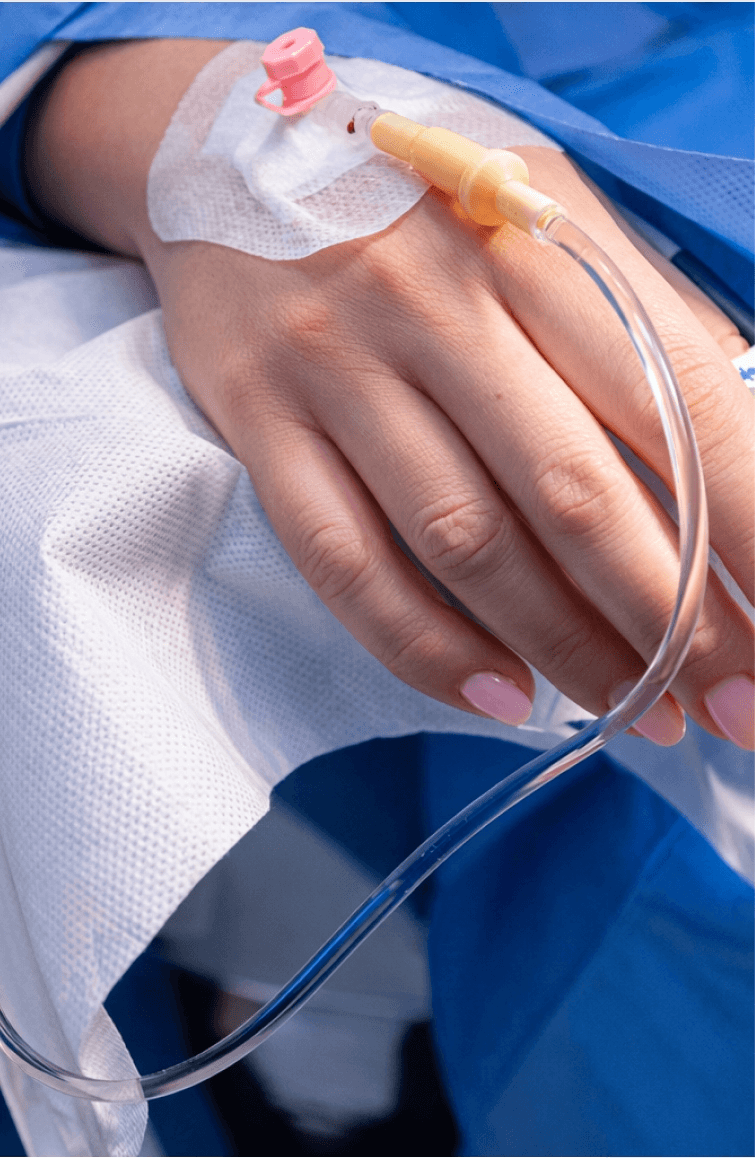
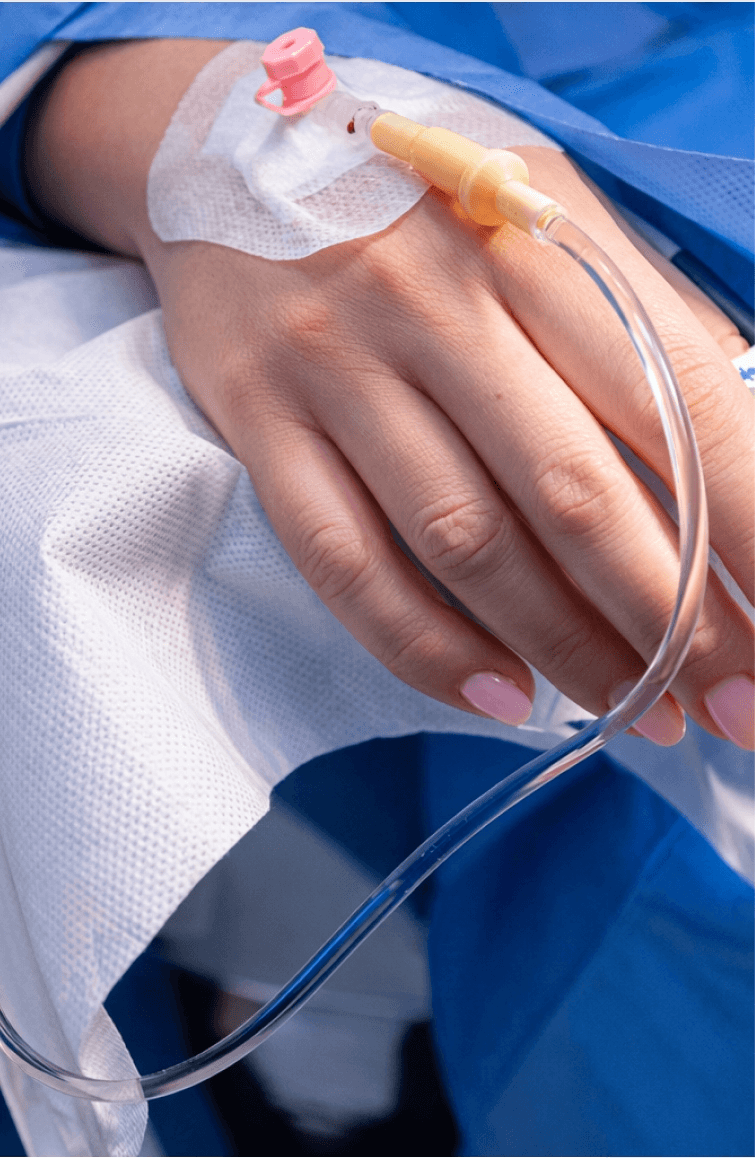
- Vascular Access: A peripheral intravenous catheter is inserted into a forearm or hand vein using standard sterile technique.
- Pre-medication Administration: If prescribed, pre-medications (such as oral acetaminophen, IV diphenhydramine, or low-dose methylprednisolone) are administered 30 to 60 minutes before the infusion to reduce hypersensitivity risks.
- Infusion Setup & Escalation: The biologic agent is diluted in standard saline, attached to an automated infusion pump, and started at a slow, controlled flow rate.
- Serial Monitoring: Vital signs and clinical assessments are completed every 15 to 30 minutes. If tolerated, the infusion rate is gradually increased according to protocol.
- Completion and Flush: Upon complete delivery of the drug, the intravenous tubing is flushed with sterile solution to deliver the full medication dose.
- Post-Infusion Observation: The patient remains seated in the clinic for 30 to 60 minutes to monitor for delayed adverse reactions before IV removal and discharge.
10. Immediate Post-Procedure Period
Following the post-infusion observation period, the IV catheter is removed and a sterile dressing is applied. Patients are clear to leave the clinic if their vital signs remain stable and no signs of hypersensitivity are present.
Patients can resume light daily activities immediately. Driving home independently is permitted unless sedating pre-medications (such as intravenous diphenhydramine) were administered, in which case a companion must drive. Minor site tenderness, mild transient fatigue, or a low-grade headache can occur during the first 24 hours. Patients receive clear written instructions on identifying potential late-onset adverse events.
11. Recovery — Short and Long Term
Recovery from an infusion session is typically rapid, but establishing full therapeutic benefit requires sustained adherence to the dosing schedule over several months.
During the first 1 to 4 weeks, short-term recovery focuses on monitoring for delayed hypersensitivity or acute infection symptoms. Initial clinical improvement—such as reduced joint morning stiffness or decreased stool frequency—often appears between weeks 2 and 6. Long-term therapeutic recovery is formally evaluated at 12 to 24 weeks using validated scoring tools, clinical imaging, laboratory acute-phase reactants, or endoscopic healing assessments. Maintenance infusions are scheduled regularly to sustain disease suppression.
12. Risks, Side Effects, and Complications
Biologic infusion therapies are generally well tolerated, but their immunomodulatory action carries known clinical risks. Side effects range from mild localized responses to severe systemic complications.
| Severity Level | Adverse Event / Complication | Estimated Frequency | Typical Onset Timing | Clinical Management Protocol |
|---|---|---|---|---|
| Mild / Common | Infusion site swelling, mild headache, flushing, nausea, fatigue | 5% to 15% | During or within 24 hours | Symptomatic care; rest; simple analgesics; self-limiting. |
| Moderate | Urticaria (hives), moderate pruritus, fever, rigors, mild dyspnea | 2% to 5% | During infusion | Temporarily stop infusion; administer IV antihistamines/corticosteroids. |
| Severe / Rare | Anaphylaxis, severe bronchospasm, severe hypotension, chest tightness | < 1% | Immediate (during infusion) | Stop infusion permanently; IM epinephrine; IV fluids; oxygen; emergency care. |
| Long-Term / Serious | Opportunistic infections, TB reactivation, secondary malignancy risk | 1% to 3% (overall cohort) | Months to years | Baseline screening; serial monitoring; temporary or permanent drug cessation. |
Severe warning signs requiring urgent medical care include high fever, chills, severe shortness of breath, persistent cough, localized redness or swelling on the body, unhealed skin ulcers, or sudden weakness.
13. Lifestyle and Behavioural Considerations
Patients participating in a long-term biologics infusion program can optimize outcomes by following evidence-based lifestyle modifications. Proper infection prevention practices are essential given the mild-to-moderate systemic immunosuppression caused by these medications.
Patients should practice meticulous hand hygiene, avoid close contact with individuals with active contagious infections, and keep up with non-live annual vaccinations (such as inactivated influenza and updated COVID-19 vaccines) as recommended by CDC 2023 guidelines. Maintaining routine dental care helps prevent localized oral infections. Patients should eat a balanced, nutrient-dense diet and stay well hydrated. Smoking cessation is strongly recommended, as active tobacco use reduces the clinical effectiveness of anti-TNF biologic agents in conditions like rheumatoid arthritis and Crohn's disease.
14. How Outcomes Are Measured
Clinical response to biologic infusion therapy is evaluated using standardized objective scoring systems, biochemical markers, and patient-reported outcome measures validated by clinical societies.
In rheumatology, response is measured using the Disease Activity Score 28 (DAS28) or Clinical Disease Activity Index (CDAI). Key indicators include reduced swollen joint counts, lower tender joint counts, and normalized CRP or ESR levels. In gastroenterology, response is assessed using the Crohn's Disease Activity Index (CDAI) or Mayo Score for ulcerative colitis, along with objective markers like normal fecal calprotectin levels and endoscopic mucosal healing. If a patient experiences a loss of response over time, clinicians test serum drug trough levels and check for anti-drug antibodies to adjust the dose or switch to a different biologic class.
15. Recent Advances and Current Standard of Care
Over the past decade, biologic therapy has advanced through improved therapeutic drug monitoring, broader availability of high-quality biosimilars, and targeted biological agents with refined mechanisms of action.
Therapeutic Drug Monitoring (TDM): Proactive and reactive TDM measures serum trough levels and anti-drug antibody titers. This data helps clinicians customize drug dosing for individual patients, improving treatment response rates (Rubin et al., 2022).
Biosimilar Therapeutics: The introduction of regulatory-approved biosimilars—biologic products highly similar to reference biologics with no clinically meaningful differences in safety or potency—has expanded access to advanced biologic care while maintaining strict standard-of-care guidelines (NICE TA329).
16. Common Myths and Misconceptions
Myth: Biologic infusions completely destroy the human immune system, leaving patients defenseless against all infections.
Reality: Biologics target specific inflammatory pathways or immune cells rather than causing total immune ablation. While they increase the risk of certain infections, overall immune defense against common pathogens remains largely functional.
Myth: If one biologic drug stops working, all other biologic therapies will fail.
Reality: Biologic agents target different biological pathways. Failing an anti-TNF medication does not mean an IL-6, IL-23, or B-cell depleting agent will be ineffective (ACR 2021).
Myth: Biologic infusions cause rapid hair loss and severe nausea similar to traditional cancer chemotherapy.
Reality: Biologics are targeted protein therapies, not cytotoxic chemotherapy agents. They do not cause widespread destruction of rapidly dividing healthy cells, so diffuse alopecia and severe acute emesis are rare.
Myth: Pre-treatment infection screening is unnecessary if a patient currently feels healthy.
Reality: Latent infections like tuberculosis or hepatitis B can remain completely asymptomatic for years. Immuno-suppressive therapy can trigger dangerous reactivation, making baseline screening mandatory before starting treatment.
Myth: Biosimilar biologic infusions are lower quality and less effective than original brand-name biologics.
Reality: Regulatory agencies, including the FDA and EMA, enforce rigorous comparative testing. Biosimilars must demonstrate equivalent safety, structural purity, and clinical efficacy to their reference products before approval.
Myth: Once symptoms resolve completely, biologic infusions can be stopped immediately without doctor supervision.
Reality: Abruptly stopping biologic therapy frequently leads to severe disease flares. It also increases the risk of developing anti-drug antibodies, which can render the medication permanently ineffective if restarted later.
17. Frequently Asked Questions
What is a biologics infusion program?
A biologics infusion program is a structured clinical protocol for delivering targeted protein therapies directly into a patient's bloodstream via an intravenous drip. Performed in a specialized outpatient setting, the program treats moderate-to-severe autoimmune and inflammatory diseases under continuous medical supervision.
How does a biologic infusion work inside the body?
Biologic medications consist of monoclonal antibodies or receptor proteins engineered to target specific inflammatory cytokines or cellular receptors. By neutralizing key mediators like TNF-alpha or interleukins, biologics stop the inflammatory signaling cascade that causes tissue damage and chronic pain in autoimmune conditions.
How long does a typical biologic infusion session take?
An infusion session usually lasts between 30 minutes and 4 hours, depending on the specific drug, prescribed dose, and protocol speed. Additional time is set aside for pre-infusion health checks, IV insertion, pre-medication administration, and post-infusion observation.
What pre-treatment testing is required before starting biologic infusions?
Before starting therapy, patients undergo baseline screening for latent tuberculosis (via IGRA blood test or skin test), hepatitis B and C serologies, complete blood counts, and renal and liver function panels. This workup verifies patient safety and identifies hidden infection risks prior to initiating immunosuppression.
How quickly will I feel relief after starting biologic infusions?
Symptom improvement timelines vary by condition and medication. Some patients notice reduced pain or systemic inflammation within 2 to 4 weeks of their initial induction doses, while full clinical benefits and tissue healing typically develop over 12 to 24 weeks of consistent therapy.
What is the difference between IV biologic infusions and subcutaneous injections?
Intravenous (IV) biologics are delivered into a vein in a supervised clinical setting, allowing for precise weight-based dosing and clinical monitoring. Subcutaneous biologics are injected into fatty tissue under the skin, often self-administered at home using prefilled pens or syringes at higher frequencies.
Are biologic infusions safe during pregnancy or breastfeeding?
Biologic safety during pregnancy varies by medication class and specific drug structure. Certain full-length IgG antibodies cross the placenta during the third trimester, whereas un-conjugated fragments do not. Treatment decisions require individualized clinical assessment balancing maternal disease control against potential fetal drug exposure.
What are the signs of an acute infusion reaction?
Signs of an acute infusion reaction include sudden hives, cutaneous itching, facial flushing, fever, chills, tightness in the chest, shortness of breath, dizziness, or nausea. Clinical staff monitor vital signs closely to identify and treat these symptoms immediately if they occur.
Can I continue taking other medications while receiving biologic infusions?
Many patients take biologic infusions alongside non-biologic DMARDs (such as methotrexate) or targeted oral agents, as prescribed by their specialist. However, combining two different biologic therapies is strongly contraindicated due to a significantly increased risk of severe infection.
What happens if I miss or delay a scheduled biologic infusion?
Delaying an infusion can lower drug levels in your blood below therapeutic thresholds. This may cause disease symptoms to flare and increases the risk of your immune system developing anti-drug antibodies. If a session is missed, contact your clinical team promptly to reschedule.
Are biosimilar biologic infusions as safe and effective as original biologics?
Yes. Biosimilars undergo extensive structural, analytical, and clinical testing to confirm they have no clinically meaningful differences in safety, purity, or efficacy compared to the original reference biologic. They provide equivalent therapeutic benefits at validated standards of care.
How do clinicians monitor for long-term complications during treatment?
Care teams schedule routine follow-up visits every 3 to 6 months. Monitoring includes physical examinations, regular lab panels (complete blood counts, liver enzymes, inflammatory markers), periodic infection screenings, and ongoing health assessments to catch potential adverse effects early.
Can my body develop resistance to biologic infusion therapy?
Yes. The immune system can sometimes recognize a biologic agent as a foreign protein and produce neutralizing anti-drug antibodies (ADAs). These antibodies accelerate drug clearance from the body and lessen its clinical effect. Clinicians monitor drug trough levels to detect this issue early.
What lifestyle adjustments should I make while on biologic infusions?
Patients should practice regular hand hygiene, stay up to date on non-live vaccines, avoid unpasteurized foods or undercooked meats, avoid smoking, and report any early signs of infection to their care team right away. These steps help reduce infection risks during treatment.
Booking With DIVINHEAL
Get a free consultation to understand your treatment options
Cost Calculator
I know my treatment — show me cost from 3 hospitals
Plan My Journey
Tell us your condition and budget — our AI matches the right destination, hospital and doctor and visa pathway
Recommended Article

Best In Vitro Fertilization (IVF) Doctors in Hyderabad
Doctors for Nephrology: Find Kidney Care Specialists
Doctors in Chennai: Find Medical Specialists in India
Best Embryo Freezing Hospitals in Hyderabad: Care Guide
Hospitals for reproductive surgery: Compare options
Hospitals in Gurugram: Guide to Quality Facilities
IVF Treatment in Haryana | Cost, Hospitals & Doctors
TAVR (Transcatheter Aortic Valve Replacement) cost in New Delhi
Tonsillectomy & Adenoidectomy Success Rate in Mumbai
Facelift & Anti-Aging Procedures in Chennai for Ethiopia Patients | Cost, Hospitals
Booking With DIVINHEAL
Get a free consultation to understand your treatment options
Cost Calculator
I know my treatment — show me cost from 3 hospitals
Plan My Journey
Tell us your condition and budget — our AI matches the right destination, hospital and doctor and visa pathway
Recommended Article
Best In Vitro Fertilization (IVF) Doctors in Hyderabad
Doctors for Nephrology: Find Kidney Care Specialists
Doctors in Chennai: Find Medical Specialists in India
Best Embryo Freezing Hospitals in Hyderabad: Care Guide
Hospitals for reproductive surgery: Compare options
Hospitals in Gurugram: Guide to Quality Facilities
IVF Treatment in Haryana | Cost, Hospitals & Doctors
TAVR (Transcatheter Aortic Valve Replacement) cost in New Delhi
Tonsillectomy & Adenoidectomy Success Rate in Mumbai
Facelift & Anti-Aging Procedures in Chennai for Ethiopia Patients | Cost, Hospitals
Our Speciality and Treatments
Genetic Disorder Diagnosis & Counselling
Pediatric Laparoscopic Surgery
Pediatric Kidney Transplant
Pediatric Cardiac Surgery
Down Syndrome Comprehensive Care
Vaccination Program
Newborn Care Package
Pediatric Intensive Care (PICU)
Pediatric Urology (incl. Hypospadias)
Pediatric Orthopedics
Pediatric Gastroenterology
Pediatric Pulmonology
Pediatric Endocrinology
Pediatric Cardiology (non-surgical)
Pediatric Oncology
Neonatal Intensive Care (NICU)
pediatric neurosurgery




Meet Our Medical Specialists




Sr. Consultant - Urology & Kidney Transplant Program (Unit I)
Dr. Abhinandan Mukhopadhyay
MBBS, MD
India

Sr. Consultant - Urology & Kidney Transplant Program (Unit I)
Dr. Abhinandan Mukhopadhyay
MBBS, MD
India
Hospitals
NABH & JCI Accredited Hospitals in India,Turkey, Thailand & UAE.

Artemis Hospital
Sector 51, Gurugram, Haryana, India

Lokmanya Hospitals
Not Specified

White Lotus Hospital
766, SFS 3145, SFS Road, 7th Sector, HSR Layout, Bengaluru, Karnataka 560102, India

Institute of Brain and Spine (IBS Hospital)
Not Specified
How DivinHeal Helps
We simplify your medical journey by providing comprehensive support and access to world-class healthcare.
Expert Specialist Matching
Connecting you with the world's top-rated medical experts.
Accredited Hospital Network
Access to JCI & NABH certified healthcare facilities.
Complete Travel Coordination
Hassle-free visa, stay, and local transport assistance.
24/7 Personal Care
Dedicated patient advisors supporting you at every step.
Journey Guidance
Full guidance from start to end of the patient treatment journey.
Expert Specialist Matching
Connecting you with the world's top-rated medical experts.
Everything you
need to know today
Browse through these common inquiries to better understand our patient-focused medical platform.
Yes, we work with a variety of insurance providers. Contact our team to verify your coverage.
Yes, we provide secure online consultations with experienced specialists.
Our care coordinators help match you with the most suitable specialist.
Absolutely. Your medical information is protected according to healthcare privacy standards.
Look at six things: accreditation (JCI or NABH), specialty depth, doctor credentials and experience, procedure-specific success rates, international patient support, and technology. DivinHeal's AI-driven matching evaluates every hospital in our accredited partner network on these dimensions and shortlists the best-fit options for your condition, budget, and country.
JCI (Joint Commission International) is the US-based global gold standard for hospital quality, recognised worldwide. NABH is India's national accreditation — accredited by ISQua, the same body that accredits JCI. Both signal independently verified safety and quality. Most of India's leading hospitals hold both.
Yes. All three welcome international patients through structured medical visa programs. India is the most established, treating patients from Africa, the Middle East, and South Asia at 60–80% lower cost. Thailand leads in cosmetic and dental care. The UAE is emerging in oncology and reproductive medicine.
Most patients save 50–80% on treatment costs. Heart bypass costs US $7,000–9,000 in India compared to $70,000–150,000 in the US. IVF costs $3,000–4,500 compared to $12,000–20,000 in the UK. Even after flights, visa, and accommodation, total savings remain 60–70%.
DivinHeal manages your entire non-medical journey: visa invitation letters, medical visa guidance, doctor appointments, teleconsultations, airport pickup, hospital-vetted accommodation for you and your attendant, language interpreters, local transport, cuisine preferences, and post-treatment follow-up — one dedicated coordinator from first enquiry to final follow-up.
You need a valid passport (6+ months validity), a medical visa (M-Visa for India — DivinHeal provides the hospital invitation letter), return flight tickets, recent medical reports and a doctor's referral, current prescription list, and proof of financial means. Any accompanying attendant needs their own passport and MX-Visa.
Still have more questions?
Book a call with our friendly team to learn how DivineHeal simplifies your healthcare journey.