Bone Health & Osteoporosis
5K+ International Patients Treated
40+ Source Countries Served
500+ Accredited Partner Hospitals
98% Patient Satisfaction
80% Average Savings vs USA
10K+ Doctors
NABH, JCI Accredited Hospitals
Free Treatment Plan
Free Consultation with Doctor
5+ Destinations Covered
About Bone Health & Osteoporosis
Sources and Guidelines Referenced
This clinical guide is grounded in international medical consensus guidelines and peer-reviewed research: American Association of Clinical Endocrinologists and American College of Endocrinology (AACE/ACE 2020), Endocrine Society Clinical Practice Guidelines (2019/2020), Bone Health & Osteoporosis Foundation (BHOF 2022), International Osteoporosis Foundation (IOF 2021), National Institute for Health and Care Excellence (NICE NG191), American College of Physicians (ACP 2023), and major clinical trials including Black et al. (NEJM 2016, 2020) and Compston et al. (Osteoporosis Int 2017, 2020).
Bone Health & Osteoporosis: A Comprehensive Patient Guide
1. Definition and Medical Identity
Bone health management for osteoporosis is a systematic medical discipline focused on diagnosing, treating, and preventing metabolic bone loss. The condition is clinically defined as a systemic skeletal disease characterized by low bone density and microarchitectural deterioration. The therapeutic goal is restoring mechanical skeletal strength and reducing fragility fracture risk.
Metabolic bone care falls under the medical specialties of endocrinology, rheumatology, and geriatric medicine. Diagnostic classifications rely on bone mineral density (BMD) measurements using dual-energy X-ray absorptiometry (DXA). Medical goals include halting bone degradation, encouraging new mineral deposition, maintaining calcium balance, and preserving patient independence.
2. The Underlying Condition or Need
Osteoporosis is often termed a silent disease because skeletal loss occurs without outward symptoms until a fracture takes place. Bone tissue undergoes constant biological turnover. Under healthy conditions, bone resorption by osteoclasts is matched by bone formation by osteoblasts. When resorption outpaces formation, structural weakening occurs.
Untreated bone loss weakens the cancellous (spongy) internal network and thins the outer cortical shell. This leads to fragility fractures—fractures occurring from a fall from standing height or less, or routine movements like coughing or bending. Left unmanaged, repeated vertebral compression fractures cause loss of height, kyphosis (exaggerated upper back curvature), chronic pain, and severe restriction of lung capacity.
3. How the Treatment Works — Mechanism
Osteoporosis medical management uses target-specific pharmaceuticals to rebalance the bone remodeling cycle. Treatments fall into two primary biological categories: antiresorptive agents, which reduce osteoclast survival and activity, and anabolic agents, which directly stimulate osteoblasts to build new bone matrix.
Antiresorptive medications, such as bisphosphonates, bind strongly to bone mineral surfaces. During osteoclast resorption, the drug is ingested by the osteoclast, triggering programmed cell death (apoptosis). Biologic antiresorptives like denosumab target RANKL (receptor activator of nuclear factor kappa-B ligand), a protein key to osteoclast maturation. Anabolic therapies, such as recombinant parathyroid hormone analogs, stimulate osteoblast activity, producing rapid increases in bone density.
4. Types and Variations
Osteoporosis protocols are tailored to an individual's fracture risk level, bone density scores, medical comorbidities, and prior fracture history. Clinicians select from several distinct drug classes and administration schedules.
| Pharmacological Class | Key Drug Examples | Primary Mechanism | Administration Route | Typical Dosing Interval |
|---|---|---|---|---|
| Oral Bisphosphonates | Alendronate, Risedronate, Ibandronate | Inhibit osteoclast bone resorption | Oral tablet | Weekly or Monthly |
| Intravenous Bisphosphonates | Zoledronic Acid | Potent osteoclast inhibition | Intravenous infusion | Annually |
| RANKL Inhibitors | Denosumab | Blocks osteoclast maturation signal | Subcutaneous injection | Every 6 months |
| PTH Receptor Agonists (Anabolic) | Teriparatide, Abaloparatide | Stimulates osteoblastic bone formation | Subcutaneous injection | Daily for up to 2 years |
| Sclerostin Inhibitors (Dual-Action) | Romosozumab | Increases bone formation & reduces resorption | Subcutaneous injection | Monthly for 12 months |
| SERMs | Raloxifene | Selective estrogen receptor modulation | Oral tablet | Daily |
Clinicians evaluate baseline density, renal function, esophageal health, and fracture history to determine whether to initiate treatment with antiresorptive or anabolic protocols (AACE/ACE 2020).
5. Who the Treatment Is For — Indications
Pharmacological treatment for osteoporosis is indicated for postmenopausal women and men aged 50 and older who meet specific clinical diagnostic criteria established by major bone health consensus bodies (BHOF 2022, IOF 2021).
- DXA T-score: A T-score of -2.5 or lower at the lumbar spine, femoral neck, or total hip.
- Prior Fragility Fracture: History of a low-trauma hip or vertebral fracture, regardless of BMD.
- Osteopenia with High Fracture Risk: T-score between -1.0 and -2.5 with a 10-year probability of a major osteoporotic fracture ≥ 20% or hip fracture ≥ 3% based on the FRAX (Fracture Risk Assessment Tool) calculator.
- Glucocorticoid Therapy: Chronic systemic steroid treatment (prednisone ≥ 5 mg/day equivalent for ≥ 3 months).
6. Who the Treatment Is NOT For — Contraindications
Specific health conditions require withholding or altering bone health medication regimens to prevent severe adverse events.
- Uncorrected Hypocalcemia: Low serum calcium must be corrected before starting any potent antiresorptive or anabolic treatment.
- Severe Renal Impairment: Bisphosphonates are contraindicated if the estimated glomerular filtration rate (eGFR) falls below 30–35 mL/min.
- Esophageal Disorders: Strictures, achalasia, or inability to sit upright for 30–60 minutes prohibit oral bisphosphonate use.
- Prior Radiation Therapy to the Skeleton: History of skeletal radiation contraindicates parathyroid hormone analogs due to theoretical osteosarcoma risks (Endocrine Society 2019).
- History of Stroke or Cardiovascular Events: Romosozumab carries a black-box warning for patients with myocardial infarction or stroke within the preceding year.
7. Alternatives and Clinical Comparison
Non-pharmacological strategies form the groundwork of bone care but are insufficient alone for established osteoporosis. Clinicians evaluate how conservative approaches compare to active pharmaceutical interventions.
| Intervention Approach | Mechanism | Fracture Reduction Efficacy | Invasiveness | Clinical Role |
|---|---|---|---|---|
| Dietary Calcium & Vitamin D | Provides mineral substrate; supports calcium absorption | Low (as monotherapy) | Non-invasive | Essential baseline requirement for all patients |
| Weight-Bearing Exercise | Mechanical loading stimulates bone maintenance | Moderate (mainly via fall reduction) | Non-invasive | Core lifestyle therapy for prevention & management |
| Oral Bisphosphonates | Inhibits osteoclast activity | High (vertebral & non-vertebral) | Low (oral) | First-line therapy for moderate-to-high risk |
| Anabolic Therapy | Directly stimulates new bone formation | Very High (rapid BMD increases) | Moderate (daily injections) | First-line for severe/very high fracture risk |
8. Pre-Treatment Phase
Before beginning prescription osteoporosis therapy, clinicians conduct a diagnostic workup to confirm bone loss severity, rule out secondary conditions, and ensure patient safety.
Diagnostic imaging includes a standard DXA scan of the lumbar spine and hip, with additional Trabecular Bone Score (TBS) or Vertebral Fracture Assessment (VFA) imaging as needed. Laboratory testing measures serum calcium, albumin, phosphate, 25-hydroxyvitamin D, serum creatinine, and eGFR. Tests for secondary osteoporosis include parathyroid hormone, thyroid-stimulating hormone, serum protein electrophoresis, and 24-hour urinary calcium excretion. Patients planning potent antiresorptive therapy must complete dental exams and undergo necessary extractions prior to initiation.
9. The Procedure — Step-by-Step Clinical Detail
Osteoporosis management is a progressive outpatient care continuum involving precise medication administration, routine monitoring, and lifestyle integration.
- Risk Stratification: The physician reviews DXA scans, clinical history, laboratory results, and FRAX scores to categorize fracture risk as moderate, high, or very high.
- Prescription & Patient Education: Drug protocols are selected. For oral bisphosphonates, patients are instructed to take the tablet first thing in the morning with 8 ounces of plain water on an empty stomach, remaining upright for 30–60 minutes before taking food or other medications.
- Parenteral Administration: Intravenous zoledronic acid is administered in an infusion clinic over 15 to 30 minutes following pre-infusion hydration. Subcutaneous biologics (denosumab) are given in-clinic every six months, while anabolic agents (teriparatide, abaloparatide) are taught as daily self-injections.
- Baseline Supplementation: Patients maintain a daily intake of 1,000 to 1,200 mg of element calcium (diet plus supplement) and 800 to 2,000 IU of vitamin D3 to support mineralization.
10. Immediate Post-Procedure Period
Immediate management after starting or receiving bone medication focuses on monitoring short-term reactions and ensuring adherence to safety protocols.
Patients receiving annual intravenous bisphosphonate infusions may experience an acute-phase flu-like reaction (fever, body aches, headache) within 24 to 72 hours. This is managed with hydration and acetaminophen. Patients starting oral bisphosphonates are monitored for early gastrointestinal side effects such as reflux or stomach pain. After subcutaneous injections of denosumab or anabolic agents, patients are monitored briefly in clinic for acute allergic responses or transient dizziness.
11. Recovery — Short and Long Term
Recovery in bone health management refers to progressive skeletal re-mineralization, reduction of bone turnover, and long-term stabilization of bone mass over months and years.
Short-term monitoring involves repeating blood calcium and renal function tests 1 to 4 weeks after initiating parenteral therapy. Long-term monitoring requires repeat DXA scans every 12 to 24 months using the same machine to ensure precise comparability. Bone turnover markers, such as serum C-terminal telopeptide (CTX, a marker of resorption) and procollagen type 1 N-propeptide (P1NP, a marker of formation), may be checked at 3 to 6 months to evaluate early treatment response (IOF 2021).
12. Risks, Side Effects, and Complications
While bone health treatments significantly lower overall fracture risk, patients must understand potential adverse effects and safety considerations.
| Severity Level | Possible Complication / Side Effect | Frequency | Clinical Management Strategy |
|---|---|---|---|
| Common / Mild | Dyspepsia, esophageal reflux, abdominal distress | 10% – 15% (Oral) | Switch to IV bisphosphonates or subcutaneous agents |
| Common / Mild | Transient acute-phase reaction (flu-like symptoms) | 20% – 30% (IV first dose) | Pre- and post-infusion acetaminophen and hydration |
| Uncommon | Transient symptomatic hypocalcemia | 1% – 5% | Correct vitamin D and calcium deficits before therapy |
| Rare / Serious | Atypical Femoral Fracture (AFF) | < 1 per 1,000 patient-years | Limit bisphosphonate duration to 3–5 years; drug holidays |
| Rare / Serious | Osteonecrosis of the Jaw (ONJ) | 1 in 10,000 – 100,000 | Complete dental work before therapy; clear oral hygiene |
Atypical femoral fractures present as dull thigh or groin pain; patients should report these symptoms immediately. Osteonecrosis of the jaw involves exposed bone in the oral cavity that fails to heal after dental extractions. Maintaining strict dental care significantly lowers this risk (Compston et al., 2017).
13. Lifestyle and Behavioural Considerations
Pharmacological therapies require supportive lifestyle habits to build and preserve skeletal structure effectively.
- Targeted Exercise: Engaging in weight-bearing exercises (brisk walking, jogging, stair climbing) and progressive resistance training 3 to 4 times weekly stimulates bone mechanical signaling.
- Fall Prevention: Modifying home environments (removing trip hazards, improving lighting, adding bathroom grab bars) and practicing balance training (tai chi) reduces fall risks.
- Nutritional Support: Ensuring sufficient protein intake (1.0–1.2 g/kg body weight daily) alongside calcium-rich foods supports matrix synthesis.
- Substance Avoidance: Smoking cessation and limiting alcohol to no more than two standard drinks daily are essential, as both nicotine and excessive alcohol directly inhibit osteoblast function.
14. How Outcomes Are Measured
Clinical success in bone health management is defined as stable or increased bone mineral density, suppression of bone resorption markers, and the absence of new fragility fractures.
DXA scans measure outcome success by calculating percentage changes in bone density at the lumbar spine, total hip, and femoral neck. An increase or stability in density above the Least Significant Change (LSC, typically 2–5% depending on site) confirms therapeutic efficacy. Antiresorptive therapies typically increase spine BMD by 3–8% and hip BMD by 2–5% over 3 years, while anabolic agents can increase spine density by 9–13% over 18–24 months (Black et al., 2020). Treatment duration typically spans 3 to 5 years for bisphosphonates before evaluating a potential drug holiday.
15. Recent Advances and Current Standard of Care
The standard of care in osteoporosis management has shifted toward sequential treatment paradigms and highly targeted anabolic therapies for individuals at very high fracture risk.
Clinical guidelines from AACE/ACE (2020) and the Endocrine Society (2020) emphasize using anabolic agents (teriparatide, abaloparatide, or romosozumab) as initial therapy in patients with severe bone loss or recent fractures, followed immediately by antiresorptive maintenance with bisphosphonates or denosumab. This sequential approach maximizes bone mass gains first, then preserves structural improvements long-term. Advanced imaging tools like Trabecular Bone Score (TBS) now allow clinicians to evaluate microarchitectural quality alongside traditional density numbers.
16. Common Myths and Misconceptions
Myth: Osteoporosis is an inevitable part of aging that cannot be managed or prevented.
Reality: While bone density declines with age, targeted medical treatments, proper nutrition, and exercise can preserve skeletal strength and reduce fracture risk significantly (IOF 2021).
Myth: Taking calcium and vitamin D supplements alone is sufficient to cure osteoporosis.
Reality: Calcium and vitamin D provide basic raw materials for bone, but they cannot reverse established osteoporotic bone loss without active drug therapy (AACE/ACE 2020).
Myth: Bone density scans emit high amounts of radiation.
Reality: A standard DXA scan emits a tiny radiation dose—less than 1/10th of a standard chest X-ray and equivalent to normal background radiation exposure over a single day.
Myth: You should avoid exercise if you have osteoporosis to prevent fractures.
Reality: Targeted, low-impact, weight-bearing, and strength-building exercises strengthen bone, improve balance, and reduce fall risks when performed under proper guidance.
Myth: Osteoporosis affects only older postmenopausal women.
Reality: Men account for approximately 20% of osteoporosis cases, and secondary osteoporosis can affect younger adults taking long-term steroids or undergoing cancer care.
Myth: Bone density medications cause jaw decay in most patients.
Reality: Osteonecrosis of the jaw is extremely rare in osteoporosis treatment doses (1 in 10,000 to 1 in 100,000 patients). It is predominantly seen in high-dose oncology care (Compston et al., 2017).
17. Frequently Asked Questions
What is a DXA scan, and how does it measure bone density?
A dual-energy X-ray absorptiometry (DXA) scan is a quick, painless imaging test that uses low-dose X-rays to measure bone mineral content in your hip and spine. The results provide a T-score, comparing your density to that of a healthy young adult to determine if you have normal bone, osteopenia, or osteoporosis.
How do I know if I have osteoporosis if there are no early symptoms?
Because bone loss causes no pain, osteoporosis is usually diagnosed through screening DXA scans or after a low-impact fracture occurs. Adults over 65, postmenopausal women under 65 with risk factors, and anyone who breaks a bone after a minor fall should discuss diagnostic screening with their doctor.
What is the difference between osteopenia and osteoporosis?
Both terms describe lower-than-normal bone density. Osteopenia indicates mild bone loss (T-score between -1.0 and -2.5), representing an early warning phase. Osteoporosis reflects more advanced structural loss (T-score -2.5 or lower), carrying a significantly higher fracture risk that often warrants medical treatment.
How long do I need to take osteoporosis medications?
Treatment timelines vary by medication class. Oral bisphosphonates are typically taken for 5 years and intravenous bisphosphonates for 3 years, after which clinicians evaluate a temporary drug holiday. Anabolic agents are used for 12 to 24 months, followed immediately by consolidation therapy with an antiresorptive drug.
Are oral bisphosphonates hard on the stomach?
Oral bisphosphonates can cause esophageal irritation or heartburn if pill instructions are not followed carefully. Taking the medication with a full glass of plain water on an empty stomach and remaining upright for 30 to 60 minutes minimizes reflux. Patients with existing esophageal issues can receive intravenous options instead.
What is a bisphosphonate drug holiday?
A drug holiday is a planned, temporary interruption of bisphosphonate therapy after 3 to 5 years of treatment. Because bisphosphonates remain bound to bone matrix for years, protective effects persist while reducing long-term risks of rare complications like atypical femoral fractures (Endocrine Society 2019).
Can osteoporosis be reversed completely?
While osteoporosis cannot be fully turned back to young adult bone levels, targeted medications—especially anabolic therapies—can generate substantial increases in bone density and rebuild microarchitecture, significantly lowering fracture risk and restoring skeletal strength.
Why is vitamin D necessary alongside calcium supplements?
Vitamin D is essential for the active intestinal absorption of calcium. Without adequate vitamin D (serum levels ≥ 30 ng/mL), your body cannot efficiently absorb dietary calcium, triggering parathyroid hormone release that extracts calcium from your skeleton and causes progressive bone loss.
Can men develop osteoporosis?
Yes. One in five men over age 50 will experience an osteoporotic fracture. Male bone loss is often linked to aging, reduced testosterone levels, chronic corticosteroid use, excessive alcohol consumption, or underlying metabolic health conditions (IOF 2021).
What exercises are safest for someone with severe osteoporosis?
Safe exercises include brisk walking, stationary cycling, low-impact step routines, and targeted resistance training using light weights or resistance bands. Patients with severe spinal osteoporosis should avoid high-impact jumping, heavy lifting, and activities requiring deep forward spinal bending or twisting.
How does denosumab differ from bisphosphonates?
Denosumab is a targeted monoclonal antibody administered as a subcutaneous injection every six months. Unlike bisphosphonates, denosumab does not stay bound to bone matrix long-term. Stopping denosumab without transitioning to another therapy can cause rapid rebound bone loss, so adherence to injections is critical.
What dental precautions should I take before starting bone medications?
Patients should complete routine dental check-ups, cleanings, and necessary invasive dental procedures (such as tooth extractions) before starting potent antiresorptive therapies. Maintaining good oral hygiene and informing your dentist about your medications helps prevent rare oral complications.
How does long-term steroid use harm bone health?
Systemic glucocorticoids (like prednisone) directly impair osteoblast bone formation, accelerate osteoclast bone breakdown, and decrease intestinal calcium absorption. Patients taking steroids for more than 3 months require proactive bone monitoring and often early preventative drug therapy (ACP 2023).
Booking With DIVINHEAL
Get a free consultation to understand your treatment options
Cost Calculator
I know my treatment — show me cost from 3 hospitals
Plan My Journey
Tell us your condition and budget — our AI matches the right destination, hospital and doctor and visa pathway
Recommended Article

Best In Vitro Fertilization (IVF) Doctors in Hyderabad
Doctors for Nephrology: Find Kidney Care Specialists
Doctors in Chennai: Find Medical Specialists in India
Best Embryo Freezing Hospitals in Hyderabad: Care Guide
Hospitals for reproductive surgery: Compare options
Hospitals in Gurugram: Guide to Quality Facilities
IVF Treatment in Haryana | Cost, Hospitals & Doctors
TAVR (Transcatheter Aortic Valve Replacement) cost in New Delhi
Tonsillectomy & Adenoidectomy Success Rate in Mumbai
Facelift & Anti-Aging Procedures in Chennai for Ethiopia Patients | Cost, Hospitals
Booking With DIVINHEAL
Get a free consultation to understand your treatment options
Cost Calculator
I know my treatment — show me cost from 3 hospitals
Plan My Journey
Tell us your condition and budget — our AI matches the right destination, hospital and doctor and visa pathway
Recommended Article
Best In Vitro Fertilization (IVF) Doctors in Hyderabad
Doctors for Nephrology: Find Kidney Care Specialists
Doctors in Chennai: Find Medical Specialists in India
Best Embryo Freezing Hospitals in Hyderabad: Care Guide
Hospitals for reproductive surgery: Compare options
Hospitals in Gurugram: Guide to Quality Facilities
IVF Treatment in Haryana | Cost, Hospitals & Doctors
TAVR (Transcatheter Aortic Valve Replacement) cost in New Delhi
Tonsillectomy & Adenoidectomy Success Rate in Mumbai
Facelift & Anti-Aging Procedures in Chennai for Ethiopia Patients | Cost, Hospitals
Our Speciality and Treatments
Genetic Disorder Diagnosis & Counselling
Pediatric Laparoscopic Surgery
Pediatric Kidney Transplant
Pediatric Cardiac Surgery
Down Syndrome Comprehensive Care
Vaccination Program
Newborn Care Package
Pediatric Intensive Care (PICU)
Pediatric Urology (incl. Hypospadias)
Pediatric Orthopedics
Pediatric Gastroenterology
Pediatric Pulmonology
Pediatric Endocrinology
Pediatric Cardiology (non-surgical)
Pediatric Oncology
Neonatal Intensive Care (NICU)
pediatric neurosurgery




Meet Our Medical Specialists




Sr. Consultant - Urology & Kidney Transplant Program (Unit I)
Dr. Abhinandan Mukhopadhyay
MBBS, MD
India

Sr. Consultant - Urology & Kidney Transplant Program (Unit I)
Dr. Abhinandan Mukhopadhyay
MBBS, MD
India
Hospitals
NABH & JCI Accredited Hospitals in India,Turkey, Thailand & UAE.

Artemis Hospital
Sector 51, Gurugram, Haryana, India
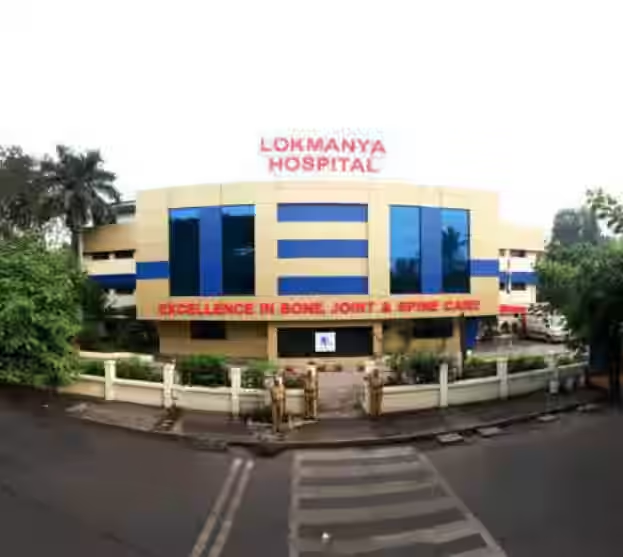
Lokmanya Hospitals
Not Specified

White Lotus Hospital
766, SFS 3145, SFS Road, 7th Sector, HSR Layout, Bengaluru, Karnataka 560102, India
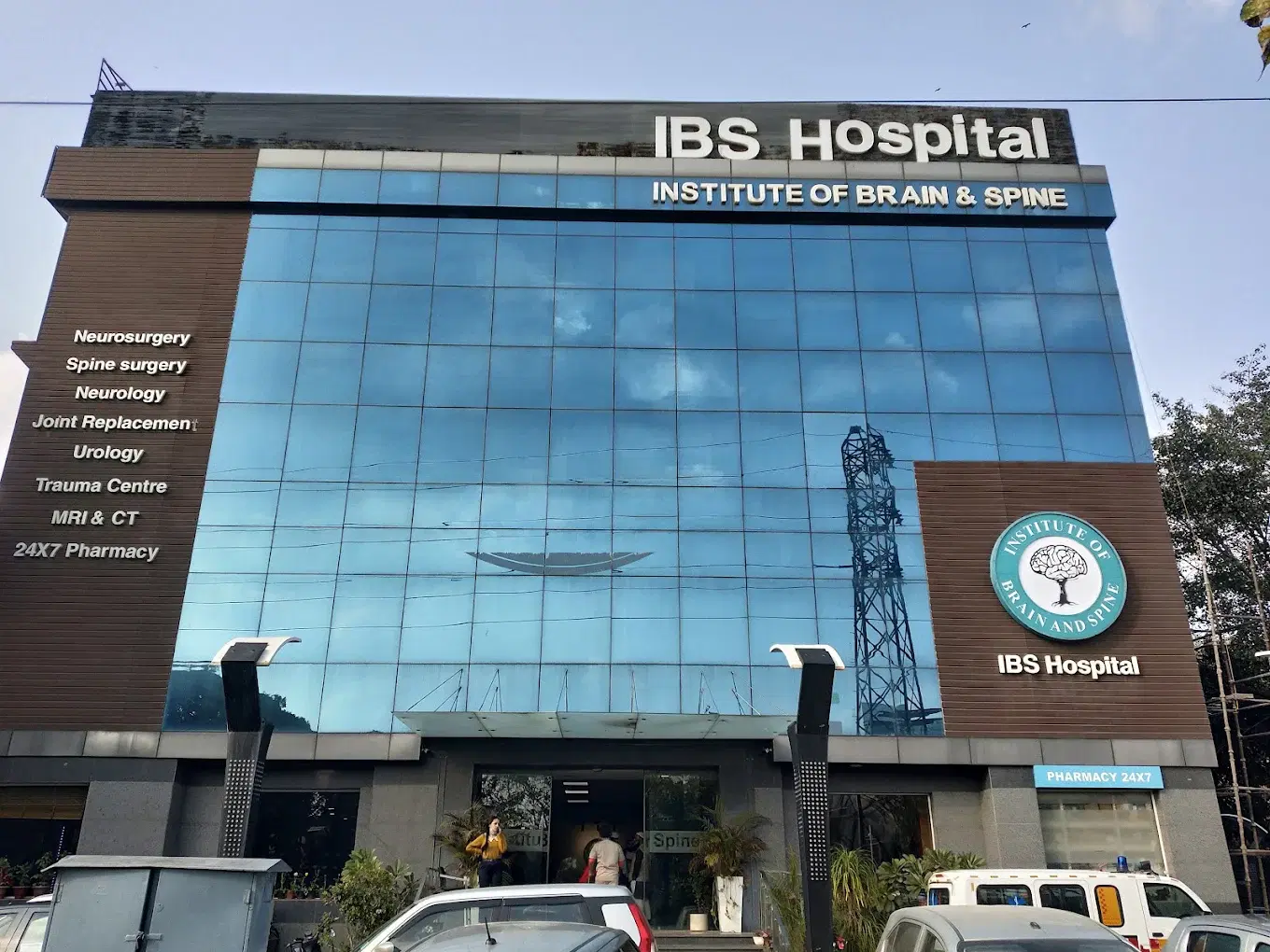
Institute of Brain and Spine (IBS Hospital)
Not Specified
How DivinHeal Helps
We simplify your medical journey by providing comprehensive support and access to world-class healthcare.
Expert Specialist Matching
Connecting you with the world's top-rated medical experts.
Accredited Hospital Network
Access to JCI & NABH certified healthcare facilities.
Complete Travel Coordination
Hassle-free visa, stay, and local transport assistance.
24/7 Personal Care
Dedicated patient advisors supporting you at every step.
Journey Guidance
Full guidance from start to end of the patient treatment journey.
Expert Specialist Matching
Connecting you with the world's top-rated medical experts.
Everything you
need to know today
Browse through these common inquiries to better understand our patient-focused medical platform.
Yes, we work with a variety of insurance providers. Contact our team to verify your coverage.
Yes, we provide secure online consultations with experienced specialists.
Our care coordinators help match you with the most suitable specialist.
Absolutely. Your medical information is protected according to healthcare privacy standards.
Look at six things: accreditation (JCI or NABH), specialty depth, doctor credentials and experience, procedure-specific success rates, international patient support, and technology. DivinHeal's AI-driven matching evaluates every hospital in our accredited partner network on these dimensions and shortlists the best-fit options for your condition, budget, and country.
JCI (Joint Commission International) is the US-based global gold standard for hospital quality, recognised worldwide. NABH is India's national accreditation — accredited by ISQua, the same body that accredits JCI. Both signal independently verified safety and quality. Most of India's leading hospitals hold both.
Yes. All three welcome international patients through structured medical visa programs. India is the most established, treating patients from Africa, the Middle East, and South Asia at 60–80% lower cost. Thailand leads in cosmetic and dental care. The UAE is emerging in oncology and reproductive medicine.
Most patients save 50–80% on treatment costs. Heart bypass costs US $7,000–9,000 in India compared to $70,000–150,000 in the US. IVF costs $3,000–4,500 compared to $12,000–20,000 in the UK. Even after flights, visa, and accommodation, total savings remain 60–70%.
DivinHeal manages your entire non-medical journey: visa invitation letters, medical visa guidance, doctor appointments, teleconsultations, airport pickup, hospital-vetted accommodation for you and your attendant, language interpreters, local transport, cuisine preferences, and post-treatment follow-up — one dedicated coordinator from first enquiry to final follow-up.
You need a valid passport (6+ months validity), a medical visa (M-Visa for India — DivinHeal provides the hospital invitation letter), return flight tickets, recent medical reports and a doctor's referral, current prescription list, and proof of financial means. Any accompanying attendant needs their own passport and MX-Visa.
Still have more questions?
Book a call with our friendly team to learn how DivineHeal simplifies your healthcare journey.