Cancer Pain Management
5K+ International Patients Treated
40+ Source Countries Served
500+ Accredited Partner Hospitals
98% Patient Satisfaction
80% Average Savings vs USA
10K+ Doctors
NABH, JCI Accredited Hospitals
Free Treatment Plan
Free Consultation with Doctor
5+ Destinations Covered
About Cancer Pain Management
Sources and Guidelines Referenced
The clinical content in this guide is derived from internationally recognized cancer care protocols and peer-reviewed studies: World Health Organization (WHO) Guidelines for the Pharmacological and Radiotherapeutic Management of Cancer Pain in Adults and Adolescents (2018); National Comprehensive Cancer Network (NCCN) Clinical Practice Guidelines in Oncology: Adult Cancer Pain (Version 1.2024); European Society for Medical Oncology (ESMO) Clinical Practice Guidelines for Management of Cancer Pain in Adult Patients (Fallon et al., 2018); American Society of Clinical Oncology (ASCO) Guideline for Management of Chronic Pain in Survivors of Adult Cancer (Paice et al., 2016); European Association for Palliative Care (EAPC) Recommendations for Opioid Analgesics (Caraceni et al., 2012); and landmark interventional clinical trials (Bennett et al., 2012; Mercadante et al., 2019).
Cancer Pain Management: A Comprehensive Patient Guide
1. Definition and Medical Identity
Cancer pain management is a specialized clinical discipline focused on preventing, assessing, and treating physical pain in individuals diagnosed with cancer. It incorporates pharmacotherapy (medicinal treatments), interventional procedures (targeted nerve blocks and injections), and supportive care. The primary clinical goal is to eliminate or reduce pain to a functional baseline while minimizing medication side effects.
In modern oncology, pain is recognized as a vital sign requiring continuous monitoring. Cancer pain is categorized medically by its underlying physiological mechanisms. Nociceptive pain originates from actual or potential tissue damage in organs or musculoskeletal structures. Neuropathic pain results from direct structural damage or functional dysfunction within the peripheral or central nervous system. Inflammatory pain arises from local biochemical activation of immune pathways by malignant cells. Treatment plans are tailored to these specific mechanism types rather than relying on a single uniform approach.
2. The Underlying Condition or Need
Cancer pain develops when growing neoplasms compress, invade, or destroy adjacent biological structures. Pain is also a frequent collateral outcome of essential oncological therapies, including surgery, systemic chemotherapy, targeted biological therapies, and radiation therapy. Uncontrolled pain triggers systemic stress responses that impair sleep, reduce physical mobility, cause metabolic depletion, and exacerbate psychological distress.
The clinical presentation of cancer pain ranges from predictable, persistent background aches to sudden, severe spikes known as breakthrough pain. Background pain remains present for most of the day when untreated, whereas breakthrough pain occurs abruptly despite stable baseline analgesic coverage. If left unmanaged, persistent nociceptive signaling causes central nervous system reorganization, leading to hyperalgesia (an exaggerated pain response to normally painful stimuli) and allodynia (pain provoked by non-painful touch). Standardized clinical protocols mitigate these neurobiological changes by interrupting pain pathways early in the disease process.
3. How the Treatment Works — Mechanism
Cancer pain management relies on interrupting the pain signal along its anatomical pathway: from peripheral receptor stimulation, along peripheral nerves, through the spinal cord dorsal horn, and into the cerebral cortex. Pharmacological agents alter neurotransmitter activity or block inflammatory cascades. Interventional therapies physically disrupt nerve transmission through targeted local anaesthetics, neurolytic agents, or electrical modulation.
Analgesics act on specific molecular targets. Opioids bind to mu-opioid receptors in the central and peripheral nervous systems, inhibiting the presynaptic release of excitatory neurotransmitters like Substance P and glutamate. Non-steroidal anti-inflammatory drugs (NSAIDs) inhibit the cyclooxygenase (COX-1 and COX-2) enzymes, preventing the synthesis of inflammatory prostaglandins. Adjuvant medications, such as gabapentinoids, bind to voltage-gated calcium channels in damaged neurons, reducing ectopic electrical firing. Interventional procedures, such as celiac plexus neurolysis, use chemical agents (dehydrated alcohol or phenol) to cause wallerian degeneration of sympathetic pain fibers, preventing pain impulses from reaching the brain.
4. Types and Variations
Clinical management utilizes a multi-tiered strategy tailored to pain severity, biological mechanism, and individual patient tolerance. Therapies are stratified into non-opioid medications, weak opioids, strong opioids, adjuvant analgesics, and interventional pain procedures. Clinicians select protocols based on formal guidelines established by the WHO, NCCN, and ESMO.
The table below compares the primary clinical categories of cancer pain therapies:
| Therapeutic Category | Primary Clinical Indications | Key Mechanisms | Standard Administration Routes |
|---|---|---|---|
| Non-Opioid Analgesics | Mild nociceptive pain, bone metastases, inflammatory pain | COX enzyme inhibition, central prostaglandin synthesis suppression | Oral, intravenous, transdermal |
| Adjuvant Medications | Neuropathic pain, bone pain, visceral capsular stretch | Calcium channel modulation, membrane stabilization, anti-inflammatory effect | Oral, intravenous |
| Opioid Analgesics | Moderate-to-severe nociceptive and visceral pain | Central and peripheral mu-opioid receptor agonism | Oral (extended/immediate release), transdermal, intravenous, subcutaneous |
| Interventional Neurolysis | Refractory upper abdominal or pelvic visceral pain | Chemical ablation of sympathetic nerve plexuses (celiac, superior hypogastric) | Percutaneous image-guided injection |
| Intrathecal Drug Delivery (ITDDS) | Severe diffuse or localized pain unresponsive to systemic opioids | Direct administration of analgesics into the spinal subarachnoid space | Surgically implanted programmable pump |
5. Who the Treatment Is For — Indications
Cancer pain management is indicated for any individual with confirmed or suspected malignancy who reports physical discomfort attributable to the tumor or its treatment. Indications span all stages of disease, including early-stage curable malignancies, chronic survivorship phases, and advanced palliative care settings. Protocol selection depends on structured clinical evaluations rather than disease stage alone.
Specific clinical indications for escalating therapy include:
- Persistent pain measuring ≥ 4 on a 0–10 Numerical Rating Scale.
- Neuropathic pain symptoms, such as burning, tingling, electric-shock sensations, or numbness.
- Frequent flares of incident or breakthrough pain occurring during routine daily activity.
- Severe localized upper abdominal pain from pancreatic, hepatobiliary, or gastric tumors (indicating consideration for celiac plexus block).
- Intolerable side effects from systemic opioids, such as severe sedation or intractable nausea, warranting neuraxial drug delivery.
6. Who the Treatment Is NOT For — Contraindications
While basic pain relief is a fundamental medical right, specific pain therapies carry absolute or relative contraindications. Clinicians evaluate systemic organ function, coagulation status, and psychiatric stability before initiating aggressive pharmacological or interventional protocols.
Key contraindications include:
- Systemic infection or localized sepsis: Absolute contraindication for epidural injections, intrathecal pump implantation, or regional nerve blocks due to central nervous system infection risk.
- Uncorrected coagulopathy: International Normalized Ratio (INR) > 1.5 or platelet count < 50,000/mcL contraindicates neuraxial and deep interventional procedures due to spinal hematoma risk (ASRA Guidelines, 2018).
- Severe unmanaged substance use disorder: Requires specialized dual-diagnosis pain and addiction protocols; does not preclude pain relief but restricts unmonitored home opioid supplies.
- Known drug hypersensitivity: Specific allergy to individual opioid classes, NSAIDs, or local anaesthetics requires selection of non-cross-reactive alternatives.
- Bowel obstruction or ileus: Relative contraindication for heavy oral opioid titration without concurrent bowel management or alternative routes.
7. Alternatives and Clinical Comparison
Systemic pharmacotherapy remains the primary approach for most patients, but non-pharmacological modalities, surgical debulking, and palliative radiation therapy serve as vital alternatives or adjuncts. Integrating physical medicine, radiation oncology, and interventional pain medicine provides multimodal analgesia, which often reduces reliance on high-dose systemic medications.
The table below summarizes clinical trade-offs between primary treatment strategies:
| Strategy | Invasiveness | Analgesic Onset | Primary Clinical Trade-Offs |
|---|---|---|---|
| Systemic Opioids | Non-invasive (oral/transdermal) | Rapid (30–60 mins for oral immediate-release) | Highly effective for diffuse pain; carries risks of constipation, sedation, tolerance, and neurotoxicity. |
| Palliative Radiotherapy | Non-invasive (external beam) | Delayed (2–4 weeks for maximum benefit) | Excellent local control for bone metastases; limited to localized targets, requires hospital visits. |
| Targeted Nerve Blocks | Minimally invasive (percutaneous) | Rapid to immediate (12–24 hours) | Reduces systemic medication requirements; requires specialist expertise and carries procedure risks. |
| Intrathecal Pump (ITDDS) | Invasive (surgical implantation) | Rapid post-titration (24–48 hours) | Delivers high spinal potency with fractional systemic doses; carries surgical, hardware, and infection risks. |
8. Pre-Treatment Phase
The pre-treatment phase focuses on detailed clinical assessment, diagnostic characterization, and baseline safety screening. Clinicians use multidimensional pain evaluation tools to map pain intensity, radiation, aggravating factors, and response to previous analgesics. A thorough physical and neurological exam helps differentiate nociceptive from neuropathic components.
Diagnostic workup before initiating advanced pain protocols includes:
- Laboratory testing: Complete blood count, serum creatinine, hepatic transaminases, and coagulation profile (PT/INR, aPTT).
- Radiological review: Cross-sectional imaging (CT or MRI) to visualize tumor boundaries relative to major blood vessels and nerve structures prior to interventional blocks.
- Opioid risk evaluation: Screening for risk factors related to respiratory depression, sleep apnea, or medication misuse using validated tools (e.g., Opioid Risk Tool).
- Patient education and consent: Detailed discussion regarding realistic treatment goals, management of side effects (such as prophylactic bowel regimens), and proper handling of controlled substances.
9. The Procedure — Step-by-Step Clinical Detail
Because cancer pain management incorporates both systemic pharmacological protocols and interventional steps, procedural workflows vary by modality. Pharmacological care follows structured titration, whereas interventional procedures follow rigorous surgical safety protocols.
For standard Pharmacological Management (WHO Ladder Protocol):
- Step 1 (Mild Pain, NRS 1–3): Initiate non-opioid analgesics (acetaminophen or NSAIDs) administered on a regular schedule, with optional adjuvant therapy for neuropathic symptoms.
- Step 2 (Moderate Pain, NRS 4–6): Add a weak opioid (e.g., codeine, tramadol) or low-dose strong opioid, combined with non-opioids and adjuvants.
- Step 3 (Severe Pain, NRS 7–10): Initiate a strong opioid (e.g., morphine, oxycodone, fentanyl, hydromorphone) titrated rapidly to achieve pain control, supplemented by immediate-release formulations for breakthrough flares.
For an Interventional Procedure (e.g., Image-Guided Celiac Plexus Neurolysis):
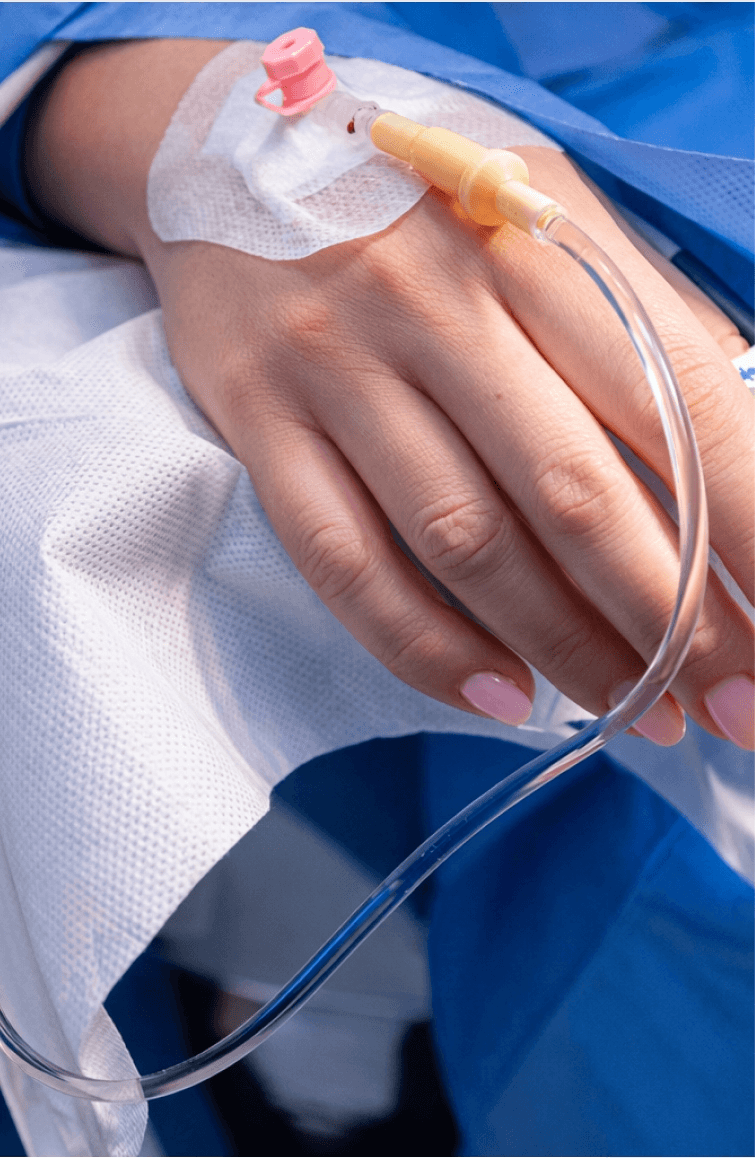
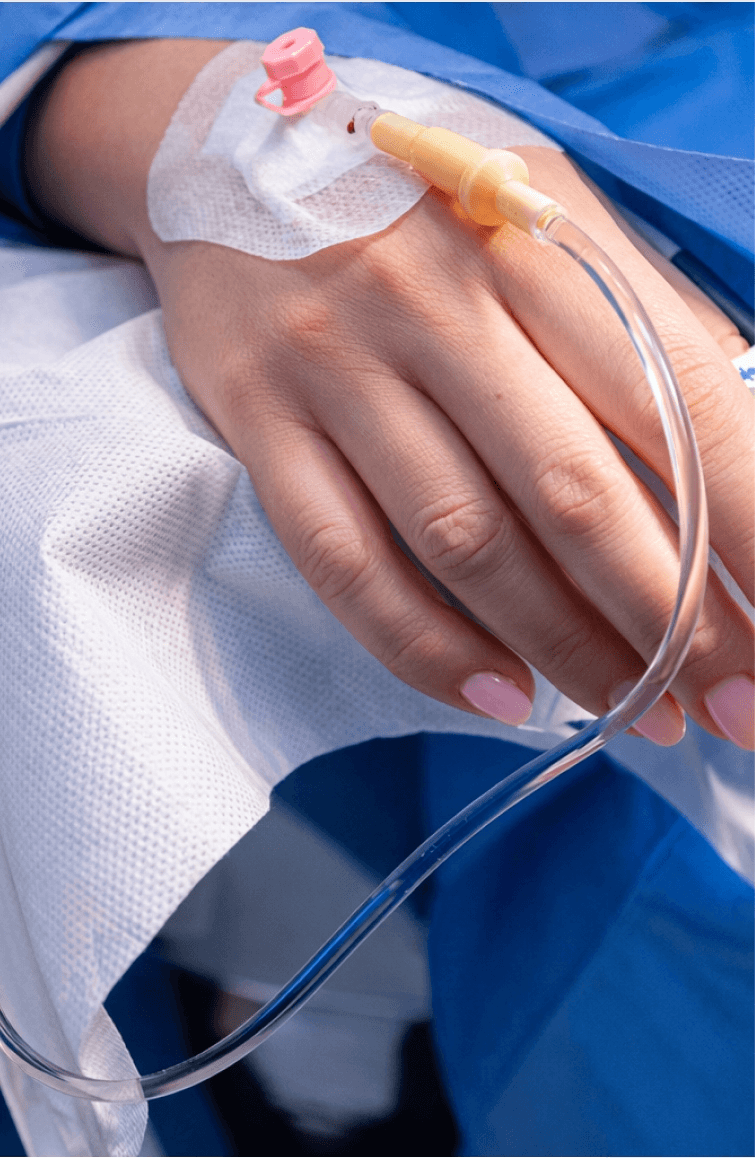
- Preparation: The patient is positioned prone on the fluoroscopy or CT table. Intravenous access is established, and continuous hemodynamic monitoring (ECG, pulse oximetry, blood pressure) is initiated.
- Anaesthesia: The skin and underlying soft tissues over the target vertebral level (typically L1) are infiltrated with local anaesthetic (1–2% lidocaine). Moderate intravenous sedation may be administered.
- Needle placement: Under continuous image guidance, specialized neurolytic needles are advanced retrocrurally or anteriorly to sit adjacent to the celiac plexus anterior to the abdominal aorta.
- Diagnostic confirmation: Radiopaque contrast medium is injected to verify correct needle tip positioning and confirm non-vascular distribution. A diagnostic test dose of local anaesthetic (e.g., bupivacaine) is administered to confirm targeted nerve coverage.
- Neurolysis execution: Once position is reconfirmed, a neurolytic agent (typically 50–100% dehydrated alcohol or 6–10% phenol) is infused to produce permanent sympathetic nerve disruption.
- Completion: Needles are withdrawn, pressure is applied to the insertion site, and a sterile dressing is applied.
10. Immediate Post-Procedure Period
Following interventional procedures, patients are transferred to a post-anaesthesia recovery area for continuous clinical monitoring. Vital signs are recorded every 15 minutes for the first hour and every 30 minutes thereafter. Following visceral neurolysis (e.g., celiac plexus block), clinicians closely monitor for transient orthostatic hypotension (a drop in blood pressure upon standing) caused by sympathetic blockade and localized vasodilation.
Discharge criteria after outpatient interventional pain procedures require stable vital signs for at least two hours, absence of severe neurological deficits, successful fluid intake, ability to ambulate safely, and presence of a responsible adult escort. For patients undergoing oral opioid titration, the immediate post-initiation period involves monitoring sedation levels using standardized scales (e.g., Pasero Opioid-Induced Sedation Scale) and verifying bowel movements.
11. Recovery — Short and Long Term
The recovery timeline depends on the chosen therapeutic intervention. Short-term goals focus on achieving pain relief while managing acute medication side effects. Long-term goals focus on maintaining baseline functional capacity as the underlying disease evolves.
Typical recovery milestones include:
- Days 1–3: Initial dose stabilization for oral opioids. Patients track pain scores and breakthrough medication usage. Post-procedure local tissue soreness from injections resolves.
- Week 1: Interventional neurolysis reaches full analgesic effect. Systemic opioid doses are re-evaluated and reduced if visceral pain has decreased. Bowel regimens are adjusted to maintain daily soft stools.
- Weeks 2–4: Maximum therapeutic benefit from palliative radiotherapy or adjuvant neuropathic medications (e.g., gabapentinoid steady-state). Patients resume light daily activities as tolerated.
- Ongoing Long-Term Care: Routine clinical follow-up visits every 2 to 4 weeks to re-assess pain scores, review side effects, and screen for developing tolerance or new pain locations.
12. Risks, Side Effects, and Complications
All cancer pain modalities carry specific side-effect profiles and potential complications. Pharmacological therapies primarily affect the central nervous and gastrointestinal systems, whereas interventional procedures carry localized structural and neurological risks.
The risk matrix below details severity and occurrence frequencies across modalities:
| Severity Tier | Common / Expected | Uncommon | Rare / Serious |
|---|---|---|---|
| Pharmacological Therapy | Constipation, mild sedation, dry mouth, nausea, lightheadedness | Myoclonus (muscle twitching), severe pruritus (itching), opioid tolerance, hyperalgesia | Severe respiratory depression, opioid-induced neurotoxicity, confusion/hallucinations |
| Interventional Procedures | Local needle site soreness, transient diarrhea (post-celiac block), temporary hypotension | Local hematoma formation, localized soft tissue infection, incomplete block requiring repeat procedure | Epidural hematoma, spinal cord ischemia, retroperitoneal hemorrhage, inadvertent intrathecal injection |
Warning Signs Requiring Urgent Medical Evaluation: Patients must seek immediate care if they experience sudden difficulty breathing, unmanageable sedation, inability to awaken, loss of bowel or bladder control, new lower limb weakness, or fever exceeding 38.0°C (100.4°F) following a spinal or interventional procedure.
13. Lifestyle and Behavioural Considerations
Lifestyle adjustments complement medical pain management. Maintaining optimal hydration and high-fiber nutritional intake is critical to counter opioid-induced gastrointestinal motility slowing. Regular, non-strenuous physical activity—guided by a physical therapist—prevents secondary musculoskeletal deconditioning and preserves joint range of motion.
Psychological strategies play an important role in altering central pain perception. Techniques such as cognitive behavioral therapy (CBT), guided imagery, mindfulness-based stress reduction (MBSR), and structured relaxation exercises help lower systemic stress hormones that amplify pain signaling. Patients should avoid sudden, unprescribed adjustments to opioid doses, as abrupt cessation can precipitate acute withdrawal symptoms, including severe anxiety, diaphoresis (sweating), hyperalgesia, and tachycardia.
14. How Outcomes Are Measured
Clinical efficacy in cancer pain management is measured using validated patient-reported outcome measures alongside objective functional evaluations. Because pain is a subjective physical experience, patient self-reporting using standardized scales serves as the primary metric for dose adjustments.
Key measuring tools and parameters include:
- Numerical Rating Scale (NRS): A 0-to-10 point scale where 0 represents no pain and 10 represents the worst imaginable pain. Successful treatment typically targets an NRS score ≤ 3.
- Brief Pain Inventory (BPI): Measures both pain intensity and the degree to which pain interferes with daily activities (walking, mood, sleep, work, social interactions).
- Breakthrough Pain Frequency: Tracking the number of breakthrough pain flares per 24-hour period. Requiring more than 3 to 4 breakthrough doses daily indicates the need to titrate the baseline long-acting opioid dose (NCCN 2024).
- Analgesic Consumption Tracking: Monitoring total daily oral morphine milligram equivalents (MME) to evaluate treatment response and guide interventional referrals.
15. Recent Advances and Current Standard of Care
The standard of care in cancer pain management emphasizes early, proactive intervention integrated directly into routine oncology care. Modern practice moved away from waiting until terminal stages to introduce strong opioids or interventional therapies, prioritizing early pain screening from the moment of cancer diagnosis (ASCO 2020).
Recent clinical and technical advances include:
- Targeted Intrathecal Therapy: Modern programmable ITDDS pumps allow micro-dose delivery of opioids and local anaesthetics directly to spinal cord receptors, achieving analgesia with a fraction of systemic doses (Bennett et al., 2012).
- Advanced Image Guidance: Combining real-time cone-beam CT navigation with fluoroscopy increases the anatomical precision of neurolytic nerve blocks while reducing intravascular injection risks.
- Multimodal Neuropathic Protocols: Systematic incorporation of modern dual-reuptake inhibitors (e.g., duloxetine) for chemotherapy-induced peripheral neuropathy based on high-level clinical trial evidence (ASCO CIPN Guideline Update).
- Personalized Pharmacogenomics: Emerging research into CYP2D6 enzyme genetic variants helps explain individual differences in codeine, tramadol, and oxycodone metabolism, facilitating safer medication selection.
16. Common Myths and Misconceptions
Myth: Taking opioids for cancer pain means a patient will automatically become addicted.
Reality: When prescribed and monitored according to clinical oncology guidelines (NCCN, ESMO), psychological addiction (substance use disorder) occurs rarely in patients receiving opioids for legitimate cancer pain. Physical dependence—which is a normal physiological adaptation—is distinct from addiction.
Myth: Pain is an inevitable part of having cancer that patients must accept silently.
Reality: According to the WHO, up to 90% of cancer pain can be effectively controlled using structured pharmacological guidelines and modern interventional procedures.
Myth: Using strong opioids early in treatment means they will no longer work later when the pain gets worse.
Reality: Opioid analgesics do not have a fixed ceiling effect for pain relief. Dosages can be safely titrated upward or rotated to alternative opioids if tolerance develops over time.
Myth: Morphine is only prescribed in the final days of life.
Reality: Morphine and other strong opioids are standard, evidence-based options used at any stage of cancer care to treat moderate-to-severe pain, including in patients undergoing curative treatments.
Myth: Side effects like severe constipation from opioid medications will fade away on their own.
Reality: Unlike opioid-induced nausea or sedation, which often decrease over several days, opioid-induced constipation persists and requires a daily prophylactic laxative regimen throughout treatment.
Myth: Interventional nerve blocks are high-risk procedures reserved strictly as a last resort.
Reality: Clinical trials demonstrate that early application of interventional techniques, such as celiac plexus block, improves pain control and reduces systemic opioid side effects early in pancreatic and upper abdominal cancers (Mercadante et al., 2019).
17. Frequently Asked Questions
What is the difference between background pain and breakthrough pain?
Background pain is persistent discomfort that lasts for most of the day when untreated. It is typically controlled using scheduled, long-acting (extended-release) analgesics. Breakthrough pain is a sudden, transient flare of moderate-to-severe pain that occurs despite stable background pain control. Breakthrough flares are treated using fast-acting, short-duration medication prescribed on an as-needed basis.
How do doctors choose the correct starting dose for opioid medications?
Clinicians calculate initial opioid doses based on a patient's age, baseline organ function (liver and kidney health), previous exposure to pain medications, and reported pain intensity. For patients who have never taken opioids, low doses of immediate-release formulations are used initially to establish daily requirements before transitioning to 24-hour extended-release formulations.
What is opioid rotation and why is it performed?
Opioid rotation is the clinical practice of switching a patient from one opioid medication to another (for example, switching from morphine to oxycodone or fentanyl). Clinicians use this technique when a patient experiences unsatisfactory pain relief or intolerable side effects. Because patients exhibit incomplete cross-tolerance between different opioids, rotation often restores analgesia at a lower relative dose.
Can chemotherapy cause nerve pain, and how is it managed?
Yes. Certain chemotherapeutic agents—including platinum compounds, taxanes, and vinca alkaloids—can cause chemotherapy-induced peripheral neuropathy (CIPN). This presents as burning, tingling, or numbness in the hands and feet. CIPN is managed using specialized adjuvant medications, such as duloxetine or gabapentinoids, rather than standard opioids alone (ASCO CIPN Guidelines).
What is a celiac plexus block and how does it relieve pain?
A celiac plexus block is an interventional procedure that injects local anaesthetics or neurolytic agents (alcohol or phenol) into a cluster of sympathetic nerves in the upper abdomen. This block interrupts pain transmission from upper abdominal organs, such as the pancreas, liver, and stomach, providing significant pain relief and reducing the need for high-dose oral opioids.
Will taking pain medications mask important signs that my cancer is spreading?
No. Standard cancer monitoring relies on objective diagnostic imaging (CT, MRI, PET scans) and laboratory biomarkers rather than pain intensity alone. Controlling physical pain allows patients to participate in diagnostic evaluations and undergo scheduled oncology treatments comfortably.
How is opioid-induced constipation managed safely?
Opioid-induced constipation is managed proactively by initiating a daily bowel regimen at the same time opioid therapy begins. First-line treatments include stimulant laxatives (e.g., senna) paired with stool softeners (e.g., docusate) or osmotic agents (e.g., polyethylene glycol). For persistent cases, targeted peripherally acting mu-opioid receptor antagonists (PAMORAs) may be prescribed.
Is it safe to drive while taking prescribed opioid analgesics?
Patients should not drive or operate machinery when initiating opioids or immediately following a dose increase, as temporary sedation and slowed reflexes may occur. Once a patient is on a stable, long-term dose and displays clear mental alertness without sedation, driving safety should be formally reviewed with the treating physician according to local legal guidelines.
What is an intrathecal pain pump?
An intrathecal pain pump (ITDDS) is a small, battery-powered medical device implanted surgically beneath the abdominal skin. It delivers small, precise doses of medication directly into the intrathecal space surrounding the spinal cord through a thin catheter. This provides potent localized pain relief using significantly lower medication doses than oral administration.
What should I do if my prescribed pain medication stops working?
If your baseline pain increases or your current medication becomes less effective, contact your oncology care team promptly. Do not double up or alter medication doses independently. Your clinician will evaluate whether the pain increase is due to medication tolerance, physical activity changes, or disease progression, and adjust your treatment safely.
Can radiation therapy be used solely for pain relief?
Yes. Palliative radiation therapy is frequently used specifically to relieve localized pain caused by bone or soft tissue metastases. Radiation shrinks the tumor focal area, reduces periosteal bone tension, and suppresses inflammatory local cytokines, leading to reduced pain within 2 to 4 weeks in a majority of treated patients.
How does chronic pain affect sleep and mood during cancer care?
Uncontrolled pain disrupts normal REM and deep sleep architecture, leading to chronic physical fatigue, increased inflammatory signaling, and heightened psychological distress or depression. Effective pain management restores normal sleep cycles, which improves physical coping mechanisms and enhances overall emotional well-being.
Booking With DIVINHEAL
Get a free consultation to understand your treatment options
Cost Calculator
I know my treatment — show me cost from 3 hospitals
Plan My Journey
Tell us your condition and budget — our AI matches the right destination, hospital and doctor and visa pathway
Recommended Article

Best In Vitro Fertilization (IVF) Doctors in Hyderabad
Doctors for Nephrology: Find Kidney Care Specialists
Doctors in Chennai: Find Medical Specialists in India
Best Embryo Freezing Hospitals in Hyderabad: Care Guide
Hospitals for reproductive surgery: Compare options
Hospitals in Gurugram: Guide to Quality Facilities
IVF Treatment in Haryana | Cost, Hospitals & Doctors
TAVR (Transcatheter Aortic Valve Replacement) cost in New Delhi
Tonsillectomy & Adenoidectomy Success Rate in Mumbai
Facelift & Anti-Aging Procedures in Chennai for Ethiopia Patients | Cost, Hospitals
Booking With DIVINHEAL
Get a free consultation to understand your treatment options
Cost Calculator
I know my treatment — show me cost from 3 hospitals
Plan My Journey
Tell us your condition and budget — our AI matches the right destination, hospital and doctor and visa pathway
Recommended Article
Best In Vitro Fertilization (IVF) Doctors in Hyderabad
Doctors for Nephrology: Find Kidney Care Specialists
Doctors in Chennai: Find Medical Specialists in India
Best Embryo Freezing Hospitals in Hyderabad: Care Guide
Hospitals for reproductive surgery: Compare options
Hospitals in Gurugram: Guide to Quality Facilities
IVF Treatment in Haryana | Cost, Hospitals & Doctors
TAVR (Transcatheter Aortic Valve Replacement) cost in New Delhi
Tonsillectomy & Adenoidectomy Success Rate in Mumbai
Facelift & Anti-Aging Procedures in Chennai for Ethiopia Patients | Cost, Hospitals
Our Speciality and Treatments
Genetic Disorder Diagnosis & Counselling
Pediatric Laparoscopic Surgery
Pediatric Kidney Transplant
Pediatric Cardiac Surgery
Down Syndrome Comprehensive Care
Vaccination Program
Newborn Care Package
Pediatric Intensive Care (PICU)
Pediatric Urology (incl. Hypospadias)
Pediatric Orthopedics
Pediatric Gastroenterology
Pediatric Pulmonology
Pediatric Endocrinology
Pediatric Cardiology (non-surgical)
Pediatric Oncology
Neonatal Intensive Care (NICU)
pediatric neurosurgery




Meet Our Medical Specialists




Sr. Consultant - Urology & Kidney Transplant Program (Unit I)
Dr. Abhinandan Mukhopadhyay
MBBS, MD
India

Sr. Consultant - Urology & Kidney Transplant Program (Unit I)
Dr. Abhinandan Mukhopadhyay
MBBS, MD
India
Hospitals
NABH & JCI Accredited Hospitals in India,Turkey, Thailand & UAE.

Artemis Hospital
Sector 51, Gurugram, Haryana, India

Lokmanya Hospitals
Not Specified

White Lotus Hospital
766, SFS 3145, SFS Road, 7th Sector, HSR Layout, Bengaluru, Karnataka 560102, India

Institute of Brain and Spine (IBS Hospital)
Not Specified
How DivinHeal Helps
We simplify your medical journey by providing comprehensive support and access to world-class healthcare.
Expert Specialist Matching
Connecting you with the world's top-rated medical experts.
Accredited Hospital Network
Access to JCI & NABH certified healthcare facilities.
Complete Travel Coordination
Hassle-free visa, stay, and local transport assistance.
24/7 Personal Care
Dedicated patient advisors supporting you at every step.
Journey Guidance
Full guidance from start to end of the patient treatment journey.
Expert Specialist Matching
Connecting you with the world's top-rated medical experts.
Everything you
need to know today
Browse through these common inquiries to better understand our patient-focused medical platform.
Yes, we work with a variety of insurance providers. Contact our team to verify your coverage.
Yes, we provide secure online consultations with experienced specialists.
Our care coordinators help match you with the most suitable specialist.
Absolutely. Your medical information is protected according to healthcare privacy standards.
Look at six things: accreditation (JCI or NABH), specialty depth, doctor credentials and experience, procedure-specific success rates, international patient support, and technology. DivinHeal's AI-driven matching evaluates every hospital in our accredited partner network on these dimensions and shortlists the best-fit options for your condition, budget, and country.
JCI (Joint Commission International) is the US-based global gold standard for hospital quality, recognised worldwide. NABH is India's national accreditation — accredited by ISQua, the same body that accredits JCI. Both signal independently verified safety and quality. Most of India's leading hospitals hold both.
Yes. All three welcome international patients through structured medical visa programs. India is the most established, treating patients from Africa, the Middle East, and South Asia at 60–80% lower cost. Thailand leads in cosmetic and dental care. The UAE is emerging in oncology and reproductive medicine.
Most patients save 50–80% on treatment costs. Heart bypass costs US $7,000–9,000 in India compared to $70,000–150,000 in the US. IVF costs $3,000–4,500 compared to $12,000–20,000 in the UK. Even after flights, visa, and accommodation, total savings remain 60–70%.
DivinHeal manages your entire non-medical journey: visa invitation letters, medical visa guidance, doctor appointments, teleconsultations, airport pickup, hospital-vetted accommodation for you and your attendant, language interpreters, local transport, cuisine preferences, and post-treatment follow-up — one dedicated coordinator from first enquiry to final follow-up.
You need a valid passport (6+ months validity), a medical visa (M-Visa for India — DivinHeal provides the hospital invitation letter), return flight tickets, recent medical reports and a doctor's referral, current prescription list, and proof of financial means. Any accompanying attendant needs their own passport and MX-Visa.
Still have more questions?
Book a call with our friendly team to learn how DivineHeal simplifies your healthcare journey.