Centres Of Excellence
Our Centres of Excellence bring together multidisciplinary teams to deliver precise diagnosis, advanced treatments, and superior outcomes across a wide spectrum of medical specialties.
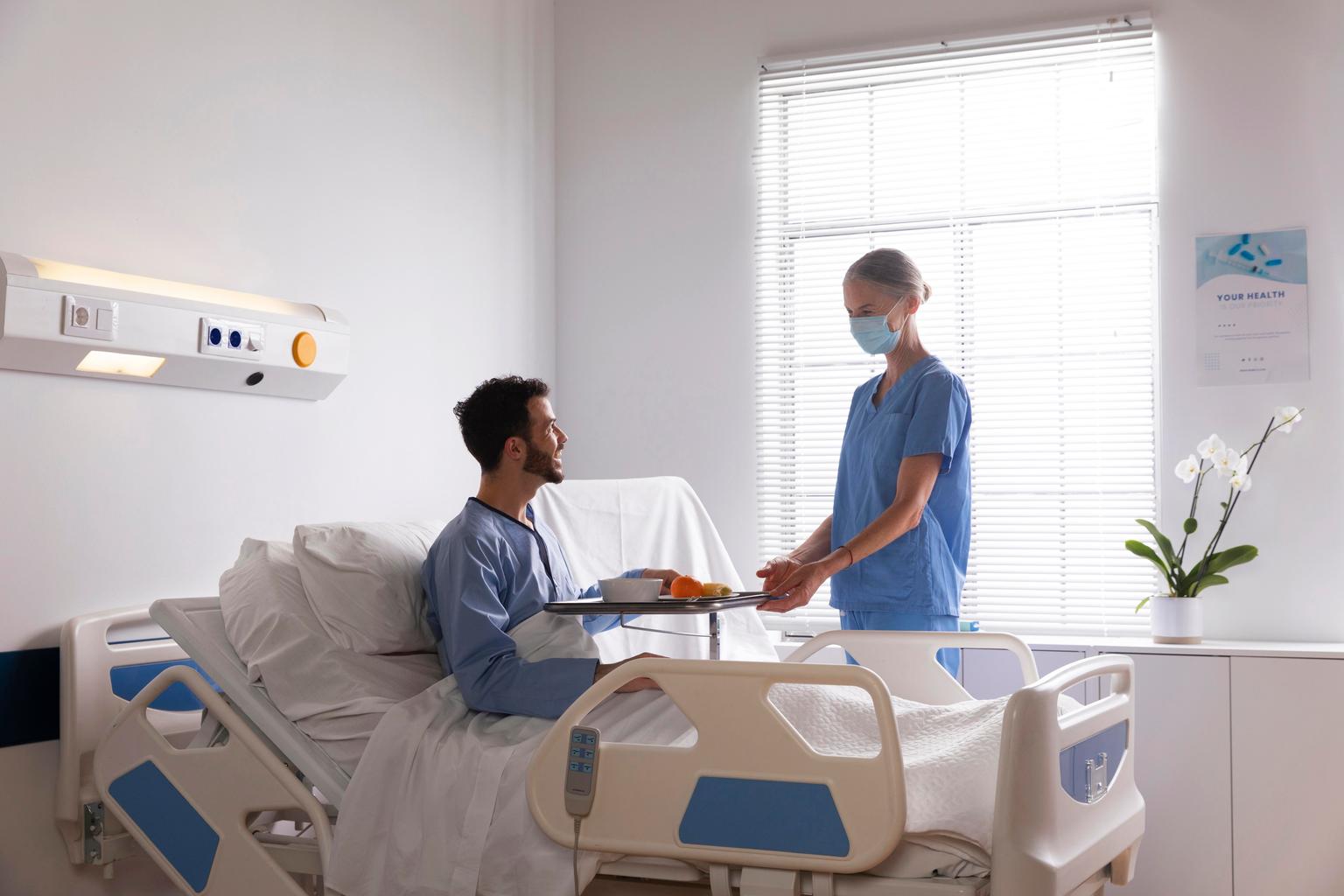
OVERVIEW
Overview of Cochlear Implant Surgery
Restoring the Gift of Sound
Cochlear Implant Surgery is a sophisticated medical intervention aimed at providing a sense of sound to individuals who cannot benefit from traditional hearing aids. The primary goal is to improve speech perception and environmental sound awareness, significantly enhancing the patient's quality of life and communication abilities. This intricate procedure involves implanting an internal device beneath the skin behind the ear, with an electrode array threaded into the cochlea, and an external sound processor worn on the ear. DivinHeal ensures access to cutting-edge technology and experienced surgical teams for optimal outcomes.
PROCEDURE
Cochlear Implant Surgery is typically performed under general anesthesia. The surgeon makes an incision behind the ear, creating a small pocket under the skin to hold the internal receiver-stimulator. A small opening is then made in the mastoid bone to access the middle ear. Through this opening, the electrode array is carefully threaded into the cochlea. Once the internal device is secured, the incision is closed. The entire procedure usually takes 2-4 hours. After the surgery, the patient typically stays in the hospital for 1-3 days for observation.
BENEFITS
Key Benefits of Cochlear Implant Surgery
A Transformative Solution for Hearing Loss
- Significant Improvement in Hearing: Patients often experience a dramatic increase in their ability to perceive speech and environmental sounds.
- Enhanced Speech Understanding: Leads to better comprehension in various listening situations, improving communication.
- Improved Quality of Life: Greater independence, confidence, and participation in social and professional activities.
- Better Sound Localization: Many bilateral implant users gain the ability to determine the direction of sound.
- Safety & Efficacy: A well-established and generally safe procedure with a high 'Cochlear Implant Surgery success rate' for appropriate candidates.
- Access to Education & Employment: Especially for children, early implantation can significantly improve educational outcomes and future employment prospects.
RECOVERY
Cochlear Implant Surgery Recovery Time and Tips
A Phased Approach to Auditory Rehabilitation
The 'Cochlear Implant Surgery recovery time and tips' involves several stages, beginning immediately after surgery and extending through a period of auditory rehabilitation.
- Immediate Post-Surgery (1-3 days hospital stay): Patients will experience some discomfort around the incision site, which is managed with pain medication. The bandage is typically removed within a day or two, and patients are usually discharged within 1-3 days.
- Initial Healing (2-4 weeks): During this period, the incision heals completely, and swelling subsides. Strenuous activities should be avoided. The implant is typically not activated until this healing is complete.
- Activation & Initial Programming: Approximately 2-4 weeks after surgery, the external sound processor is switched on for the first time. This is a critical moment where sounds are introduced gradually, and the device is programmed by an audiologist.
- Auditory Rehabilitation (Months to Years): This is the most crucial phase. Patients work with audiologists and speech therapists to 'learn to hear' with the implant. This involves listening exercises, speech therapy, and adapting to new sound perceptions. The brain needs time to interpret the new electrical signals.
- Long-term Care: Regular follow-up appointments are essential for fine-tuning the processor, monitoring hearing progress, and addressing any concerns. DivinHeal ensures you have access to continuous support for your entire recovery journey.
WHAT WE TREAT
Conditions Treated by Cochlear Implant Surgery
Addressing Severe to Profound Hearing Loss
- Severe to Profound Sensorineural Hearing Loss: Individuals for whom hearing aids provide little or no benefit due to significant damage to the inner ear (cochlea).
- Bilateral or Unilateral Deafness: Suitable for patients with hearing loss in one or both ears.
- Post-lingual Deafness: For those who lost hearing after developing speech and language.
- Pre-lingual Deafness: For children born with hearing loss, often implanted at a young age to facilitate speech and language development.
- Auditory Neuropathy Spectrum Disorder (ANSD): In some specific cases where traditional hearing aids are ineffective, 'Cochlear Implant Surgery diagnosis and therapy options' might include consideration of implants.
PREPARATION
Preparation for Cochlear Implant Surgery involves a series of comprehensive assessments. Patients undergo thorough audiological evaluations, including hearing tests, speech perception tests, and hearing aid trials, to confirm severe-to-profound sensorineural hearing loss. Imaging studies like MRI or CT scans of the inner ear are performed to assess the cochlea's anatomy and ensure it's suitable for implantation. A medical examination, including blood tests and possibly a vaccination against meningitis, is standard. Psychological counseling helps prepare the patient and family for the journey ahead, including understanding expectations and the importance of post-surgical rehabilitation. Patients must discuss all medications with their doctor and stop certain drugs, like blood thinners, prior to surgery.
RISKS
- Infection at the incision site or within the implant area.
- Bleeding or swelling.
- Dizziness or vertigo (often temporary).
- Tinnitus (ringing in the ears), which may worsen or change.
- Facial nerve weakness, though rare, due to its proximity to the surgical site.
- Taste disturbance, usually temporary.
- Numbness around the ear.
- Loss of residual hearing in the implanted ear.
- Device failure, requiring revision surgery.
- Meningitis, a rare but serious infection (vaccination is often recommended pre-operatively).
JOURNEY
Your Journey to Better Hearing with DivinHeal
A Coordinated Path from Diagnosis to Auditory Rehabilitation
- Initial Consultation & Diagnosis: Comprehensive audiological evaluations, imaging (MRI/CT scans), and psychological assessments to determine candidacy for Cochlear Implant Surgery.
- Pre-operative Counseling: Detailed discussions about the procedure, expected outcomes, and post-surgical expectations, including 'Cochlear Implant Surgery diagnosis and therapy options'.
- Cochlear Implant Surgery: The surgical placement of the internal device, performed by highly skilled ENT surgeons or neuro-otologists.
- Post-operative Recovery: Initial healing phase, typically involving a short hospital stay and careful wound management.
- Activation & Programming: Approximately 2-4 weeks post-surgery, the external sound processor is activated and meticulously programmed by audiologists, addressing 'Cochlear Implant Surgery device types and post-surgical programming'.
- Auditory Rehabilitation: Ongoing therapy to help the brain adapt to and interpret the new electrical signals, crucial for maximizing hearing and speech understanding, a key part of 'Cochlear Implant Surgery recovery time and tips'.
- Long-term Follow-up: Regular check-ups and fine-tuning of the implant settings to ensure sustained benefits. DivinHeal provides end-to-end coordination at every step.
OUTCOMES
Expected Outcomes
Expected outcomes include significant improvement in sound perception, speech understanding, and overall communication abilities. Many patients experience a profound increase in their quality of life, greater independence, and enhanced social engagement, with long-term prognosis being very positive for most.
Related Links
Doctors For Treatment in Similar Locations
- Best Cochlear Implant Surgery Doctors in Bengaluru
- Best Cochlear Implant Surgery Doctors in Chennai
- Best Cochlear Implant Surgery Doctors in Gurugram
- Best Cochlear Implant Surgery Doctors in Hyderabad
- Best Cochlear Implant Surgery Doctors in India
- Best Cochlear Implant Surgery Doctors in Mumbai
- Best Cochlear Implant Surgery Doctors in New Delhi
- Best Cochlear Implant Surgery Doctors in Pune
Best Hospital Near by for treatment
- Best Cochlear Implant Surgery Hospitals in Bengaluru
- Best Cochlear Implant Surgery Hospitals in Chennai
- Best Cochlear Implant Surgery Hospitals in Gurugram
- Best Cochlear Implant Surgery Hospitals in Hyderabad
- Best Cochlear Implant Surgery Hospitals in India
- Best Cochlear Implant Surgery Hospitals in Mumbai
- Best Cochlear Implant Surgery Hospitals in New Delhi
- Best Cochlear Implant Surgery Hospitals in Pune
Hospitals Offering this treatment
India offers premium medical procedures at affordable prices. Discover our most popular treatments, delivered by the country's finest doctors.
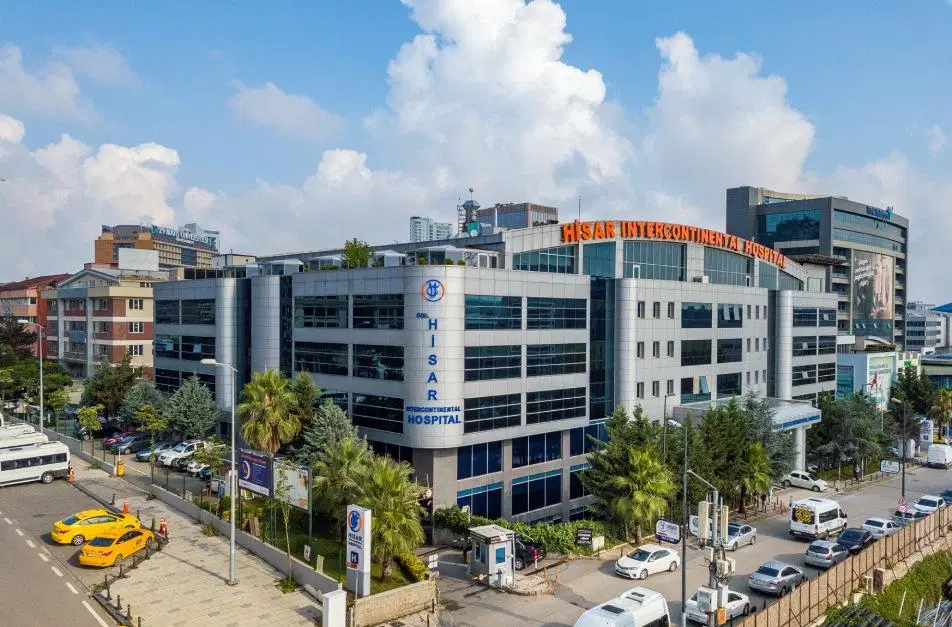
Hisar Intercontinental Hospital
Saray Mah. Siteyolu Cad. No:7, Umraniye, 34768, Istanbul, Turkey
Hisar Intercontinental Hospital
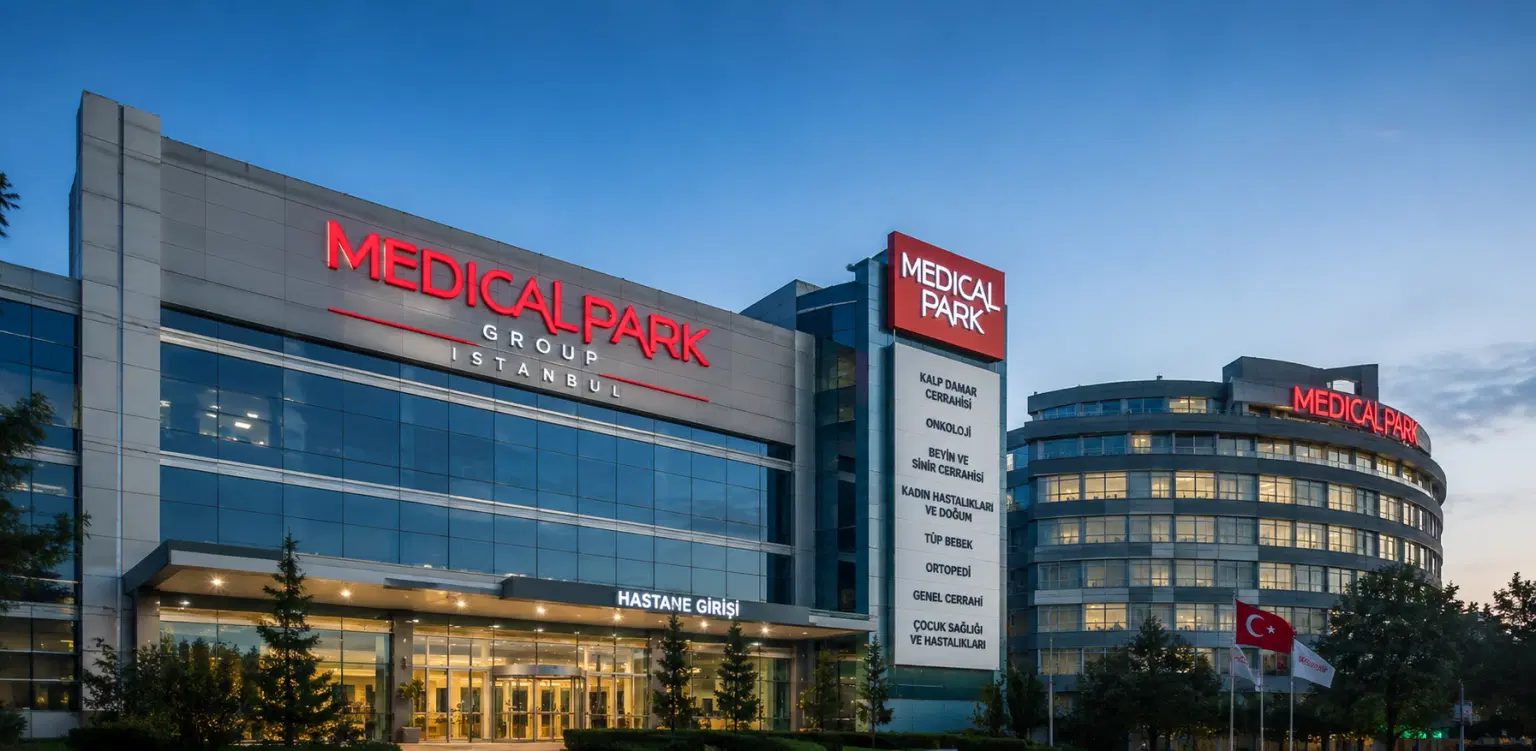
Medical Park Group, Istanbul
Fahrettin Kerim Gokay Cad. Tıbbiye Cd., Kadikoy, Istanbul, Turkey
Medical Park Group, Istanbul
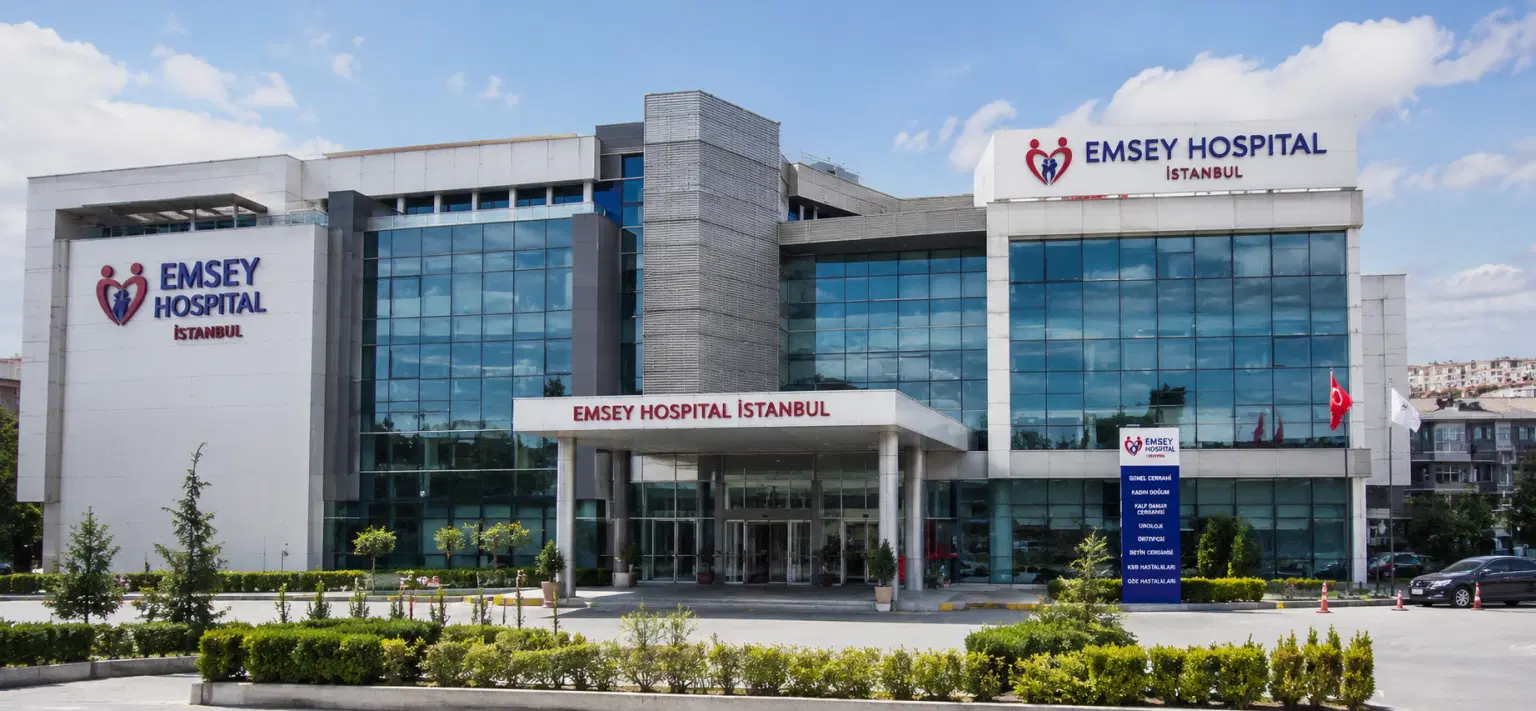
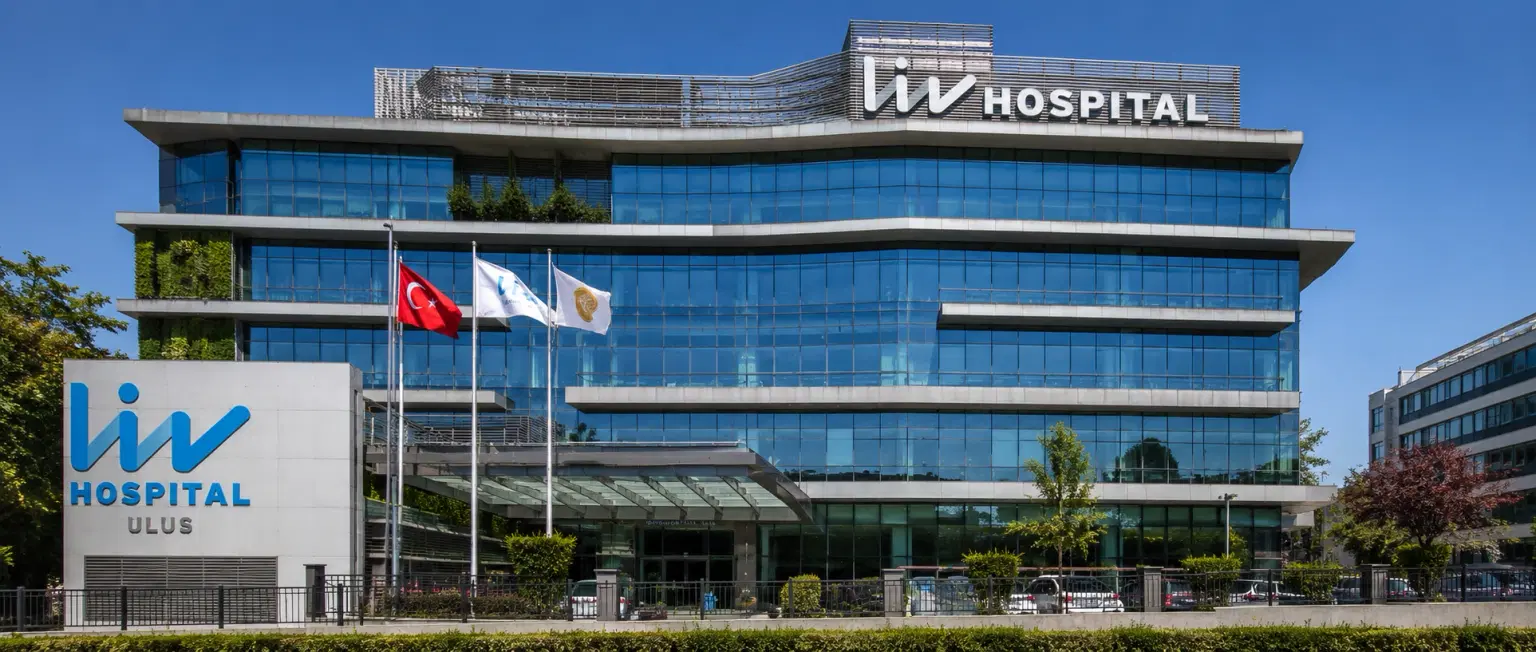
Emsey Hospital, Pendik, Istanbul
Çamlık, Selçuklu Cd. No:22, 34912 Pendik/İstanbul, Türkiye
Emsey Hospital, Pendik, Istanbul
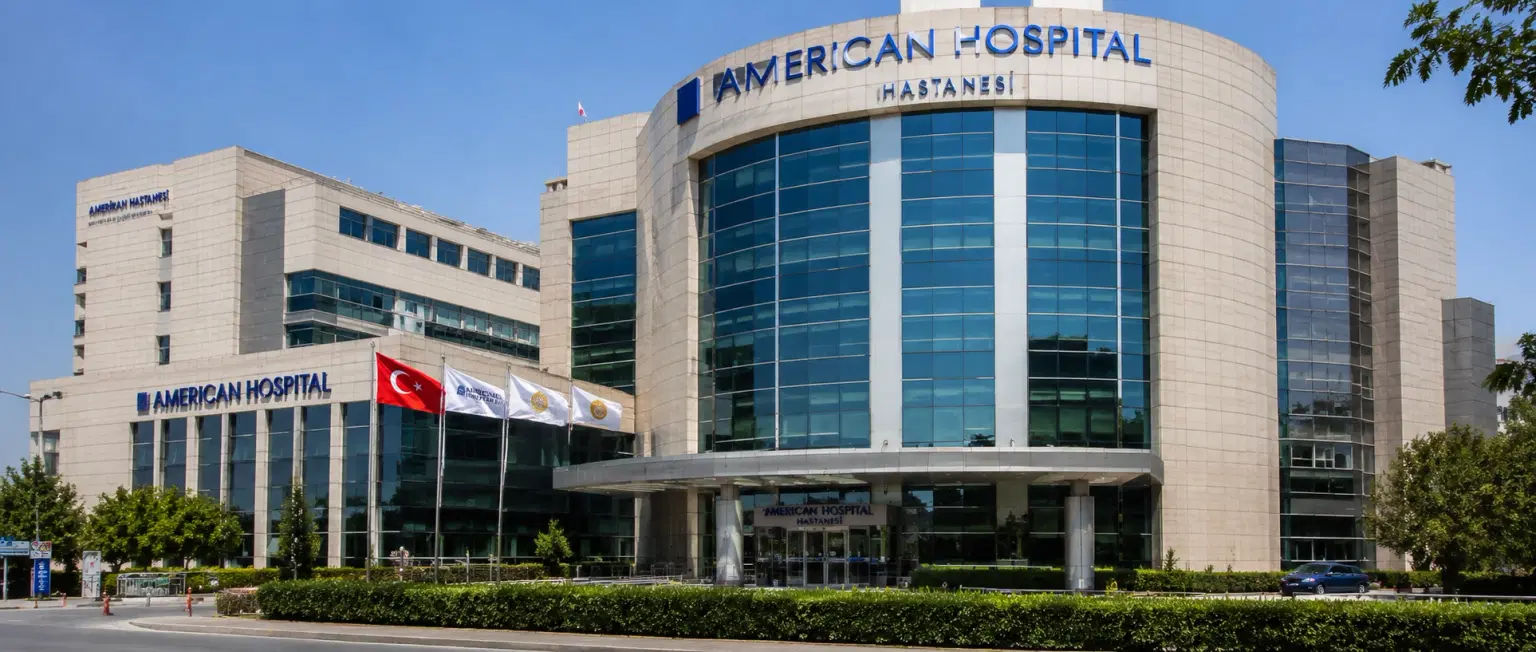
American Hospital, Istanbul
Guzelbahce Sk. No:20, 34365, Nisantasi, Istanbul, Turkey
American Hospital, Istanbul

Memorial Hospitals Group
Burhaniye, Nagehan Sokağı No:4/A D:1, 34676 Üsküdar/İstanbul, Türkiye
Memorial Hospitals Group

Florence Nightingale Hospital Istanbul
Abide-i Hürriyet Cd No:166, 34381 Sisli, Istanbul
Florence Nightingale Hospital Istanbul
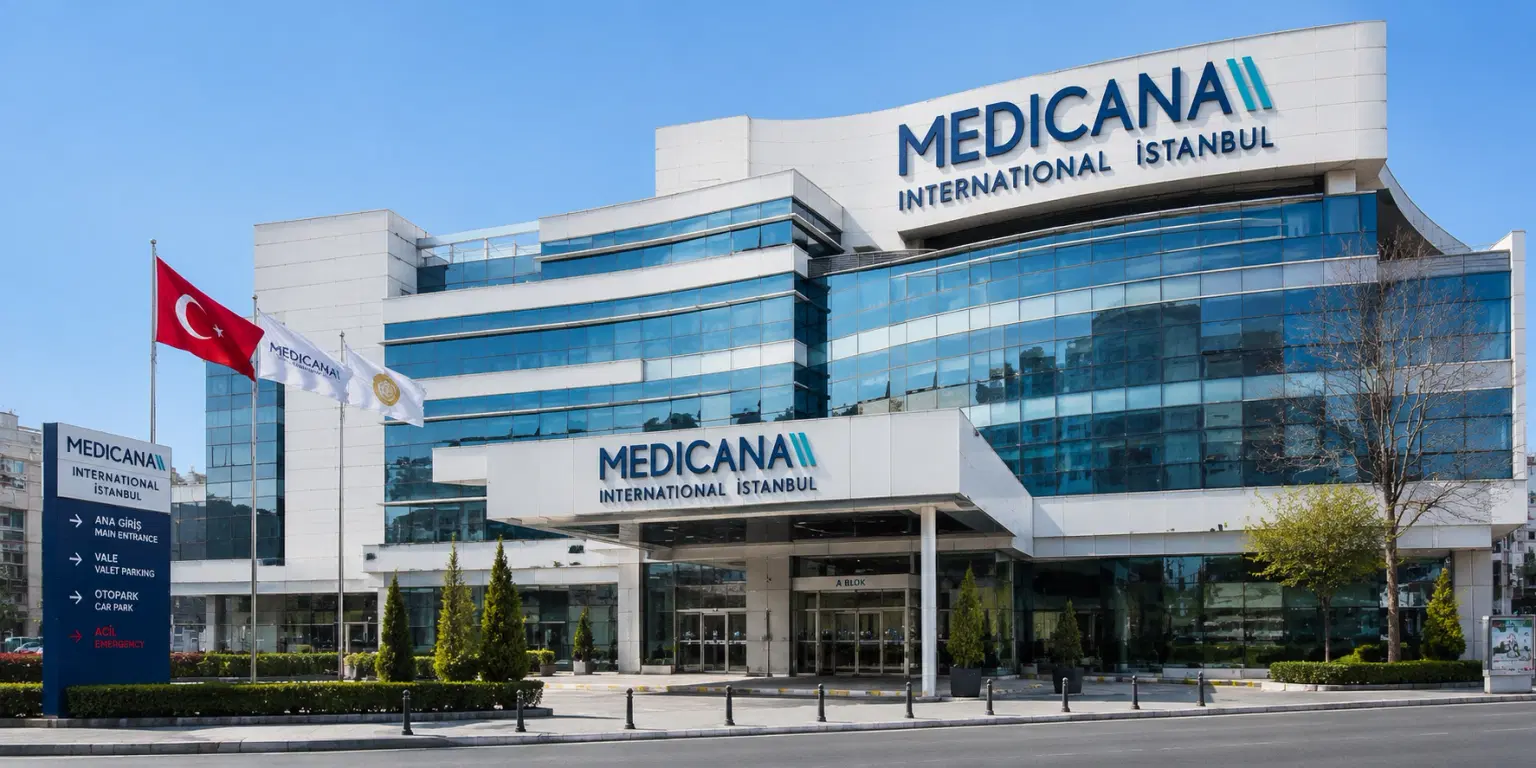
Medicana International Hospital, Istanbul
Halit Ziya Turkkani Mah. Medikal Park Cd. No:1, Beylikdüzü, İstanbul
Medicana International Hospital, Istanbul
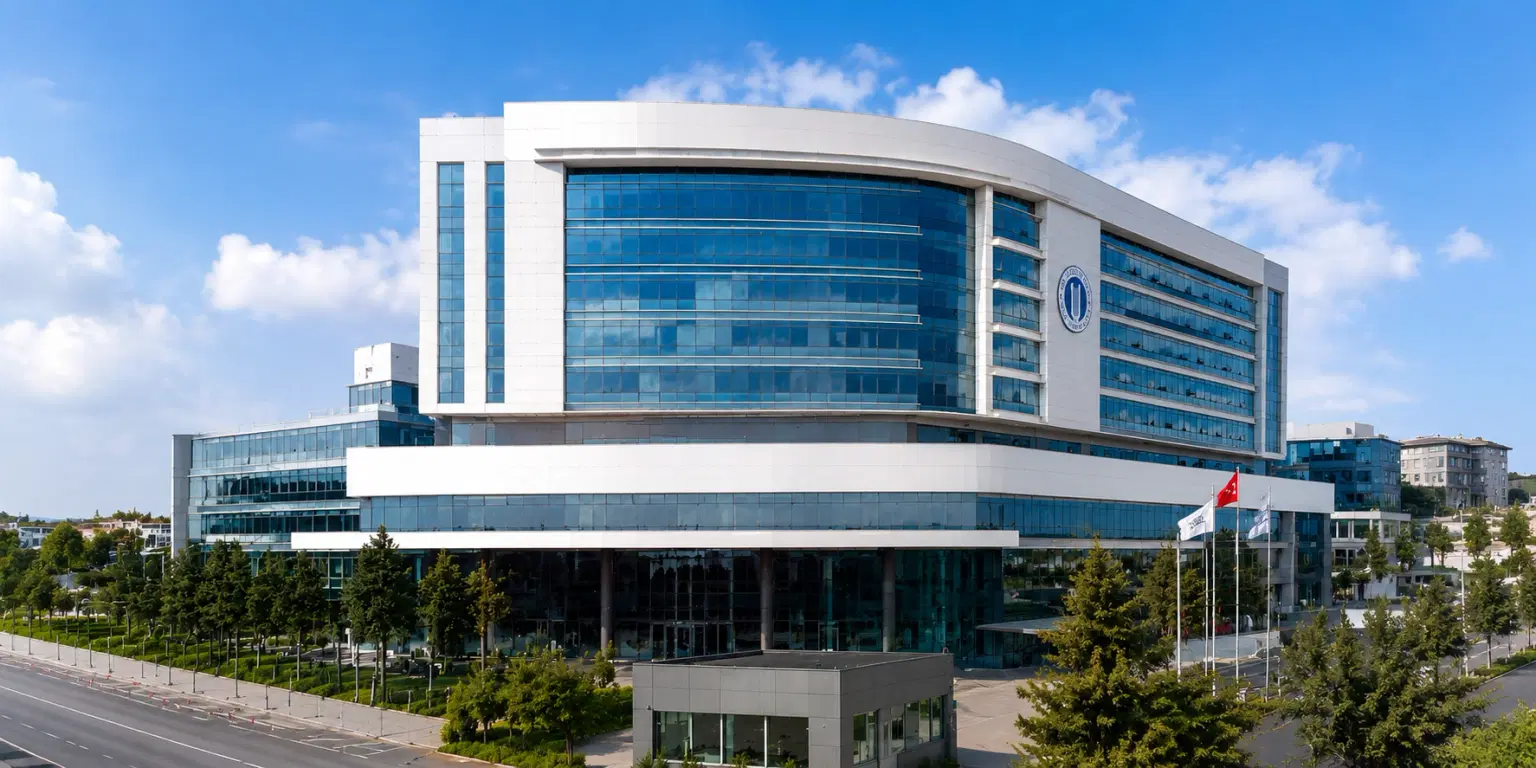
Okan University Hospital Istanbul
Icmeler Mah. Aydınlıyolu Cd. No:2, 34947 Icmeler-Tuzla, Istanbul
Okan University Hospital Istanbul
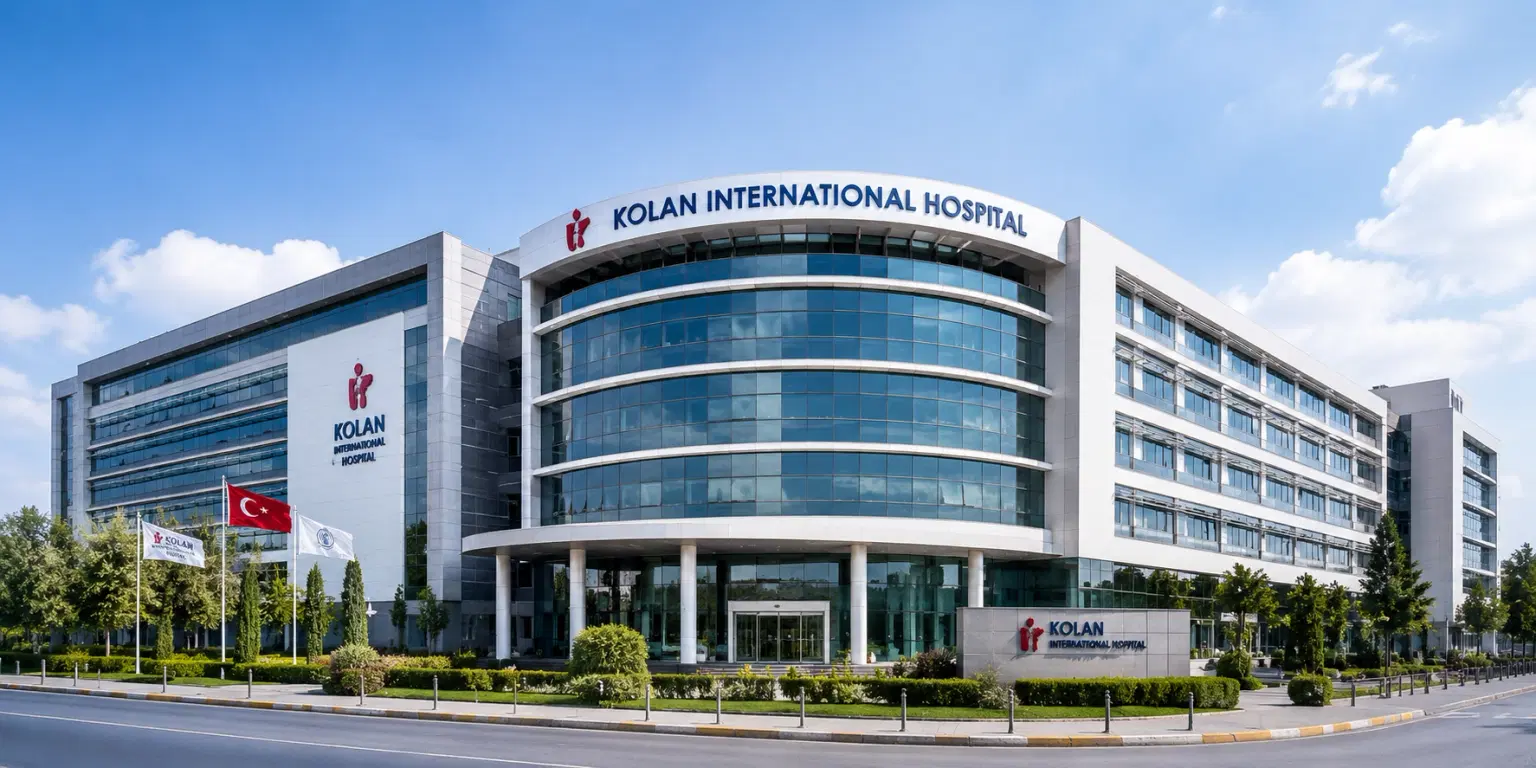
Kolan International Hospital, Istanbul
Kaptanpasa Mah. Okmeydan Kavsagi, Darulaceze Cd. No:14, 34384 Sisli, Istanbul
Kolan International Hospital, Istanbul
Booking With DIVINHEAL
Get a free consultation to understand your treatment options