epilepsy treatment
5K+ International Patients Treated
40+ Source Countries Served
500+ Accredited Partner Hospitals
98% Patient Satisfaction
80% Average Savings vs USA
10K+ Doctors
NABH, JCI Accredited Hospitals
Free Treatment Plan
Free Consultation with Doctor
5+ Destinations Covered
About epilepsy treatment
Sources and Guidelines Referenced
The clinical information in this guide is grounded in international clinical guidelines and peer-reviewed clinical studies, including: International League Against Epilepsy (ILAE) Seizure and Epilepsy Classification (2017) and Operational Definition of Drug-Resistant Epilepsy (Kwan et al., 2010); National Institute for Health and Care Excellence (NICE) Guideline NG217: Epilepsies in children, young people and adults (2022); American Academy of Neurology (AAN) and American Epilepsy Society (AES) Practice Guideline Recommendations for Antiseizure Medication Selection (Kanner et al., 2018); SANAD and SANAD II Randomized Clinical Trials (Marson et al., 2007, 2021); American Association of Neurological Surgeons (AANS) and AES Epilepsy Surgery Guidelines (Englot et al., 2012; Ryvlin et al., 2014); and World Health Organization (WHO) Mental Health Gap Action Programme (mhGAP) Guidelines (2023).
Epilepsy Treatment: A Comprehensive Patient Guide
1. Definition and Medical Identity
Epilepsy treatment is a specialized neurological intervention aimed at preventing recurrent unprovoked electrical disturbances in the brain, known as seizures. Also referred to as antiseizure therapy or epilepsy management, this discipline encompasses medical, surgical, neurostimulatory, and dietary modalities designed to restore neural stability and preserve cognitive function.
In clinical medicine, epilepsy is defined by the International League Against Epilepsy (ILAE) as a disease of the brain characterized by any of the following conditions: at least two unprovoked (or reflex) seizures occurring more than 24 hours apart; one unprovoked seizure and a probability of further seizures similar to the general recurrence risk after two unprovoked seizures (at least 60%) over the next 10 years; or diagnosis of an epilepsy syndrome (Fisher et al., 2014). Treatment does not merely suppress symptoms; it targets the pathological baseline hyperexcitability of neuronal networks.
Medical management relies on antiseizure medications (ASMs)—formerly termed anticonvulsants—which modify ion flux or neurotransmitter availability. When pharmacotherapy fails to control seizures, non-pharmacological modalities such as resective surgery, ablation, device-based neuromodulation, or ketogenic metabolic therapy are integrated into the therapeutic plan. The overarching goal across all modalities is complete seizure freedom with zero or minimal treatment-related adverse effects.
2. The Underlying Condition or Need
Epilepsy treatment is required when an individual experiences recurrent, unprovoked seizures caused by abnormal, excessive electrical discharges in cortical neuronal networks. Without treatment, ongoing seizure activity can lead to progressive neuronal injury, physical trauma, cognitive decline, and elevated mortality risks, including Sudden Unexpected Death in Epilepsy (SUDEP).
Under normal physiological conditions, cerebral neurons communicate through balanced excitatory and inhibitory electrical signals. Excitatory signals utilize the neurotransmitter glutamate to promote cell firing, while inhibitory signals utilize gamma-aminobutyric acid (GABA) to suppress excessive activity. In epilepsy, this equilibrium is disrupted. Pathological alterations in voltage-gated ion channels (channelopathies), structural brain lesions (such as mesial temporal sclerosis, cavernous malformations, or focal cortical dysplasias), or neurochemical imbalances create hyperexcitable groups of neurons capable of generating synchronized burst discharges.
Clinical presentation varies based on the anatomical origin and propagation of the seizure. Seizures are classified by the ILAE (2017) as focal onset (originating within networks limited to one hemisphere), generalized onset (originating at some point within and rapidly engaging bilaterally distributed networks), or unknown onset. Uncontrolled seizures impose severe physiological stress, including hypoxia, metabolic acidosis, elevated intracranial pressure, and systemic autonomic dysregulation. Prolonged, non-terminating seizure activity lasting longer than 5 minutes—termed status epilepticus—constitutes a medical emergency capable of causing irreversible neuronal death and systemic organ failure (NICE NG217, 2022).
3. How the Treatment Works — Mechanism
Epilepsy treatments work by controlling neuronal hyperexcitability and preventing the synchronization of abnormal electrical activity across brain networks. Pharmacological therapies modify ion channel kinetics, enhance inhibitory neurotransmission, or reduce excitatory signaling, whereas surgical and device interventions physically resect, ablate, or electrically disrupt seizure-generating networks.
Antiseizure medications act through several distinct biochemical and biophysical mechanisms at the cellular level (Kanner et al., 2018):
- Voltage-Gated Sodium Channel Blockade: Drugs such as carbamazepine, oxcarbazepine, lamotrigine, and lacosamide selectively bind to the inactivated state of voltage-gated sodium channels. This prolongs channel inactivation, preventing repetitive high-frequency neuronal firing without suppressing normal low-frequency action potentials.
- Enhancement of GABAergic Inhibition: Agents like clobazam, phenobarbital, and vigabatrin augment inhibitory neurotransmission. Benzodiazepines and barbiturates bind to specific subunits of the GABA-A receptor complex, increasing chloride ion influx and hyperpolarizing the post-synaptic neuronal membrane. Vigabatrin irreversibly inhibits GABA transaminase, the enzyme responsible for GABA breakdown, elevating brain GABA concentrations.
- Calcium Channel Modulation: Ethosuximide blocks T-type voltage-gated calcium channels in thalamic neurons, suppressing the low-threshold spike bursts that generate 3-Hz spike-and-wave discharges characteristic of absence seizures. Gabapentin and pregabalin bind to the alpha-2-delta auxiliary subunit of presynaptic voltage-gated calcium channels, decreasing the release of excitatory neurotransmitters.
- Synaptic Vesicle Protein Binding: Levetiracetam and brivaracetam bind specifically to synaptic vesicle protein 2A (SV2A) in presynaptic terminals. This action reduces rate-dependent exocytosis of glutamate and inhibits burst firing.
- Multiple Mechanisms: Broad-spectrum agents such as valproate, topiramate, and zonisamide exert multi-targeted effects, including sodium channel blockade, GABA enhancement, glutamate (AMPA/kainate) receptor antagonism, or carbonic anhydrase inhibition.
In surgical and neurostimulatory interventions, the mechanism shifts from molecular modulation to network disruption. Resective surgery physically removes the epileptogenic zone—the area of cortex responsible for generating clinical seizures. Neuromodulation techniques, such as Vagus Nerve Stimulation (VNS), Responsive Neurostimulation (RNS), and Deep Brain Stimulation (DBS), deliver chronic or demand-responsive electrical pulses to desynchronize abnormal network activity and alter long-term network plasticity (Ryvlin et al., 2014).
4. Types and Variations
Epilepsy treatment includes four distinct primary categories: antiseizure medications, surgical resections or ablations, neurostimulation therapies, and metabolic dietary interventions. Clinicians select among these modalities based on seizure classification, underlying brain structural findings, medical comorbidities, and whether the epilepsy has demonstrated resistance to initial pharmacotherapy.
Antiseizure Pharmacotherapy
Pharmacotherapy is the first-line treatment for all newly diagnosed epilepsies. Medications are broadly categorized into narrow-spectrum drugs (effective primarily for focal onset seizures) and broad-spectrum drugs (effective for both focal and generalized seizure types). First-generation agents (e.g., carbamazepine, valproate, phenytoin) feature established efficacy but require frequent blood monitoring due to narrow therapeutic windows and hepatic enzyme induction. Second- and third-generation agents (e.g., levetiracetam, lamotrigine, lacosamide, cenobamate) offer improved tolerability profiles, fewer drug-drug interactions, and predictable linear pharmacokinetics (Marson et al., 2021).
Resective and Ablative Epilepsy Surgery
Surgical interventions are indicated when seizures originate from a identifiable, resectable focus that can be removed without causing major neurological deficits. Options include anterior temporal lobectomy, selective amygdalohippocampectomy, neocortical lesionectomy, and hemispherectomy. Minimally invasive techniques, such as Laser Interstitial Thermal Therapy (LITT), utilize MRI-guided stereotactic laser probes to thermally ablate epileptogenic foci (such as hypothalamic hamartomas or hippocampal sclerosis) through a 3-millimeter burr hole, drastically reducing recovery time relative to open craniotomy.
Neurostimulation Devices
When an epileptogenic focus cannot be resected—either because it resides within eloquent cortex (areas responsible for speech, movement, or sensory processing) or because seizures are multifocal—implantable devices offer electrical neuromodulation. VNS involves a subcutaneous generator in the chest connected to the left vagus nerve. RNS uses a closed-loop neurostimulator implanted in the skull connected to depth or subdural leads placed directly at up to two seizure foci, detecting abnormal electrographic activity and delivering immediate electrical pulses to interrupt impending seizures. DBS involves bilateral lead placement in subcortical structures, most commonly the anterior nucleus of the thalamus (ANT) or centromedian nucleus (CMN).
Dietary Therapies
Specialized metabolic diets, primarily the classic ketogenic diet (a high-fat, low-carbohydrate, adequate-protein ratio typically 4:1 or 3:1) and the Modified Atkins Diet (MAD), induce a biochemical shift from glucose utilization to ketone body beta-oxidation. Ketone bodies (beta-hydroxybutyrate, acetoacetate) enhance GABA synthesis, alter vesicular glutamate transport, and attenuate mitochondrial oxidative stress, offering non-pharmacological seizure reduction particularly effective in pediatric epileptic encephalopathies like GLUT1 deficiency syndrome and Dravet syndrome (NICE NG217, 2022).
| Treatment Category | Primary Mechanism | Typical Indication | Invasiveness Level | Primary Reversibility |
|---|---|---|---|---|
| Antiseizure Medications | Ion channel blockade, GABA potentiation, SV2A binding | First-line for all new-onset focal and generalized epilepsies | Non-invasive (Oral) | Fully reversible upon drug discontinuation |
| Resective Surgery | Surgical removal of the epileptogenic cortical zone | Drug-resistant focal epilepsy with concordance on presurgical workup | High (Open Craniotomy) | Irreversible structural removal |
| Thermal Ablation (LITT) | Laser-induced hyperthermic coagulation necrosis | Deep or well-circumscribed focal lesions (e.g., hippocampal sclerosis) | Minimally Invasive (Stereotactic Burr Hole) | Irreversible structural ablation |
| Neuromodulation (VNS/RNS/DBS) | Electrical stimulation of peripheral nerves or central networks | Drug-resistant focal or generalized epilepsy unsuited for resection | Moderate (Surgical Device Implantation) | Reversible; hardware can be deactivated or removed |
| Dietary Therapies | Metabolic alteration inducing ketosis and altered neurochemistry | Drug-resistant pediatric epilepsies and specific metabolic syndromes | Non-invasive (Dietary) | Reversible upon dietary reintroduction of carbohydrates |
5. Who the Treatment Is For — Indications
Epilepsy treatment is indicated for patients who have experienced at least two unprovoked seizures occurring more than 24 hours apart, or one unprovoked seizure with a high probability of recurrence over 60%. Diagnostic evaluation including electroencephalography, neuroimaging, and clinical semiology determines candidate eligibility and therapeutic selection.
Clinical indications depend on specific patient parameters and diagnostic findings according to international guidelines (ILAE 2017; NICE NG217, 2022):
- First-Line Pharmacotherapy Indications: Recommended immediately following a second unprovoked seizure. Monotherapy may also be initiated after a single unprovoked seizure if brain MRI reveals a structural lesion (such as a cavernous malformation or low-grade tumor), if the EEG shows clear epileptiform discharges, or if the seizure presented as status epilepticus.
- Indications for Specific Seizure Types: Narrow-spectrum sodium channel blockers (carbamazepine, oxcarbazepine) are indicated specifically for focal-onset seizures. Broad-spectrum medications (levetiracetam, lamotrigine, valproate, topiramate) are indicated for generalized tonic-clonic, absence, or myoclonic seizures. Ethosuximide is specifically indicated as first-line therapy for childhood absence epilepsy.
- Presurgical Evaluation Indications: Patients are candidates for presurgical evaluation when they meet the criteria for drug-resistant epilepsy, defined by the ILAE as failure of adequate trials of two tolerated, appropriately chosen and used antiseizure medication schedules (whether as monotherapies or in combination) to achieve sustained seizure freedom (Kwan et al., 2010).
- Neurostimulation Indications: VNS is indicated as an adjunctive therapy for drug-resistant focal or generalized epilepsy in patients who are not surgical candidates or who have failed resective surgery. RNS is indicated for adults with drug-resistant focal epilepsy originating from no more than two epileptogenic foci located in or near eloquent cortex. DBS is indicated for drug-resistant focal epilepsy involving deep or multifocal networks.
- Metabolic and Dietary Indications: Dietary therapy is indicated early in the disease course for specific metabolic conditions, including glucose transporter 1 (GLUT1) deficiency syndrome and pyruvate dehydrogenase deficiency, as well as an adjunctive treatment for refractory pediatric syndromes such as Lennox-Gastaut syndrome and Dravet syndrome.
6. Who the Treatment Is NOT For — Contraindications
Epilepsy treatment is contraindicated in non-epileptic events, such as psychogenic non-epileptic seizures or syncope, where antiseizure drugs offer no therapeutic benefit and cause potential harm. Specific medications and procedures also carry strict contraindications based on genetic mutations, hepatic impairment, pregnancy, or baseline cardiac conduction abnormalities.
Absolute and relative contraindications across modalities include:
Inappropriate Event Classification
Antiseizure medications are explicitly contraindicated in patients whose clinical events represent non-epileptic paroxysmal events, including psychogenic non-epileptic seizures (PNES), vasovagal syncope, cardiac dysrhythmias, transient ischemic attacks, or sleep disorders. Prescribing ASMs for PNES exposes patients to significant pharmacological toxicity without therapeutic efficacy and delays appropriate psychological or psychiatric care.
Genetically Mediated Contraindications
Sodium channel blocking medications (carbamazepine, oxcarbazepine, lamotrigine, phenytoin) are strictly contraindicated in patients with Dravet syndrome or confirmed loss-of-function mutations in the SCN1A gene. In these patients, blocking residual sodium channels further impairs inhibitory interneuron firing, leading to exacerbation of seizures and potential precipitation of status epilepticus (NICE NG217, 2022).
Teratogenic and Organ-Specific Contraindications
Valproate (sodium valproate / valproic acid) is contraindicated in female children, female adolescents, and women of childbearing potential unless no suitable alternative exists and a pregnancy prevention program is strictly maintained. Evidence demonstrates a 10% risk of major congenital malformations (e.g., neural tube defects, cardiac anomalies) and up to a 30% to 40% risk of neurodevelopmental disorders and cognitive impairment following in utero exposure (NICE NG217, 2022; Tomson et al., 2018). Valproate is also absolutely contraindicated in patients with known or suspected mitochondrial disorders caused by mutations in nuclear gene encoding mitochondrial enzyme polymerase gamma (POLG), as it can precipitate fatal acute liver failure.
Surgical and Device Contraindications
Resective epilepsy surgery is contraindicated when presurgical evaluation demonstrates that the epileptogenic focus directly overlaps essential eloquent cortex where resection would cause severe, unacceptable permanent neurological deficits (e.g., primary motor cortex or primary language centers). open resective surgery is also contraindicated in patients with significant systemic comorbidities, severe active psychiatric illness, or non-concordant diagnostic data indicating poorly localized, diffuse, or multifocal onset. Implantation of VNS or RNS is contraindicated in patients who have active localized infections at the implantation site or who require short-wave diathermy, microwave diathermy, or therapeutic ultrasound.
7. Alternatives and Clinical Comparison
Alternatives within epilepsy management depend on whether a patient has drug-sensitive or drug-resistant epilepsy. When primary medications fail, clinical alternatives include secondary or tertiary medications, resective surgical procedures, laser interstitial thermal therapy, neuromodulation, or dietary therapies like the ketogenic diet, each offering distinct invasive and efficacy profiles.
For patients with newly diagnosed epilepsy, initial choices involve selecting among competing monotherapies. The landmark SANAD (Standard and New Antiepileptic Drugs) trials established that for focal epilepsy, lamotrigine demonstrated superior overall treatment continuation and tolerability compared to carbamazepine, topiramate, and levetiracetam, while levetiracetam and zonisamide provided comparable seizure control (Marson et al., 2007, 2021). For generalized and unclassified epilepsies, valproate remained the most effective agent for seizure control, though levetiracetam serves as the preferred first-line alternative in females of childbearing potential due to safety profiles.
When pharmacotherapy fails, clinicians evaluate the trade-offs between surgical cure, minimally invasive ablation, and neurostimulation device implantation. Resective surgery offers the highest probability of complete seizure freedom (60% to 80% in mesial temporal lobe epilepsy), but carries higher perioperative risk than device therapies. Neuromodulation devices (VNS, RNS, DBS) rarely achieve complete seizure freedom, producing instead a progressive reduction in median seizure frequency (typically 50% to 70% reduction at 2 to 5 years follow-up), but carry negligible risk of cognitive decline (Ryvlin et al., 2014; Salanova et al., 2015).
| Treatment Alternative | Primary Mechanism | Clinical Invasiveness | Seizure Freedom Rate | Key Trade-offs & Considerations |
|---|---|---|---|---|
| ASM Monotherapy | Systemic ion channel / receptor modulation | Non-invasive | 50%–60% initial success | Requires daily lifetime adherence; potential systemic, cognitive, and teratogenic side effects. |
| ASM Polytherapy | Synergistic multi-target mechanisms | Non-invasive | Additional 5%–10% success | Increased risk of drug-drug interactions, adverse cumulative cognitive effects, and non-compliance. |
| Resective Epilepsy Surgery | Surgical removal of epileptogenic tissue | High invasive open surgery | 60%–80% (focal temporal) | Curative intent; carries perioperative risks, wound infection, and rare neurological deficits. |
| Laser Ablation (LITT) | Stereotactic hyperthermic tissue destruction | Minimally invasive keyhole | 50%–70% (lesional focal) | Shorter stay and faster recovery than open surgery; slightly lower freedom rate in non-lesional cases. |
| Responsive Neurostimulation (RNS) | Closed-loop focal electrostimulation | Moderate surgical device | Rarely curative (~10% freedom; 50%–75% reduction) | Preserves eloquent cortex; requires battery changes every 8–11 years; ongoing programming required. |
| Ketogenic Dietary Therapy | Systemic metabolic ketone production | Non-invasive dietary | 10%–15% freedom; 50% reduction in ~50% | Demands rigorous compliance; risk of dyslipidemia, kidney stones, and growth deceleration in children. |
8. Pre-Treatment Phase
The pre-treatment phase involves a systematic clinical evaluation to confirm the diagnosis of epilepsy, classify seizure types, and identify potential underlying structural or genetic causes. Patients undergo detailed clinical history taking, baseline laboratory testing, high-resolution neuroimaging, long-term electroencephalographic monitoring, and comprehensive patient counseling regarding treatment expectations.
Initial Clinical Evaluation and History
Diagnostic evaluation begins with a comprehensive neurological history. Because patients are frequently amnesic to their seizure events, clinicians prioritize obtaining detailed observer accounts or video recordings from family members or witnesses. History taking documents seizure semiology (the sequence of clinical signs and symptoms during the event), post-ictal symptoms (confusion, lateralized weakness, aphasia), event frequency, timing, known precipitants (sleep deprivation, alcohol withdrawal, photic stimulation), and developmental and family history.
Diagnostic Workup
Standardized presurgical and pre-medical workup follows established professional consensus protocols (NICE NG217, 2022):
- Electroencephalography (EEG): A standard 20- to 30-minute scalp EEG evaluates background rhythms and identifies interictal epileptiform discharges (spikes, sharp waves, spike-and-wave complexes) to help distinguish focal from generalized epilepsy. If routine EEG is non-diagnostic, 24- to 72-hour ambulatory EEG or continuous inpatient video-EEG monitoring is performed to capture habitual clinical events.
- High-Resolution Neuroimaging: Magnetic Resonance Imaging (MRI) performed on a 3-Tesla scanner utilizing dedicated epilepsy protocol sequences (including thin-slice 3D T1-weighted, T2-weighted, and FLAIR images oriented perpendicular to the long axis of the hippocampus) is mandatory to detect subtle structural lesions such as hippocampal sclerosis, focal cortical dysplasias, cavernous hemangiomas, or low-grade neuroepithelial tumors.
- Laboratory Investigations: Complete blood counts, renal function, liver function panels, fasting blood glucose, serum calcium, magnesium, and electrolytes are obtained to exclude acute metabolic seizure triggers. Genetic testing (such as chromosomal microarray, gene panels, or whole-exome sequencing) is performed when clinical features suggest early-onset developmental and epileptic encephalopathies.
- Presurgical Evaluation (for Drug-Resistant Patients): When evaluating patients for resective surgery, advanced neuroimaging modalities are deployed, including functional MRI (fMRI) for language and motor mapping, Positron Emission Tomography (PET) to detect regional hypometabolism, Single-Photon Emission Computed Tomography (SPECT) for ictal perfusion mapping, and high-density EEG or Magnetoencephalography (MEG). If non-invasive data are discordant, invasive intracranial monitoring utilizing stereotactic EEG (stereo-EEG or sEEG) is performed to surgically place depth electrodes into candidate brain regions to map the epileptogenic zone in three dimensions.
Counseling and Informed Consent
Prior to initiating treatment, patients receive counseling regarding diagnosis, sudden unexpected death in epilepsy (SUDEP) risk reduction, medication titration schedules, potential adverse effects, legal restrictions regarding driving and hazardous occupations, and lifestyle modifications. Females of childbearing potential undergo specialized reproductive counseling regarding teratogenicity, contraception interactions, and folic acid supplementation.
9. The Procedure — Step-by-Step Clinical Detail
The procedural sequence of epilepsy treatment ranges from systematic oral drug titration in ambulatory care to multi-stage surgical resections in dedicated neurosurgical operative suites. For pharmacological management, clinicians initiate low-dose monotherapy with incremental weekly dose increases, whereas surgical interventions involve craniotomy, cortical mapping, resection, and postoperative neurological surveillance.
Pharmacological Initiation and Titration Protocol
Pharmacotherapy is initiated in an outpatient clinical setting according to structured titration protocols:
- Monotherapy Selection: A single antiseizure medication appropriate for the specific seizure classification is selected based on efficacy data, patient age, sex, comorbidities, and potential drug interactions.
- Low-Dose Start: Medication is started at a low initial dose (e.g., lamotrigine at 25 mg daily, or levetiracetam at 250 mg twice daily) to minimize acute neurotoxic side effects and reduce the risk of idiosyncratic cutaneous hypersensitivity reactions.
- Gradual Dose Titration: The dose is escalated incrementally every 1 to 2 weeks (e.g., increasing lamotrigine by 25 to 50 mg fortnightly) until reaching the target minimum effective maintenance dose.
- Clinical Evaluation of Efficacy: The patient maintains a standardized seizure diary during titration. If complete seizure freedom is achieved without adverse effects, the maintenance dose is continued.
- Dose Optimization or Substitution: If seizures persist, the dose is increased sequentially toward the maximum tolerated dose. If seizure control remains incomplete or unacceptable side effects occur, a second monotherapy is introduced, titrated to therapeutic levels, and the first drug is slowly tapered and withdrawn (cross-titration).
Resective Neurosurgical Procedure Step-by-Step
When open resective epilepsy surgery (e.g., anterior temporal lobectomy) is performed, the neurosurgical procedure follows strict clinical steps:
- Anesthesia and Positioning: The patient is placed under general endotracheal anesthesia. Rigid head fixation in a stereotactic frame or skull clamp is applied, and image-guidance neuronavigation systems are calibrated using pre-operative 3T MRI datasets.
- Scalp Incision and Craniotomy: A tailored scalp incision is made, muscle flaps are reflected, and a craniotomy bone flap is created overlying the target epileptogenic zone.
- Dural Opening and Intraoperative Electrocorticography (ECoG): The dura mater is incised and reflected. Subdural grid or strip electrodes are placed directly on the cortical surface to perform intraoperative ECoG, recording real-time electrographic spike activity to refine resection margins.
- Functional Cortical Mapping: If the surgical site lies adjacent to critical functional areas, electrical cortical stimulation mapping is conducted in either the awake patient or under specialized light anesthesia to precisely map motor, sensory, or speech language cortex.
- Microsurgical Resection: Utilizing an operating microscope, ultrasonic aspirator, and micro-bipolar cautery, the neurosurgeon performs subpial resection of the target epileptogenic tissue (e.g., removing the anterior 3.5 cm of the temporal lobe, along with the hippocampus and amygdala in temporal lobectomy) while preserving adjacent vascular structures.
- Hemostasis and Closure: Meticulous hemostasis is established within the surgical cavity. Post-resection ECoG may be repeated to confirm clear margins. The dura is closed water-tight, the bone flap is secured with titanium microplates, and the scalp is closed in anatomical layers.
10. Immediate Post-Procedure Period
The immediate post-procedure period focuses on early acute monitoring, side effect surveillance, and stabilization following treatment initiation or surgical intervention. In medical management, this involves evaluating acute drug tolerability, whereas surgical recovery requires 24 to 48 hours of intensive neurological monitoring, wound assessment, pain management, and intracranial complication screening.
Post-Pharmacological Initiation Care
During the initial 24 to 72 hours following the introduction of a new antiseizure drug, patients are monitored on an outpatient basis for acute dose-dependent neurotoxicity (somnolence, dizziness, diplopia, ataxia) and acute hypersensitivity manifestations. Patients are instructed to contact their clinical team immediately if they develop widespread cutaneous eruptions, facial edema, fever, or mucosal lesions.
Post-Neurosurgical Recovery Protocol
Following resective epilepsy surgery or neurostimulator implantation, patients are managed in a specialized neurosurgical intensive care unit (NICU) or high-dependency unit for the initial 24 to 48 hours:
- Neurological Monitoring: Automated pupil assessment, Glasgow Coma Scale (GCS) scoring, and focal neurological examinations are performed hourly to detect early evidence of intracranial hemorrhage, cerebral edema, or acute ischemia.
- Hemodynamic and Respiratory Support: Continuous arterial line monitoring maintains mean arterial pressure within target ranges to preserve cerebral perfusion pressure. Mild supplemental oxygen is provided, and analgesics are titrated to control postoperative headache without excessively clouding neurological status.
- Seizure Surveillance and Antiseizure Continuation: Baseline maintenance antiseizure medications are continued uninterrupted perioperatively, administered orally or converted to intravenous formulations (e.g., IV levetiracetam or lacosamide) until full oral intake resumes. Continuous scalp EEG monitoring may be maintained for the first 24 hours to identify subclinical seizures.
- Discharge Criteria: Patients are transferred to the neurosurgical floor on postoperative day 1 or 2 and are typically discharged home between postoperative days 3 and 7 once they are afebrile, ambulating independently, tolerating a regular diet, and showing no new focal neurological deficits.
11. Recovery — Short and Long Term
Recovery from epilepsy treatment spans short-term therapeutic stabilization over several weeks to long-term monitoring over months and years. Patients progress through gradual medication titration, post-surgical physical and cognitive rehabilitation, lifestyle adjustments, and structured outpatient follow-up to evaluate seizure control and maintain overall functional quality of life.
Short-Term Recovery Timeline (Weeks 1 to 12)
For patients managed medically, the first 3 months involve steady-state drug accumulation, resolution of mild transient neuroactive side effects (such as fatigue or nausea), and systematic titration. Laboratory surveillance (e.g., complete blood counts, hepatic panels, or therapeutic drug monitoring) is scheduled at 4- to 12-week intervals depending on the chosen drug profile.
For patients undergoing resective surgery or laser ablation:
- Weeks 1 to 4: Postoperative management focuses on surgical wound healing, gradual reduction of incisional pain, and recovery from systemic fatigue. Patients are restricted from heavy lifting (>5 kg), strenuous physical exercise, bending below the waist, and swimming.
- Weeks 4 to 8: Physical and occupational performance returns toward baseline. Formal neuropsychological re-evaluation may occur to assess memory, executive function, and verbal processing compared to presurgical baseline testing.
- Weeks 8 to 12: Patients gradually resume light occupational duties and non-contact physical activities, subject to individual clinical clearance and driving restrictions.
Long-Term Care and Follow-up Schedule
Long-term clinical follow-up is structured around routine outpatient neurological assessments every 3 to 6 months during active treatment titration, and every 6 to 12 months once long-term seizure stability is established. Follow-up includes ongoing review of patient seizure logs, assessment of drug adverse effects, screening for comorbid depression and anxiety using validated screening instruments (such as the Neurological Disorders Depression Inventory for Epilepsy, NDDI-E), and routine EEG monitoring when clinically indicated (NICE NG217, 2022).
For surgical patients, medication reduction is approached cautiously. Guidelines generally advise maintaining baseline antiseizure medications for at least 1 to 2 years postoperatively, even in the presence of complete seizure freedom. Drug withdrawal is considered on an individualized basis following repeat normal scalp EEG recordings and thorough patient risk-benefit discussion (Englot et al., 2012).
12. Risks, Side Effects, and Complications
Risks associated with epilepsy treatments range from common, transient dose-dependent side effects to severe, life-threatening drug reactions and neurosurgical complications. Clinical management requires vigilant surveillance for adverse events, including cognitive slowing, cutaneous hypersensitivity syndromes, organ toxicities, neurological deficits, and perioperative surgical risks.
Pharmacological Adverse Effects and Toxicities
Adverse effects of antiseizure medications are classified into dose-dependent toxicities, idiosyncratic reactions, chronic metabolic toxicities, and teratogenic risks:
- Dose-Dependent Neurotoxicity: Common to nearly all ASMs, including sedation, dizziness, diplopia, nystagmus, ataxia, and cognitive impairment (slowing of processing speed, word-finding difficulty). These effects typically correlate with peak serum drug concentrations and often respond to dose reduction or modified-release formulations.
- Idiosyncratic Hypersensitivity Reactions: Severe, non-dose-dependent immunologic reactions include Stevens-Johnson syndrome (SJS) and toxic epidermal necrolysis (TEN), characterized by epidermal necrosis and mucosal sloughing. Aromatic ASMs (carbamazepine, phenytoin, lamotrigine) carry the highest risk. Drug Reaction with Eosinophilia and Systemic Symptoms (DRESS) syndrome presents with widespread rash, fever, lymphadenopathy, and multi-organ impairment (hepatitis, nephritis). Screening for the HLA-B*1502 allele in patients of Asian ancestry prior to carbamazepine initiation significantly mitigates SJS/TEN risk (Kanner et al., 2018).
- Organ Toxicities and Metabolic Effects: Valproate carries risks of acute fatal hepatotoxicity, acute pancreatitis, weight gain, hyperammonemia, and thrombocytopenia. Felbamate carries severe warnings for aplastic anemia and hepatic failure. Topiramate and zonisamide cause carbonic anhydrase inhibition, leading to hyperchloremic metabolic acidosis, nephrolithiasis (kidney stones), oligohidrosis (reduced sweating), and hypokalemia. Chronic use of enzyme-inducing ASMs (carbamazepine, phenytoin, phenobarbital) accelerates vitamin D catabolism, leading to osteopenia and osteoporosis.
Surgical and Device-Related Complications
Neurosurgical risks include acute operative complications such as intracranial hemorrhage (epidural, subdural, or intraparenchymal hematoma), wound infection, meningitis, cerebrospinal fluid leakage, deep vein thrombosis, and anesthetic complications. Procedure-specific neurological risks in temporal lobectomy include superior quadrantanopia (a visual field defect caused by injury to Meyer's loop in the temporal white matter) and verbal memory decline, particularly following dominant temporal lobe resections (Englot et al., 2012). Complications of neurostimulation devices include wound infection, lead migration, hardware breakage, hoarseness and coughing (VNS), and local pain at the generator site.
| Severity Level | Clinical Adverse Events & Complications | Associated Modalities / Drugs | Approximate Frequency |
|---|---|---|---|
| Common / Mild | Sedation, dizziness, mild fatigue, transient diplopia, nausea, mild weight changes | Most ASMs (dose-dependent) | 10%–30% of patients |
| Uncommon / Moderate | Benign maculopapular rash, cognitive slowing, word-finding difficulty, hyponatremia, nephrolithiasis, tremor, hair thinning | Lamotrigine, Carbamazepine, Topiramate, Oxcarbazepine, Valproate | 1%–10% of patients |
| Rare / Serious | Stevens-Johnson syndrome / TEN, DRESS syndrome, acute liver failure, aplastic anemia, pancreatitis, severe depression/suicidality | Aromatic ASMs, Valproate, Felbamate, Levetiracetam (psychiatric) | <0.1% to 1% of patients |
| Surgical / Device Specific | Intracranial hemorrhage, wound infection, visual field defect (quadrantanopia), verbal memory decline, hardware lead fracture | Open resective surgery, LITT, VNS, RNS, DBS hardware | 1%–5% (surgical complications); 2%–8% (hardware/cognitive) |
13. Lifestyle and Behavioural Considerations
Lifestyle and behavioral factors significantly influence epilepsy treatment efficacy and overall seizure control. Maintaining strict medication adherence, preserving regular sleep-wake schedules, managing psychological stress, avoiding alcohol and recreational substances, and minimizing known individual seizure triggers serve as essential non-pharmacological adjuncts to medical and surgical therapies.
Sleep and Circadian Regulation
Sleep deprivation is one of the most reliable and potent precipitants of epileptic seizures. Disruption of sleep architecture destabilizes cortical neuronal membranes and enhances thalamocortical synchronization, lowering the seizure threshold. Patients are advised to maintain strict sleep hygiene, target consistent 7 to 9 hours of nightly sleep, and avoid shift work or acute circadian disruptions whenever possible (NICE NG217, 2022).
Substance Avoidance and Trigger Management
Alcohol consumption and withdrawal exert profound effects on seizure susceptibility. While modest alcohol intake (1–2 standard drinks) rarely triggers seizures directly, binge drinking and subsequent phase withdrawal acute suppression of GABA and rebound excitation induce a high risk of generalized seizures. Recreational substances, particularly cocaine, amphetamines, MDMA, and synthetic cannabinoids, possess direct pro-convulsant properties and are strictly contraindicated. For patients with photosensitive epilepsy (demonstrating photoparoxysmal responses on EEG), avoiding high-contrast flashing visual stimuli, utilizing flicker-free displays, or wearing polarized blue lenses reduces visual induction risks.
Medication Adherence Strategies
Non-adherence to antiseizure medications is the leading cause of breakthrough seizures, status epilepticus, and avoidable emergency department presentations. Studies demonstrate that missing even a single dose of short-half-life ASMs can cause serum concentration drops below the therapeutic threshold, triggering breakthrough seizures. Behavioral strategies to optimize adherence include utilizing pill organizers (dosette boxes), smartphone alarm applications, linking medication timing to daily routine activities (e.g., tooth brushing), and involving family support networks.
14. How Outcomes Are Measured
Outcomes in epilepsy treatment are measured primarily through seizure frequency reduction, achievement of complete seizure freedom, and improvements in health-related quality of life. Clinicians utilize validated scoring tools, such as the Engel Surgical Outcome Scale and the ILAE Outcome Scale, alongside neuropsychological assessments and therapeutic drug monitoring.
Clinical Endpoints in Pharmacotherapy
In clinical trials and routine practice, medical outcome efficacy is defined using standardized metrics:
- Seizure Freedom Rate: The percentage of patients who achieve complete freedom from all seizures for at least 12 consecutive months or three times the longest pre-treatment interictal interval.
- 50% Responder Rate: The proportion of patients experiencing a 50% or greater reduction in monthly seizure frequency compared to baseline.
- Retention Rate: The percentage of patients who remain on the prescribed drug over a specified follow-up period (e.g., 12 or 24 months), serving as a composite measure of long-term efficacy and tolerability (Marson et al., 2021).
Surgical Outcome Classification Scales
Following surgical resection or ablation, long-term outcomes are formally classified using validated clinical outcome scales at 12-month intervals:
| Outcome Grade | Engel Surgical Outcome Scale Definition | ILAE Outcome Scale Definition |
|---|---|---|
| Class 1 / Class I | Free of disabling seizures (completely seizure-free, or aura only, or seizures only upon ASM withdrawal) | Completely seizure-free; no auras (ILAE Class 1) |
| Class 2 / Class II | Rare disabling seizures ("almost seizure-free"; nocturnal seizures only, or initial post-surgical seizures only) | Only auras; no disabling seizures (ILAE Class 2) |
| Class 3 / Class III | Worthwhile improvement (worthwhile seizure reduction; 50%–90% reduction in seizure frequency) | 1 to 3 seizure days per year (ILAE Class 3) |
| Class 4 / Class IV | No worthwhile improvement (no significant reduction; seizure frequency unchanged or worse) | >50% reduction to increased seizure frequency (ILAE Class 4–6) |
Psychosocial and Neuropsychological Measures
Beyond seizure counts, clinical success incorporates multidimensional health-related quality of life outcomes. Clinicians utilize validated standardized instruments such as the Quality of Life in Epilepsy-31 (QOLIE-31) questionnaire to assess emotional well-being, energy levels, social functioning, and cognitive concerns. Serial neuropsychological testing measures verbal and visual memory, processing speed, and executive function to verify that medical or surgical interventions have preserved baseline cognitive function.
15. Recent Advances and Current Standard of Care
Recent advances in epilepsy treatment include minimally invasive surgical techniques, precise neurostimulation algorithms, novel antiseizure drugs with enhanced selectivity, and advanced genetic diagnostics. Current standard-of-care guidelines emphasize early identification of drug resistance, rapid referral to specialized epilepsy centers, and personalized precision medicine approaches.
Minimally Invasive Neurosurgical Innovations
The neurosurgical management of epilepsy has shifted toward minimally invasive options. Laser Interstitial Thermal Therapy (LITT), guided by real-time magnetic resonance thermometry, allows surgeons to coagulate epileptogenic lesions (such as mesial temporal sclerosis, hypothalamic hamartomas, and periventricular nodular heterotopias) through a single stereotactically placed optical fiber, significantly reducing perioperative pain, length of hospital stay, and soft-tissue disruption compared to open craniotomy. Stereotactic Radiosurgery (Gamma Knife) represents another non-invasive alternative for deep vascular malformations and select structural foci, though therapeutic effects may take 6 to 18 months to manifest.
Targeted Precision Pharmacotherapy and Novel Agents
Advances in neurogenetics have established precision medicine pathways for developmental and epileptic encephalopathies. For example, fenfluramine and cannabidiol (pharmaceutical-grade, highly purified CBD) have received clinical approval for Dravet syndrome and Lennox-Gastaut syndrome based on robust, placebo-controlled trial evidence (NICE NG217, 2022). Ganaxolone, a neuroactive steroid GABA-A receptor positive allosteric modulator, offers selective therapy for CDKL5 deficiency disorder. Novel broad-spectrum medications such as cenobamate have shown high rates of seizure freedom in adults with drug-resistant focal seizures by combining sodium channel inactivation with positive allosteric modulation of non-synaptic GABA-A receptors (Krauss et al., 2020).
Closed-Loop Neuromodulation and AI Diagnostics
Modern neurostimulation systems (such as the RNS System) incorporate machine learning algorithms capable of continuously analyzing intracranial electroencephalographic patterns. These devices detect patient-specific electrographic seizure signatures seconds before clinical onset, delivering automated electrical micro-bursts to abort seizure activity before propagation occurs. Long-term electrographic data recorded by these devices offer clinicians continuous, objective seizure counting and network diagnostic data, eliminating reliance on patient recall.
16. Common Myths and Misconceptions
Misconceptions surrounding epilepsy treatment often lead to treatment delays, poor compliance, and unnecessary social stigma. Evidence-based clinical guidelines clarify that modern therapies aim for complete seizure control, that epilepsy surgery is an established intervention rather than an experimental last resort, and that medications do not cause physical addiction.
Myth: Antiseizure medications are addictive and alter a person's fundamental personality.
Reality: Antiseizure medications are non-addictive, non-narcotic neurological agents that do not produce physical dependence or drug-seeking behavior. While some medications may cause transient sedating or mood-related side effects during dose initiation, they do not alter personality traits, and treatment regimens can be adjusted to maintain optimal cognitive clarity (Kanner et al., 2018).
Myth: Epilepsy cannot be cured, so medical or surgical treatments are only palliative.
Reality: While medical therapy typically manages symptoms by raising seizure thresholds, resective epilepsy surgery offers a true curative option for many patients. Up to 70% to 80% of carefully selected candidates with focal structural epilepsy achieve long-term, permanent seizure freedom following surgery, allowing many to eventually taper off medications (Englot et al., 2012).
Myth: If the first antiseizure medication fails, no future medication will ever work.
Reality: Although initial monotherapy achieves seizure freedom in approximately 50% to 60% of patients, trying a second appropriately chosen monotherapy or adjunctive dual therapy successfully controls seizures in an additional 10% to 15% of patients (Kwan & Brodie, 2000; Marson et al., 2021).
Myth: People taking epilepsy medication should never exercise or participate in sports.
Reality: Regular physical exercise is strongly encouraged by the ILAE and NICE guidelines. Exercise improves cardiovascular health, reduces stress, and enhances mood without increasing seizure frequency. Sensible safety modifications (such as avoiding unassisted swimming or high-altitude solo climbing) are recommended based on individual seizure control (NICE NG217, 2022).
Myth: Epilepsy surgery involves removing large portions of the brain and always causes severe memory loss or paralysis.
Reality: Modern presurgical evaluation utilizes advanced structural, functional, and invasive electrophysiological mapping to isolate the target epileptogenic zone while preserving eloquent cortex. Resections are highly focal, and minimally invasive procedures such as laser ablation target millimeter-precise regions, minimizing cognitive and motor risks (Ryvlin et al., 2014).
Myth: Natural supplements and dietary changes can safely replace prescribed antiseizure medications.
Reality: Herbal supplements, high-dose vitamins, and unmonitored dietary changes lack clinical evidence for standalone seizure suppression and can interact dangerously with prescribed ASMs or lower the seizure threshold. Specialized dietary therapies (such as the ketogenic diet) require strict clinical supervision by metabolic dietitians and neurologists (NICE NG217, 2022).
Myth: You should place an object or spoon in a person's mouth during a seizure to prevent them from swallowing their tongue.
Reality: It is physically impossible to swallow one's tongue. Placing objects in the mouth during a seizure risks breaking teeth, causing severe soft-tissue trauma, and obstructing the airway. First-aid consensus guidelines dictate gently turning the person onto their side into the recovery position, protecting their head, and timing the event (NICE NG217, 2022).
17. Frequently Asked Questions
What is the primary goal of epilepsy treatment?
The primary goal of epilepsy treatment is to achieve complete seizure freedom without causing disruptive side effects. Controlling seizures prevents physical injury, reduces the risk of Sudden Unexpected Death in Epilepsy (SUDEP), protects long-term cognitive function, and enables individuals to participate fully in daily, occupational, and social activities.
How long must I remain on antiseizure medication?
Medication duration depends on the underlying epilepsy syndrome, cause, and individual seizure control. Many patients remain on pharmacotherapy long-term. However, if a patient remains completely seizure-free for two or more years, clinicians may conduct repeat EEGs and discuss a slow, cautious medication taper, provided risk factors for recurrence are low.
What is drug-resistant epilepsy?
Drug-resistant epilepsy is defined by the International League Against Epilepsy as the failure of adequate trials of two appropriately chosen, tolerated antiseizure medication schedules (monotherapy or combination) to achieve sustained seizure freedom. Patients meeting this definition should be referred to a specialized epilepsy center for comprehensive presurgical evaluation.
Can females with epilepsy safely become pregnant while on treatment?
Yes, most females with epilepsy can have healthy pregnancies and give birth to healthy infants. However, careful pre-conception planning is essential. Clinicians adjust medication regimens to the safest effective drug and lowest effective dose—minimizing or eliminating valproate—and initiate high-dose daily folic acid supplementation prior to conception to lower malformation risks.
What should I do if I miss a scheduled dose of my medication?
If you miss a dose, take it as soon as you remember unless it is nearly time for your next scheduled dose. Never double the dose to make up for a missed one, as this can induce acute neurotoxic side effects. Maintain a medication tracking application or pill organizer to support consistent daily adherence.
Are there alternative non-surgical options if medications fail?
Yes. Non-surgical options for drug-resistant epilepsy include medical dietary therapies, specifically the ketogenic diet and Modified Atkins Diet. These structured, medically supervised metabolic diets significantly reduce seizure frequency in both children and adults by shifting cellular energy utilization from glucose to ketone bodies.
How do clinicians determine if a patient is a candidate for epilepsy surgery?
Surgical candidacy is determined through an intensive presurgical workup including high-resolution 3T MRI, long-term video-EEG monitoring, PET or SPECT imaging, and neuropsychological testing. Patients are candidates if diagnostic tests concordantly identify a single epileptogenic focus that can be safely resected without impairing eloquent motor or language cortex.
What is the difference between VNS, RNS, and DBS?
Vagus Nerve Stimulation (VNS) delivers periodic electrical stimulation to the left vagus nerve in the neck. Responsive Neurostimulation (RNS) monitors brain waves directly at a localized focus and delivers stimulation only when abnormal electrographic activity is detected. Deep Brain Stimulation (DBS) provides continuous or cyclic stimulation to specific deep thalamic nuclei to modulate broad neural networks.
How does alcohol interact with epilepsy treatment?
Alcohol lowers the seizure threshold and disrupts normal sleep patterns. Excessive alcohol intake or rapid withdrawal can trigger acute breakthrough seizures or status epilepticus. Furthermore, alcohol increases the sedating side effects of antiseizure medications and can alter drug metabolism in the liver.
When is a seizure considered a medical emergency requiring emergency care?
A seizure is a medical emergency requiring immediate emergency services (calling 911 or local emergency response) if it lasts longer than 5 minutes, if a second seizure occurs immediately without the person regaining consciousness, if difficulty breathing or trauma occurs, or if the seizure happens in water.
Can stress cause seizures, and how can it be managed?
Stress is a frequently reported seizure trigger. Psychological stress elevates cortisol and adrenergic hormones, altering neuronal excitability and destabilizing sleep patterns. Incorporating stress-reduction techniques, such as mindfulness, cognitive behavioral therapy, and structured exercise, serves as a helpful adjunct to medical treatment.
What restrictions are placed on driving for people undergoing epilepsy treatment?
Driving regulations vary by state and country, but almost all jurisdictions mandate a mandatory seizure-free period—typically ranging from 3 to 12 months—before commercial or private driving privileges can be reinstated. Patients must consult their treating neurologist and local transportation authorities regarding local legal reporting requirements.
Do antiseizure medications interact with oral contraceptives?
Yes. Enzyme-inducing antiseizure medications (such as carbamazepine, oxcarbazepine, phenytoin, and topiramate at high doses) accelerate the metabolic clearance of estrogen and progesterone, significantly reducing the efficacy of oral contraceptive pills. Females taking these medications should discuss non-enzyme-inducing drug options or non-hormonal/high-dose contraceptive strategies with their care team.
Booking With DIVINHEAL
Get a free consultation to understand your treatment options
Cost Calculator
I know my treatment — show me cost from 3 hospitals
Plan My Journey
Tell us your condition and budget — our AI matches the right destination, hospital and doctor and visa pathway
Recommended Article

Best In Vitro Fertilization (IVF) Doctors in Hyderabad
Doctors for Nephrology: Find Kidney Care Specialists
Doctors in Chennai: Find Medical Specialists in India
Best Embryo Freezing Hospitals in Hyderabad: Care Guide
Hospitals for reproductive surgery: Compare options
Hospitals in Gurugram: Guide to Quality Facilities
IVF Treatment in Haryana | Cost, Hospitals & Doctors
TAVR (Transcatheter Aortic Valve Replacement) cost in New Delhi
Tonsillectomy & Adenoidectomy Success Rate in Mumbai
Facelift & Anti-Aging Procedures in Chennai for Ethiopia Patients | Cost, Hospitals
Booking With DIVINHEAL
Get a free consultation to understand your treatment options
Cost Calculator
I know my treatment — show me cost from 3 hospitals
Plan My Journey
Tell us your condition and budget — our AI matches the right destination, hospital and doctor and visa pathway
Recommended Article
Best In Vitro Fertilization (IVF) Doctors in Hyderabad
Doctors for Nephrology: Find Kidney Care Specialists
Doctors in Chennai: Find Medical Specialists in India
Best Embryo Freezing Hospitals in Hyderabad: Care Guide
Hospitals for reproductive surgery: Compare options
Hospitals in Gurugram: Guide to Quality Facilities
IVF Treatment in Haryana | Cost, Hospitals & Doctors
TAVR (Transcatheter Aortic Valve Replacement) cost in New Delhi
Tonsillectomy & Adenoidectomy Success Rate in Mumbai
Facelift & Anti-Aging Procedures in Chennai for Ethiopia Patients | Cost, Hospitals
Our Speciality and Treatments
Genetic Disorder Diagnosis & Counselling
Pediatric Laparoscopic Surgery
Pediatric Kidney Transplant
Pediatric Cardiac Surgery
Down Syndrome Comprehensive Care
Vaccination Program
Newborn Care Package
Pediatric Intensive Care (PICU)
Pediatric Urology (incl. Hypospadias)
Pediatric Orthopedics
Pediatric Gastroenterology
Pediatric Pulmonology
Pediatric Endocrinology
Pediatric Cardiology (non-surgical)
Pediatric Oncology
Neonatal Intensive Care (NICU)
pediatric neurosurgery




Meet Our Medical Specialists




Sr. Consultant - Urology & Kidney Transplant Program (Unit I)
Dr. Abhinandan Mukhopadhyay
MBBS, MD
India

Sr. Consultant - Urology & Kidney Transplant Program (Unit I)
Dr. Abhinandan Mukhopadhyay
MBBS, MD
India
Hospitals
NABH & JCI Accredited Hospitals in India,Turkey, Thailand & UAE.
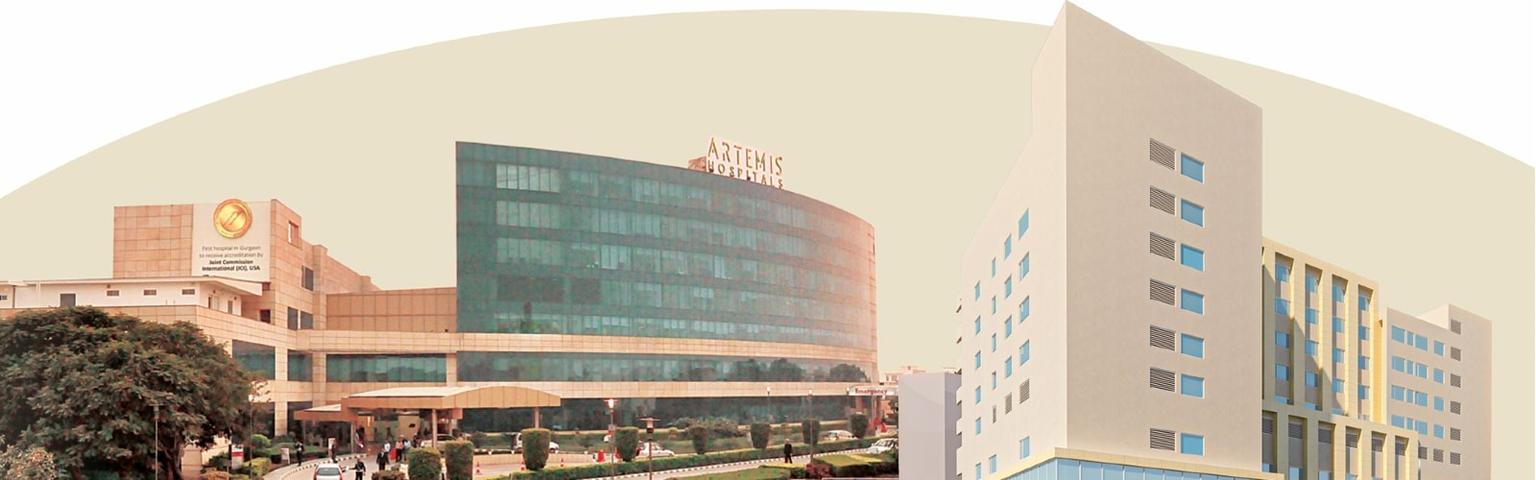
Artemis Hospital
Sector 51, Gurugram, Haryana, India
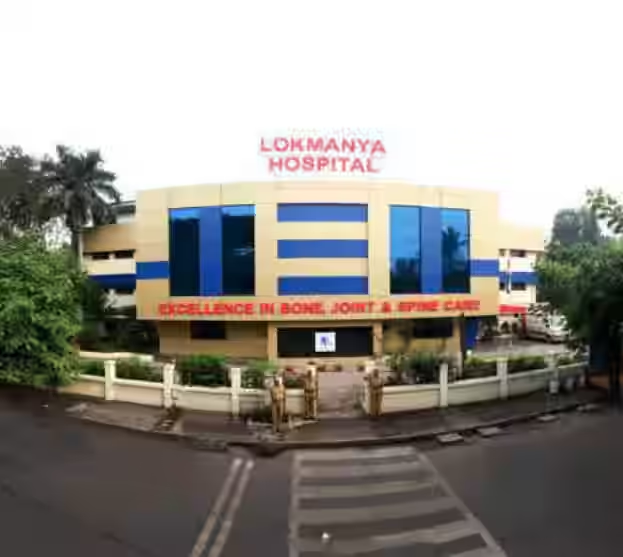
Lokmanya Hospitals
Not Specified

White Lotus Hospital
766, SFS 3145, SFS Road, 7th Sector, HSR Layout, Bengaluru, Karnataka 560102, India
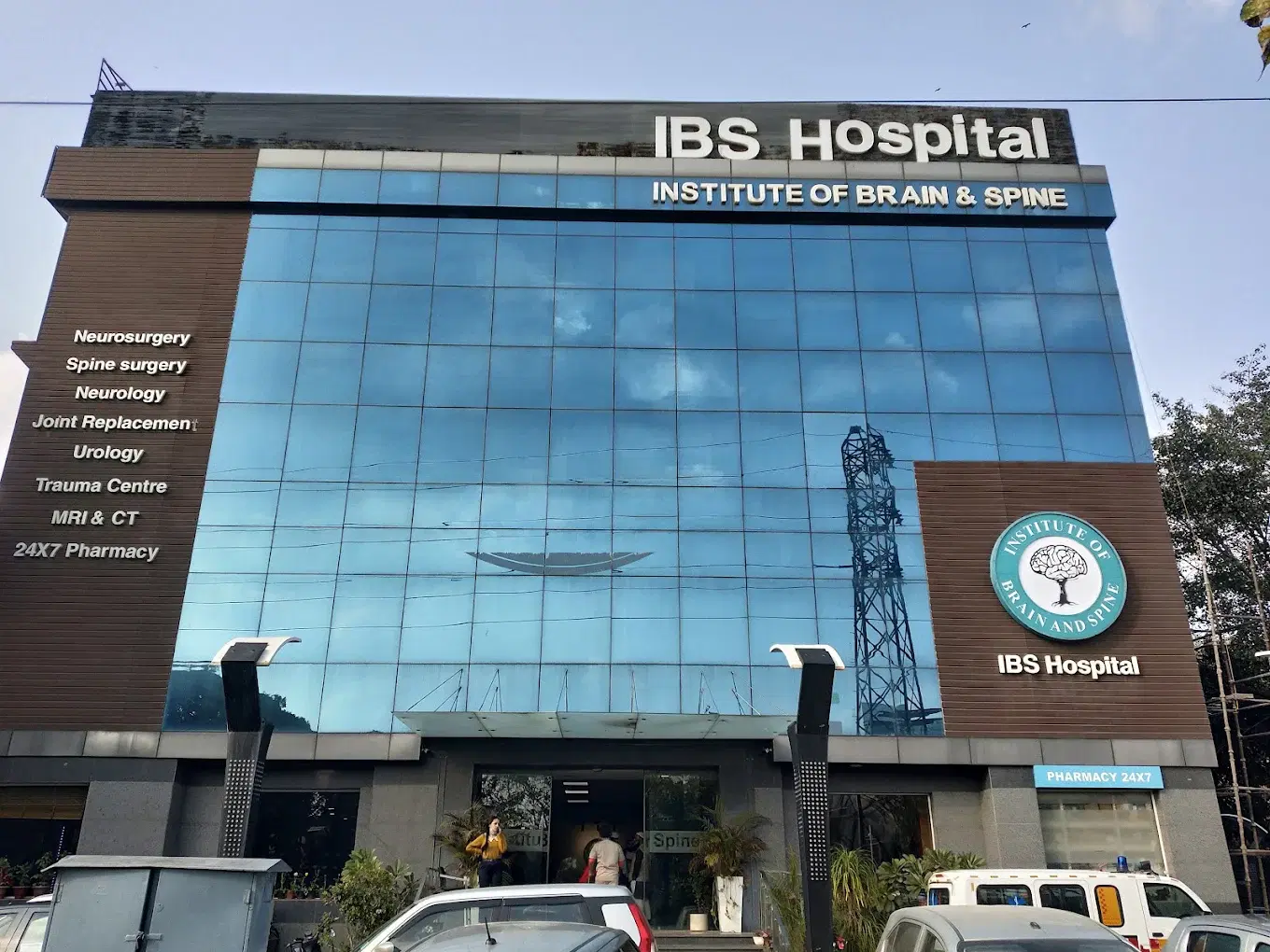
Institute of Brain and Spine (IBS Hospital)
Not Specified
How DivinHeal Helps
We simplify your medical journey by providing comprehensive support and access to world-class healthcare.
Expert Specialist Matching
Connecting you with the world's top-rated medical experts.
Accredited Hospital Network
Access to JCI & NABH certified healthcare facilities.
Complete Travel Coordination
Hassle-free visa, stay, and local transport assistance.
24/7 Personal Care
Dedicated patient advisors supporting you at every step.
Journey Guidance
Full guidance from start to end of the patient treatment journey.
Expert Specialist Matching
Connecting you with the world's top-rated medical experts.
Everything you
need to know today
Browse through these common inquiries to better understand our patient-focused medical platform.
Yes, we work with a variety of insurance providers. Contact our team to verify your coverage.
Yes, we provide secure online consultations with experienced specialists.
Our care coordinators help match you with the most suitable specialist.
Absolutely. Your medical information is protected according to healthcare privacy standards.
Look at six things: accreditation (JCI or NABH), specialty depth, doctor credentials and experience, procedure-specific success rates, international patient support, and technology. DivinHeal's AI-driven matching evaluates every hospital in our accredited partner network on these dimensions and shortlists the best-fit options for your condition, budget, and country.
JCI (Joint Commission International) is the US-based global gold standard for hospital quality, recognised worldwide. NABH is India's national accreditation — accredited by ISQua, the same body that accredits JCI. Both signal independently verified safety and quality. Most of India's leading hospitals hold both.
Yes. All three welcome international patients through structured medical visa programs. India is the most established, treating patients from Africa, the Middle East, and South Asia at 60–80% lower cost. Thailand leads in cosmetic and dental care. The UAE is emerging in oncology and reproductive medicine.
Most patients save 50–80% on treatment costs. Heart bypass costs US $7,000–9,000 in India compared to $70,000–150,000 in the US. IVF costs $3,000–4,500 compared to $12,000–20,000 in the UK. Even after flights, visa, and accommodation, total savings remain 60–70%.
DivinHeal manages your entire non-medical journey: visa invitation letters, medical visa guidance, doctor appointments, teleconsultations, airport pickup, hospital-vetted accommodation for you and your attendant, language interpreters, local transport, cuisine preferences, and post-treatment follow-up — one dedicated coordinator from first enquiry to final follow-up.
You need a valid passport (6+ months validity), a medical visa (M-Visa for India — DivinHeal provides the hospital invitation letter), return flight tickets, recent medical reports and a doctor's referral, current prescription list, and proof of financial means. Any accompanying attendant needs their own passport and MX-Visa.
Still have more questions?
Book a call with our friendly team to learn how DivineHeal simplifies your healthcare journey.