Full Mouth Dental Implants
5K+ International Patients Treated
40+ Source Countries Served
500+ Accredited Partner Hospitals
98% Patient Satisfaction
80% Average Savings vs USA
10K+ Doctors
NABH, JCI Accredited Hospitals
Free Treatment Plan
Free Consultation with Doctor
5+ Destinations Covered
About Full Mouth Dental Implants
Sources and Guidelines Referenced
This evidence-based clinical guide integrates consensus recommendations, systematic reviews, and guidelines from leading international dental and surgical authorities, including: International Team for Implantology (ITI) 6th and 7th Consensus Statements (2018, 2023); European Association for Osseointegration (EAO) Clinical Practice Guidelines (2021); American College of Prosthodontists (ACP) Clinical Practice Guidelines for Restorative Dental Implants (2021); Maló et al. (Journal of the American Dental Association, 2011); Buser et al. (Periodontology 2000, 2017); Howe et al. (International Journal of Oral & Maxillofacial Implants, 2019); and Papaspyridakos et al. (Clinical Oral Implants Research, 2012).
Full Mouth Dental Implants: A Comprehensive Patient Guide
1. Definition and Medical Identity
Full mouth dental implants are a full-arch surgical and prosthodontic restoration designed to replace an entire set of upper or lower teeth using multiple dental implants (biocompatible artificial roots). This intervention restores complete chewing ability, facial height, and jaw speech mechanics by securing a full-arch rigid prosthetic bridge directly into the jawbone.
Known medically as full-arch fixed implant-supported rehabilitation or complete-arch cross-arch stabilization, this procedure transitions patients from complete tooth loss or non-restorable dental decay to a permanent, non-removable prosthetic solution. The fundamental clinical goal is to restore normal oral function and structural anatomy while halting progressive jawbone degradation.
2. The Underlying Condition or Need
Full mouth dental implants address complete edentulism (total loss of teeth) or severe terminal dentition in one or both jaws. Terminal dentition describes a state where remaining teeth suffer from severe, irreversible damage due to advanced periodontitis, rampant dental decay, or traumatic facial injuries, rendering them clinically unrestorable.
When natural teeth are extracted, the surrounding alveolar bone loses mechanical stimulation. Naturally, bone tissue undergoes steady resorption (shrinkage), causing the jawbone to recede vertically and horizontally over time. Unaddressed, severe edentulism leads to progressive collapse of lower facial structures, reduced bite force, soft tissue pain, difficult speech articulation, and compromised digestive health due to inadequate food mastication.
3. How the Treatment Works — Mechanism
Full mouth dental implants rely on the biological mechanism of osseointegration, first described by Professor Per-Ingvar Brånemark. Osseointegration occurs when living bone matrix directly contacts and attaches to the microscopic surface oxide layer of a titanium or ceramic implant post without intervening soft fibrous tissue.
Clinically, four to eight implants are strategically anchored into dense cortical jawbone. These posts act as structural load transmission points. When a patient chews, mechanical forces pass through the prosthetic teeth, into the implant posts, and outward into the surrounding bone tissue. This mechanical loading triggers bone cells (osteoblasts) to preserve bone density through continuous microscopic remodeling, preventing jawbone atrophy.
4. Types and Variations
Full-arch implant protocols differ according to the number of implants used, the angle of insertion, surgical timing, and bone volume availability. Clinicians select protocols based on precise 3D radiographic mapping of the jawbone anatomy.
| Protocol Name | Implant Count | Surgical Technique | Bone Grafting Need | Key Clinical Indications |
|---|---|---|---|---|
| All-on-4 Protocol | 4 per arch | 2 straight anterior implants, 2 tilted posterior implants (up to 45°) | Minimizes need for bone grafting | Moderate bone loss; avoids upper maxillary sinus or lower nerve space |
| All-on-6 / All-on-8 Protocol | 6 to 8 per arch | Parallel vertical insertion throughout the dental arch | Moderate to high (frequently requires socket grafting) | High bite-force requirements; excellent posterior bone height present |
| Implant-Retained Overdenture | 2 to 4 per arch | Parallel placement with attachment locators (ball/locator) | Low to moderate | Removable prosthetic option; financial or oral hygiene constraints |
| Zygomatic Implants | 2 to 4 long implants | Anchored directly into cheekbones (zygomatic arch) | Eliminates bone grafting completely | Severe maxilla (upper jaw) bone loss where conventional implants fail |
To determine the correct protocol, clinicians evaluate bone height and width using 3D imaging, measure bite force dynamics, and assess patient medical history. Tilted implant techniques (such as All-on-4) allow clinicians to utilize dense anterior bone, often bypassing the need for extensive bone grafting procedures (Maló et al., 2011).
5. Who the Treatment Is For — Indications
Full mouth dental implants are indicated for adults who face full-arch tooth loss or have advanced dental breakdown where conservative tooth restoration is medically unfeasible. Candidates must possess completed skeletal growth and demonstrate manageable medical health.
Specific clinical indications include:
- Complete edentulism of the upper or lower jaw.
- Advanced periodontitis (severe gum disease) causing grade III tooth mobility across multiple teeth.
- Widespread, unrestorable coronal decay or severe root caries.
- Severe prosthetic failure of long-span dental bridges or recurrent partial denture trauma.
- Sufficient residual bone volume or suitability for targeted bone augmentation procedures.
6. Who the Treatment Is NOT For — Contraindications
Full mouth dental implant therapy has specific medical contraindications that must be addressed before surgical planning. Certain systemic health conditions directly impair bone healing, cellular repair, and long-term implant survival rates.
Absolute and relative contraindications include:
- Uncontrolled Diabetes Mellitus: Glycated hemoglobin (HbA1c) levels above 8.0% impair microvascular circulation and elevate infection and failure risks (ITI Consensus, 2018).
- Intravenous Bisphosphonate Therapy: High-dose intravenous antiresorptive therapy for oncology increases the risk of medication-related osteonecrosis of the jaw (MRONJ).
- Recent Head and Neck Radiotherapy: High-dose radiation therapy to the jawbones impairs vascularity, causing elevated risk of osteoradionecrosis.
- Severe Immunocompromise: Active immunosuppressive therapy or uncontrolled systemic diseases compromising wound healing.
- Heavy Tobacco Use: Smoking more than 10 to 15 cigarettes daily significantly increases implant loss rates and peri-implantitis risks (Chrcanovic et al., 2014).
- Unmanaged Bruxism: Severe nighttime tooth grinding requires protective appliance planning to prevent component fracture.
7. Alternatives and Clinical Comparison
Patients evaluating full mouth dental implants have non-surgical and minimally invasive prosthetic alternatives. The optimal clinical selection depends on remaining jawbone structure, health status, and functional expectations.
| Feature / Parameter | Full-Arch Fixed Implant Bridge | Conventional Complete Denture | Implant-Retained Overdenture |
|---|---|---|---|
| Attachment Mechanism | Fixed directly to implants (screwed or cemented) | Rests on gum tissue via suction/adhesives | Removable snap-on attachment to 2–4 implants |
| Chewing Capacity | High (85%–95% of natural function) | Low (15%–20% of natural function) | Moderate (50%–60% of natural function) |
| Palate Coverage (Upper) | No palate coverage (open palate) | Full acrylic palate coverage | Minimal or open palate coverage |
| Jawbone Preservation | Maintains bone density via internal loading | Accelerates bone loss due to surface pressure | Preserves localized bone around implant sites |
| Maintenance Routine | Flossing under bridge, oral irrigator, professional cleaning | Nightly removal, soaking, gum tissue brushing | Daily removal, cleaning attachments and implants |
Clinicians typically recommend full-arch fixed implant bridges over traditional dentures when patients demand restored chewing capacity, wish to avoid palate coverage, and exhibit adequate bone structure to support surgical hardware (ACP Guidelines, 2021).
8. Pre-Treatment Phase
The pre-treatment phase focuses on comprehensive diagnostic evaluation, digital surgical planning, and medical risk mitigation. This structured phase ensures precise implant positioning and eliminates underlying surgical risk factors.
- Initial Consultation & Examination: Complete clinical mapping of oral soft tissues, jaw relationships, temporomandibular joint (TMJ) function, and periodontal screening.
- 3D Radiographic Diagnostic Workup: High-resolution Cone-Beam Computed Tomography (CBCT) scans measure jawbone height, bone density (Hounsfield units), sinus contours, and the trajectory of the inferior alveolar nerve.
- Digital Impression & Smile Design: Intraoral optical scanners capture exact digital models of the mouth. Virtual planning software overlays CBCT data with digital scans to map 3D implant placement angles.
- Surgical Guide Fabrication: Stereolithographic (3D printed) surgical guides are manufactured to translate the computer-generated plan into anatomical precision during surgery.
- Systemic Medical Optimization: Medical clearance from primary care physicians, blood glucose control, discontinuation of specific blood-thinning agents under direction, and prescription of prophylactic antibiotics.
9. The Procedure — Step-by-Step Clinical Detail
Full mouth dental implant placement is an outpatient surgical procedure carried out under local anesthesia combined with intravenous (IV) conscious sedation or general anesthesia. Surgery typically lasts between two and four hours per dental arch.
Step 1: Anesthesia and Tissue Preparation
Local anesthetic agents (such as articaine with epinephrine) are administered to eliminate local pain signaling. Intravenous conscious sedation maintains patient calm and comfort throughout the surgical steps. Any remaining non-restorable teeth are extracted with care to preserve adjacent alveolar bone walls.
Step 2: Mucoperiosteal Flap Elevation and Alveoloplasty
A surgical incision is made along the crest of the gum line, and soft tissue flaps are gently elevated. The oral surgeon performs alveoloplasty (bone smoothing and flattening) using surgical burs to establish a level, wide platform of healthy bone necessary for implant stability and proper prosthetic contours.
Step 3: Guided Osteotomy Preparation
The custom 3D surgical guide is seated securely over the exposed jawbone. Sequential surgical drills create precise channels (osteotomies) in the bone at specific diameters, depth indicators, and placement angles, accompanied by continuous sterile saline irrigation to prevent thermal tissue injury.
Step 4: Implant Insertion and Torque Assessment
Titanium or ceramic implant posts are threaded directly into the prepared channels. The surgeon measures insertion torque using a calibrated hand-wrench or digital implant motor. Achieving a minimum primary torque of 35 to 45 Ncm confirms sufficient stability to proceed with immediate prosthetic loading.
Step 5: Multi-Unit Abutment Placement and Immediate Bridge Attachment
Angled or straight multi-unit abutments (connector components) are screwed onto the implants. If primary torque benchmarks are achieved, a pre-fabricated provisional prosthetic bridge is attached to the abutments on the same day. Incisions are closed securely around the prosthetic attachments using resorbable sutures.
10. Immediate Post-Procedure Period
The initial 24 to 48 hours following full mouth implant surgery concentrate on pain control, swelling mitigation, and protecting initial blood clot formation around surgical sites.
Key post-operative care instructions include:
- Bleeding Control: Gentle pressure on sterile gauze pads placed over incision lines for the first 1 to 2 hours post-surgery. Minor blood-tinged saliva is expected during the first 24 hours.
- Swelling Reduction: Intermittent application of ice packs to external facial cheeks (20 minutes on, 20 minutes off) during the first 48 hours.
- Medication Compliance: Strict adherence to prescribed analgesics (such as ibuprofen combined with acetaminophen) and completion of the full oral antibiotic course.
- Dietary Restrictions: Cold, non-acidic liquids and smooth, non-chew foods (such as yogurts, lukewarm broths, and protein shakes). Suction forces from drinking straws must be strictly avoided.
- Oral Hygiene Modification: Avoid active rinsing or spitting for the first 24 hours. Gentle antimicrobial chlorhexidine rinses begin on post-operative Day 2.
11. Recovery — Short and Long Term
Healing occurs in distinct biological stages, moving from initial soft tissue repair to underlying bone consolidation over three to six months.
Short-Term Recovery (Weeks 1 to 3)
Facial swelling and localized tissue bruising peak by Day 3 and typically resolve by Day 10. Non-resorbable sutures are checked or removed at 10 to 14 days. Patients gradually return to light, non-strenuous desk work within three to five days post-procedure. A strict soft-diet protocol (foods easily mashed with a fork, such as eggs, well-cooked pasta, and fish) remains mandatory to prevent micro-motion of healing implants.
Long-Term Recovery and Osseointegration (Months 1 to 6)
Between Months 1 and 4, osteoblasts build new structural bone along the implant surface. Patients maintain monthly monitoring visits to evaluate tissue health and verify provisional bridge stability. Once clinical osseointegration is re-confirmed via radiographic imaging and stability testing (typically at Month 3 for mandible, Month 4 to 6 for maxilla), final precision digital impressions are taken to craft the permanent monolithic zirconia or titanium-acrylic prosthetic bridge.
12. Risks, Side Effects, and Complications
While full mouth implant procedures carry high clinical success rates, surgical interventions present known risks, side effects, and long-term biological complications.
| Severity Level | Potential Complications | Clinical Manifestation & Management |
|---|---|---|
| Common / Mild (Self-limiting) | • Facial swelling & edema • Localized bruising (ecchymosis) • Surgical post-operative pain | Expected biological response. Managed with cold therapy, prescribed analgesics, and elevation of the head during sleep. Resolves in 7–10 days. |
| Uncommon / Moderate (Requires clinical intervention) | • Surgical site infection • Prosthetic screw loosening • Flap dehiscence (incision opening) | Managed via targeted systemic antibiotics, professional screw retightening to prescribed Ncm values, or localized soft tissue resuturing. |
| Rare / Severe (Requires specialist treatment) | • Inferior alveolar nerve paresthesia • Non-integration / Implant loss • Maxillary sinus perforation/infection • Progressive Peri-Implantitis | Nerve injury requires anti-inflammatory therapy or surgical decompression; failed implants require removal and bone grafting; peri-implantitis requires surgical decontamination and antibiotic therapy. |
Peri-Implantitis: Peri-implantitis is a chronic inflammatory condition affecting the gum tissue and surrounding bone around integrated implants. Driven by bacterial plaque accumulation, it causes progressive bone loss and eventual implant failure if unaddressed. Systematic reviews show peri-implantitis affects approximately 10% of individual implants and 20% of patients over a 10-year period (Papaspyridakos et al., 2012). Prevention relies on daily interdental maintenance and routine professional hygiene visits.
13. Lifestyle and Behavioural Considerations
Long-term survival of full mouth dental implants depends directly on daily patient care, lifestyle habits, and protective measures against excess mechanical forces.
- Daily Hygiene Protocols: Standard toothbrushing is insufficient for full-arch bridges. Patients must utilize specialized interdental brushes, super-floss, and high-pressure oral irrigators (water flossers) to flush bacterial debris from underneath the prosthetic bridge twice daily.
- Smoking Cessation: Smoking impairs peripheral capillary blood flow and delays bone healing. Patients who stop smoking demonstrate significantly lower peri-implant failure rates compared to active smokers (Chrcanovic et al., 2014).
- Dietary Progression: Hard, crunchy, or sticky foods (such as whole nuts, ice, hard candy, and tough meats) must be avoided completely during the initial 3-to-4-month healing period to prevent micro-fractures in bone-implant interfaces.
- Protective Nightguards: Patients with a history of nocturnal bruxism (jaw grinding) are fitted with custom hard acrylic nightguards to cushion mechanical stress during sleep.
14. How Outcomes Are Measured
Implant success is assessed using standardized clinical and radiographic criteria, such as those established by Albrektsson et al. and updated by the International Congress of Oral Implantologists (ICOI).
Standardized outcome metrics include:
- Absence of Mobility: Individual implants exhibit zero horizontal or vertical movement when checked manually without the prosthetic bridge attached.
- Radiographic Bone Stability: Marginal bone loss must not exceed 1.5 mm during the first year of functional loading, and less than 0.2 mm annually in subsequent years.
- Soft Tissue Health: Absence of persistent pain, recurrent infection, active bleeding on probing, or purulent discharge (pus) around multi-unit abutments.
- Prosthetic Functionality: Restored occlusion, stable bite alignment, comfortable speech articulation, and structural integrity of the bridge framework.
Long-term clinical trials report cumulative 10-year survival rates between 93% and 98% for full-arch implant restorations executed under standardized surgical protocols (Howe et al., 2019).
15. Recent Advances and Current Standard of Care
Full mouth dental implant therapy has evolved through digital integrations, improving surgical safety and biological predictability over the past decade.
- Dynamic Computer-Guided Surgery: Real-time intraoperative navigation uses optical tracking cameras to guide the surgeon's drill according to pre-operative 3D CBCT plans, reducing risk to nerve structures and sinus cavities.
- Photogrammetry Impressions: Optical camera systems capture multi-implant 3D spatial positioning accurately in seconds, eliminating uncomfortable traditional tray impressions and enhancing prosthetic precision.
- Advanced Implant Surfaces: Modern titanium surfaces undergo specialized acid-etching, sandblasting, and hydrophilic chemical treatments. These surface treatments accelerate cellular attachment, shortening healing times before safe loading (Buser et al., 2017).
- Monolithic Zirconia Materials: Final full-arch bridges are increasingly computer-milled from solid blocks of high-translucency zirconia dioxide. Zirconia offers resistance to fracture, low plaque accumulation, and high tissue compatibility compared to older metal-acrylic bridges.
16. Common Myths and Misconceptions
Myth: Full mouth dental implants are excessively painful and require months of bed rest.
Reality: Surgical placement is performed under effective local anesthesia and sedation, rendering the procedure painless. Post-operative discomfort is managed with standard medications, and most patients return to normal light routines within 3 to 5 days.
Myth: Dental implants can develop cavities like natural teeth.
Reality: Titanium, ceramic, and zirconia materials cannot decay. However, surrounding soft tissue and bone remain susceptible to bacterial inflammation (peri-implantitis) if daily cleaning is neglected.
Myth: Advanced age prevents patients from receiving full mouth implants.
Reality: Physiological health and bone quality dictate candidacy, not chronological age. Studies show high implant success rates in older adults when systemic conditions are controlled (ITI Consensus, 2018).
Myth: You must go without teeth for months while implants heal.
Reality: Modern immediate loading protocols allow clinicians to secure a fixed, functional provisional bridge on the exact same day as implant placement surgery, provided primary torque benchmarks are met.
Myth: Body rejection of titanium implants is common.
Reality: Commercially pure titanium is biocompatible and biologically inert. Medical rejection is rare; failures are typically driven by bacterial infection, non-integration, or excessive mechanical overload.
Myth: Full mouth implants require a separate implant post for every missing tooth.
Reality: Strategic prosthetic engineering allows a complete arch of 12 to 14 teeth to be stably supported by just 4 to 8 strategically angled implants.
17. Frequently Asked Questions
What are full mouth dental implants?
Full mouth dental implants are a full-arch surgical restoration replacing an entire set of missing or damaged teeth in one or both jaws. Multiple titanium implants are inserted into the jawbone to permanently anchor a rigid prosthetic bridge, restoring full chewing capacity and facial structure.
How do full mouth dental implants work?
Full mouth implants function through osseointegration, a biological process where living jawbone fuses directly to titanium implant posts. Once integrated, these posts act as artificial tooth roots, distributing bite forces evenly across the jaw and preventing progressive bone loss.
What is the All-on-4 dental implant protocol?
The All-on-4 protocol is a specialized full-arch technique using four strategically positioned implants per jaw. Two straight anterior implants and two tilted posterior implants maximize contact with existing bone, frequently eliminating the need for bone grafting while supporting an immediate fixed bridge.
How long does the full mouth implant procedure take?
The surgical placement of full mouth implants takes between two and four hours per jaw. Pre-operative preparation and post-surgical attachment of the temporary bridge typically extend the full appointment to a single day. Final permanent bridge fitting occurs three to six months later.
Are full mouth dental implants painful?
During surgery, local anesthesia combined with intravenous sedation eliminates pain completely. Post-operative discomfort, mild swelling, and localized bruising are expected for 3 to 7 days, manageable with prescribed pain medications and cold compress applications.
What can I eat after full mouth dental implant surgery?
For the first 24 to 48 hours, intake is limited to cool liquids and soft foods like lukewarm broths and yogurts. Patients must maintain a soft-food diet (foods mashable with a fork, such as eggs and soft fish) for 3 to 4 months to prevent micro-motion while implants fuse to bone.
How do I clean underneath a fixed full-arch bridge?
Cleaning beneath a fixed full-arch bridge requires specialized interdental brushes, super-floss, and high-pressure oral irrigators (water flossers). Flossing tools slide underneath the prosthetic bridge daily to remove plaque accumulation around multi-unit abutment posts.
How long do full mouth dental implants last?
With consistent oral hygiene, daily interdental maintenance, and routine professional cleanings every six months, implant posts can last a lifetime. Mechanical bridge components may require minor maintenance, relining, or screw replacement over a 10 to 15-year period.
What is the success rate of full mouth dental implants?
Clinical studies and systematic reviews report long-term survival rates between 93% and 98% over 10 years for full-arch implant restorations when standard surgical protocols and proper maintenance are maintained (Howe et al., 2019).
Who is a good candidate for full mouth dental implants?
Good candidates are adults with complete tooth loss, widespread severe dental breakdown, or failing dentures. Candidates must have stable systemic health, managed blood sugar levels, adequate jawbone structure (or suitability for grafting), and a commitment to maintaining non-smoking habits and thorough oral hygiene.
Can smokers receive full mouth dental implants?
Yes, but smoking increases the risk of early implant failure, poor wound healing, and long-term peri-implantitis. Clinicians strongly advise complete tobacco cessation several weeks before surgery and throughout the healing period to optimize outcomes.
What is the difference between a fixed bridge and an overdenture?
A fixed full-arch bridge is screwed onto implants and can only be removed by a dentist; it remains permanently in place. An implant-retained overdenture snaps securely onto implants for stability during chewing but must be removed daily by the patient for cleaning.
What happens if an implant fails to integrate with the bone?
If an implant fails to integrate (non-union), it remains loose or painful and is safely removed under local anesthesia. The site is cleaned, bone grafted, and allowed to heal for several months before a new implant is re-inserted into the area.
How do full mouth implants compare to conventional dentures?
Full mouth implants restore bite forces up to 95% of natural levels, prevent ongoing jawbone resorption, and do not slip. Conventional dentures sit on mucosal tissues, restore only 15% to 20% of chewing force, require adhesives, and accelerate long-term bone decay.
Booking With DIVINHEAL
Get a free consultation to understand your treatment options
Cost Calculator
I know my treatment — show me cost from 3 hospitals
Plan My Journey
Tell us your condition and budget — our AI matches the right destination, hospital and doctor and visa pathway
Recommended Article

Best In Vitro Fertilization (IVF) Doctors in Hyderabad
Doctors for Nephrology: Find Kidney Care Specialists
Doctors in Chennai: Find Medical Specialists in India
Best Embryo Freezing Hospitals in Hyderabad: Care Guide
Hospitals for reproductive surgery: Compare options
Hospitals in Gurugram: Guide to Quality Facilities
IVF Treatment in Haryana | Cost, Hospitals & Doctors
TAVR (Transcatheter Aortic Valve Replacement) cost in New Delhi
Tonsillectomy & Adenoidectomy Success Rate in Mumbai
Facelift & Anti-Aging Procedures in Chennai for Ethiopia Patients | Cost, Hospitals
Booking With DIVINHEAL
Get a free consultation to understand your treatment options
Cost Calculator
I know my treatment — show me cost from 3 hospitals
Plan My Journey
Tell us your condition and budget — our AI matches the right destination, hospital and doctor and visa pathway
Recommended Article
Best In Vitro Fertilization (IVF) Doctors in Hyderabad
Doctors for Nephrology: Find Kidney Care Specialists
Doctors in Chennai: Find Medical Specialists in India
Best Embryo Freezing Hospitals in Hyderabad: Care Guide
Hospitals for reproductive surgery: Compare options
Hospitals in Gurugram: Guide to Quality Facilities
IVF Treatment in Haryana | Cost, Hospitals & Doctors
TAVR (Transcatheter Aortic Valve Replacement) cost in New Delhi
Tonsillectomy & Adenoidectomy Success Rate in Mumbai
Facelift & Anti-Aging Procedures in Chennai for Ethiopia Patients | Cost, Hospitals
Our Speciality and Treatments
Genetic Disorder Diagnosis & Counselling
Pediatric Laparoscopic Surgery
Pediatric Kidney Transplant
Pediatric Cardiac Surgery
Down Syndrome Comprehensive Care
Vaccination Program
Newborn Care Package
Pediatric Intensive Care (PICU)
Pediatric Urology (incl. Hypospadias)
Pediatric Orthopedics
Pediatric Gastroenterology
Pediatric Pulmonology
Pediatric Endocrinology
Pediatric Cardiology (non-surgical)
Pediatric Oncology
Neonatal Intensive Care (NICU)
pediatric neurosurgery
Meet Our Medical Specialists




Sr. Consultant - Urology & Kidney Transplant Program (Unit I)
Dr. Abhinandan Mukhopadhyay
MBBS, MD
India

Sr. Consultant - Urology & Kidney Transplant Program (Unit I)
Dr. Abhinandan Mukhopadhyay
MBBS, MD
India
Hospitals
NABH & JCI Accredited Hospitals in India,Turkey, Thailand & UAE.
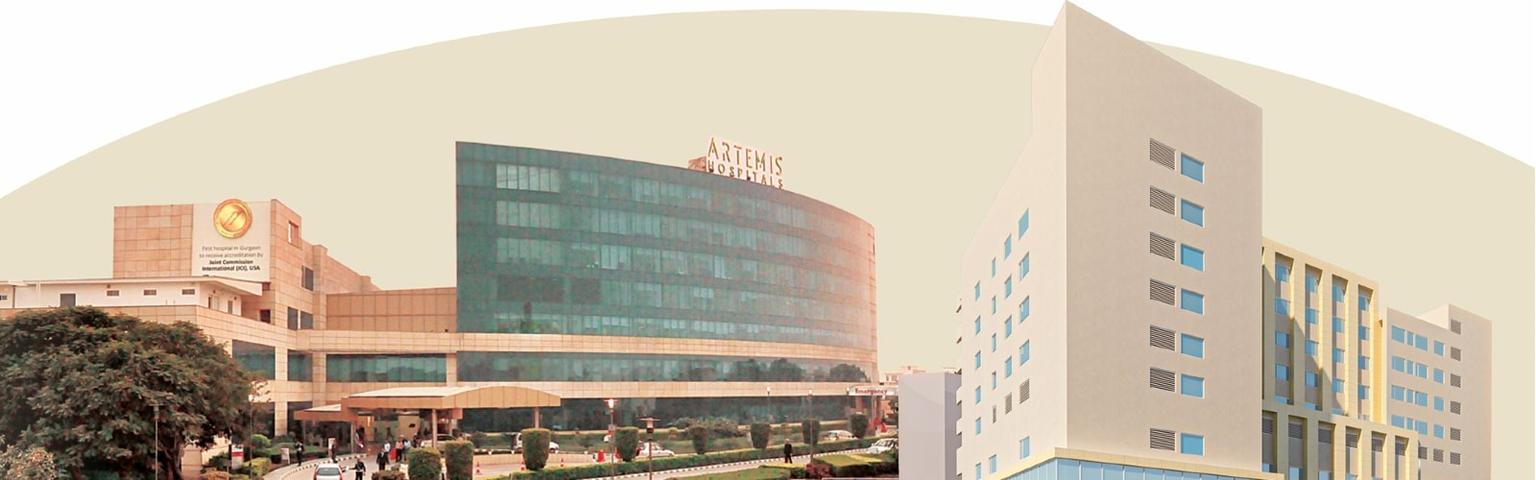
Artemis Hospital
Sector 51, Gurugram, Haryana, India
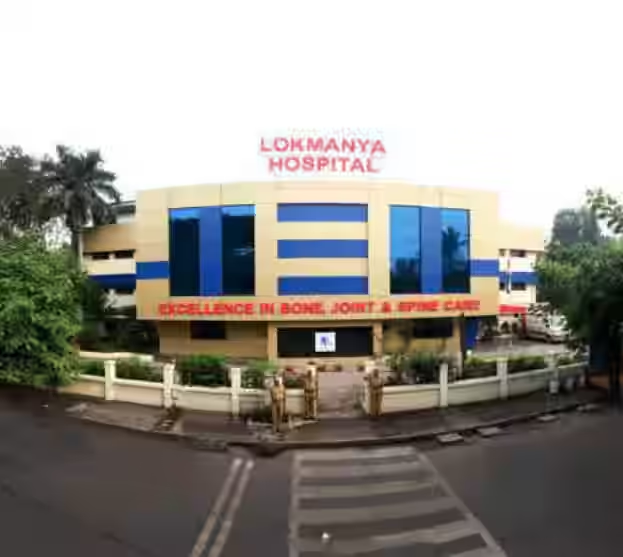
Lokmanya Hospitals
Not Specified

White Lotus Hospital
766, SFS 3145, SFS Road, 7th Sector, HSR Layout, Bengaluru, Karnataka 560102, India
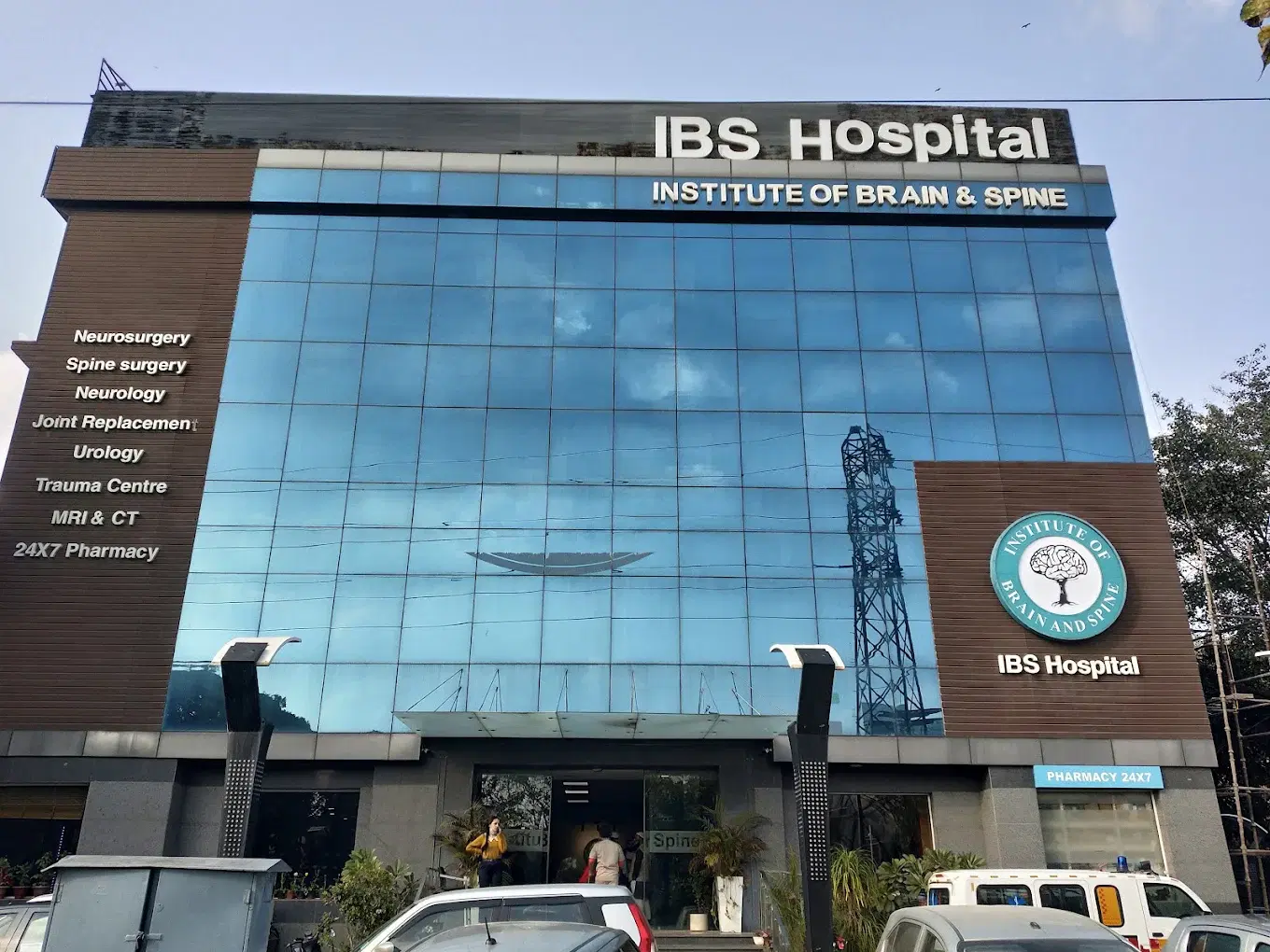
Institute of Brain and Spine (IBS Hospital)
Not Specified
How DivinHeal Helps
We simplify your medical journey by providing comprehensive support and access to world-class healthcare.
Expert Specialist Matching
Connecting you with the world's top-rated medical experts.
Accredited Hospital Network
Access to JCI & NABH certified healthcare facilities.
Complete Travel Coordination
Hassle-free visa, stay, and local transport assistance.
24/7 Personal Care
Dedicated patient advisors supporting you at every step.
Journey Guidance
Full guidance from start to end of the patient treatment journey.
Expert Specialist Matching
Connecting you with the world's top-rated medical experts.
Everything you
need to know today
Browse through these common inquiries to better understand our patient-focused medical platform.
Yes, we work with a variety of insurance providers. Contact our team to verify your coverage.
Yes, we provide secure online consultations with experienced specialists.
Our care coordinators help match you with the most suitable specialist.
Absolutely. Your medical information is protected according to healthcare privacy standards.
Look at six things: accreditation (JCI or NABH), specialty depth, doctor credentials and experience, procedure-specific success rates, international patient support, and technology. DivinHeal's AI-driven matching evaluates every hospital in our accredited partner network on these dimensions and shortlists the best-fit options for your condition, budget, and country.
JCI (Joint Commission International) is the US-based global gold standard for hospital quality, recognised worldwide. NABH is India's national accreditation — accredited by ISQua, the same body that accredits JCI. Both signal independently verified safety and quality. Most of India's leading hospitals hold both.
Yes. All three welcome international patients through structured medical visa programs. India is the most established, treating patients from Africa, the Middle East, and South Asia at 60–80% lower cost. Thailand leads in cosmetic and dental care. The UAE is emerging in oncology and reproductive medicine.
Most patients save 50–80% on treatment costs. Heart bypass costs US $7,000–9,000 in India compared to $70,000–150,000 in the US. IVF costs $3,000–4,500 compared to $12,000–20,000 in the UK. Even after flights, visa, and accommodation, total savings remain 60–70%.
DivinHeal manages your entire non-medical journey: visa invitation letters, medical visa guidance, doctor appointments, teleconsultations, airport pickup, hospital-vetted accommodation for you and your attendant, language interpreters, local transport, cuisine preferences, and post-treatment follow-up — one dedicated coordinator from first enquiry to final follow-up.
You need a valid passport (6+ months validity), a medical visa (M-Visa for India — DivinHeal provides the hospital invitation letter), return flight tickets, recent medical reports and a doctor's referral, current prescription list, and proof of financial means. Any accompanying attendant needs their own passport and MX-Visa.
Still have more questions?
Book a call with our friendly team to learn how DivineHeal simplifies your healthcare journey.