Heart Failure Program (Advanced HF Management)
5K+ International Patients Treated
40+ Source Countries Served
500+ Accredited Partner Hospitals
98% Patient Satisfaction
80% Average Savings vs USA
10K+ Doctors
NABH, JCI Accredited Hospitals
Free Treatment Plan
Free Consultation with Doctor
5+ Destinations Covered
About Heart Failure Program (Advanced HF Management)
Sources and Guidelines Referenced
This comprehensive guide incorporates clinical evidence and practice parameters established by the following major cardiovascular governing bodies and landmark clinical trials: ACC/AHA/HFSA 2022 Guideline for the Management of Heart Failure; ESC 2021/2023 Guidelines for the Diagnosis and Treatment of Acute and Chronic Heart Failure; PARADIGM-HF Trial (McMurray et al., 2014); DAPA-HF Trial (McMurray et al., 2019); EMPEROR-Reduced Trial (Packer et al., 2020); EMPEROR-Preserved Trial (Anker et al., 2021); DELIVER Trial (Solomon et al., 2022); COAPT Trial (Stone et al., 2018); and MOMENTUM 3 Trial (Mehra et al., 2019).
Heart Failure Program (Advanced HF Management): A Comprehensive Patient Guide
1. Definition and Medical Identity
A Heart Failure Program (Advanced HF Management) is a specialized, multidisciplinary medical framework designed to evaluate, optimize, and treat complex ventricular dysfunction. Heart failure is a clinical syndrome caused by structural or functional impairment of ventricular filling or ejection. Advanced heart failure programs systematically deliver evidence-based therapies to reduce mortality and prevent hospitalizations.
Known medically as advanced heart failure therapy or Stage C/D heart failure management, this branch of adult cardiology addresses patients who remain symptomatic despite basic care. The core objective is to deliver comprehensive care integrating drug optimization, electrical therapies, surgical interventions, and specialized remote surveillance.
2. The Underlying Condition or Need
Heart failure develops when the myocardium (heart muscle) suffers structural damage from ischemia, hypertension, genetic mutations, or inflammatory disease. This impairment reduces cardiac output (the volume of blood pumped per minute), leading to fluid retention, tissue hypoperfusion, and cellular hypoxia.
Patients present with progressive dyspnea (shortness of breath), orthopnea (breathlessness when lying flat), fatigue, and peripheral edema (swelling in the legs and abdomen). The primary biological driver of disease progression is neurohormonal activation. The sympathetic nervous system and renin-angiotensin-aldosterone system (RAAS) attempt to compensate for low output by increasing heart rate and retaining fluid.
While compensatory initially, long-term neurohormonal activation accelerates ventricular remodeling—a biological process involving myocyte hypertrophy, apoptosis, and myocardial fibrosis. Untreated heart failure follows a trajectory of recurrent decompensation, progressive organ failure, and premature death (AHA/ACC/HFSA 2022 Guidelines).
3. How the Treatment Works — Mechanism
An advanced heart failure program operates by halting and reversing pathobiological remodeling through targeted interventions. The foundation rests on neurohormonal blockade using four pharmacological drug classes, known as Guideline-Directed Medical Therapy (GDMT).
First, angiotensin receptor-neprilysin inhibitors (ARNI) block angiotensin II receptors while inhibiting neprilysin, an enzyme that degrades beneficial vasoactive peptides. Second, cardioselective beta-blockers reduce sympathetic adrenergic stimulation, lowering myocardial oxygen demand and preventing lethal arrhythmias. Third, mineralocorticoid receptor antagonists (MRA) block aldosterone action, reducing sodium retention and vascular fibrosis. Fourth, sodium-glucose cotransporter-2 (SGLT2) inhibitors improve renal hemodynamics, reduce preload and afterload, and optimize myocardial energetic efficiency (DAPA-HF Trial, 2019).
When medical therapy cannot maintain hemodynamic stability, advanced management incorporates mechanical devices. Cardiac resynchronization therapy (CRT) resynchronizes biventricular contraction to improve mechanical efficiency. For end-stage disease, a left ventricular assist device (LVAD) mechanically pumps blood from the left ventricle directly into the aorta, bypassing the failing muscle (MOMENTUM 3 Trial, 2019).
4. Types and Variations
Heart failure management protocols are categorized based on left ventricular ejection fraction (LVEF) and clinical disease stage. Ejection fraction measures the percentage of blood leaving the heart each time it contracts.
| Heart Failure Category | LVEF Criteria | Primary Pathophysiology | Core Therapeutic Focus |
|---|---|---|---|
| HFrEF (Reduced Ejection Fraction) | ≤40% | Systolic contraction deficit; myocardial loss | Four-pillar GDMT, CRT, ICD, mechanical circulatory support |
| HFmrEF (Mildly Reduced) | 41% to 49% | Mild systolic/diastolic impairment | ARNI/ARB, SGLT2 inhibitors, beta-blockers, loop diuretics |
| HFpEF (Preserved Ejection Fraction) | ≥50% | Diastolic stiffness; elevated filling pressures | SGLT2 inhibitors, MRA, blood pressure control, decongestion |
| Advanced / Stage D HF | Refractory symptoms | Severe end-stage pump failure | Inotropes, LVAD, heart transplantation, palliative care |
Clinicians determine therapeutic variations by assessing LVEF via transthoracic echocardiography, evaluating biomarker elevations (NT-proBNP), and measuring invasive filling pressures during right heart catheterization (ESC 2021 Guidelines).
5. Who the Treatment Is For — Indications
Specialized heart failure programs are indicated for adult patients with confirmed Stage C or Stage D heart failure who meet specific clinical criteria. Eligibility is established through systematic diagnostic testing.
- Persistent New York Heart Association (NYHA) Class II–IV functional symptoms despite standard therapy.
- Left ventricular ejection fraction (LVEF) of 40% or lower, or elevated left ventricular filling pressures in HFpEF.
- History of recurrent hospitalizations or emergency department visits for acute heart failure decompensation.
- Elevated circulating natriuretic peptides (B-type natriuretic peptide [BNP] ≥150 pg/mL or N-terminal pro-BNP [NT-proBNP] ≥600 pg/mL).
- Intolerance to baseline cardiac medications due to hypotension, renal dysfunction, or electrolyte imbalances requiring specialized titration.
- Cardiomyopathy resulting from ischemic heart disease, hypertension, valvular heart disease, or genetic etiologies.
6. Who the Treatment Is NOT For — Contraindications
While components of a heart failure program apply to most cardiac patients, specific interventions within the program carry absolute and relative contraindications.
- Absolute Contraindications to Specific GDMT Classes: Severe hyperkalemia (serum potassium >5.5 mEq/L) or bilateral renal artery stenosis contraindicates MRA and ARNI therapy. History of angioedema related to ACE/ARNI therapy prohibits ARNI initiation.
- Absolute Contraindications to Advanced Mechanical Support (LVAD): Severe, irreversible multi-organ failure, active systemic infection, or severe irreversible cognitive dysfunction that precludes adherence to anticoagulation and device management.
- Absolute Contraindications to Heart Transplantation: Active malignancy with high recurrence risk, irreversible high pulmonary vascular resistance, severe active substance use disorder, or uncontrolled systemic infection.
- Relative Contraindications Requiring Protocol Modification: Severe baseline renal insufficiency (estimated glomerular filtration rate [eGFR] <15 mL/min/1.73m²), symptomatic bradycardia, or severe hypotension (systolic blood pressure <85 mmHg) requires modified drug escalation.
7. Alternatives and Clinical Comparison
Patients with heart failure may receive care through various delivery models ranging from standard primary care to specialized mechanical support.
| Care Approach | Primary Mechanism | Invasiveness | Clinical Trade-offs |
|---|---|---|---|
| Advanced HF Program | Multidisciplinary GDMT titration, remote monitoring, device optimization | Non-invasive to minimally invasive | Requires frequent visits; significantly lowers mortality and rehospitalization |
| Standard General Care | Basic symptom management with primary care or general medicine | Non-invasive | Lower administrative burden; higher risk of disease progression and readmission |
| Chronic Inotropic Support | Continuous intravenous infusion of positive inotropes (e.g., milrinone) | Minimally invasive (central line) | Palliative symptom relief; increased risk of line infection and arrhythmias |
| Palliative Care Alone | Symptom optimization and comfort care without aggressive GDMT titration | Non-invasive | Maximizes immediate comfort; does not prolong overall survival |
Specialized programs are chosen over standard non-specialist care when patients experience persistent symptoms, medication intolerances, or frequent decompensation. Clinical guidelines strongly recommend multidisciplinary program referral for all Stage C and D patients (AHA/ACC/HFSA 2022 Guidelines).
8. Pre-Treatment Phase
The pre-treatment phase establishes a precise biological and physiological baseline. Patients undergo comprehensive testing to evaluate myocardial structure, cardiac rhythm, hemodynamics, and end-organ function.
Diagnostic workup includes a standard 12-lead electrocardiogram (ECG) to identify conduction abnormalities such as left bundle branch block. Comprehensive blood panels assess kidney function (serum creatinine, blood urea nitrogen, eGFR), hepatic function, iron saturation, thyroid profile, and serum electrolytes. Cardiac imaging includes high-resolution transthoracic echocardiography and, when indicated, cardiac magnetic resonance (CMR) imaging to detect myocardial viability and fibrosis.
Patients undergo functional testing using a 6-minute walk distance (6MWD) test or a formal cardiopulmonary exercise test (CPET) to measure peak oxygen consumption (peak VO2). Preadmission counseling addresses diet, daily self-weighing protocols, and medication adherence strategies.
9. The Procedure — Step-by-Step Clinical Detail
An advanced heart failure management program is an ongoing clinical regimen structured into distinct, systematic phases.
Step 1: Diagnostic Risk Stratification
The patient undergoes baseline testing, multi-system organ evaluation, and NYHA functional classification. Right heart catheterization may be performed in specialized catheterization laboratories to measure pulmonary capillary wedge pressure, cardiac index, and vascular resistance.
Step 2: Four-Pillar GDMT Initiation and Titration
Clinicians initiate low doses of the four guideline-directed drug classes: ARNI (sacubitril/valsartan), a beta-blocker (carvedilol, metoprolol succinate, or bisoprolol), an MRA (spironolactone or eplerenone), and an SGLT2 inhibitor (dapagliflozin or empagliflozin). Doses are up-titrated every 1 to 2 weeks while monitoring blood pressure, renal parameters, and serum potassium.
Step 3: Device Evaluation and Implantation
If LVEF remains ≤35% after 3 months of optimal GDMT, clinicians evaluate the patient for an implantable cardioverter-defibrillator (ICD) for primary prevention of sudden cardiac death. If QRS duration is ≥130 ms with left bundle branch block, a cardiac resynchronization therapy (CRT) device is implanted in a electrophysiology laboratory under local anesthesia and sedation.
Step 4: Advanced Mechanical and Surgical Evaluation
Patients refractory to GDMT and device therapy are evaluated for advanced options. Interventions may include transcatheter edge-to-edge repair (TEER) for severe secondary mitral regurgitation (COAPT Trial, 2018), placement of a continuous-flow LVAD, or listing for orthotopic heart transplantation.
Step 5: Remote Hemodynamic Surveillance
Eligible patients may receive an implanted pulmonary artery pressure sensor (such as CardioMEMS). Implanted during a outpatient catheterization, this device wirelessly transmits daily pulmonary artery pressure readings, allowing clinicians to adjust diuretic therapy before clinical symptoms appear.
10. Immediate Post-Procedure Period
During early initiation and titration phases, close clinical surveillance is maintained. Patients attending outpatient clinic encounters undergo serial metabolic panels 7 to 14 days after any medication adjustment.
Transient rises in serum creatinine up to 30% above baseline are often acceptable following ARNI or SGLT2 inhibitor initiation, reflecting hemodynamic shifts rather than tubular injury. Diuretic doses are adjusted dynamically based on fluid status and daily morning weight logs. Patients receiving invasive device implants undergo wound inspection and device interrogation within 1 to 2 weeks post-procedure.
11. Recovery — Short and Long Term
Recovery and stabilization in advanced heart failure management are evaluated over weeks and months as neurohormonal suppression promotes reverse myocardial remodeling.
- Weeks 1–4: Focus on diuretic titration, reaching initial tolerability of core medications, patient education on liquid intake (<2 liters/day) and sodium restriction.
- Months 1–3: Systematic dose escalation of GDMT toward target trial doses. Laboratory assessment every 2 to 4 weeks. Repeat 6-minute walk testing to measure functional improvement.
- Months 3–6: Repeat transthoracic echocardiogram to assess LVEF recovery and structural remodeling. Re-evaluation for device eligibility if ejection fraction remains reduced.
- Long-Term (6 Months and Beyond): Routine surveillance every 3 to 6 months. Ongoing participation in structured cardiac rehabilitation programs to enhance peripheral vascular and skeletal muscle efficiency.
12. Risks, Side Effects, and Complications
Pharmacological and procedural therapies in advanced heart failure carry specific biological risks requiring regular clinical oversight.
| Severity Level | Potential Complication / Side Effect | Clinical Management Strategy |
|---|---|---|
| Common / Mild | Transient dizziness, mild orthostatic hypotension, transient mild creatinine elevation | Patient education, slow positional changes, adjustment of background diuretic doses |
| Uncommon / Moderate | Hyperkalemia (K+ >5.5 mEq/L), symptomatic bradycardia, acute gout exacerbation | Dose reduction of MRA, potassium-binding agents, adjustment of beta-blocker dosing |
| Rare / Serious | Acute renal failure, severe angioedema (ARNI), device infection, LVAD thrombosis, systemic thromboembolism | Immediate drug discontinuation, emergency hospital admission, surgical or catheter intervention |
Long-term registry data confirm that close monitoring within specialized programs reduces severe medication-related adverse events while maximizing therapeutic benefit (CHAMP-HF Registry, 2018). Warning signs requiring urgent medical attention include rapid weight gain (>2–3 lbs in 24 hours or 5 lbs in a week), worsening dyspnea at rest, presyncope, or sudden leg swelling.
13. Lifestyle and Behavioural Considerations
Lifestyle adjustments directly support medical therapy by controlling fluid balance and reducing cardiac workload.
Patients are instructed to restrict dietary sodium intake to under 2,000 milligrams per day (AHA/ACC/HFSA 2022 Guidelines). Severe fluid overload or hyponatremia may necessitate a daily fluid intake limit of 1.5 to 2.0 liters. Patients must weigh themselves daily upon awakening, after voiding, and before eating, logging readings to guide diuretic adjustments.
Structured, moderate aerobic exercise within a supervised cardiac rehabilitation framework improves functional capacity and autonomic tone. Complete cessation of tobacco and alcohol consumption is mandatory, as alcohol exerts direct negative inotropic effects on cardiomyocytes.
14. How Outcomes Are Measured
Clinical success in an advanced heart failure program is measured using standardized endpoints defined by clinical trial consensus.
Primary clinical endpoints include reductions in all-cause mortality, cardiovascular mortality, and heart failure hospital readmissions at 30 days and 1 year. Disease stabilization is quantified through NYHA functional classification improvement and scores on the Kansas City Cardiomyopathy Questionnaire (KCCQ), a validated health status tool.
Physiological outcomes are assessed via follow-up echocardiography at 3 to 6 months. Reverse remodeling is defined as an absolute increase in LVEF combined with reductions in left ventricular end-systolic and end-diastolic volumes (PARADIGM-HF Trial, 2014). If a patient fails to demonstrate clinical or functional improvement despite maximal tolerated GDMT, evaluation for advanced therapies (LVAD or transplantation) is initiated.
15. Recent Advances and Current Standard of Care
Over the past decade, heart failure care has transitioned from sequential monotherapy to rapid, combined four-pillar pharmacological initiation. Landmark trials (DAPA-HF 2019, EMPEROR-Reduced 2020) demonstrated that SGLT2 inhibitors significantly reduce cardiovascular death and heart failure hospitalizations in HFrEF, regardless of diabetes status.
Subsequent studies (EMPEROR-Preserved 2021, DELIVER 2022) established SGLT2 inhibitors as the first class of medication to improve clinical outcomes in patients with HFpEF and HFmrEF, fundamentally altering international management algorithms (ESC 2023 Guideline Update).
Technological advances in mechanical circulatory support have also progressed. The MOMENTUM 3 trial (2019) demonstrated that modern mag-lev continuous-flow LVADs significantly decrease hemocompatibility-related adverse events, such as pump thrombosis and stroke, solidifying their role as both bridge-to-transplant and long-term destination therapy.
16. Common Myths and Misconceptions
Myth: Heart failure means the heart has completely stopped working.
Reality: Heart failure indicates reduced mechanical efficiency, meaning the heart does not pump efficiently enough to meet tissue demands. Clinical management can significantly stabilize and restore performance.
Myth: Patients with heart failure must avoid all physical activity and rest continuously.
Reality: Structured aerobic exercise within cardiac rehabilitation is strongly recommended (AHA/ACC/HFSA 2022 Guidelines) to improve exercise capacity, autonomic tone, and clinical outcomes.
Myth: Medication is only necessary when symptoms, such as leg swelling or shortness of breath, are actively present.
Reality: Guideline-directed medical therapy must be taken continuously regardless of symptoms to prevent ongoing adverse ventricular remodeling and disease progression.
Myth: Preserved ejection fraction (HFpEF) means the heart is entirely normal.
Reality: In HFpEF, the heart muscle is abnormally stiff, preventing adequate relaxation and filling, leading to elevated cardiac pressures and severe symptoms despite normal squeezing function.
Myth: SGLT2 inhibitors are exclusively diabetes medications and should not be taken by non-diabetic cardiac patients.
Reality: SGLT2 inhibitors provide cardiovascular protection through metabolic and hemodynamic mechanisms independent of blood glucose control (DAPA-HF Trial, 2019).
Myth: Advanced heart failure programs only offer organ transplantation as a solution.
Reality: Advanced programs utilize a wide array of interventions, including neurohormonal drug titration, resynchronization devices, valve repair, and remote monitoring, with transplantation reserved for end-stage non-responders.
17. Frequently Asked Questions
What is the core purpose of an advanced heart failure program?
An advanced heart failure program provides comprehensive clinical care to stabilize heart function, reduce symptoms, and prevent hospital readmissions. Managed by cardiologists, nurses, and dietitians, these programs deliver guideline-directed medical therapy, device management, remote monitoring, and lifestyle guidance to optimize patient survival and quality of life.
How does guideline-directed medical therapy (GDMT) reverse heart failure?
GDMT targets neurohormonal pathways that abnormally strain the heart muscle. By blocking damaging hormones with medications like ARNI, beta-blockers, MRA, and SGLT2 inhibitors, GDMT reduces cardiac strain. This allows the left ventricle to recover its shape and contractile efficiency, a biological process termed reverse ventricular remodeling.
What is the difference between HFrEF and HFpEF?
HFrEF (heart failure with reduced ejection fraction) occurs when the left ventricle loses squeezing capacity, resulting in an ejection fraction of 40% or lower. HFpEF (heart failure with preserved ejection fraction) occurs when the ventricle becomes stiff and fails to relax properly, causing elevated filling pressures despite a normal ejection fraction (50% or higher).
How long does it take to see improvements after starting treatment?
Symptomatic improvement and fluid decongestion often occur within days to weeks of starting therapy and adjusting diuretics. However, structural reverse remodeling of the heart muscle typically requires 3 to 6 months of continuous, optimal-dose medical therapy, which is measured via repeat echocardiography.
Why is daily weight monitoring necessary in heart failure care?
Sudden weight gain is the earliest indicator of fluid retention before severe breathlessness or swelling appears. Gaining 2 to 3 pounds in 24 hours or 5 pounds in a week typically indicates hypervolemia, allowing clinicians to adjust diuretic doses early and avoid emergency hospital admission.
What role do SGLT2 inhibitors play in heart failure treatment?
SGLT2 inhibitors improve fluid balance, vascular compliance, and cardiac energy efficiency. Large clinical trials have proven they reduce cardiovascular death and hospitalizations in patients with heart failure across all ejection fraction ranges, regardless of whether the patient has type 2 diabetes.
When is a cardiac resynchronization therapy (CRT) device recommended?
CRT is recommended for patients with an LVEF of 35% or lower who remain symptomatic despite medical therapy and show electrical dyssynchrony on an ECG (such as a left bundle branch block with a QRS duration of 130 milliseconds or greater).
What lifestyle changes are mandatory in advanced heart failure?
Key lifestyle modifications include limiting daily sodium intake to under 2,000 milligrams, adhering to fluid restrictions if prescribed, engaging in regular moderate exercise through cardiac rehabilitation, abstaining from tobacco and alcohol, and consistently recording daily body weight.
Can medications for heart failure lower blood pressure too much?
Many core heart failure drugs lower blood pressure. Mild asymptomatic hypotension is common and often tolerated. However, if low blood pressure causes presyncope, dizziness, or acute renal impairment, clinicians systematically adjust medication timing or diuretic doses to maintain stability.
How are remote monitoring systems used in heart failure management?
Remote systems, such as implantable pulmonary artery pressure sensors or telemonitoring scales, send daily physiological data directly to the clinical team. This enables cardiologists to detect rising cardiac filling pressures and adjust therapies remotely weeks before physical symptoms emerge.
What options exist if standard medications fail to control symptoms?
If symptoms persist despite maximal medical therapy, patients are evaluated for advanced interventions. These include transcatheter structural heart procedures (such as mitral valve repair), continuous intravenous inotropic therapy, mechanical circulatory support with a left ventricular assist device (LVAD), or orthotopic heart transplantation.
Is cardiac rehabilitation safe for advanced heart failure patients?
Supervised cardiac rehabilitation is safe and beneficial for stable heart failure patients. It improves functional capacity, reduces peripheral vascular resistance, increases skeletal muscle oxygen extraction, and enhances overall quality of life under direct continuous medical supervision.
Booking With DIVINHEAL
Get a free consultation to understand your treatment options
Cost Calculator
I know my treatment — show me cost from 3 hospitals
Plan My Journey
Tell us your condition and budget — our AI matches the right destination, hospital and doctor and visa pathway
Recommended Article

Best In Vitro Fertilization (IVF) Doctors in Hyderabad
Doctors for Nephrology: Find Kidney Care Specialists
Doctors in Chennai: Find Medical Specialists in India
Best Embryo Freezing Hospitals in Hyderabad: Care Guide
Hospitals for reproductive surgery: Compare options
Hospitals in Gurugram: Guide to Quality Facilities
IVF Treatment in Haryana | Cost, Hospitals & Doctors
TAVR (Transcatheter Aortic Valve Replacement) cost in New Delhi
Tonsillectomy & Adenoidectomy Success Rate in Mumbai
Facelift & Anti-Aging Procedures in Chennai for Ethiopia Patients | Cost, Hospitals
Booking With DIVINHEAL
Get a free consultation to understand your treatment options
Cost Calculator
I know my treatment — show me cost from 3 hospitals
Plan My Journey
Tell us your condition and budget — our AI matches the right destination, hospital and doctor and visa pathway
Recommended Article
Best In Vitro Fertilization (IVF) Doctors in Hyderabad
Doctors for Nephrology: Find Kidney Care Specialists
Doctors in Chennai: Find Medical Specialists in India
Best Embryo Freezing Hospitals in Hyderabad: Care Guide
Hospitals for reproductive surgery: Compare options
Hospitals in Gurugram: Guide to Quality Facilities
IVF Treatment in Haryana | Cost, Hospitals & Doctors
TAVR (Transcatheter Aortic Valve Replacement) cost in New Delhi
Tonsillectomy & Adenoidectomy Success Rate in Mumbai
Facelift & Anti-Aging Procedures in Chennai for Ethiopia Patients | Cost, Hospitals
Our Speciality and Treatments
Genetic Disorder Diagnosis & Counselling
Pediatric Laparoscopic Surgery
Pediatric Kidney Transplant
Pediatric Cardiac Surgery
Down Syndrome Comprehensive Care
Vaccination Program
Newborn Care Package
Pediatric Intensive Care (PICU)
Pediatric Urology (incl. Hypospadias)
Pediatric Orthopedics
Pediatric Gastroenterology
Pediatric Pulmonology
Pediatric Endocrinology
Pediatric Cardiology (non-surgical)
Pediatric Oncology
Neonatal Intensive Care (NICU)
pediatric neurosurgery






Meet Our Medical Specialists




Sr. Consultant - Urology & Kidney Transplant Program (Unit I)
Dr. Abhinandan Mukhopadhyay
MBBS, MD
India

Sr. Consultant - Urology & Kidney Transplant Program (Unit I)
Dr. Abhinandan Mukhopadhyay
MBBS, MD
India
Hospitals
NABH & JCI Accredited Hospitals in India,Turkey, Thailand & UAE.

Artemis Hospital
Sector 51, Gurugram, Haryana, India

Lokmanya Hospitals
Not Specified

White Lotus Hospital
766, SFS 3145, SFS Road, 7th Sector, HSR Layout, Bengaluru, Karnataka 560102, India
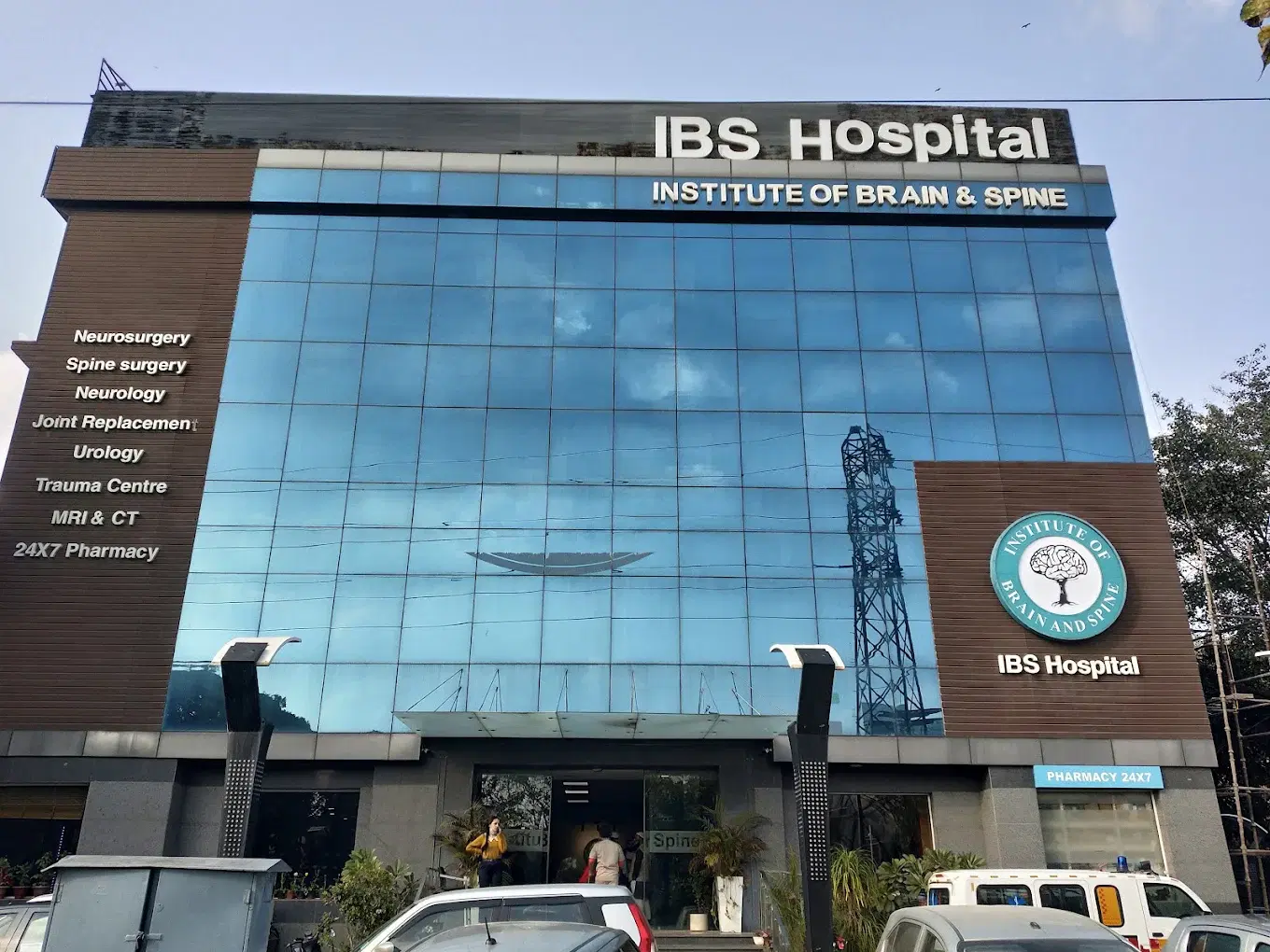
Institute of Brain and Spine (IBS Hospital)
Not Specified
How DivinHeal Helps
We simplify your medical journey by providing comprehensive support and access to world-class healthcare.
Expert Specialist Matching
Connecting you with the world's top-rated medical experts.
Accredited Hospital Network
Access to JCI & NABH certified healthcare facilities.
Complete Travel Coordination
Hassle-free visa, stay, and local transport assistance.
24/7 Personal Care
Dedicated patient advisors supporting you at every step.
Journey Guidance
Full guidance from start to end of the patient treatment journey.
Expert Specialist Matching
Connecting you with the world's top-rated medical experts.
Everything you
need to know today
Browse through these common inquiries to better understand our patient-focused medical platform.
Yes, we work with a variety of insurance providers. Contact our team to verify your coverage.
Yes, we provide secure online consultations with experienced specialists.
Our care coordinators help match you with the most suitable specialist.
Absolutely. Your medical information is protected according to healthcare privacy standards.
Look at six things: accreditation (JCI or NABH), specialty depth, doctor credentials and experience, procedure-specific success rates, international patient support, and technology. DivinHeal's AI-driven matching evaluates every hospital in our accredited partner network on these dimensions and shortlists the best-fit options for your condition, budget, and country.
JCI (Joint Commission International) is the US-based global gold standard for hospital quality, recognised worldwide. NABH is India's national accreditation — accredited by ISQua, the same body that accredits JCI. Both signal independently verified safety and quality. Most of India's leading hospitals hold both.
Yes. All three welcome international patients through structured medical visa programs. India is the most established, treating patients from Africa, the Middle East, and South Asia at 60–80% lower cost. Thailand leads in cosmetic and dental care. The UAE is emerging in oncology and reproductive medicine.
Most patients save 50–80% on treatment costs. Heart bypass costs US $7,000–9,000 in India compared to $70,000–150,000 in the US. IVF costs $3,000–4,500 compared to $12,000–20,000 in the UK. Even after flights, visa, and accommodation, total savings remain 60–70%.
DivinHeal manages your entire non-medical journey: visa invitation letters, medical visa guidance, doctor appointments, teleconsultations, airport pickup, hospital-vetted accommodation for you and your attendant, language interpreters, local transport, cuisine preferences, and post-treatment follow-up — one dedicated coordinator from first enquiry to final follow-up.
You need a valid passport (6+ months validity), a medical visa (M-Visa for India — DivinHeal provides the hospital invitation letter), return flight tickets, recent medical reports and a doctor's referral, current prescription list, and proof of financial means. Any accompanying attendant needs their own passport and MX-Visa.
Still have more questions?
Book a call with our friendly team to learn how DivineHeal simplifies your healthcare journey.