



Hemophilia Care Program
5K+ International Patients Treated
40+ Source Countries Served
500+ Accredited Partner Hospitals
98% Patient Satisfaction
80% Average Savings vs USA
10K+ Doctors
NABH, JCI Accredited Hospitals
Free Treatment Plan
Free Consultation with Doctor
5+ Destinations Covered
About Hemophilia Care Program
Sources and Guidelines Referenced
This clinical guide is grounded in established international practice guidelines and consensus statements, including the World Federation of Hemophilia (WFH) Guidelines for the Management of Hemophilia (3rd Edition, 2020), the Medical and Scientific Advisory Council (MASAC) of the National Bleeding Disorders Foundation (2022), the European Association for Haemophilia and Allied Disorders (EAHAD 2021), the United Kingdom Haemophilia Centre Doctors' Organisation (UKHCDO 2022), and peer-reviewed clinical trials (Manco-Johnson et al., 2007; Mahlangu et al., 2018; Pipe et al., 2023).
Hemophilia Care Program: A Comprehensive Patient Guide
1. Definition and Medical Identity
A Hemophilia Care Program is a comprehensive, multidisciplinary medical management strategy for individuals with inherited bleeding disorders. Overseen by hematology specialists, this program integrates regular clotting factor replacement, novel non-factor therapies, joint health preservation, and emergency bleeding management. The core objective is to prevent spontaneous hemorrhages and protect long-term joint function.
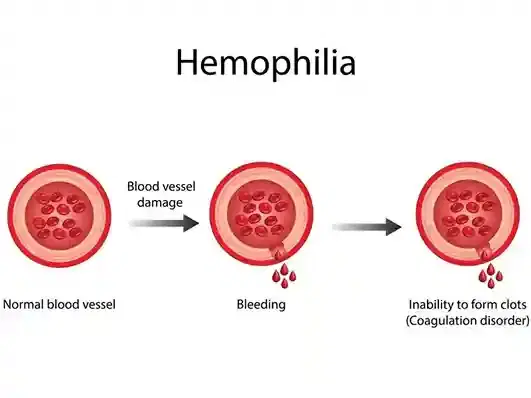
Hemophilia is an inherited genetic condition characterized by a deficiency or complete absence of specific blood-clotting proteins called coagulation factors (clotting proteins). Without sufficient factor levels, the blood cannot form stable fibrin clots, leading to prolonged bleeding following trauma or spontaneous hemorrhages into internal tissues. Comprehensive hemophilia care centers deliver lifelong care through a coordinated team consisting of adult and pediatric hematologists, specialized nurse coordinators, physical therapists, orthopedic surgeons, social workers, and genetic counselors (WFH 2020 Guidelines).
2. The Underlying Condition or Need
Hemophilia arises from genetic mutations causing deficiency in blood clotting proteins. Without adequate coagulation factors (clotting proteins), affected individuals experience spontaneous or prolonged bleeding into joint spaces and deep muscles. Untreated internal bleeding causes severe pain, progressive joint damage (hemophilic arthropathy), and potentially life-threatening internal hemorrhages in vital organs such as the brain.
The primary underlying medical problem in hemophilia is the disruption of the secondary hemostasis (blood clotting process). Blood clotting requires a precise cascade of enzymatic reactions. When factor VIII or factor IX is deficient, the conversion of factor X to its active form is severely impaired, halting the generation of thrombin (the primary enzyme responsible for clot formation).
Without structured medical management, repetitive bleeding into joint cavities—most commonly knees, elbows, and ankles—causes persistent synovial membrane inflammation, known as synovitis. Over time, enzymes released by inflamed synovial tissue destroy articular cartilage and erode subchondral bone. The natural trajectory of unmanaged severe hemophilia involves progressive joint deformation, chronic debilitating pain, muscle atrophy, permanent physical disability, and increased risk of fatal intracranial hemorrhages (Castaman & Matino, 2019).
3. How the Treatment Works — Mechanism
A Hemophilia Care Program works by restoring fluid hemostasis (the blood clotting process) or bypassing missing clotting factors. Regular administration of recombinant factor concentrates or non-factor therapies maintains baseline clotting activity above critical thresholds. This continuous baseline activity allows the coagulation cascade to rapidly form stable fibrin clots, preventing spontaneous internal bleeding before tissue damage occurs.
At the physiological level, classical replacement therapy supplies exogenously manufactured factor VIII or factor IX directly into the patient's bloodstream via intravenous infusion. Once circulating, the replacement protein binds to its physiological cofactors and substrates on activated platelets (cell fragments essential for clotting), restoring thrombin generation at sites of vascular injury.
In contrast, modern non-factor therapies utilize alternative biological mechanisms. For example, emicizumab is a humanized bispecific monoclonal antibody that bridges activated factor IX and factor X. By physically bridging these two proteins, emicizumab restores the missing enzymatic function of factor VIII in hemophilia A, even in the presence of anti-factor VIII neutralizing antibodies (Mahlangu et al., 2018). Maintaining steady-state therapeutic levels of replacement factors or non-factor agents converts a severe bleeding phenotype (factor level <1%) into a mild phenotype (>5% activity), effectively preventing spontaneous joint and tissue bleeding.
4. Types and Variations
Hemophilia care protocols vary by treatment goals, disease severity, and specific factor deficiencies. Options include primary prophylaxis, secondary prophylaxis, and on-demand treatment for acute bleeds. Variations also differ by product type, utilizing plasma-derived factors, recombinant factor concentrates, extended half-life products, or non-factor bispecific antibodies depending on individual patient needs.
Clinicians categorize treatment approaches into two main operational strategies: prophylaxis (preventative therapy) and on-demand therapy (episodic treatment delivered only during active bleeding). Modern international standards strongly advocate for primary prophylaxis, initiated in early childhood before the onset of joint disease (WFH 2020 Guidelines).
| Care Protocol / Variation | Primary Indication | Administration Route & Frequency | Key Clinical Advantages |
|---|---|---|---|
| Standard Half-Life (SHL) Factor Concentrate | Hemophilia A or B (Prophylaxis or On-Demand) | Intravenous (IV) every 2–3 days (FVIII) or every 3–4 days (FIX) | Long-term safety record; rapid clearance for acute surgical coverage. |
| Extended Half-Life (EHL) Factor Concentrate | Hemophilia A or B (Prophylaxis) | IV every 3–5 days (FVIII) or every 7–14 days (FIX) | Reduced infusion frequency; higher trough levels achieved. |
| Non-Factor Therapy (Emicizumab) | Hemophilia A with or without FVIII inhibitors | Subcutaneous (SC) injection every 1, 2, or 4 weeks | Ease of subcutaneous administration; highly stable continuous hemostasis. |
| Bypassing Agents (aPCC / rFVIIa) | Hemophilia A or B with high-titer inhibitors | IV infusion every 2–12 hours during active bleeds or procedures | Bypasses blocked step in coagulation cascade during inhibitor crisis. |
| Gene Therapy (AAV Vector) | Severe adult Hemophilia A or B without inhibitors | Single intravenous infusion | Provides sustained endogenous factor production for multiple years. |
The choice of protocol depends on patient age, vascular access, inhibitor status, baseline bleeding frequency, pharmacokinetic monitoring results, lifestyle, and individual joint health goals (MASAC 2022).
5. Who the Treatment Is For — Indications
A Hemophilia Care Program is indicated for individuals diagnosed with congenital hemophilia A (factor VIII deficiency) or hemophilia B (factor IX deficiency). Indications cover mild, moderate, and severe phenotypes. Treatment begins upon baseline factor level confirmation, with primary prophylaxis recommended prior to the onset of joint disease or after the first joint bleed.
Diagnostic indications are based on plasma clotting factor activity levels relative to normal human plasma (100% or 1.0 IU/mL):
- Severe Hemophilia: Factor level less than 1% (<0.01 IU/mL). Characterized by frequent spontaneous joint or muscle bleeds. Continuous prophylaxis is strongly indicated.
- Moderate Hemophilia: Factor level between 1% and 5% (0.01–0.05 IU/mL). Characterized by severe bleeds following minor trauma and occasional spontaneous bleeds. Prophylaxis is indicated based on bleeding phenotype.
- Mild Hemophilia: Factor level between 5% and 40% (0.05–0.40 IU/mL). Bleeding occurs primarily after surgery, tooth extraction, or major trauma. On-demand or perioperative treatment is indicated.
Diagnostic workup requires specialized coagulation testing, including activated partial thromboplastin time (aPTT, a test measuring intrinsic clotting speed), specific factor activity assays, and Bethesda assays to detect neutralizing inhibitors (UKHCDO 2022).
6. Who the Treatment Is NOT For — Contraindications
Hemophilia Care Programs have few absolute contraindications, as treatment is medically necessary. However, specific treatment components have contraindications. Known severe allergic hypersensitivity to specific factor formulations or viral vector capsids contraindicates those specific agents. Additionally, active thrombotic microangiopathy or severe liver dysfunction requires immediate protocol modification and specialized medication adjustment.
Clinical contraindications for specific therapies within the program include:
- Specific Factor Allergy: Known systemic hypersensitivity or anaphylactic response to specific mouse, hamster, or human protein components in recombinant or plasma-derived products.
- Emicizumab and High-Dose aPCC Co-administration: Simultaneous use of emicizumab and activated prothrombin complex concentrate (aPCC) at doses exceed 100 U/kg/24 hours is contraindicated due to severe risks of thrombotic microangiopathy (microscopic blood clots damaging small vessels) and systemic thrombosis (Oldenburg et al., 2017).
- Gene Therapy Exclusions: Adeno-associated virus (AAV) gene therapy is contraindicated in patients with pre-existing neutralizing anti-AAV antibodies, active hepatitis, advanced hepatic fibrosis, or age under 18 years (Pipe et al., 2023).
- Desmopressin (DDAVP) Contraindications: DDAVP is contraindicated in severe hemophilia A, hemophilia B (ineffective), children under 2 years of age (risk of severe hyponatremia and fluid retention), and patients with underlying cardiovascular disease.
7. Alternatives and Clinical Comparison
Alternatives to standard factor concentrates include non-factor therapies, synthetic hormone treatments, antifibrinolytic drugs, and gene therapy. While replacement factors substitute missing proteins directly, alternatives like bispecific monoclonal antibodies mimic missing factor function, and synthetic hormones stimulate endogenous factor release in mild disease. Gene therapy provides continuous endogenous factor expression for selected adults.
When evaluating care options, hematologists weigh invasiveness, administration frequency, inhibitor risk, and financial/logistical feasibility.
| Therapeutic Class | Mechanism of Action | Invasiveness & Route | Key Trade-Offs & Clinical Context |
|---|---|---|---|
| Factor Replacement (SHL / EHL) | Replaces missing FVIII or FIX protein directly. | Moderate to High (frequent IV infusions). | Direct physiological replacement; requires reliable intravenous access; risk of neutralizing inhibitor development. |
| Non-Factor Mimetic (Emicizumab) | Bridges FIXa and FX to restore coagulation function. | Low (Subcutaneous injection every 1–4 weeks). | High convenience and steady protection; effective in patients with FVIII inhibitors; does not treat acute factor deficiency in other pathways. |
| Desmopressin (DDAVP) | Stimulates release of stored endogenous FVIII and VWF. | Low (Intravenous, subcutaneous, or nasal spray). | Effective only in mild Hemophilia A; risk of tachyphylaxis (diminishing response) and hyponatremia; ineffective in Hemophilia B. |
| Antifibrinolytics (Tranexamic Acid) | Inhibits fibrin degradation, stabilizing existing clots. | Low (Oral tablet or intravenous). | Adjunctive therapy for mucosal bleeding (dental, oral, nasal); cannot prevent major internal hemarthrosis alone. |
| AAV Gene Therapy | Delivers functional F8 or F9 gene to hepatocytes. | Low long-term (Single IV infusion). | Potential multi-year freedom from infusions; long-term durability uncertain; immune response may require temporary steroid therapy. |
8. Pre-Treatment Phase
The pre-treatment phase focuses on baseline laboratory evaluation, clinical baseline scoring, and treatment plan selection. Diagnostic testing confirms clotting factor baseline activity levels, tests for neutralizing antibodies (inhibitors), and establishes organ function baselines. Patients receive comprehensive education regarding medication administration, cold-chain storage requirements, venous access management, and emergency hemorrhage response protocols.
During initial registration in a Hemophilia Care Program, patients undergo a standardized diagnostic battery:
- Coagulation & Inhibitor Profiling: Baseline factor assays and Bethesda titer assay (or Nijmegen-modified Bethesda assay) to quantify anti-FVIII or anti-FIX antibodies.
- Infectious Disease & Organ Function Screening: Baseline viral serologies (HBV, HCV, HIV) and liver function panel.
- Musculoskeletal Assessment: Evaluation using the Hemophilia Joint Health Score (HJHS) and baseline point-of-care ultrasound (POCUS) to identify target joints (defined as 3 or more spontaneous bleeds into a single joint within a consecutive 6-month period).
- Education & Training: Comprehensive instruction on product reconstitution, sterile technique, maintaining medication administration logs, and operating reconstitution devices. For pediatric patients or patients with difficult peripheral veins, surgical planning for a central venous access device (such as a port-a-cath) may be conducted (EAHAD 2021).
9. The Procedure — Step-by-Step Clinical Detail
The procedure phase of a Hemophilia Care Program consists of standardized administration protocols for clotting therapies. Factor replacement involves intravenous infusion of concentrated clotting factors, while non-factor therapies are delivered via subcutaneous injection. Healthcare teams train patients or caregivers in aseptic self-administration techniques, enabling routine prophylactic care at home with periodic clinic monitoring.
Routine self-administration or clinical infusion follows a strict chronological sequence to ensure sterility and therapeutic efficacy:
Step 1: Product Preparation and Reconstitution
Factor concentrates stored under refrigeration (2°C to 8°C) are allowed to reach room temperature. Using aseptic technique, sterile water or diluent is transferred into the vial containing lyophilized factor powder using a double-ended transfer needle or needleless reconstitution system. The vial is gently swirled—never shaken, to prevent protein denaturation—until the powder is completely dissolved into a clear solution.
Step 2: Vascular Access and Site Preparation
For intravenous factor concentrates, the infusion site (typically a peripheral forearm or hand vein, or a central port-a-cath) is disinfected with chlorhexidine or isopropyl alcohol. If a central port is used, the skin is accessed using a sterile non-coring Huber needle under aseptic field conditions.
Step 3: Therapeutic Administration
The reconstituted factor concentrate is drawn into a sterile syringe and infused via slow intravenous push, typically at a rate not exceeding 2 to 3 mL per minute. For non-factor subcutaneous therapies like emicizumab, the pre-filled liquid solution is injected into the abdomen, upper outer arm, or thigh using a fine-gauge needle.
Step 4: Post-Infusion Care and Documentation
The needle or access catheter is carefully withdrawn, and firm pressure is applied to the venipuncture site for 3 to 5 minutes to prevent local hematoma formation. The patient or caregiver records the lot number, dose in international units (IU) or milligrams, date, time, and clinical reason (prophylaxis vs. acute bleed location) into a digital bleeding logbook linked to the hemophilia treatment center database (WFH 2020 Guidelines).
10. Immediate Post-Procedure Period
The immediate post-administration period involves observing for early hypersensitivity reactions and ensuring complete hemostatic control following infusions. For acute bleeding management, symptoms should begin resolving within 1 to 2 hours of infusion. Patients monitor for localized infusion site reactions, swelling changes, and resolution of joint pain or aura symptoms associated with acute hemorrhages.
Following routine prophylactic administration, normal daily activities can be resumed immediately, subject to activity restrictions set by the hematologist. However, when an infusion is given to treat an acute hemarthrosis or muscle bleed, the patient must follow immediate post-bleed management steps:
- Rest and Immobilization: Rest the affected joint or limb in a comfortable position to reduce mechanical stress on the healing microvasculature.
- Ice/Cryotherapy: Apply cold packs wrapped in a towel for 15–20 minutes at a time to promote vasoconstriction and reduce localized inflammation.
- Elevation: Elevate the bleeding limb above heart level when resting to enhance venous drainage and decrease tissue swelling.
- Symptom Re-evaluation: Re-assess pain, swelling, and joint mobility at 4 to 6 hours. If pain persists or swelling increases, a repeat factor infusion is administered according to the individual's emergency plan (MASAC 2022).
11. Recovery — Short and Long Term
Recovery and long-term management in hemophilia care focus on continuous musculoskeletal monitoring and maintaining functional mobility. Short-term recovery from acute joint bleeds requires resting the joint, followed by gradual physical therapy over 1 to 2 weeks. Long-term recovery centers on routine joint scoring, physical conditioning, and preventing chronic joint degradation.
The timeline for recovery from an acute hemarthrosis follows a structured multidisciplinary rehabilitation protocol:
- Days 1–2 (Acute Phase): Hemostasis achieved with factor replacement. Focus on pain control and resting the joint. Isometric muscle contractions (gentle muscle squeezing without joint movement) are initiated as pain allows to prevent rapid muscle atrophy.
- Days 3–7 (Subacute Phase): Active-assisted range of motion exercises begin under factor cover. Weight-bearing is gradually re-introduced as pain and effusion subside.
- Weeks 1–2 (Rehabilitation Phase): Progressive resistance exercises to rebuild surrounding stabilizer muscles (e.g., quadriceps strengthening for knee bleeds). Return to baseline daily activities once full range of motion is restored.
- Long-Term (Lifetime Continuum): Routine functional assessments every 6–12 months. Maintenance of core strength, body mass index (BMI) optimization to reduce joint load, and annual joint ultrasound imaging to monitor subclinical synovitis.
12. Risks, Side Effects, and Complications
Risks in a Hemophilia Care Program include neutralising antibody formation, infusion-related allergic reactions, venous access complications, and rare thrombosis. Inhibitor development represents the most significant complication, neutralizing replacement factor efficacy. Regular clinical screening and structured management matrices allow early detection and intervention to mitigate long-term health risks and complications.
The clinical severity of potential complications varies, requiring stratified surveillance and swift medical response.
| Severity Level | Potential Complication / Side Effect | Clinical Manifestation & Frequency | Management Strategy |
|---|---|---|---|
| Common / Mild | Injection site reaction / Venous bruising | Mild erythema, localized pain, or small hematoma at needle site (10–20%). | Proper technique, cold compress, alternating infusion sites. |
| Uncommon / Moderate | Central venous catheter infection or occlusion | Fever, localized port redness, or inability to flush catheter (2–5% per catheter-year). | Systemic antibiotics, catheter locks (taurolidine/heparin), or surgical port removal. |
| Rare / Severe | Inhibitor Formation (Neutralizing Antibodies) | Lack of clinical response to factor infusion; persistent bleeding (25–30% in severe FVIII; 3–5% in severe FIX). | Immune Tolerance Induction (ITI) therapy, switching to bypassing agents or emicizumab. |
| Rare / Severe | Anaphylaxis / Hypersensitivity | Urticaria, bronchospasm, facial edema, hypotension (<1%). More common in FIX deficiency with inhibitors. | Immediate cessation of infusion, intramuscular epinephrine, antihistamines, emergency medical care. |
| Very Rare / Life-Threatening | Thrombotic Microangiopathy (TMA) / Thromboembolism | Microvascular thrombosis, renal dysfunction, or deep vein thrombosis (<0.5%; associated with high-dose aPCC + emicizumab). | Immediate discontinuation of aPCC; supportive care, microvascular monitoring. |
Long-term safety data from national hemophilia registries demonstrate that modern recombinant factors and non-factor therapies have an exceptional viral safety profile, eliminating historical risks of plasma-transmitted viral infections such as HIV and Hepatitis C (WFH 2020 Guidelines).
13. Lifestyle and Behavioural Considerations
Lifestyle management in hemophilia focuses on physical activity modification, joint protection, and medication compliance. Low-impact physical activities like swimming and cycling promote muscular strength without excessive joint impact. Patients must avoid non-storyidal anti-inflammatory drugs (NSAIDs) that impair platelet function and adhere to safety gear guidelines during daily activities.
Evidence-based lifestyle guidelines established by hematology consensus panels include:
- Physical Activity Selection: Participation in non-contact sports (swimming, walking, cycling, badminton) is strongly encouraged to build strong supporting musculature around joints. High-contact or collision sports (e.g., rugby, American football, boxing) are generally discouraged due to severe intracranial and internal hemorrhage risks.
- Medication Precautions: Avoid nonsteroidal anti-inflammatory drugs (NSAIDs) such as aspirin, ibuprofen, and naproxen without specialist approval, as these inhibit platelet aggregation (clumping of blood platelets) and exacerbate mucosal bleeding. Paracetamol (acetaminophen) is preferred for mild analgesia.
- Dental Hygiene: Rigorous oral hygiene reduces periodontal inflammation and dental caries, minimizing the need for invasive oral surgeries that require high-dose factor coverage.
- Travel Planning: Patients should travel with adequate factor concentrate supplies in thermal bags, portable reconstitution devices, an official medical travel letter, and contact details for hemophilia centers at their destination.
14. How Outcomes Are Measured
Outcomes in a Hemophilia Care Program are measured using annualized bleed rates (ABR), joint health scores, and radiographic assessments. Clinical success is defined by minimal or zero spontaneous bleeding episodes and preservation of joint mobility. Standardized tools like the Hemophilia Joint Health Score track physical changes over time to optimize care regimens.
Hematology teams monitor treatment efficacy using standardized clinical endpoints:
- Annualized Bleed Rate (ABR): The total number of bleeding episodes over a 12-month period. Excellent prophylactic efficacy targets an ABR of zero spontaneous bleeds (Srivastava et al., 2020).
- Annualized Joint Bleed Rate (AJBR): The number of joint-specific hemorrhages per year, serving as a direct marker of joint protection.
- Hemophilia Joint Health Score (HJHS): An 8-item physical examination tool measuring joint swelling, duration of effusion, muscle atrophy, crepitus, loss of flexion/extension, and gait alteration in knees, ankles, and elbows.
- Musculoskeletal Imaging: Point-of-care ultrasound (HEAD-US protocol) or MRI to detect early subclinical synovial hypertrophy and cartilage thinness before physical symptoms develop.
- Pharmacokinetic (PK) Tailoring: Measuring factor half-life and clearance in individual patients to adjust dose and dosing interval, ensuring factor trough levels remain above targeted safety thresholds (e.g., >3–5%).
15. Recent Advances and Current Standard of Care
Recent advances in hemophilia care include extended half-life clotting factors, bispecific monoclonal antibodies, and adeno-associated virus gene therapy. Non-factor therapies allow subcutaneous administration with reduced dosing frequency, while gene therapy offers single-dose continuous factor expression. Standard of care has shifted from reactive on-demand treatment to proactive, individualized prophylactic regimens.
Over the past decade, the standard of care in hematology has evolved rapidly from standard factor concentrates toward sustained multi-week hemostatic protection:
- Extended Half-Life (EHL) Technologies: Utilizing Fc fusion, pegylation, or single-chain modifications to prolong clotting factor circulation time. EHL factor IX products extend dosing intervals up to once every 10 to 14 days (Leebeek & Miesbach, 2021).
- Non-Factor Therapies: Monoclonal bispecific antibodies (emicizumab) and investigational rebalancing agents (such as fitusiran, an RNA interference therapy targeting antithrombin) provide steady, continuous hemostatic control via simple subcutaneous delivery.
- AAV Vector Gene Therapy: Gene transfer therapies, such as valoctocogene roxaparvovec (for hemophilia A) and etranacogene dezaparvovec (for hemophilia B), deliver a functional factor gene copy directly to liver hepatocytes. Clinical trials demonstrate long-term endogenous factor production, enabling many patients to discontinue routine factor prophylaxis entirely (Pipe et al., 2023).
16. Common Myths and Misconceptions
Common myths about hemophilia care often stem from historical treatment limitations and outdated medical information. Modern hemophilia care enables individuals to participate in physical activities and live normal lifespans. Clarifying these misconceptions through peer-reviewed evidence helps patients and caregivers make informed decisions regarding prophylaxis, activity levels, and long-term physical health.
Myth: A small cut or scratch will cause a person with hemophilia to bleed to death.
Reality: Surface cuts and minor scratches affect primary hemostasis (platelet plug formation), which is typically normal in hemophilia. Hemophilia causes prolonged deep internal bleeding into joints and muscles rather than rapid external bleeding from superficial wounds (WFH 2020 Guidelines).
Myth: Children with hemophilia should avoid all physical exercise and sports.
Reality: Physical activity is essential for developing strong muscles that stabilize joints and reduce spontaneous bleeding risks. Under proper prophylactic coverage, non-contact sports like swimming, cycling, and golf are highly recommended (MASAC 2022).
Myth: Hemophilia affects only males, so females never experience bleeding symptoms.
Reality: While hemophilia is an X-linked condition predominantly affecting males, female carriers can have low factor levels (under 40%) due to lyonization (X-chromosome inactivation) and suffer significant bleeding symptoms, including heavy menstrual bleeding and joint bleeds requiring care.
Myth: Extended half-life factors or non-factor therapies cure hemophilia.
Reality: Modern therapies control bleeding and prevent complications with high efficacy, but they do not alter the underlying genetic mutation. Only successful gene therapy offers long-term endogenous factor production, though it is currently restricted to eligible adults.
Myth: Factor replacement therapy should only be given after a bleed starts.
Reality: Waiting for symptoms to appear allows subclinical joint damage to occur. Clinical evidence conclusively shows that continuous prophylactic therapy started in early childhood prevents arthropathy far more effectively than episodic on-demand treatment (Manco-Johnson et al., 2007).
Myth: Gene therapy immediately cures all joint damage caused by hemophilia.
Reality: Gene therapy stops ongoing bleeding tendency by restoring factor expression, but it cannot reverse established structural joint damage or arthropathy already present before treatment (Pipe et al., 2023).
17. Frequently Asked Questions
What is the difference between Hemophilia A and Hemophilia B?
Hemophilia A is caused by a deficiency in blood clotting factor VIII, whereas Hemophilia B is caused by a deficiency in factor IX. Although both disorders share identical clinical bleeding symptoms and inheritance patterns, they require different factor replacement concentrates for treatment.
How is prophylaxis administered in small children with poor venous access?
In pediatric patients with difficult peripheral veins, clinicians may utilize non-factor therapies like emicizumab, which is given as a simple subcutaneous injection. Alternatively, a central venous access device (such as a port-a-cath) can be surgically implanted to facilitate routine intravenous factor infusions.
What is an inhibitor and why is it a severe complication?
An inhibitor is a neutralizing IgG antibody produced by the immune system that recognizes infused factor replacement protein as foreign and destroys it. This renders standard factor infusions ineffective, requiring specialized bypassing agents or non-factor therapies to manage bleeding risks.
Can someone with hemophilia take over-the-counter pain medications?
Patients should avoid aspirin and nonsteroidal anti-inflammatory drugs (NSAIDs) like ibuprofen, as they disrupt platelet function and worsen bleeding risks. Paracetamol (acetaminophen) is the preferred over-the-counter analgesic, but persistent pain should always be evaluated by a hematologist.
How often do I need to visit the Hemophilia Treatment Center?
Patients on stable prophylactic regimens typically attend comprehensive clinic evaluations every 6 to 12 months. Children, patients adjusting dosages, or those undergoing immune tolerance induction may require more frequent visits every few weeks to months.
Is gene therapy a permanent cure for hemophilia?
Gene therapy provides multi-year endogenous factor expression, allowing many patients to stop regular infusions. However, clinical studies continue to evaluate long-term durability over decades, so hematologists describe gene therapy as a long-term treatment rather than a guaranteed permanent cure.
Can women be diagnosed with hemophilia?
Yes. Although rare, females can inherit two mutated X chromosomes or experience extreme lyonization (X-chromosome inactivation), resulting in factor levels in the moderate or severe range. Female carriers with factor levels below 40% are clinically recognized as having mild hemophilia.
What should I do if I suspect an acute joint bleed?
Administer your prescribed dose of factor replacement or contact your care team immediately. Follow the RICE protocol (Rest, Ice, Elevation) and monitor symptoms. Do not wait for severe pain or visible swelling to develop before treating a suspected bleed.
Can I travel internationally while in a Hemophilia Care Program?
Yes. Travel requires planning: carry sufficient reconstituted or powder factor concentrates in climate-controlled carry-on luggage, bring official medical travel documentation, and carry contact details for accredited treatment centers at your destination.
What is a target joint?
A target joint is defined as a single joint (such as an ankle, knee, or elbow) that has experienced 3 or more spontaneous bleeding episodes within a consecutive 6-month period, requiring targeted physical therapy and treatment optimization to prevent severe joint decay.
How does physical therapy help in hemophilia management?
Specialized physical therapy strengthens the muscles surrounding vulnerable joints, restores range of motion after bleeds, improves proprioception, and reduces mechanical strain on cartilage, directly lowering the frequency of physical bleeds.
Are vaccinations safe for individuals with hemophilia?
Yes. Vaccines are strongly recommended. To prevent muscle hematomas, intramuscular vaccines should be administered using a fine-gauge needle (23-gauge or smaller) followed by firm pressure applied to the site for at least 5 minutes, or administered subcutaneously when approved.
Booking With DIVINHEAL
Get a free consultation to understand your treatment options
Cost Calculator
I know my treatment - show me cost from 3 hospitals
Plan My Journey
Tell us your condition and budget - our AI matches the right destination, hospital and doctor and visa pathway
Recommended Article

Booking With DIVINHEAL
Get a free consultation to understand your treatment options
Cost Calculator
I know my treatment - show me cost from 3 hospitals
Plan My Journey
Tell us your condition and budget - our AI matches the right destination, hospital and doctor and visa pathway
Recommended Article
Meet Our Medical Specialists
Hospitals
NABH & JCI Accredited Hospitals in India,Turkey, Thailand & UAE.
How DivinHeal Helps
We simplify your medical journey by providing comprehensive support and access to world-class healthcare.
Expert Specialist Matching
Connecting you with the world's top-rated medical experts.
Accredited Hospital Network
Access to JCI & NABH certified healthcare facilities.
Complete Travel Coordination
Hassle-free visa, stay, and local transport assistance.
24/7 Personal Care
Dedicated patient advisors supporting you at every step.
Journey Guidance
Full guidance from start to end of the patient treatment journey.
Expert Specialist Matching
Connecting you with the world's top-rated medical experts.
Everything you
need to know today
Browse through these common inquiries to better understand our patient-focused medical platform.
Yes, we work with a variety of insurance providers. Contact our team to verify your coverage.
Yes, we provide secure online consultations with experienced specialists.
Our care coordinators help match you with the most suitable specialist.
Absolutely. Your medical information is protected according to healthcare privacy standards.
Look at six things: accreditation (JCI or NABH), specialty depth, doctor credentials and experience, procedure-specific success rates, international patient support, and technology. DivinHeal's AI-driven matching evaluates every hospital in our accredited partner network on these dimensions and shortlists the best-fit options for your condition, budget, and country.
JCI (Joint Commission International) is the US-based global gold standard for hospital quality, recognised worldwide. NABH is India's national accreditation — accredited by ISQua, the same body that accredits JCI. Both signal independently verified safety and quality. Most of India's leading hospitals hold both.
Yes. All three welcome international patients through structured medical visa programs. India is the most established, treating patients from Africa, the Middle East, and South Asia at 60–80% lower cost. Thailand leads in cosmetic and dental care. The UAE is emerging in oncology and reproductive medicine.
Most patients save 50–80% on treatment costs. Heart bypass costs US $7,000–9,000 in India compared to $70,000–150,000 in the US. IVF costs $3,000–4,500 compared to $12,000–20,000 in the UK. Even after flights, visa, and accommodation, total savings remain 60–70%.
DivinHeal manages your entire non-medical journey: visa invitation letters, medical visa guidance, doctor appointments, teleconsultations, airport pickup, hospital-vetted accommodation for you and your attendant, language interpreters, local transport, cuisine preferences, and post-treatment follow-up — one dedicated coordinator from first enquiry to final follow-up.
You need a valid passport (6+ months validity), a medical visa (M-Visa for India — DivinHeal provides the hospital invitation letter), return flight tickets, recent medical reports and a doctor's referral, current prescription list, and proof of financial means. Any accompanying attendant needs their own passport and MX-Visa.
Still have more questions?
Book a call with our friendly team to learn how DivineHeal simplifies your healthcare journey.